







What Is Fibre? Benefits, Types, and How it Works
Posted
Updated April 01, 2026

Posted
Updated April 01, 2026

Help your gut flourish

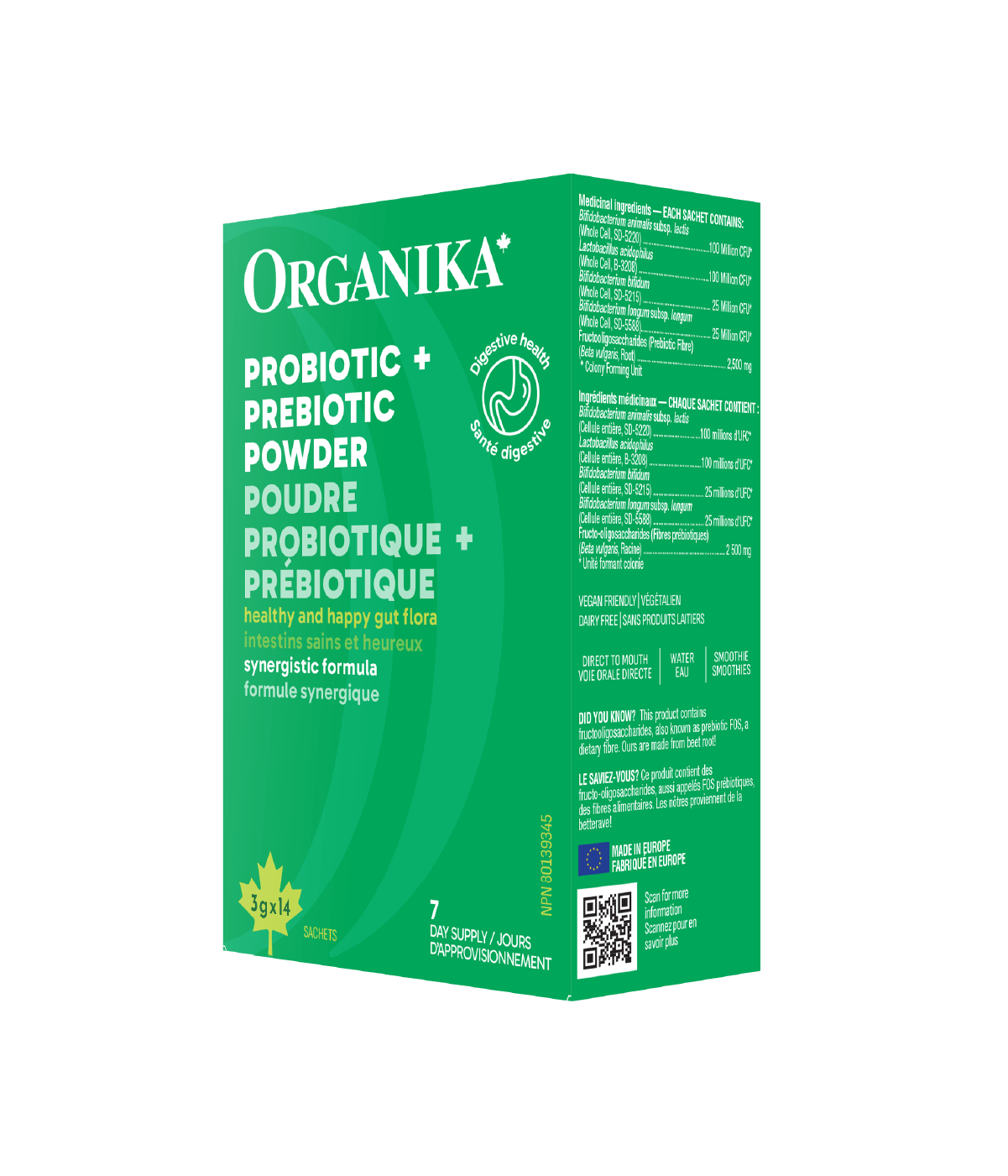
Gut health is more than digestion—it's the gateway to your entire well-being. Your gut plays a critical role in nutrient absorption, immune defense, mental clarity, and even mood regulation. Think of it as your body's engine: when it's running smoothly, everything else functions better. Fun Facts About the Gut: Your gut is home to over 100 trillion microbes, collectively known as your microbiome. Approximately 70% of your immune system resides in your gut. Your gut and brain are connected through the gut-brain axis, which explains why gut health impacts mental health and vice versa. An imbalance in gut bacteria (dysbiosis) has been linked to mood disorders, inflammation, and chronic illness. In fact, research shows that gut microbiota can significantly affect brain function and mental wellbeing, supporting the critical role of the gut-brain axis in optimal health (Sudo, 2019). Why It's Hard to Improve Gut Health Modern lifestyles work against gut health—stress, poor diet, lack of sleep, and antibiotic use can all damage the delicate balance of your gut microbiome. Common Struggles: Bloating, indigestion, or irregular bowel movements Difficulty digesting certain foods Inconsistent energy or “brain fog” Cravings, particularly for sugar and processed foods Why It’s Challenging: Gut health isn't an overnight fix; it requires daily attention and long-term consistency. Gut health is affected by more than just food—sleep, movement, hydration, and stress all play a role. Many people aren’t aware of hidden triggers (like artificial sweeteners or gluten sensitivity) that may be affecting their gut. 21-Day Gut Health Habits That Stick Small shifts over 21 days can create lasting results. Try these strategies to support a healthier gut: Start your day with warm water and lemon or with electrolytes. This hydrates your system and preps digestion. Add fermented foods to your diet daily. Try kimchi, sauerkraut, kefir, or plant-based yogurt for probiotic support. Ditch ultra-processed foods. Cut back on refined sugars and additives that feed bad bacteria. Eat the rainbow. Diverse fiber feeds a diverse gut microbiome—aim for a variety of veggies and fruits. Move your body. Regular exercise supports healthy bowel movements and reduces gut inflammation. Support Your Gut Naturally with Organika Organika’s thoughtfully developed supplements are designed to work gently with your body—not against it. These products help ease digestive discomfort, restore gut balance, and support the microbiome. Explore the curated Healthy Gut Collection for your gut reset journey: Probiotic + Prebiotic Powder: Promotes healthy bacterial balance and immune function. Electrolytes Liver Care: Helps cleanse and hydrate, supporting liver and digestive health. Beef Bone Broth Protein Powder: A rich source of collagen and amino acids to heal and seal the gut lining. Enhanced Collagen (Original, Lemon, Chocolate): Supports intestinal lining, skin, joints, and more. Full Spectrum Plant Enzymes: Helps break down food properly and ease bloating. Gut-Friendly Movement Suggestions Gentle yoga twists (like supine twist or seated spinal twist) to stimulate digestion. Daily walking—especially after meals—to support motility. Core strengthening exercises (like planks) to aid gut-brain connection. Meal Ideas & Recipes for Gut Health Breakfast: Overnight oats with chia seeds, almond milk, and berries (prebiotic-rich) Lunch: Quinoa bowl with roasted veggies, avocado, and kimchi Dinner: Grilled salmon, steamed greens, and sweet potato mash Snack: Apple slices with almond butter and a sprinkle of cinnamon Drink: Bone broth in the afternoon or a probiotic smoothie with yogurt and banana A healthier gut isn’t a trend—it’s a long-term investment in your vitality. Start your 21-Day Habit Change Challenge and feel the difference from the inside out. References Sudo, N. (2019). Microbiome, HPA axis and production of endocrine hormones in the gut. Journal of Clinical Biochemistry and Nutrition, 64(2), 87–91. https://doi.org/10.3164/jcbn.18-57
read more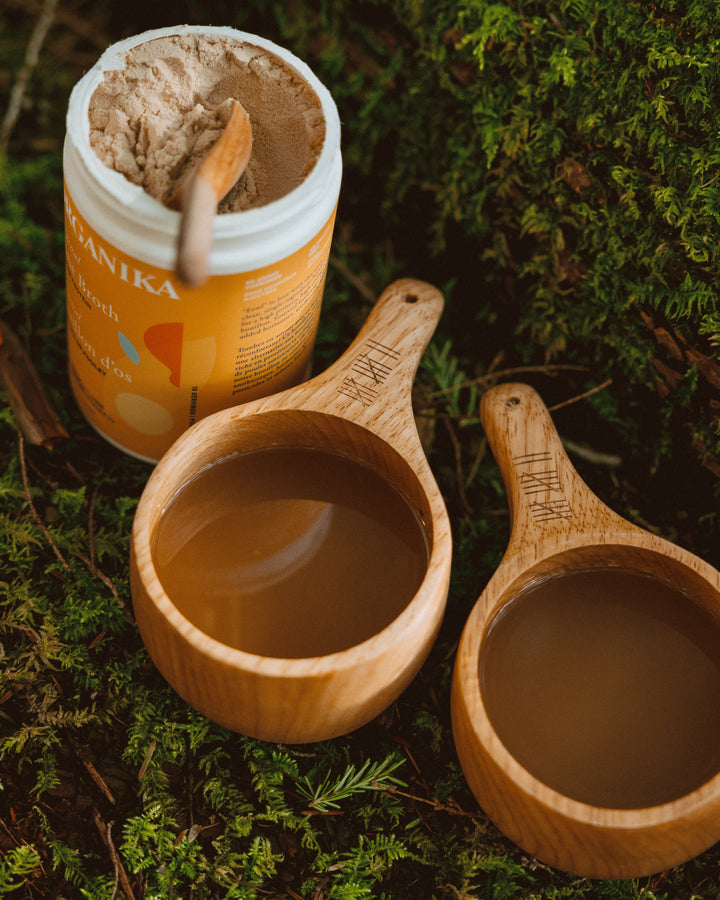
So much of our health starts in our gut! We can attribute the health of our digestive system, immune system, mental health, hormonal health and more, to our gut. What Happens When the Gut Lining Is Damaged? Damage to the gut lining can occur as a result of inflammation, indigestion, and dysbiosis. Prolonged periods of any of these symptoms reduces the production of digestive enzymes, increases the potential of other digestive disturbances, and overtime causes physical damage to the intestinal walls. When the intestinal barrier weakens, food particles, hormones, and toxins leak through into the body. If these particles pass through, they are identified as invaders and can trigger further systemic disruption. How Bone Broth Repairs the Gut Bone broth is an amazing example of gut supportive nutrition! It is made by slowly simmering animal bones in water to extract nutrients into easily digestible and absorbable nutrition. This amino acid-rich broth assists the regeneration and repair of the tissues lining the digestive tract due to a high collagen and gelatin content. Collagen is a protein that is rich in 19 easily absorbable amino acids, most prominently; proline, arginine, and glycine. These amino acids are vital for maintaining the integrity of the digestive tract. Bone broth also contains the amino acid, l-glutamine. L-glutamine is especially good at rebuilding proteins and repairing the intestinal barrier, and is often supplemented on its own for this exact reason. Bone broth is known for it’s high l-glutamine content. The nutritional profile doesn’t stop there! Bone broth is rich in gut supportive nutrients like calcium, magnesium, potassium, phosphorus, selenium and zinc, as well as vitamins A, C and E. And it contains natural compounds, glucosamine, chondroitin sulfate and hyaluronic acid, which contribute to gut health by supporting the health of your microbiome. Bone broth is a great way to take in these nutrients due to its concentrated liquid form. And it is a clean source of protein, the essential macronutrient for cell regeneration! Choosing the Right Bone Broth Organika provides 3 delicious ways to support gut health. Our bone broths are clean, nutrient-dense and deliciously flavoured. Beef Bone Broth Organika beef bone broth comes in Original and Ginger flavours. It is a high protein, collagen-rich, low sodium alternative to regular beef broth. Always free of antibiotics and hormones, our beef broth comes from grass-fed cows in Sweden. We simmer the animal bones and connective tissues to extract the important gut supportive health benefits so that you don’t have to! 2. Chicken Bone Broth Our chicken bone broth comes in Original, Ginger and Turmeric flavours. It is a clean, single-ingredient broth powder sourced from cage-free USA chickens that are exclusively fed organic grain and are tested regularly for hormones, antibiotics, heavy metals or pesticides. It is a higher protein and collagen-rich alternative to regular chicken broth! As with our beef broth, it is rich in glucosamine, hyaluronic acid and chondroitin, compounds that reduce inflammation and joint pain, as well as support the repair of the digestive lining. 3. Veggie Broth For vegetarians and vegans, we have our veggie broth that is packed full of real organic vegetables, adaptogenic tremella mushrooms and nutritional yeast! Nutritional yeast is a source of complete protein. Protein is an essential macronutrient vital for enzyme and hormone production, as well as the repair and regeneration of every cell in the body. If you follow a vegetarian or vegan diet, you may be low in B vitamins. These water-soluble vitamins aren’t stored in the body and must be consumed on a regular basis. Our veggie broth is rich in B vitamins, vital for energy production, antioxidant action, and the building and repairing of DNA. Just like our other formulas, veggie broth also contains the gut supportive amino acid, l-glutamine, to maintain and support a healthy gut barrier! Heal Your Gut with Bone Broth Consuming this nutrient-dense, amino-acid rich product in a variety of dishes, on a daily basis, can help reduce inflammation, digestive disruptions and allergies, and thoroughly nourish your body in one quick scoop! Shop Broths About our Guest Author Alison Dowling HBA, NNCP Certified Alison is a Toronto actor and nutritionist. Through movement training and a love of food, she found holistic nutrition. When she's not writing or working with clients at the Clara Clinic in east Toronto, you'll find her catching up on auditions or brushing up her Shakespeare!
read more
Tips for keeping your digestive tract happy. “You are what you eat and what you digest.” So much of gut health has to do with what you put inside your body. Safe to say how you digest the food you eat ultimately get absorbed at the gut level. It’s important to take care of your gut by providing it with nourishing and healing foods and supplements. We asked our Registered Holistic Nutritionists to weigh in on how to improve gut health and keep it healthy. Eat a diet full of fibre and probiotics Fibre is a plant-based carbohydrate (do not panic at that word) that helps to reduce the risk of many diseases of the heart, digestive system, and more. The two types (soluble and insoluble) are beneficial. It works to stimulate the growth of healthy gut bacteria, it helps to slow down the absorption of glucose, and helps to carry out wastes from the body. Probiotics are healthy gut bacteria that can be found in fermented foods such as yogurt, kimchi and kombucha. Probiotics help keep the gut happy by supplying the beneficial bacteria that helps keep everything calm and balanced. Healthy gut bacteria is linked with less inflammation, irritability, and digestive issues. Learn more about protecting your microbiome here. Safe to say ensuring you are eating a diet with root vegetables, fruits, green leafy vegetables, as well as whole grains (if you do consume grains), along with fermented foods will help improve your gut. Take gut health support supplements Collagen and or Bone Broth Collagen has amino acids that support gut health by reducing inflammation and healing the actual gut. Particularly bovine collagen has been shown to be specifically helpful for gut health. You can also go beyond collagen and take bone broth. Bone broth includes collagen, gelatin as well as other ingredients that may help with tissue healing and calm the inflammation of the gut’s lining. Gelatin is essentially the cooked version of collagen. They both provide the same amino acids and provide the same benefits. Want to have both? Full Spectrum Collagen 1,2,3 combines both collagen and bone broth! Probiotics We talked about the essential role probiotics play in gut health. To be sure you are getting the gut bacteria your body needs, it’s often suggested to take probiotics supplements daily. Providing your gut with these daily will allow the digestive system to be prepared. Probiotics + Prebiotics is a winning combination because it not only provides the beneficial gut flora, but also offers food for the beneficial bacteria (prebiotics) to thrive. Enzymes Part of gut health is the ability to digest the foods you eat. If you feel sluggish or bloated, you can take digestive enzymes that speed up the breakdown of carbohydrates, proteins and fats. Full Spectrum Plant Enzymes are good for digestion which in turn will help with gut health. Move your body Getting exercise daily will help to build your gut health. How? Essentially the muscles involved in digestion strengthen with exercise, this in turn helps with peristalsis (moving digested food throughout the gut). Exercise also plays a role in promoting healthy bacteria in the gut (which we always need a good balance of). In fact, studies have suggested that exercise has the potential of altering the gut flora and promoting wellness. It literally feels good to move! Limit Your Alcohol and Coffee Intake The gut’s bacteria don’t particularly like heavy alcohol consumption. Excessive drinking can lead to digestive upset, but also inflammation of the gut’s lining. When this happens, the gut becomes susceptible to discomfort, ulcers and even infections. For the same reason, if you feel you are getting an upset stomach after consuming caffeine, consider cutting down the amount to 1-2 cups a day. Decrease the stress A common piece of advice for health in general, but most definitely stress has a negative effect on gut health. Studies have shown that there are associations between anxiety and depression and matters of the gut, and vice versa. Therefore you may notice stomach pain following a stressful set of events; the mind and gut connection are very much in sync. Work on calming the mind and body, or consider stress support, such as Enhanced Collagen Relax. This is a great supplement to add into a beverage or water after a stressful day. Enhanced Collagen Relax gently takes the “edge off” without any drowsiness as it has collagen + Magnesium Bisglycinate And L-Theanine (stress and relaxation supportive supplements). Improving your gut health doesn’t have to be a daunting task. Take it one good habit at a time and remember that your whole-body health starts with your gut.
read more