














-
Is this right for you?
-
-
-
-
-
-
Magnesium L-Threonate
A smart magnesium for cognitive health, memory and nervous system health
- Supports healthy cognitive function, focus, and overall brain health
- Helps promote restful sleep quality and nighttime relaxation
- Supports the development and maintenance of healthy bones and teeth
- Contributes to normal energy metabolism and daily vitality
Couldn't load pickup availability



Notify Me When Available
Enter your email and we'll let you know as soon as this product is back
Supplement Facts


Ingredients & Nutrition


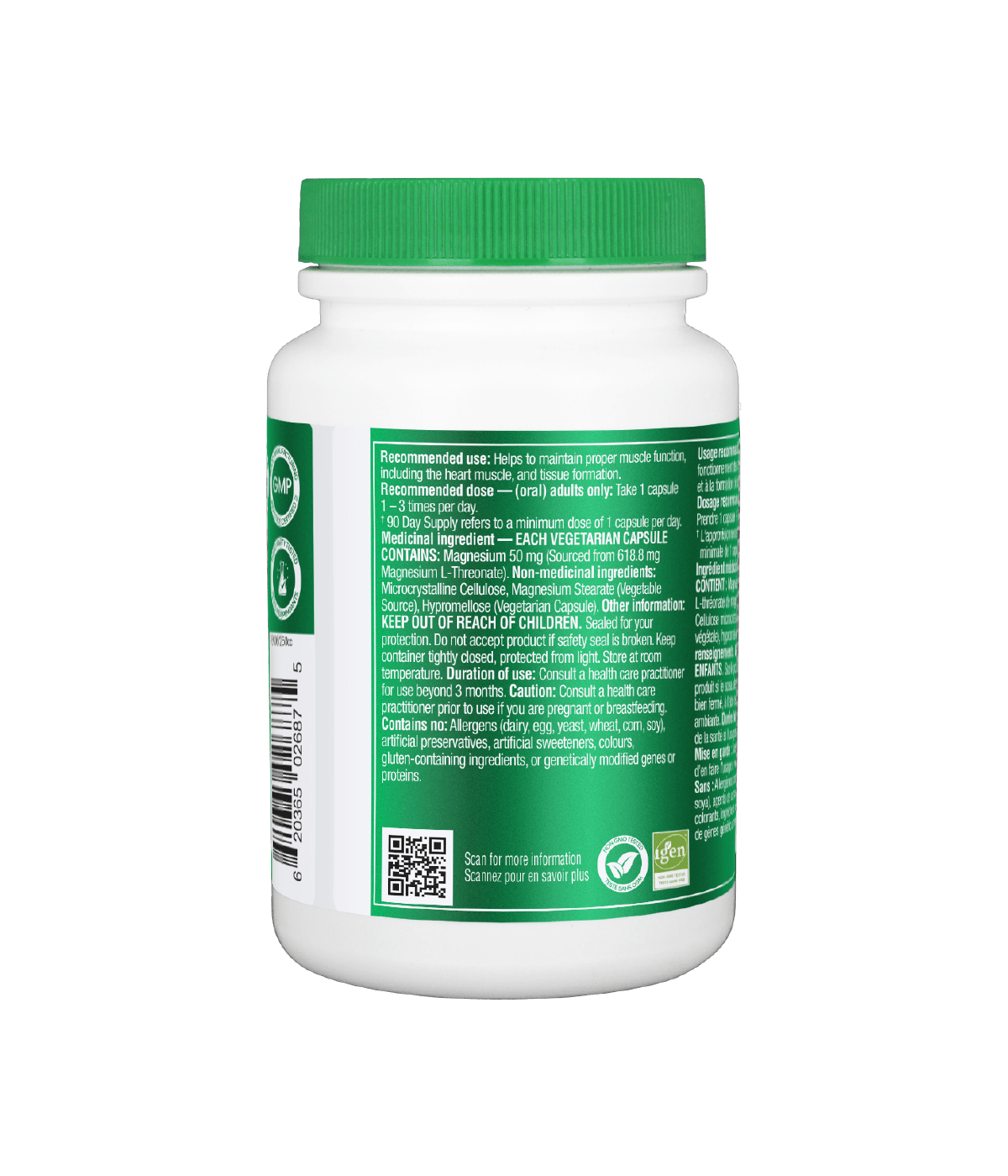
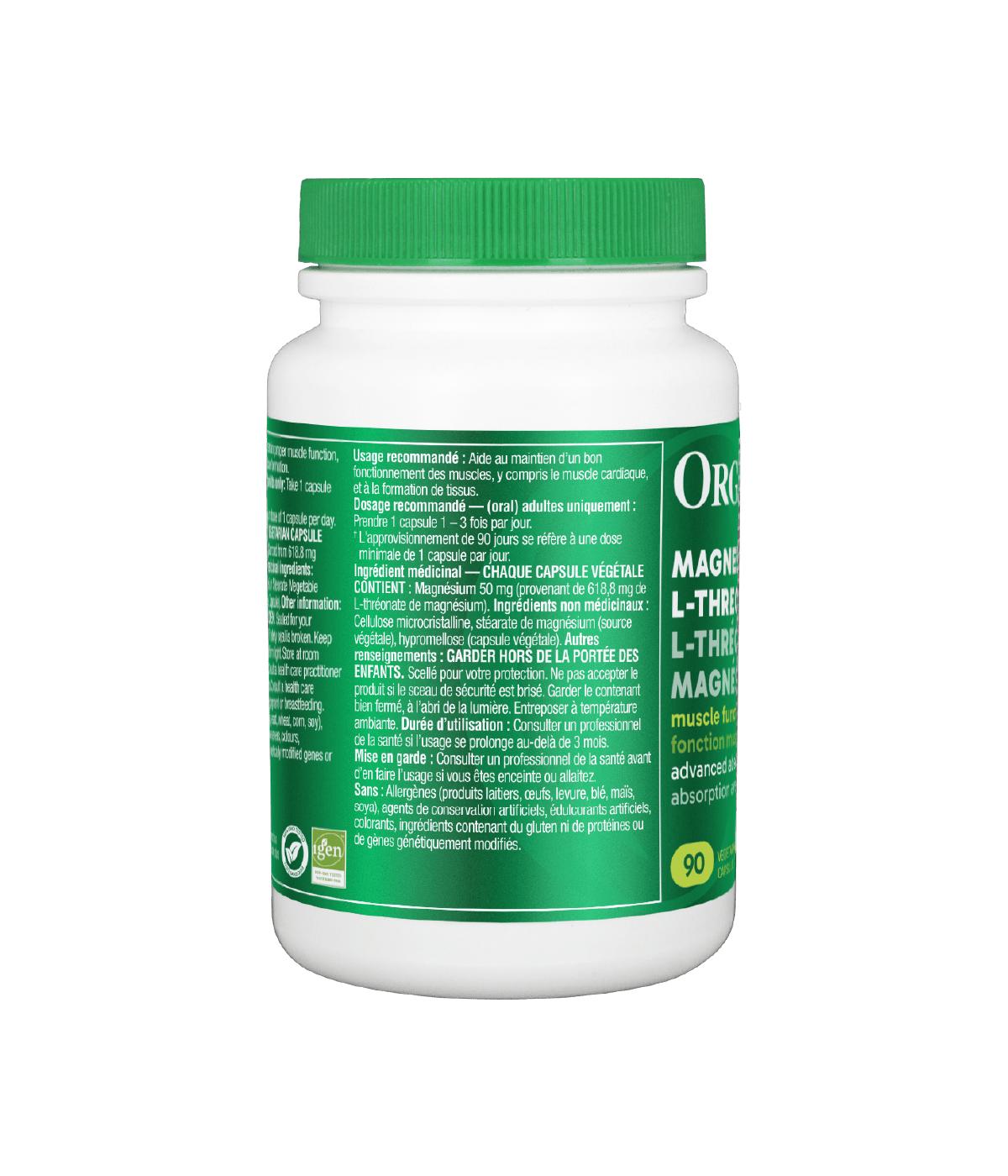
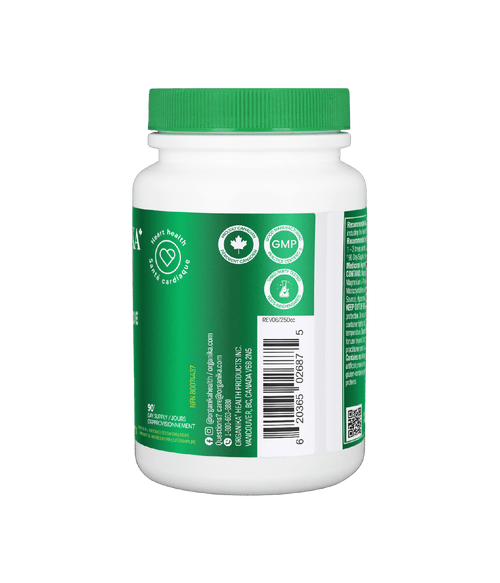
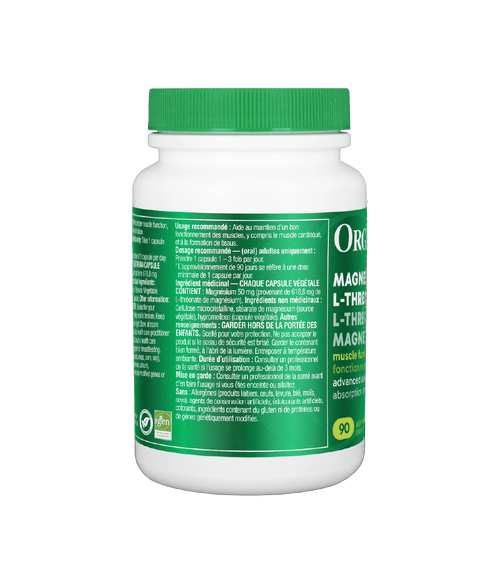
MEDICINAL INGREDIENTS – EACH SERVING CONTAINS: Magnesium (Sourced from Magnesium L-Threonate) 50 mg.
NON-MEDICINAL INGREDIENTS: Brown Rice Flour, Microcrystalline Cellulose, Magnesium Stearate (Non-GMO Vegetable Source), Hypromellose / Pullulan (Vegetarian Capsule).
RECOMMENDED DOSE — (ORAL) ADULTS ONLY: Take 1 capsule 1 – 3 times per day.
Duration of Use: Consult a health care practitioner for use beyond 3 months.
Caution: Consult a healthcare practitioner prior to use if you are pregnant or breastfeeding.
Is This Right for You?
Looking to support focus, mood, and overall brain health while also supporting muscle recovery?
Want a magnesium supplement that goes beyond the basics and focuses on cognitive support?
Curious about how magnesium supports mental clarity, nervous system balance, and daily performance?
If you answered “yes” to any of the above, this product may be a supportive addition to your daily routine.

-
Supports bone and teeth development and maintenance
-
Contributes to energy metabolism
Ingredients & Nutrition
Gluten-Free
Non-GMO
Vegan Friendly
This brain-forward Magnesium L-threonate supports cognition, muscle and bone function and overall vitality

The Full Scoop
-
Supports bone and teeth development and maintenance
-
Contributes to energy metabolism
Not all magnesium is the same, and magnesium L threonate truly stands apart from other types of magnesium. This unique and advanced form has been widely studied for its ability to cross the blood brain barrier, which is why it is often chosen by those looking to support brain health, cognitive function, and nervous system balance in a more targeted way.
Because magnesium L threonate can interact more directly with the brain, it is especially valued for supporting mental clarity, focus, memory, and mood. Many people turn to this form of magnesium when they experience occasional brain fog, mental fatigue, or difficulty concentrating, particularly during periods of stress or demanding schedules.
Beyond cognitive support, magnesium L threonate still delivers the essential magnesium benefits your body needs every day. It plays an important role in energy metabolism, helping your body convert nutrients into usable energy, while also supporting muscle function, tissue formation, and recovery after physical activity. This makes it a well rounded magnesium supplement for both the mind and body.
Unlike more general magnesium supplements, magnesium L threonate offers focused support where it matters most while still contributing to overall magnesium intake. It is a smart choice for anyone looking for a magnesium supplement that goes beyond the basics and supports long term brain health, nervous system function, and daily performance as part of a balanced routine.
Ask Away
We’ve got the FAQs covered. But if you’re still stuck, we’re only a message away.
Get in TouchHow much magnesium do I need?
The Canadian RDA (recommended daily allowance) of magnesium for adult males is 400-420 mg/day, and 310-320 mg/day for adult females. This can be from a combination of diet and supplements. Remember though, you may not absorb magnesium well or have higher requirements due to chronic stress. As long as your kidneys are functioning optimally, you will excrete any extra that you don’t need.
The amount in the capsule of 50 mg doesn’t seem like a lot of magnesium. How is this still effective?
50 mg is the amount of elemental magnesium found in each capsule, not the amount of magnesium l-threonate. This can be confusing and important to note when comparing products. Because it is easy to absorb and crosses the blood brain barrier, you can benefit from a larger percentage of the magnesium than other harder-to-absorb forms. In capsules of 50 mg, you can start slow with one capsule and work your way up to three capsules, determining your optimal dose for maximum benefit. This upper dose provides 150 mg of magnesium.
Organika offers magnesium in bisglycinate, citrate, and L-threonate forms. I know I need magnesium – which one do I need when?
When magnesium is bound to salts (like citrate), about 30-40% of the magnesium is absorbed into the body and tissues, helping our muscles and nerves relax. The rest stays in the digestive tract, where it can help ensure proper regular bowel movements. This is super beneficial for relieving constipation and can be taken daily without dependance.
Magnesium bisglycinate has over twice the absorption rate into the body of magnesium citrate. The magnesium is bound to glycine amino acids, which makes it much easier to transport across the digestive tract lining. As glycine also has calming effects, this formula does great things for promoting relaxation of the body and mind.
Magnesium L-threonate is highly absorbable, and can cross the blood brain barrier, having a greater effect on memory. It has been shown to increase short and long term memory. If the central nervous system are your weak link, Organika’s Magnesium L-Threonate is the choice for you.
Don’t I have to take calcium and magnesium together?
When you’re feeling quite balanced and not experiencing the symptoms listed above, calcium and magnesium taken together is a great idea. It’s recommended to take two parts calcium to one part magnesium, ideally along with some vitamin D and other bone supporting nutrients. On the other hand if you do see yourself in the list of symptoms above, we can actually have too much calcium relative to magnesium. This is especially the case with chronic or ongoing stress. When this stress or other magnesium deficiency symptoms are occurring, we may need to leave out the calcium and take magnesium on its own to bring these two minerals back into balance.
You'll Likely Also Love...

8-in-1 Magnesium
Eight essential forms of magnesium, one powerful formula
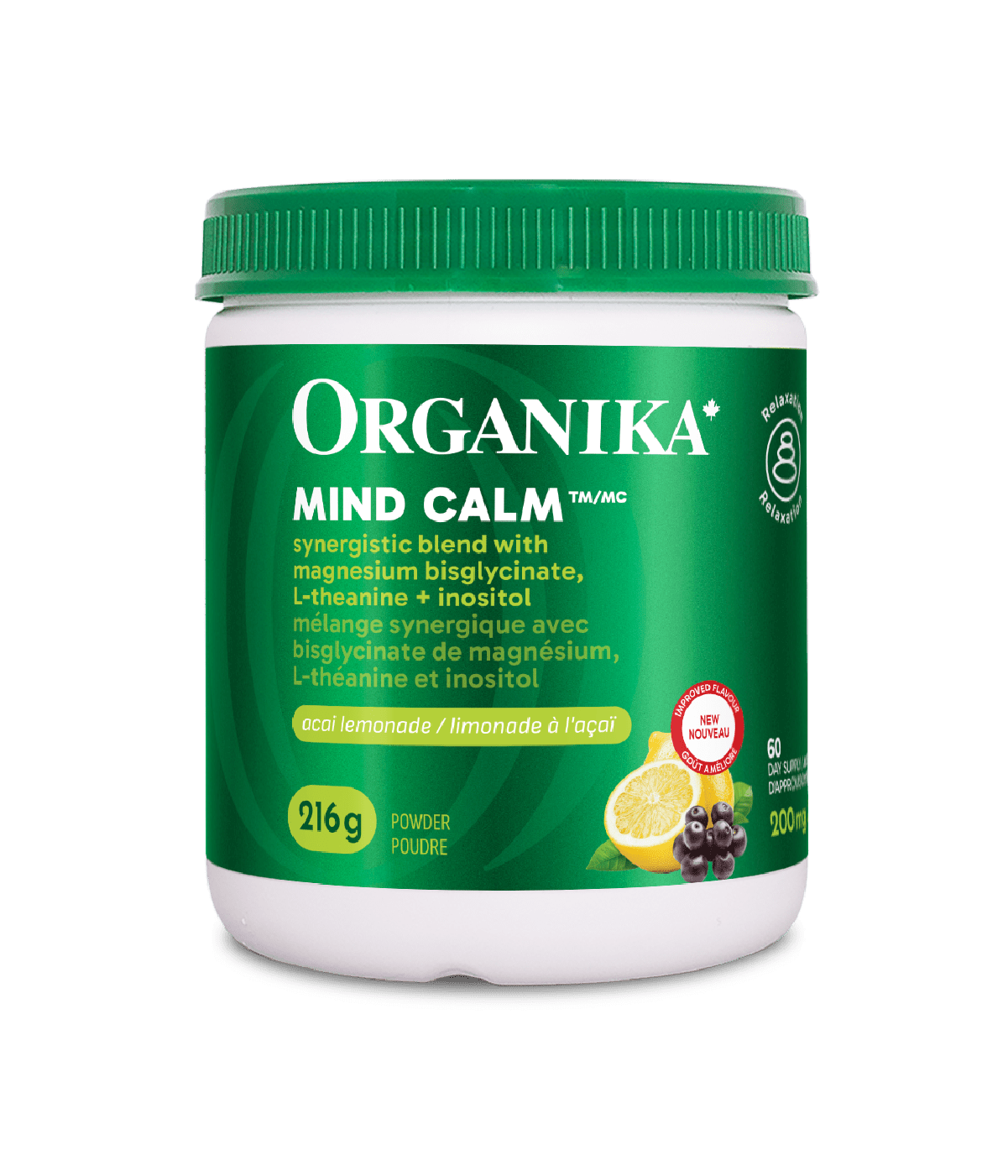
Mind Calm Powder with Magnesium Bisglycinate & L-Theanine
Soothes the mind, reduces stress and enhances feelings of relaxation

Magnesium Bisglycinate
A magnesium that's gentle on the gut and mighty on the body
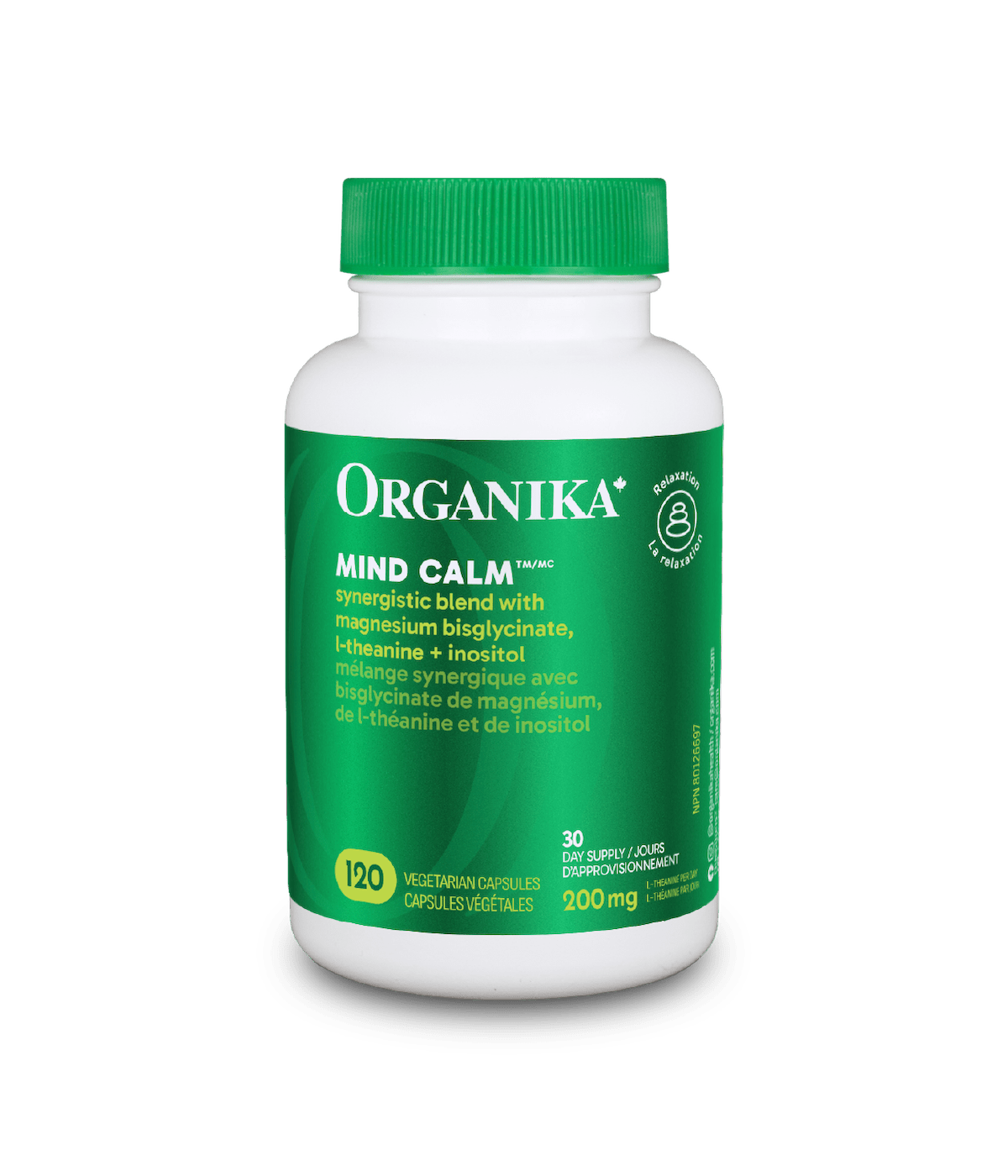
Mind Calm Capsules with Magnesium Bisglycinate & L-Theanine
Soothes the mind, reduces stress and enhances feelings of relaxation
Support Beyond Products

As a holistic nutritionist and fitness coach, one of the most common questions I get from my clients is "Which supplements should I be taking?". Depending on your diet, health concerns, and symptoms, that answer always varies except for one, magnesium. Looking to get a night of restful sleep? Magnesium. Need help with post-workout recovery? Magnesium. Ate a big meal and looking for digestive support? Yup, you guessed it, magnesium. I discovered magnesium when searching for something to ease sore muscles and support deep uninterrupted sleep. As someone who works out daily and often goes to bed with a busy mind, my muscles and mind were becoming tired on all fronts! If I could find a supplement that did that and some...I’d be one happy (and rested), woman! I had been familiar with what magnesium offered and a few of the benefits it offered, but the more research I did, the more amazed I became with this mineral. Magnesium is a mineral but different from others, it's the 4th most needed and used mineral in our bodies. In fact, did you know every cell in our body contains magnesium and needs it to function? It is an essential mineral needed to perform hundreds of reactions that occur in our beautiful vessel. It is especially important when it comes to muscle function and recovery. Here’s why: Helps regulate muscle contractions, especially the heart! Helps with post-workout recovery by preventing a buildup of lactic acid, known to cause pain, tightness and muscle cramping after exercising Essential for the production of serotonin Helps to balance and control stress hormones. This is important for those who not only live a high stress lifestyle, but who work out a lot, causing additional stress on the body Is one of the essential electrolytes needed for efficient hydration Plays a huge role in our sleep, which is crucial for muscle repair, improving mood and keeping our energy high and stable! Taking it for a test run As divine timing would have it, my friends over at Organika were just about to release their newest Magnesium Citrate product, Soothe. I opted to try the watermelon & lime flavour first. A little bubbly, which took me by surprise at first, but having eaten dinner shortly before, was actually quite nice. I also learned after my second try with the unflavoured Soothe, if you let it sit for a minute, the effervescence settles down quite a bit. This made a lovely addition to my chamomile tea. The next morning I was pleasantly surprised to wake up to my alarm A) not groggy, which happens with many sleep aids, and B) not nearly as sore as expected after having had an intense ‘leg day’ the day prior. After several weeks of supplementing with Soothe I began to notice benefits in other areas. As someone who runs on all cylinders, I found myself in the ‘chill’ zone more often and content to be there. My post-workout recovery went very smoothly, with muscles not nearly as sore after big workouts and my mood and energy became much more consistent thanks to a good night’s sleep! Another benefit I wasn’t expecting was using the Watermelon Lime Soothe to curb my post dinner sweet tooth. Because it’s slightly carbonated and naturally sweetened, it stopped my craving dead in its tracks. The following week, I took the product with me on a work trip. I appreciated how well I was able to sleep, which can often be a bit rocky when out of routine. The bottom line I’m very excited about this new product from Organika and cannot recommend it enough. With an improvement in my sleep, muscle recovery and a noticeable difference in my stress levels and nervous system, safe to say, it has become a part of my nightly routine. Pairing Soothe with foods high in magnesium such as leafy greens, bananas, oats, and nuts and seeds are just a few delicious ways we can support our incredible bodies that give so much to us. Have you tried Soothe yet? Drop me a line and let me know what you think!
read more
Magnesium L-threonate has become popular for its cognitive and sleep-enhancing benefits. Unlike other forms of magnesium, which are primarily known for muscle relaxation and digestive support, magnesium L-threonate is unique in its ability to cross the blood-brain barrier. This makes it particularly effective for supporting brain health, cognitive function, and, importantly, improving sleep quality. If you're considering magnesium L-threonate to help with better sleep, Organika’s Magnesium L-Threonate Capsules are specially formulated for superior absorption of this vital mineral. Here's what you need to know about its benefits and how much you should take. Why Magnesium L-Threonate for Sleep? Magnesium is essential for numerous biochemical reactions in the body, including those that regulate the nervous system and promote restful sleep. Magnesium supports neurotransmitters like GABA, which helps calm the brain and prepare it for sleep. What sets magnesium L-threonate apart is its ability to reach the brain more effectively, improving cognitive function and reducing anxiety, stress, and symptoms of insomnia. Since sleep quality is closely tied to mental relaxation, magnesium L-threonate can be a powerful ally in improving your overall sleep patterns. Each serving of Organika’s Magnesium L-Threonate Capsules contain 50 mg. 50 mg is the amount of elemental magnesium found in each capsule, not the amount of magnesium l-threonate. This can be confusing and important to note when comparing products. Because it is easy to absorb and crosses the blood brain barrier, you can benefit from a larger percentage of the magnesium than other harder-to-absorb forms. In capsules of 50 mg, you can start slow with one capsule and work your way up to three capsules, determining your optimal dose for maximum benefit. This upper dose provides 150 mg of magnesium. Supporting Research on Magnesium for Sleep Several studies have explored the impact of magnesium intake on sleep quality: A 2021 longitudinal study found that higher magnesium intake was associated with improved sleep quality and reduced risk of short sleep duration (less than 7 hours). This suggests that magnesium may play a role in supporting longer, more restorative sleep. In 2018, another study noted that higher dietary magnesium intake was linked to a lower likelihood of daytime drowsiness, indicating that magnesium might help regulate sleep-wake cycles in women. A clinical trial from 2010 showed that magnesium supplementation improved sleep quality and increased magnesium levels in red blood cells, although the placebo effect was also observed in this study. While more research is needed to establish definitive conclusions, these findings indicate that magnesium, particularly in bioavailable forms like L-threonate, can support better sleep. Recommended Dosage for Sleep The appropriate dosage of magnesium L-threonate for sleep will vary depending on individual needs and health conditions. However, research and expert recommendations provide a general guideline for how much to take: Standard Dosage: The typical dosage is 1,500 to 2,000 mg of magnesium L-threonate per day, which provides about 144 mg of elemental magnesium. 3 capsules of Organika Magnesium L-Threonate contains 150 mg of elemental magnesium. This dosage has been shown to be effective for cognitive support and improving sleep quality. Split Doses: For best results, it’s recommended to divide the dosage into two or three servings throughout the day. For instance, taking 1,000 mg in the morning and another 1,000 mg in the evening helps maintain consistent magnesium levels while also preparing your brain for sleep. For Sleep-Specific Benefits: If you’re taking magnesium L-threonate primarily for sleep, you might benefit from a slightly higher dose in the evening. Taking 1,000 to 1,500 mg an hour before bed can help you wind down and promote deeper, more restorative sleep. For comparison, studies assessing the safety of magnesium supplementation report that up to 3,000 mg of magnesium L-threonate daily (equivalent to 250 mg of elemental magnesium) is considered safe, based on findings from Turck et al. (2024) What to Expect Here’s what you might experience: After 1-2 weeks: Many people report feeling more relaxed and having an easier time falling asleep. During the day, you may also notice improvements in mental clarity and reduced brain fog. After 4-6 weeks: You may start to experience deeper, more restorative sleep. Waking up refreshed and energized could become more consistent as your magnesium levels normalize. Are There Any Side Effects? Magnesium L-threonate is generally well-tolerated. However, as with any supplement, taking too much can lead to side effects such as headaches, daytime drowsiness, or mild gastrointestinal discomfort. To minimize the risk of side effects, start with a lower dose and gradually increase it based on how your body responds. If you have any underlying health conditions or are on medications, it’s always best to consult a healthcare provider before starting supplementation. Final Thoughts Magnesium L-threonate is a promising supplement for those looking to improve their sleep, particularly if stress or cognitive issues are impacting your sleep quality. With its ability to cross the blood-brain barrier and support brain health, it offers unique benefits for mental relaxation and restful sleep. For most people, the recommended dosage of 1,500 to 2,000 mg daily can help promote better sleep patterns, with higher doses in the evening offering additional sleep-specific benefits. Based on current research, magnesium appears to be an effective, natural way to support longer and better-quality sleep . As always, it’s important to find what works best for you, and magnesium L-threonate may be just what you need to start enjoying deeper, more restful sleep. Magnesium L-threonate is highly absorbable, and can cross the blood brain barrier, having a greater effect on memory. It has been shown to increase short and long term memory. If the central nervous system are your weak link, Organika’s Magnesium L-Threonate Capsules are the choice for you. References https://www.semanticscholar.org/paper/Association-of-magnesium-intake-with-sleep-duration-Zhang-Chen/4e35a98eeb1d0722ca381a2736f2efdd7b1003cb https://www.semanticscholar.org/paper/Magnesium-Intake-and-Sleep-Disorder-Symptoms%3A-from-Cao-Zhen/d779aa5a734f6536ce0c1e56d0064d22471de5ff https://www.semanticscholar.org/paper/Magnesium-(Mg)-supplementation-improves-magnesium-Nielsen-Johnson/ad163e90bb025fe5d74bfe02e258cb84315814a7
read more
Understanding Magnesium Bisglycinate and Constipation Magnesium Bisglycinate is a highly absorbable form of magnesium that is gentle on the stomach and may help with occasional constipation. While it’s commonly used to support sleep and muscle relaxation, it also promotes digestive health by relaxing the muscles in the digestive tract and drawing water into the intestines, making bowel movements easier. The Importance of Regularity for Health When we struggle with bowel movements, the amount of toxins in our body increases, so it is good to be regular. Organika’s line of Magnesium products can help maintain adequate magnesium throughout the body. Although not as immediate as Magnesium Citrate, Magnesium Bisglycinate can help maintain regularity when taken consistently. Dosage Recommendations for Digestive Support When using Magnesium Bisglycinate to support digestion and relieve constipation, it’s a good idea to start with a lower dose (around 200 mg of elemental magnesium, which is found in each capsule of Organika’s Magnesium Bisglycinate) and adjust based on how your body responds. Research Supporting Magnesium for Digestive Health Research shows magnesium supplementation may help alleviate constipation across different age groups. A 2024 study on triathletes found magnesium improved both bowel movements and cognitive function, while higher magnesium intake was linked to a lower prevalence of chronic constipation, particularly in men (Zhang et al., 2021). A Gentle Option for Digestive Support Though it works more gradually, Magnesium Bisglycinate offers a gentle, effective option for those looking to support their digestion without the harsher side effects of other forms of magnesium.
read more