







What Age Should I Start Taking Collagen?
Posted
Updated October 06, 2025


Posted
Updated October 06, 2025

Collagen, a pivotal protein in our body, supports various aspects of our health, including skin vitality, joint functionality, and muscular strength. Let's explore when to consider collagen supplementation and its myriad of benefits.
As a Naturopathic Doctor, I often engage with patients curious about what collagen supplementation entails, what the benefits are, and why it might be right for them. Ultimately the age you start is up to you, but knowing when collagen starts to decline in the body may help you choose when to start.
Our body's collagen production typically begins to diminish in our mid-20s, accelerating around age 40, and significantly drops by our 60s. This natural reduction in collagen affects not only our physical appearance, such as decreased skin elasticity, but also the functional integrity of our joints and muscles.

Collagen’s reduction impacts the body's structural support, manifesting in changes in skin texture, joint discomfort, and a decrease in muscle mass. It's not just a cosmetic concern; it's a matter of maintaining bodily strength and mobility. Joint stiffness, reduced mobility, and an overall decrease in muscle strength, are common concerns as we age, and can impact our bodies ability to withstand injury. Research has shown that this decline is due to both intrinsic aging processes and environmental factors like UV exposure and pollution (Shuster et al., 2005).
Research highlights the effectiveness of collagen supplements in addressing these age-related changes. For instance, a study published in 2019 demonstrated how collagen peptides improve skin hydration and elasticity (Bolke et al., 2019). This study highlighted that regular intake of collagen led to noticeable improvements in skin moisture and elasticity, suggesting its potential as a proactive measure against aging.
Another study in 2021 highlighted collagen's role in promoting muscle mass and reducing joint pain in individuals across a wide range of ages (Khatri et al., 2021). These findings are significant as they illustrate that hydrolyzed collagen, which is more readily absorbed by the body, can significantly replenish depleted collagen levels, improving many aspects of health, from skin appearance to joint and muscle function.
In my practice, I recommend considering collagen supplementation around the age of 25 to 30.
This proactive approach can support not only skin health but also joint functionality and muscle mass, contributing to overall well being. When advising patients, I consider their dietary patterns and overall health profile.
Products like Enhanced Collagen Original by Organika is often my go-to recommendation due to ease of incorporation into daily routines and being an excellent source of protein. For pescatarians, Marine Collagen Powder by Organika is a suitable alternative. These supplements can easily be added to morning smoothies, oatmeal, coffee and even water.
As always, a holistic health strategy is paramount, and collagen supplements should be part of a balanced lifestyle inclusive of a nutritious diet and regular exercise. Consultation with a healthcare professional before beginning any new supplement regimen is essential to ensure it aligns with individual health needs and goals.
In conclusion, understanding the onset of collagen decline and its effects is crucial for maintaining overall health and wellbeing. With the right knowledge and approach, collagen supplementation can be an effective tool in managing the signs of aging and supporting the body's structural integrity.
In health,
Dr. Courtney Clayson-Russell
Get expert-backed health tips, education, product news, and exclusive offers delivered to your inbox.
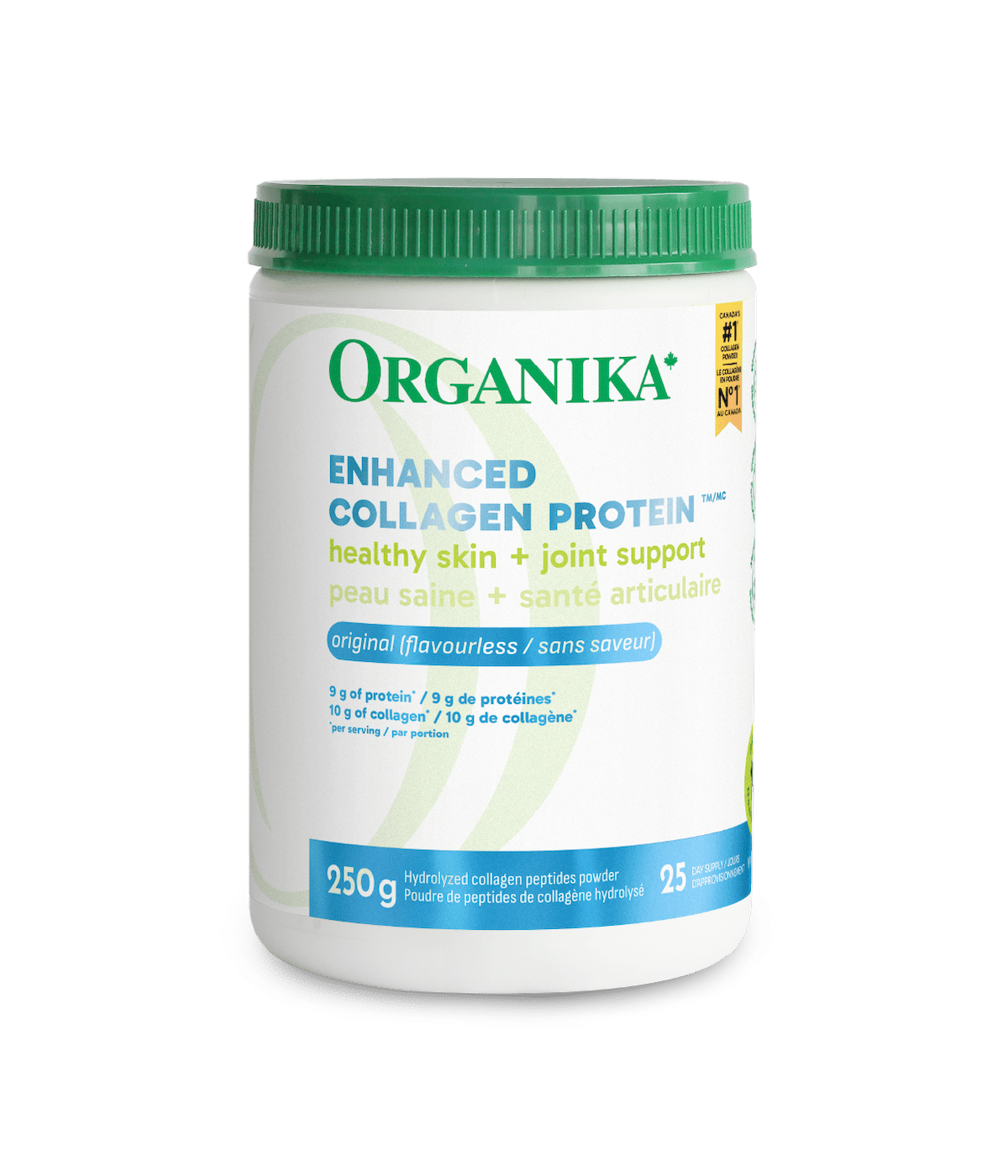
Canada’s #1 Collagen Powder for healthier skin, hair, nails, joints and gut
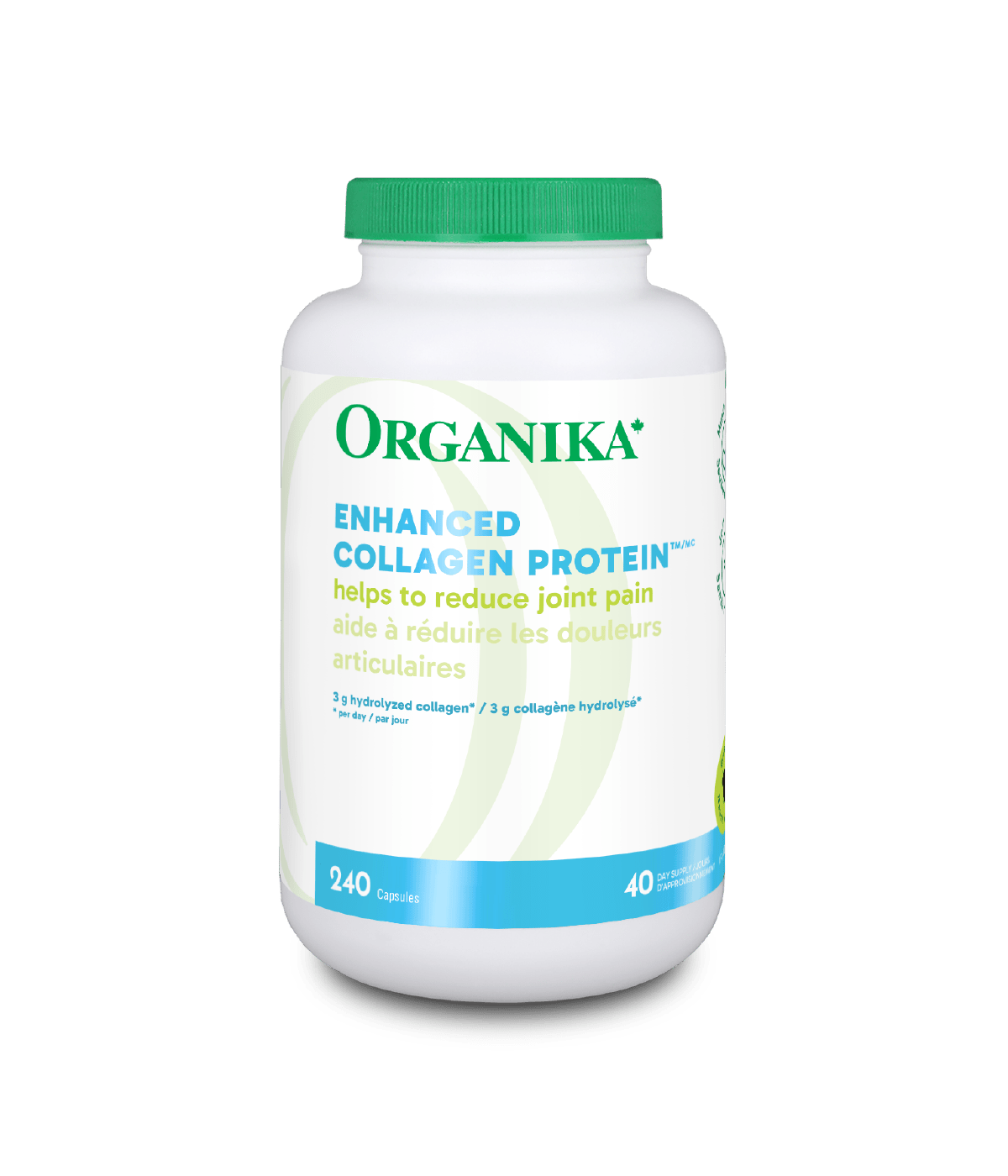
Canada's #1 Collagen Powder in capsule form for healthier skin, hair, nails, joints, and gut
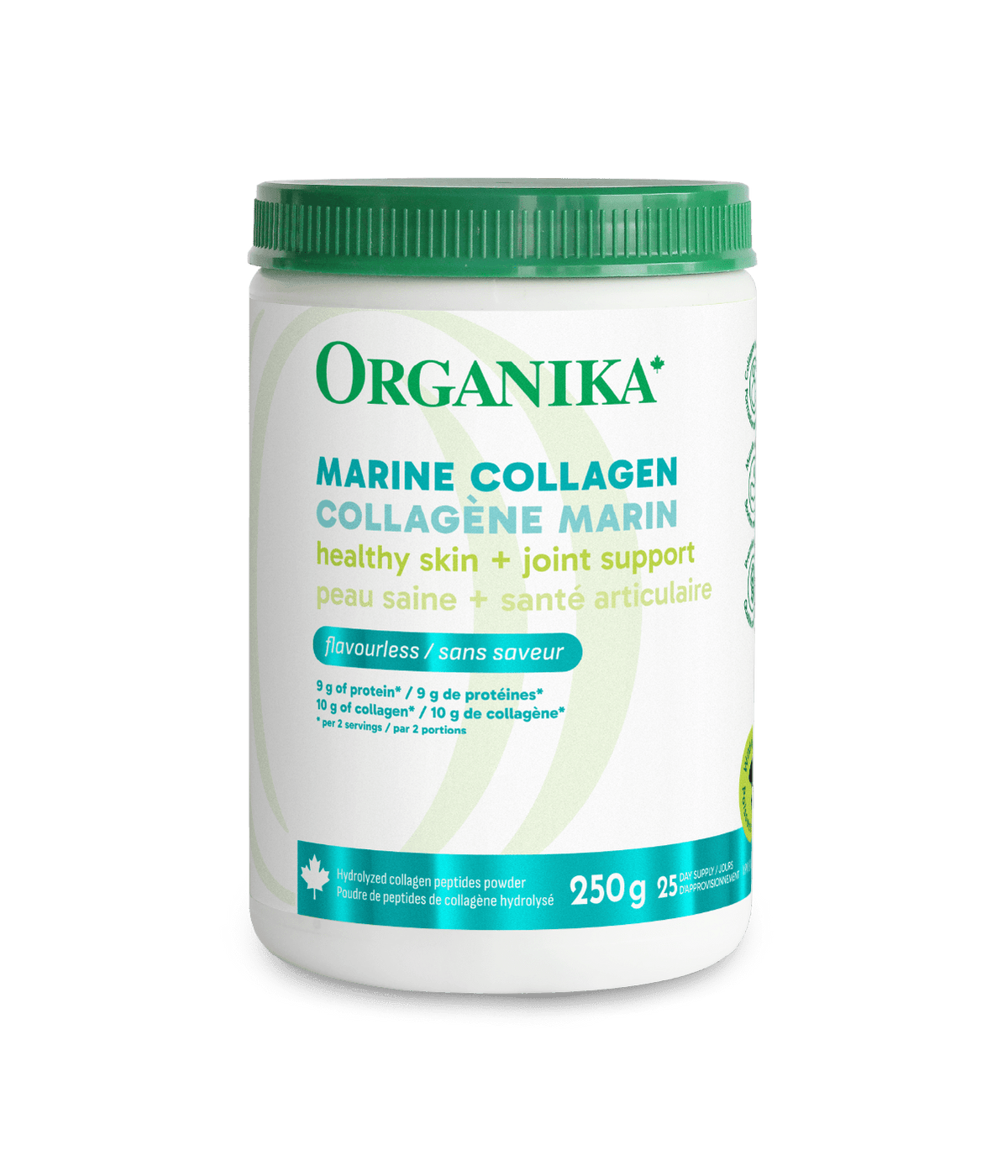
An ocean-based alternative to bovine collagen especially key for healthy skin, hair and nails
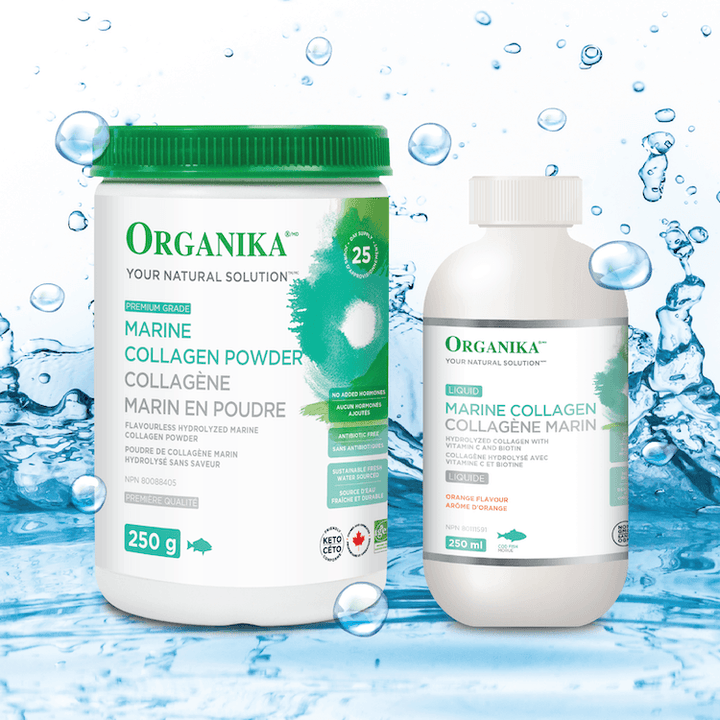
By now, you’ve probably heard all about the benefits of collagen and why collagen supplements have become so popular for supporting skin, joints, hair, gut health, and overall wellness. Great! But one question comes up again and again: is collagen powder better than liquid collagen?Which form is absorbed best, and which one delivers the most benefits? Let’s break it down. A Look at the Most Popular Forms of Collagen Supplements Collagen Powder Collagen powder is the most common and widely used form of collagen supplements. In fact, collagen exists in powder form before being dissolved into liquids. Most collagen powders are made from hydrolyzed collagen peptides, which means the large collagen proteins are broken down into smaller peptides for easier digestion and absorption. TIP: Always look for hydrolyzed collagen peptides powder when choosing a collagen supplement. If you’re not sure where to start, an unflavoured option that blends easily (like Enhanced Collagen Original) can be a simple, no-fuss pick for everyday use. The majority of scientific studies on collagen benefits have used collagen powder, which is why it is considered the most researched and well-supported format. How to use: Mix into water, coffee, smoothies, soups, baked goods, or foods of choice. Best for: Anyone who enjoys customizing how they take their collagen. Liquid Collagen Liquid collagen supplements are essentially collagen powder that has already been dissolved into a drink, often with added natural flavours or functional ingredients. Because of this, liquid collagen typically contains less collagen per serving compared to collagen powder. To reach the same collagen dosage, you may need to consume a larger volume of liquid—though for many people, the tradeoff is that it’s quick, easy, and requires zero prep. If you like the ready-to-take format but still want something that feels purposeful, a liquid option like Liquid Enhanced Collagen or Liquid Marine Collagen can be a convenient way to keep collagen support consistent, especially on busy days. Traditionally, most liquid options were made from marine collagen, but there are now both marine and bovine-based liquid collagen supplements available. How to use: Drink as directed, either as a full serving or by tablespoon depending on the product. Best for: Those who prefer convenience and ready-to-drink collagen. Collagen Capsules Collagen capsules simply contain powdered collagen, meaning they offer the same benefits as collagen powder—just in a convenient pill format. If you like the simplicity of a grab-and-go routine, something like BioCell Collagen Capsules can be an easy option to keep on hand for consistent daily support. How to use: Take as directed with water. Best for: People who prefer capsules over mixing powders into drinks or food. Your Collagen Questions Answered Which form is better absorbed, powder or liquid? All high-quality collagen supplements should be hydrolyzed, meaning the proteins are broken down for easy digestion and absorption. Since liquid collagen is just powdered collagen dissolved in liquid, both powder and liquid collagen are equally absorbable. The improved absorption comes from the hydrolyzation process, not from whether the collagen is taken in powder or liquid form. Are there added ingredients in one form versus another? Liquid collagen often includes added ingredients such as natural flavours or complementary nutrients. There are also collagen blends in powder form that combine collagen with other supplements for convenience. These blended formulas simply provide additional functional support alongside collagen. Which collagen format is most effective? Research shows that collagen supplements are effective, and most studies use collagen powder. Some liquid-only collagen brands claim higher bioavailability, but there is currently no scientific evidence showing that liquid collagen is absorbed better than powder. Again, it is the hydrolyzed collagen peptides that improve absorption, regardless of format. How much collagen do I get from powder versus liquid? Collagen powder typically contains significantly more collagen per serving than liquid collagen. For example: • 1 tablespoon of collagen powder may provide around 5 grams of collagen• 1 tablespoon of liquid collagen may provide around 1.5 grams of collagen This means you would need to consume much more liquid collagen to match the collagen intake of powder. With collagen powder, most people use 1 to 2 scoops per day. With liquid collagen, you may need multiple servings throughout the day to reach similar collagen levels. What Do the Experts Say? Many naturopaths and nutrition professionals agree that while liquid supplements in general may be absorbed slightly faster, collagen is not a quick-fix supplement like cold medicine. Because collagen works over time and is more potent in powder form, collagen powder is often preferred for long-term use. Nutritionists also point out that since both powder and liquid collagen come from the same hydrolyzed collagen source, both are bioavailable and absorbed well in the gut. Ultimately, both formats work in the same way. What Really Matters The best form of collagen is the one that fits your lifestyle. Collagen powder offers higher collagen content per serving and versatility, while liquid collagen provides convenience. More important than the format is: • The quality of the collagen• Whether it is hydrolyzed• The source of the collagen (marine or bovine) Choosing a high-quality collagen supplement will have a far greater impact than choosing between powder, liquid, or capsules. Learn more about collagen types here. REFERENCES: https://pubmed.ncbi.nlm.nih.gov/33742704/ de Miranda RB, Weimer P, Rossi RC. Effects of hydrolyzed collagen supplementation on skin aging: a systematic review and meta-analysis. Int J Dermatol. 2021 Dec;60(12):1449-1461. https://pubmed.ncbi.nlm.nih.gov/31411379/ Jhawar N, Wang JV, Saedi N. Oral collagen supplementation for skin aging: A fad or the future? J Cosmet Dermatol. 2020 Apr;19(4):910-912.
read more
There’s Different Types of Collagen? Collagen has become one of the most talked-about nutrients in the health, fitness, and beauty industries. Why? Because collagen is an essential protein. In fact, it is the most abundant protein in the human body, making up about 30% of total protein mass. Collagen is found in our bones, connective tissues such as joints, ligaments, and cartilage, muscles, hair, skin, nails, and even blood vessels. While collagen is important for many reasons, its primary role is providing strength and structure. Think of collagen as the glue that holds your body together. Collagen peptides help give skin its elasticity, shape, and joint structure. This helps explain why there are many different types of collagen, with over 16 identified so far. When it comes to collagen supplements, the most commonly discussed types are Type 1, Type 2, and Type 3 collagen. Collagen supplements are available in several forms, including hydrolyzed collagen (collagen peptides powder, collagen powder, collagen capsules, or liquid form), gelatin, and undenatured collagen. Among these, hydrolyzed collagen peptides are generally the easiest for the body to absorb and use. Type 1 Collagen Where is it found? Type 1 collagen is found in hair, skin, and nails and is the most abundant type of collagen in the body, making up around 90%. It is also present in bones, where it accounts for roughly 40% of the bone matrix, as well as in ligaments. Sources of Type 1 collagen include marine collagen and bovine collagen. What does it do? Type 1 collagen plays a major role in skin elasticity, strength, and anti-aging support. It contributes to the firmness and structure of the skin and may help reduce the appearance of wrinkles and loss of elasticity, including cellulite. Products with Type 1 Collagen Peptides If you’re looking to add more Type 1 collagen peptides to your routine, there are a few options depending on your preferences. All of our Enhanced Collagen products include Types 1 and 3 collagen, sourced from grass-fed bovine with no hormones or antibiotics—a solid everyday choice for broad collagen support. If you’d rather go the marine route, our Marine Collagen Powder is made from fish scales and contains Type 1 collagen only, while Liquid Marine Collagen with Biotin and Vitamin C offers the same marine collagen in a ready-to-take format with added beauty-supporting ingredients. For those who prefer capsules, Enhanced Collagen Capsules provide another Type 1–only option. You can also find Type 1 collagen in alternative formats like our effervescent tablets (made with marine collagen and vitamin C), or in nourishing, food-based options like Beef Bone Broth, which naturally contains Types 1 and 3 collagen. Type 2 Collagen Where is it found? Type 2 collagen is found in connective tissues such as joints, ligaments, and cartilage. Chicken is known to be particularly high in Type 2 collagen. What does it do? Type 2 collagen helps maintain the structure of cartilage and bones. As collagen naturally declines with age and environmental factors like UV exposure or smoking, connective tissues can weaken, which may contribute to joint discomfort and osteoarthritis. Products with Type 2 Collagen Peptides Two popular options include BioCell Collagen, which is derived from chicken cartilage (sternum) and naturally includes hyaluronic acid and chondroitin sulfate—compounds that work alongside collagen to support comfortable movement and joint function. For a more food-based approach, Chicken Bone Broth also contains Type 2 collagen, along with naturally occurring glycosaminoglycans (GAGs) that help support connective tissue. Type 3 Collagen Where is it found? Type 3 collagen is another abundant form found alongside Type 1 collagen fibers. It appears in reticular fibers throughout the body, including bones, muscles, organs, blood vessels, tendons, and connective tissues. What does it do? Type 3 collagen supports skin elasticity, circulation, healthy bone matrix, nail strength, and hair thickness. Together with Type 1 collagen, it plays a major role in skin structure and anti-aging benefits. Products with Type 3 Collagen Peptides Type 3 collagen is often found alongside Type 1 in many bovine-based collagen supplements. Our Enhanced Collagen Protein is made with grass-fed bovine collagen and provides hydrolyzed Type 1 and 3 collagen peptides, with no added hormones or antibiotics. You can also get Type 3 collagen through food-based options like Beef Bone Broth, which naturally contains collagen along with minerals and compounds such as hyaluronic acid, chondroitin, and glucosamine. What Types of Collagen Do You Need? Now that you understand the different types of collagen, you may be wondering which collagen supplement is right for you. Start by choosing hydrolyzed collagen peptides for optimal absorption. Select your collagen based on your health goals: a) For beauty, bone, and joint health, Types 1 and 3 are ideal.b) For joint and ligament support, Type 2 collagen from bone broth or cartilage-based sources may be helpful. Choose the format that fits your lifestyle, whether powder, capsules, or liquid. If you would like to supplement with all three types of collagen, that is perfectly acceptable. Collagen also provides 17 additional beneficial amino acids. Have more questions? Talk to our experts about product recommendations.
read more
There are a number of things you can take to maximize your collagen supplements. Collagen, the most abundant protein in the human body, is responsible for the health of your skin, hair, nails, joints, and even muscles. Ultimately, there are a number of benefits to taking collagen. Our ability to produce collagen decreases as we age, and most of us don’t get enough of it through our diet. As a result, we turn to supplements to provide our body with this high quality, much needed collagen. Doing so, helps replenish and restore the collagen in our body to fuel all the processes it is responsible for. Maximize your collagen supplementation You can take certainly collagen alone, adding it to your coffee or smoothies, but combining it with a few key nutrients may help further support the body. Personally, I love taking my collagen every morning, adding it to nutritious smoothies, or mixing it into my coffee. A few of my favourite supplements to take alongside collagen to help support its production are: Vitamin C Vitamin C supports collagen synthesis and production in the body. You can add in a vitamin C supplement or increase vitamin C rich foods like citrus, peppers and strawberries. Hyaluronic Acid Hyaluronic acid and collagen work together to keep your skin glowing, hydrated, and youthful. It is found throughout the body, helping bind collagen with elastin, another protein in the body giving skin its stretch. Magnesium Magnesium has been shown to boost hyaluronic acid production in the body, and helps support joints, bones and muscles. You can add a magnesium supplement to your routine, or incorporate magnesium rich foods into your diet like avocado, almonds, spinach and dark chocolate. Vitamin A Vitamin A is another vital nutrient for aging skin by stimulating and boosting collagen production. Your body can produce vitamin A from Beta carotene found in kale, sweet potatoes, and carrots. Zinc Zinc aids in collagen synthesis. Try incorporating oysters and pumpkin seeds into your diet, or supplementing with a multivitamin that has zinc in it. Couple collagen with daily routines Collagen can be incorporated into a daily whole foods diet and healthy supplement routine, but a few lifestyle factors make a difference in helping ensure you get maximum benefit from your collagen. Wear sunscreen to protect your skin against sun damage. Direct UV exposure can harm collagen and elastin production and increase its breakdown at a more rapid rate. Limit sugar consumption. Sugar impacts your skin and collagen decline at an increased rate. Limit alcohol and cigarette smoking. Both age the skin at a faster rate, affecting collagen breakdown and dehydrating the skin further. Prioritize sleep. Sleep is when growth, repair and rejuvenation of the skin take place, including stimulation collagen cells. Many people care for their skin with topical agents, when in fact your diet, nutrients and key supplements are some of the most crucial factors for maintaining healthy glowing skin, strong bones, and ample muscle mass.
read more