






.png?v=1759954122049)


-
Is this right for you?

-
-
-

-

-

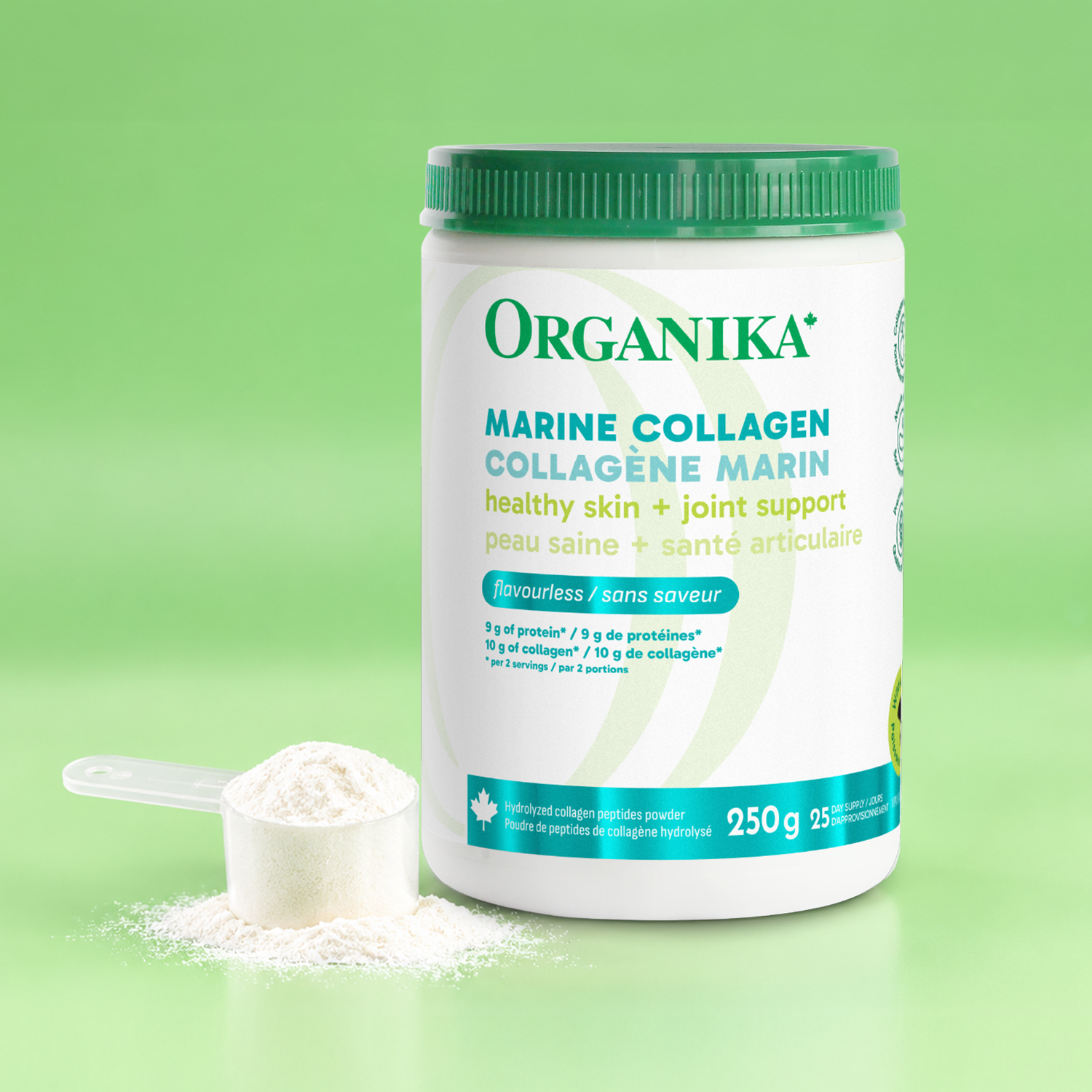
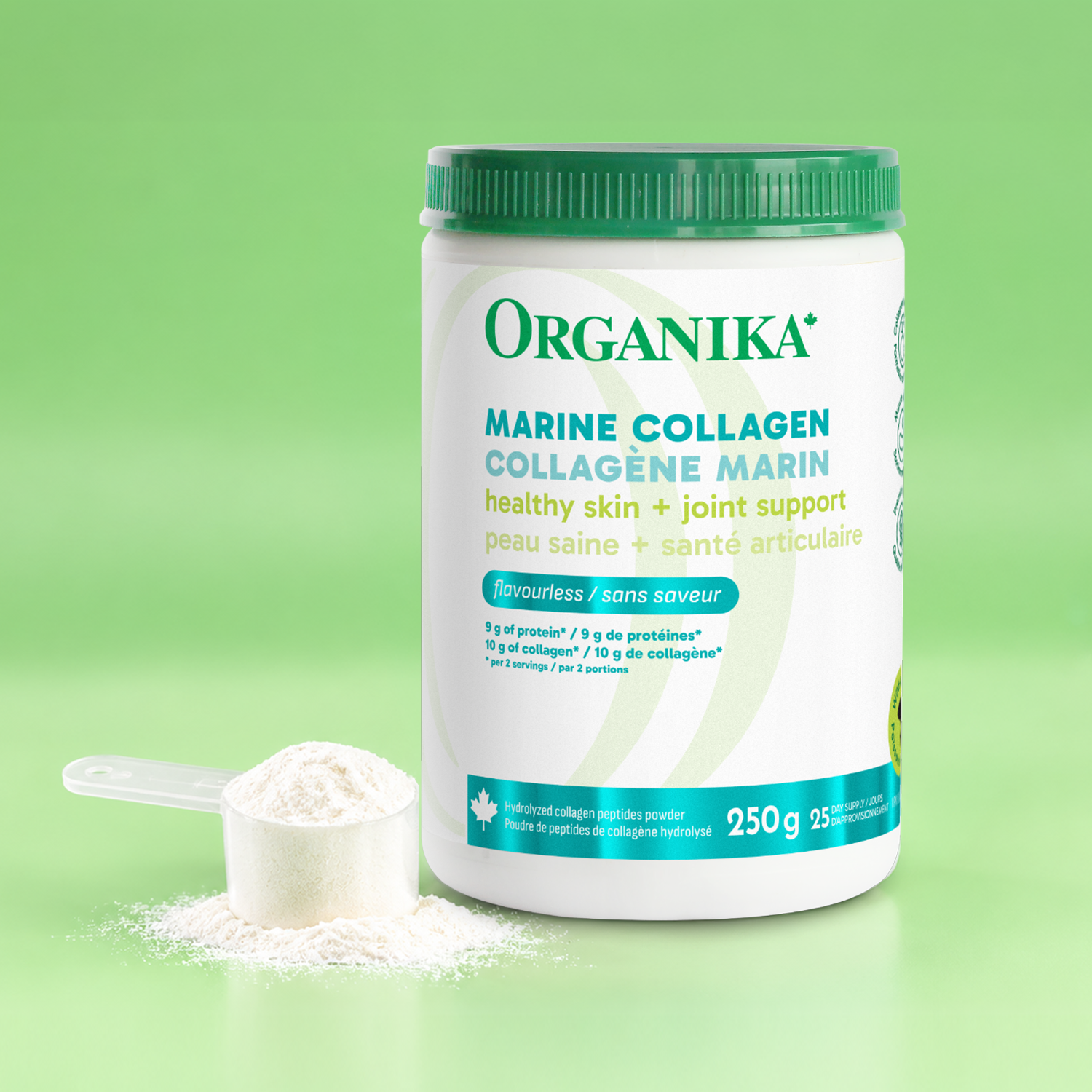
Marine Collagen Powder
An ocean-based alternative to bovine collagen especially key for healthy skin, hair and nails
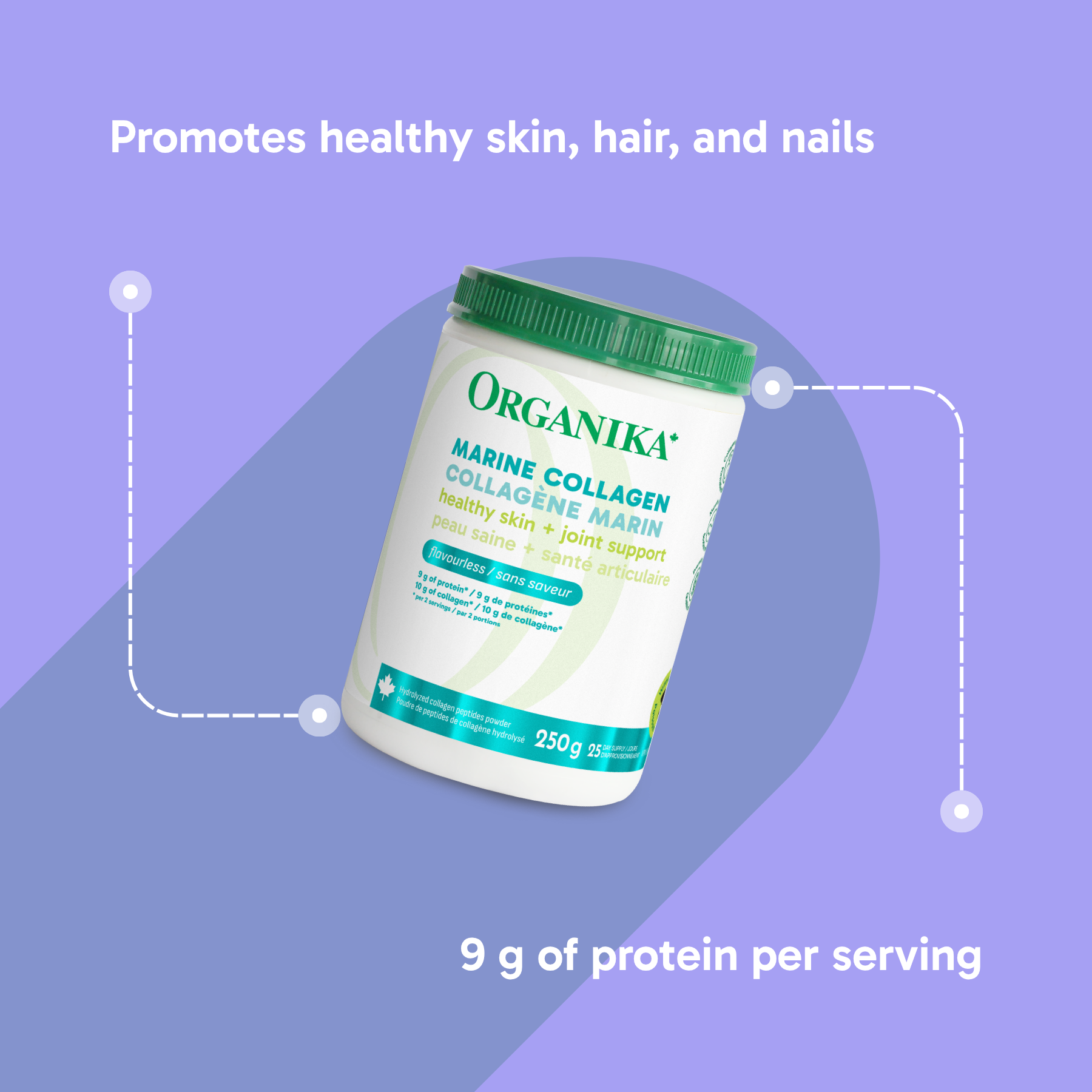
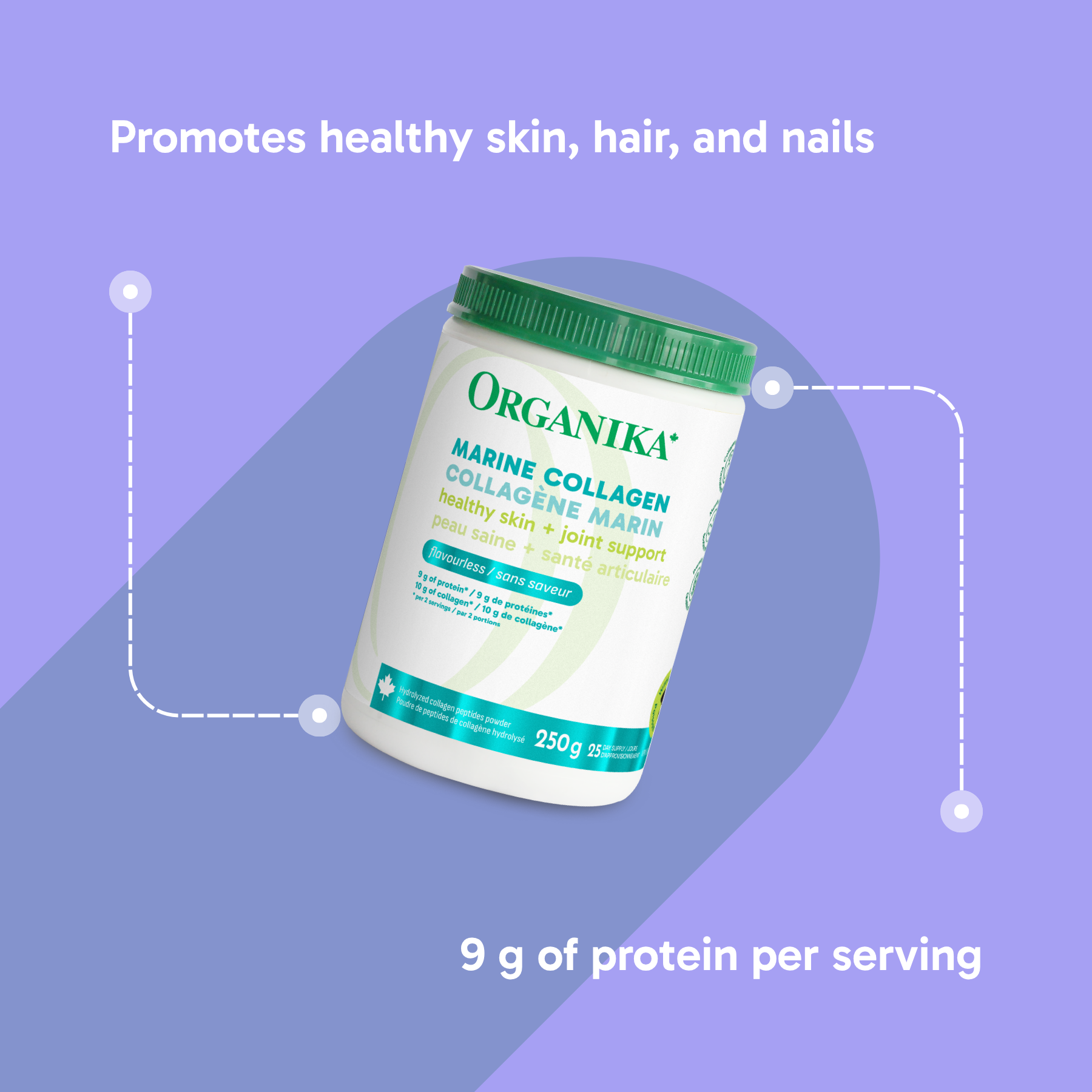
- Promotes healthy skin, hair, and nails
- 9 g of protein per serving
- Helps reduce joint pain linked to osteoarthritis
- Helps maintain healthy joints
Couldn't load pickup availability


Notify Me When Available
Enter your email and we'll let you know as soon as this product is back
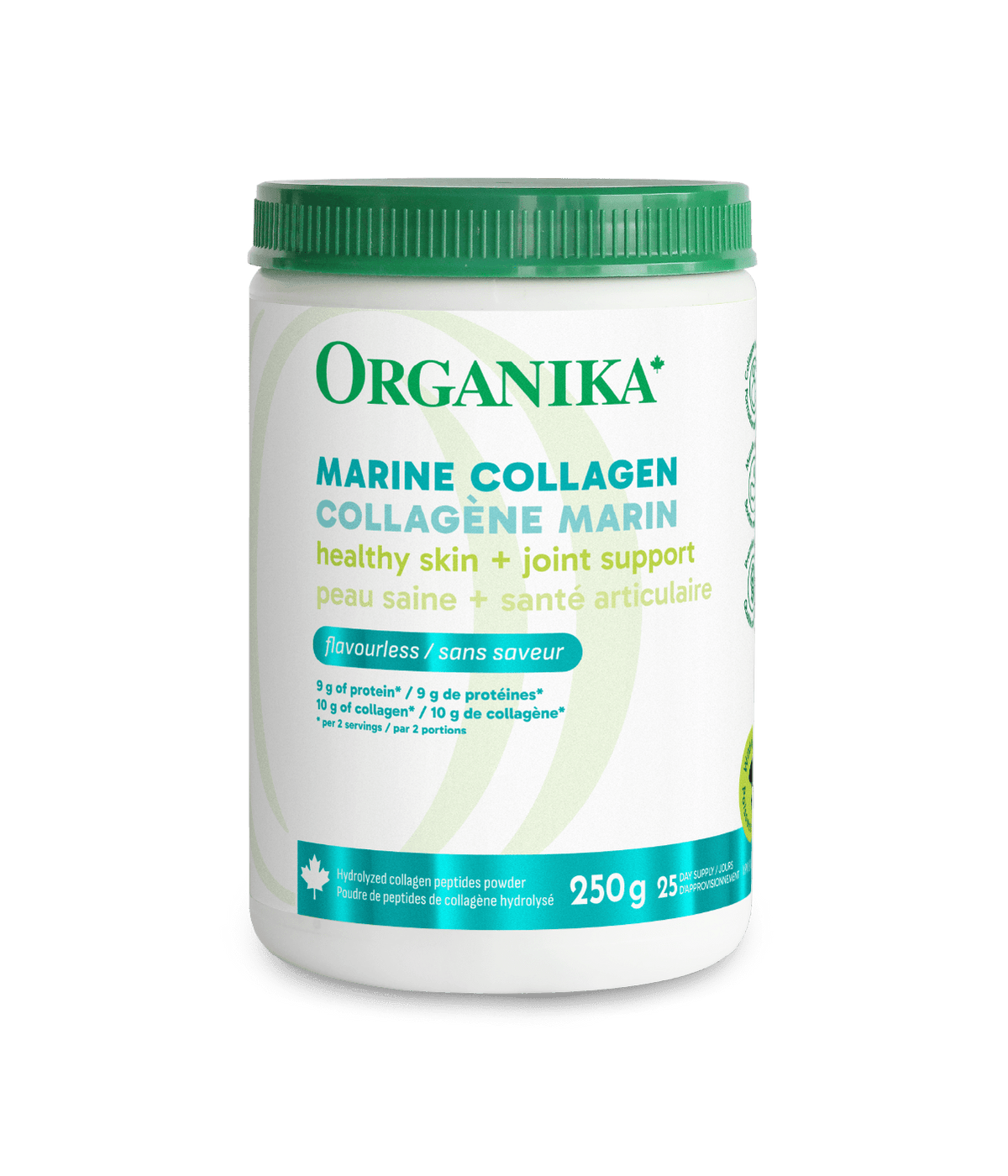
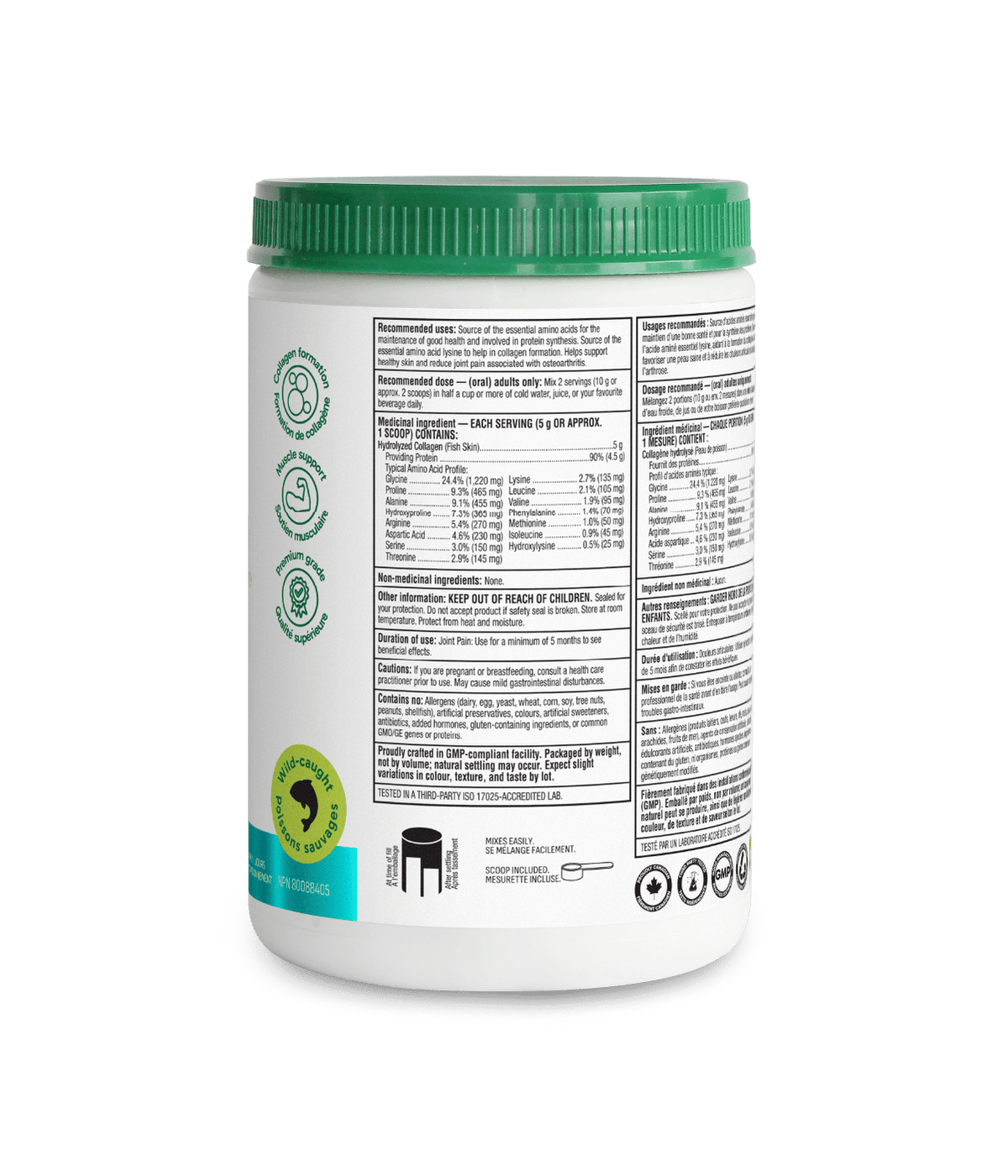
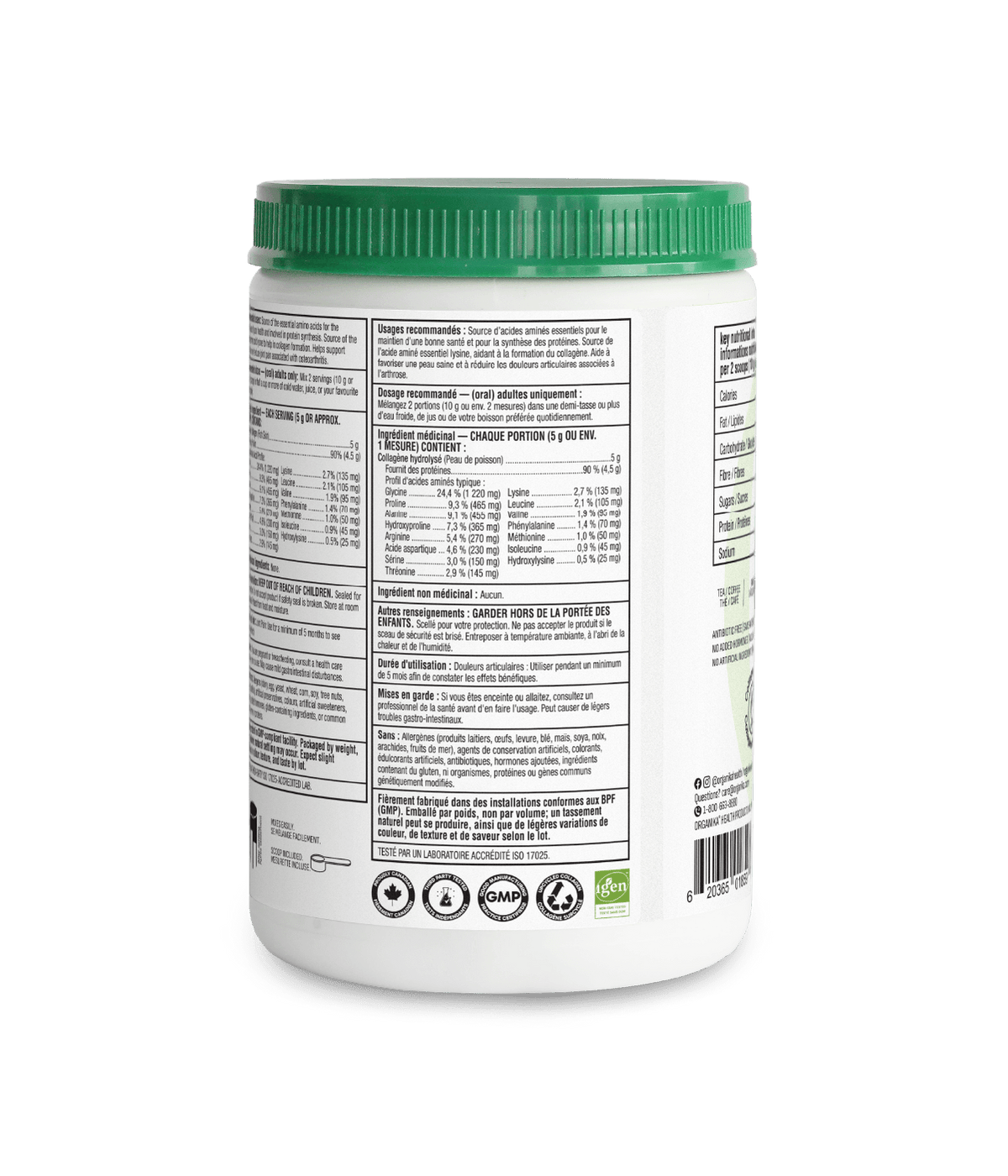
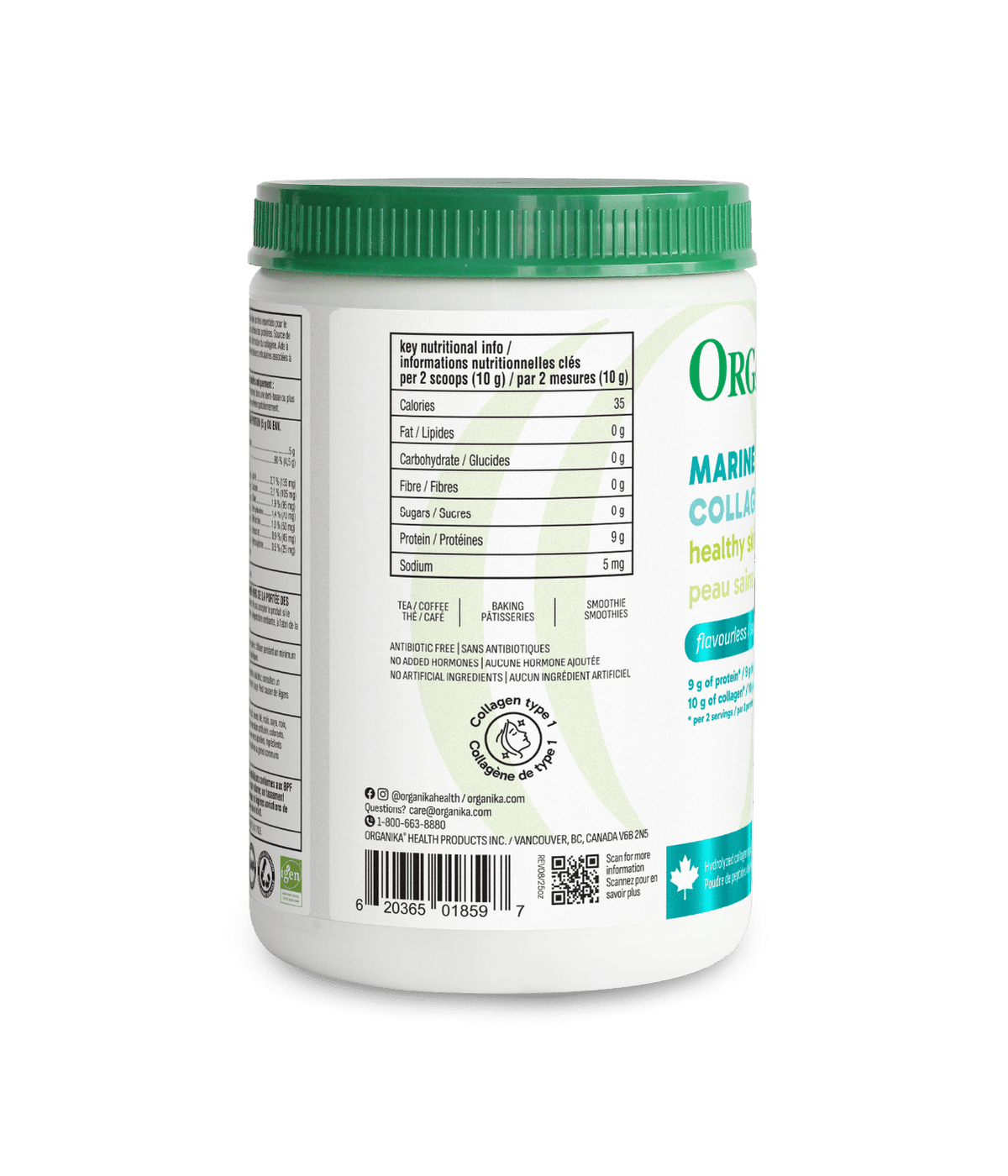
Supplement Facts


Ingredients & Nutrition



MEDICINAL INGREDIENT - EACH SCOOP CONTAINS: Hydrolyzed Collagen (Fish Skin) 5 g. Amino Acid Profile: Alanine 9.1% (455 mg), Arginine 5.4% (270 mg), Aspartic Acid 4.6% (230 mg), Glycine 24.4% (1,220 mg), Hydroxylysine 0.5% (25 mg), Hydroxyproline 7.3% (365 mg), Isoleucine 0.9% (45 mg), Leucine 2.1% (105 mg), Lysine 2.7% (135 mg), Methionine 1.0% (50 mg), Phenylalanine 1.4% (70 mg), Proline 9.3% (465 mg), Protein 90% (4,500 mg), Serine 3.0% (150 mg), Threonine 2.9% (145 mg), Valine 1.9% (95 mg).
How to Use: Mix 2 scoops (~10g) of Marine Collagen powder in half a cup or more of your favourite hot or cold beverage daily. Can also be added to smoothies, baked goods, and other recipes.
Duration of Use: Joint Pain: Use for a minimum of 5 months to see beneficial effects.
Cautions: Consult a health care practitioner prior to fish collagen powder use if you are pregnant or breastfeeding; or have liver or kidney disease or if you have been instructed to follow a low protein diet. May cause mild gastrointestinal disturbances.

Is This Right for You?
Interested in minimizing visible signs of aging?
Looking for a collagen alternative to bovine?
Looking for a collagen formulation with no antibiotics, added hormones, or GMOs?
Looking for a collagen powder that mixes easily with food and drinks?
If you answered "yes" to any of the above, this product is right for you.

-
Helps reduce joint pain linked to osteoarthritis
-
Helps maintain healthy joints
Ingredients & Nutrition
Egg-Free
Keto Friendly
No Preservatives
Non-GMO
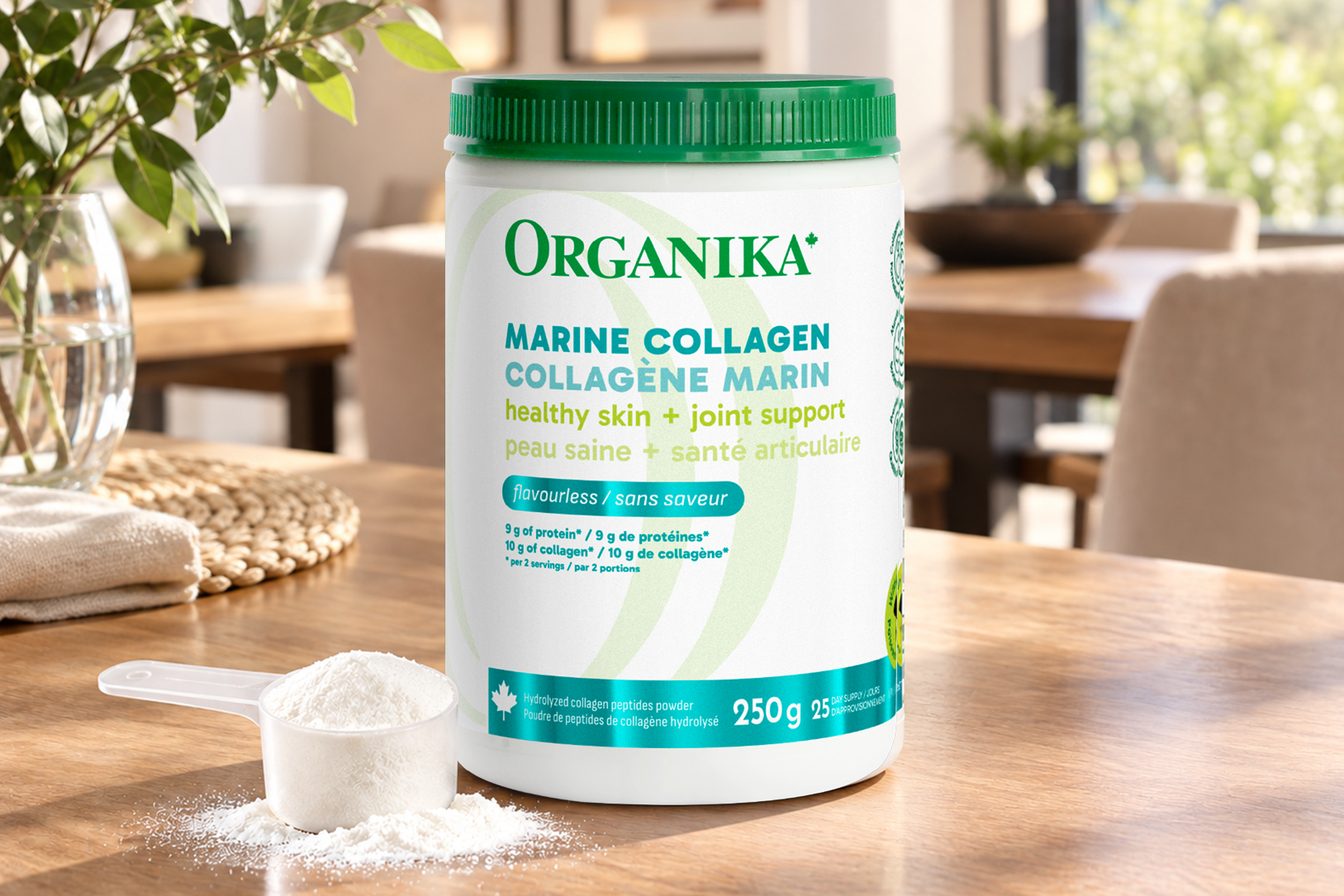
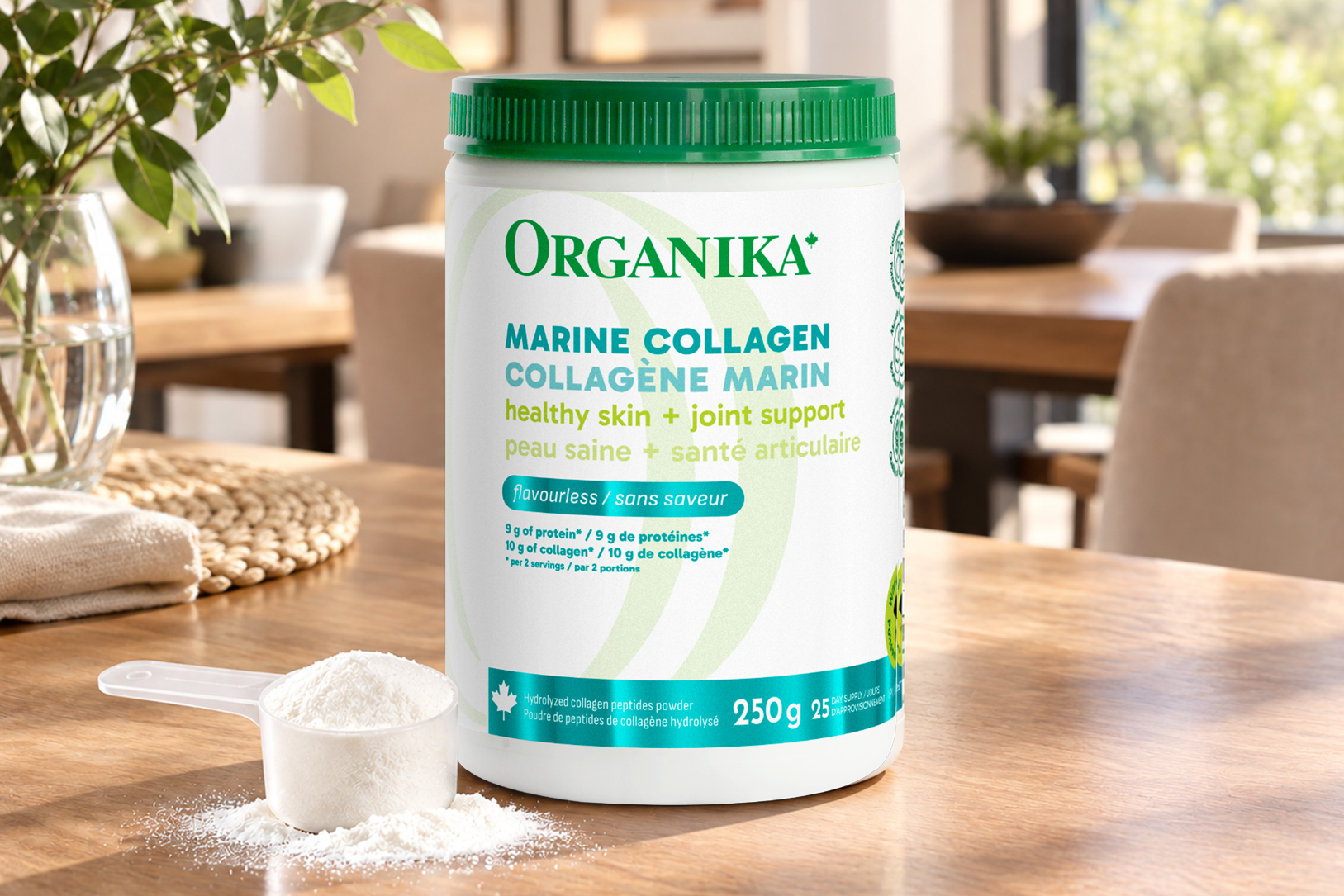
Sourced from wild marine life, this bovine-free collagen delivers essential support for healthy joints, radiant skin and strong hair and nails
The Full Scoop
-
Helps reduce joint pain linked to osteoarthritis
-
Helps maintain healthy joints
Our Marine Collagen Powder delivers 9 g of protein per serving and 15 essential and non-essential amino acids, including lysine which is known to promote the body's own collagen formation. This formulation is a clean, ocean-based alternative to bovine collagen that helps to firm and smooth skin, strengthen hair and nails and maintain healthy joints.
Bonus: our powder doesn't have flavour and with easy mixability, it blends seamlessly into coffee, smoothies and go-to recipes.
Ask Away
We’ve got the FAQs covered. But if you’re still stuck, we’re only a message away.
Get in TouchCan I take it in coffee or tea?
Yes. Marine Collagen Powder is heat-stable, so you can add it to hot beverages like coffee, tea, or lattes.
Can I use it in baking or cooking?
Yes. It can be added to baked goods, sauces, oatmeal, or pancakes without affecting its collagen content.
How long should I use it to see results?
For joint support, use for a minimum of 5 months to see beneficial effects. Skin, hair, and nail improvements may be noticed sooner with consistent use.
Can I take Marine Collagen if I am allergic to fish?
No. This product is derived from fish skin and is not suitable for those with fish allergies.
Is Marine Collagen safe for long-term use?
Yes. When taken as directed, Marine Collagen is generally safe for long-term daily use. Always consult a healthcare professional if used for extended periods.
You'll Likely Also Love...
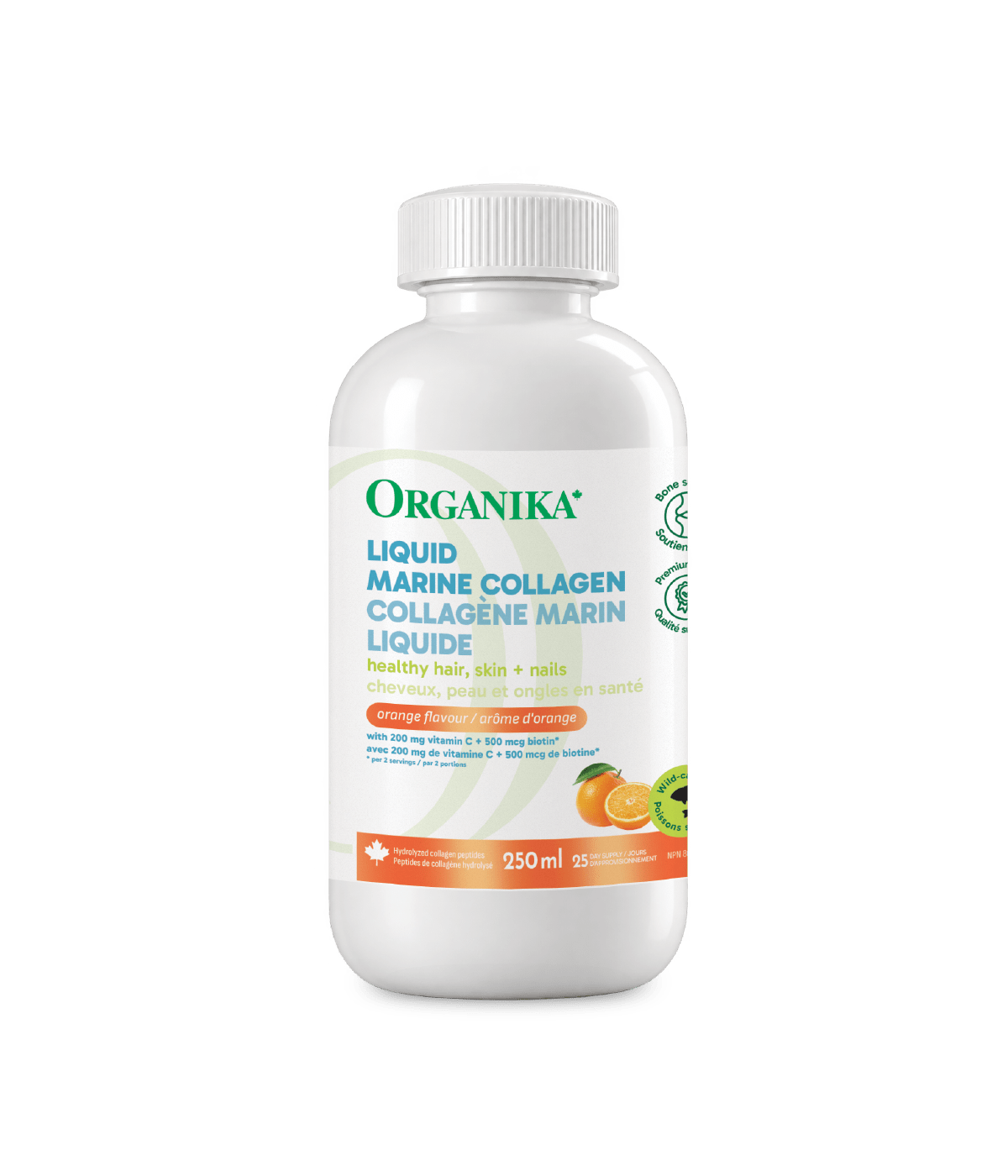
Liquid Marine Collagen
A liquid alternative to bovine collagen with wild-caught ingredients that smooth skin and strengthen nails
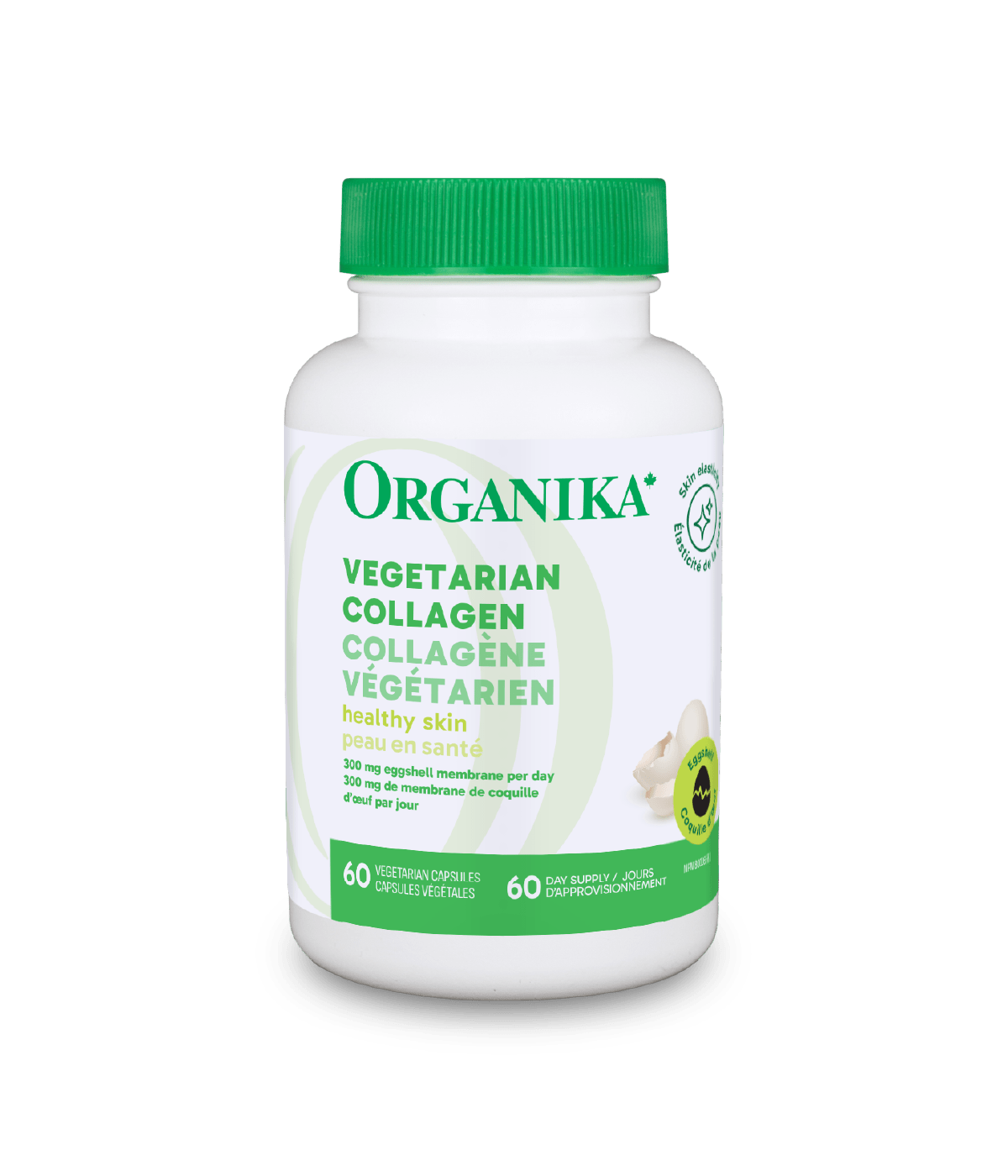
Vegetarian Collagen
Ovoderm® Natural Eggshell Membrane is the unexpected hero that makes vegetarian collagen work
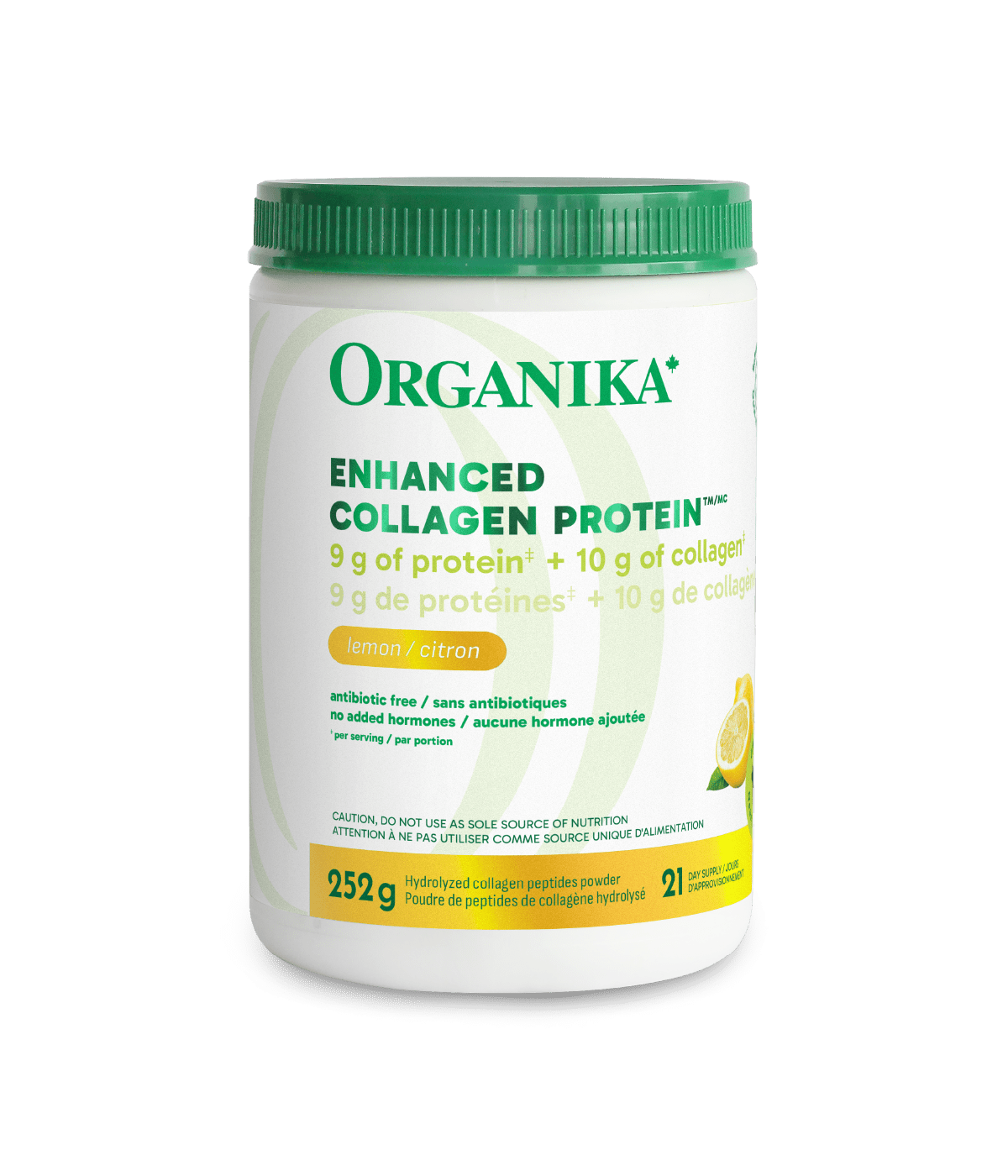
Enhanced Collagen Protein Lemon
Lemon flavoured collagen for healthier skin, hair, nails, joints, and gut
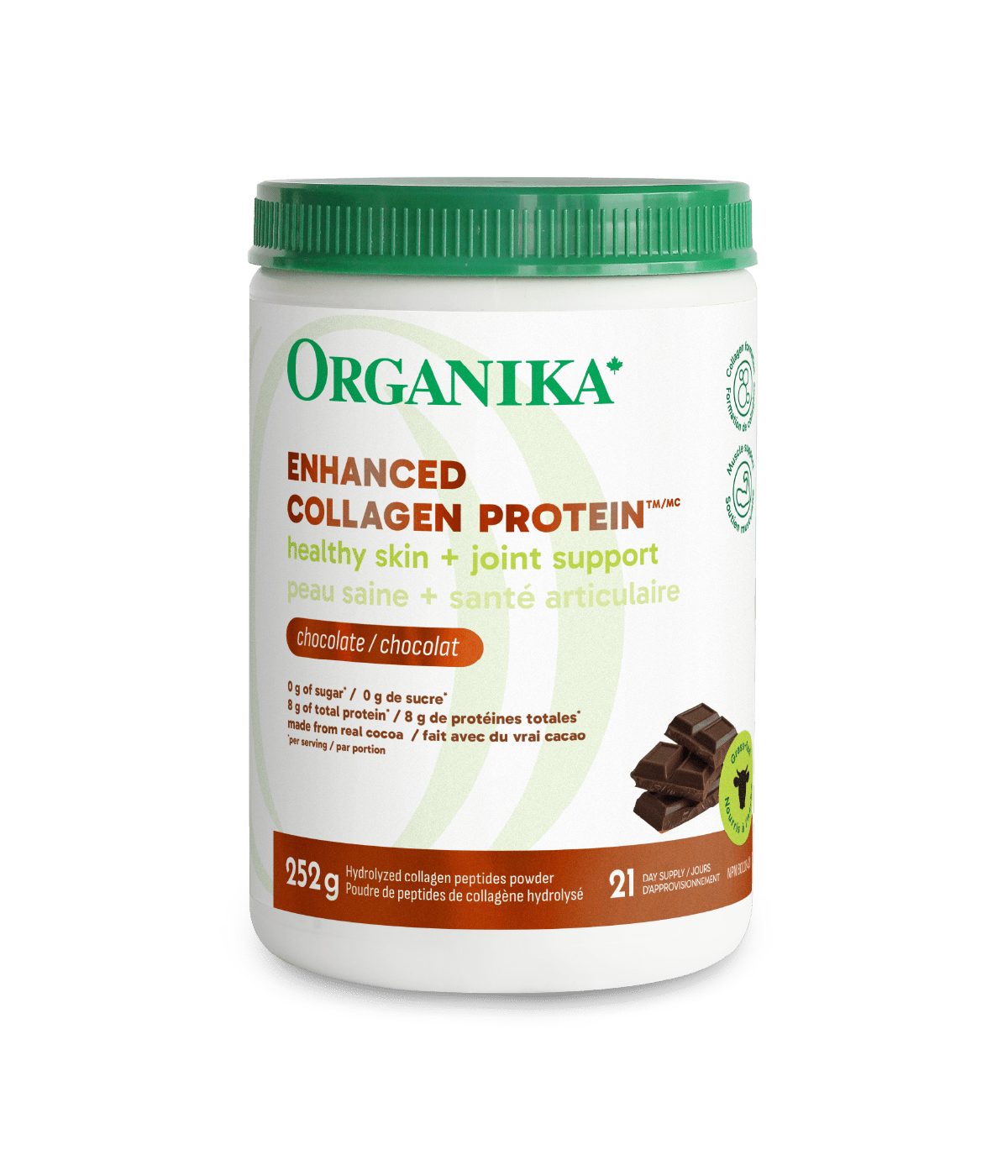
Enhanced Collagen Protein Chocolate
Healthier skin, hair, nails, joints & gut in a chocolatey drink with 0 g sugar
Support Beyond Products
Marine Collagen: Beauty from the Sea You may be seeing marine collagen or hearing about it, but unsure what the difference between that and bovine collagen is, and/or which one you should be consuming. As expected, Marine collagen comes from fish and is rich in Type 1 collagen. The collagen from this source is pescatarian-friendly for those that do not consume bovine (which also has Type 1 collagen). However, there seems to be an ongoing debate over what is the best source of collagen and why some may opt for a marine source. We are diving into all things marine collagen and answering all your questions about it. Where does marine collagen come from? As the name implies, marine collagen comes from the sea – derived from fish scales, bones, and skin. Organika's Marine Collagen powder is sourced from Canada! It comes from the scales of wild-caught cod, pollock and haddock. What is marine collagen used for? What are the known benefits? Collagen, in general, is used to help with skin health (specifically with aging skin, wrinkles), stronger hair and nails, as well as promoting joint health. Rich in Type 1 collagen, marine collagen is linked with beauty benefits and tissue repair. Some of the most popular benefits of marine collagen include: Rejuvenated skin Improved skin texture and hydration Fuller and smoother hair Stronger nails Faster-growing hair and nails Reduced cellulite Why do some people prefer marine collagen? Some may consider marine collagen a more sustainable alternative. The fishing industry often has a lot of unused raw materials from the fish they catch, including the fish skins where marine collagen comes from. In that case, marine collagen can be a more comfortable choice as it may seem to offer a more economical and environmentally friendly option for various companies. Consumers may like to see that instead of wasting fish skins, companies can use the excess materials to create other products. Is marine collagen better than bovine collagen? This is the million-dollar question consumers are asking. The truth: although they come from different sources, fundamentally, the type of collagen from both sources is the same. Collagen is a large molecule, so for it to be efficiently absorbed and utilized by the body, it must first be broken down into smaller pieces, which you may have heard of as collagen peptides. Furthermore it must go through a process known as hydrolyzation: natural enzymes break down collagen into the smaller collagen peptides, without the use of heat or chemicals. High bioavailability in a collagen supplement is assured by the size of its peptide molecules, known as the molecular weight. The smaller the molecular weight, the easier it is for collagen peptides to reach the blood stream and be effectively used in the body. Both Organika’s marine and bovine collagen go through these processes for high bioavailability and ease of digestion. The nitty gritty: marine collagen naturally boasts a lower average molecular weight than any other collagen source - Organika's weighs in at an impressively low 2-2.5 kDa, compared to an average 40-45 kDa in most bovine collagens. However, bovine collagen can have a molecular weight comparable to that of marine collagen - all it takes is more rounds of hydrolization. This is how we achieve a molecular size of under 3 kDa for our bovine-sourced Enhanced Collagen Original! So essentially, what it comes down to is personal preference and dietary restrictions. It can also be beneficial to combine a variety of collagen supplements (bovine, bone broth, marine and even poultry-sourced collagen) for optimal health. Want options for Marine collagen? There is something for everyone – whether you prefer powder, capsules, liquid, or a water enhancer – there is a collagen option for you. Marine Collagen PowderHigh in type 1 collagen, which is essential for maintaining skin, hair and nail health. Hydrolyzed for easy digestion, our marine collagen powder is also tasteless, easily mixing into beverages or foods. Salmon Collagen Capsules Convenient capsules more your thing? Try our Salmon Collagen Capsules. Because they're higher in omega-3 fatty acids, in addition to beauty health you get support with joint pain associated with osteoarthritis. Note: some people prefer salmon capsules for marine collagen because of the omega-3s that have added skin and arthritis benefits. Liquid Marine Collagen If you prefer liquid or flavoured (with orange), you must try this beauty elixir. Made with marine collagen, 200 mg Vitamin C, and 500 mcg biotin, you are getting the ultimate beauty benefits. Effervess A convenient source of marine collagen and vitamin C in a fizzy tablet that will give your water (and your skin) a makeover. Enjoy a variety of flavours: Kiwi, Cranberry, Rose, Lavender and Honey Peach The contents of this article have been fact-checked and reviewed by Registered Holistic Nutritionists.
read more
There’s Different Types of Collagen? Collagen has become one of the most talked-about nutrients in the health, fitness, and beauty industries. Why? Because collagen is an essential protein. In fact, it is the most abundant protein in the human body, making up about 30% of total protein mass. Collagen is found in our bones, connective tissues such as joints, ligaments, and cartilage, muscles, hair, skin, nails, and even blood vessels. While collagen is important for many reasons, its primary role is providing strength and structure. Think of collagen as the glue that holds your body together. Collagen peptides help give skin its elasticity, shape, and joint structure. This helps explain why there are many different types of collagen, with over 16 identified so far. When it comes to collagen supplements, the most commonly discussed types are Type 1, Type 2, and Type 3 collagen. Collagen supplements are available in several forms, including hydrolyzed collagen (collagen peptides powder, collagen powder, collagen capsules, or liquid form), gelatin, and undenatured collagen. Among these, hydrolyzed collagen peptides are generally the easiest for the body to absorb and use. Type 1 Collagen Where is it found? Type 1 collagen is found in hair, skin, and nails and is the most abundant type of collagen in the body, making up around 90%. It is also present in bones, where it accounts for roughly 40% of the bone matrix, as well as in ligaments. Sources of Type 1 collagen include marine collagen and bovine collagen. What does it do? Type 1 collagen plays a major role in skin elasticity, strength, and anti-aging support. It contributes to the firmness and structure of the skin and may help reduce the appearance of wrinkles and loss of elasticity, including cellulite. Products with Type 1 Collagen Peptides If you’re looking to add more Type 1 collagen peptides to your routine, there are a few options depending on your preferences. All of our Enhanced Collagen products include Types 1 and 3 collagen, sourced from grass-fed bovine with no hormones or antibiotics—a solid everyday choice for broad collagen support. If you’d rather go the marine route, our Marine Collagen Powder is made from fish scales and contains Type 1 collagen only, while Liquid Marine Collagen with Biotin and Vitamin C offers the same marine collagen in a ready-to-take format with added beauty-supporting ingredients. For those who prefer capsules, Enhanced Collagen Capsules provide another Type 1–only option. You can also find Type 1 collagen in alternative formats like our effervescent tablets (made with marine collagen and vitamin C), or in nourishing, food-based options like Beef Bone Broth, which naturally contains Types 1 and 3 collagen. Type 2 Collagen Where is it found? Type 2 collagen is found in connective tissues such as joints, ligaments, and cartilage. Chicken is known to be particularly high in Type 2 collagen. What does it do? Type 2 collagen helps maintain the structure of cartilage and bones. As collagen naturally declines with age and environmental factors like UV exposure or smoking, connective tissues can weaken, which may contribute to joint discomfort and osteoarthritis. Products with Type 2 Collagen Peptides Two popular options include BioCell Collagen, which is derived from chicken cartilage (sternum) and naturally includes hyaluronic acid and chondroitin sulfate—compounds that work alongside collagen to support comfortable movement and joint function. For a more food-based approach, Chicken Bone Broth also contains Type 2 collagen, along with naturally occurring glycosaminoglycans (GAGs) that help support connective tissue. Type 3 Collagen Where is it found? Type 3 collagen is another abundant form found alongside Type 1 collagen fibers. It appears in reticular fibers throughout the body, including bones, muscles, organs, blood vessels, tendons, and connective tissues. What does it do? Type 3 collagen supports skin elasticity, circulation, healthy bone matrix, nail strength, and hair thickness. Together with Type 1 collagen, it plays a major role in skin structure and anti-aging benefits. Products with Type 3 Collagen Peptides Type 3 collagen is often found alongside Type 1 in many bovine-based collagen supplements. Our Enhanced Collagen Protein is made with grass-fed bovine collagen and provides hydrolyzed Type 1 and 3 collagen peptides, with no added hormones or antibiotics. You can also get Type 3 collagen through food-based options like Beef Bone Broth, which naturally contains collagen along with minerals and compounds such as hyaluronic acid, chondroitin, and glucosamine. What Types of Collagen Do You Need? Now that you understand the different types of collagen, you may be wondering which collagen supplement is right for you. Start by choosing hydrolyzed collagen peptides for optimal absorption. Select your collagen based on your health goals: a) For beauty, bone, and joint health, Types 1 and 3 are ideal.b) For joint and ligament support, Type 2 collagen from bone broth or cartilage-based sources may be helpful. Choose the format that fits your lifestyle, whether powder, capsules, or liquid. If you would like to supplement with all three types of collagen, that is perfectly acceptable. Collagen also provides 17 additional beneficial amino acids. Have more questions? Talk to our experts about product recommendations.
read more
People across the globe are shifting towards more plants in their diets. Many are taking that one step further and eliminating animal products all together! Nearly 10% of all Canadians are following a vegetarian or vegan diet. Numbers are also rising in Europe and the US (1). With that said, how easy is it to maintain a healthy plant-based diet? The “vegan” label is commonly used as if it’s synonymous with “healthy”. We often discuss Vegan diets as if they are the magic pill for optimal health, but this is unfortunately not always true. There are some common mistakes in vegan diets, and a few important things to consider when it comes to maintaining a healthy plant-based diet. How healthy is your “health food”? What percentage of your food is coming from whole foods sources, and what percentage is processed? Processed food is not great for us for many reasons, whether it’s vegan or not. Because so many people mistakenly equate “vegan” with “healthy”, vegan processed foods are often treated differently than their conventional equivalents. This becomes especially important to consider with the advent of all the new vegan meat products: Tofurkey, Beyond Meat Burgers, plant-based chicken nuggets, etc. These meat replacement products are all highly processed, far removed from their original whole foods sources. They also contain preservatives and other chemicals that are a necessary component of the processing. These foods should all be eaten only in moderation, and should not be thought of as healthy, good sources of vegetables and other plant-based nutrients. Do I really need to worry about protein? There are a few questions to ask yourself when thinking about your protein intake, whether you’re on a vegan diet or not. 1. What are your sources of protein? Animal protein is significantly more bioavailable than plant-based protein. This means that humans can absorb much more of the protein contained in animal protein than in plant-based protein, for a variety of reasons (2). Humans can absorb almost 100% of the protein contained within animal products, and only 25-75% of the protein contained within plant-based protein (3). This doesn’t mean that plant-based protein is bad for you, but it does mean that you need to consume more of it to get the same amount of protein that animal products would provide. 2. Are you getting enough protein? The average recommendation for protein intake is a minimum of 1 g of protein per kg of body weight per day. However, the study that determined that number was using 100% animal protein. Taking into account the lower bioavailability of plant-based protein sources, that means that folks on vegan diets have an average protein requirement of 1.5 g of protein per kg of body weight per day. That number further increases if an individual is doing a lot of weight training or exercise in general, or is trying to actively heal from serious illness or injury (4). 3. Are you getting the right types of protein? Protein consumption is so vital to health because it provides the amino acids needed to build almost everything in our bodies - skin, organs, immune cells, sex cells, many of the hormones, etc. There are 20 amino acids, and nine of them are considered “essential”, which means that we must consume them in our diets in order for our bodies to function. The other 11 amino acids can be made from the essential ones by our body cells, if enough protein is available. All sources of animal protein are what we call “complete proteins”, which contain all nine of the essential amino acids. However, very few of the plant-based protein sources are complete proteins. To ensure you get all of the essential amino acids from your vegan diet: Include soy and hemp, which are both complete proteins. Regularly rotate through a variety of other plant-based protein sources, like lentils, beans, chickpeas, nuts and seeds. Combine plant-based proteins together to provide a full amino acid profile, like we commonly see in vegan protein powders. (E.g. pea, cranberry and hemp protein, etc). How will I know if I’m not getting enough? Not getting enough total protein, or not getting enough of the essential amino acids in the diet can result in protein deficiency. Protein deficiency is very common, and symptoms can include: Food cravings and binging or overeating tendencies; fatigue, anxiety or brain fog; muscle and strength loss; high blood pressure; hair loss or unhealthy hair, nails and skin; menstrual irregularities or infertility; low immunity or frequent colds and flus; slow recovery or healing time from workouts or injury. If you are experiencing any of these symptoms, get assessed by a naturopathic doctor or nutritionist to make sure you are getting enough of the nutrients your body needs. What about supplements? Even a well-balanced, whole foods-based, healthy plant-based diet will be deficient in some nutrients. This is due to some nutrients' low availability in sources other than animal products. Carefully chosen supplements are necessary to ensure optimal health on a vegan diet. Some individuals will need specific nutrients more than others. It’s important to check with your naturopathic doctor or nutritionist to determine which supplements would best serve you. The most common nutrient deficiencies in individuals on vegan diets are iron and B12. That is because they are found primarily in animal products. Also, the few plant-based sources that exist have very poor bioavailability. Blood levels of these two nutrients can be easily tested to determine what dose of supplement you require. Iron and B12 supplements should be taken ongoing. The omega 3s EPA and DHA are also a common deficiency in vegan diets, because they are found primarily in fish. Supplementation of these fatty acids should therefore be seriously considered. Other nutrients that are commonly deficient in vegan diets are zinc, calcium, riboflavin (vitamin B2) and vitamin D. The bottom line Want to save those furry little creatures, or just decrease your grocery bill, while still maintaining your health? It’s possible for most people, but it does require a little bit of extra work. But if you’re willing to put in that extra work, a healthy plant-based diet can actually be the magic diet for health that many people are looking for. Just make sure it contains a large amount of vegetables, fruits, healthy fats and plant-based protein, small amounts of processed foods, and the appropriate supplements. References Charlebois, S., Somogyi, S., Music, J. Plant-based dieting and meat attachment: protein wars and the changing Canadian consumer (preliminary results). Dalhousie University. Retrieved on Nov 5, 2019. Akande, K., Doma, U., Agu, H., Adamu, H. Major antinutrients found in plant protein sources: their effect on nutrition. (2010). Pakistan Journal of Nutrition, 9(8): 827-832. Marinangeli, C., House, J. Potential impact of the digestible indispensable amino acid score as a measure of protein quality on dietary regulations and health. (2017). Nutrition Reviews, 75(8): 658-667. Rogers, D. (2017). Vegan diets: practice advice for athletes and exercisers. Journal of International Society of Sports Nutrition, 14(36). Hoffman, J., Falvo, M. Protein - which is best? (2004) Journal of Sports Science and Medicine, 3, 118-130.
read more