









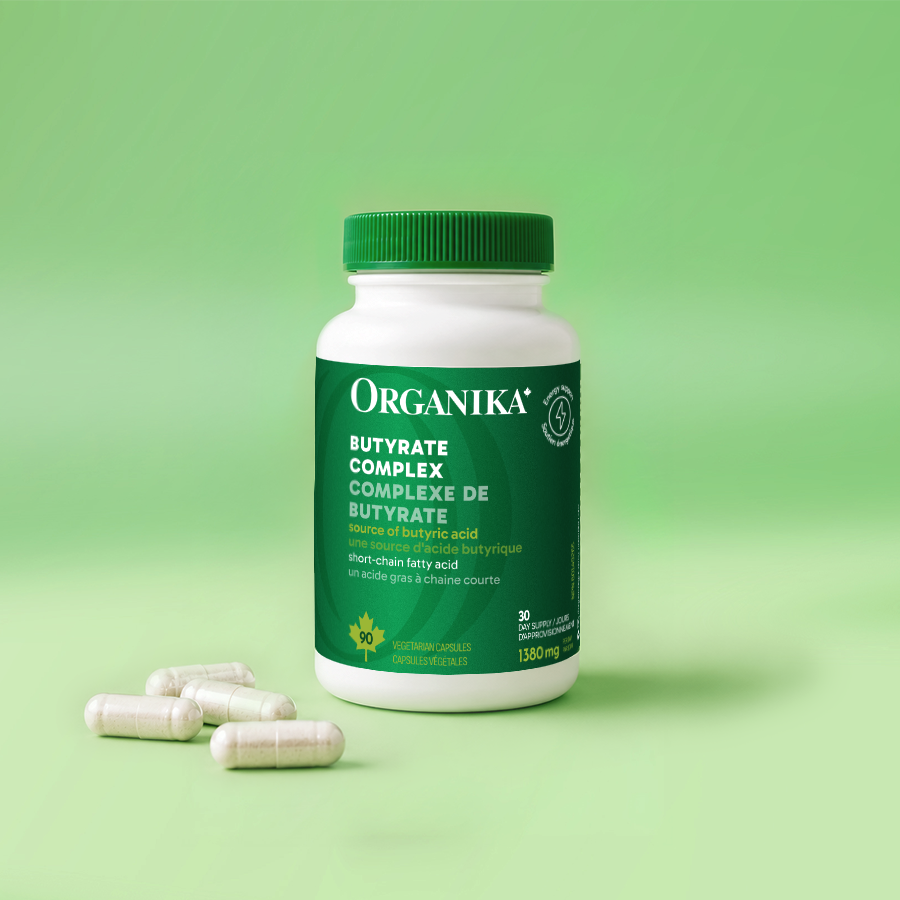
Butyrate Complex 460mg
A convenient source of butyric acid for energy support
- Provides a source of butyric acid
- Supports energy with a short-chain fatty acid
- Is associated with digestive comfort and gut health
- May promote healthy weight management via fat metabolism
Couldn't load pickup availability


Notify Me When Available
Enter your email and we'll let you know as soon as this product is back


Supplement Facts


Ingredients & Nutrition




Medicinal - EACH VEGETARIAN CAPSULE CONTAINS: Butyric Acid (Calcium Dibutyrate) 460 mg
Non-medicinal: Microcrystalline Cellulose, Magnesium Stearate (Vegetable Source), Hypromellose (Vegetarian Capsule).
Recommended Dose — (oral) adults (19 years and older) only: Take 1 capsule 3 times per day. Take with food. Take a few hours before or after taking other medications or health products
Is This Right for You?
Do you feel fatigued in daily life?
Are you looking for a source of butyric acid?
Do you prefer a vegetarian capsule format?

-
Supports energy with a short-chain fatty acid
-
May promote healthy weight management via fat metabolism
Ingredients & Nutrition
Gluten-Free
Caffeine-Free
No Preservatives
Non-GMO
No Artificial Sweeteners
No Artificial Colours or Flavours
1,380 mg of butyric acid per day, taken with your meals to power your body from within.
Why we Made Butyrate Complex 460 mg
-
Supports energy with a short-chain fatty acid
-
May promote healthy weight management via fat metabolism
Your body relies on energy at the cellular level to keep everyday processes moving. Butyric acid is a naturally occurring short-chain fatty acid produced in the gut and used as a source of energy. It is also found in foods such as matured cheeses and ghee. Organika Butyrate Complex is a single-ingredient formula providing 460 mg of butyric acid from calcium dibutyrate per vegetarian capsule, making it a simple addition to your daily routine.
Beyond its role as a source of energy, butyric acid has been studied for its role in supporting healthy weight management by promoting balanced fat metabolism and is also well known for supporting digestive comfort, including occasional abdominal discomfort. Made with vegetarian capsules and free from common allergens, it’s a straightforward way to complement your daily wellness routine.
Ask Away
We’ve got the FAQs covered. But if you’re still stuck, we’re only a message away.
Get in TouchWhy take a butyrate supplement if my body already produces butyric acid?
Your gut naturally produces butyrate when beneficial bacteria break down certain types of fibre. However, the amount produced can vary depending on your diet and gut microbiome. A butyrate supplement provides a direct source of butyrate, helping complement your body’s natural production.
What is calcium dibutyrate?
Calcium dibutyrate is a form of butyrate that combines butyric acid with calcium. This helps make butyrate easier to deliver in supplement form, providing a convenient source of butyrate for the digestive tract.
How long does it take to notice benefits?
Everyone is different. Some people may notice changes within a few days or weeks, while for others it may take longer. Consistent daily use, alongside a balanced, fibre-rich diet, can help you get the most from your butyrate supplement.
Is butyrate the same thing as a probiotic or prebiotic?
No. Probiotics are beneficial bacteria, while prebiotics are nutrients that feed those bacteria. Butyrate is a compound that certain gut bacteria naturally produce when they break down fibre. Think of it this way: probiotics are the bacteria, prebiotics are their food, and butyrate is one of the helpful compounds they produce.
Can I take butyrate long term?
Butyrate supplements can be used as part of your daily wellness routine. Always follow the recommended directions on the label, and speak with a healthcare professional if you have questions about long-term use or whether butyrate is right for you.
You'll Likely Also Love...
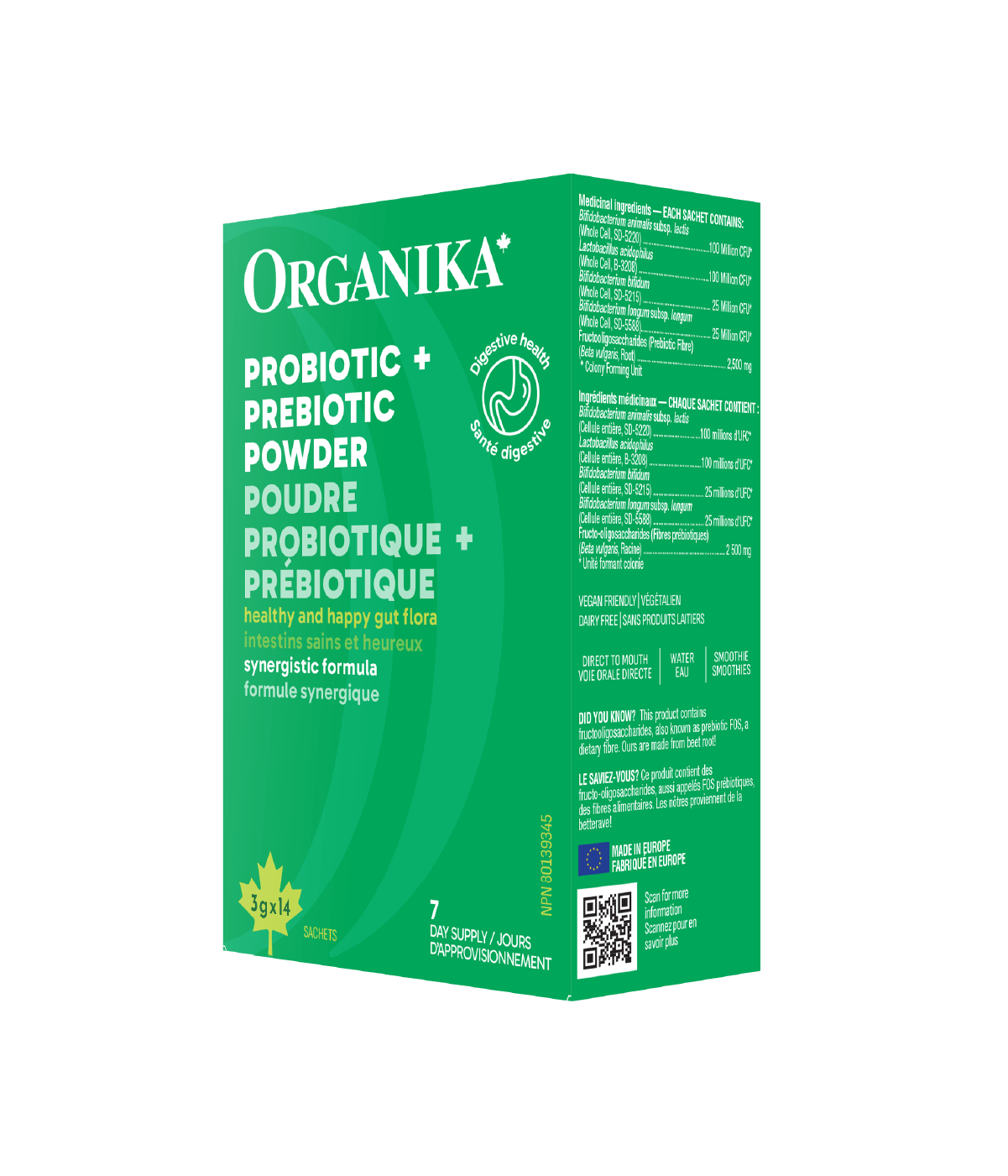
Probiotic + Prebiotic Powder
Help your gut flourish
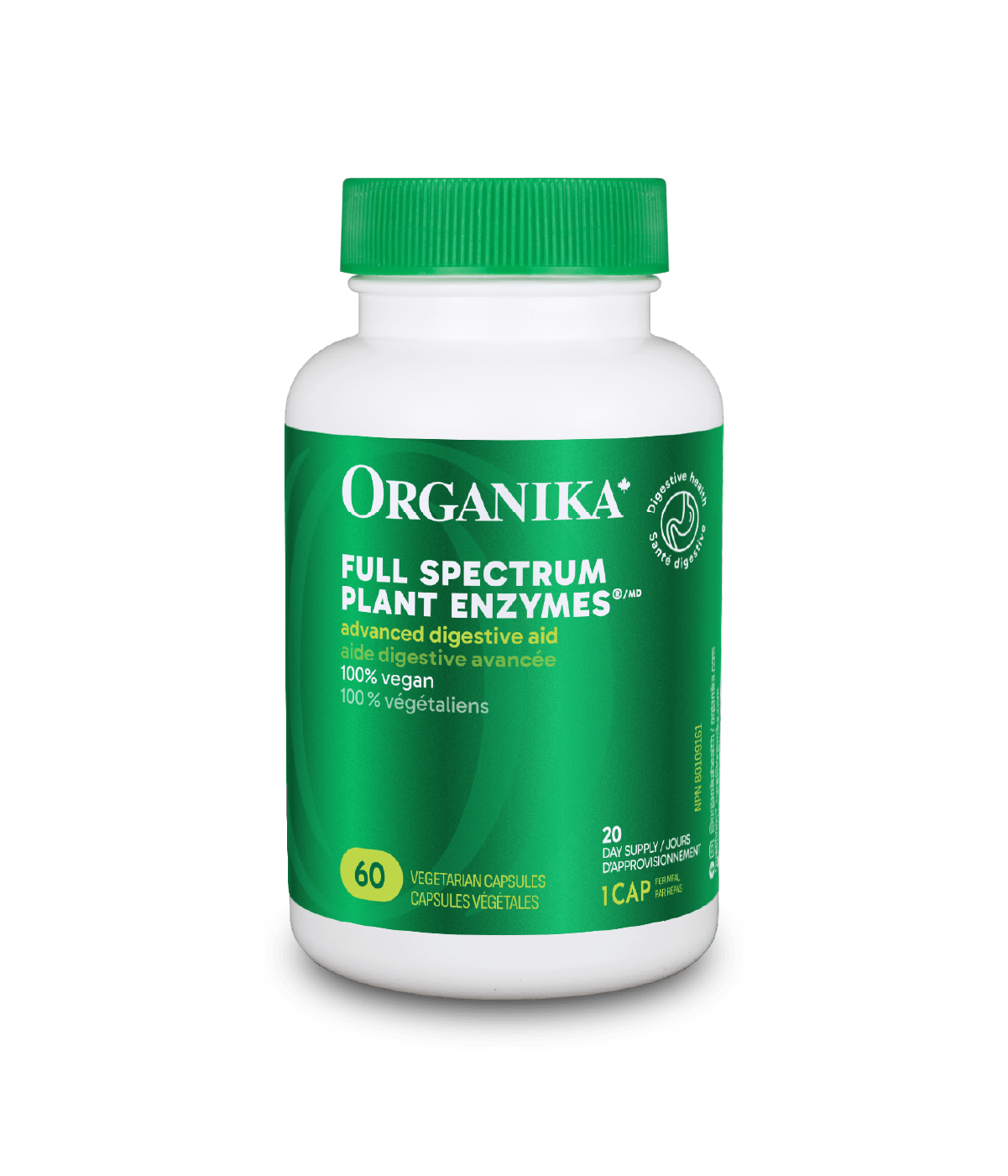
Full Spectrum Plant Enzymes
Plant-based enzymes that support smoother digestion
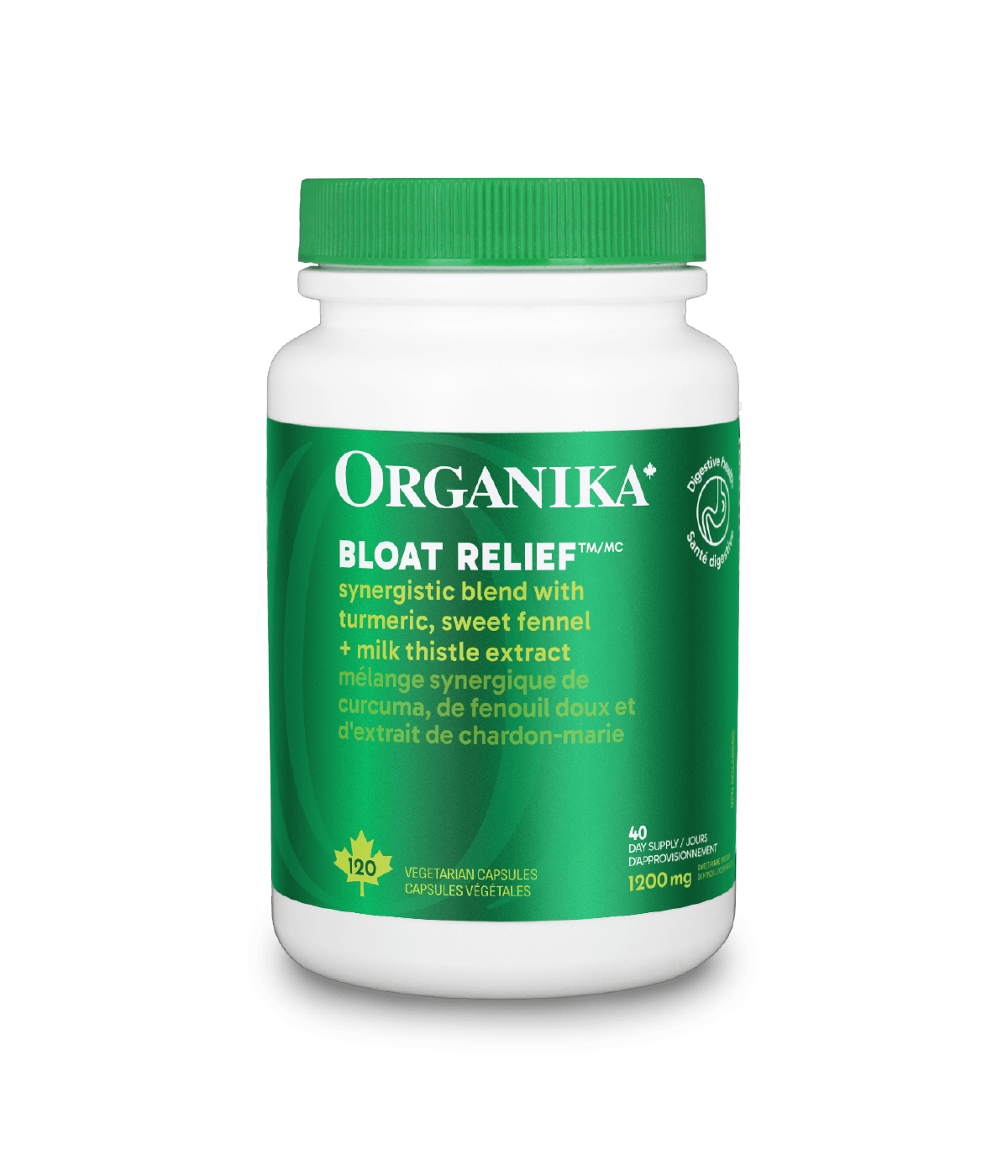
Bloat Relief
Feel lighter faster with an effective formula to reduce bloat
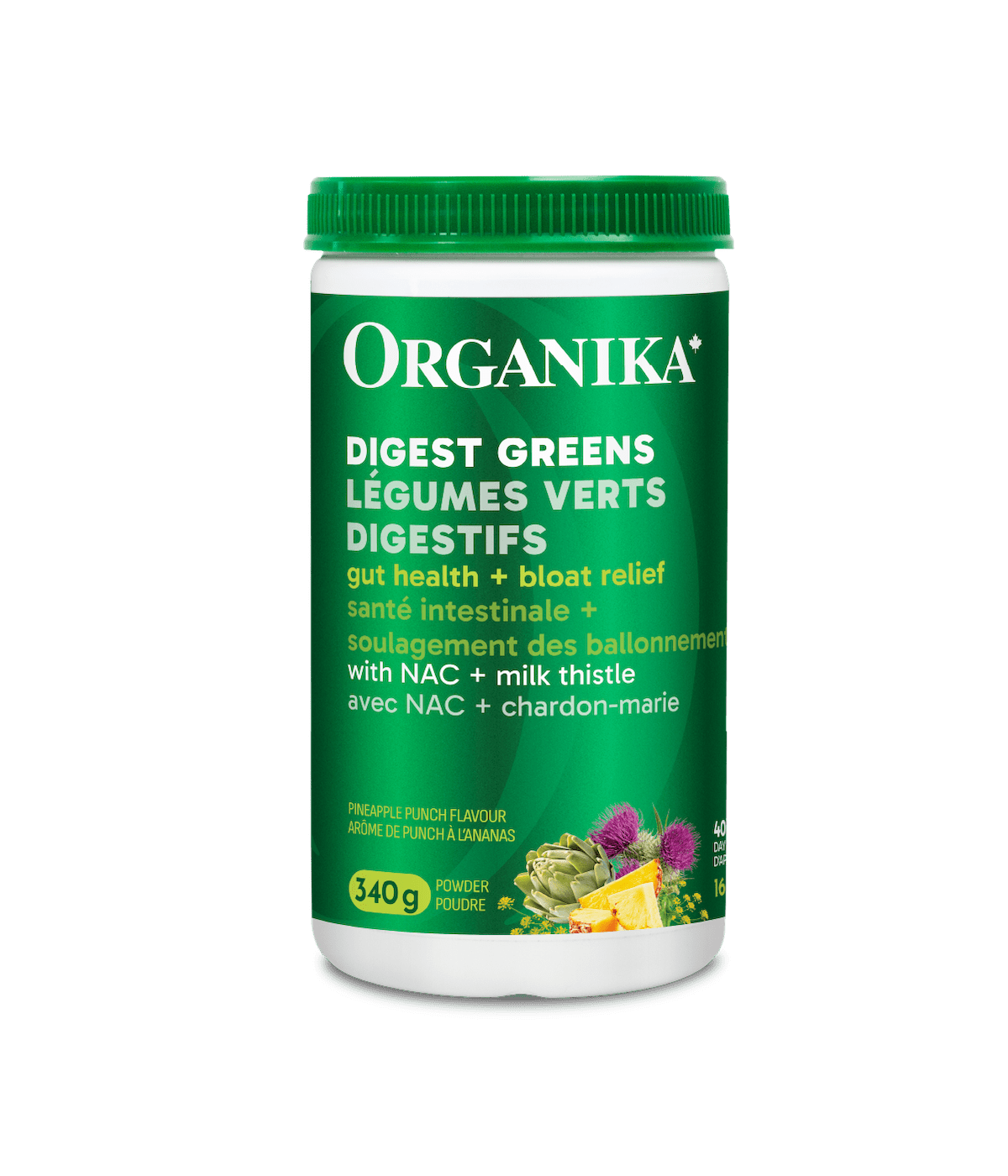
Digest Greens
Plant-powered support for digestion and liver health in a tropical pineapple punch flavour
Support Beyond Products

Gut health is more than digestion—it's the gateway to your entire well-being. Your gut plays a critical role in nutrient absorption, immune defense, mental clarity, and even mood regulation. Think of it as your body's engine: when it's running smoothly, everything else functions better. Fun Facts About the Gut: Your gut is home to over 100 trillion microbes, collectively known as your microbiome. Approximately 70% of your immune system resides in your gut. Your gut and brain are connected through the gut-brain axis, which explains why gut health impacts mental health and vice versa. An imbalance in gut bacteria (dysbiosis) has been linked to mood disorders, inflammation, and chronic illness. In fact, research shows that gut microbiota can significantly affect brain function and mental wellbeing, supporting the critical role of the gut-brain axis in optimal health (Sudo, 2019). Why It's Hard to Improve Gut Health Modern lifestyles work against gut health—stress, poor diet, lack of sleep, and antibiotic use can all damage the delicate balance of your gut microbiome. Common Struggles: Bloating, indigestion, or irregular bowel movements Difficulty digesting certain foods Inconsistent energy or “brain fog” Cravings, particularly for sugar and processed foods Why It’s Challenging: Gut health isn't an overnight fix; it requires daily attention and long-term consistency. Gut health is affected by more than just food—sleep, movement, hydration, and stress all play a role. Many people aren’t aware of hidden triggers (like artificial sweeteners or gluten sensitivity) that may be affecting their gut. 21-Day Gut Health Habits That Stick Small shifts over 21 days can create lasting results. Try these strategies to support a healthier gut: Start your day with warm water and lemon or with electrolytes. This hydrates your system and preps digestion. Add fermented foods to your diet daily. Try kimchi, sauerkraut, kefir, or plant-based yogurt for probiotic support. Ditch ultra-processed foods. Cut back on refined sugars and additives that feed bad bacteria. Eat the rainbow. Diverse fiber feeds a diverse gut microbiome—aim for a variety of veggies and fruits. Move your body. Regular exercise supports healthy bowel movements and reduces gut inflammation. Support Your Gut Naturally with Organika Organika’s thoughtfully developed supplements are designed to work gently with your body—not against it. These products help ease digestive discomfort, restore gut balance, and support the microbiome. Explore the curated Healthy Gut Collection for your gut reset journey: Probiotic + Prebiotic Powder: Promotes healthy bacterial balance and immune function. Electrolytes Liver Care: Helps cleanse and hydrate, supporting liver and digestive health. Beef Bone Broth Protein Powder: A rich source of collagen and amino acids to heal and seal the gut lining. Enhanced Collagen (Original, Lemon, Chocolate): Supports intestinal lining, skin, joints, and more. Full Spectrum Plant Enzymes: Helps break down food properly and ease bloating. Gut-Friendly Movement Suggestions Gentle yoga twists (like supine twist or seated spinal twist) to stimulate digestion. Daily walking—especially after meals—to support motility. Core strengthening exercises (like planks) to aid gut-brain connection. Meal Ideas & Recipes for Gut Health Breakfast: Overnight oats with chia seeds, almond milk, and berries (prebiotic-rich) Lunch: Quinoa bowl with roasted veggies, avocado, and kimchi Dinner: Grilled salmon, steamed greens, and sweet potato mash Snack: Apple slices with almond butter and a sprinkle of cinnamon Drink: Bone broth in the afternoon or a probiotic smoothie with yogurt and banana A healthier gut isn’t a trend—it’s a long-term investment in your vitality. Start your 21-Day Habit Change Challenge and feel the difference from the inside out. References Sudo, N. (2019). Microbiome, HPA axis and production of endocrine hormones in the gut. Journal of Clinical Biochemistry and Nutrition, 64(2), 87–91. https://doi.org/10.3164/jcbn.18-57
read more
Tips for keeping your digestive tract happy. “You are what you eat and what you digest.” So much of gut health has to do with what you put inside your body. Safe to say how you digest the food you eat ultimately get absorbed at the gut level. It’s important to take care of your gut by providing it with nourishing and healing foods and supplements. We asked our Registered Holistic Nutritionists to weigh in on how to improve gut health and keep it healthy. Eat a diet full of fibre and probiotics Fibre is a plant-based carbohydrate (do not panic at that word) that helps to reduce the risk of many diseases of the heart, digestive system, and more. The two types (soluble and insoluble) are beneficial. It works to stimulate the growth of healthy gut bacteria, it helps to slow down the absorption of glucose, and helps to carry out wastes from the body. Probiotics are healthy gut bacteria that can be found in fermented foods such as yogurt, kimchi and kombucha. Probiotics help keep the gut happy by supplying the beneficial bacteria that helps keep everything calm and balanced. Healthy gut bacteria is linked with less inflammation, irritability, and digestive issues. Learn more about protecting your microbiome here. Safe to say ensuring you are eating a diet with root vegetables, fruits, green leafy vegetables, as well as whole grains (if you do consume grains), along with fermented foods will help improve your gut. Take gut health support supplements Collagen and or Bone Broth Collagen has amino acids that support gut health by reducing inflammation and healing the actual gut. Particularly bovine collagen has been shown to be specifically helpful for gut health. You can also go beyond collagen and take bone broth. Bone broth includes collagen, gelatin as well as other ingredients that may help with tissue healing and calm the inflammation of the gut’s lining. Gelatin is essentially the cooked version of collagen. They both provide the same amino acids and provide the same benefits. Want to have both? Full Spectrum Collagen 1,2,3 combines both collagen and bone broth! Probiotics We talked about the essential role probiotics play in gut health. To be sure you are getting the gut bacteria your body needs, it’s often suggested to take probiotics supplements daily. Providing your gut with these daily will allow the digestive system to be prepared. Probiotics + Prebiotics is a winning combination because it not only provides the beneficial gut flora, but also offers food for the beneficial bacteria (prebiotics) to thrive. Enzymes Part of gut health is the ability to digest the foods you eat. If you feel sluggish or bloated, you can take digestive enzymes that speed up the breakdown of carbohydrates, proteins and fats. Full Spectrum Plant Enzymes are good for digestion which in turn will help with gut health. Move your body Getting exercise daily will help to build your gut health. How? Essentially the muscles involved in digestion strengthen with exercise, this in turn helps with peristalsis (moving digested food throughout the gut). Exercise also plays a role in promoting healthy bacteria in the gut (which we always need a good balance of). In fact, studies have suggested that exercise has the potential of altering the gut flora and promoting wellness. It literally feels good to move! Limit Your Alcohol and Coffee Intake The gut’s bacteria don’t particularly like heavy alcohol consumption. Excessive drinking can lead to digestive upset, but also inflammation of the gut’s lining. When this happens, the gut becomes susceptible to discomfort, ulcers and even infections. For the same reason, if you feel you are getting an upset stomach after consuming caffeine, consider cutting down the amount to 1-2 cups a day. Decrease the stress A common piece of advice for health in general, but most definitely stress has a negative effect on gut health. Studies have shown that there are associations between anxiety and depression and matters of the gut, and vice versa. Therefore you may notice stomach pain following a stressful set of events; the mind and gut connection are very much in sync. Work on calming the mind and body, or consider stress support, such as Enhanced Collagen Relax. This is a great supplement to add into a beverage or water after a stressful day. Enhanced Collagen Relax gently takes the “edge off” without any drowsiness as it has collagen + Magnesium Bisglycinate And L-Theanine (stress and relaxation supportive supplements). Improving your gut health doesn’t have to be a daunting task. Take it one good habit at a time and remember that your whole-body health starts with your gut.
read more
Would you believe me if I told you that you are made up of trillions of bacteria? Sounds crazy right? At any given time, we have more bacteria (in and on us) than we have human cells. How is that for a “did you know?” Bacteria is found everywhere throughout your body. One very important place it is found however, is in your gut. The gut’s lining, is covered with microscopic bacteria and organisms which impact your health. Your lifestyle, mood, activity, diet all impact the balance of these microorganisms. It’s this microecosystem that is referred to as your gut microbiome. What you want, is good bacteria to make up your microbiome. What are the good bacteria? Good bacteria contribute to our overall health and well-being. We are continuously discovering the never-ending extent into which these little bacteria are beneficial to us. Certain strains of bacteria do really beneficial things in our body such as: Stimulate the immune system Break down food compound Help absorb nutrients and amino acids Play a role in contributing to reactions in the body that impact weight, mood and digestion You will find different families of bacteria in different areas in the gut. In the colon you will mainly find anaerobic bacteria you commonly hear such as for Peptostreptococcus, Bifidobacterium, Lactobacillus, and Clostridium. These “good bacteria” also work to prevent the growth of the “bad bacteria”. There are many ways to keep your gut microflora strong and thriving, in order to help contribute to better health. Listed below are a few ideas of how to incorporate these into your daily routine. DID YOU KNOW? Your gut houses up to 1,000 different species of bacteria? 1. EAT MORE FRUITS AND VEGETABLES I know you hear this often, but we all need reminders from time to time. The bacteria in your gut love the fibres in fruits and vegetables. They use the fibre as a source of energy and it helps them grow strong, which in turn helps keep us strong. Here are some tips to follow: Consider keeping some, if not all, skin on fruits and vegetables because this is a great source of fibre for your gut. Fermented foods such as tempeh and sauerkraut are great for your gut bacteria as well. Fermented foods are a bonus because they contain both prebiotics and probiotics. Adding a new fruit or vegetable to your diet may also help maintain diversity of your gut microflora. 2. LIMIT STRESS I know this is easier said than done, but it is incredibly important. Stress wreaks havoc on your intestinal tract. Constantly being in a state of stress will cause long term damage all over your body, but especially in your gut. This is important because the bacteria in your gut need a healthy environment to thrive. So how do you mitigate the sometimes-unavoidable effects of stress? When you find yourself overwhelmed by daily stressors in life: Take a moment to relax and take a deep breath. Stop for 2 minutes to close your eyes, breathe in for a count of five, and then out for another count of five. Take adaptogens that work to limit your stress, help you come to balance with your mind and body. Products like Maca, Reishi, and Ashwagandha work great. Take stress support supplements with your collagen. Enhanced Collagen Relax offers a blend of collagen (which helps gut health) in combination with L-Theanine (the stress supplement). 3. GET OUTSIDE AND GET DIRTY Using antibacterial products consistently will also damage your microbiome. This means it will destroy the bad bacteria and the good bacteria that keep us healthy. It is also especially important that our immune system does get exposed to bad bacteria. This exposure is vital for our body's ability to build up immunity to these not-so-friendly microbes. It allows our immune system to defend itself more readily in future exposures to these strains. Our bodies are brilliant and will constantly build immunity to bad bacteria and protect us more often than we realize. It is important to have this immunity strong for times when we really need it. When we use antibacterial products often, we kill off beneficial bacteria, and do not provide our immune system with enough exposure to bad bacteria. Without this exposure to bad bacteria, our immune system cannot build up the correct resistance - sometimes it is okay to get a little dirty! If you want to maintain a healthy microflora the true trick is to keep it simple! Eat a variety of fruits and vegetables in your diet, work on reducing stress. Next time you are at the park with your children, try playing with them in the sandbox! Note: Kids should be taking probiotics daily, get their microbiome off to a healthy head start. Cheers to good health! Amy Wilson
read more