






.png?v=1783549775874)
.png?v=1783549790194)
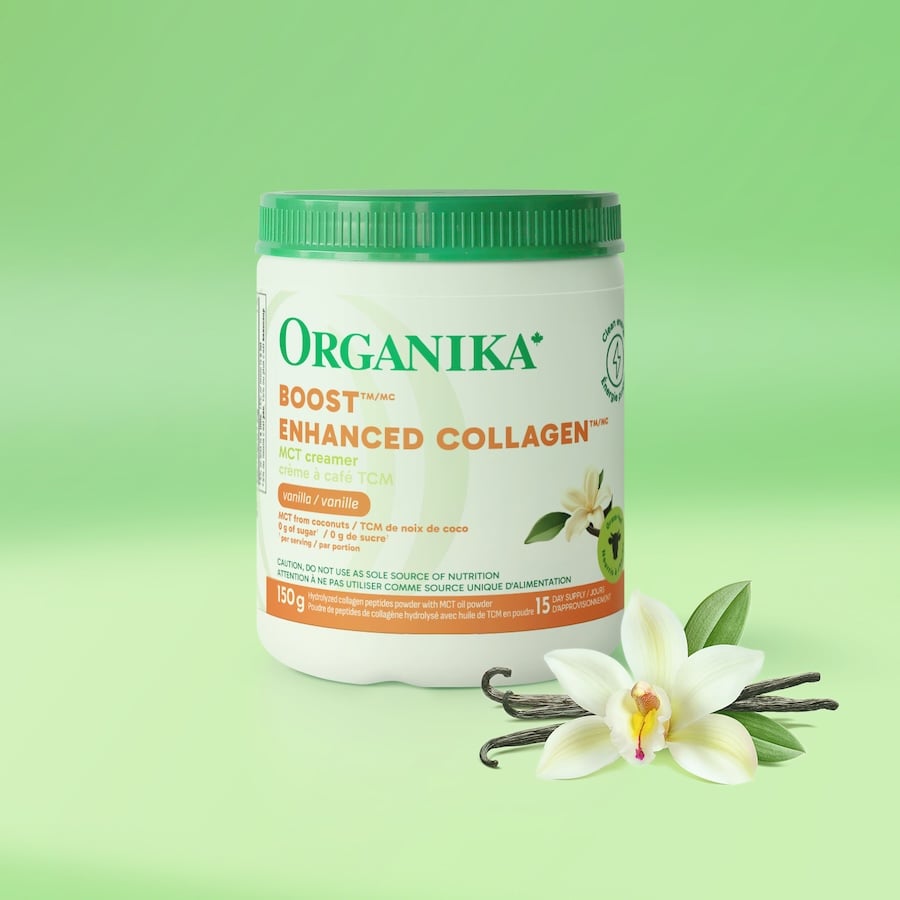
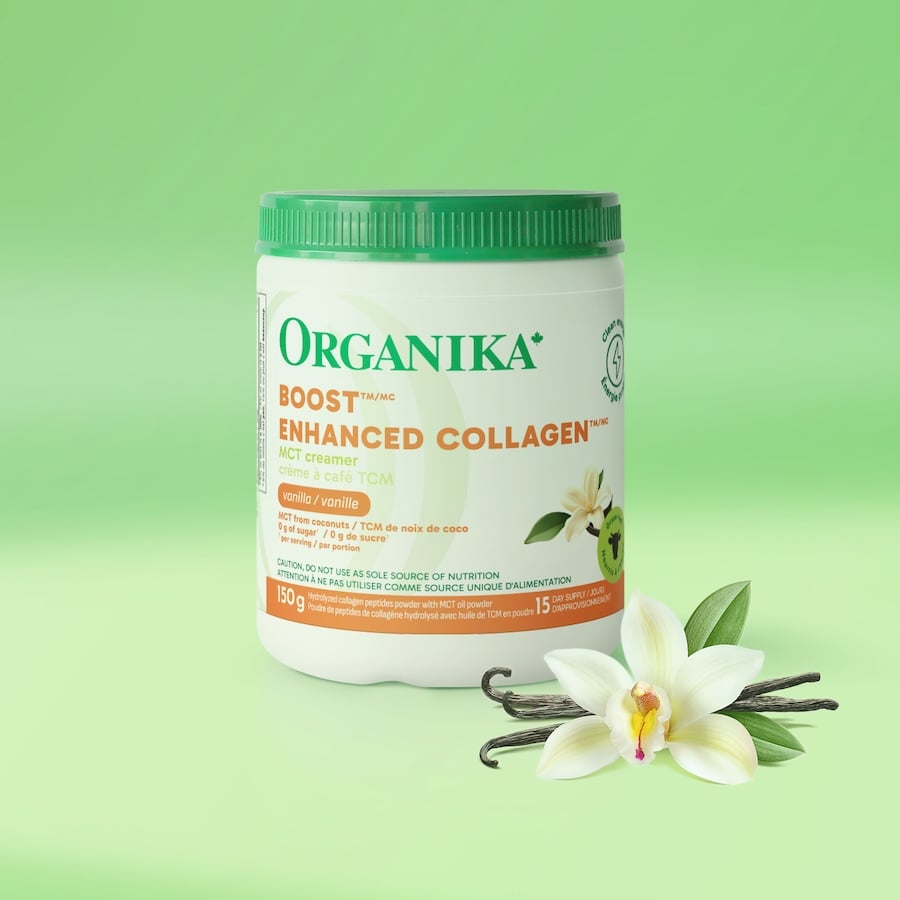
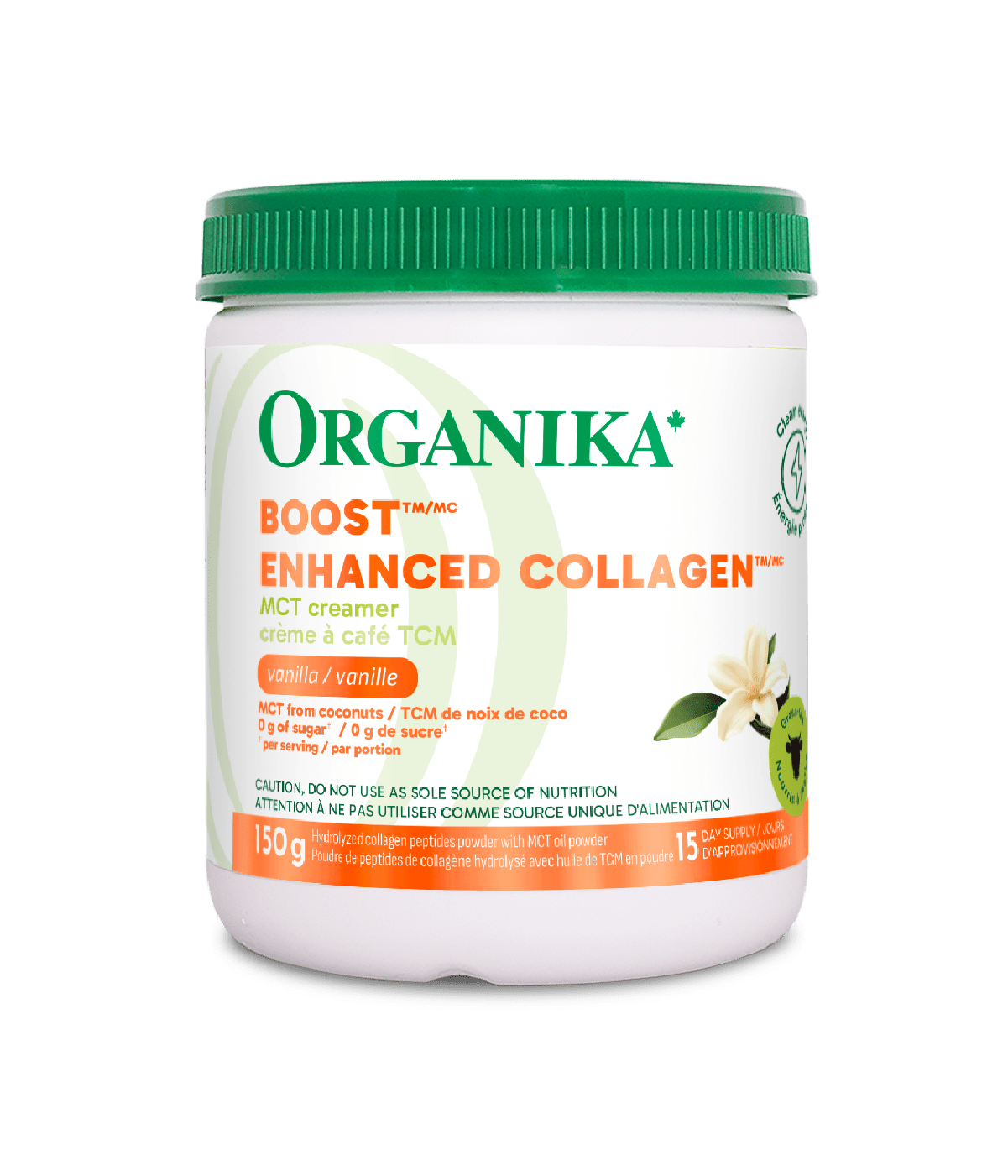
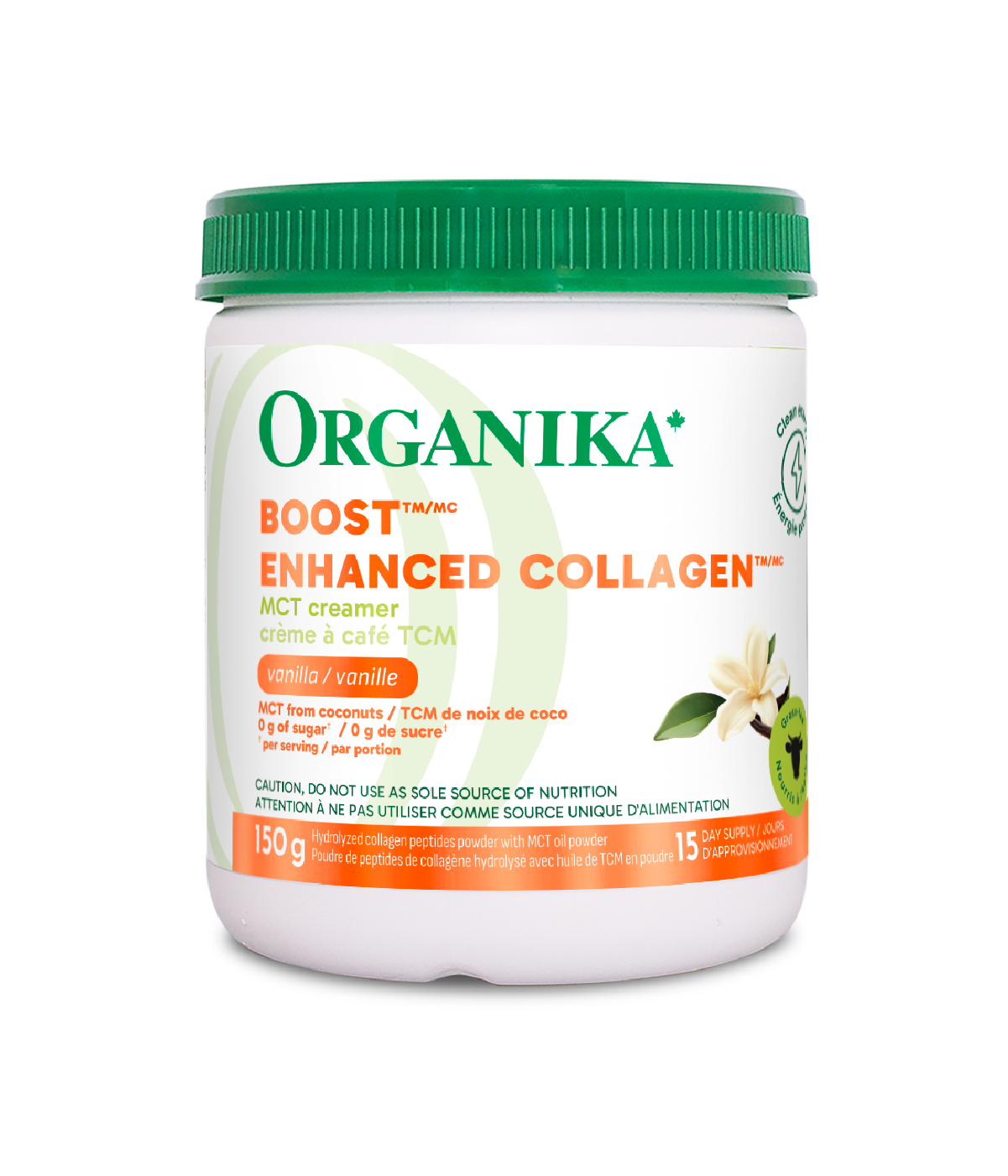
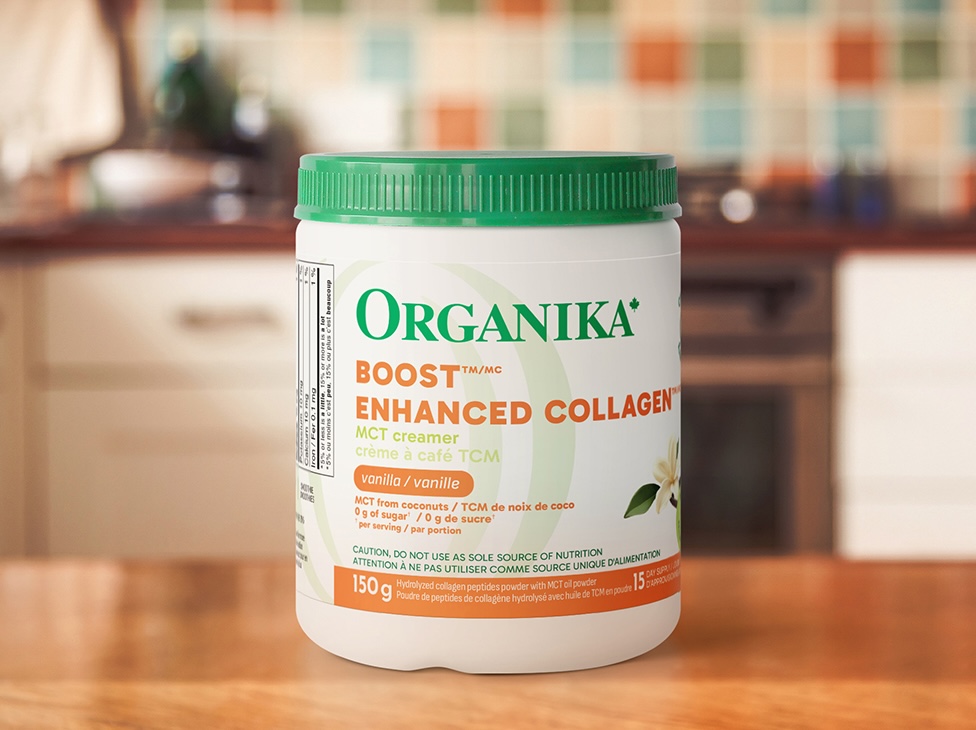
Enhanced Collagen Boost
Clean collagen meets functional fat in one supportive coffee creamer
- Provides fast, clean energy from MCTs
- Dairy-free and zero sugar
Couldn't load pickup availability


Notify Me When Available
Enter your email and we'll let you know as soon as this product is back
Supplement Facts
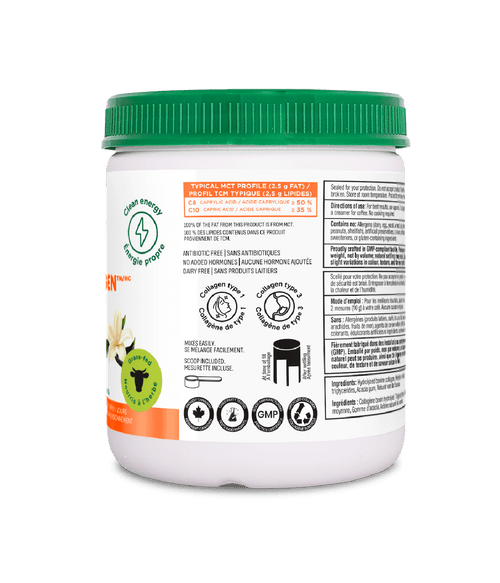
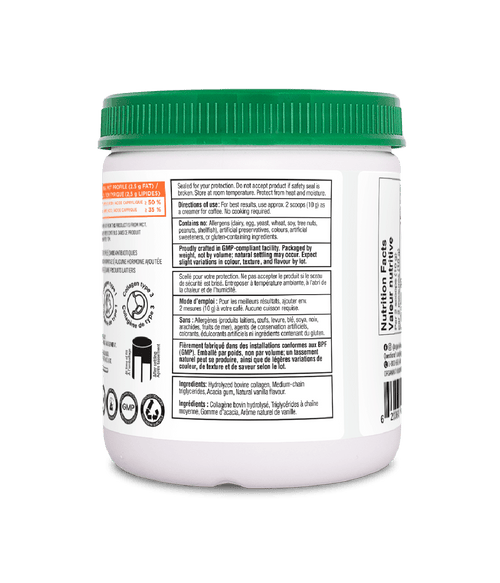
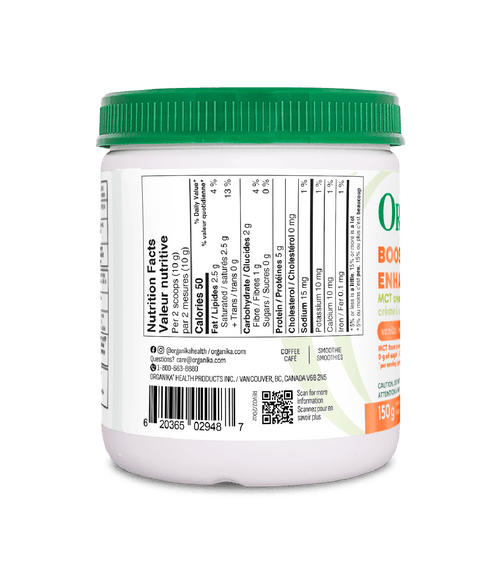
Ingredients & Nutrition


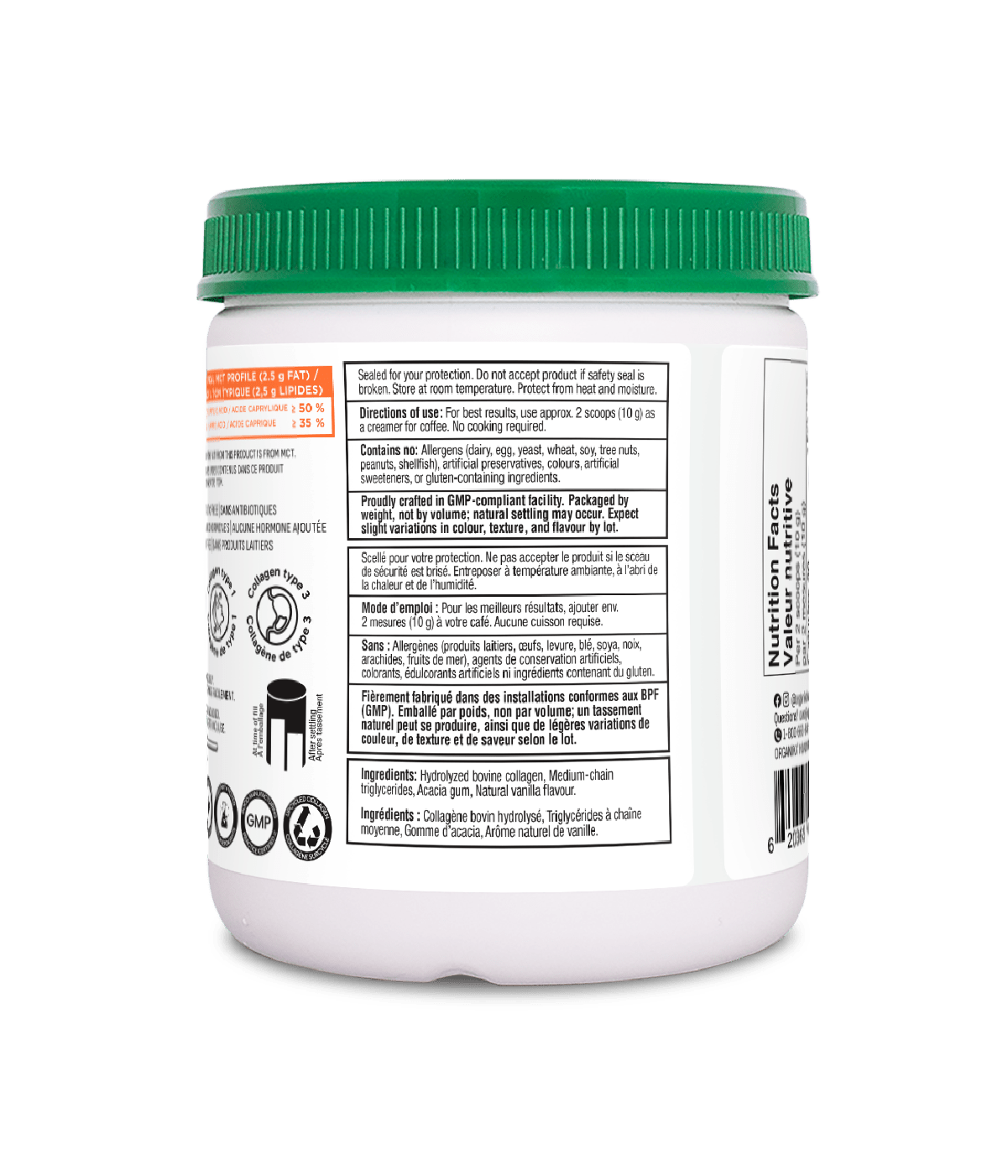
INGREDIENTS: Hydrolyzed bovine collagen, Medium-chain triglycerides, Acacia gum, Natural vanilla flavour.
Directions of Use: For best results, use approx. 2 scoops (10 g) as a creamer for coffee. No cooking required.

Is This Right for You?
Do you want your morning coffee to do more for you?
Are you looking for clean, digestible protein?
Need a creamer that supports energy?
Want to avoid sugar, fillers and artificial additives?
If you answered ''yes'' to any of the above, this product is right for you.
-
Dairy-free and zero sugar
Ingredients & Nutrition
Gluten-Free
Keto Friendly
Non-GMO
Gluten-Free
Keto Friendly
Non-GMO
Gluten-Free
Keto Friendly
Non-GMO
Gluten-Free
Keto Friendly
Non-GMO
Gluten-Free
Keto Friendly
Non-GMO
The Full Scoop
-
Dairy-free and zero sugar
Each serving of Enhanced Collagen Boost provides 5 g of protein from hydrolyzed type I and III collagen peptides, sourced from grass-fed bovine.
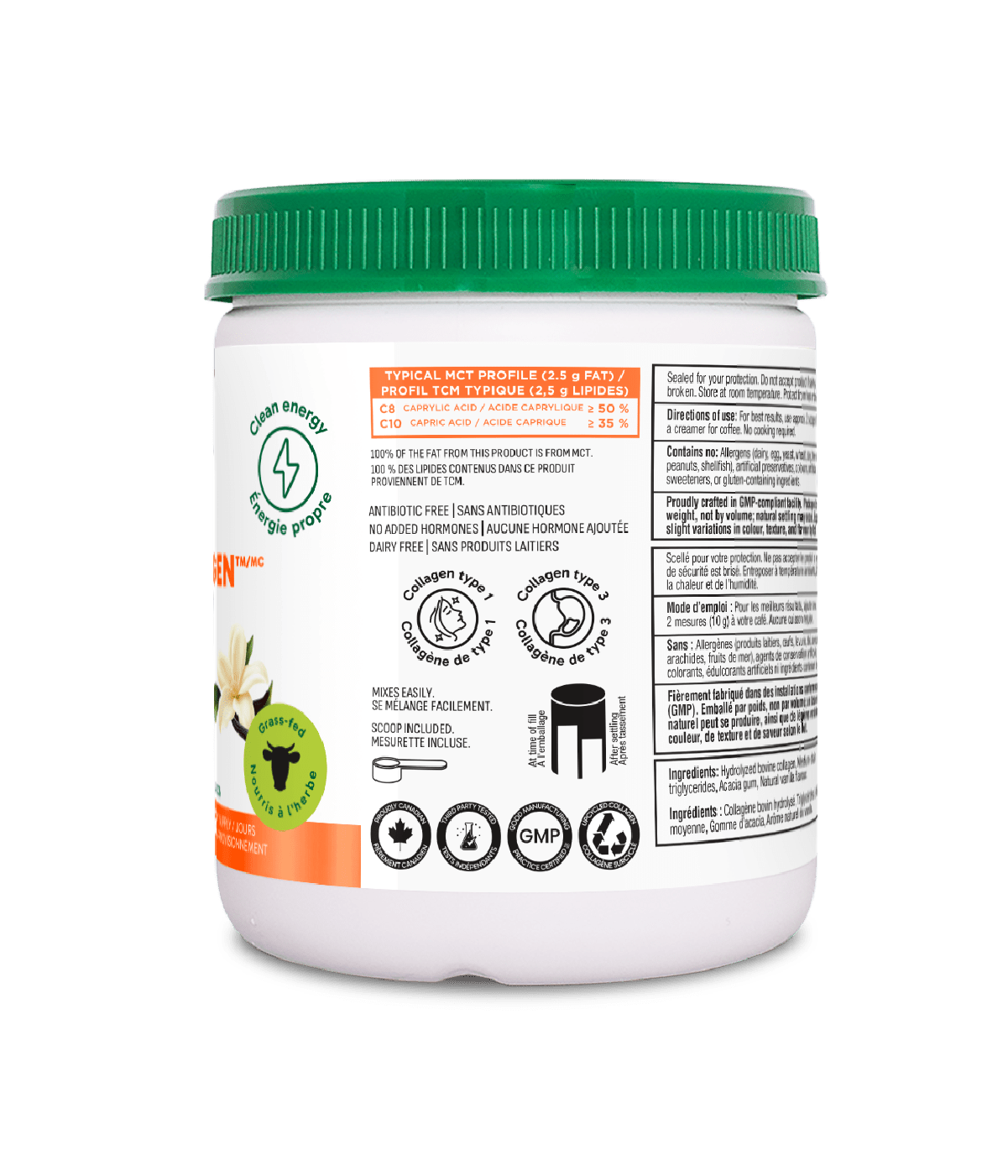
To support energy, Enhanced Collagen Boost is blended with MCT oil powder made with sustainably sourced coconuts from Indonesia. In fact, 100% of the fat content within the creamer comes from MCTs, which are quickly converted by the liver and easy to digest.
With zero sugar, no fillers, and a natural vanilla flavour, this formula mixes easily into coffee or smoothies. Sounds simple but it's a big upgrade to your daily cup.
Ask Away
We’ve got the FAQs covered. But if you’re still stuck, we’re only a message away.
Get in TouchHow many calories am I getting from Organika's Enhanced Collagen Boost?
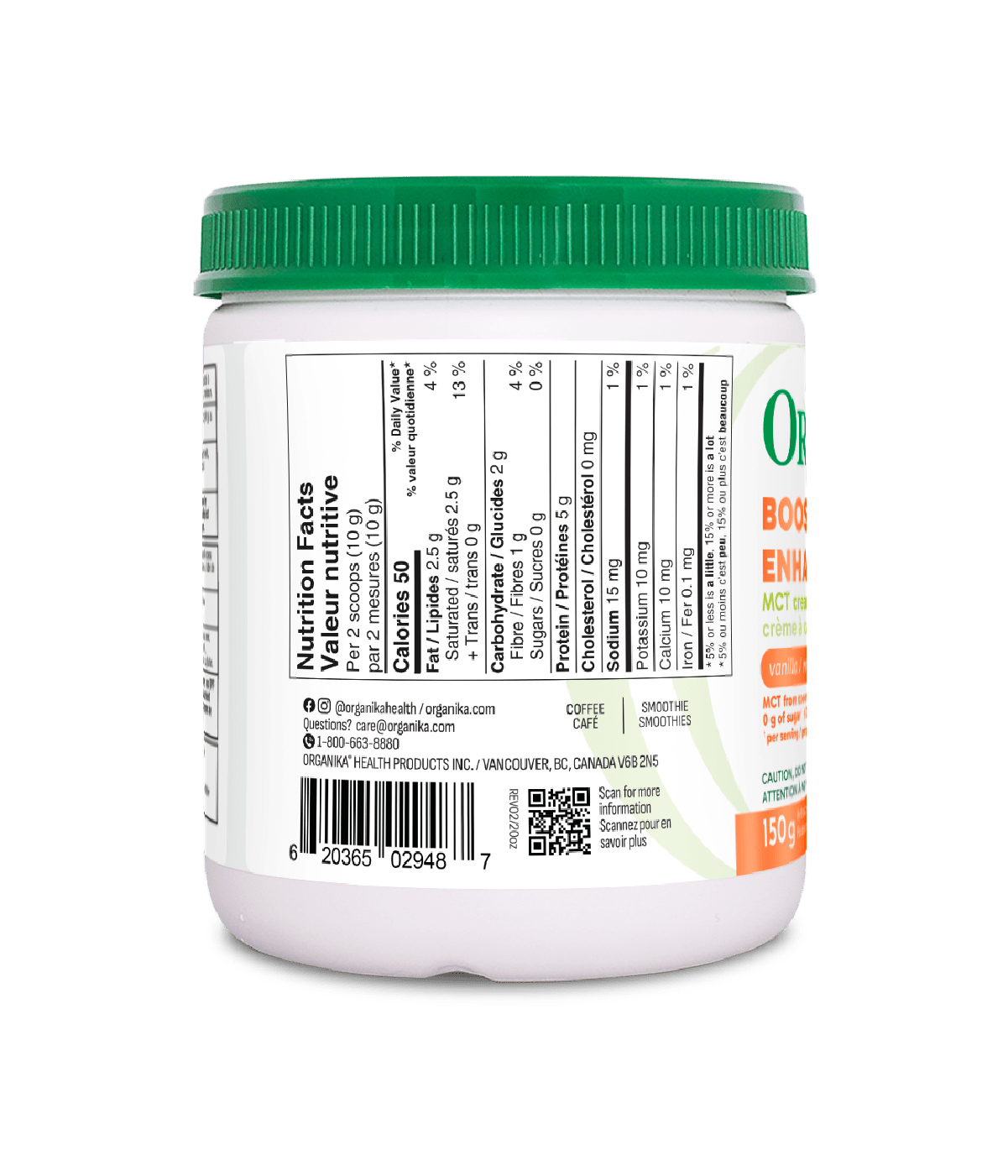
Per 10 g or 2 scoops serving of Enhanced Collagen Boost, you get 50 calories, 2.5 grams of saturated fat, 2 gram of complex carbohydrates and 5 grams of protein.
How is Organika's Enhanced Collagen Boost processed?
For our Enhanced Collagen, a process called hydrolyzation is used. It is an enzymatic process for breaking collagen down into a smaller molecule, called a peptide, making it easier for the body to absorb and use. To make MCT oils into a convenient powder form, the oil is sprayed out thinly and dried into a solid powder. As it is stable with heat, light and oxygen, none of its beneficial properties are lost or damaged in the powdering process.
Is it okay to cook with MCT powder? Will cooking damage the fats like with flax oil?
Because MCTs are saturated fats, they are quite stable with heat (like cooking), light and oxygen. Something like flax oil, an excellent source of omega-3 polyunsaturated fats, is very unstable and can easily be damaged and made toxic by cooking.
You'll Likely Also Love...
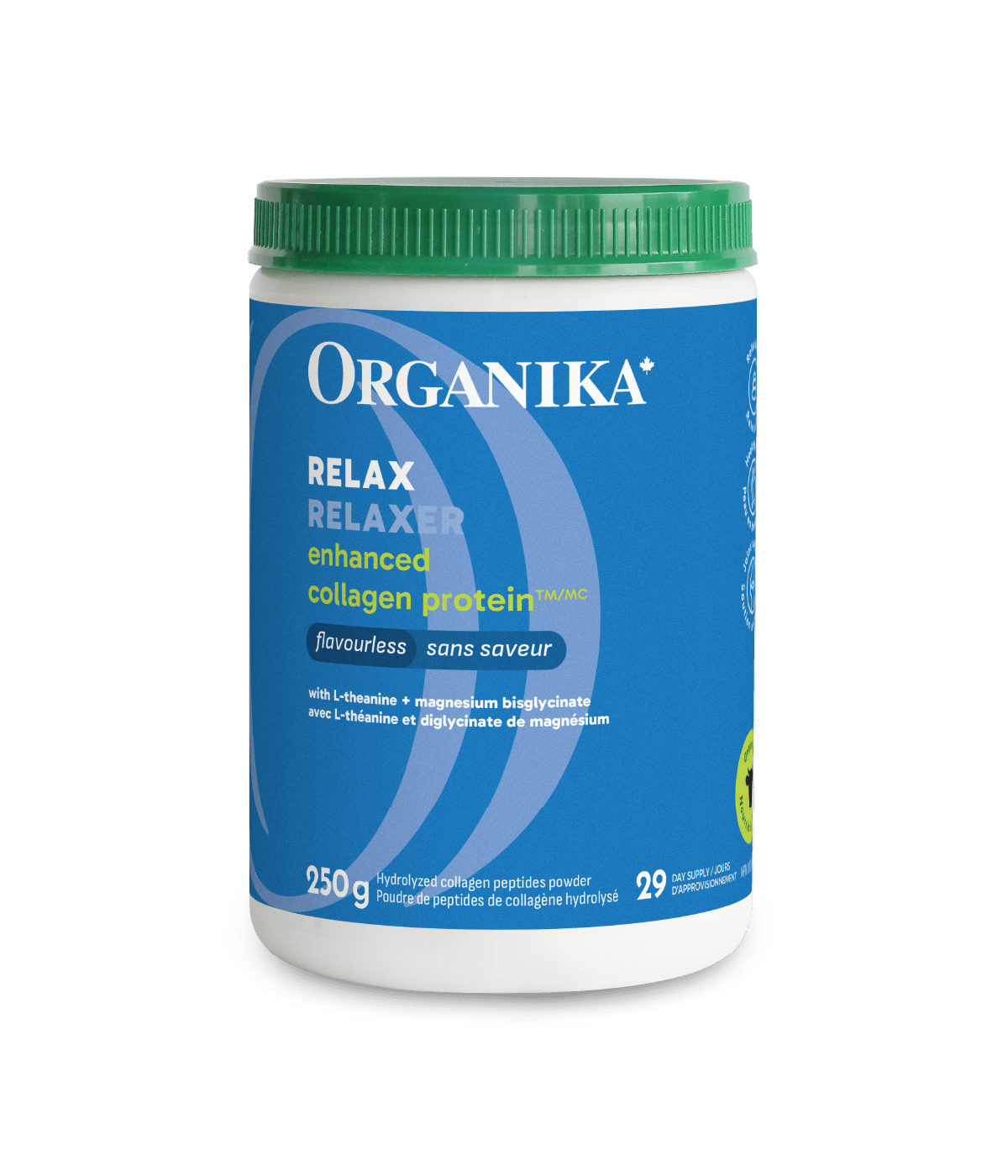
Enhanced Collagen Relax
A collagen blend designed to keep you calm but not sleepy
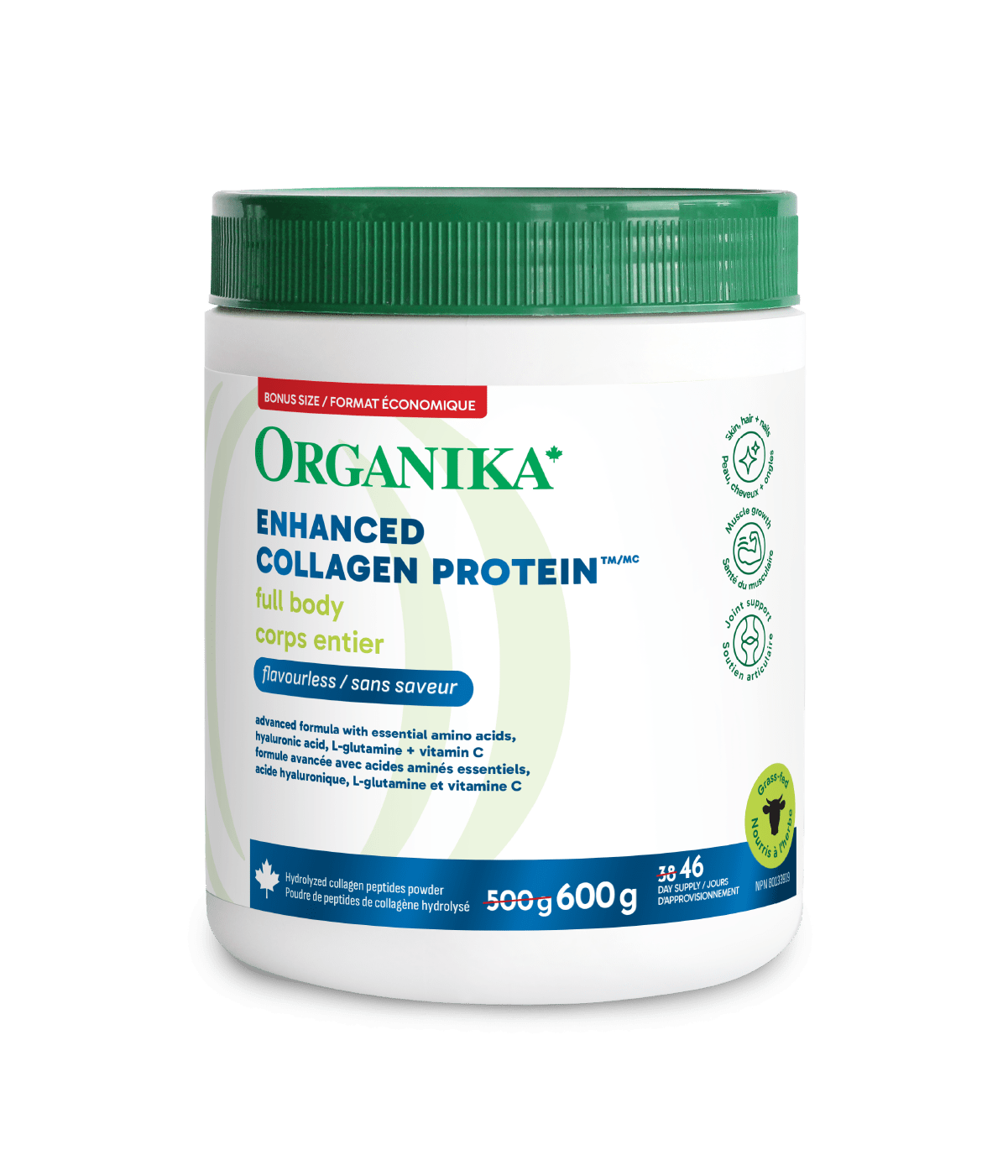
Full Body Enhanced Collagen Protein
A collagen blend for the whole body with 10 g of protein
Support Beyond Products

Surviving Stress – 5 Tips for Boosting Resiliency We live in a world where everyone is “busy”; busy with work, busy with school, busy on social media, etc. We’re constantly stimulated by over-scheduled calendars, 24/7 access to social media streams and the endless content it provides. Connectivity is great, but there needs to be a balance. Your brain needs a break. It’s not just social media and connectivity. Two-thirds of Canadians get less than 6.5 hours of sleep per night and shockingly almost 30% don’t even get 6 hours nightly. It’s perhaps not surprising then that an overwhelming number of doctor’s visits are stress-related in nature. Stress isn’t a bad thing. Stress is essential for getting stronger, smarter, leaner and healthier. Your body needs stress to survive. But when you tip the balance too far, when you constantly stress your body via training, long work hours, poor nutrition, lack of sleep, etc. without providing adequate time for recovery, the catabolic nature of stress will start to break you down. When this happens, it’s common to experience symptoms of low energy, sluggish memory, low mood, difficulty concentrating, insomnia, feelings of irritability or anxiety that often accompany periods of high stress. The problem today is you actively have to plan periods of downtime or rest. You need to plan for time away from the internet, you need to plan for more sleep, you need to plan more time for family and friends. Knowing you need more stress-support, and actually doing something about it, are two different things. Here are some quick tips for rebooting your stress levels and get your health and performance back on track (at work, home and in the gym). Top-5 Relaxation & Recovery Tips: 1) Breathe When life gets busy, our breathing patterns naturally get shifted in the wrong direction. We breathe higher up in our chests – referred to as “pump-handle” breathing – and these shallow breaths cue your nervous system to kick up adrenaline and cortisol. This worsens the stress-irritability-anxiety cycle. To calm your brain and body, get back to breathing with your belly and diaphragm. Try this drill: inhale for 4s, then exhale for 4s over the course of 4 minutes. You’ll be amazed how quickly it reboots your brain and tones down the fight or flight response. 2) Don’t Overconsume Caffeine Coffee is delicious. It’s nature’s stimulant that helps you to increase focus, concentration and work capacity. But, when things get really busy people often start relying on more caffeine to get you through the day, typically with diminishing returns. Too much caffeine can trigger symptoms of irritability, anxiety, and restlessness and if consumed too close to bedtime will interfere with sleep quality. If you’re in a high-stress period, don’t ramp up caffeine to get you through, look for alternatives like green tea in the afternoon to help provide focus without the buzz. Green tea contains the amino acid L-theanine which helps to relax an overcharged nervous system (check out my recent post here on A Coffee Lover’s Guide To Caffeine Alternatives). 3)Limit Alcohol When you get home late, and stress levels are high, it’s not unusual to crave a nice glass of wine or a beer to help decompress. Alcohol is a nervine and does help to relax the nervous system. However, if you consistently have alcohol every night (or if one glass turns into half a bottle), it dramatically reduces your precious REM sleep which means you’ll struggle to synthesize all the information you took in that day, as well as compromising your cognitive function and memory the next day. Take a break from alcohol to optimally support recovery when life gets too busy. 4) Boost Magnesium When you’re stuck in “fight or flight” mode you produce a significant amount of adrenaline to get through your day, burning through your magnesium stores. Magnesium is needed for hundreds of key reactions in the body and chief among them is relaxing your nervous system and muscle tissue. Ramping up dietary sources of magnesium such as fish, meat (in particular the juices during cooking), leafy greens and avocados is a great place to start. From there, adding supplemental magnesium at the end of the day can be a big help to shift your nervous system into relax mode and prep for deep sleep. 5) Get Your Aminos Protein is key for health, especially during times of stress. The amino acid glycine is especially important because it’s a precursor to inhibitory neurotransmitters, which means just like magnesium it helps the body relax. Chasing too many deadlines or projects leaves often leaves people feeling “tired and wired” and getting more glycine into your diet is a great place to start. Bone broth and collagen are both terrific sources of glycine, as well as animal and dairy proteins, and vegetables like spinach, kale, and cauliflower. In today’s constantly connected society, you need to set boundaries and actively seek-out periods of rest, recovery and decompression. Stress is an essential part of growth and development, without it you wouldn’t be able to thrive. Apply these survival tips to help you survive a hectic period relatively unscathed. Dr. Marc Bubbs ND, CISSN, CSCS
read more
There’s Different Types of Collagen? Collagen has become one of the most talked-about nutrients in the health, fitness, and beauty industries. Why? Because collagen is an essential protein. In fact, it is the most abundant protein in the human body, making up about 30% of total protein mass. Collagen is found in our bones, connective tissues such as joints, ligaments, and cartilage, muscles, hair, skin, nails, and even blood vessels. While collagen is important for many reasons, its primary role is providing strength and structure. Think of collagen as the glue that holds your body together. Collagen peptides help give skin its elasticity, shape, and joint structure. This helps explain why there are many different types of collagen, with over 16 identified so far. When it comes to collagen supplements, the most commonly discussed types are Type 1, Type 2, and Type 3 collagen. Collagen supplements are available in several forms, including hydrolyzed collagen (collagen peptides powder, collagen powder, collagen capsules, or liquid form), gelatin, and undenatured collagen. Among these, hydrolyzed collagen peptides are generally the easiest for the body to absorb and use. Type 1 Collagen Where is it found? Type 1 collagen is found in hair, skin, and nails and is the most abundant type of collagen in the body, making up around 90%. It is also present in bones, where it accounts for roughly 40% of the bone matrix, as well as in ligaments. Sources of Type 1 collagen include marine collagen and bovine collagen. What does it do? Type 1 collagen plays a major role in skin elasticity, strength, and anti-aging support. It contributes to the firmness and structure of the skin and may help reduce the appearance of wrinkles and loss of elasticity, including cellulite. Products with Type 1 Collagen Peptides If you’re looking to add more Type 1 collagen peptides to your routine, there are a few options depending on your preferences. All of our Enhanced Collagen products include Types 1 and 3 collagen, sourced from grass-fed bovine with no hormones or antibiotics—a solid everyday choice for broad collagen support. If you’d rather go the marine route, our Marine Collagen Powder is made from fish scales and contains Type 1 collagen only, while Liquid Marine Collagen with Biotin and Vitamin C offers the same marine collagen in a ready-to-take format with added beauty-supporting ingredients. For those who prefer capsules, Enhanced Collagen Capsules provide another Type 1–only option. You can also find Type 1 collagen in alternative formats like our effervescent tablets (made with marine collagen and vitamin C), or in nourishing, food-based options like Beef Bone Broth, which naturally contains Types 1 and 3 collagen. Type 2 Collagen Where is it found? Type 2 collagen is found in connective tissues such as joints, ligaments, and cartilage. Chicken is known to be particularly high in Type 2 collagen. What does it do? Type 2 collagen helps maintain the structure of cartilage and bones. As collagen naturally declines with age and environmental factors like UV exposure or smoking, connective tissues can weaken, which may contribute to joint discomfort and osteoarthritis. Products with Type 2 Collagen Peptides Two popular options include BioCell Collagen, which is derived from chicken cartilage (sternum) and naturally includes hyaluronic acid and chondroitin sulfate—compounds that work alongside collagen to support comfortable movement and joint function. For a more food-based approach, Chicken Bone Broth also contains Type 2 collagen, along with naturally occurring glycosaminoglycans (GAGs) that help support connective tissue. Type 3 Collagen Where is it found? Type 3 collagen is another abundant form found alongside Type 1 collagen fibers. It appears in reticular fibers throughout the body, including bones, muscles, organs, blood vessels, tendons, and connective tissues. What does it do? Type 3 collagen supports skin elasticity, circulation, healthy bone matrix, nail strength, and hair thickness. Together with Type 1 collagen, it plays a major role in skin structure and anti-aging benefits. Products with Type 3 Collagen Peptides Type 3 collagen is often found alongside Type 1 in many bovine-based collagen supplements. Our Enhanced Collagen Protein is made with grass-fed bovine collagen and provides hydrolyzed Type 1 and 3 collagen peptides, with no added hormones or antibiotics. You can also get Type 3 collagen through food-based options like Beef Bone Broth, which naturally contains collagen along with minerals and compounds such as hyaluronic acid, chondroitin, and glucosamine. What Types of Collagen Do You Need? Now that you understand the different types of collagen, you may be wondering which collagen supplement is right for you. Start by choosing hydrolyzed collagen peptides for optimal absorption. Select your collagen based on your health goals: a) For beauty, bone, and joint health, Types 1 and 3 are ideal.b) For joint and ligament support, Type 2 collagen from bone broth or cartilage-based sources may be helpful. Choose the format that fits your lifestyle, whether powder, capsules, or liquid. If you would like to supplement with all three types of collagen, that is perfectly acceptable. Collagen also provides 17 additional beneficial amino acids. Have more questions? Talk to our experts about product recommendations.
read more
Two is always better than one, like when Harry met Sally or when pepper was placed next to salt. Everything is generally better together! Combining two macro nutrients, such as fat and protein, is a great way to add a balanced and healthy ‘kick’ to your daily routine. That’s why putting both collagen and MCT together will add benefits to your day in more ways than just a tasty combo. Let’s talk healthy fats; specifically, MCT (Medium-Chain Triglyceride). With all of the new information emerging, we recognize that fat does NOT make you fat. Fat is a superior source of energy. It helps us with proper brain and nerve functioning, as well as with absorbing fat-soluble vitamins such as A, D, E and K. Fat helps us maintain healthy skin, and is required to help form our body’s steroid hormones, like estrogen and testosterone. It is important to note that there are good quality fats on the market, and not-so-good fats. Avocados and avocado oil, coconut oil and extra virgin olive oil, are fantastic sources of healthy fat. These fats will help you with all the energetic and metabolic demands required for your body to function optimally. This includes vegetable oil, such as corn, soy, and canola oils. They may sound healthy, and they are even marketed as such. But that’s just not the case! These types of oils are highly processed, cause inflammation, and can be damaging to your health in many ways. Consuming these fats often puts you at a higher risk of heart disease and obesity. MCT is derived from a healthy fat, which, most of the time, comes from coconut oil. The original fat is prepared in such a way that the most absorbable and efficiently working part of the fat is extracted and put into a compact form. This compact form then makes it easier for your body to absorb and utilize immediately. For those of you who have not yet tried MCT: Pay attention to the abundance of energy this healthy fat gives you the first time you try it! Along with better energy levels, you might notice an easier time focusing on the task at hand, since improved mental clarity and focus are more of the benefits you can expect with using MCT. Up next is collagen! Collagen is a protein, and proteins are the building blocks of life. Protein is found in all foods and is abundant in collagen products. Collagen makes up a large portion of who we are physically - it is responsible for the elasticity in our skin and the stretch in our tendons. This abundant protein helps our joints move more freely and keeps our bones strong. Collagen is rich in amino acids such as glycine and glutamine, which are both great for brain health and overall mental well-being. These two amino acids also help support the immune system and strengthen the gut lining. The benefits of consuming collagen are endless! So why put the two together? MCT and collagen are a great combination because they will give you the energy you require as well as keep you satiated. Fat and protein both do a great job of making you feel more balanced by keeping your blood glucose levels in check. The combination of these two go well in a warm beverage, in any type of pudding or even in your baking. Mixing the two together will give you the necessary nutrition your body needs to perform every day! From effectively absorbing nutrients, to keeping our skin firm and resilient, it all starts in the gut. From there it makes its way all around the body, right to the hair on your head! It is best to take this combination first thing in the morning for a good boost to your day, or in mid-afternoon when you need a ‘pick me up’, instead of reaching for that afternoon sweet. Enjoy this combination daily and thrive from the benefits both collagen and MCT have to offer! What's your favourite way to combine MCT and collagen? The best way is to use it in your beverage of choice, either in the morning, or if you're fasting, after your fast is complete. Combine your collagen and MCT powder in a coffee, tea, or smoothie. Just as you would use collagen, you can add MCT powder. Try MCT Oil Powder, a dairy-free MCT powder containing 0 g of sugar and made from GMO-free coconuts. For ease, you can use Enhanced Collagen Boost: 7 g collagen powder combined with 3 g MCT powder in every serving. TIP: To get the full benefits of collagen, it may be a good idea to supplement again with a full dose of collagen later in the day on top of the Enhanced Collagen boost... especially if you're over the age of 30. Amy is a Registered Holistic Nutritionist with over 7 years of experience working in the health and fitness industry.
read more