











-
Is this right for you?

-
-
-

-

-

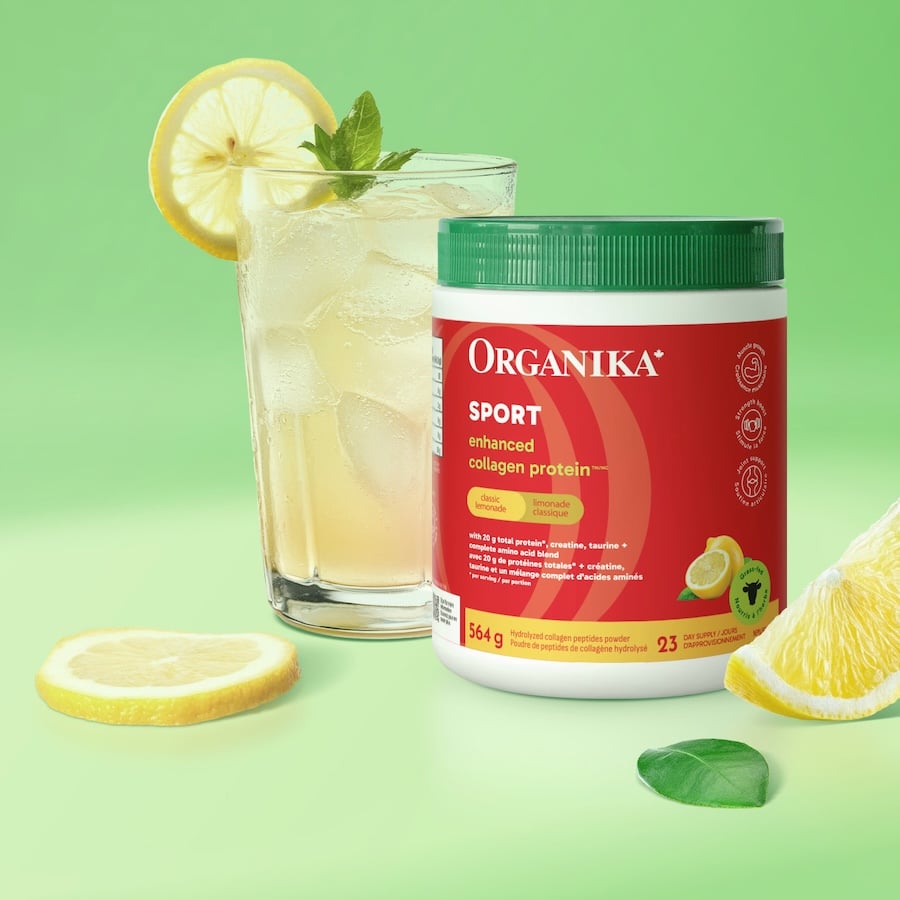
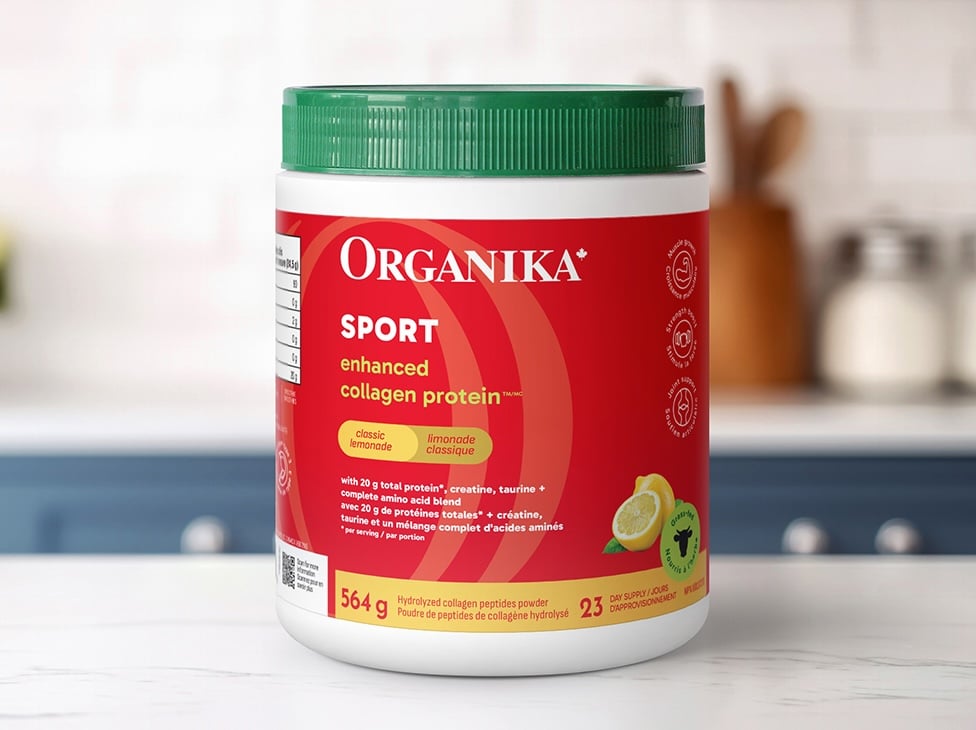
Enhanced Collagen Protein Sport - Classic Lemonade
Fuel your workouts and speed up your recovery with a sports blend that does it all
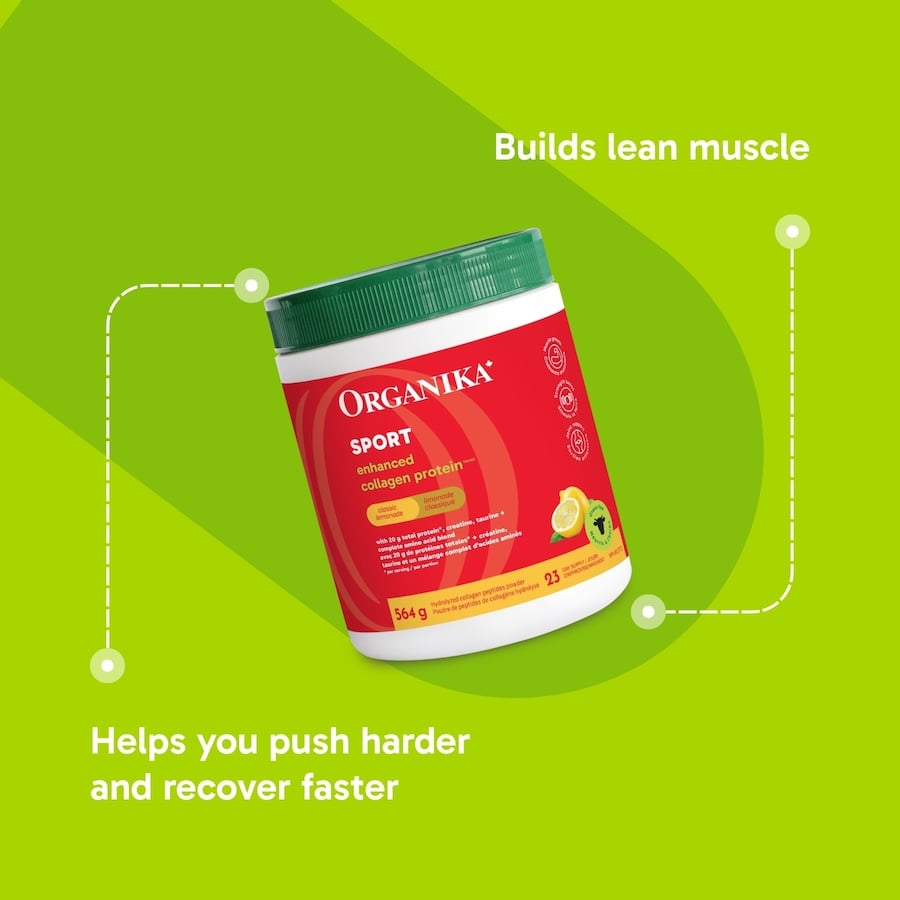
- Builds lean muscle
- Supports healthy joints and collagen production
- Boosts heart and liver health
- Helps you push harder and recover faster
Couldn't load pickup availability


Notify Me When Available
Enter your email and we'll let you know as soon as this product is back


Supplement Facts


Ingredients & Nutrition






MEDICAL INGREDIENTS - EACH SERVING (APPROX. 1 SCOOP) CONTAINS: Hydrolyzed Collagen (Bovine Skin / Hide) 10 g, Taurine 3 g, Creatine Monohydrate 5 g, L-Lysine (L-Lysine Monohydrochloride) 686 mg, L-Histidine 205 mg, L-Isoleucine 472 mg, L-Leucine 787 mg, L-Threonine 283 mg, L-Valine 472 mg, L-Phenylalanine 337 mg, L-Methionine 457 mg, L-Tryptophan 126 mg.
NON-MEDICAL INGREDIENTS: Natural Fruit Flavour, Stevia Leaf Extract, Natural Lemon Flavour, Citric Acid.
How to Use: Mix 1 serving (APPROX. 1 scoop) to 500 ml of water or to your favourite beverage. Take 1 serving per day.
Cautions: Ask a health care practitioner before use if you have a kidney disorder, are pregnant or breastfeeding, or are taking antidepressants. When using this product you may gain weight or may experience gastrointestinal discomfort / disturbances. Joint Pain: Ask a health care practitioner if symptoms worsen.

Is This Right for You?
Are you training regularly or pushing your physical limits?
Do you want to build lean muscle while supporting your joints?
Are you looking for more out of your protein powder?
Is recovery as important to you as performance?
If you answered "yes" to any of the above, this product is right for you.

-
Boosts heart and liver health
-
Helps you push harder and recover faster
Ingredients & Nutrition
Gluten-Free
Soy-Free
No Preservatives
Non-GMO
No Artificial Sweeteners
No Artificial Colours or Flavours
Made to help you train harder and perform better, this sport protein powder gives your body the fuel it needs to help build muscle and speed up recovery
The Full Scoop
-
Boosts heart and liver health
-
Helps you push harder and recover faster
This sports blend is made for athletes and those who want to get stronger and recover better. Each scoop packs 20 grams of protein with creatine to help boost your strength, and amino acids to support muscle repair. It also includes taurine for your heart and liver and collagen to keep your joints working smoothly.
Blended with athletes in mind, the Enhanced Collagen Protein Sport contains ingredients that provide the building blocks—like essential amino acids and collagen peptides—that your body uses to produce new collagen and repair muscle proteins. Add it to your routine to boost your training and speed up your recovery.
Ask Away
We’ve got the FAQs covered. But if you’re still stuck, we’re only a message away.
Get in TouchHow does this product improve strength, power, or performance during physical activity?
This product contains creatine monohydrate, collagen and many other amino acids that contribute to increasing muscle energy levels, overall strength, power and performance.
How does the product support joint pain?
This claim comes from the collagen in this product, which helps with joint pain.
Can this product be mixed with hot beverages?
Ideally, no, because amino acid blends (L-Methionine and L-Tryptophan) and creatine are heat-sensitive. Exposure to heat can degrade these compounds and reduce effectiveness.
Can I take more than one serving?
It is recommended to take one serving a day only.
It mentions taking immediately, can I drink it over an hour or longer? Are there any cons to this?
It is recommended to take it immediately since this product is designed to be absorbed quickly and effectively. Spreading it out over time may reduce effectiveness.
Are there any other side effects associated with using this product?
You may experience gastrointestinal discomfort or disturbances while using this product.
Is this product safe to use during pregnancy or breastfeeding?
It is best to consult a healthcare practitioner before use during pregnancy or breastfeeding.
Why is there a caution for those with a kidney disorder?
Amino acids are processed by the kidneys. For individuals with kidney disorders, the kidneysí ability to filter waste is impaired, which may lead to build-up of waste products such as nitrogen, ammonia, and urea.
Why is there a caution for those with depression?
This product contains ingredients that influence neurotransmitter levels. For example, L-Tryptophan is a precursor to serotonin, while L-Phenylalanine is a precursor to dopamine. These may affect individuals with depression.
What is the source of the hydrolyzed collagen in this product?
The source is bovine (cows).
Why is it important to use the product for a minimum of 4 weeks?
Using the product for at least 4 weeks allows time to begin seeing results.
How should this product be stored to maintain its quality?
Keep out of reach of children. Store at room temperature, away from heat and moisture.
Is there a risk of weight gain when using this product as it has Creatine?
With long-term use, weight gain may result from muscle building. Short-term weight gain is often due to water retention.
What does "Bitter Neutralizer" mean in Natural flavours?
The "Bitter Neutralizer" refers to compounds added to mask or reduce bitter taste, improving palatability.
You'll Likely Also Love...
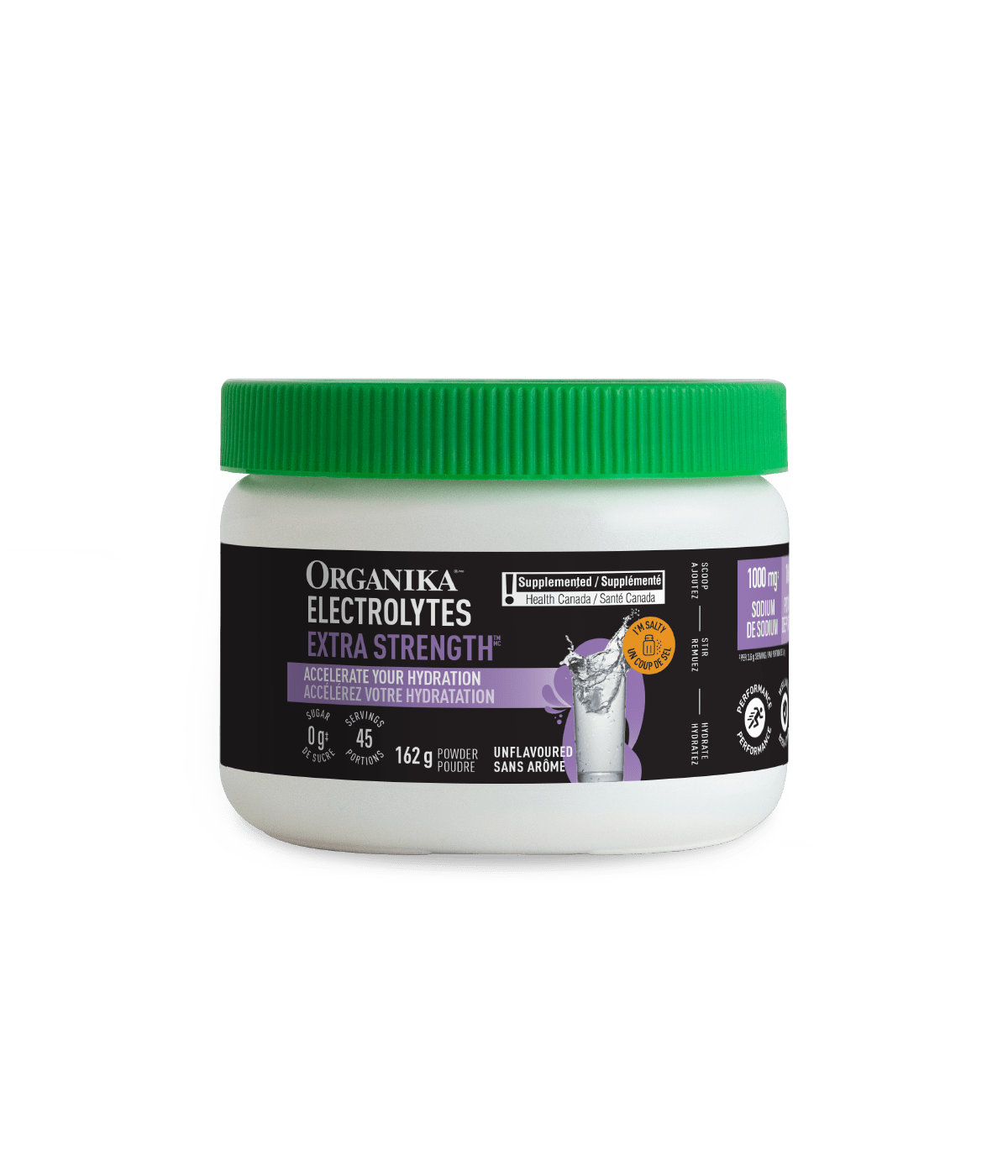
Electrolytes Extra Strength - Unflavoured
Unflavoured extra strength hydration support for high-intensity workouts or heavy sweating
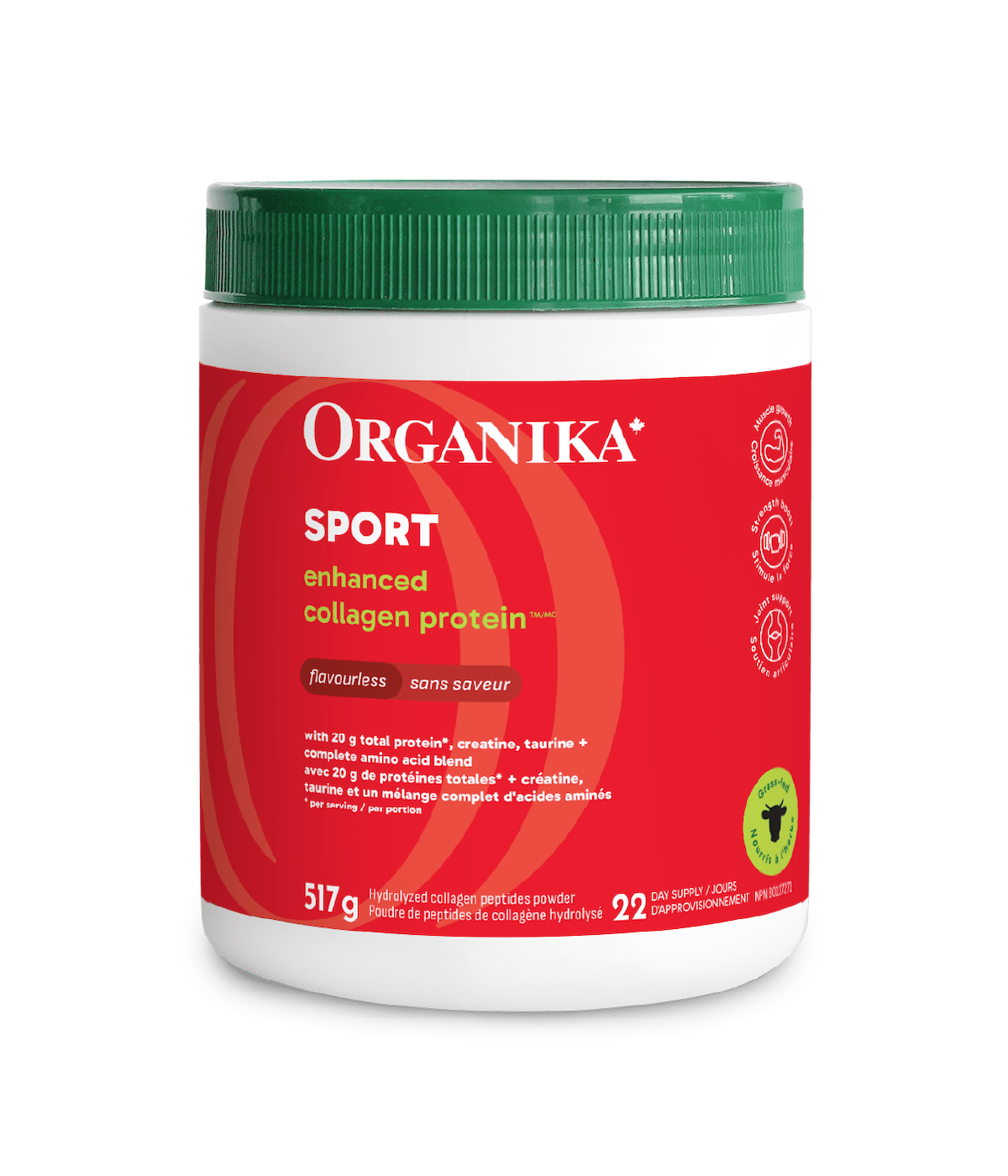
Enhanced Collagen Protein Sport - Flavourless
Fuel your workouts and speed up your recovery with a flavourless sports blend that does it all
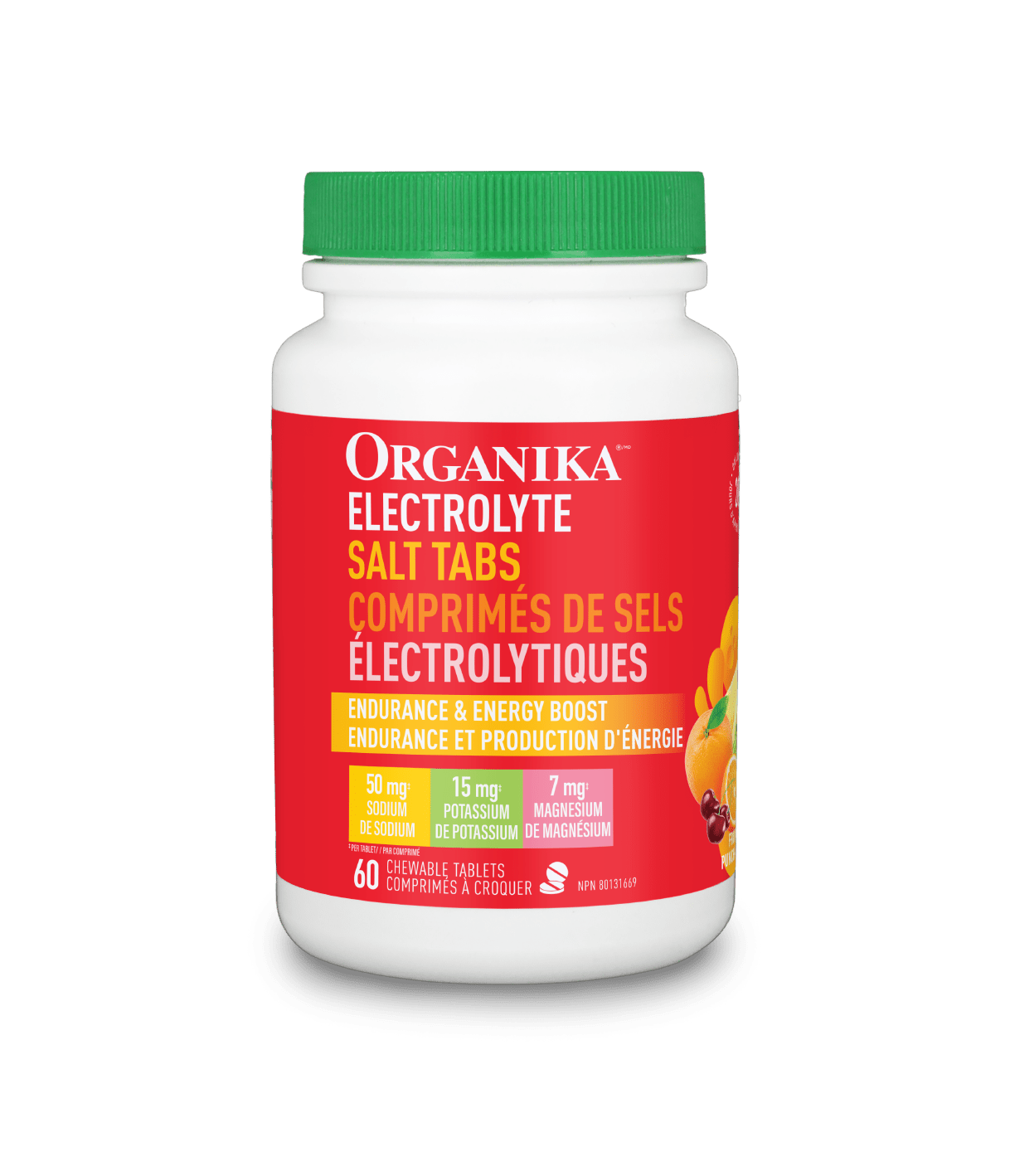
Electrolyte Salt Tabs
Tasty tabs that moves fast, no mixing, waiting, or clean up required.
Support Beyond Products

What you need to know about collagen’s role in muscle mass. You may have heard that collagen is the most abundant protein in the human body and is a key component of all connective and fibrous tissue, including muscle, bone, cartilage, tendons, ligaments, blood vessels, hair, and skin (1). Collagen is vital for muscle health, because it accounts for up to 10% of the total mass of skeletal muscle tissue in the body (2). Because working out involves increasing muscle mass, let’s explore why collagen becomes important. Does collagen play a role in exercise? We have long understood that exercise causes stress and micro-trauma to working muscles and connective tissue (tendons, ligaments, fascia, etc.). The higher intensity the exercise, the higher the impact on the muscles. This micro-trauma is necessary and valuable; it is the primary driver that directs the body to build more muscle mass and to increase strength. However, repair of micro-trauma, and increasing muscle mass and strength is only possible if the correct protein and amino acid building blocks are available in adequate amounts. Extensive research has shown that ensuring adequate protein intake has a large positive impact on muscle repair and growth (3). What amino acids do you need for muscle growth? The essential amino acids most required for muscle growth and repair are leucine, isoleucine, valine and glutamine, all of which are found in all animal sources of collagen (4). As a great animal-based source of protein, collagen is a helpful addition to an athlete’s diet. Research comparing the use of animal and plant-based sources of protein in athletes has shown that equivalent amounts of a carbohydrate or soy-based protein supplement does not have as marked of an impact as animal-based protein on post-workout muscle building (5). Collagen is also high in the amino acids proline and glycine, which are particularly important for the strengthening and repair of tendons and ligaments. They may also help decrease the likelihood of exercise-induced injury (3). Collagen increases muscle with training. The research has found that collagen peptide supplementation in combination with resistance training has helped body composition by both increasing muscle strength and the loss in fat mass (7)(8). So whether you are working out for weight loss, or increasing muscle mass, supplementing with collagen can make a big difference than when just resistance training alone (9). How can I incorporate collagen into my post-workout routine? The standard daily protein requirements for most people are 1-1.5g/kg of body weight per day, although research shows increasing it up to 1.6-2.0g/kg per day can be beneficial in individuals doing more significant resistance training. It’s important to remember that many people, these days, are mindful of increasing their protein intake. When adequate daily protein is consumed, research shows that a moderate post-workout dose of protein is sufficient to promote muscle repair. Studies vary, but the suggested dose is between 6 and 20g of protein, taken 1-3 hours post workout (6). NOTE: You don’t need to be a high-level athlete in order to benefit from collagen supplementation. Organika's Enhanced Collagen Original or a Plant-Based Collagen Booster are excellent sources of amino acids. When used in combination with a whole foods diet including high quality protein, collagen is useful for anyone who is trying to build muscle, enhance their recovery and prevent injury. Dr. Jessica Eastman is a licensed and registered Naturopathic Doctor in clinical practice in Vancouver BC, an experienced faculty member at the Institute of Holistic Nutrition, and the founder of Thrive Clinical Mentorship. Jessica strongly believes in integrative medicine and the value of a supportive community where patients, clients and clinicians can work together. REFERENCES Sibilla, S., Godfrey, M., Brewer, S., Budh-Raja, A., & Genovese, L. (2015). An overview of the beneficial effects of hydrolysed collagen as a nutraceutical on skin properties: Scientific background and clinical studies. The Open Nutraceuticals Journal, 8(1), 29-42. Gillies, A., Lieber, R. (2011). Structure and function of the skeletal muscle extracellular matrix. Muscle Nerve, 44(3): 318-331. Wells, D. (2009). The post-workout protein puzzle: which protein packs the most punch? Strength and Conditioning Journal, 31(1): 27-30. Gauza-Wiodarczyk, M., Kubisz, L., Wiodarczyk, D. (2017). Amino acid composition in determination of collagen origin and assessment of physical factors effects. International Journal of Biological Macromolecules, 104(Pt A):987-991. Philips, S. (2011). The science of muscle hypertrophy: making dietary protein count. Proceedings of the Nutrition Society, 70(1): 100-103. Schoenfeld, BJ., Aragon, AA., Krieger, JW. (2013). The effect of protein timing on muscle strength and hypertrophy. Journal of the International Society of Sports Nutrition, 10(53). Zdzieblik D, Oesser S, Baumstark MW, Gollhofer A, König D. Collagen peptide supplementation in combination with resistance training improves body composition and increases muscle strength in elderly sarcopenic men: a randomised controlled trial. Br J Nutr. 2015 Oct 28;114(8):1237-45. Kirmse M, Oertzen-Hagemann V, de Marées M, Bloch W, Platen P. Prolonged Collagen Peptide Supplementation and Resistance Exercise Training Affects Body Composition in Recreationally Active Men. Nutrients. 2019 May 23;11(5):1154. Oertzen-Hagemann V, Kirmse M, Eggers B, Pfeiffer K, Marcus K, de Marées M, Platen P. Effects of 12 Weeks of Hypertrophy Resistance Exercise Training Combined with Collagen Peptide Supplementation on the Skeletal Muscle Proteome in Recreationally Active Men. Nutrients. 2019 May 14;11(5):1072.
read more
Understanding the difference between collagen and protein powder can help you make better choices for your wellness goals, whether that’s muscle growth, skin and joint support, or daily protein intake. Although both contain amino acids and count as proteins, they serve very different purposes in your diet and body. What Is Collagen? Collagen is the most abundant structural protein in the body, found in skin, bones, cartilage, tendons, hair, and nails. It provides strength, elasticity, and support to connective tissues. Unlike many protein powders (like whey or plant proteins), collagen: Is not a complete protein, it doesn’t contain all nine essential amino acids. Is rich in specific amino acids such as glycine, proline, and hydroxyproline, which help support tissues and structures throughout the body. Why take collagen powder? May support skin hydration and elasticity Helps maintain joint comfort and mobility Supports gut health Offers structural amino acids that can decline with age What Is Protein Powder? In contrast to collagen, most protein powders (including whey, plant-based, egg and casein) are designed to help you meet daily protein requirements and support functions like muscle maintenance, repair and growth. Protein powders differ based on their amino acid profile, digestibility, dietary preferences and goals. Scientific research indicates that both animal and plant proteins can support muscle mass and strength gains when total protein intake is adequate, although animal protein often shows a modest advantage in lean mass development due to higher essential amino acid availability (Santini, M, 2025). Protein powders are often used to support: Reaching daily protein goals Muscle recovery and strength gains Weight management and satiety Convenient nutrition when whole foods aren’t available Which One Should You Choose? When you’re choosing between collagen powder and a more traditional protein powder, it really comes down to what you’re trying to support in your life and body, not that one is “better” than the other for everyone. If your main goal is to meet daily protein needs, support muscle recovery after workouts, or build strength over time, a more complete protein powder (whether that’s whey or a thoughtfully blended plant-based option) tends to fit those needs more directly. These powders are formulated with all the essential amino acids your body looks for when it’s rebuilding and repairing tissues after movement or exercise. On the other hand, if you’re more focused on things like skin resilience, joint comfort, or connective tissue support, collagen protein can feel like a more tailored choice. Because it’s rich in specific amino acids that your body uses for structural proteins like collagen in skin and cartilage, many people find it helpful as a complement to their overall routine. Some individuals choose to use both. For example, a general protein powder after workouts to support muscle and strength goals, and collagen at other times to support skin, joint, or tissue health. There’s nothing stopping you from combining them, as long as you’re keeping an eye on your overall protein intake and how you feel. Everyone’s body and priorities are a little different, so it can be worth experimenting to find what feels best for you. Goal Recommended Muscle building and athletic performance Protein powder Skin, joints, hair, nails Collagen powder Balanced dietary protein Protein powder Targeted connective tissue support Collagen References Santini, M. H., Erwig Leitão, A., Mazzolani, B. C., Smaira, F. I., de Souza, M. S. C., Santamaria, A., Gualano, B., & Roschel, H. (2025). Similar effects between animal-based and plant-based protein blend as complementary dietary protein on muscle adaptations to resistance training: findings from a randomized clinical trial. Journal of the International Society of Sports Nutrition, 22(1), 2568047. https://doi.org/10.1080/15502783.2025.2568047
read more