







Collagen vs. Protein Powder
Posted
Updated January 21, 2026

Posted
Updated January 21, 2026

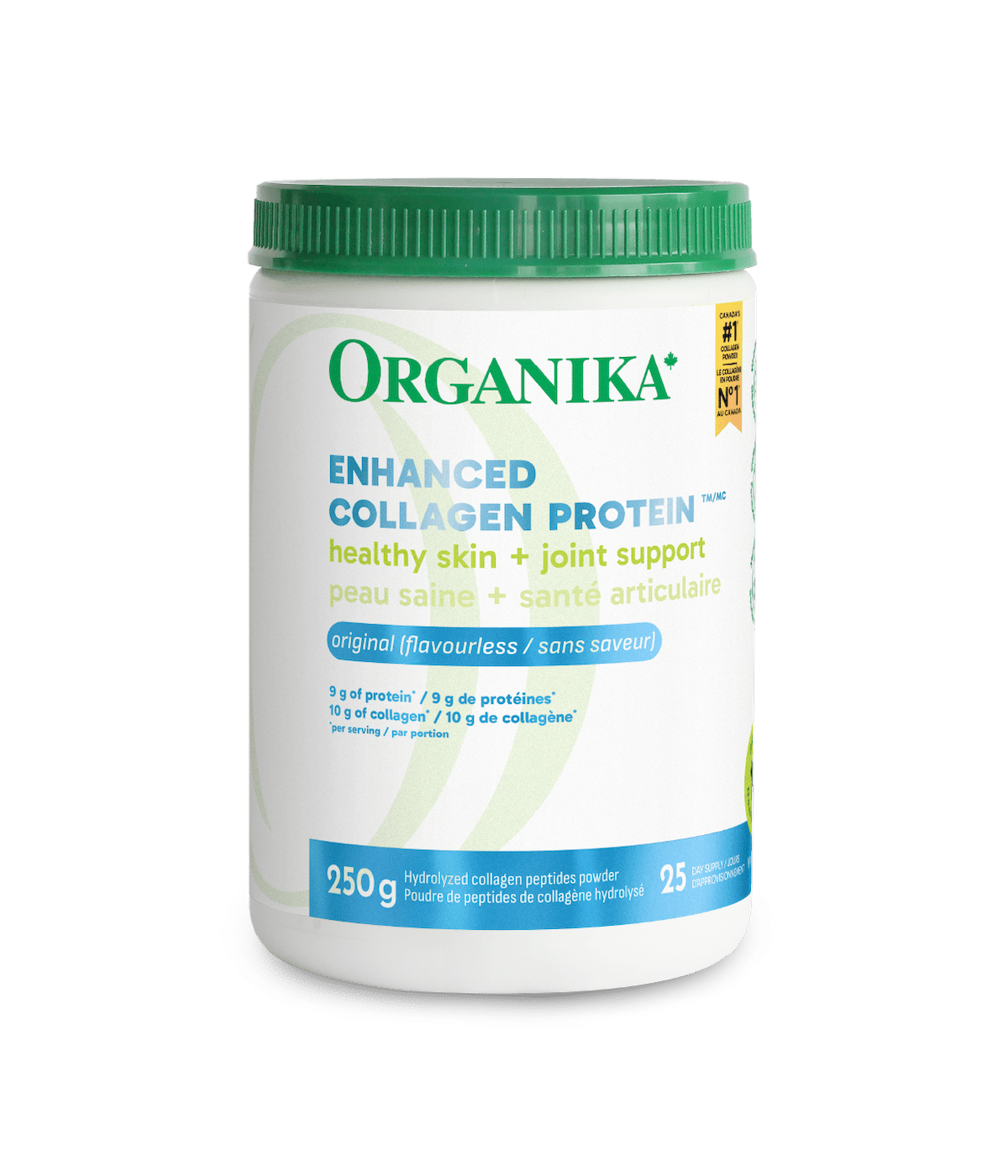
Canada’s #1 Collagen Powder for healthier skin, hair, nails, joints and gut
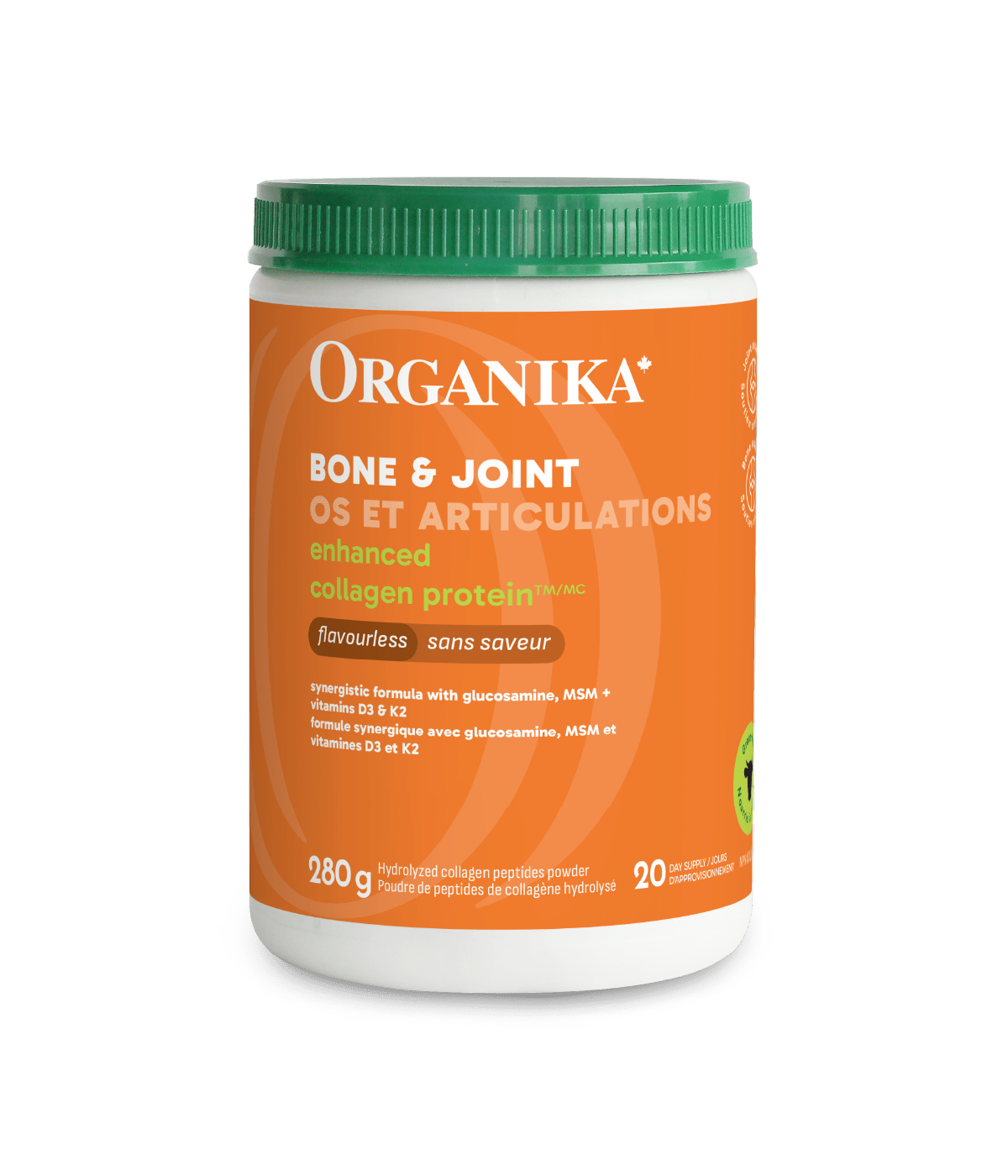
Ease pain, fight inflammation and protect your bones and joints
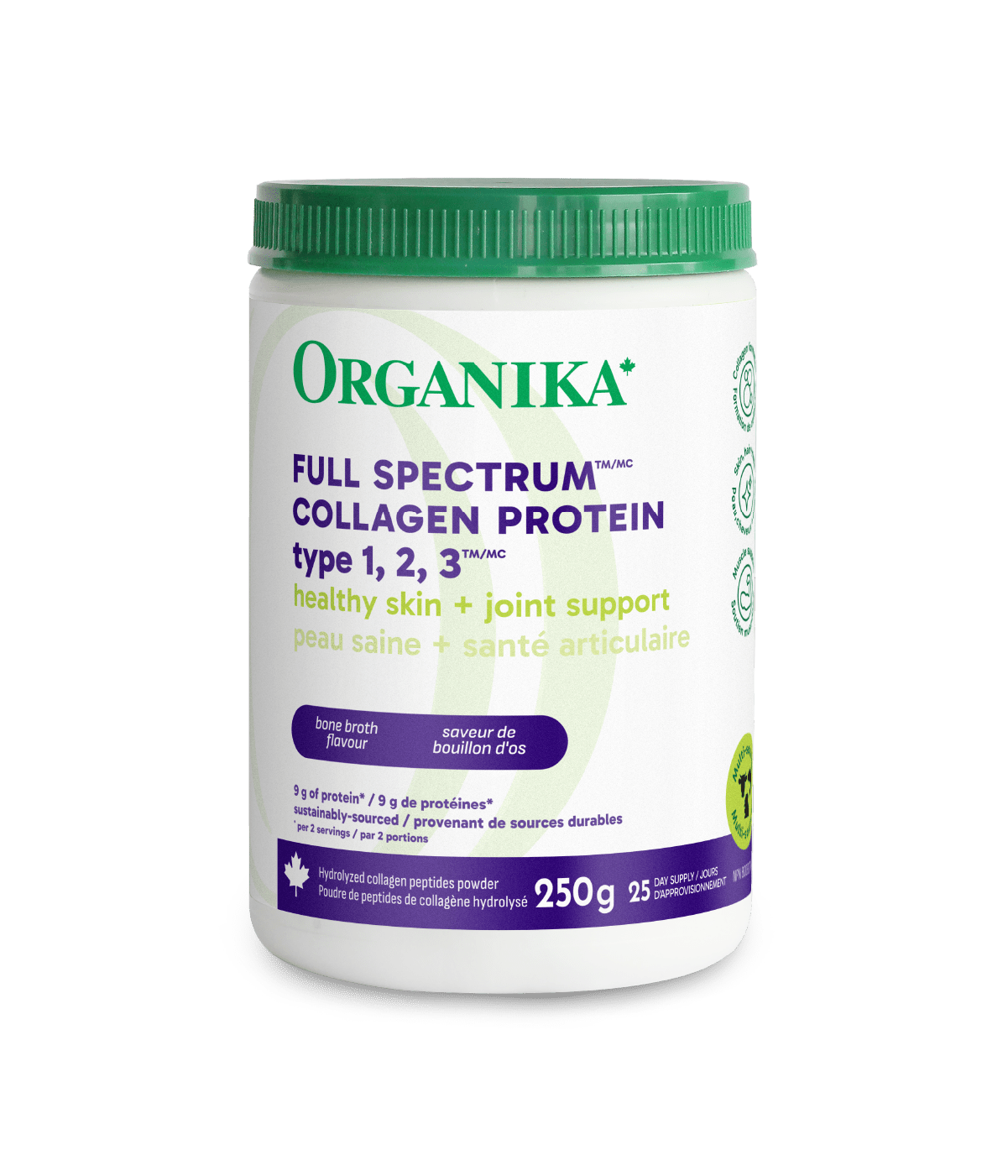
Multiple types of collagen for targeted support head-to-toe

There’s Different Types of Collagen? Collagen has become one of the most talked-about nutrients in the health, fitness, and beauty industries. Why? Because collagen is an essential protein. In fact, it is the most abundant protein in the human body, making up about 30% of total protein mass. Collagen is found in our bones, connective tissues such as joints, ligaments, and cartilage, muscles, hair, skin, nails, and even blood vessels. While collagen is important for many reasons, its primary role is providing strength and structure. Think of collagen as the glue that holds your body together. Collagen peptides help give skin its elasticity, shape, and joint structure. This helps explain why there are many different types of collagen, with over 16 identified so far. When it comes to collagen supplements, the most commonly discussed types are Type 1, Type 2, and Type 3 collagen. Collagen supplements are available in several forms, including hydrolyzed collagen (collagen peptides powder, collagen powder, collagen capsules, or liquid form), gelatin, and undenatured collagen. Among these, hydrolyzed collagen peptides are generally the easiest for the body to absorb and use. Type 1 Collagen Where is it found? Type 1 collagen is found in hair, skin, and nails and is the most abundant type of collagen in the body, making up around 90%. It is also present in bones, where it accounts for roughly 40% of the bone matrix, as well as in ligaments. Sources of Type 1 collagen include marine collagen and bovine collagen. What does it do? Type 1 collagen plays a major role in skin elasticity, strength, and anti-aging support. It contributes to the firmness and structure of the skin and may help reduce the appearance of wrinkles and loss of elasticity, including cellulite. Products with Type 1 Collagen Peptides If you’re looking to add more Type 1 collagen peptides to your routine, there are a few options depending on your preferences. All of our Enhanced Collagen products include Types 1 and 3 collagen, sourced from grass-fed bovine with no hormones or antibiotics—a solid everyday choice for broad collagen support. If you’d rather go the marine route, our Marine Collagen Powder is made from fish scales and contains Type 1 collagen only, while Liquid Marine Collagen with Biotin and Vitamin C offers the same marine collagen in a ready-to-take format with added beauty-supporting ingredients. For those who prefer capsules, Enhanced Collagen Capsules provide another Type 1–only option. You can also find Type 1 collagen in alternative formats like our effervescent tablets (made with marine collagen and vitamin C), or in nourishing, food-based options like Beef Bone Broth, which naturally contains Types 1 and 3 collagen. Type 2 Collagen Where is it found? Type 2 collagen is found in connective tissues such as joints, ligaments, and cartilage. Chicken is known to be particularly high in Type 2 collagen. What does it do? Type 2 collagen helps maintain the structure of cartilage and bones. As collagen naturally declines with age and environmental factors like UV exposure or smoking, connective tissues can weaken, which may contribute to joint discomfort and osteoarthritis. Products with Type 2 Collagen Peptides Two popular options include BioCell Collagen, which is derived from chicken cartilage (sternum) and naturally includes hyaluronic acid and chondroitin sulfate—compounds that work alongside collagen to support comfortable movement and joint function. For a more food-based approach, Chicken Bone Broth also contains Type 2 collagen, along with naturally occurring glycosaminoglycans (GAGs) that help support connective tissue. Type 3 Collagen Where is it found? Type 3 collagen is another abundant form found alongside Type 1 collagen fibers. It appears in reticular fibers throughout the body, including bones, muscles, organs, blood vessels, tendons, and connective tissues. What does it do? Type 3 collagen supports skin elasticity, circulation, healthy bone matrix, nail strength, and hair thickness. Together with Type 1 collagen, it plays a major role in skin structure and anti-aging benefits. Products with Type 3 Collagen Peptides Type 3 collagen is often found alongside Type 1 in many bovine-based collagen supplements. Our Enhanced Collagen Protein is made with grass-fed bovine collagen and provides hydrolyzed Type 1 and 3 collagen peptides, with no added hormones or antibiotics. You can also get Type 3 collagen through food-based options like Beef Bone Broth, which naturally contains collagen along with minerals and compounds such as hyaluronic acid, chondroitin, and glucosamine. What Types of Collagen Do You Need? Now that you understand the different types of collagen, you may be wondering which collagen supplement is right for you. Start by choosing hydrolyzed collagen peptides for optimal absorption. Select your collagen based on your health goals: a) For beauty, bone, and joint health, Types 1 and 3 are ideal.b) For joint and ligament support, Type 2 collagen from bone broth or cartilage-based sources may be helpful. Choose the format that fits your lifestyle, whether powder, capsules, or liquid. If you would like to supplement with all three types of collagen, that is perfectly acceptable. Collagen also provides 17 additional beneficial amino acids. Have more questions? Talk to our experts about product recommendations.
read more
Should men be taking collagen? Yes. Collagen is great for both men and women. As men age, their collagen production decreases (same as women), this impacts muscle, skin tissues, hair, energy, and metabolism. Collagen is a vital protein to keep the functions of the body feeling stronger for longer. Is collagen good for men's health? For men specifically, as they age, collagen is great for muscle mass as it contains good protein. In addition, common men's health concerns such as muscles atrophy or andropause occur with age, so it’s a great idea to add collagen to their diet. There's incredible benefits to men taking collagen, in fact they should. The top 5 reasons all men should take collagen are: Improved bone and joints Growing stronger and thicker hair Muscle recovery Gut health support Heart health Two of these profound benefits that men are most interested in include hair health and improving muscle, bone, and joint health. A bit more on hair health Collagen is great for hair, especially coupled with Hair Plus, it can improve the strength and growth of hair. Men who are noticing hair thinning can benefit from collagen as it: Helps to improve and maintain the elasticity, strength, and growth of healthy hair Helps to improve micro-nutrient delivery to hair for better strength It's thought that collagen may help with follicle regeneration Muscle recovery, bones, and joints Studies have shown that supplementing with collagen peptides along with exercise can help increase muscle strength, as well as reduce fat mass; it can also elevate muscle recovery. In fact, when taken along with resistance training, men may notice an increase in fat-free mass (lean muscle). In addition, taking collagen over time improves joint health, improving mobility and decreasing pain associated with aging joints, including in osteoarthritis. Collagen supplementation has also been shown to improve bone density. All these important benefits are key to feeling stronger for longer. A fitting collagen solution - Get Collagen Strong: Enhanced Collagen Original is purely hydrolyzed bovine collagen peptides. It is ward-winning and can be taken in any beverage for healthier hair, joint support, a stronger gut, and better skin. But wait... We have enhanced it further with Enhanced Collagen Bone and Joint. This is a revolutionary blend made with our award-winning collagen and also fortified with glucosamine, chondroitin, MSM, Vitamin D3 and K2 to further elevate your bone and joint health. These supplements and collagen work synergistically to maximize muscle recovery, prevent inflammation, protect & defend against joint pain, and enhance bone health. No matter which collagen you choose, the benefits of collagen are amazing for men. This article has been fact checked and reviewed by and RHN.
read more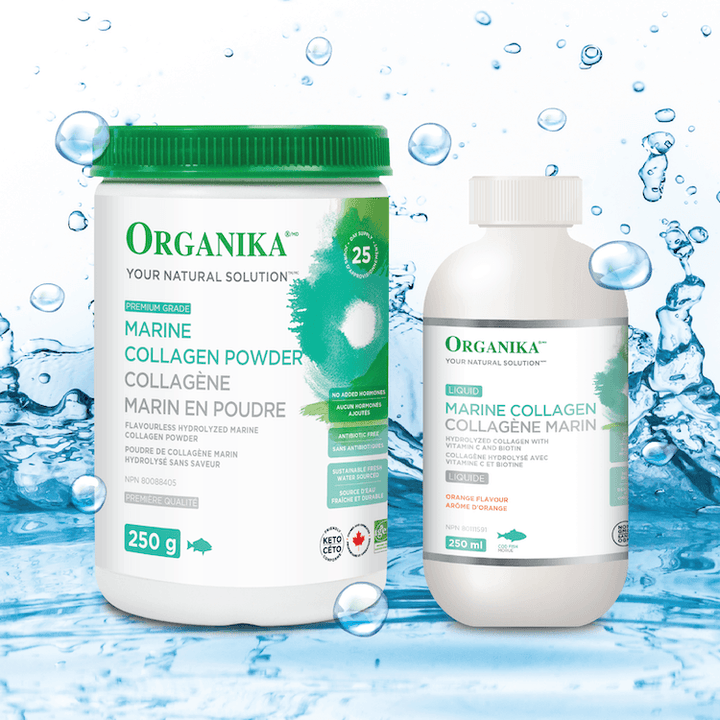
By now, you’ve probably heard all about the benefits of collagen and why collagen supplements have become so popular for supporting skin, joints, hair, gut health, and overall wellness. Great! But one question comes up again and again: is collagen powder better than liquid collagen?Which form is absorbed best, and which one delivers the most benefits? Let’s break it down. A Look at the Most Popular Forms of Collagen Supplements Collagen Powder Collagen powder is the most common and widely used form of collagen supplements. In fact, collagen exists in powder form before being dissolved into liquids. Most collagen powders are made from hydrolyzed collagen peptides, which means the large collagen proteins are broken down into smaller peptides for easier digestion and absorption. TIP: Always look for hydrolyzed collagen peptides powder when choosing a collagen supplement. If you’re not sure where to start, an unflavoured option that blends easily (like Enhanced Collagen Original) can be a simple, no-fuss pick for everyday use. The majority of scientific studies on collagen benefits have used collagen powder, which is why it is considered the most researched and well-supported format. How to use: Mix into water, coffee, smoothies, soups, baked goods, or foods of choice. Best for: Anyone who enjoys customizing how they take their collagen. Liquid Collagen Liquid collagen supplements are essentially collagen powder that has already been dissolved into a drink, often with added natural flavours or functional ingredients. Because of this, liquid collagen typically contains less collagen per serving compared to collagen powder. To reach the same collagen dosage, you may need to consume a larger volume of liquid—though for many people, the tradeoff is that it’s quick, easy, and requires zero prep. If you like the ready-to-take format but still want something that feels purposeful, a liquid option like Liquid Enhanced Collagen or Liquid Marine Collagen can be a convenient way to keep collagen support consistent, especially on busy days. Traditionally, most liquid options were made from marine collagen, but there are now both marine and bovine-based liquid collagen supplements available. How to use: Drink as directed, either as a full serving or by tablespoon depending on the product. Best for: Those who prefer convenience and ready-to-drink collagen. Collagen Capsules Collagen capsules simply contain powdered collagen, meaning they offer the same benefits as collagen powder—just in a convenient pill format. If you like the simplicity of a grab-and-go routine, something like BioCell Collagen Capsules can be an easy option to keep on hand for consistent daily support. How to use: Take as directed with water. Best for: People who prefer capsules over mixing powders into drinks or food. Your Collagen Questions Answered Which form is better absorbed, powder or liquid? All high-quality collagen supplements should be hydrolyzed, meaning the proteins are broken down for easy digestion and absorption. Since liquid collagen is just powdered collagen dissolved in liquid, both powder and liquid collagen are equally absorbable. The improved absorption comes from the hydrolyzation process, not from whether the collagen is taken in powder or liquid form. Are there added ingredients in one form versus another? Liquid collagen often includes added ingredients such as natural flavours or complementary nutrients. There are also collagen blends in powder form that combine collagen with other supplements for convenience. These blended formulas simply provide additional functional support alongside collagen. Which collagen format is most effective? Research shows that collagen supplements are effective, and most studies use collagen powder. Some liquid-only collagen brands claim higher bioavailability, but there is currently no scientific evidence showing that liquid collagen is absorbed better than powder. Again, it is the hydrolyzed collagen peptides that improve absorption, regardless of format. How much collagen do I get from powder versus liquid? Collagen powder typically contains significantly more collagen per serving than liquid collagen. For example: • 1 tablespoon of collagen powder may provide around 5 grams of collagen• 1 tablespoon of liquid collagen may provide around 1.5 grams of collagen This means you would need to consume much more liquid collagen to match the collagen intake of powder. With collagen powder, most people use 1 to 2 scoops per day. With liquid collagen, you may need multiple servings throughout the day to reach similar collagen levels. What Do the Experts Say? Many naturopaths and nutrition professionals agree that while liquid supplements in general may be absorbed slightly faster, collagen is not a quick-fix supplement like cold medicine. Because collagen works over time and is more potent in powder form, collagen powder is often preferred for long-term use. Nutritionists also point out that since both powder and liquid collagen come from the same hydrolyzed collagen source, both are bioavailable and absorbed well in the gut. Ultimately, both formats work in the same way. What Really Matters The best form of collagen is the one that fits your lifestyle. Collagen powder offers higher collagen content per serving and versatility, while liquid collagen provides convenience. More important than the format is: • The quality of the collagen• Whether it is hydrolyzed• The source of the collagen (marine or bovine) Choosing a high-quality collagen supplement will have a far greater impact than choosing between powder, liquid, or capsules. Learn more about collagen types here. REFERENCES: https://pubmed.ncbi.nlm.nih.gov/33742704/ de Miranda RB, Weimer P, Rossi RC. Effects of hydrolyzed collagen supplementation on skin aging: a systematic review and meta-analysis. Int J Dermatol. 2021 Dec;60(12):1449-1461. https://pubmed.ncbi.nlm.nih.gov/31411379/ Jhawar N, Wang JV, Saedi N. Oral collagen supplementation for skin aging: A fad or the future? J Cosmet Dermatol. 2020 Apr;19(4):910-912.
read more