












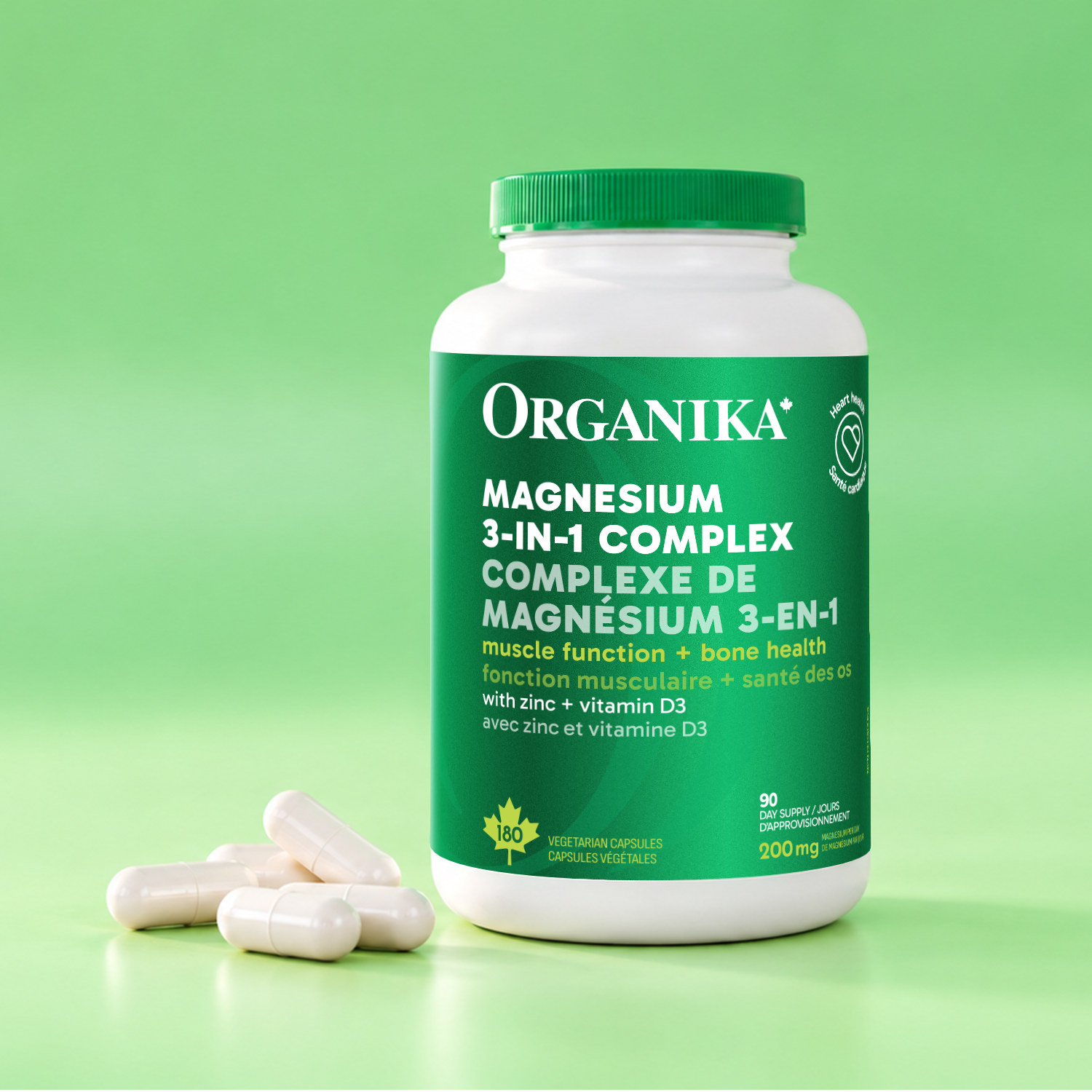
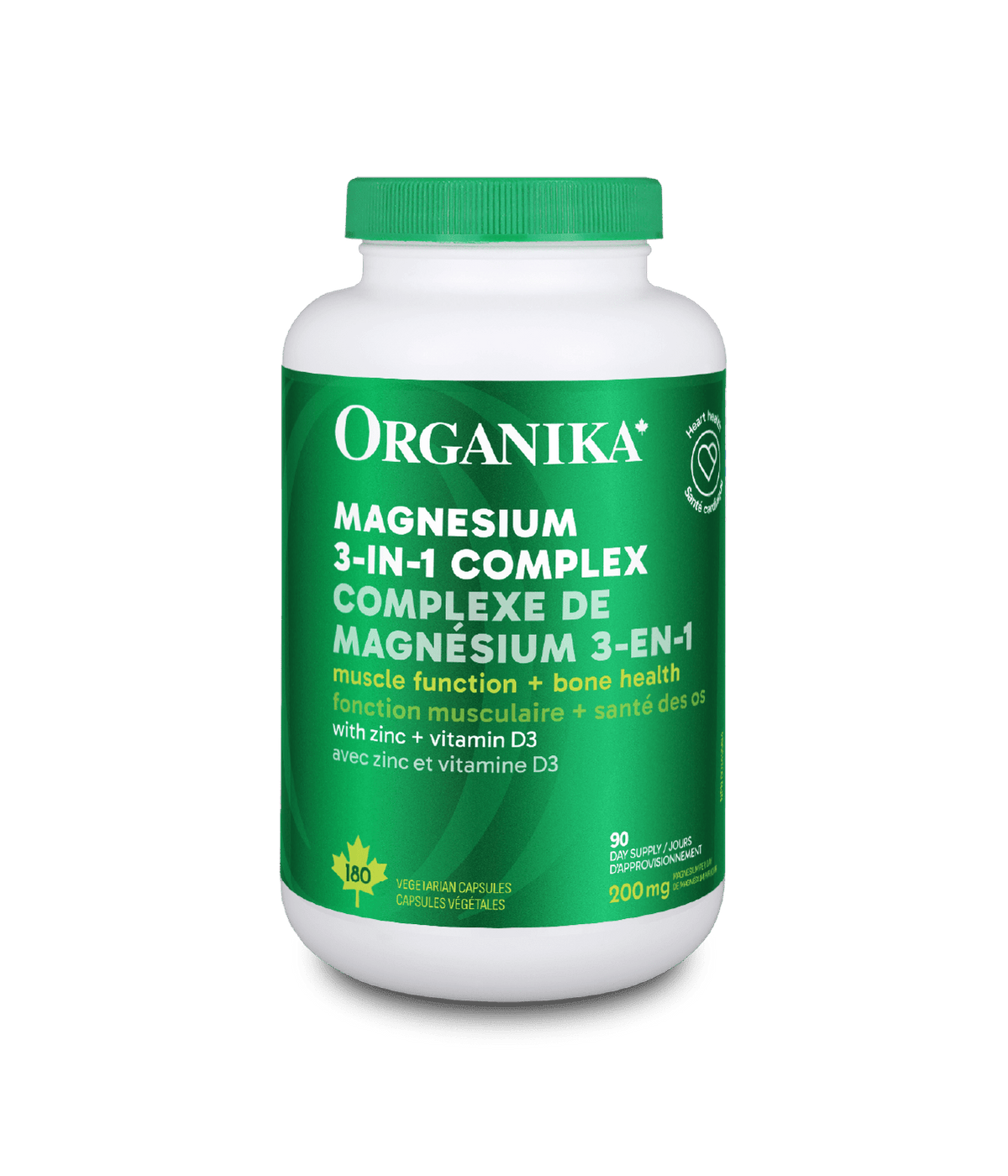
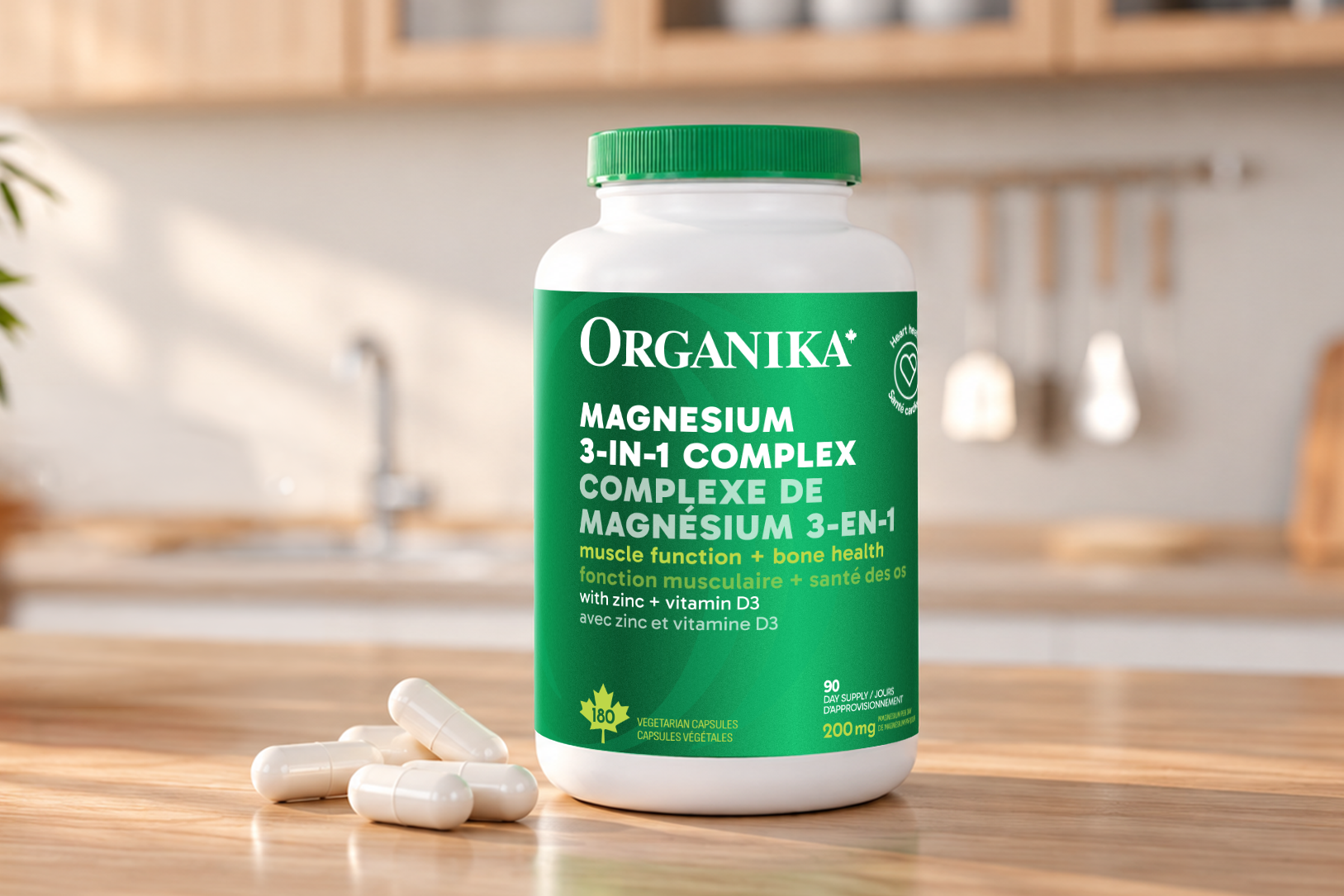
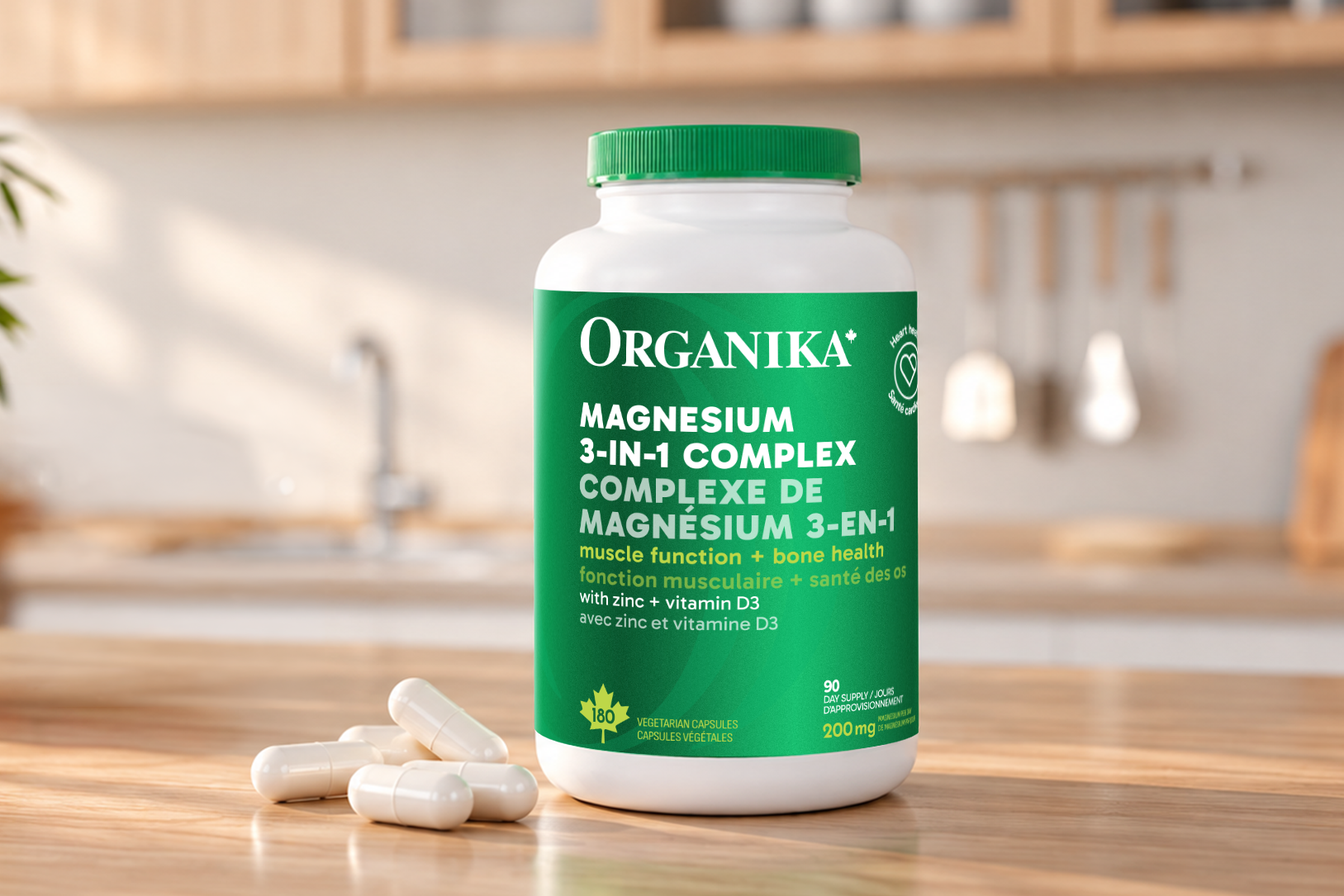
Magnesium 3-in-1 Complex
Triple Magnesium with Zinc and Vitamin D3 for complete daily support.
- Supports the muscles that keep you moving.
- Helps turn food into energy your body can use.
- Aids calcium absorption for strong bones and teeth.
- Maintains a healthy immune system.
LIVE NOV 20 – 30 | THE BLACK FRIDAY SALE
Couldn't load pickup availability


Notify Me When Available
Enter your email and we'll let you know as soon as this product is back

Supplement Facts


Ingredients & Nutrition








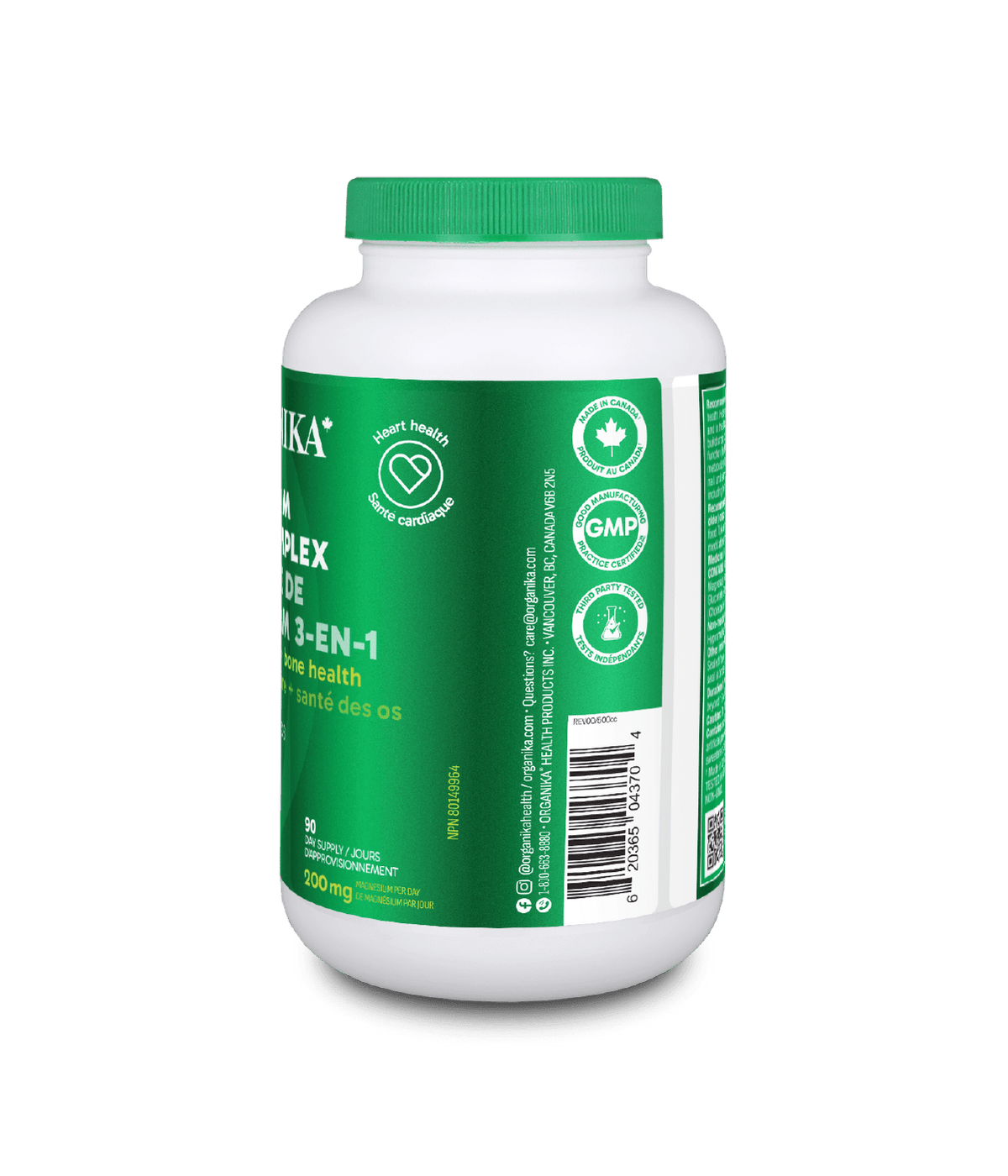
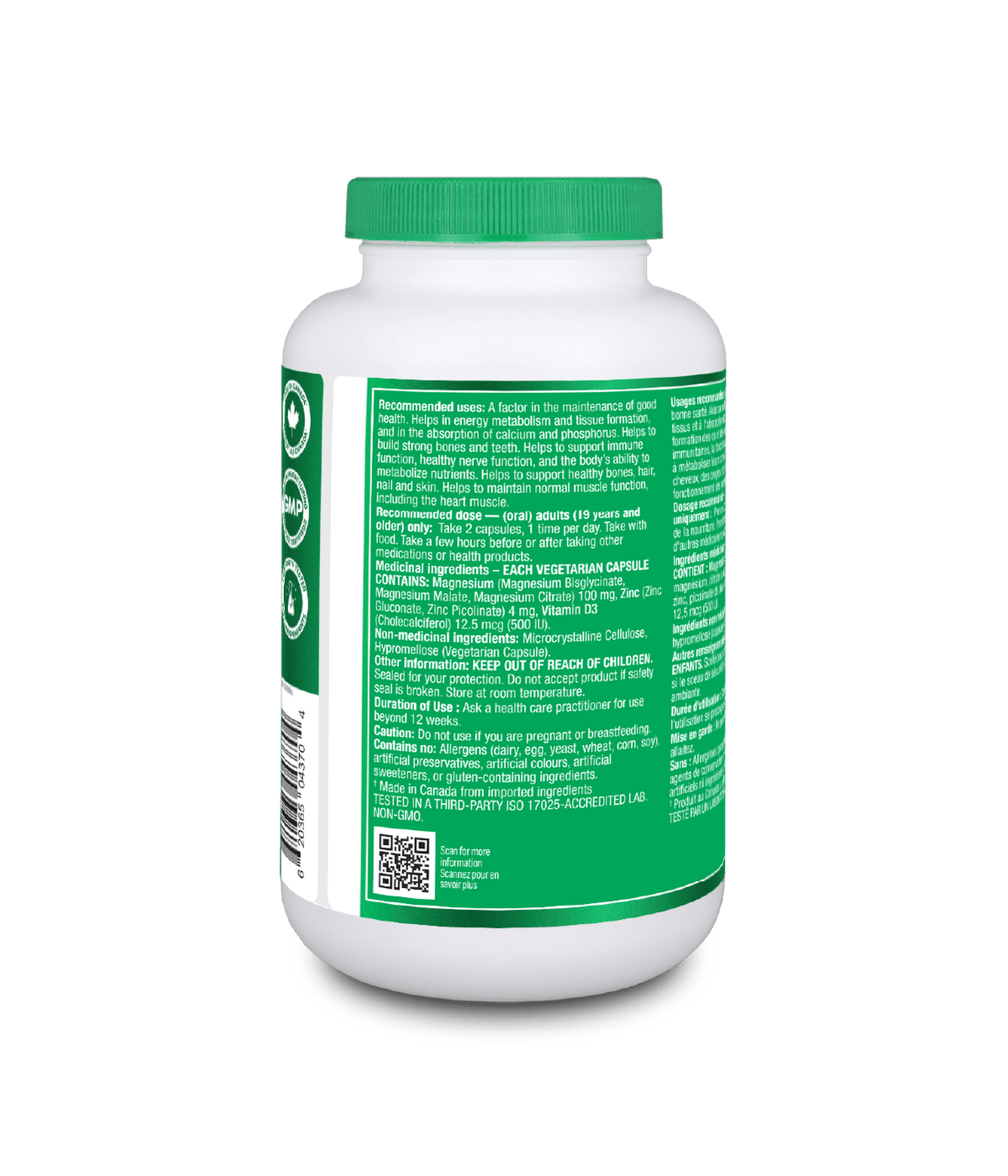
MEDICINAL INGREDIENTS - EACH VEGETARIAN CAPSULE CONTAINS: Magnesium (Magnesium Bisglycinate, Magnesium Malate, Magnesium Citrate) 100 mg, Zinc (Zinc Gluconate, Zinc Picolinate) 4 mg, Vitamin D3 (Cholecalciferol) 12.5 mcg (500 IU).
NON-MEDICINAL INGREDIENTS: Microcrystalline Cellulose, Hypromellose (Vegetarian Capsule).
RECOMMENDED USE - (oral) adults (19 years and older) only: Take 2 capsules once daily with food. If you take other medications or health products, leave a few hours between them and your magnesium. If you plan to use this product for more than 12 weeks, check with a health care practitioner.
CAUTIONS: Do not use if you are pregnant or breastfeeding.
Is This Right for You?
"Want to stay strong and active as you age?
Could your day use a little more energy support?
Are you looking for a magnesium formula that supports more than one daily need?
Do you live a busy life that calls for support for muscles, bones and immunity?"

-
Supports the muscles that keep you moving
-
Maintains a healthy immune system
Ingredients & Nutrition
Gluten-Free
Soy-Free
Egg-Free
No Preservatives
Non-GMO
Dairy-Free
No Artificial Sweeteners
No Artificial Colours or Flavours
Gluten-Free
Soy-Free
Egg-Free
No Preservatives
Non-GMO
Dairy-Free
No Artificial Sweeteners
No Artificial Colours or Flavours
Support the muscles that keep you moving with 3 forms of magnesium, plus zinc and vitamin D3, in one convenient daily complex.
Why we Made Magnesium 3-in-1 Complex
-
Supports the muscles that keep you moving
-
Maintains a healthy immune system
Fuel your daily wellness with Organika® Magnesium 3-in-1 Complex Capsules! This vitamin and mineral blend offers three complementary forms of magnesium - bisglycinate, citrate, and malate - along with vitamin D3 and two forms of zinc. Magnesium, zinc, and vitamin D are all essential components for hundreds of enzymatic processes, helping to support muscle function, strong bones, and overall health.
By bringing these nutrients together in one formula, it offers broad everyday support without overcomplicating your routine. Each recommended daily dose provides 200 mg of magnesium in two vegetarian capsules, taken once daily with food.
Ask Away
We’ve got the FAQs covered. But if you’re still stuck, we’re only a message away.
Get in TouchWhat makes this magnesium complex different from other magnesium supplements?
It gives you one daily formula to support muscle, bone and energy function. Next to magnesium bisglycinate, malate and citrate, these vegetarian capsules include zinc and vitamin D3.
What are the roles of each magnesium form in this product?
Magnesium bisglycinate is a gentle, highly absorbable form that supports strength, relaxation and overall wellness. Magnesium malate supports energy production and muscle comfort. Magnesium citrate supports digestive regularity.
Why are zinc and vitamin D3 included?
Magnesium, vitamin D3 and zinc complement one another in supporting the body's mineral and metabolic function. Zinc supports immune function and overall health, and helps maintain healthy skin and connective tissue. Vitamin D3 supports bone and immune health, and aids in calcium absorption. Vitamin D intake, when combined with sufficient calcium, a healthy diet, and regular exercise, may reduce the risk of developing osteoporosis.
What is the recommended dose?
For adults (19 years and older) only: Take 2 capsules, 1 time per day, with food. Take a few hours before or after taking other medications or health products. Ask a healthcare practitioner for use beyond 12 weeks.
You'll Likely Also Love...
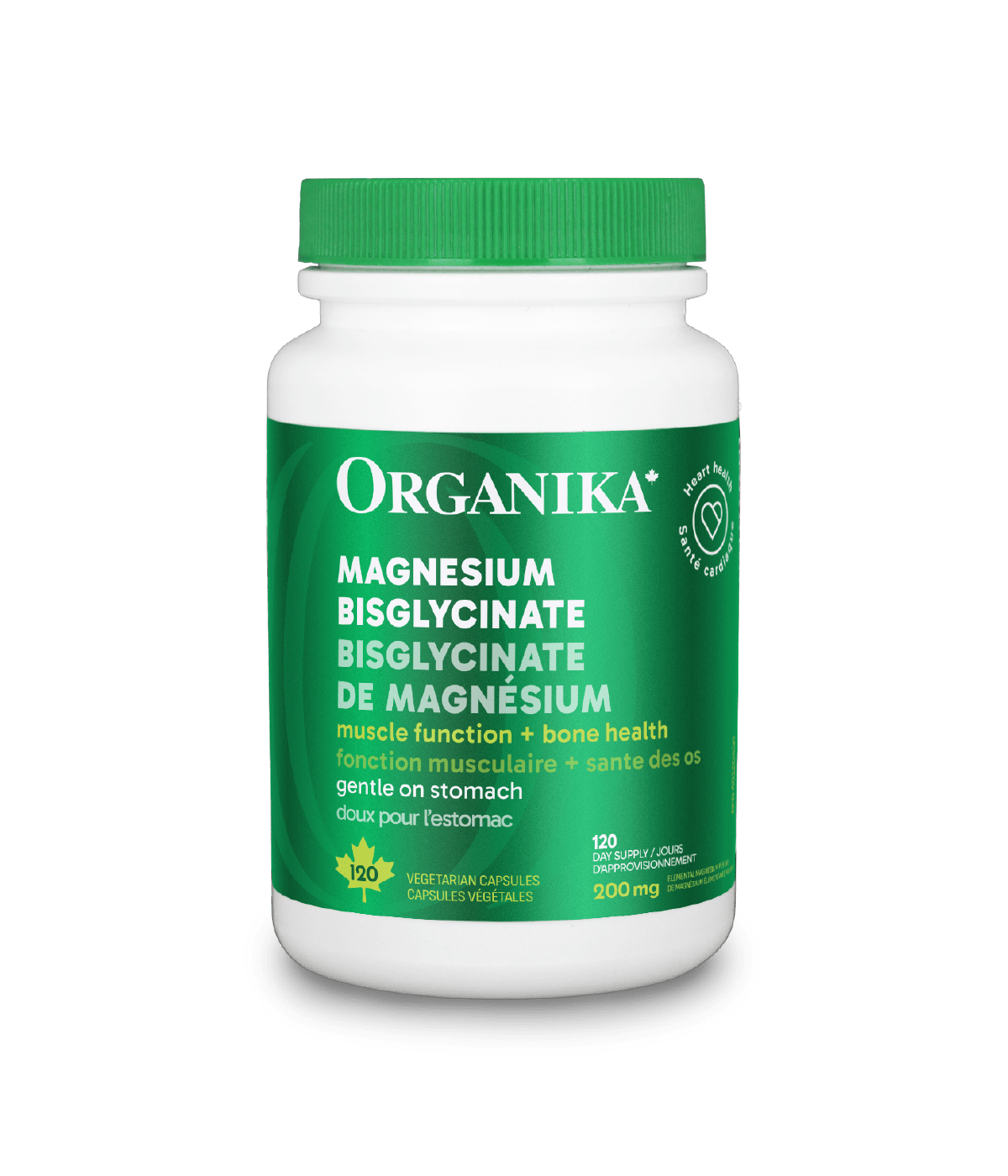
Magnesium Bisglycinate
A magnesium that's gentle on the gut and mighty on the body

Magnesium Taurate
Magnesium for heart health, muscles and daily energy
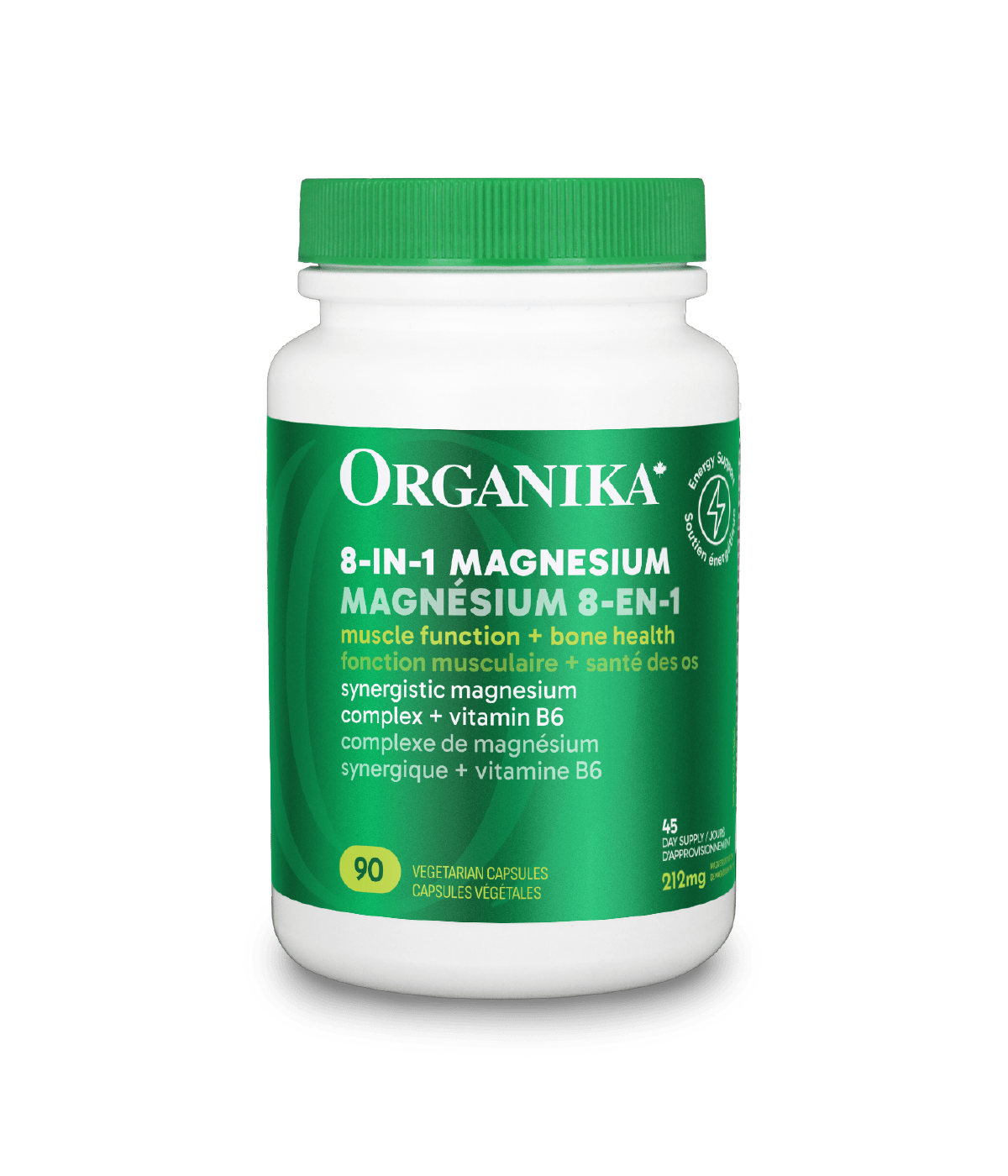
8-in-1 Magnesium
Eight essential forms of magnesium, one powerful formula
Support Beyond Products

The Role of Magnesium in Muscle Recovery Magnesium is well-known for its muscle-relaxing properties, making it an excellent choice for easing sore muscles. It plays a vital role in muscle function by regulating the balance between contraction and relaxation. Magnesium Deficiency and Muscle Soreness Magnesium deficiency can lead to muscle cramps and prolonged tension, often resulting in post-exercise soreness. Organika has many types of magnesium supplements, such as Magnesium Bisglycinate, Mind Calm (a blend of L-Threonate and L-Theonine), Magtein, and our Electrolytes line, which also contains minerals like magnesium to help replenish stores. Supplementing with magnesium helps relax the muscles, allowing for faster recovery after strenuous physical activity. For athletes, magnesium is a popular choice to promote muscle recovery and prevent soreness after intense exercise. Clinical Research Supporting Magnesium Supplementation Clinical research supports the benefits of magnesium for reducing muscle soreness. A study found that taking 350 mg of magnesium daily for 10 days significantly reduced soreness and improved perceived recovery after exercise-induced muscle damage (Reno et al., 2020). Another study showed that 500 mg/day of magnesium supplementation for seven days helped reduce inflammation (IL-6 response), improved blood glucose recovery, and lowered muscle soreness following a running trial (Steward et al., 2019). These findings suggest that magnesium supplementation could be a valuable tool for reducing muscle soreness and enhancing recovery. Check out Organika’s Electrolytes Recovery, a blend of magnesium, L-Glutamine, and BCAAs, to further enhance recovery after exercising, though further research is needed to determine the optimal dosage and type of magnesium for different activities.
read more
Magnesium is an essential mineral involved in hundreds of bodily pathways — from energy production and muscle function to nervous system balance and sleep support. But if you’re taking a magnesium supplement, when you take it may influence how it fits into your routine and how you experience its effects. Why Timing Magnesium Matters One of the most consistent themes across nutrition experts is this: consistency matters more than the specific time of day. Taking your magnesium supplement daily at roughly the same time helps maintain steady levels in your body, which supports long-term health benefits (Ajmera, R., 2025). That said, the reason you’re taking magnesium can influence the timing you choose. Certain benefits, like calmness or sleep support, may be more noticeable when taken at a specific part of your day. Let’s break that down. Magnesium in the Morning – Start Your Day Right Taking magnesium earlier in the day may make sense if your primary goals include: Energy, Focus and Stress Support: Taking magnesium in the morning can support energy production and metabolic function throughout the day. Muscle Function and Recovery: If you’re active, morning or pre-workout magnesium may support muscle function, reduce tension, and help with post-exercise recovery. Digestive Comfort: For forms like magnesium citrate that are traditionally used for digestive regularity, morning may help timing effects earlier in the day. Magnesium in the Evening – Calm and Sleep Support Evening or bedtime magnesium is commonly recommended when your goals include: Sleep Quality and Relaxation: Many people find that taking magnesium about 30–60 minutes before bed supports calmness and may help with magnesium for sleep routines. Some research suggests higher magnesium intake is associated with better sleep duration and quality (Zhang, Y., 2022). Stress and Relaxation After a Long Day: Magnesium glycinate (a form often chosen for calmness) is frequently taken in the evening because its amino acid component supports relaxation as night approaches. Evening timing doesn’t magically “boost” magnesium’s benefits, but for many people, it fits more naturally into a bedtime routine and reinforces consistency. Choosing The Right Magnesium Different forms of magnesium can support different needs: Magnesium Glycinate: traditionally used for stress support, calmness, and sleep Magnesium Citrate: supports digestive comfort Magnesium L-Threonate: may help bone, teeth and muscle function Magnesium Malate: often chosen for energy support Can You Take Magnesium Every Day? For most people, yes. Daily is typical when supplementing to meet needs that diet alone doesn’t fulfill. Magnesium supports metabolism, nervous system function, muscle and nerve health, and more, so consistent daily intake helps keep levels stable. If you’re unsure whether you need a supplement or how much to take, talking with a healthcare professional can help tailor timing and dose to your unique needs. Bottom Line: The Best Time to Take Magnesium There’s no single “perfect” time, but here’s a quick guide based on common goals: Morning: for energy, focus, metabolism, muscle support Evening: for relaxation and sleep wind-down Consistency: daily at a set time you’ll remember With food if needed: may help prevent mild GI discomfort Whichever time you choose, building magnesium into your daily routine is key to supporting your overall well-being. Explore Magnesium Products That Fit Your Goals Magnesium 8-in-1 formula — supports daily replenishment Mind Calm Magnesium — may help with relaxation & stress Magnesium L-Threonate — supports bone, teeth and muscle function References Ajmera, R., Silva, S. (2025). What’s the best time to take magnesium supplements?. Healthline. From https://www.healthline.com/nutrition/best-time-to-take-magnesium Zhang, Y., Chen, C., Lu, L., Knutson, K. L., Carnethon, M. R., Fly, A. D., Luo, J., Haas, D. M., Shikany, J. M., & Kahe, K. (2022). Association of magnesium intake with sleep duration and sleep quality: findings from the CARDIA study. Sleep, 45(4), zsab276. https://doi.org/10.1093/sleep/zsab276
read more
Magnesium is essential for muscle function, particularly when it comes to relaxing muscles and aiding in recovery after physical activity. Whether you’re dealing with muscle cramps, soreness, or general tension, magnesium helps regulate muscle contractions by balancing calcium levels. With various forms of magnesium available, it’s important to know which type works best for muscle relaxation. The most commonly recommended forms are magnesium glycinate (Organika has an Enhanced Collagen Relax that contains a hefty dose, 250mg of magnesium bisglysinate on top of the benefits from the enhanced collagen such as improved hair, skin , nails, joints, and gut health), citrate, malate, and chloride, each offering unique benefits depending on your needs. Magnesium Glycinate is one of the top choices for muscle relaxation due to its high absorbability and calming effects. This form is bound to glycine, an amino acid that promotes relaxation, making it ideal for relieving muscle tension and supporting the nervous system. Magnesium can be taken any time of day, Organika’s Magnesium Bisglycinate Capsules are a premium form of magnesium for stress relief, muscle support and more. Organika's Magnesium Bisglycinate provides 200 mg elemental magnesium and is highly absorbable by your body with decreased digestive discomfort compared to other forms of magnesium. Magnesium Citrate, on the other hand, is popular for its ability to ease muscle cramps and spasms. It is highly absorbable and also helps alleviate constipation, which can sometimes contribute to muscle discomfort, though it may have a mild laxative effect for some. Magnesium Malate is particularly helpful for individuals experiencing chronic muscle pain or fatigue, often used for conditions like fibromyalgia. The malic acid in this form boosts energy production, making it effective for reducing muscle discomfort and stiffness. Magnesium Chloride is commonly applied topically through sprays or bath salts, allowing it to be absorbed through the skin. This can provide quick relief from sore muscles, making it an excellent option for individuals who prefer not to take oral supplements. Clinical studies support magnesium’s role in reducing muscle soreness and aiding recovery after exercise. Research has shown that 350 mg/day of magnesium supplementation for 10 days significantly reduced muscle soreness and improved perceived recovery (Reno et al., 2020). Another study noted a reduction in inflammatory markers like IL-6 and enhanced post-exercise recovery with 500 mg/day of magnesium (Steward et al., 2019). While the optimal form and dosage of magnesium for muscle relaxation are still being studied, it’s clear that magnesium is beneficial for easing muscle tension and improving recovery. Magnesium, an essential mineral for the health of the heart and blood vessels, brain, bones, and muscles, is crucial for the body to function properly. Organika’s premium form of magnesium, bound with glycine, has a gentle nature and gives you a highly absorbable and beneficial nutrient your body needs. Whether you're striving for improved sleep, stronger bones, reduced stress, or enhanced heart health, magnesium bisglycinate is the answer you've been searching for. Reference https://www.semanticscholar.org/paper/Effects-of-Magnesium-Supplementation-on-Muscle-and-Reno-Green/b5c9b34332b58902d3dd3af71b48a7959609b9c5
read more