







7 Benefits of Protein for Your Health
Posted
Updated October 06, 2025

Posted
Updated October 06, 2025

Protein is a cornerstone of good health, essential for various bodily functions and overall wellness. From building muscle to supporting your immune system, the benefits of protein are vast and well-documented. Here are seven key benefits:

Protein is vital for repairing and building muscle tissue, especially after physical activity. This is crucial not just for athletes but for anyone looking to maintain muscle mass as they age. Studies show that higher protein intake helps preserve muscle mass in aging populations (Arentson-Lantz et al., 2015; Phillips et al., 2016).
Protein promotes satiety, helping you feel full for longer. This can reduce overall calorie intake and support weight loss. Additionally, a diet higher in protein has been linked to reduced body fat and better weight management outcomes (Arentson-Lantz et al., 2015; Phillips et al., 2016).
After intense physical activity, your body relies on protein to repair damaged tissues and reduce muscle soreness. Consuming protein post-workout accelerates recovery and prepares your body for the next challenge.
Protein plays a key role in producing antibodies and immune cells, which help your body fight off infections and illnesses. Ensuring adequate protein intake can support a robust immune system.
Plant-based proteins, such as soy, are associated with cardiovascular benefits. Research indicates that these proteins may reduce LDL cholesterol and lower blood pressure, contributing to a healthier heart (Pedersen et al., 2013; Ahnen et al., 2019).
Protein is a major building block for collagen, keratin, and elastin—all essential for maintaining strong, healthy skin, hair, and nails. Adequate protein intake helps keep these tissues resilient and vibrant.
Protein-rich diets, particularly those including plant-based sources, have been linked to reduced risks of chronic diseases such as cardiovascular mortality and improved overall health outcomes (Pedersen et al., 2013; Ahnen et al., 2019). Recommendations suggest 1.2-1.6 g/kg/day of protein intake for optimal health (Phillips et al., 2016).
Incorporating adequate, high-quality protein into your diet can lead to significant health benefits, from muscle preservation to heart health. Whether through animal-based or plant-based sources, meeting your protein needs is essential for a balanced, healthy lifestyle. Aim for a variety of protein sources, including lean meats, dairy, legumes, and nuts, to maximize the benefits. Look to Organika’s Enhanced Collagen with 9 g of protein per serving, Enhanced Collagen Original is your go-to support for your hair, skin, nails, bones, joints, and gut health! Additionally, high in protein with 15 grams per serving, collagen, and essential minerals, Organika's Chicken Bone Broth protein powder will help enhance your overall well-being. These are great ways to fill in any nutritional gaps and reach your protein goals daily. Always consult with a healthcare professional to tailor protein intake to your individual needs and health goals.
Get expert-backed health tips, education, product news, and exclusive offers delivered to your inbox.
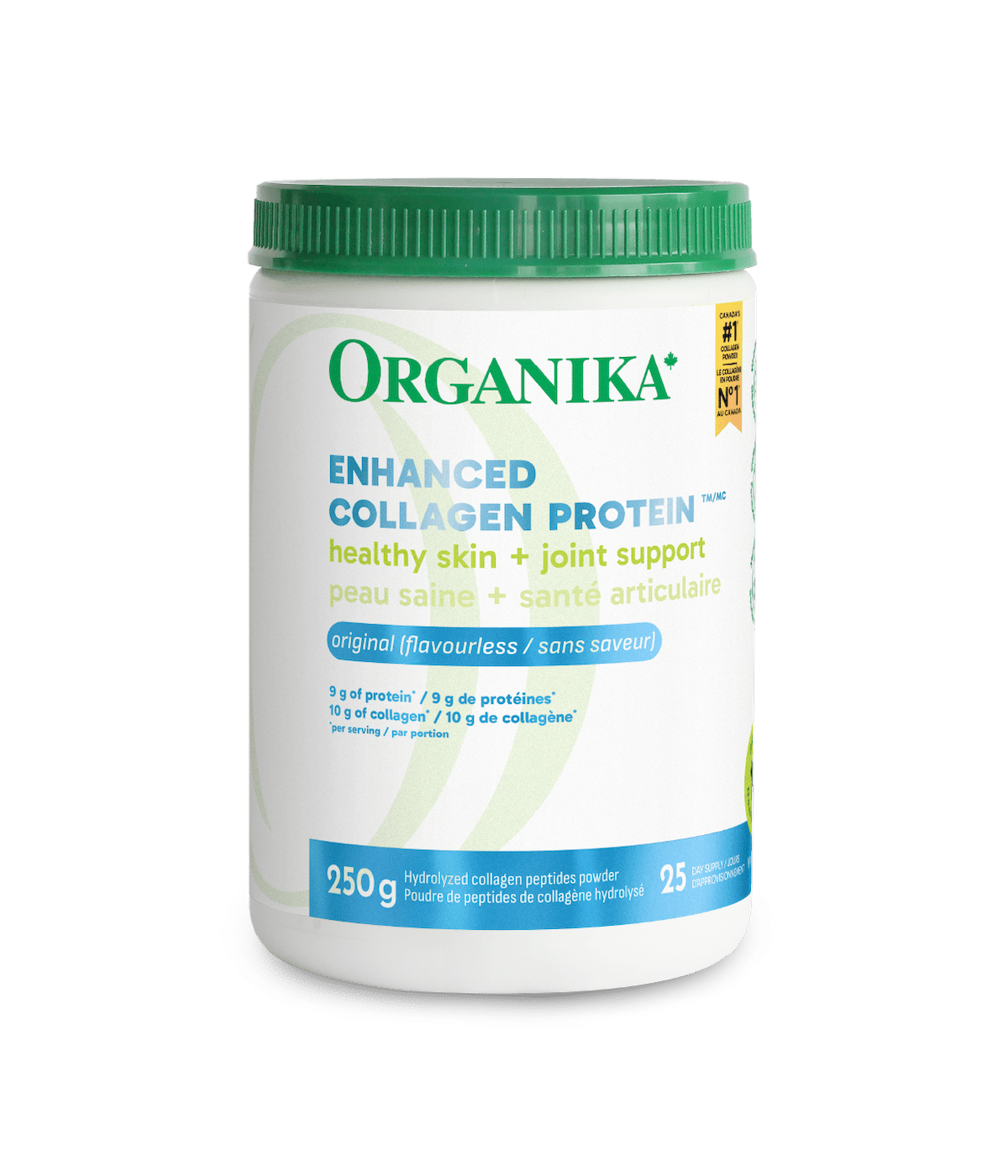
Canada’s #1 Collagen Powder for healthier skin, hair, nails, joints and gut
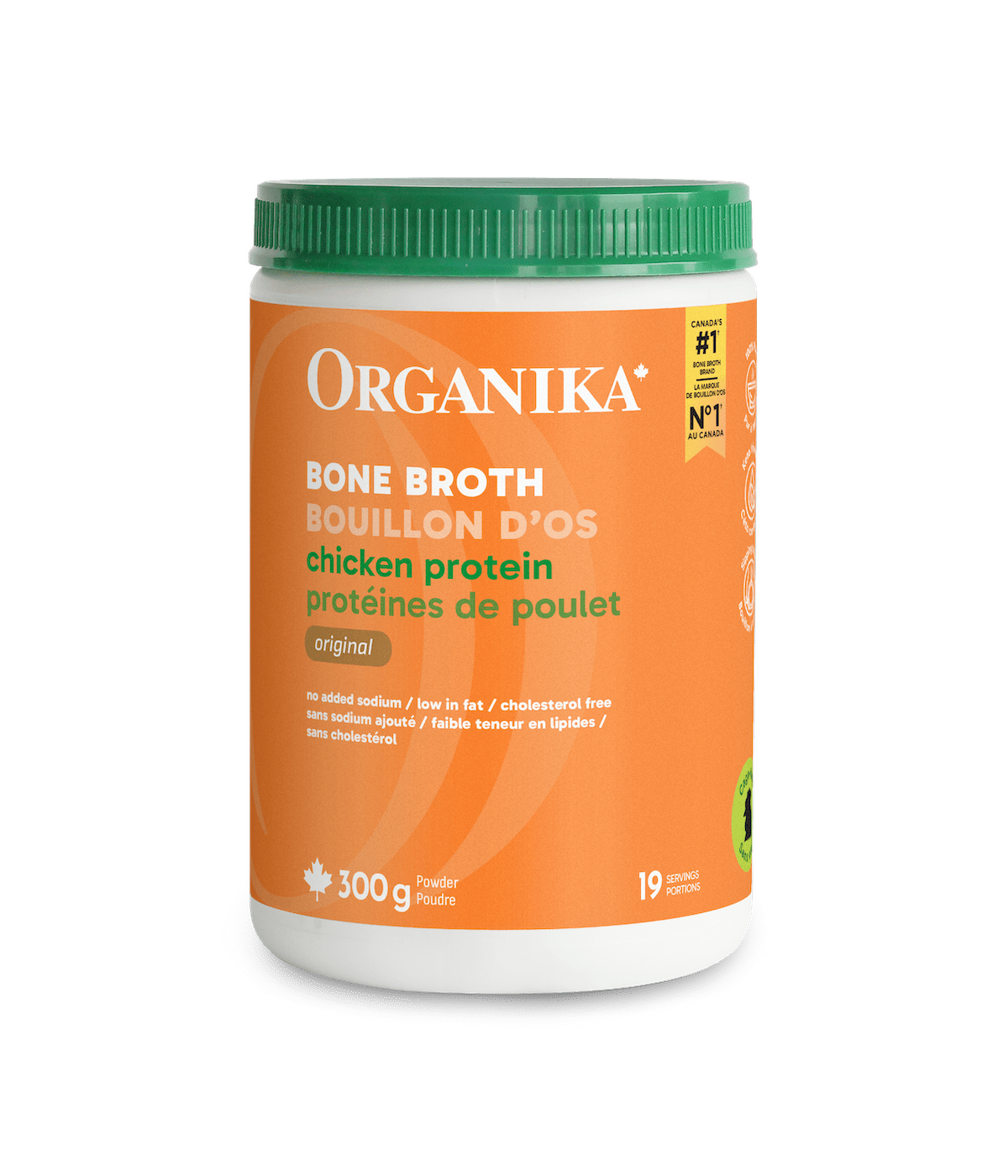
All the chicken bone broth benefits, none of the stovetop hassle

Understanding the difference between collagen and protein powder can help you make better choices for your wellness goals, whether that’s muscle growth, skin and joint support, or daily protein intake. Although both contain amino acids and count as proteins, they serve very different purposes in your diet and body. What Is Collagen? Collagen is the most abundant structural protein in the body, found in skin, bones, cartilage, tendons, hair, and nails. It provides strength, elasticity, and support to connective tissues. Unlike many protein powders (like whey or plant proteins), collagen: Is not a complete protein, it doesn’t contain all nine essential amino acids. Is rich in specific amino acids such as glycine, proline, and hydroxyproline, which help support tissues and structures throughout the body. Why take collagen powder? May support skin hydration and elasticity Helps maintain joint comfort and mobility Supports gut health Offers structural amino acids that can decline with age What Is Protein Powder? In contrast to collagen, most protein powders (including whey, plant-based, egg and casein) are designed to help you meet daily protein requirements and support functions like muscle maintenance, repair and growth. Protein powders differ based on their amino acid profile, digestibility, dietary preferences and goals. Scientific research indicates that both animal and plant proteins can support muscle mass and strength gains when total protein intake is adequate, although animal protein often shows a modest advantage in lean mass development due to higher essential amino acid availability (Santini, M, 2025). Protein powders are often used to support: Reaching daily protein goals Muscle recovery and strength gains Weight management and satiety Convenient nutrition when whole foods aren’t available Which One Should You Choose? When you’re choosing between collagen powder and a more traditional protein powder, it really comes down to what you’re trying to support in your life and body, not that one is “better” than the other for everyone. If your main goal is to meet daily protein needs, support muscle recovery after workouts, or build strength over time, a more complete protein powder (whether that’s whey or a thoughtfully blended plant-based option) tends to fit those needs more directly. These powders are formulated with all the essential amino acids your body looks for when it’s rebuilding and repairing tissues after movement or exercise. On the other hand, if you’re more focused on things like skin resilience, joint comfort, or connective tissue support, collagen protein can feel like a more tailored choice. Because it’s rich in specific amino acids that your body uses for structural proteins like collagen in skin and cartilage, many people find it helpful as a complement to their overall routine. Some individuals choose to use both. For example, a general protein powder after workouts to support muscle and strength goals, and collagen at other times to support skin, joint, or tissue health. There’s nothing stopping you from combining them, as long as you’re keeping an eye on your overall protein intake and how you feel. Everyone’s body and priorities are a little different, so it can be worth experimenting to find what feels best for you. Goal Recommended Muscle building and athletic performance Protein powder Skin, joints, hair, nails Collagen powder Balanced dietary protein Protein powder Targeted connective tissue support Collagen References Santini, M. H., Erwig Leitão, A., Mazzolani, B. C., Smaira, F. I., de Souza, M. S. C., Santamaria, A., Gualano, B., & Roschel, H. (2025). Similar effects between animal-based and plant-based protein blend as complementary dietary protein on muscle adaptations to resistance training: findings from a randomized clinical trial. Journal of the International Society of Sports Nutrition, 22(1), 2568047. https://doi.org/10.1080/15502783.2025.2568047
read more
Collagen 101: What is Collagen Protein? You’ve probably heard all the buzz surrounding collagen, yet may still be asking yourself: what IS collagen really? You’re not alone, and we’re here to make it easy for you to understand. Collagen is the most plentiful form of protein in your body, and acts like the “glue” that holds it all together. That’s right, our bodies naturally produce collagen. Collagen contributes to elasticity, strength, and tone throughout the body. Unfortunately, as we age, our collagen production starts to decline. Collagen production declines even faster due to excess sun exposure, smoking, excess alcohol, and lack of sleep and exercise. But fear not, that’s where collagen supplementation comes to play. What are the benefits of collagen? Collagen Protein has many benefits, ranging from supporting your hair, skin and nails, to gut health and bone and joint support. Hair, Skin and Nail Health: Collagen helps increase the elasticity and moisture of your skin, while also reducing UVB damage and signs of photoaging. You can forgive yourself for many years of not wearing sunscreen outside. Bone and Joint Health: Collagen helps maintain healthy cartilage in the joints, improving function and reducing symptoms of joint pain associated with osteoarthritis. Gut Health: Collagen provides your body with the amino acid, L-Glutamine, which is essential in supporting your gut lining. Collagen Protein vs. Protein Powder: Is there a difference? Although Collagen Protein and Protein Powder are sometimes used interchangeably, they are different. The main difference involves their amino acid breakdown. Let’s go back to science class, shall we? Amino acids are the building blocks of proteins. They are required for many critical roles in your body, such as building proteins, hormone function, and neurotransmitters. Amino acids are categorized between essential and non-essential amino acids. This is where collagen gets involved. There's a total of 20 amino acids, 9 of which are essential. This means, our bodies cannot produce them on our own and need to be consumed through either diet or supplementation. Some easy ways to consume these 9 essential amino acids through diet include meat, eggs, poultry, edamame, or tofu. What about collagen? Collagen protein only contains 8 out of the 9 essential amino acids, considering it to be an “incomplete protein”. Protein Powders are typically formulated with all 9 essential amino acids, considering them to be a “complete protein”. While our Enhanced Collagen Original only has 8 of the 9 essential amino acids, our Essential Aminos Enhanced Collagen Protein has all 9 essential amino acids, which is a “complete protein”. Whether you choose to consume Enhanced Collagen Original or Essential Aminos Enhanced Collagen Protein depends on what your goals are. You will still reap the benefits collagen has to offer, but Essential Aminos Enhanced Collagen Protein is particularly beneficial if you are focused on your protein consumption, or the growth of lean muscle mass. Is collagen right for you? Whatever your goals are, we have collagen that’s right for you. It’s simple, just choose the one that fits your lifestyle. If you’re looking to start off with the basics, try our award-winning, Enhanced Collagen Original (psssst, it’s Canada’s #1 selling Collagen Powder). OR Are you looking to combine your collagen with other supplements? Choose from a variety of our multi-benefit blends like Enhanced Collagen Pure Beauty, Enhanced Collagen Bone and Joint, or Metaboost Fat Metabolizing Complex Powder. Are you pescatarian or vegetarian? We have options for you too. Do you want to have ALL sources of collagen in one? We have you covered. Do you want to make taking collagen fun? Choose from a variety of our flavoured options, from lemon to chocolate. The bottom line – collagen supplementation is particularly beneficial as you age, to support your hair, skin, nails, bones, joints, and gut health. Whatever your goals are, we have a collagen for you. References https://www.hsph.harvard.edu/nutritionsource/collagen/#:~:text=Collagen%20is%20the%20most%20abundant,muscles%2C%20tendons%2C%20and%20cartilage. https://www.healthline.com/nutrition/essential-amino-acids
read more
Do Collagen Supplements Support Weight Management and Fitness Goals? Collagen has exploded on the wellness scene, and not just as a beauty trend. From supporting healthy skin elasticity to strengthening joints, muscles, and the gut lining, collagen plays a role in many of the body’s essential functions. But as collagen powder and collagen supplements become more popular, a common question keeps coming up: Can collagen support weight management or fitness goals? The short answer: collagen isn’t a fat burner, but it may support weight management in several important ways, especially when paired with a balanced diet and an active lifestyle. Let’s break down how collagen works in the body and why it’s often included in routines focused on health, movement, and overall wellness. Why collagen matters more than you think Collagen is the most abundant protein in the human body, making up about 30% of total body protein. It’s found in the skin, joints, muscles, bones, connective tissues, and digestive tract. There are many types of collagen, but most collagen supplements contain hydrolyzed collagen peptides powder, which allows the body to absorb and use it more efficiently. Common sources include: • Grass-fed collagen powder (bovine-based)• Marine collagen (fish-based) Both provide amino acids that support tissue repair, mobility, digestion, and structural strength. How collagen may support weight management Supporting fullness and steady energy As a source of protein and amino acids, collagen may help increase satiety, the feeling of fullness after eating. When you feel fuller for longer and blood sugar levels stay more stable, it often becomes easier to: • Reduce unnecessary snacking• Manage portions• Curb sugar cravings Many people incorporate protein-rich collagen powders like Enhanced Collagen Protein Original into smoothies or coffee as a simple way to boost daily protein intake while supporting joints and skin: Helping maintain muscle and metabolism While collagen isn’t a complete protein on its own, it can still support muscle repair and recovery when paired with resistance training. Maintaining muscle mass is important for metabolism, the more muscle you have, the more calories your body burns at rest. Over time, this can play a helpful role in body composition and long-term weight management. Supporting joint comfort for movement Joint discomfort is one of the biggest barriers to staying active. Collagen for joints helps support healthy connective tissue in tendons, ligaments, and cartilage. For people dealing with stiffness, overuse, or osteoarthritis, collagen supplementation may help improve comfort and mobility. Better joint support often means: • More consistent workouts• Easier daily movement• Less exercise avoidance due to pain Which naturally supports an active lifestyle. Promoting gut health Collagen also plays a role in strengthening the lining of the digestive tract. A healthy gut supports: • Efficient digestion• Better nutrient absorption• Balanced bacteria levels When digestion works well, the body is better equipped to regulate hunger, energy, and immune function, all factors that influence overall wellness and weight balance. Taking collagen a step further Some collagen blends include functional ingredients designed to support metabolism and energy. For example, Enhanced Collagen Boost combines hydrolyzed collagen peptides with ingredients like MCT oil to help promote fullness and support active weight management routines. These types of formulas are often used by people looking to support both protein intake and metabolic health in one simple step. Collagen and hydration for active days Staying hydrated is essential for workout performance, recovery, and energy levels. Collagen combined with electrolytes, like Organika’s Electrolytes + Enhanced Collagen blends, can help support hydration while delivering collagen’s benefits for joints and connective tissue. This can be especially helpful during workouts, warm weather, or busy days with lots of movement. Collagen vs whey protein Many people wonder whether collagen supplements can replace traditional protein powders like whey. Both have different strengths: Whey protein is a complete protein ideal for muscle building.Collagen supplements support joints, skin, gut health, and connective tissue. For many active individuals, using both together provides a more well-rounded approach to fitness and recovery. How much collagen should you take per day? A common collagen dosage per day falls between: 10–20 grams daily This amount is often used in studies supporting joint health, skin benefits, muscle recovery, and gut support. Always follow product directions or consult a healthcare professional for personalized advice. The bottom line Collagen supplements aren’t a quick fix for weight loss, but they can support key areas that influence fitness and healthy body composition, including: • Fullness and appetite control• Muscle maintenance• Joint mobility• Gut health When combined with movement, balanced nutrition, and consistent habits, collagen powder can be a valuable part of a healthy lifestyle. From collagen for joints and skin to overall structural support, collagen supplements offer benefits that go far beyond the scale.
read more