







The benefits of collagen: back to basics!
Posted
Updated October 06, 2025


Posted
Updated October 06, 2025
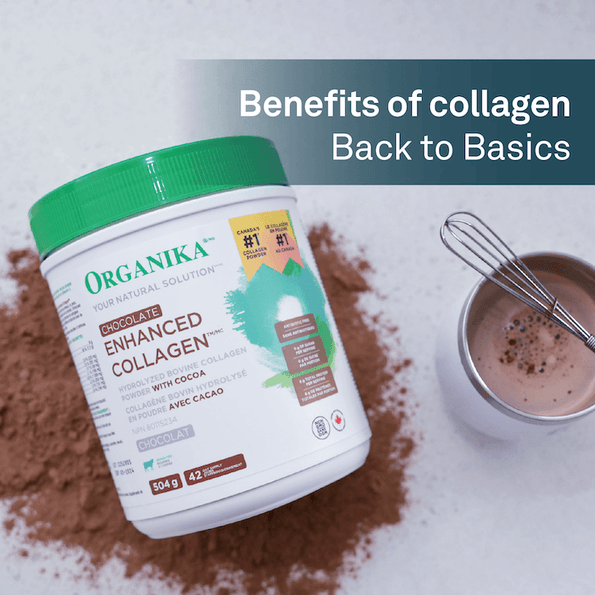
Hydrolyzed collagen has been a popular ‘go to’ in the health food industry for some time now. With so many claims to healing qualities such as improved skin health, relief from joint pain and supporting heart health, collagen has become a staple in many people’s daily lives.
The benefits of collagen, internally and externally, seem to be noticed by collagen users... all by adding this simple protein into their daily routine.
While we talk a lot about details and types of collagen, and how to use it... let’s get back to the basics.
So, what exactly is collagen?
You may have heard of amino acids. They are the small building blocks that, when added together, create protein. Common amino acids such as lysine, glutamine, and tryptophan play specific roles all around the body.
For example, tryptophan helps us build serotonin, our ‘happy hormone’. When you string together a series of different amino acids, we get protein. Protein is needed for growth, repair, immune system support and all-around structural support.
Amino acids that make up collagen are arginine, glycine, glutamine, hydroxyproline and more. The amino acid content in collagen directly influences proper building and growth. Our bodies are made up of collagen. Collagen makes up most of our skin, tendons, ligaments and muscles. We can find collagen in our bones for strength, as well as in the walls of our arteries for that elastic stretch with blood pressure change. Collagen is abundant in the human body.
When we take a collagen product, we may notice a difference in how fast our hair or nails grow. Some individuals notice a difference in their skin such as less breakouts or more tightness and reduced fine lines. When we see the effects at such a superficial level, it is easy to understand and recognize the internal healing qualities and benefits of collagen, skin rejuvenation is just a fantastic bonus!
There are numerous reasons to take collagen. Below are just a few benefits of collagen and reasons why more and more individuals choose to supplement with this super food.

Aging, stress and activity all require adequate amounts of protein in an individual’s diet. Out of all the macro nutrients, (carbohydrates, fats and proteins), protein seems to be the most lacking in the North American diet. When there is not enough protein in the diet, body tissues break down faster, the aging process speeds up and we are not able to recover as quickly as we should.
If you tend to get sick often, you should consider increasing the amount of protein in your diet to help build immunity. The amino acids found in collagen will directly increase the number of immune cells that help you stay healthy by combating bacteria and viruses. The protein that makes up collagen is like that of bone broth, hence the reason one should consume bone broth or collagen when sick to aid in quicker recovery.
Collagen protein directly contributes to the health of our joints. As we age, train and move, our joints become stressed. It is important to take care of our joints with rest, recovery and proper nutrition. Daily consumption of a collagen supplement can contribute to the integrity and structure of joints.
There are many factors that contribute to an overall youthful look. Staying hydrated and consuming healthy fats is key when it comes to the beauty of your skin. Adding a collagen supplement daily will contribute to the growth of collagen all around your body, noticeably the skin. Collagen is responsible for the elasticity and integrity of our skin. The timeline for results can vary for everyone, from 4 weeks or more. The results you will experience by adding this simple supplement to your diet is so worth the wait.
Adding a clean and ethical source of collagen to your daily health regime can pay off in big ways!
BE HAPPY, BE HEALTHY
Get expert-backed health tips, education, product news, and exclusive offers delivered to your inbox.
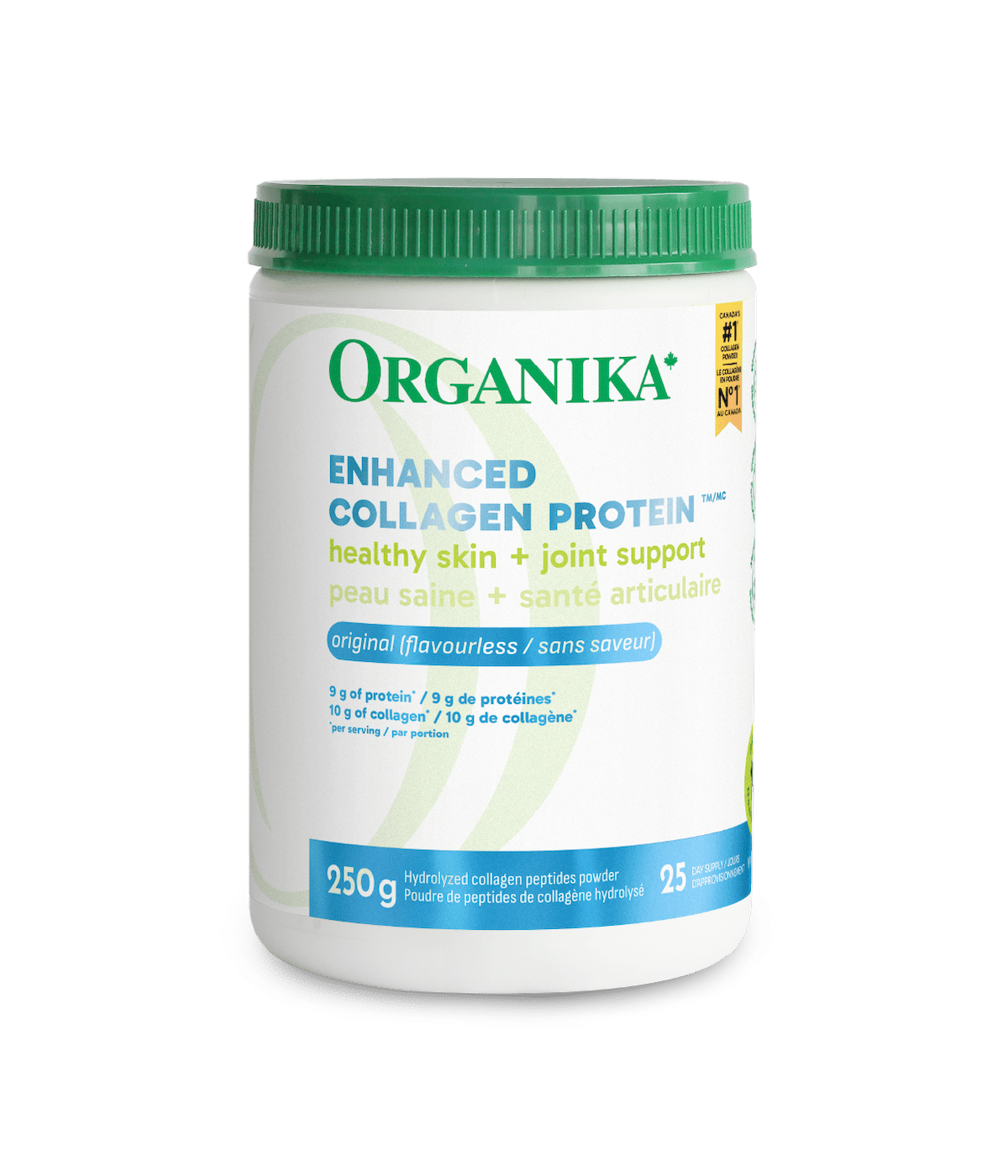
Canada’s #1 Collagen Powder for healthier skin, hair, nails, joints and gut
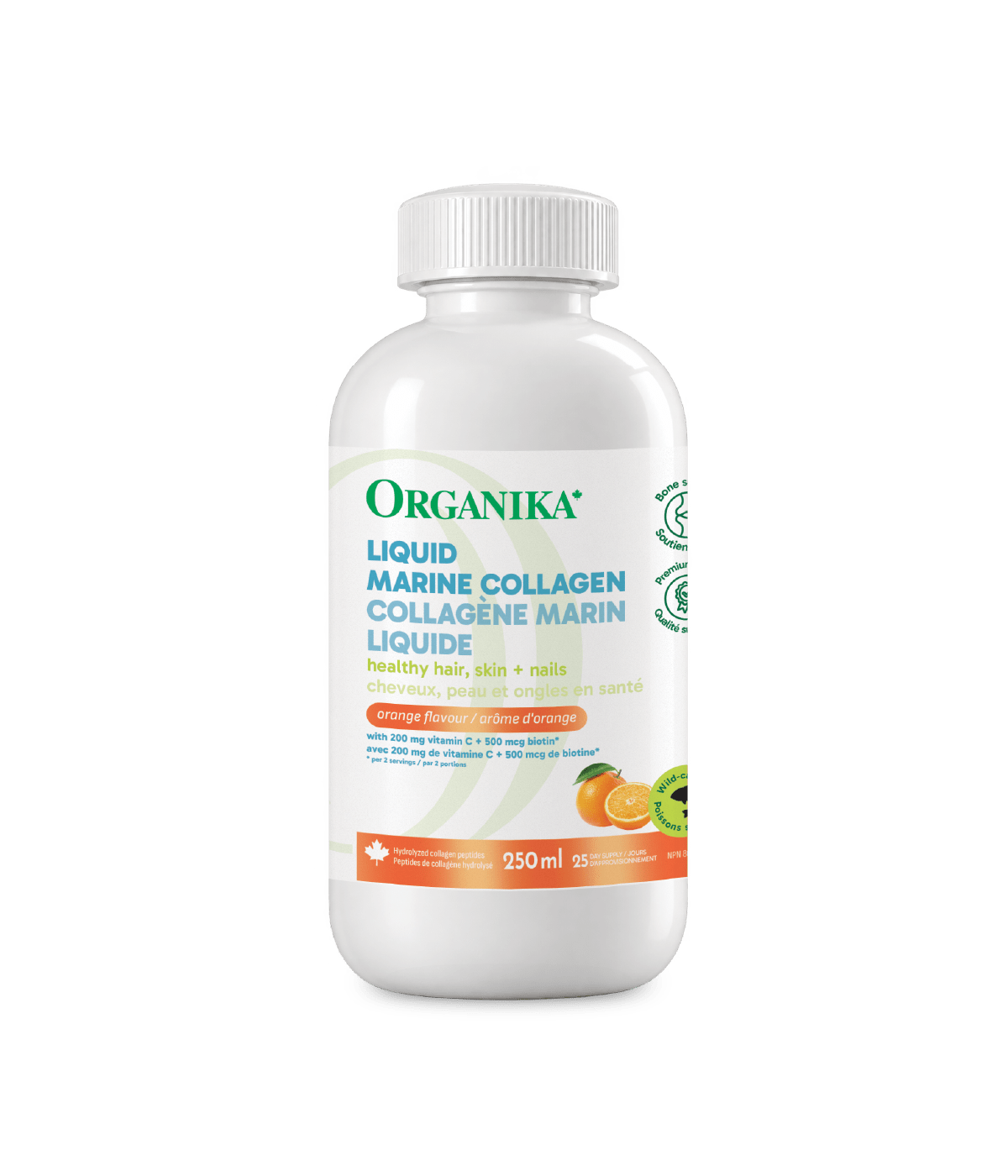
A liquid alternative to bovine collagen with wild-caught ingredients that smooth skin and strengthen nails
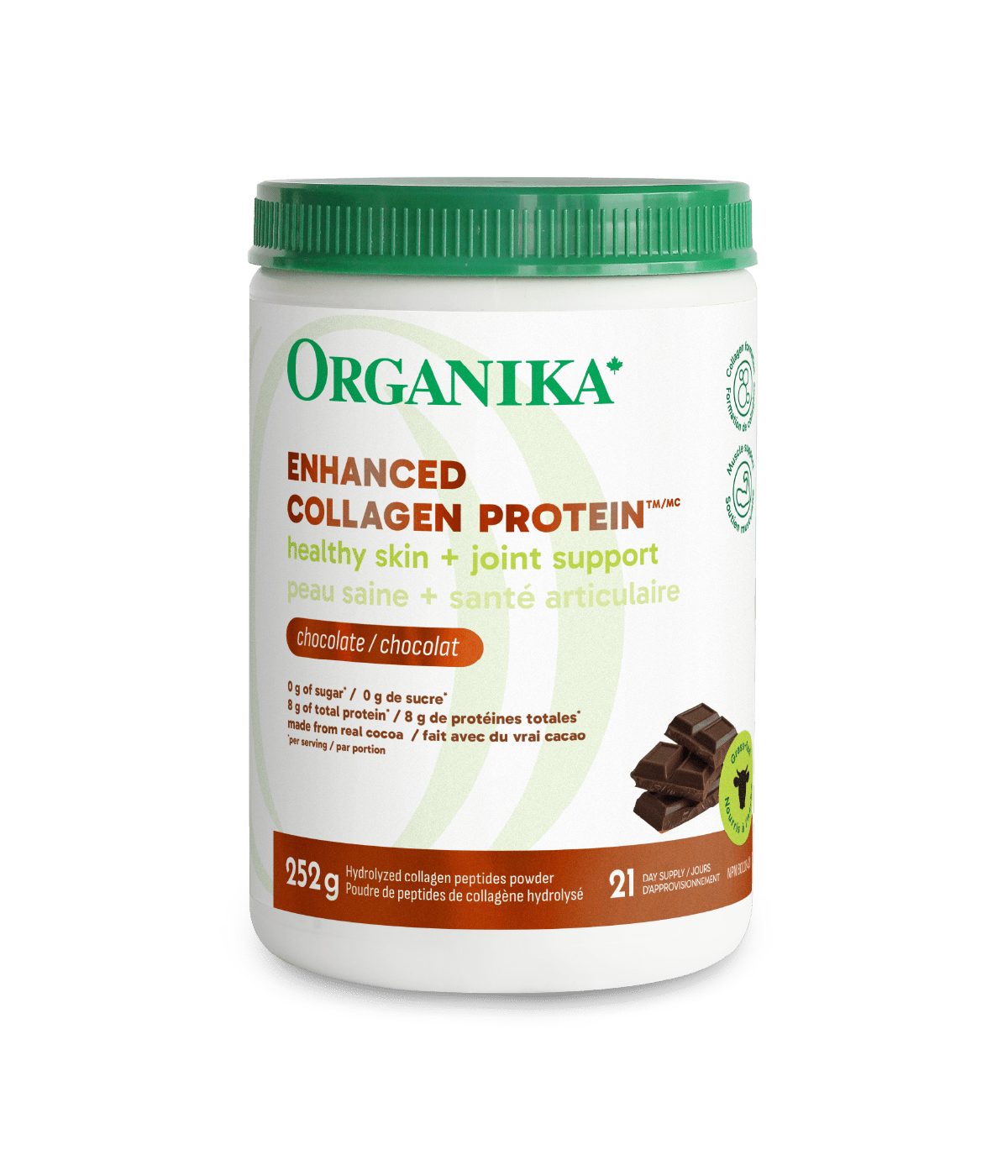
Healthier skin, hair, nails, joints & gut in a chocolatey drink with 0 g sugar

Understanding the difference between collagen and protein powder can help you make better choices for your wellness goals, whether that’s muscle growth, skin and joint support, or daily protein intake. Although both contain amino acids and count as proteins, they serve very different purposes in your diet and body. What Is Collagen? Collagen is the most abundant structural protein in the body, found in skin, bones, cartilage, tendons, hair, and nails. It provides strength, elasticity, and support to connective tissues. Unlike many protein powders (like whey or plant proteins), collagen: Is not a complete protein, it doesn’t contain all nine essential amino acids. Is rich in specific amino acids such as glycine, proline, and hydroxyproline, which help support tissues and structures throughout the body. Why take collagen powder? May support skin hydration and elasticity Helps maintain joint comfort and mobility Supports gut health Offers structural amino acids that can decline with age What Is Protein Powder? In contrast to collagen, most protein powders (including whey, plant-based, egg and casein) are designed to help you meet daily protein requirements and support functions like muscle maintenance, repair and growth. Protein powders differ based on their amino acid profile, digestibility, dietary preferences and goals. Scientific research indicates that both animal and plant proteins can support muscle mass and strength gains when total protein intake is adequate, although animal protein often shows a modest advantage in lean mass development due to higher essential amino acid availability (Santini, M, 2025). Protein powders are often used to support: Reaching daily protein goals Muscle recovery and strength gains Weight management and satiety Convenient nutrition when whole foods aren’t available Which One Should You Choose? When you’re choosing between collagen powder and a more traditional protein powder, it really comes down to what you’re trying to support in your life and body, not that one is “better” than the other for everyone. If your main goal is to meet daily protein needs, support muscle recovery after workouts, or build strength over time, a more complete protein powder (whether that’s whey or a thoughtfully blended plant-based option) tends to fit those needs more directly. These powders are formulated with all the essential amino acids your body looks for when it’s rebuilding and repairing tissues after movement or exercise. On the other hand, if you’re more focused on things like skin resilience, joint comfort, or connective tissue support, collagen protein can feel like a more tailored choice. Because it’s rich in specific amino acids that your body uses for structural proteins like collagen in skin and cartilage, many people find it helpful as a complement to their overall routine. Some individuals choose to use both. For example, a general protein powder after workouts to support muscle and strength goals, and collagen at other times to support skin, joint, or tissue health. There’s nothing stopping you from combining them, as long as you’re keeping an eye on your overall protein intake and how you feel. Everyone’s body and priorities are a little different, so it can be worth experimenting to find what feels best for you. Goal Recommended Muscle building and athletic performance Protein powder Skin, joints, hair, nails Collagen powder Balanced dietary protein Protein powder Targeted connective tissue support Collagen References Santini, M. H., Erwig Leitão, A., Mazzolani, B. C., Smaira, F. I., de Souza, M. S. C., Santamaria, A., Gualano, B., & Roschel, H. (2025). Similar effects between animal-based and plant-based protein blend as complementary dietary protein on muscle adaptations to resistance training: findings from a randomized clinical trial. Journal of the International Society of Sports Nutrition, 22(1), 2568047. https://doi.org/10.1080/15502783.2025.2568047
read more
By now, you’ve probably heard all about the benefits of collagen and why collagen supplements have become so popular for supporting skin, joints, hair, gut health, and overall wellness. Great! But one question comes up again and again: is collagen powder better than liquid collagen?Which form is absorbed best, and which one delivers the most benefits? Let’s break it down. A Look at the Most Popular Forms of Collagen Supplements Collagen Powder Collagen powder is the most common and widely used form of collagen supplements. In fact, collagen exists in powder form before being dissolved into liquids. Most collagen powders are made from hydrolyzed collagen peptides, which means the large collagen proteins are broken down into smaller peptides for easier digestion and absorption. TIP: Always look for hydrolyzed collagen peptides powder when choosing a collagen supplement. If you’re not sure where to start, an unflavoured option that blends easily (like Enhanced Collagen Original) can be a simple, no-fuss pick for everyday use. The majority of scientific studies on collagen benefits have used collagen powder, which is why it is considered the most researched and well-supported format. How to use: Mix into water, coffee, smoothies, soups, baked goods, or foods of choice. Best for: Anyone who enjoys customizing how they take their collagen. Liquid Collagen Liquid collagen supplements are essentially collagen powder that has already been dissolved into a drink, often with added natural flavours or functional ingredients. Because of this, liquid collagen typically contains less collagen per serving compared to collagen powder. To reach the same collagen dosage, you may need to consume a larger volume of liquid—though for many people, the tradeoff is that it’s quick, easy, and requires zero prep. If you like the ready-to-take format but still want something that feels purposeful, a liquid option like Liquid Enhanced Collagen or Liquid Marine Collagen can be a convenient way to keep collagen support consistent, especially on busy days. Traditionally, most liquid options were made from marine collagen, but there are now both marine and bovine-based liquid collagen supplements available. How to use: Drink as directed, either as a full serving or by tablespoon depending on the product. Best for: Those who prefer convenience and ready-to-drink collagen. Collagen Capsules Collagen capsules simply contain powdered collagen, meaning they offer the same benefits as collagen powder—just in a convenient pill format. If you like the simplicity of a grab-and-go routine, something like BioCell Collagen Capsules can be an easy option to keep on hand for consistent daily support. How to use: Take as directed with water. Best for: People who prefer capsules over mixing powders into drinks or food. Your Collagen Questions Answered Which form is better absorbed, powder or liquid? All high-quality collagen supplements should be hydrolyzed, meaning the proteins are broken down for easy digestion and absorption. Since liquid collagen is just powdered collagen dissolved in liquid, both powder and liquid collagen are equally absorbable. The improved absorption comes from the hydrolyzation process, not from whether the collagen is taken in powder or liquid form. Are there added ingredients in one form versus another? Liquid collagen often includes added ingredients such as natural flavours or complementary nutrients. There are also collagen blends in powder form that combine collagen with other supplements for convenience. These blended formulas simply provide additional functional support alongside collagen. Which collagen format is most effective? Research shows that collagen supplements are effective, and most studies use collagen powder. Some liquid-only collagen brands claim higher bioavailability, but there is currently no scientific evidence showing that liquid collagen is absorbed better than powder. Again, it is the hydrolyzed collagen peptides that improve absorption, regardless of format. How much collagen do I get from powder versus liquid? Collagen powder typically contains significantly more collagen per serving than liquid collagen. For example: • 1 tablespoon of collagen powder may provide around 5 grams of collagen• 1 tablespoon of liquid collagen may provide around 1.5 grams of collagen This means you would need to consume much more liquid collagen to match the collagen intake of powder. With collagen powder, most people use 1 to 2 scoops per day. With liquid collagen, you may need multiple servings throughout the day to reach similar collagen levels. What Do the Experts Say? Many naturopaths and nutrition professionals agree that while liquid supplements in general may be absorbed slightly faster, collagen is not a quick-fix supplement like cold medicine. Because collagen works over time and is more potent in powder form, collagen powder is often preferred for long-term use. Nutritionists also point out that since both powder and liquid collagen come from the same hydrolyzed collagen source, both are bioavailable and absorbed well in the gut. Ultimately, both formats work in the same way. What Really Matters The best form of collagen is the one that fits your lifestyle. Collagen powder offers higher collagen content per serving and versatility, while liquid collagen provides convenience. More important than the format is: • The quality of the collagen• Whether it is hydrolyzed• The source of the collagen (marine or bovine) Choosing a high-quality collagen supplement will have a far greater impact than choosing between powder, liquid, or capsules. Learn more about collagen types here. REFERENCES: https://pubmed.ncbi.nlm.nih.gov/33742704/ de Miranda RB, Weimer P, Rossi RC. Effects of hydrolyzed collagen supplementation on skin aging: a systematic review and meta-analysis. Int J Dermatol. 2021 Dec;60(12):1449-1461. https://pubmed.ncbi.nlm.nih.gov/31411379/ Jhawar N, Wang JV, Saedi N. Oral collagen supplementation for skin aging: A fad or the future? J Cosmet Dermatol. 2020 Apr;19(4):910-912.
read more
Today, interest in dietary collagen is growing at a rapid rate, and for good reason. I started taking collagen three years ago, and some pretty remarkable things have happened. The benefits of a collagen-rich diet are incredible, ranging from better weight control, improved digestion, clearer skin, reduced inflammation, and improved immune function.1 In my practice, collagen has become a game changer for injury recovery. I recommend it daily to patients dealing with ligament, tendon, cartilage, or joint problems.2 It works that well. Collagen based products provide a unique blend of amino acids that are critical for everyone, regardless of age. If you don’t get enough collagen in your diet you can experience an increase in injuries, digestive issues, and other symptoms associated with aging (decreased bone mineral density, wrinkles, and arthritis).3 Is collagen good for men? Absolutely - Collagen is a protein your body produces naturally and is a major component of skin, bone, and connective tissue.2 Let’s examine why this is not only a safe, but critical supplement to consider. 5 Surprising Benefits of Collagen for men 1. Bulletproof bones and joints The cartilage and space between your joints acts like a cushion to absorb shock and force. But aging, arthritis, sports injuries, and collagen deficiency can compromise this cushioning effect.2 The breakdown of this system can lead to pain and debility. The good news is that collagen has a protective effect on cartilage and provides pain relief.3 It is highly effective for those that live an active life and push their bodies to the limit. For the last three years collagen has been a staple in my post workout shake. As a result, I feel better now at age 35 than I did at 27. 2. Helps you grow strong and thick hair Your hair, skin, and nails are made up primarily of the protein keratin.4 Increasing your collagen intake provides your body with the raw materials needed to build keratin leading to stronger hair and nails. Other nutrients to consider for hair loss are Vitamin A, Vitamin D, zinc, selenium, iron, and thyroid hormone levels.5 Along with collagen, these micronutrients are key to growing thick, strong hair. 3. Boosts muscle recovery If you love working out, building muscle, and want to improve your recovery time between sessions - collagen can help.6 Muscles, tendons, ligaments, and cartilage are all stressed during workouts. Since collagen makes up 30% of the proteins in our body, we can directly supports our recovery and repair process by making sure we get lots of it in our diet and through supplementation.7 4. Promotes gut health Collagen is essential to heal and seal your gut.8 The lining of our intestines acts like a screen door that filters out large particles and absorbs small molecules like simple sugars, amino acids, and fats. If the intestinal lining is compromised or leaky, you open yourself up to a wide array of health concerns and digestive distress. When undigested food and toxins creep in, it leads to inflammation, immune system dysregulation, sleep problems, and chronic digestive complaints. Collagen provides your intestinal cells with the amino acids glycine and proline which are essential in rebuilding the lining of your digestive tract.8 Glycine also helps reduce inflammation which is common in those that suffer from Irritable Bowel Syndrome. 5. Improves heart health Collagen provides structural support to the cardiovascular and circulatory system. Without sufficient collagen, the vessels that carry blood around your body become weak and fragile.9 Collagen supplementation has been shown to lead to a significant reduction in arterial stiffness.10 Collagen powder and peptides for men When choosing the right collagen product there are a few things to keep in mind. Look for free range and antibiotic free animals as the collagen source. Check for third party certifications that indicate proper quality and purity. Avoid products that blend in other ingredients with collagen such as probiotics or fiber because we don’t have enough data to see how they interact. On the label, look for either collagen hydrolysate, hydrolyzed collagen, or collagen peptides - this indicates the collagen has been broken down into small enough particles that are easily absorbed. Collagen supplements for men Restore and rebuild collagen with Organika’s Enhanced Collagen flavourless hydrolyzed collagen powder. Peptides are short chain amino acids naturally derived from collagen protein. These natural peptides are highly bio-available, digestible and soluble. Sourced from grass-fed cows, Enhanced Collagen is rBGH & BSE-free (no antibiotics or hormones), with no artificial sweeteners or GMO ingredients. Amino acids glycine, lysine & proline revitalize, firm and smooth skin. Shop Enhanced Collagen References https://www.ncbi.nlm.nih.gov/pmc/articles/PMC7271718/ https://pubmed.ncbi.nlm.nih.gov/18416885/ http://www.scielo.br/pdf/rbgg/v19n1/1809-9823-rbgg-19-01-00153.pdf https://pubmed.ncbi.nlm.nih.gov/23949208/ https://pubmed.ncbi.nlm.nih.gov/30547302/ https://www.ncbi.nlm.nih.gov/pmc/articles/PMC3177172/ https://www.ncbi.nlm.nih.gov/pmc/articles/PMC3003457/ https://pubmed.ncbi.nlm.nih.gov/28174772/ https://www.ncbi.nlm.nih.gov/pmc/articles/PMC5429168/ https://www.ncbi.nlm.nih.gov/books/NBK21582/ Axe, J. The Collagen Diet. 2019.
read more