






-
Is this right for you?
-
-
-
-
-
-
-
-
-
-
-
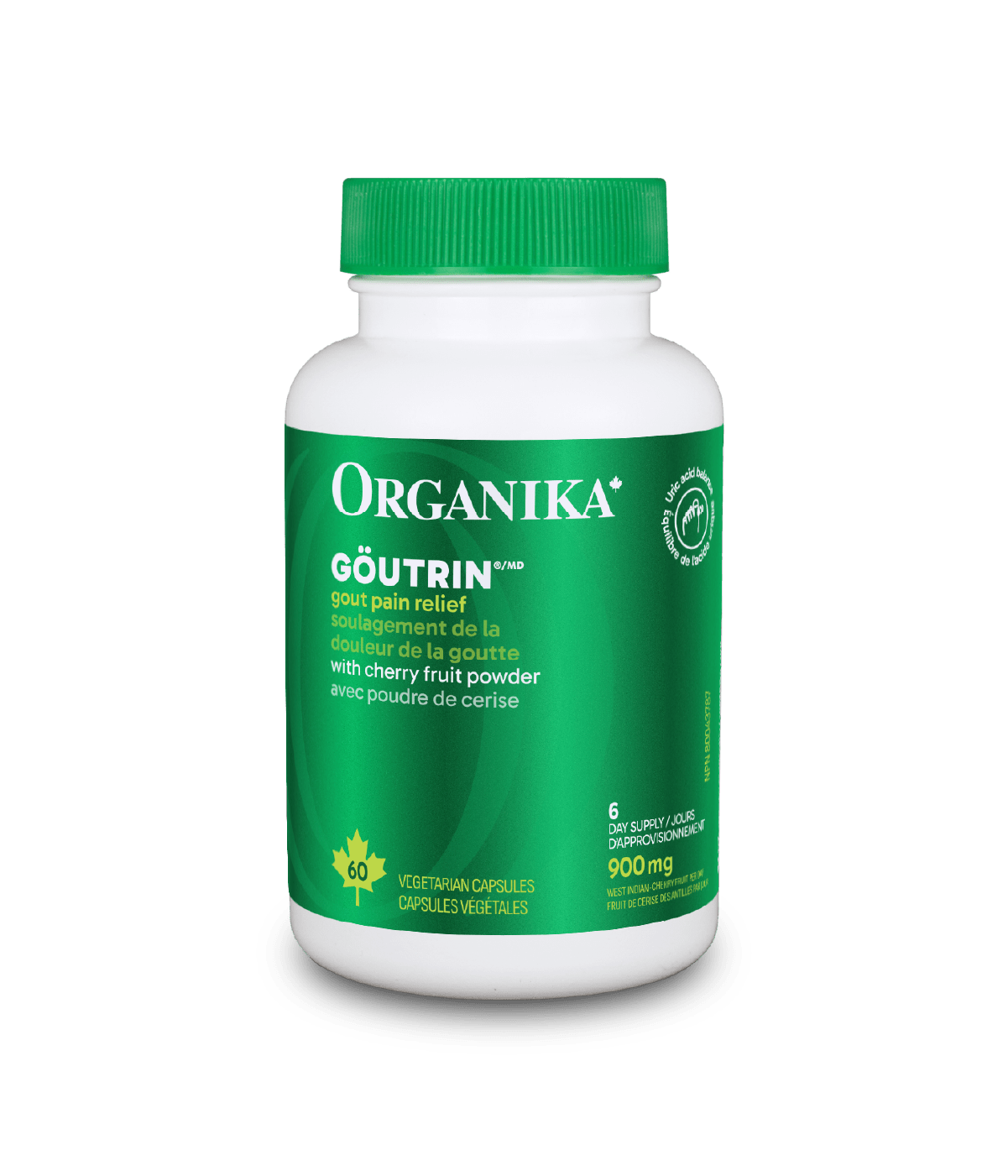
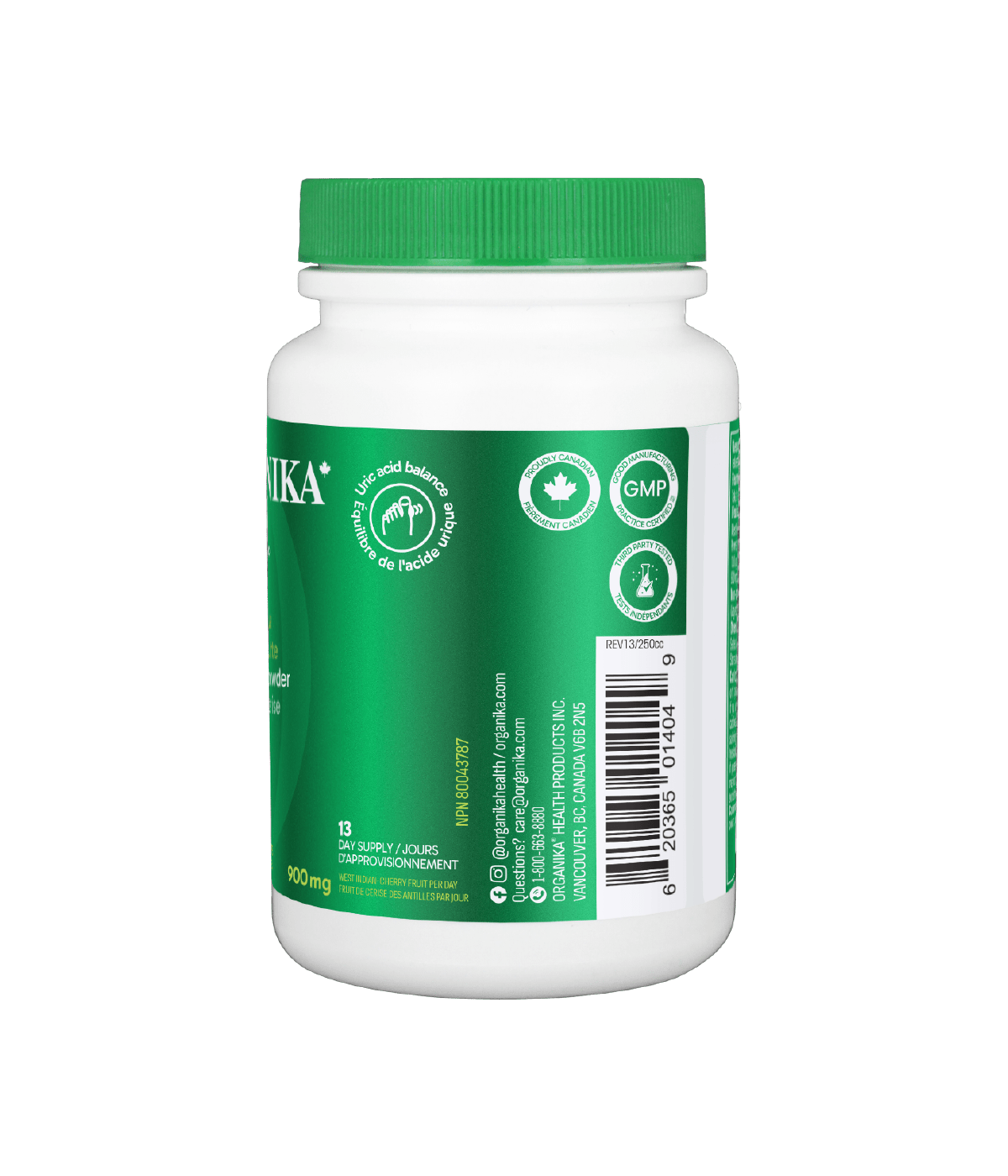
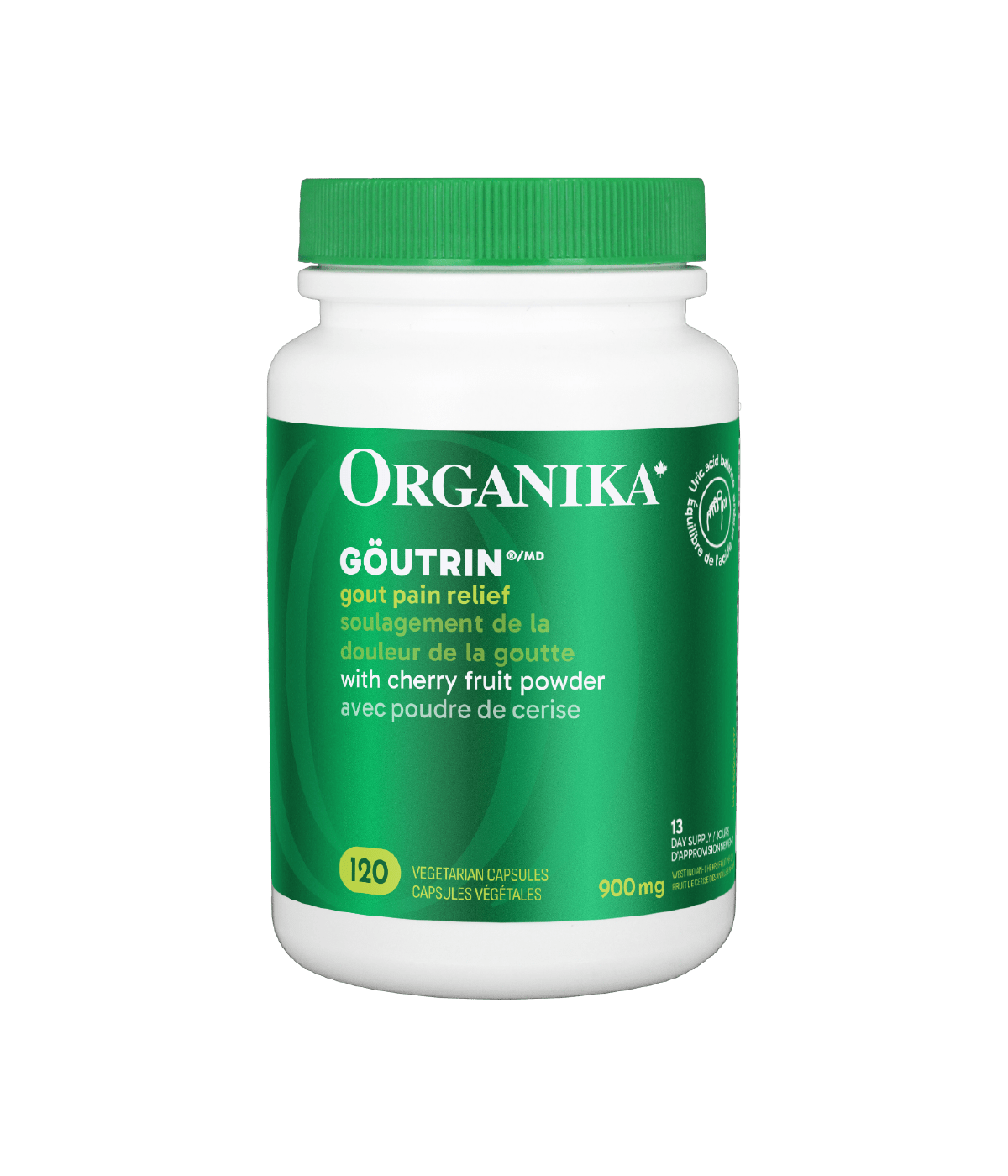
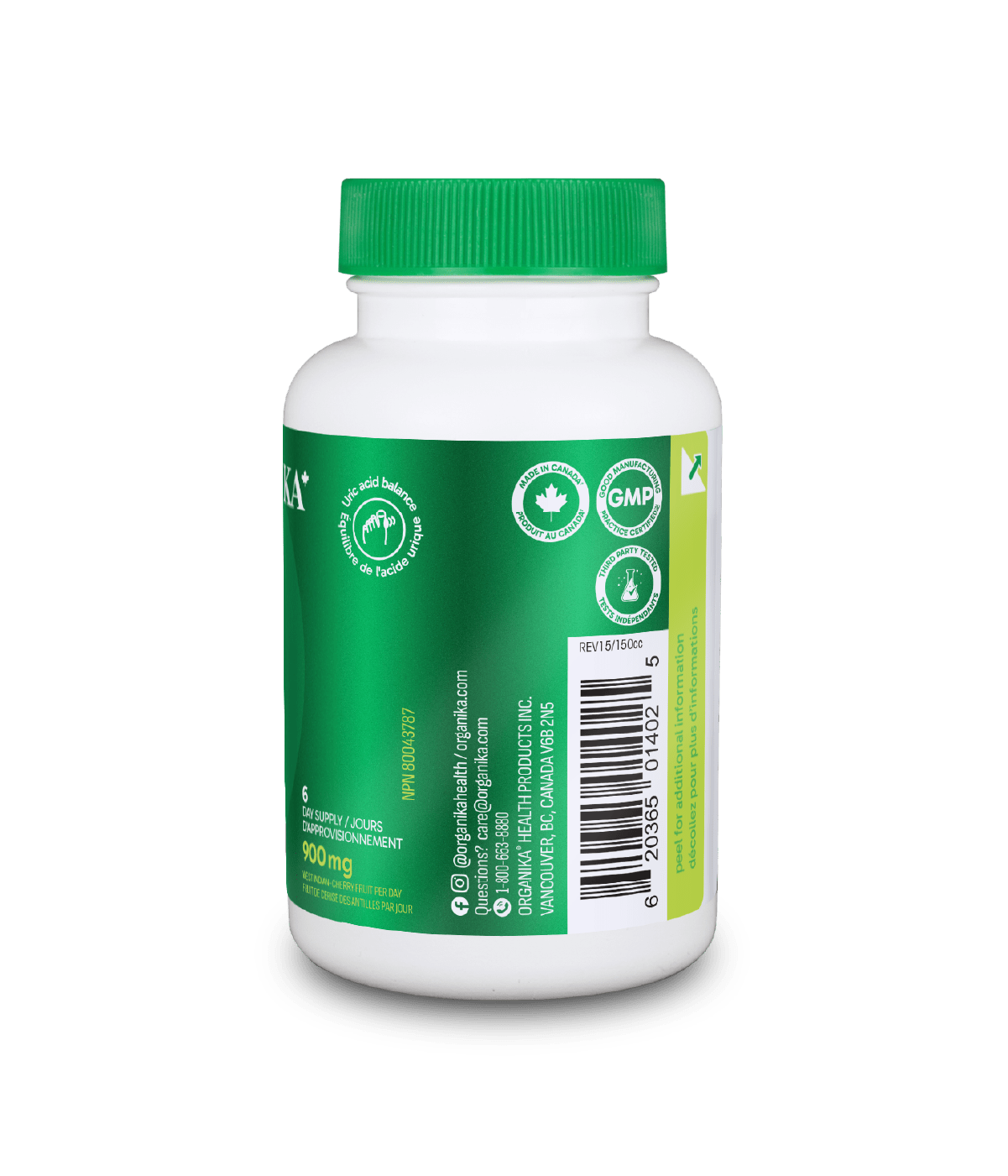
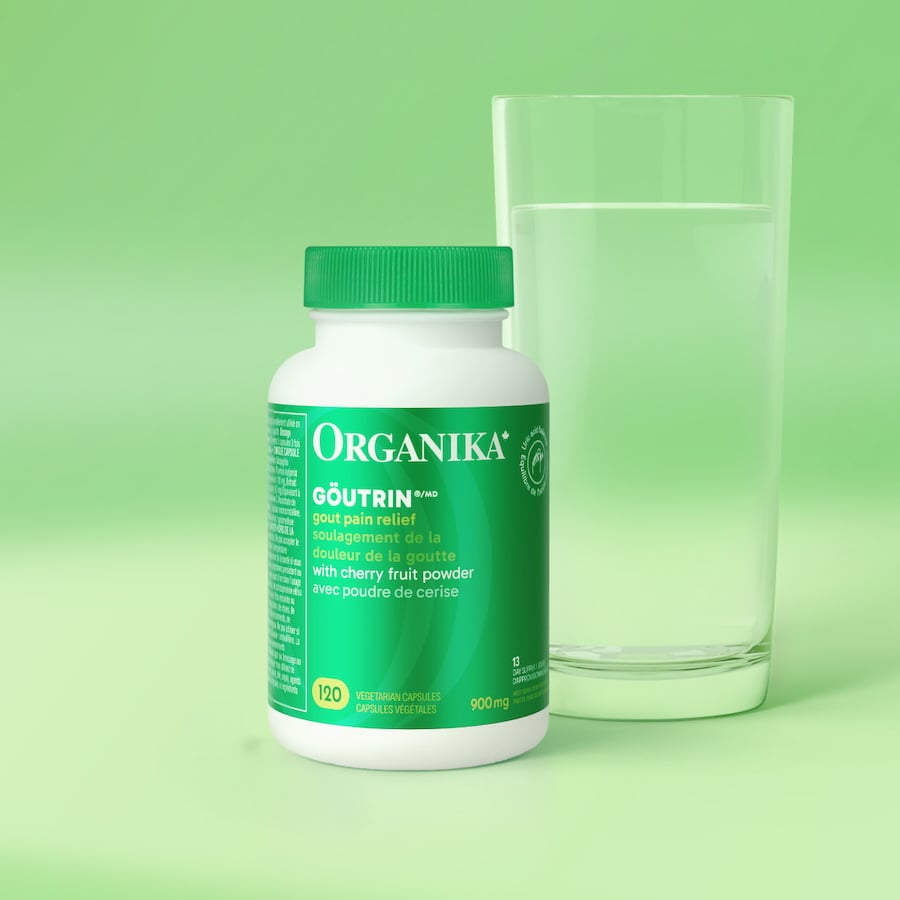
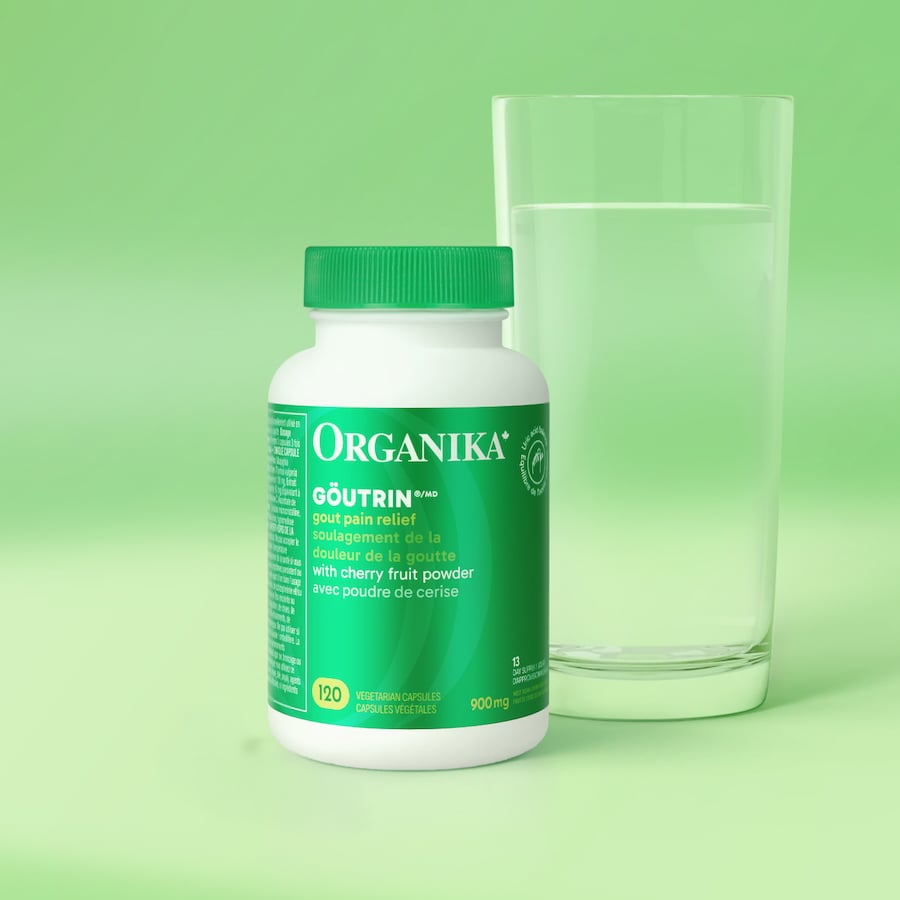
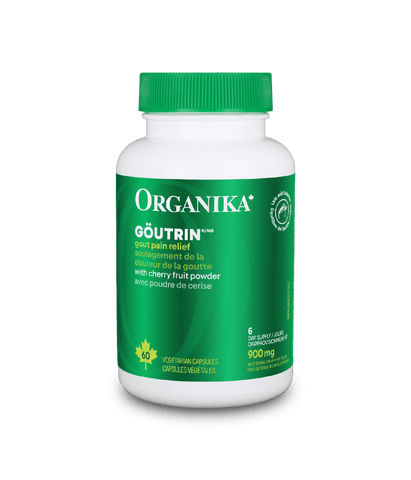
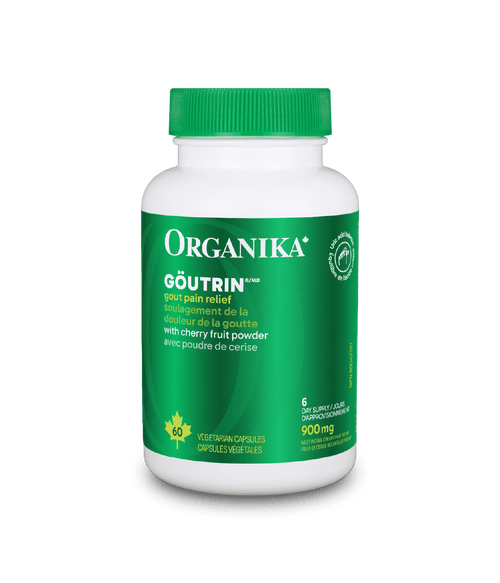
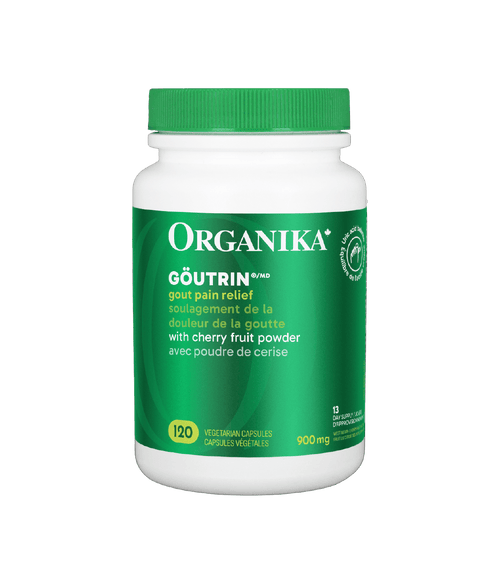
Göutrin
Tackle uric acid for gout relief and prevention
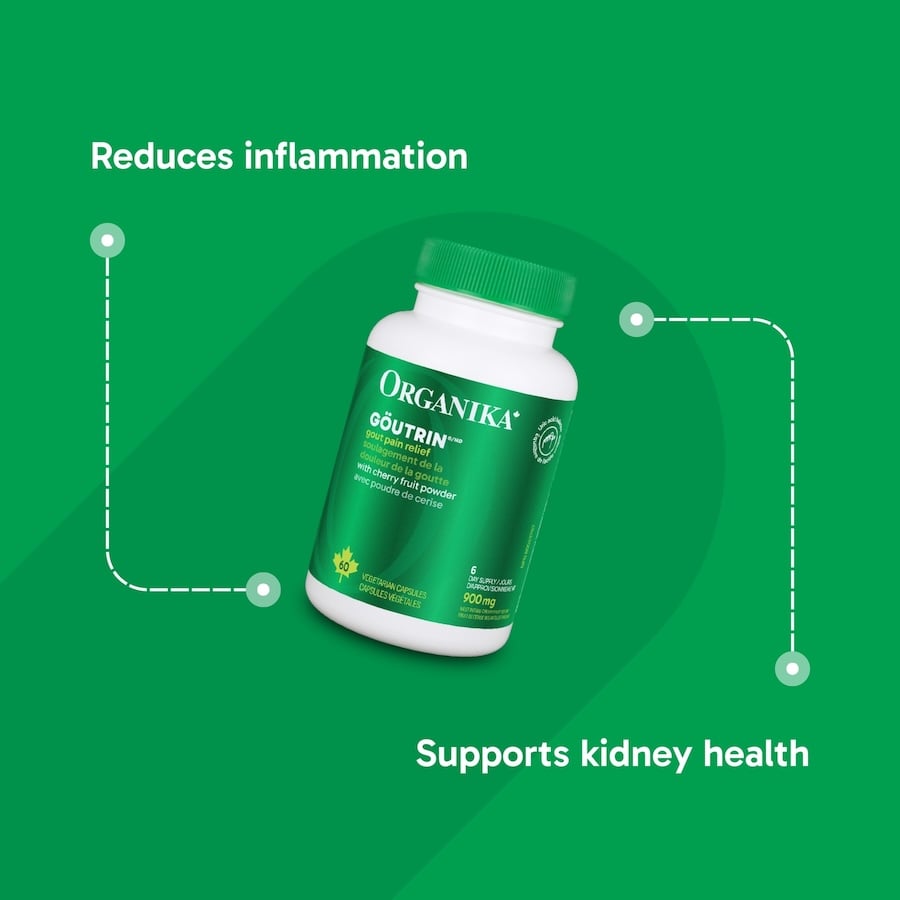
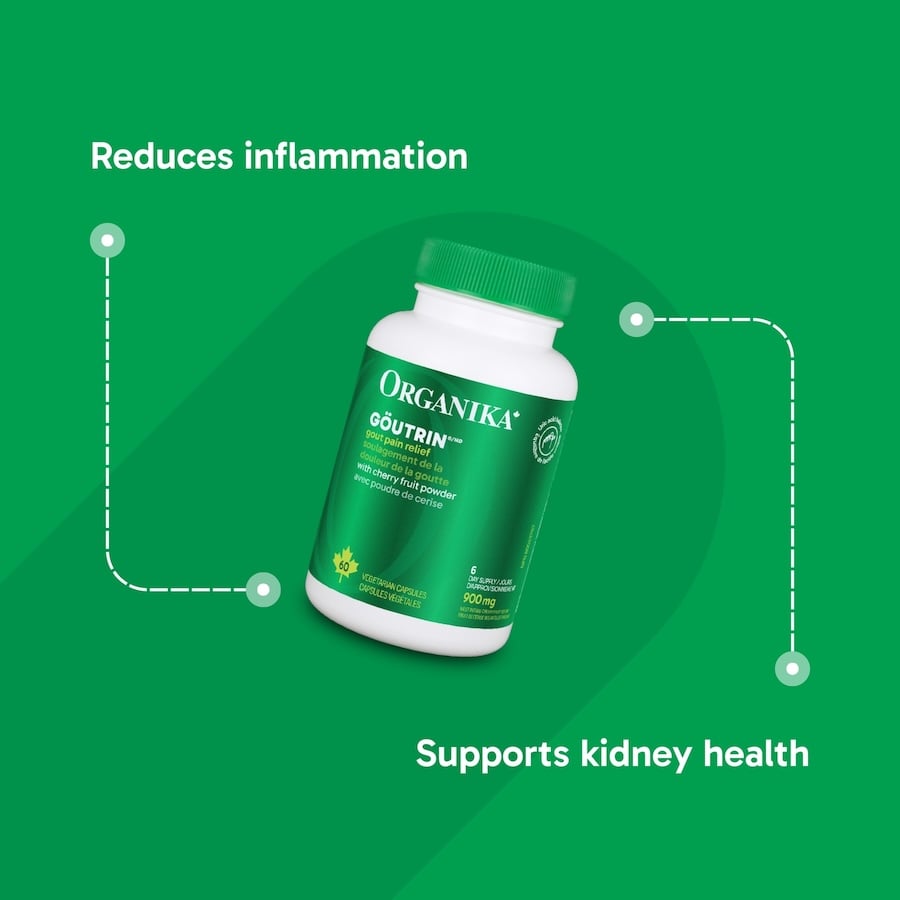
- Reduces inflammation
- Supports kidney health
- Helps lower uric acid levels
- Capsule form for ease-of-use
Couldn't load pickup availability


Notify Me When Available
Enter your email and we'll let you know as soon as this product is back
Supplement Facts
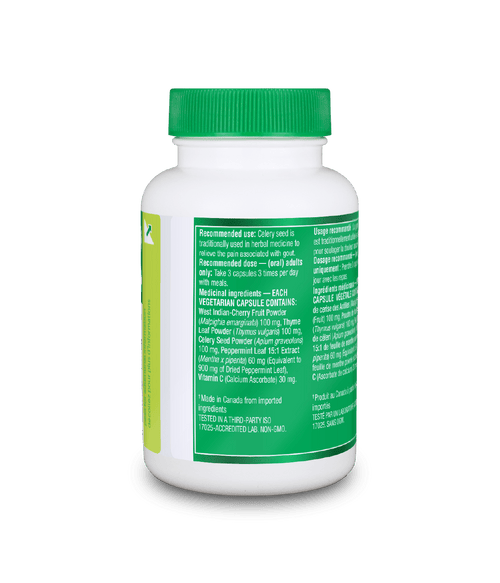
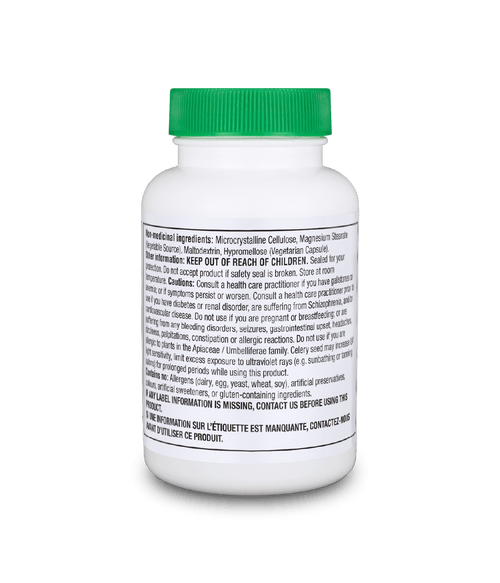
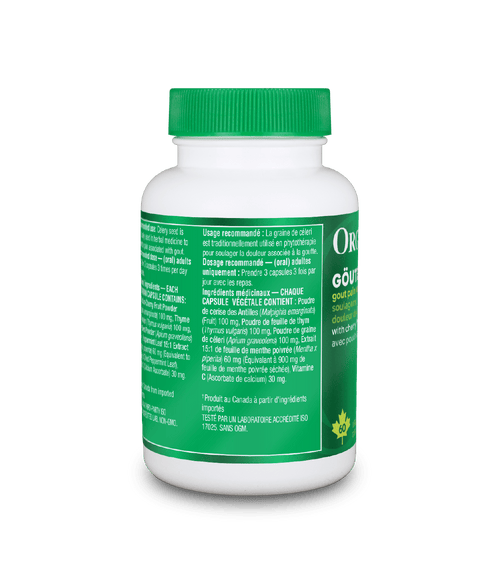
Ingredients & Nutrition


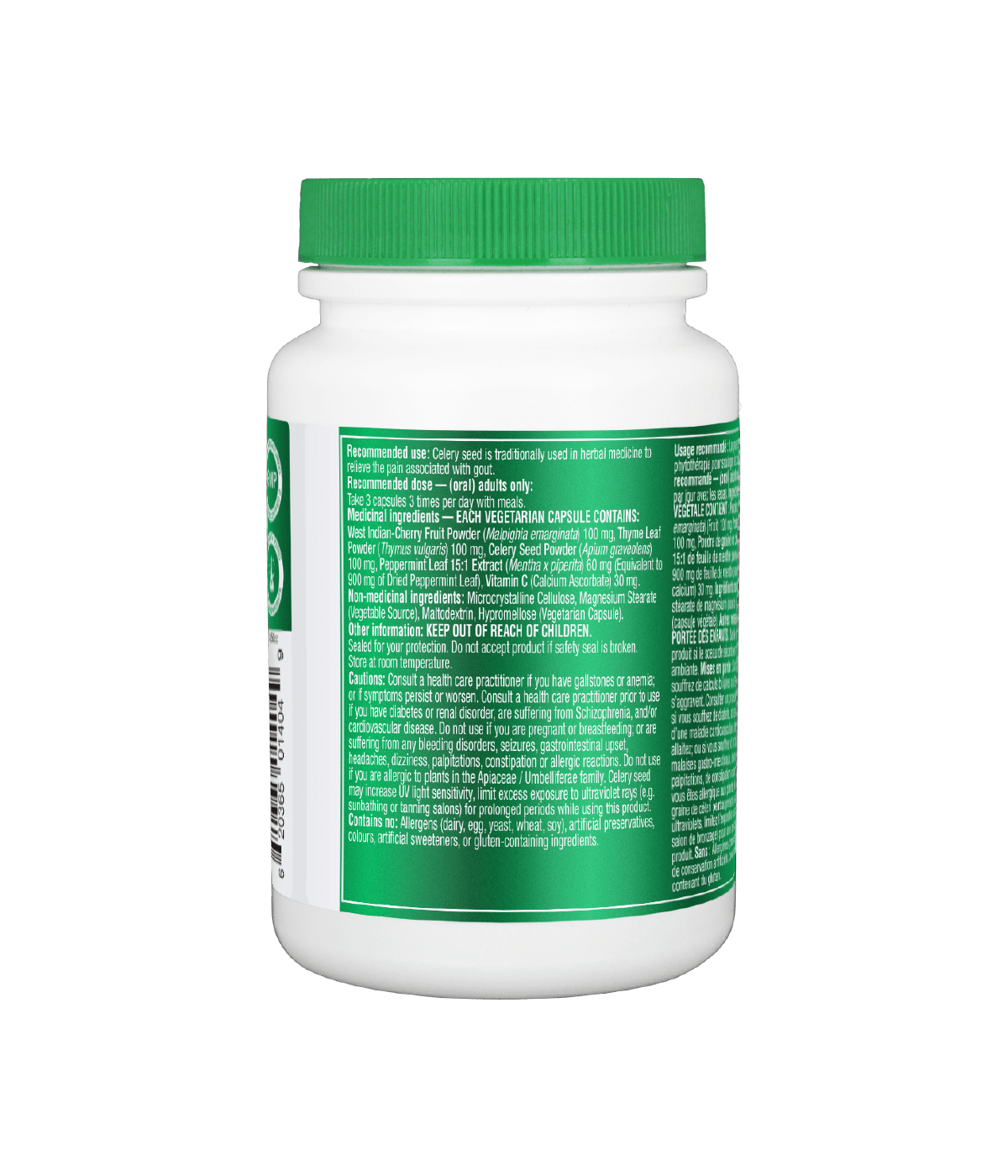
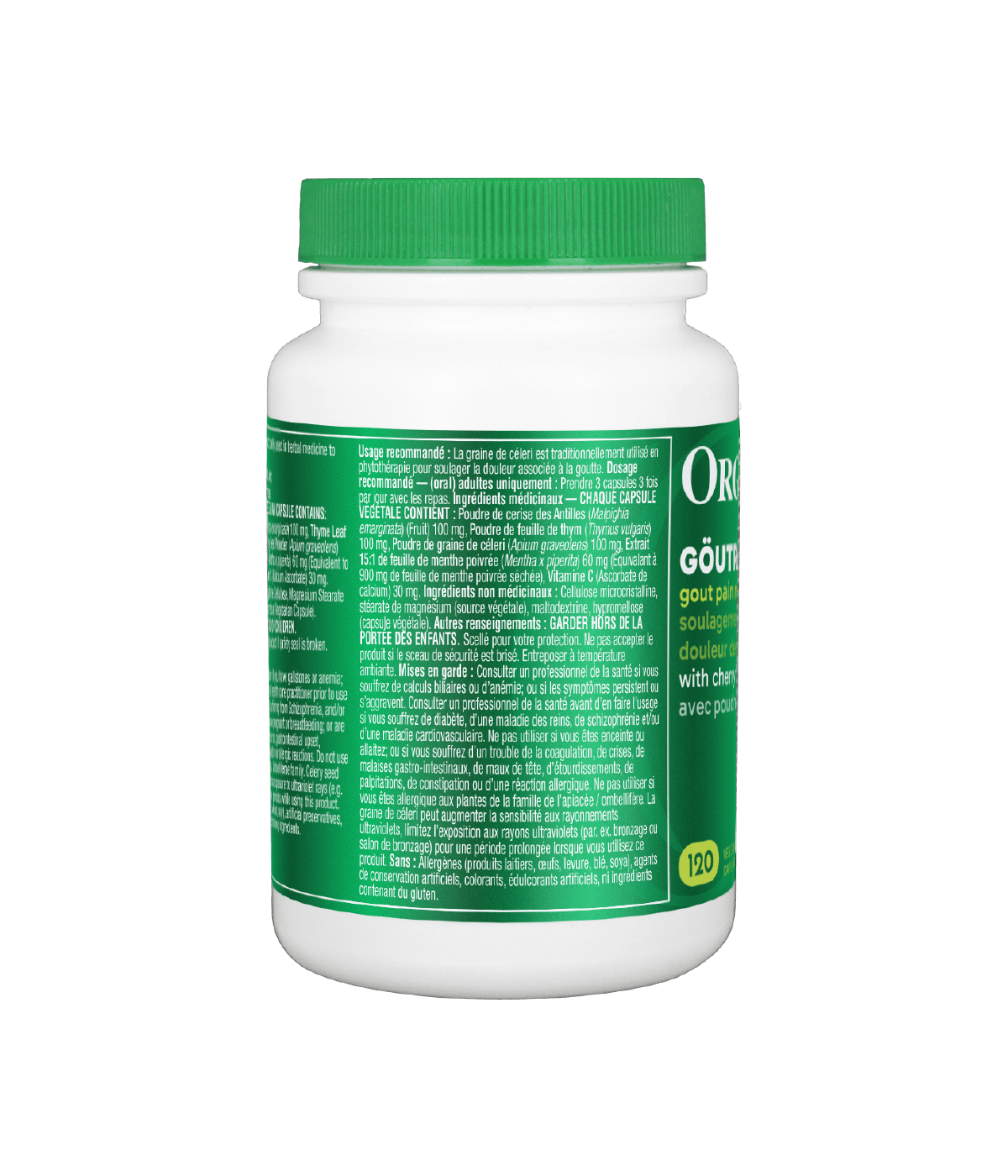
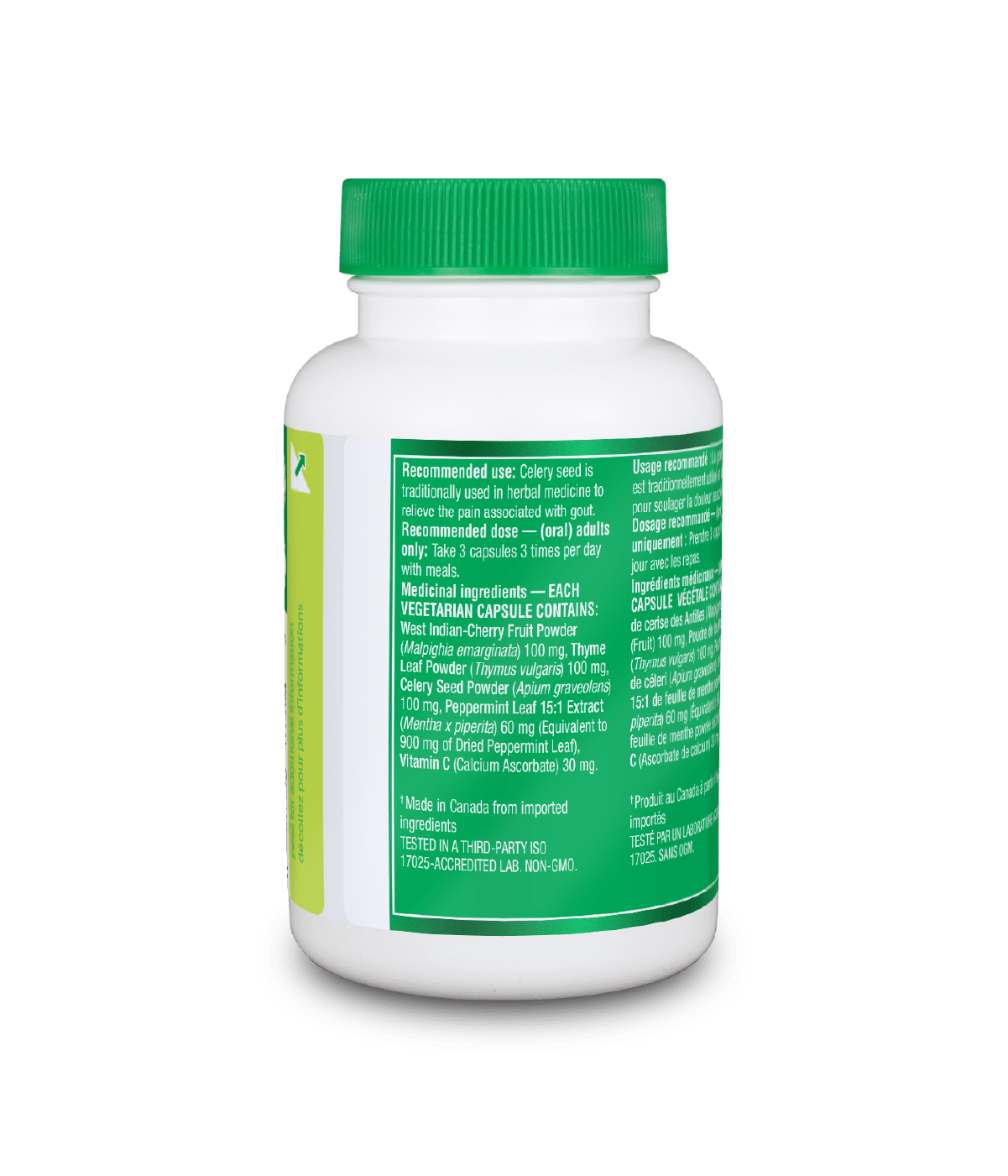
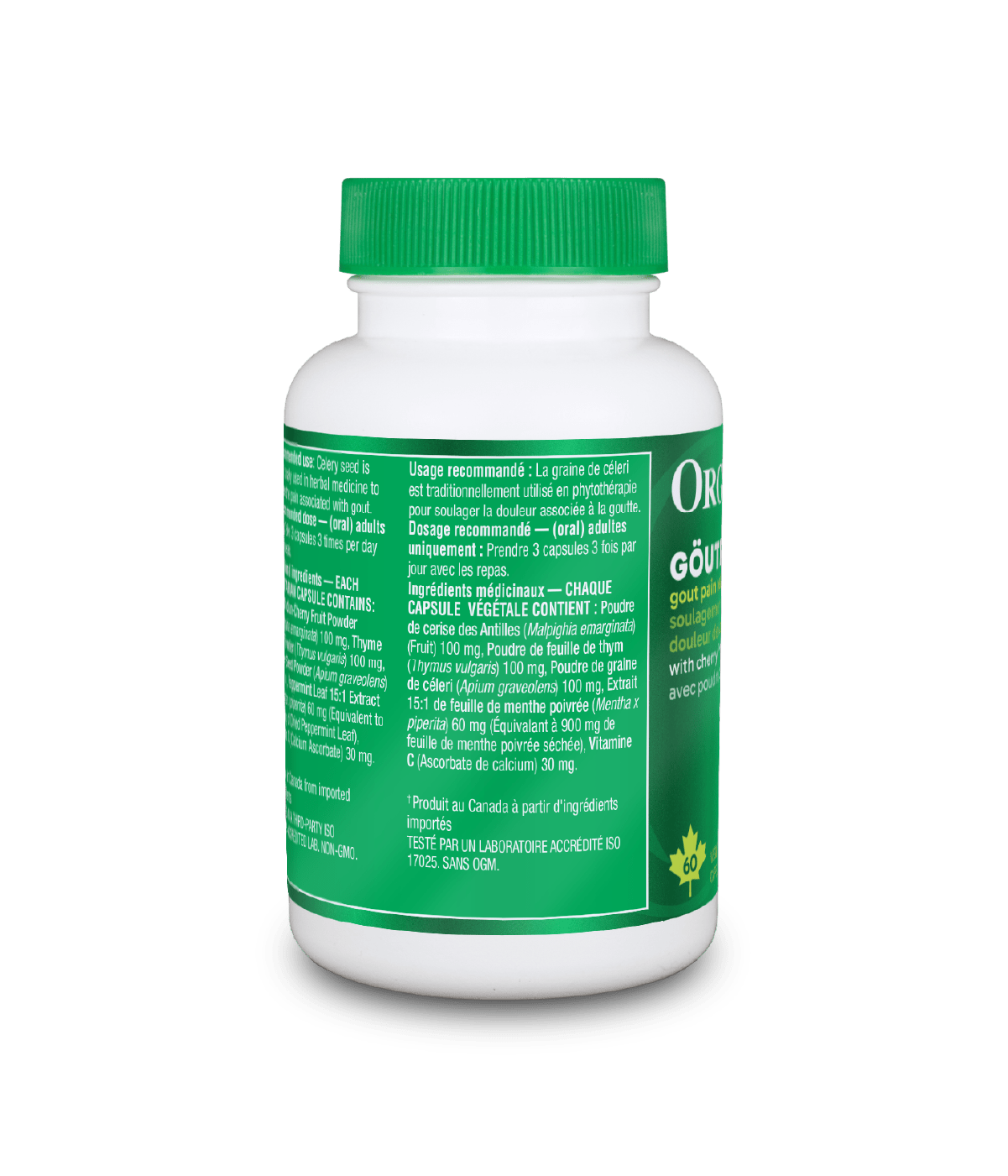
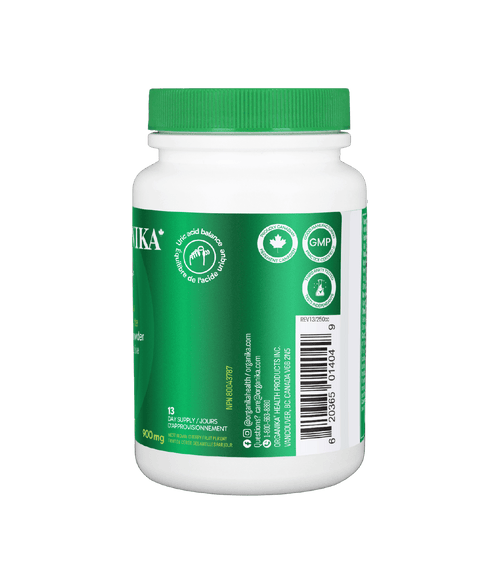
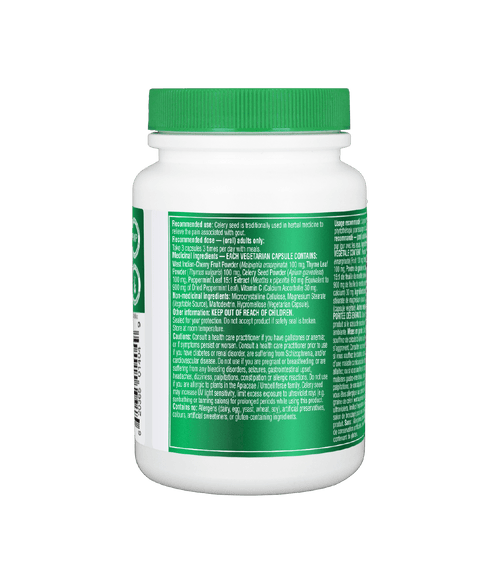
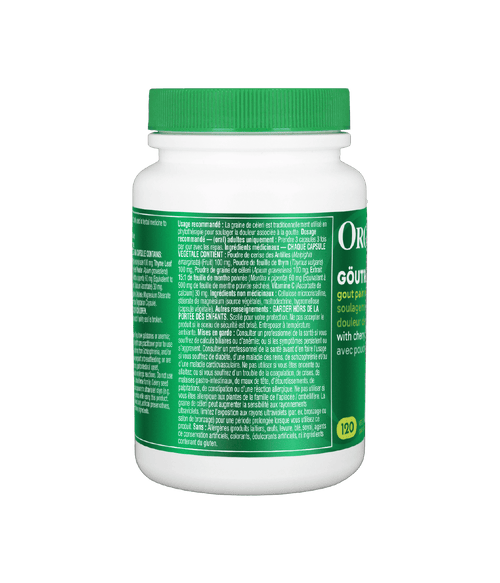
MEDICINAL INGREDIENTS - EACH VEGETARIAN CAPSULE CONTAINS: West Indian-Cherry Fruit Powder (Malpighia emarginata) 100 mg, Thyme Leaf Powder (Thymus vulgaris) 100 mg, Celery Seed Powder (Apium graveolens) 100 mg, Peppermint Leaf 15:1 Extract (Mentha piperita) 60 mg (Equivalent to 900 mg of Dried Peppermint Leaf), Vitamin C (Calcium Ascorbate) 30 mg.
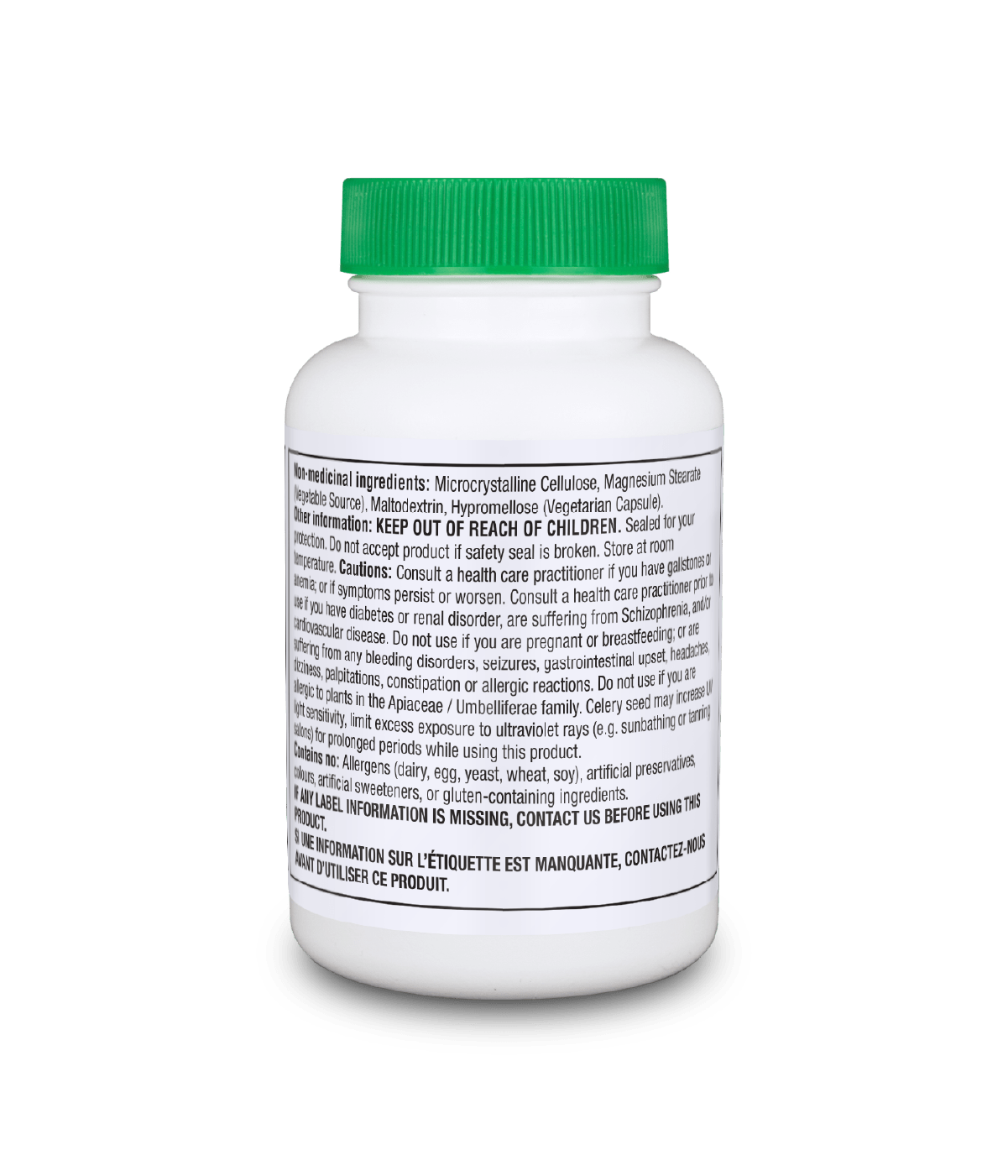
NON-MEDICINAL INGREDIENTS: Microcrystalline Cellulose, Magnesium Stearate (Non-GMO Vegetable Source), Maltodextrin, Hypromellose / Pullulan (Vegetarian Capsule).
RECOMMENDED DOSE - (ORAL) ADULTS ONLY: Take 3 capsules 3 times per day with meals.
Cautions: Consult a health care practitioner if you have gallstones or anemia; or if symptoms persist or worsen. Consult a healthcare practitioner prior to use if you have diabetes or renal disorder, are suffering from Schizophrenia, and/or cardiovascular disease. Do not use if you are pregnant or breastfeeding; or are suffering from any bleeding disorders, seizures, gastrointestinal upset, headaches, dizziness, palpitations, constipation or allergic reactions. Do not use if you are allergic to plants in the Apiaceae / Umbelliferae family. Celery seed may increase UV light sensitivity, limit excess exposure to ultraviolet rays (e. g. sunbathing or tanning salons) for prolonged periods while using this product.
Is This Right for You?
Are you looking for a natural way to support healthy uric acid levels?
Do you want to reduce inflammation while also protecting joint tissue?
Are you looking for a non-pharmaceutical option to help manage uric acid naturally?
If you answered "yes" to any of the above, this product is right for you.

-
Helps lower uric acid levels
-
Capsule form for ease-of-use
Ingredients & Nutrition
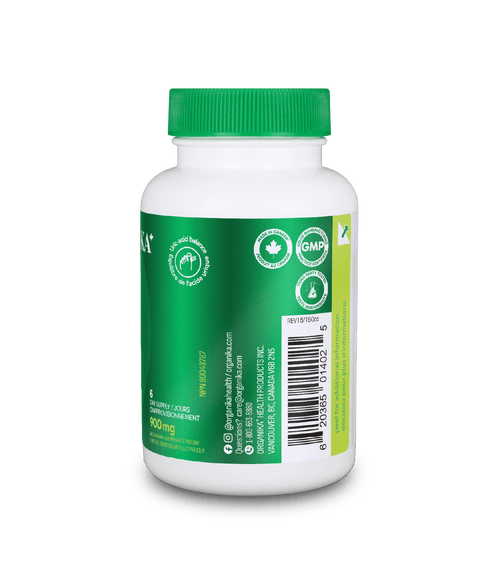
Gluten-Free
Non-GMO
Vegan Friendly
This blend offers uric acid balance and inflammation support to help relieve and prevent gout
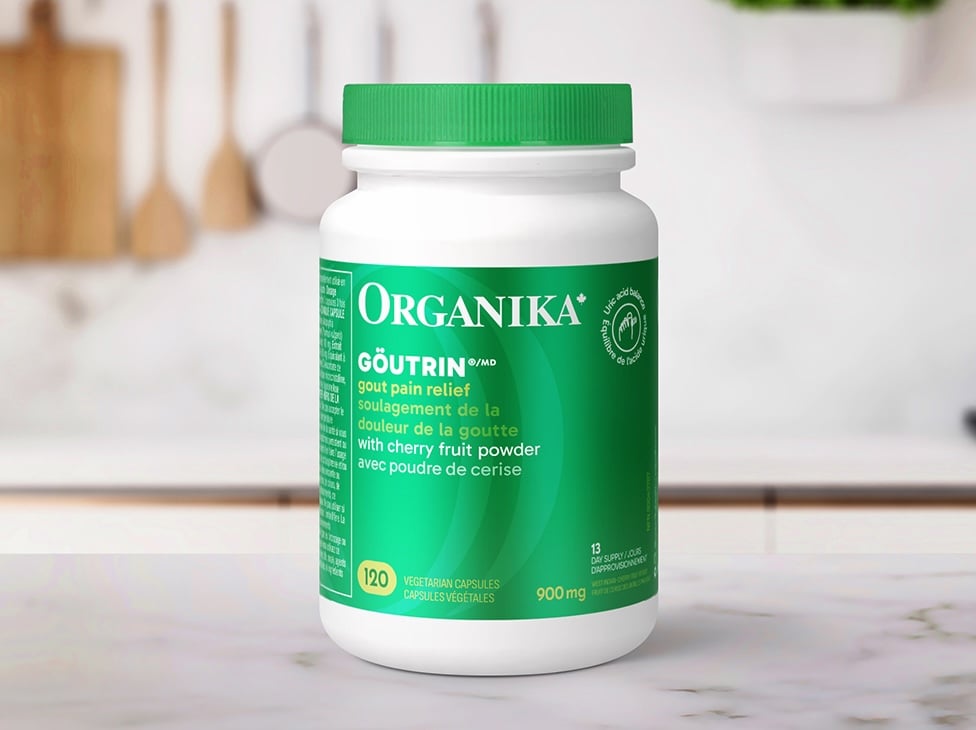
The Full Scoop
-
Helps lower uric acid levels
-
Capsule form for ease-of-use
Designed to combat gout from all angles, Göutrin is a targeted blend that brings together some of the most researched, naturally supportive ingredients to help you manage uric acid. At its heart is cherry powder, which has been linked to a 35% reduced risk of gout attacks. It works by blocking urate reabsorption in the kidneys and encouraging its excretion, helping to lower overall uric acid levels. We've also included vitamin C, an antioxidant shown to reduce inflammation and support collagen production for healthy joints. Celery seed adds another dimension, acting as a natural diuretic to help flush excess uric acid, while thyme and peppermint contribute apigenin, a flavonoid known to inhibit xanthine oxidase (the enzyme that drives uric acid production). The result is an all-in-one capsule designed to target the root causes of gout flare-ups while also supporting joint comfort, mobility and overall wellness.
Ask Away
We’ve got the FAQs covered. But if you’re still stuck, we’re only a message away.
Get in TouchWho is most susceptible to gout?
Gout is most common in men, though women after menopause are also susceptible. Contributing factors include hypertension, cardiovascular disease and obesity. It can also have a genetic component, so if others in your family have gout, your chances may be higher.
What can contribute to a gout flare-up?
Flare-ups of gout can be triggered by stressful events, alcohol or drugs, or cold weather.
What about dietary choices?
Uric acid comes from the breakdown of a substance called purine. Purines naturally occur in the body, and are also found in some foods in our diet. These include meat, poultry, and seafood. Hereís a more specific list of high-purine foods:
Anchovies
Beef kidneys
Grains
Game meats
Gravy
Herring
Liver
Mackerel
Sardines
Scallops
Sweetbreads
Decreasing these foods in your diet may have a small impact on your uric acid levels. Though asparagus, dried beans and peas, and mushrooms are high in purines, research has shown they do not impact blood oxalic acid levels, therefore do not contribute to gout.
What can I do to decrease my chances of getting gout or having a recurrence?
If gout runs in your family, or to decrease your risks of occurence, drink plenty of water (a minimum of two litres), achieve an ideal body weight, and avoid alcohol. Alcohol interferes with the natural removal of uric acid through the kidneys. Switch to water to dilute wastes like uric acids being flushed through the kidneys and out via urine.
You'll Likely Also Love...
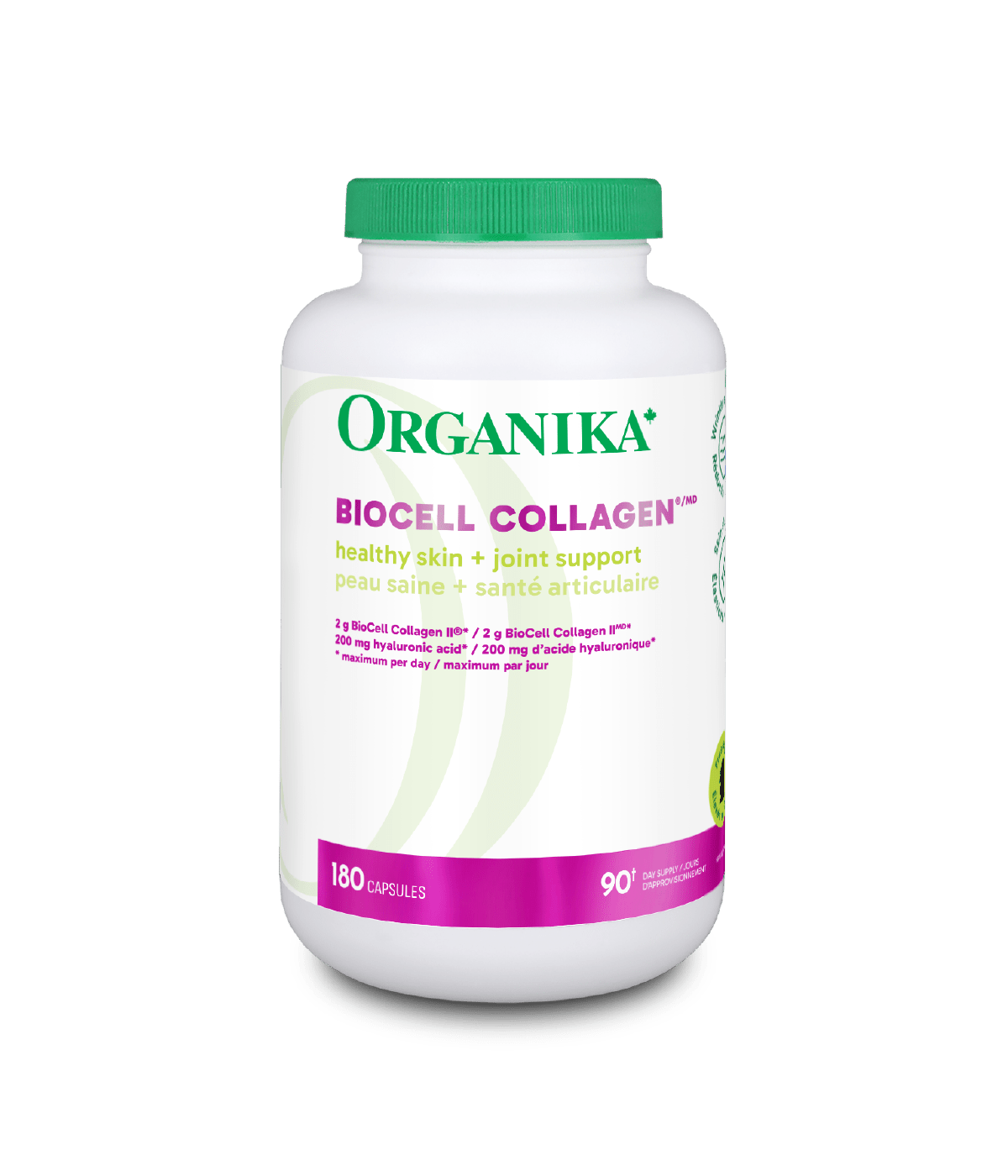
BioCell Collagen Capsules
Reduce joint stiffness and increase skin elasticity in one easy capsule
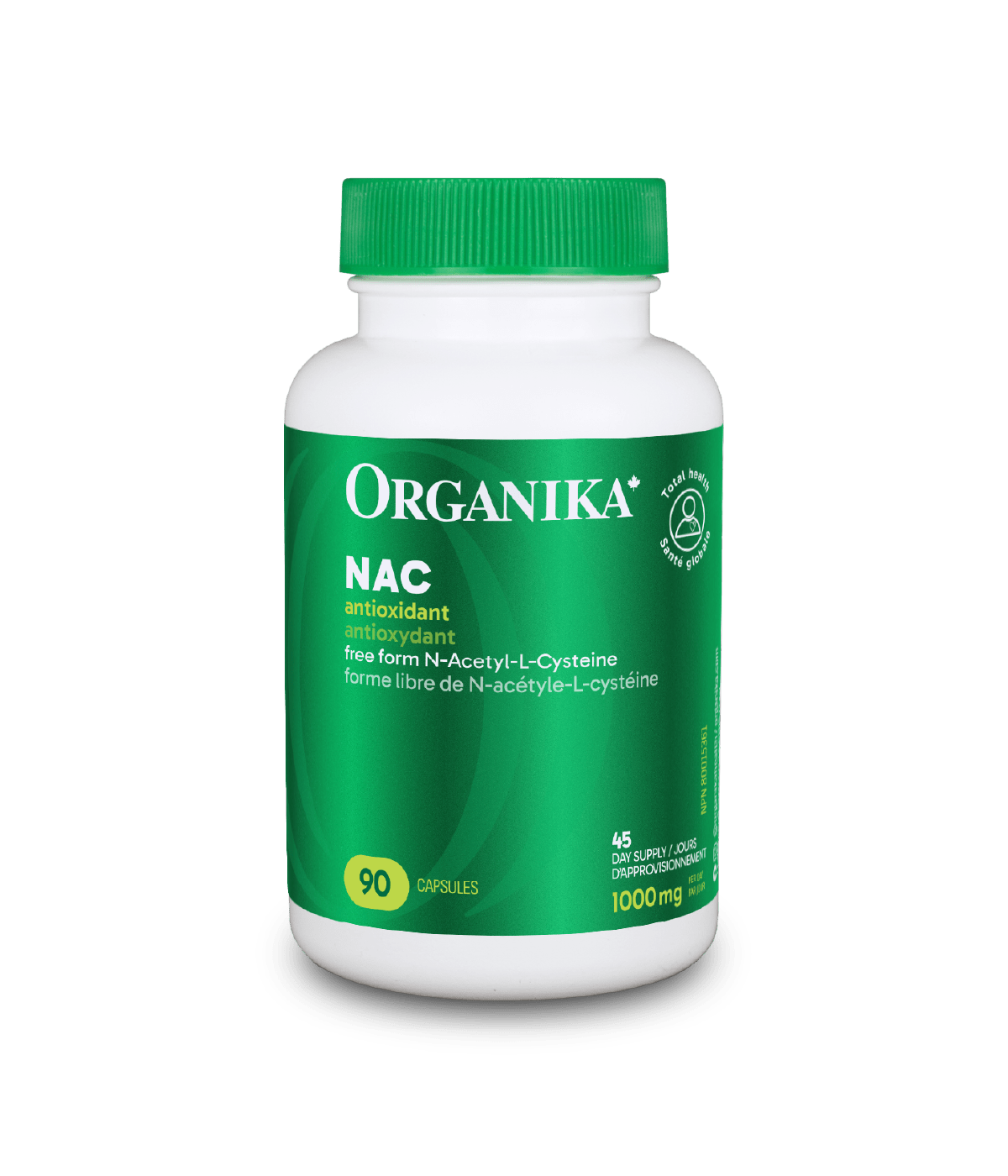
NAC (N-Acetyl-L-Cysteine) Capsules
The foundation of cellular defence
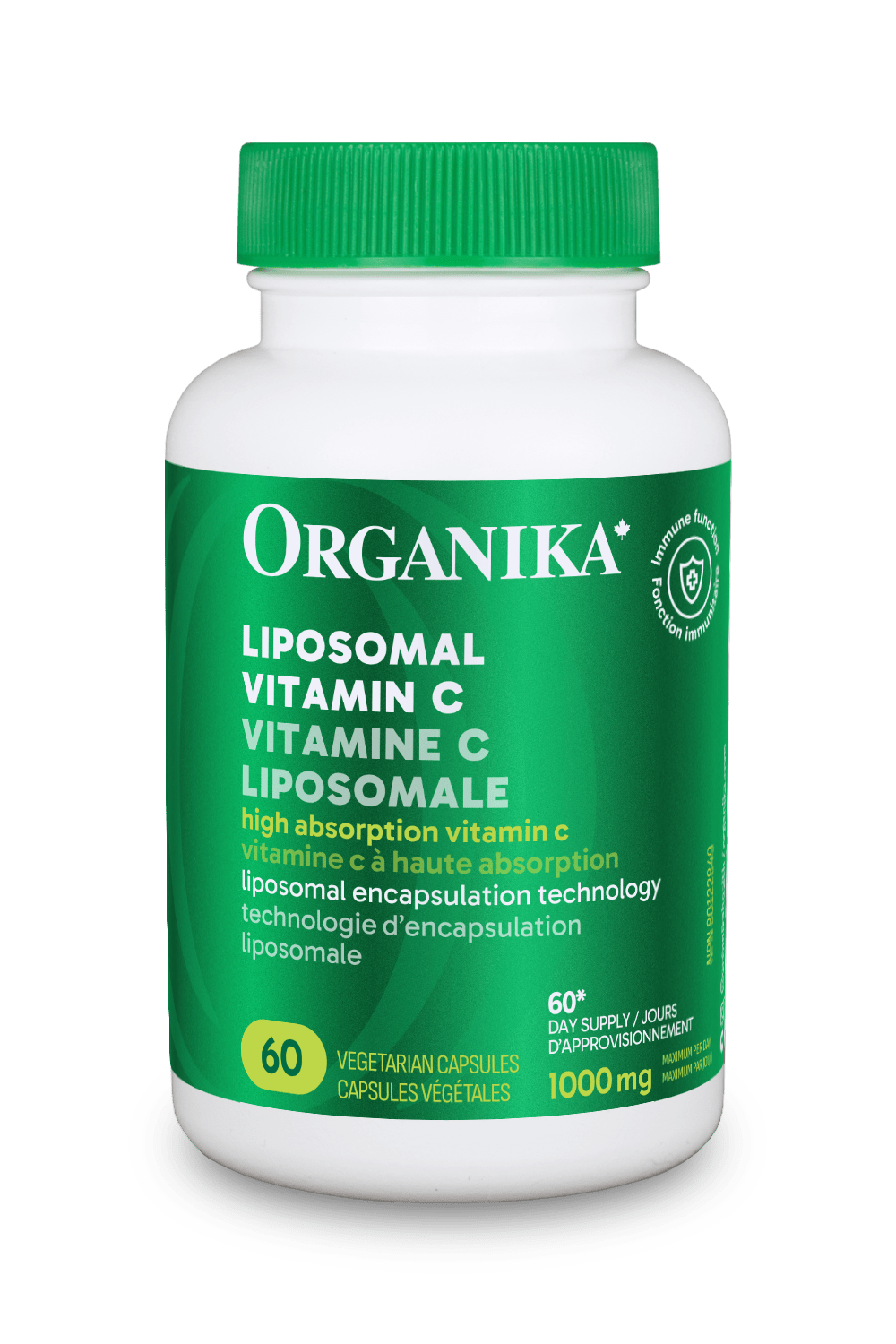
Liposomal Vitamin C
A highly absorbable form of Vitamin C to support immunity and more
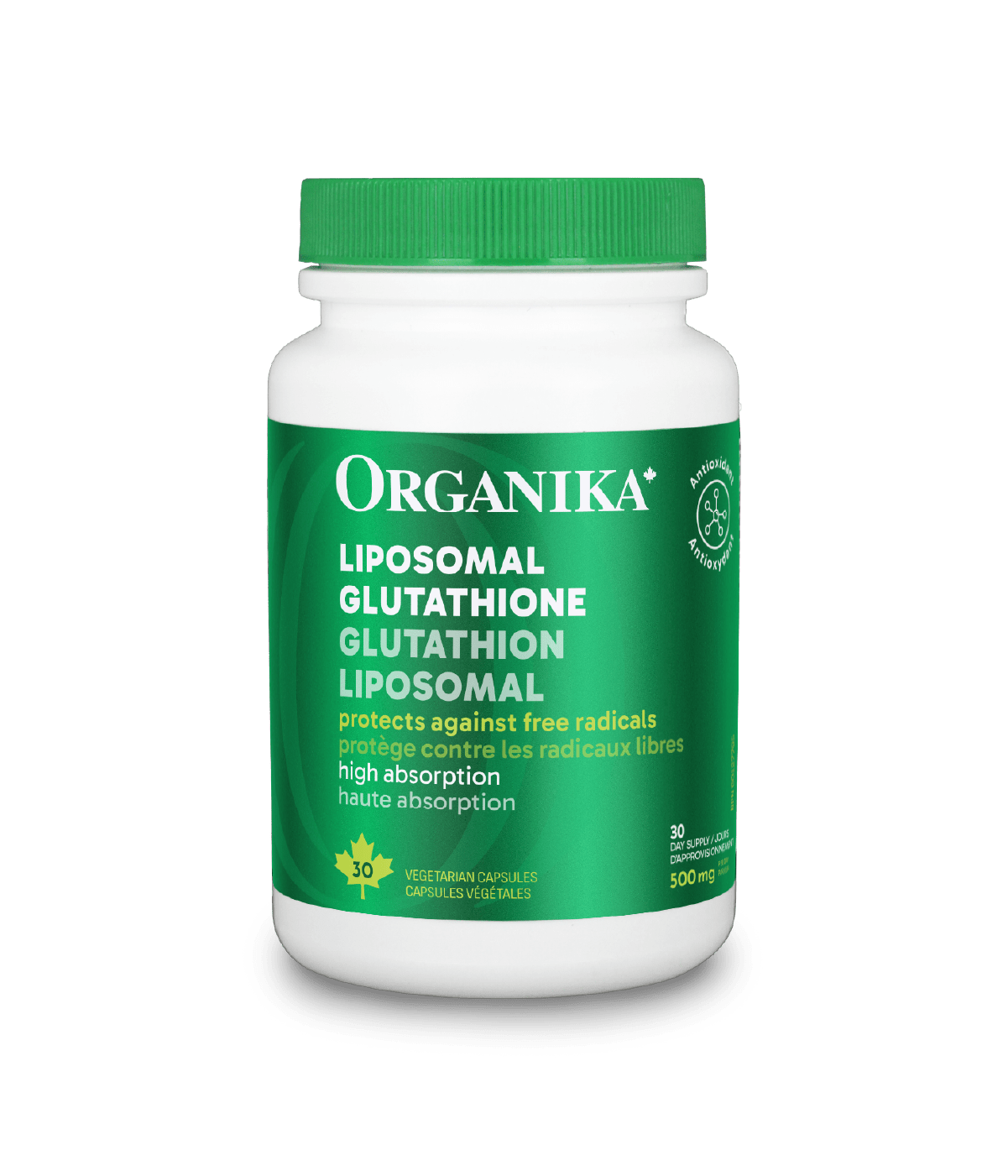
Liposomal Glutathione
A hightly absorbable form of Glutathione antioxidant to protect your cells
Support Beyond Products

It’s time we talked gout, and about joint pain that affects many of us. Ever woken up with a stiff neck? How about right now, is your back stiff from sitting at your computer, currently reading this article? For the most part, we all experience joint pain to some degree due to athletic endeavours, long days at the office and the thing that we refer to as “kids.” But could you imagine having joint pain all the time? For those who suffer gout, you know this feeling all too well. Known as the “malady of kings,” gout is a form of arthritis that causes pain and inflammation within joints, leading to spikes of joint pain and significantly reduced mobility. What is Gout? Gout comes in acute and chronic attacks, causing sharp bouts of pain in joints (especially the big toe) or prolonged joint pain, respectively. Either way, gout can seriously hinder movement through joint pain and inflammation, making everyday activities near impossible. Accounting for approximately 5% of arthritis cases, statistics reveal that although gout is 3 times as prevalent in men than women and affects those primarily in their 40’s/50’s, gout can afflict anyone, of any age.1 In some cases, gout has been known to manifest even as early as after puberty. In addition, gout is more prevalent in those with kidney disease, since uric acid is processed in the kidneys. The Culprit? Dietary, genetic and environmental factors cause a spike in a chemical called uric acid, which is normally processed by the kidneys. If uric acid rises to excess levels then uric acid crystals begin to form around joints, resulting in the characteristic joint pain, inflammation and redness with joints. The Good, The Bad, And The Goutrin. Bad news: As a form of arthritis, gout has no known cure. Good news: There are options to effectively manage symptoms, and reduce gout flare up frequency and severity. Take Goutrin™, an organic blend of 5 potent antioxidants that have been proven to reduce uric acid within joints and reduce the frequency of gout flare-ups! Each vegetarian cap contains cherry, thyme, and celery seed powder, as well as vitamin C and peppermint extract, containing potent procyandins and phytochemicals that reduce the symptoms of redness, inflammation, and overall joint pain. The result? Better mobility, less joint pain, and a reduced severity of gout caused joint pain throughout the body – especially the knees, and peripheral joints in hands and feet. Combined with regular exercise, adequate water intake and a diet rich in healthy fats like omega-3 fatty acids and medium chain triglycerides, Goutrin™ helps to encourage healthy cartilage for joint cushioning, and reduces uric acid leading to gout pain. Reference 1 http://gout.readabout.org/2012/08/02/gout-statistics/
read more
Struggling with gout and wondering what to do about it? Get the answers to your questions and learn how to deal with gout naturally. If you’ve been diagnosed with gout, you’d probably do almost anything to avoid the excruciating joint pain that comes with an attack. Determining which natural therapies will most effectively manage your symptoms requires some education. You need to know why your joints feel like they’re screaming at you. So let’s talk about what’s happening on the inside and learn how to deal with gout. What is gout? Gout is a form of inflammatory arthritis. It occurs when uric acid crystallizes in the joints. It causes swelling, redness and pain that can last anywhere from a few days to a few weeks. The pain can be excruciating and downright debilitating during attacks. The big toe is a common place for gout pain to occur. But the pain can also be in other joints, such as the hands, wrists or ankles. If gout gets left untreated, it can lead to painless lumps of uric acid crystals that form under the skin and around the joints. These lumps are called tophi, and in some cases they may restrict movement. Where does uric acid come from? Uric acid happens when the body breaks down purines. We consume purines in the foods that we eat. In fact, purines are found in the cells of plants, animals and even humans. Some foods, like shellfish, or organ meats have higher levels of purines. A high level of uric acid in the blood can form needle-like crystals that build up in joints and soft tissues. Who’s at risk? Four times more men than women get gout. It commonly develops in men between the ages of 30 and 50. Women affected, typically develop symptoms after menopause. Gout affects up to 3% of the adult population in Canada. But, why me? There are a number of factors that can contribute to the development of gout. Genetics: Genes can affect the kidney’s ability to filter uric acid from the blood. If the kidneys can’t filter uric acid efficiently, levels can elevate in the body. Hyperuricemia: Hyperuricemia is a condition of elevated uric acid. It can be from an overproduction within in the body, or because the kidneys fail to efficiently process the uric acid. Not all individuals who experience hyperuricemia develop gout, but it does increase the risk. Diet: Certain foods high in purines can act as triggers for gout attacks. High purine foods include red meat, organ meats, shellfish, asparagus, mushrooms and alcohol. Okay, so to recap, we’ve established that gout is an inflammatory form of arthritis. It hurts, A LOT. We can blame uric acid. Which may be too high for a number of reasons. And now we’re ready to get it under control. So, what can I do to deal with gout? Maintaining a healthy diet and lifestyle can help to manage symptoms associated with gout. Here are some tips to help guide you in the right direction: Reduce your intake of purine-rich foods: That means foods like red meat, organ meats, some types of seafood like shellfish, lentils etc. Eat cherries: A diet rich in fruits and vegetables is overall beneficial, but studies actually show that eating cherries can reduce the occurrence of gout attacks. Eat an anti-inflammatory diet: An anti-inflammatory diet can help to reduce overall inflammation in the body. That includes pain associated with joint inflammation. Avoid or reduce alcohol intake: Some types of alcohol contain high amounts of purines. Beer especially. Sorry men. Drink plenty of water: Water is essential for maintaining kidney health. Why does this matter? Uric acid is filtered through the kidneys for excretion. Maintain a healthy weight: Being physically active is great for overall health, but it’s also great for healthy weight management. Overweight people are more likely to experience gout, while exercise can also help to reduce uric acid levels. Supplement right: Goutrin is a powerful combination of five effective ingredients. It works to reduce uric acid levels while relieving joint pain, stiffness and inflammation. Goutrin contains cherry fruit powder, peppermint, thyme, celery seed and vitamin C that helps to manage the symptoms associated with gout. It also provides antioxidants to reduce oxidative stress on joints. References: 1. http://articles.mercola.com/sites/articles/archive/2012/10/15/cherries-reduce-gout-attack-risks.aspx 2. http://www.mayoclinic.org/healthy-lifestyle/nutrition-and-healthy-eating/in-depth/gout-diet/art-20048524 3. http://blog.arthritis.org/gout/gout-flare-patient-story/#more-77 4. https://www.nlm.nih.gov/medlineplus/ency/article/003476.htm 5. Balch, Phyllis A. (2010) Prescription for Nutritional Healing. New York, New York: Penguin Group
read more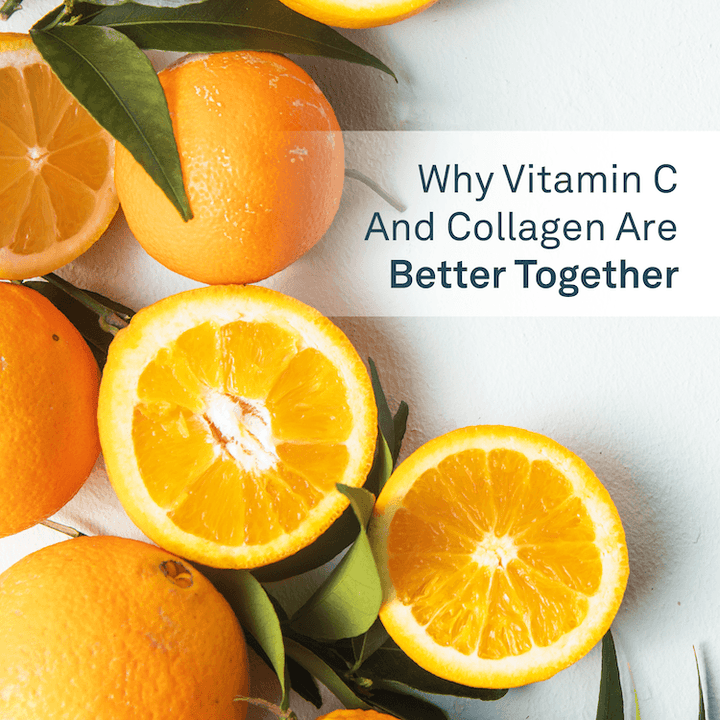
It seems that everyone—from celebrities and influencers to everyday people—has been sharing their skincare routines on social media, and the obsession with health, wellness, and glowing skin isn’t going anywhere. As a pioneer in natural health, Organika has been creating high-quality, affordable wellness products for over 30 years, making it easy to support your glow from the inside out. Two of the most loved (and most relevant) supplements for a skincare-focused routine are collagen and vitamin C. Vitamin C and Collagen Benefits Collagen’s Role in Skin Care Collagen has been a major focus in wellness and skincare over the past few years — and for good reason. Anyone in their mid-twenties can benefit from collagen supplementation. Natural collagen production begins to decline in our mid-to-late 20s, decreasing by approximately 1% per year. By the age of 40, this decline accelerates significantly. As collagen levels decrease, common signs of aging appear, including wrinkles, dry skin, reduced elasticity, joint stiffness, lower energy levels, and slower recovery from physical activity. Collagen is essential not only for healthy skin, hair, and nails, but also for supporting joint health, muscle recovery, and gut health. This is why many people choose collagen powder, collagen peptides, and other collagen supplements for skin and joints as part of their daily wellness routine. Vitamin C’s Role in Skin Care Vitamin C is best known for supporting immune health, thanks to its powerful antioxidant role in helping protect the body’s cells. But it’s just as important for skin. Your skin naturally holds high concentrations of vitamin C, where it helps drive collagen production and supports the repair process—like wound healing and the appearance of scars—while also providing antioxidant protection against everyday stressors, including UV exposure. Because of its close relationship with collagen, vitamin C can help support skin firmness, texture, and hydration over time. While fruits and vegetables are great sources (and should be part of any skin-supporting routine), many people also choose a vitamin C supplement to help keep their intake consistent day to day. Overall, it’s a simple, foundational nutrient that benefits both whole-body wellness and healthy-looking skin. Can I Use Collagen and Vitamin C Together? Yes, and it’s recommended. Collagen and vitamin C supplements work better together. Vitamin C helps stimulate the body’s natural collagen production, acting as a collagen builder. Taking collagen and vitamin C together can support skin health more effectively than taking either one on its own. Note: They don’t need to be taken at the exact same time to experience the benefits — consistent intake is what matters most. Vitamin C and Collagen Synthesis Research strongly supports the synergy between vitamin C and collagen. Multiple studies have shown that vitamin C increases collagen deposits in the skin by preventing the inactivation of collagen-producing enzymes. Vitamin C has also been linked to improved wound healing, enhanced collagen protein formation, better skin hydration, wrinkle reduction, and improved inflammatory skin conditions. As we age, intake needs for both collagen and vitamin C may increase to support healthy skin and connective tissues. Choosing a Vitamin C and Collagen Supplement When purchasing supplements, quality is important. Look for collagen supplements that are clean, single-ingredient formulas sourced from grass-fed, pasture-raised animals and free from hormones, antibiotics, GMOs, and gluten. Choose vitamin C supplements that are high quality and easily absorbed. High-quality supplements help ensure better absorption, effectiveness, and long-term skin and joint benefits. In terms of vitamin C, there are lots of options: Instant C – vitamin C in convenient tablets that flavour your water Instant C, D, Zinc Immunity Effervescent – combining additional immune support nutrients Liposomal Vitamin C – more potent and higher bioavailable vitamin C References: 1. Effect of vitamin C and its derivatives on collagen synthesis and cross-linking by normal human fibroblasts - PubMed (nih.gov) Boyera N, Galey I, Bernard BA. Effect of vitamin C and its derivatives on collagen synthesis and cross-linking by normal human fibroblasts. Int J Cosmet Sci. 1998 Jun;20(3):151-8. 2. Enhanced production of mineralized nodules and collagenous proteins in vitro by calcium ascorbate supplemented with vitamin C metabolites - PubMed (nih.gov) Rowe DJ, Ko S, Tom XM, Silverstein SJ, Richards DW. Enhanced production of mineralized nodules and collagenous proteins in vitro by calcium ascorbate supplemented with vitamin C metabolites. J Periodontol. 1999 Sep;70(9):992-9. 3. The Roles of Vitamin C in Skin Health - PMC (nih.gov) Pullar JM, Carr AC, Vissers MCM. The Roles of Vitamin C in Skin Health. Nutrients. 2017 Aug 12;9(8):866. This article has been fact-checked and reviewed by RHNs.
read more