








-
Is this right for you?
-
-
-
-
-
-
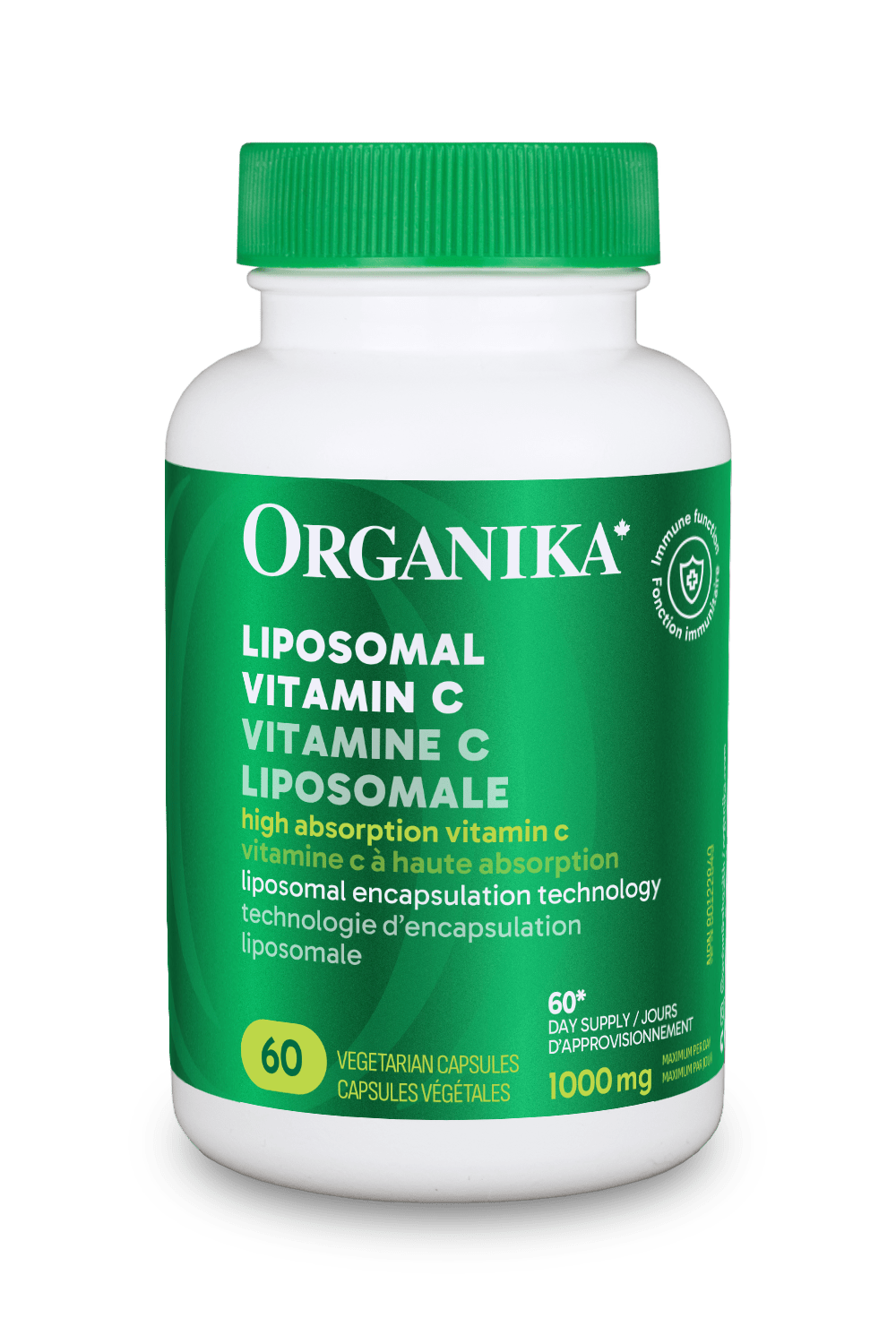
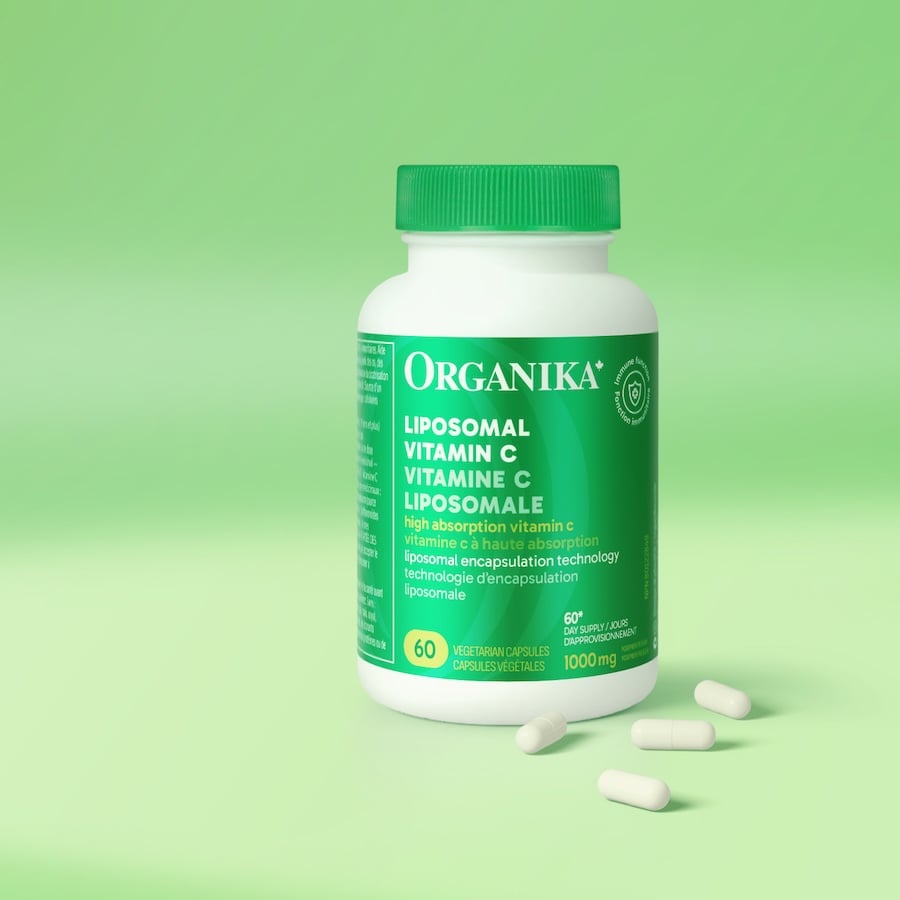
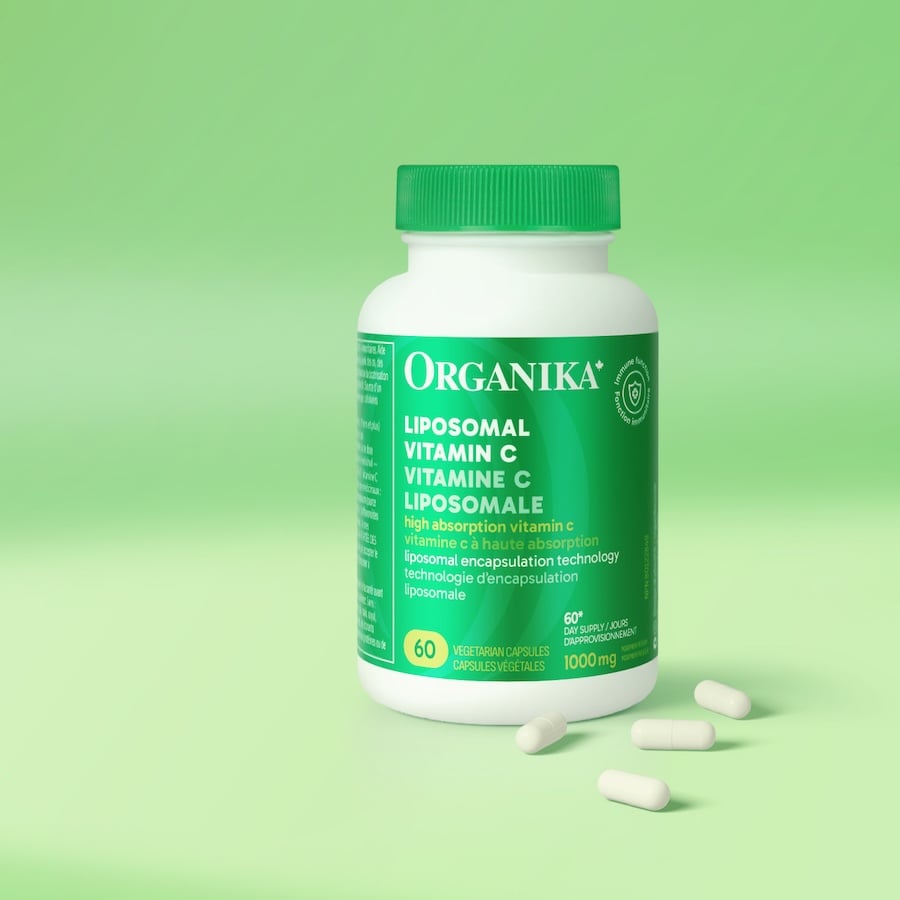
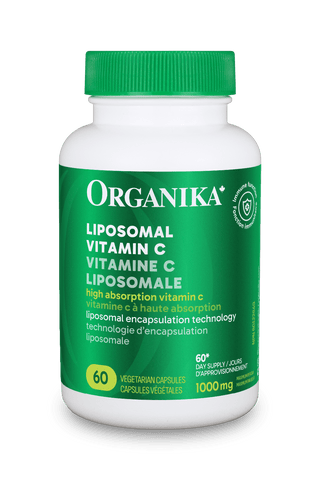
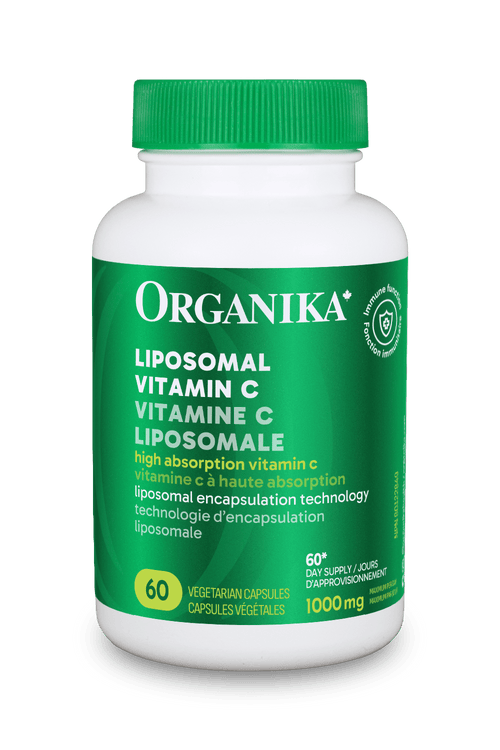
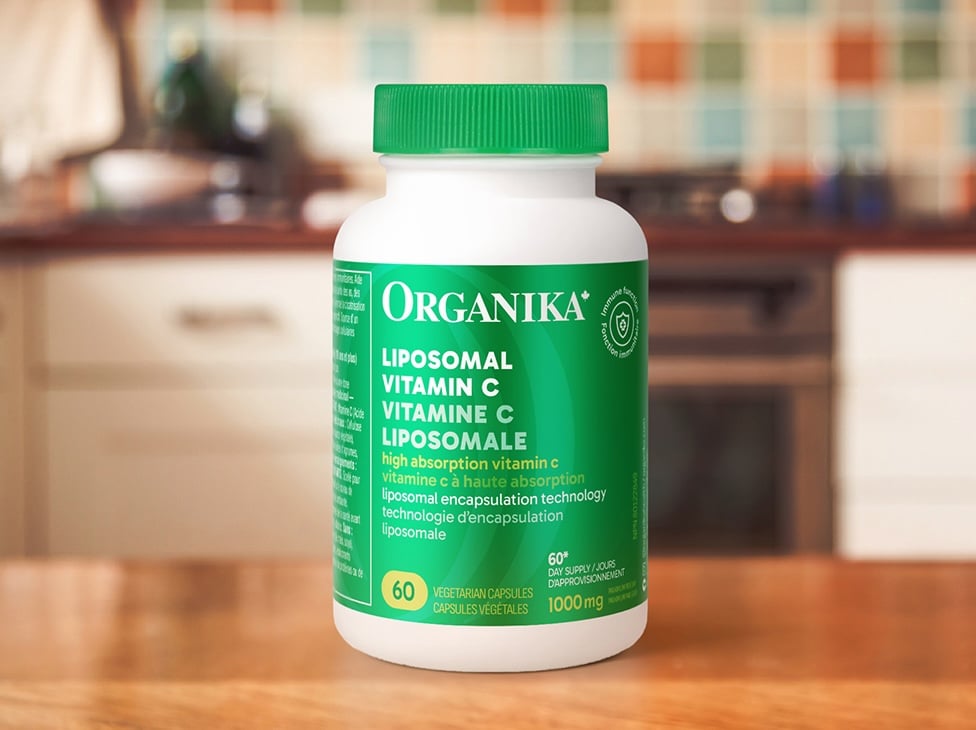
Liposomal Vitamin C
A highly absorbable form of Vitamin C to support immunity and more
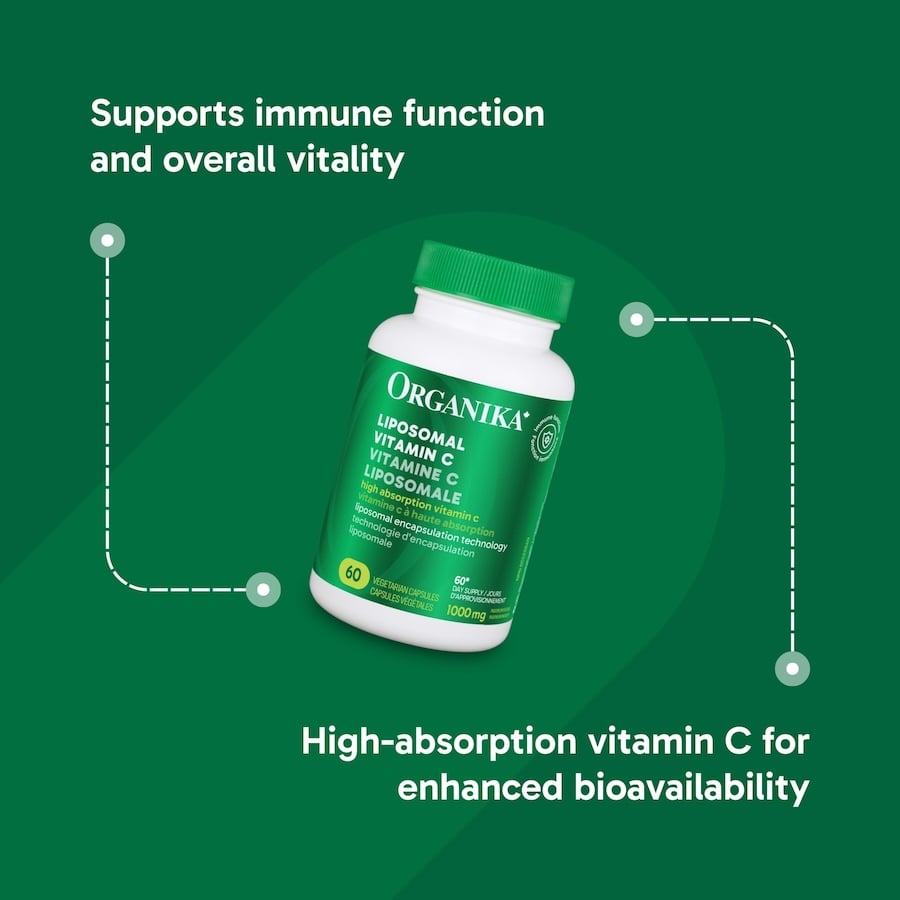
- Supports immune function and overall vitality
- High-absorption vitamin C for enhanced bioavailability
- Promotes collagen formation for healthy skin, bones and joints
- Provides antioxidant protection
Couldn't load pickup availability


Buy in Bundle & Save


Notify Me When Available
Enter your email and we'll let you know as soon as this product is back
Supplement Facts
Ingredients & Nutrition




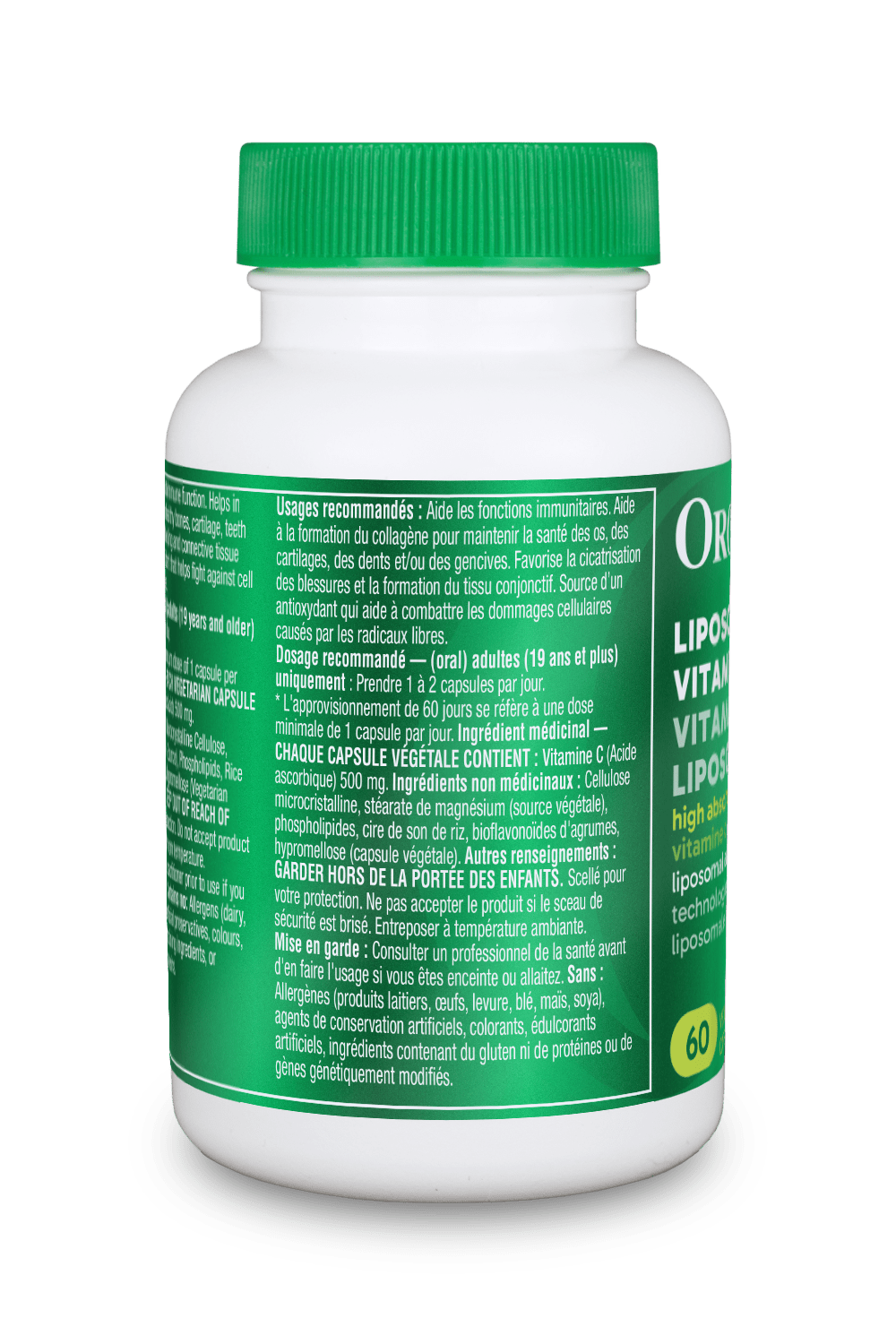
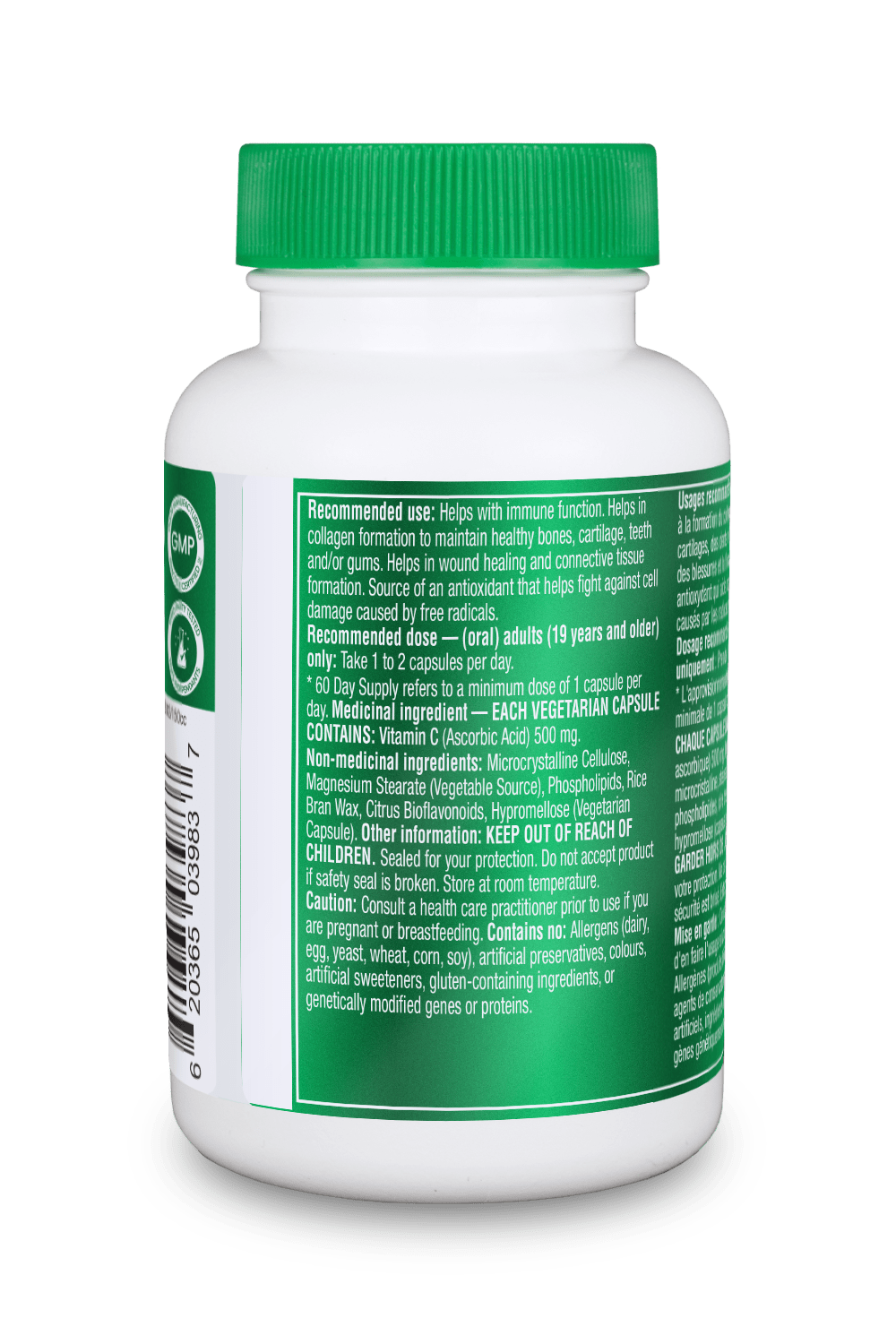
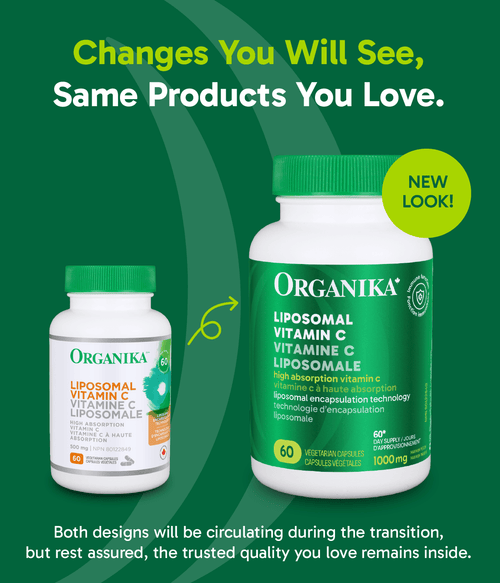
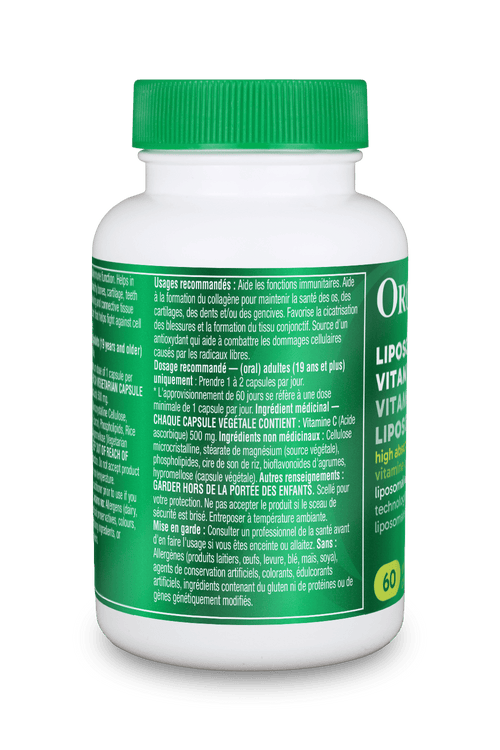
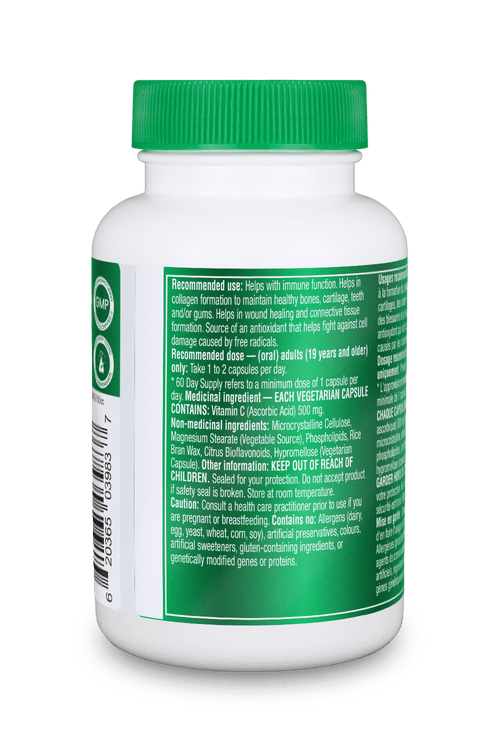
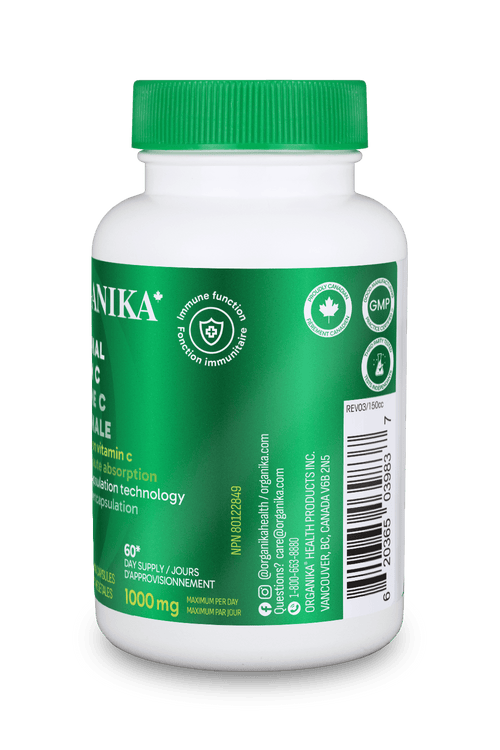
MEDICINAL INGREDIENT - EACH VEGETARIAN CAPSULE CONTAINS: Vitamin C (Ascorbic Acid) 500 mg.
NON-MEDICINAL INGREDIENTS: Microcrystalline Cellulose, Magnesium Stearate (Non-GMO Vegetable Source), Phospholipids, Rice Bran Wax, Citrus Bioflavonoids, Hypromellose (Vegetarian Capsule).
RECOMMENDED DOSE - (ORAL) ADULTS ONLY: Take 1-2 capsules per day.
Caution: Consult a health care practitioner prior to use if you are pregnant or breastfeeding.
Is This Right for You?
Do you want a vitamin C that actually gets absorbed and used by your body?
Are you looking to support your immune system, especially during times of stress?
Want to give your skin, bones, teeth, and joints some extra care?
If you answered "Yes" to any of the above, this product is right for you.

-
Promotes collagen formation for healthy skin, bones and joints
-
Provides antioxidant protection
Ingredients & Nutrition
Gluten-Free
Caffeine-Free
No Preservatives
Non-GMO
No Artificial Sweeteners
No Artificial Colours or Flavours
Liposomal Vitamin C offers high-absorption and cell-ready support for immune health, collagen formation and antioxidant defence
The Full Scoop
-
Promotes collagen formation for healthy skin, bones and joints
-
Provides antioxidant protection
Not all vitamin C is created equal. Liposomal Vitamin is wrapped in liposomal encapsulation technology which are tiny protective bubbles that help this essential nutrient travel through your digestive system and straight to your cells. That means greater absorption, less waste and more of the benefits vitamin C is known for. Like supporting a healthy immune system, boosting collagen production, speeding up wound healing and helping your body metabolize nutrients.
Ask Away
We’ve got the FAQs covered. But if you’re still stuck, we’re only a message away.
Get in TouchWhat is the source of the Bioflavonoids? What is the source of the Citrus Bioflavonoids?
The Citrus Bioflavanoids are derived from Citrus Peel.
What is the source of the lipid (phospholipid)?
The Fatty Acids are derived from Rice Bran. Phospholipids are derived from non-GMO sunflower lecithin.
How many grams of fat would be in this product?
There is 225 mg lipids (fats) per 1 capsule (this is minimal and shouldn't disrupt any diet).
How much Rutin per capsule?
Bioflavonoid 1.5%, 11 mg per capsule (the specific type of bioflavonoids is not controlled).
What is the reason for the Rice bran wax and what is the source?
To provide a source of fatty acids, needed for liposomes (sourced from the USA).
How absorbable is the Liposomal vs the buffered Vitamin C?
Serum vitamin C levels were 51-67% higher in participants who ingested Liposomal Vitamin C vs. Calcium ascorbate (measured at 1, 2, 4, and 6 hours after ingestion).
You'll Likely Also Love...
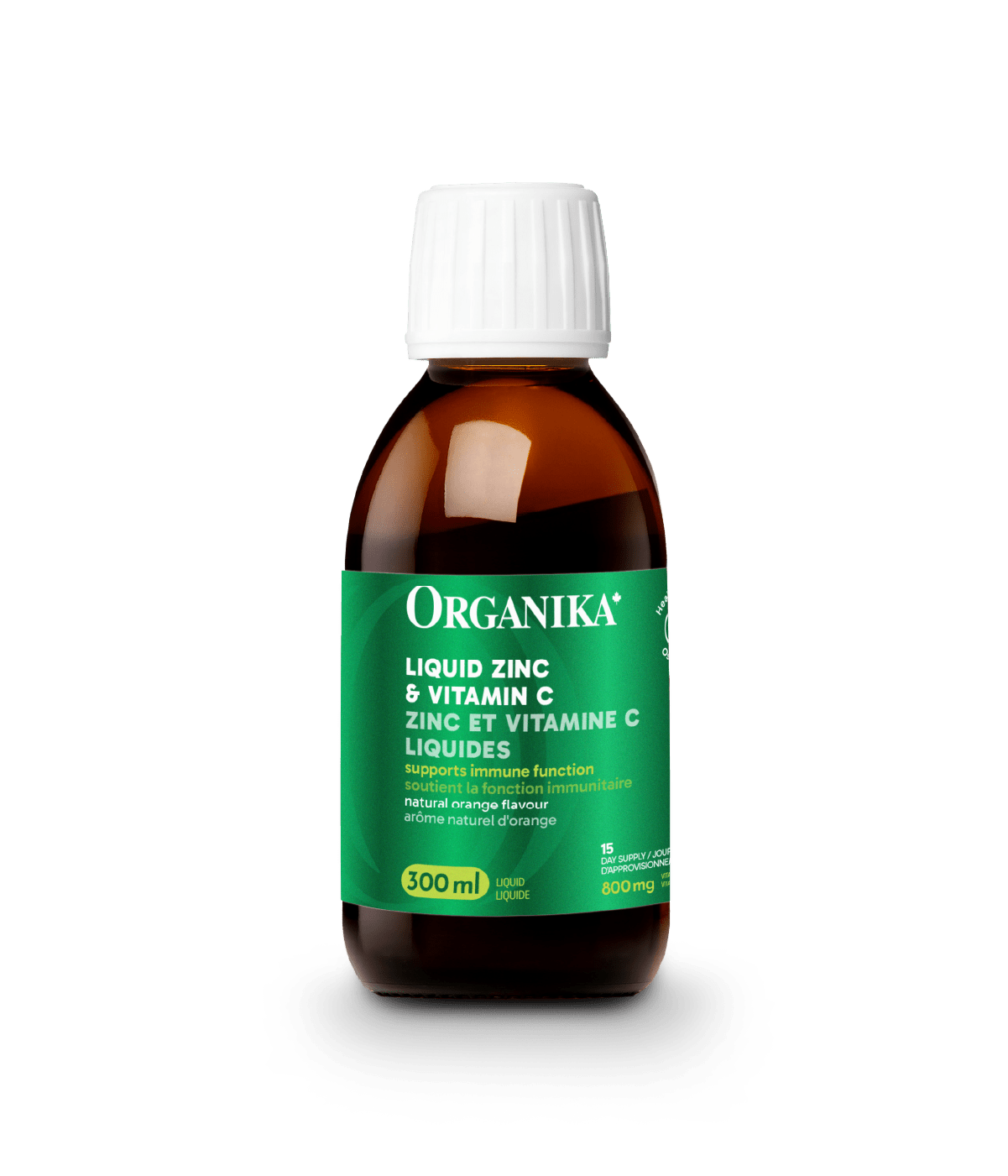
Liquid Zinc & Vitamin C
The fast-absorbing duo immune systems love
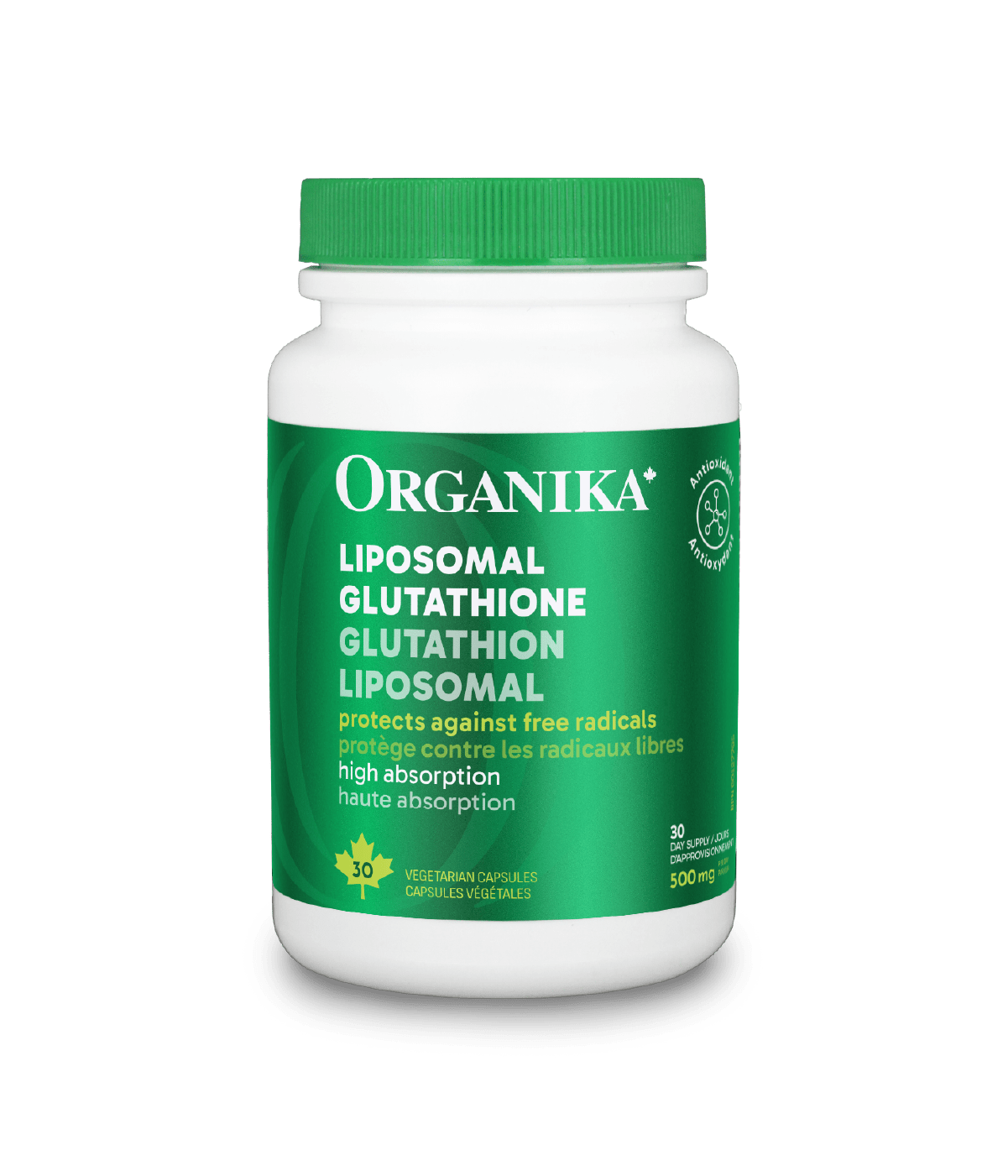
Liposomal Glutathione
A hightly absorbable form of Glutathione antioxidant to protect your cells
Support Beyond Products
It seems that everyone—from celebrities and influencers to everyday people—has been sharing their skincare routines on social media, and the obsession with health, wellness, and glowing skin isn’t going anywhere. As a pioneer in natural health, Organika has been creating high-quality, affordable wellness products for over 30 years, making it easy to support your glow from the inside out. Two of the most loved (and most relevant) supplements for a skincare-focused routine are collagen and vitamin C. Vitamin C and Collagen Benefits Collagen’s Role in Skin Care Collagen has been a major focus in wellness and skincare over the past few years — and for good reason. Anyone in their mid-twenties can benefit from collagen supplementation. Natural collagen production begins to decline in our mid-to-late 20s, decreasing by approximately 1% per year. By the age of 40, this decline accelerates significantly. As collagen levels decrease, common signs of aging appear, including wrinkles, dry skin, reduced elasticity, joint stiffness, lower energy levels, and slower recovery from physical activity. Collagen is essential not only for healthy skin, hair, and nails, but also for supporting joint health, muscle recovery, and gut health. This is why many people choose collagen powder, collagen peptides, and other collagen supplements for skin and joints as part of their daily wellness routine. Vitamin C’s Role in Skin Care Vitamin C is best known for supporting immune health, thanks to its powerful antioxidant role in helping protect the body’s cells. But it’s just as important for skin. Your skin naturally holds high concentrations of vitamin C, where it helps drive collagen production and supports the repair process—like wound healing and the appearance of scars—while also providing antioxidant protection against everyday stressors, including UV exposure. Because of its close relationship with collagen, vitamin C can help support skin firmness, texture, and hydration over time. While fruits and vegetables are great sources (and should be part of any skin-supporting routine), many people also choose a vitamin C supplement to help keep their intake consistent day to day. Overall, it’s a simple, foundational nutrient that benefits both whole-body wellness and healthy-looking skin. Can I Use Collagen and Vitamin C Together? Yes, and it’s recommended. Collagen and vitamin C supplements work better together. Vitamin C helps stimulate the body’s natural collagen production, acting as a collagen builder. Taking collagen and vitamin C together can support skin health more effectively than taking either one on its own. Note: They don’t need to be taken at the exact same time to experience the benefits — consistent intake is what matters most. Vitamin C and Collagen Synthesis Research strongly supports the synergy between vitamin C and collagen. Multiple studies have shown that vitamin C increases collagen deposits in the skin by preventing the inactivation of collagen-producing enzymes. Vitamin C has also been linked to improved wound healing, enhanced collagen protein formation, better skin hydration, wrinkle reduction, and improved inflammatory skin conditions. As we age, intake needs for both collagen and vitamin C may increase to support healthy skin and connective tissues. Choosing a Vitamin C and Collagen Supplement When purchasing supplements, quality is important. Look for collagen supplements that are clean, single-ingredient formulas sourced from grass-fed, pasture-raised animals and free from hormones, antibiotics, GMOs, and gluten. Choose vitamin C supplements that are high quality and easily absorbed. High-quality supplements help ensure better absorption, effectiveness, and long-term skin and joint benefits. In terms of vitamin C, there are lots of options: Instant C – vitamin C in convenient tablets that flavour your water Instant C, D, Zinc Immunity Effervescent – combining additional immune support nutrients Liposomal Vitamin C – more potent and higher bioavailable vitamin C References: 1. Effect of vitamin C and its derivatives on collagen synthesis and cross-linking by normal human fibroblasts - PubMed (nih.gov) Boyera N, Galey I, Bernard BA. Effect of vitamin C and its derivatives on collagen synthesis and cross-linking by normal human fibroblasts. Int J Cosmet Sci. 1998 Jun;20(3):151-8. 2. Enhanced production of mineralized nodules and collagenous proteins in vitro by calcium ascorbate supplemented with vitamin C metabolites - PubMed (nih.gov) Rowe DJ, Ko S, Tom XM, Silverstein SJ, Richards DW. Enhanced production of mineralized nodules and collagenous proteins in vitro by calcium ascorbate supplemented with vitamin C metabolites. J Periodontol. 1999 Sep;70(9):992-9. 3. The Roles of Vitamin C in Skin Health - PMC (nih.gov) Pullar JM, Carr AC, Vissers MCM. The Roles of Vitamin C in Skin Health. Nutrients. 2017 Aug 12;9(8):866. This article has been fact-checked and reviewed by RHNs.
read more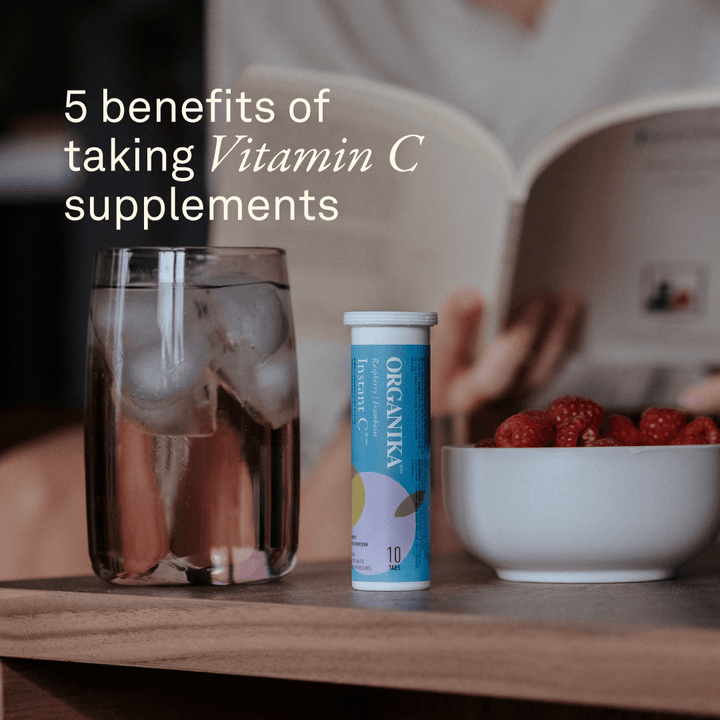
Vitamin C first came to be known as the nutrient that prevents scurvy. For most of us living in North America, that’s now a thing of the past as we’re able to meet our daily intake through diet alone. Today, we know that vitamin C is essential for numerous bodily functions from skin health to immune function! Let’s explore some of the many benefits of taking vitamin C supplements. Shop Vitamin C 1. Vitamin C boosts immunity Vitamin C is an important antioxidant that play numerous roles in our body. Historically, it’s been known as potent immune builder and booster, just as all antioxidants are. Studies have shown that a regular intake of 1000 mg of vitamin C can help shorten the length of respiratory tract infections and the common flu (1). 2. Vitamin C can help prevent anemia and low iron levels Have you ever been told to take your iron supplement alongside orange juice? This is because vitamin C helps with the absorption of “non-heme iron”. This is a type of iron typically found in plant foods, fortified cereal and eggs that isn’t absorbed as well by the body as heme iron, the type found in animal protein. Therefore, if you lead a plant-based life, incorporating vitamin C, either through food or supplementation, is important (2). 3. Vitamin C promotes better skin health Let’s take a minute to talk about collagen. While many people consume collagen as a supplement today, our body does create its own with the help of vitamin C. This isn’t a call to quit taking your collagen! But think about combining with vitamin C for additional support. Vitamin C isn’t only important for collagen production and its potential wrinkle-reducing effects (3)! As we already mentioned, vitamin C is an important antioxidant. This means that it protects against free radical damage and oxidative stress caused by external factors like UV rays, pollution, chemical-laden beauty products, and smoking (4). 4. Vitamin C is an important supplement to take when on the birth control pill While this isn’t exactly a “benefit”, many nutrients can be depleted by the use of the pill. One big example is vitamin C (alongside B-vitamins, zinc and magnesium). If you are taking the birth control pill, you should consider incorporating a vitamin C supplement into your routine. 5. Vitamin C may reduce your risk of gout Gout is a form of arthritis that can manifest as swelling, tenderness, and redness in the joints. Typically, this is found in the big toe and is caused by a buildup of urate crystals from uric acid that has not properly left the body. This is where vitamin C comes in! Studies have shown that a greater intake of total vitamin C is associated with significantly lower serum uric acid concentrations in the body (5). Can you take too much vitamin C? Yes, but the upper limit is much higher than we are told. First, it’s always important to remember that the RDA (Recommended Daily Allowance) of most nutrients is the minimum amount to need to avoid illness, not the amount you should intake to feel your best. This is why 1,000 mg per day is the standard recommended dose of vitamin C. Some medical and naturopathic doctors may also suggest taking to bowel tolerance. Typically, this is how you’ll know when you’ve taken too much vitamin C: when you’re left running to the washroom. For the most part, aside from loose stools, excess vitamin C intake will not cause any harm. Shop Vitamin C
read more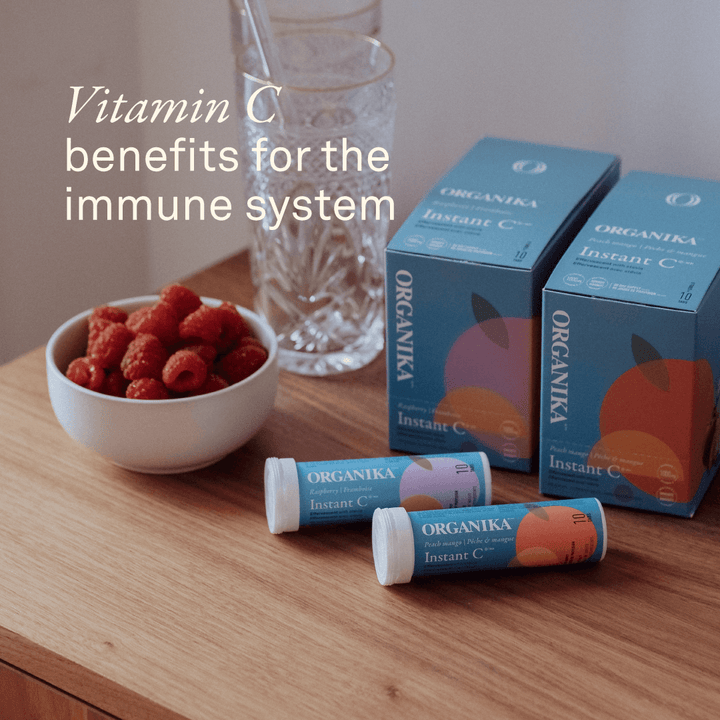
Vitamin C is an essential micronutrient. Without it, we are at risk for poor immune function, skin health issues, and joint problems. The many benefits of vitamin C consumption are well known and continuously studied, and its effects on the immune system are top-of-mind, especially in the past year. In this article, we’ll examine some of the ways vitamin C benefits your immunity. Shop Vitamin C What is our immune system? Our immune system is a massive network in our body, composed of organs, white blood cells and proteins that protect us from viruses, infection, and pathogens. There are also two types of immunity that we have, and it’s important to clarify. Innate immune system: this includes physical, chemical, or cellular defences against pathogens like our tears, stomach acid and mucous membranes. Adaptive immune system: also known as acquired immunity, it is marked by the expansion of T and B lymphocytes (a.k.a. our immune army) that set out to destroy the invader. Simply put, when we get sick once, our body learns what those pathogens look like, and can prepare for the next time. Does vitamin C improve immunity? There are a variety of ways that vitamin C works with our immune system to support, build and boost it. In fact, vitamin C works with both our innate and adaptive immune systems (1) Here are a few ways that vitamin C can support you. 1. Vitamin C helps reduce the length of the common cold and flu Vitamin C is commonly used during cold and flu season to help prevent or reduce the symptoms of these common ailments. One study has shown that supplementing with Vitamin C, beyond diet alone, reduced the number of colds as well as the length in those taking the supplement (2). The reduction in symptoms has been attributed to vitamin C’s antioxidant properties and ability to reduce overall inflammation (3). 2. Vitamin C can aid in wound healing It is important to remember that our immune system isn’t at work only when we get sick. Our immune system also helps us recover from injury and wounds. Vitamin C can help with everything from cuts and scrapes, to sports injuries and surgery. Studies have shown that dosing above the recommended daily allowance (RDA), of 500 to 3000 mg can accelerate recovery (4). 3. Vitamin C helps reduce symptoms from seasonal allergies As an antioxidant, vitamin C can help with general inflammation in the body, as is seen with seasonal allergies. In addition, studies have shown that supplementing with Vitamin C can be helpful to reduce symptoms of hay fever (7). One study shows that supplementing with high-dose vitamin C (2,000mg) daily can lower blood histamine levels. Histamine is typically known for its impact on seasonal allergies, hence the reason we reach for antihistamine medications when we feel the sniffly nose and watery eyes starting! 4. Vitamin C reduces oxidative stress Oxidative stress is when there is an imbalance of free radicals and antioxidants. This typically causes cell and tissue damage, leading to faster aging and illness, including conditions like diabetes, cancer, and heart disease. Vitamin C has been shown to reduce overall oxidative stress in the body (8). Overall, Vitamin C is an essential part of our daily routine, whether through food or supplements. It’s important to remember that under times of stress, if you’re taking certain medication or if you’ve been feeling under the weather, it can be helpful to supplement with vitamin C in higher doses. Many people can tolerate 1,000 mg of vitamin C with no ill effect on their bowels. If your vitamin C intake leaves you running for the washroom, try to halve your dose! Shop Vitamin C
read more