










-
Is this right for you?

-
-
-

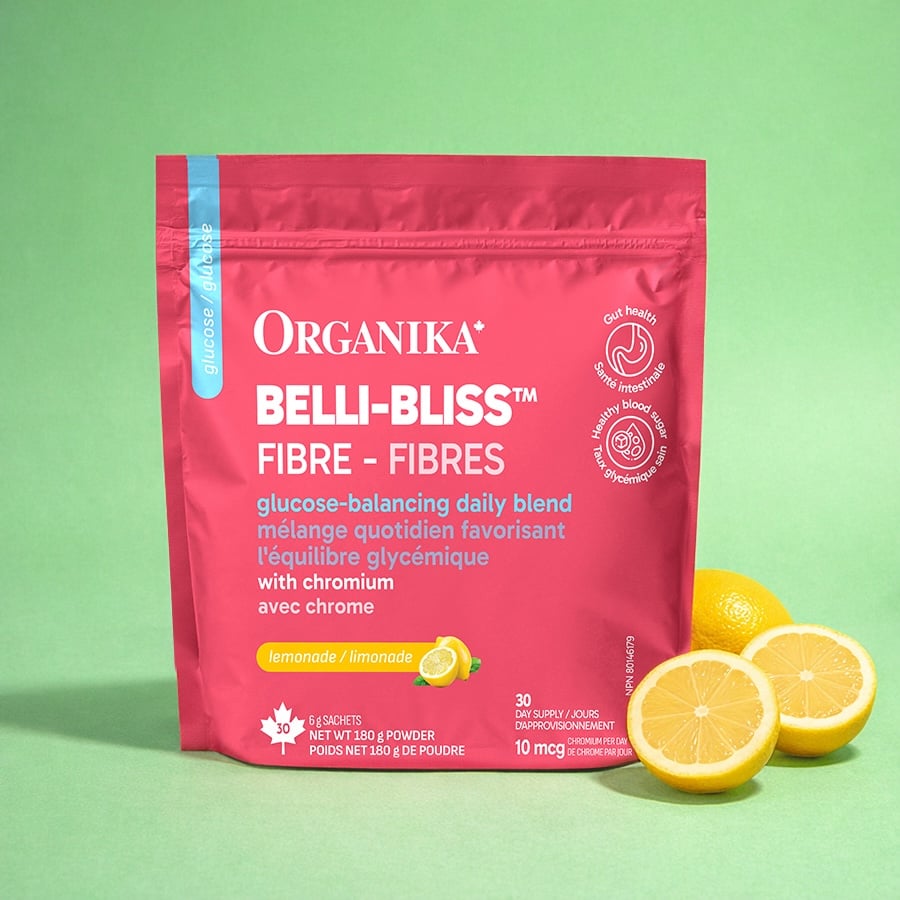
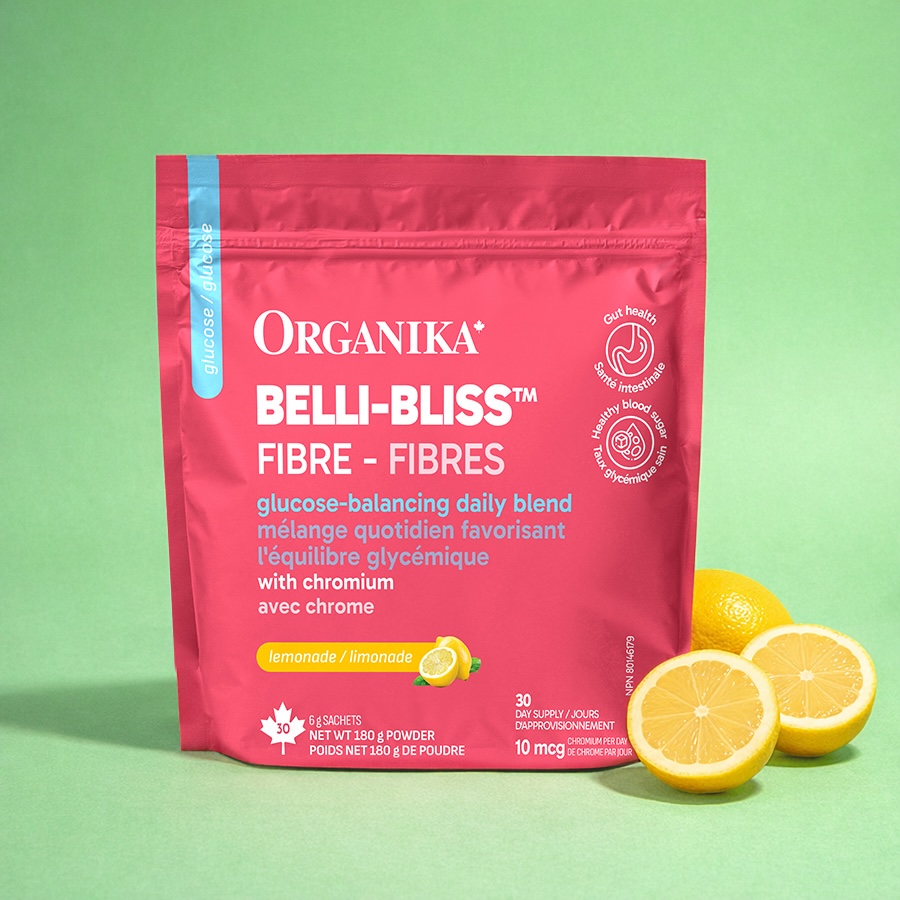
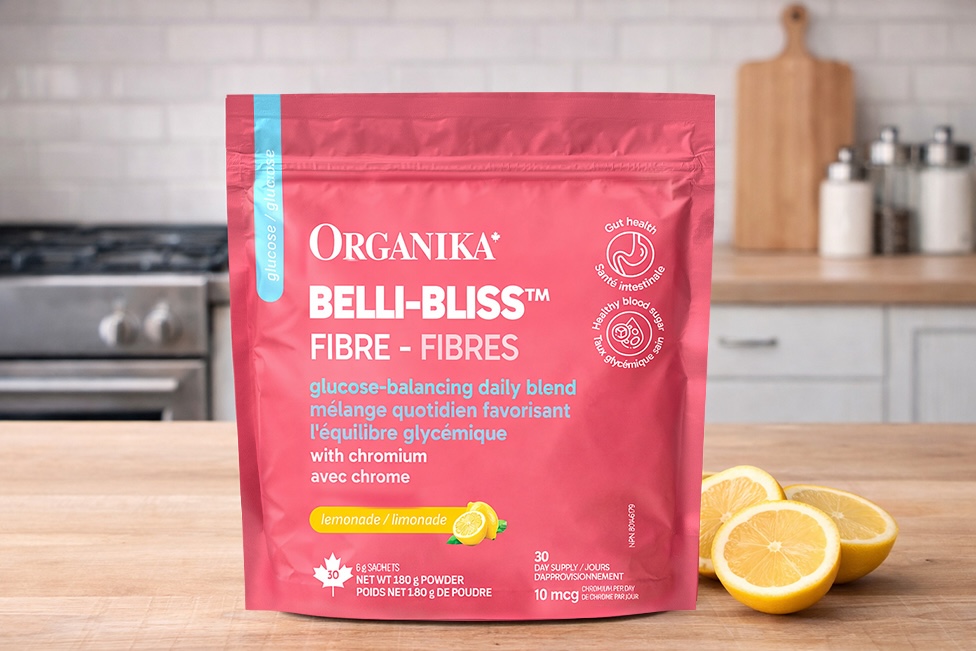
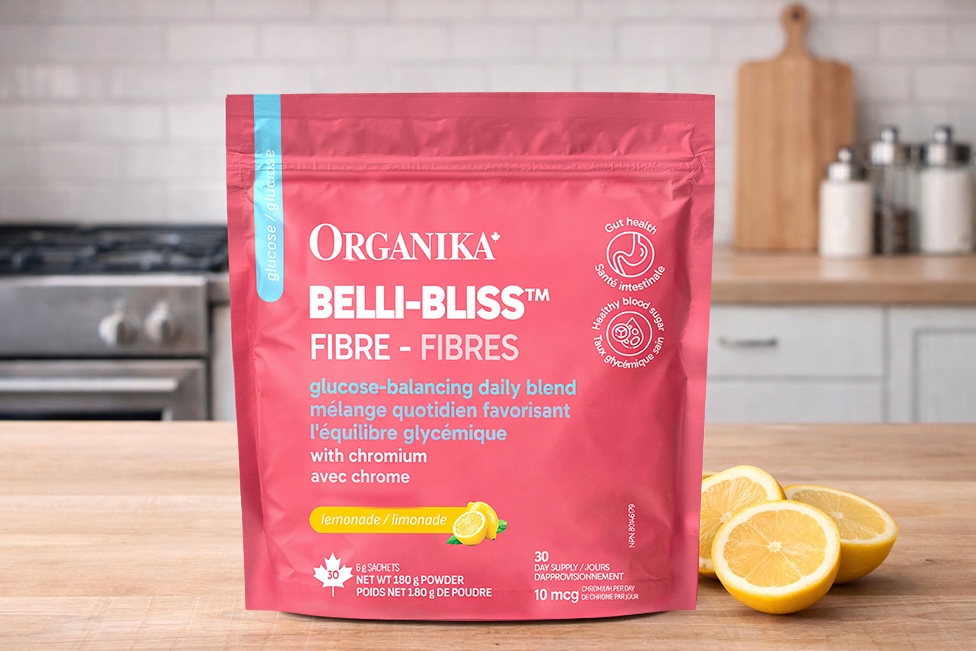
Belli-Bliss™ Glucose Fibre
Targeted support for gut and glucose health
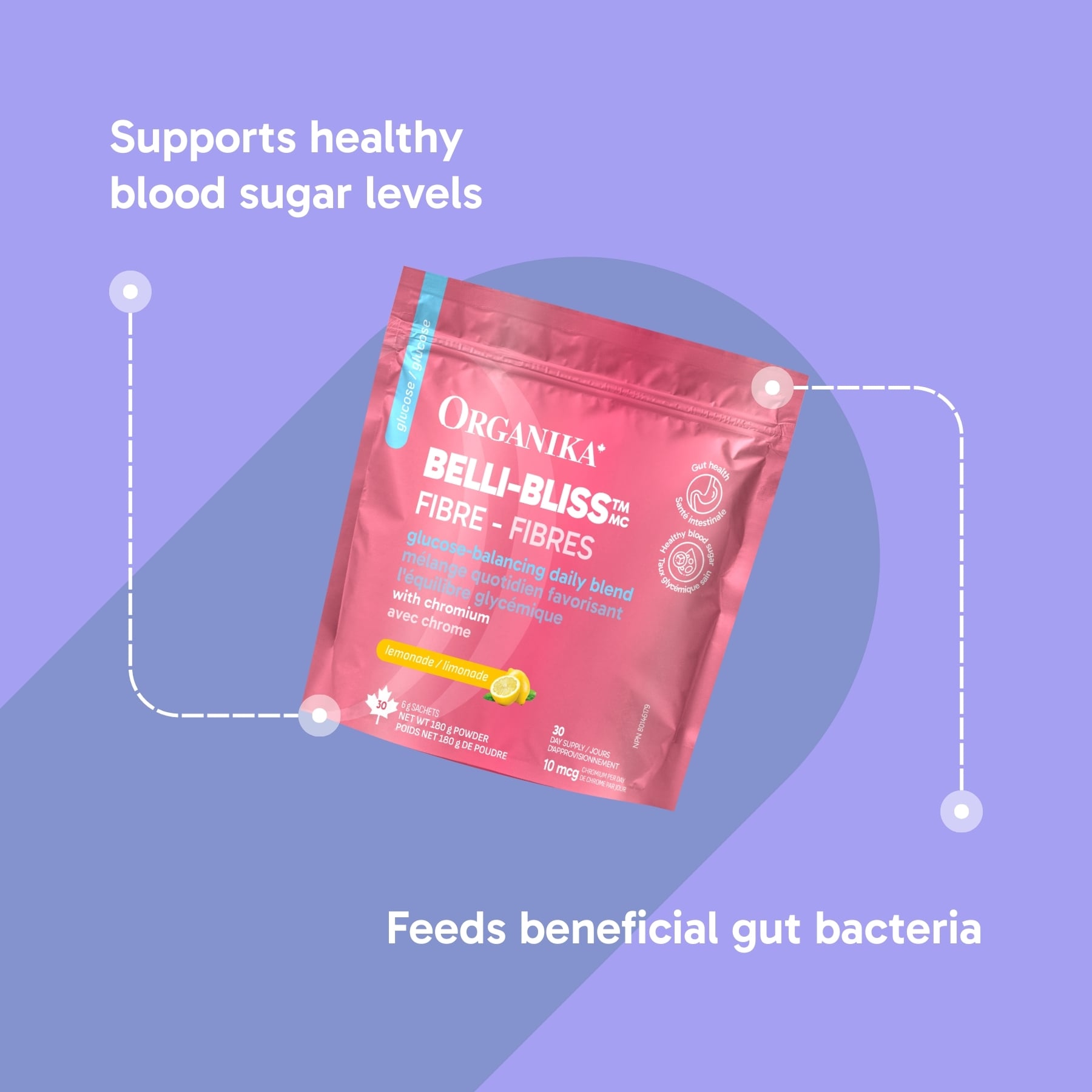
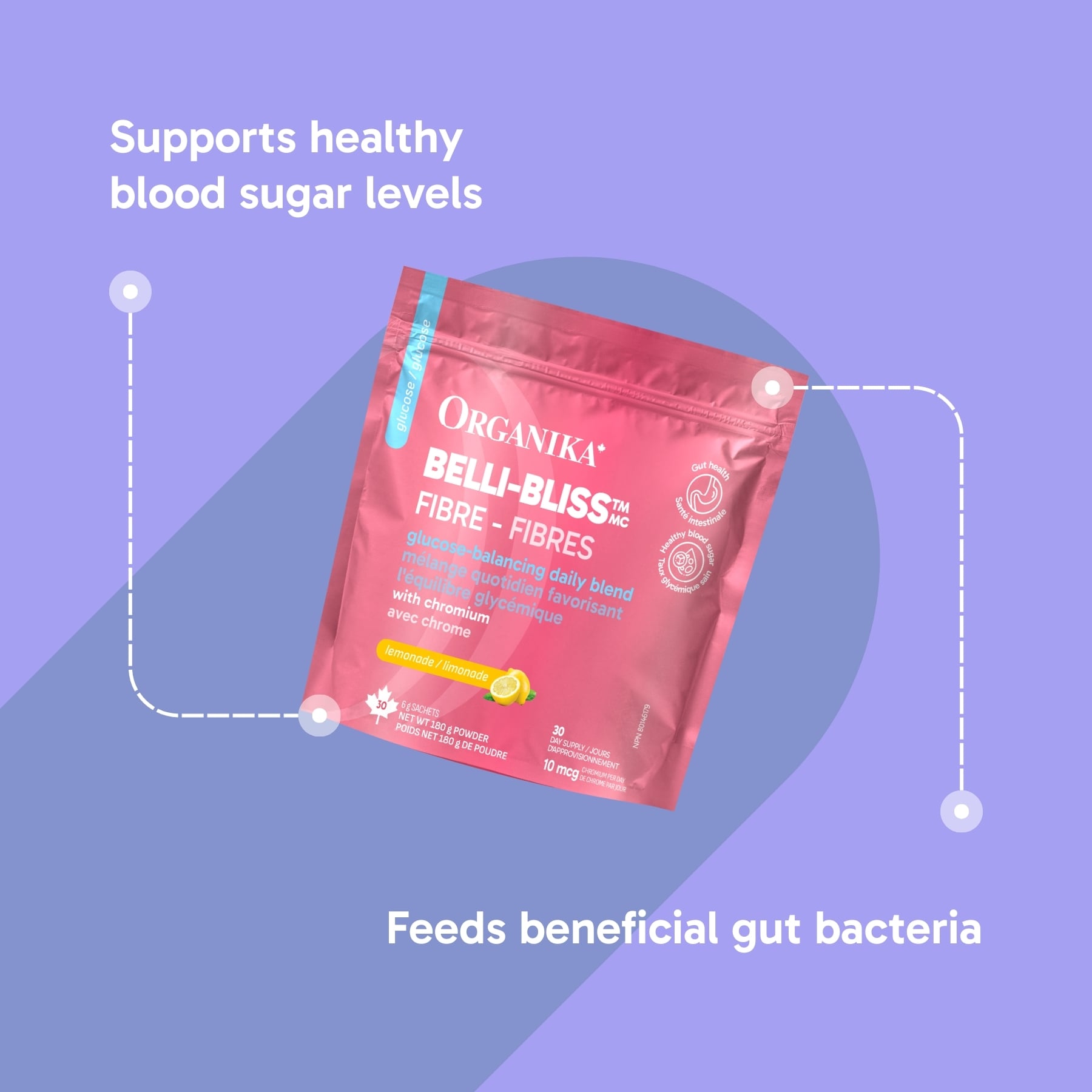
- Supports healthy blood sugar levels
- Feeds beneficial gut bacteria
- Promotes digestive regularity
- Gentle and well-tolerated formula
Couldn't load pickup availability


Notify Me When Available
Enter your email and we'll let you know as soon as this product is back


Supplement Facts


Ingredients & Nutrition




Medicinal - EACH SERVING (1 SACHET = 6 g) CONTAINS: Inulin (Cichorium intybus, Root) 2 g, Chromium [Chromium (III) Nicotinate Glycinate] 10 mcg.
Non-medicinal: Fibersol® prebiotic soluble vegetable fibre, Stevia Leaf Extract, Citric Acid, Natural Lemonade Flavour.
Recommended Use: Take 1 serving, 1 time per day. Mix well with liquid and drink immediately
Cautions: Stop use if hypersensitivity / allergy occurs. For constipation / irregularity: Ask a health care practitioner if symptoms worsen or if laxative effect does not occur within 7 days. Do not use if you have fever or any undiagnosed gastrointestinal trouble.
.png?v=1773670357931)
Is This Right for You?
Do you struggle to get enough fibre in your diet?
Does your digestion feel irregular or inconsistent?
Do you experience energy dips after eating?
Are you trying to build better habits around blood sugar balance and gut health?
If you answered ''yes'' to any of the above, this product is right for you.
.png?v=1773673289603)
-
Promotes digestive regularity
-
Gentle and well-tolerated formula
Ingredients & Nutrition
Gluten-Free
Caffeine-Free
No Preservatives
Non-GMO
No Artificial Sweeteners
No Artificial Colours or Flavours
Clinically studied inulin, Fibersol® and chromium to support steady blood sugar, gut health and comfortable digestive regularity
Why we Made Belli-Bliss™ Fibre Glucose
-
Promotes digestive regularity
-
Gentle and well-tolerated formula
Belli-Bliss Glucose Fibre is a convenient, once-daily sachet designed to support steady blood sugar levels, gut health, and digestive regularity in one convenient sachet. Each serving delivers 4 g of fibre from two clinically studied sources—inulin and Fibersol®—plus chromium to support normal glucose metabolism.
* Inulin is a prebiotic fibre that feeds beneficial gut bacteria, helping create a healthier gut environment and supporting more comfortable digestion over time.
* Fibersol® is a gentle, well-tolerated fibre that adds functional fibre to your day without the heavy or bloated feeling many people experience with other fibre supplements.
* Chromium supports how your body uses insulin and helps metabolize carbohydrates, fats, and proteins—making it a smart addition when you’re working toward better glucose balance.
This blend is made for simple, consistent support. It’s ideal if your diet is low in fibre, your digestion feels irregular, or you notice energy dips after meals. And if you’re building healthier habits around food, this is more than a “keep things moving” fibre. Just mix one sachet daily into water or your favourite drink. Take it before or with a meal, and stay consistent for best results."
Ask Away
We’ve got the FAQs covered. But if you’re still stuck, we’re only a message away.
Get in TouchHow does inulin support digestive health?
Inulin is a soluble fiber that feeds beneficial gut bacteria, helping support regular digestion and overall gut balance.
Can I take this product with hot drinks or food?
Yes, it can be mixed into hot or cold foods and beverages.
Can this product help with occasional constipation?
Yes, inulin may help promote regular bowel movements by increasing fiber intake.
How long should I use this product before seeing digestive benefits?
Some people notice benefits within a few days to a couple of weeks of regular use.
Can I take this product if I have a digestive condition?
If you have a digestive condition, it’s best to consult a healthcare professional before use.
How should this product be stored?
Store in a cool, dry place away from moisture and heat.
Is Inulin also considered a prebiotic fiber?
Yes, inulin is a well-known prebiotic fiber that supports beneficial gut bacteria
Can this product be taken daily?
Yes, it is suitable for daily use as part of your regular fiber intake.
Is this supplement suitable for long-term use?
Yes, inulin is generally safe for long-term daily use when taken as directed.
You'll Likely Also Love...
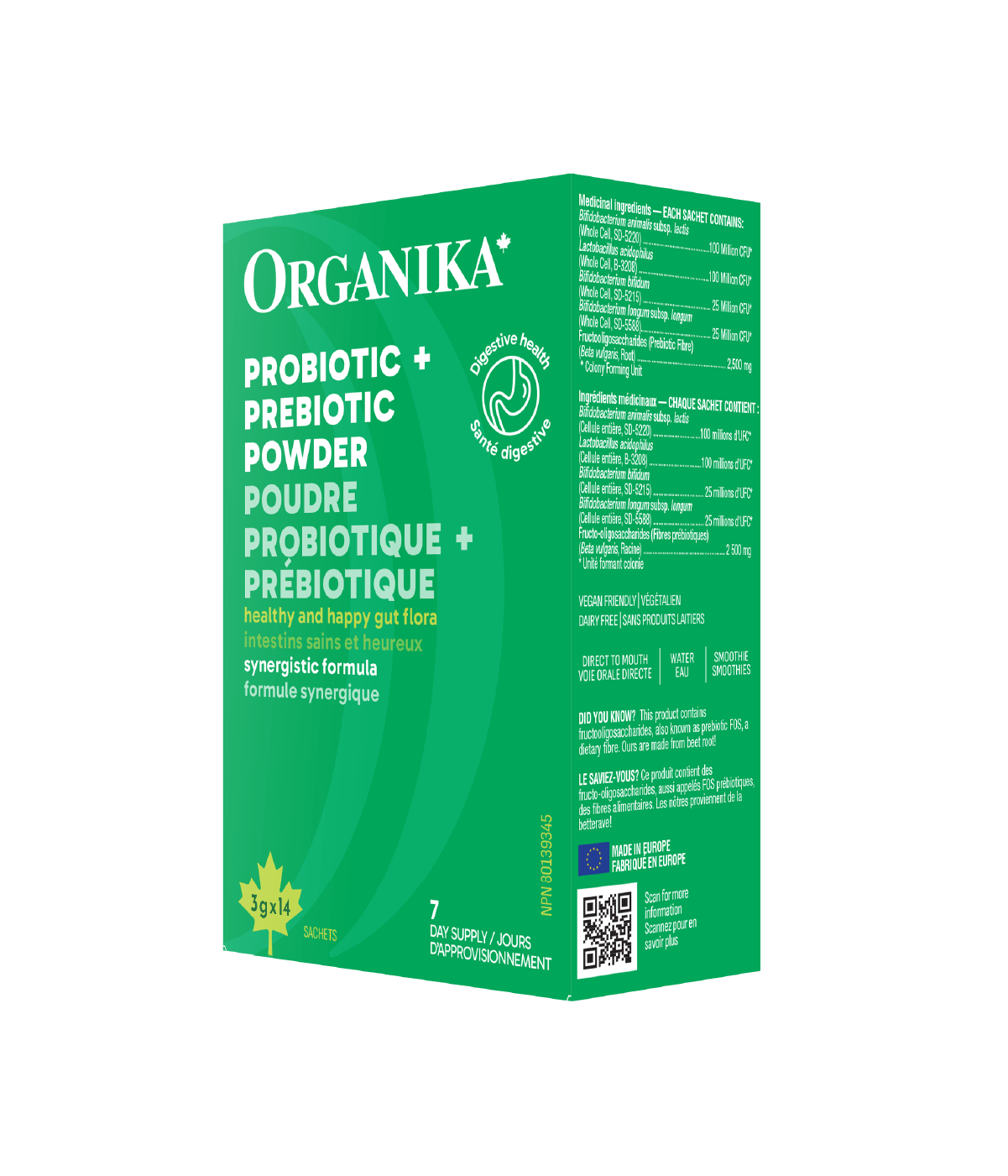
Probiotic + Prebiotic Powder
Help your gut flourish
Support Beyond Products

Gut health is more than digestion—it's the gateway to your entire well-being. Your gut plays a critical role in nutrient absorption, immune defense, mental clarity, and even mood regulation. Think of it as your body's engine: when it's running smoothly, everything else functions better. Fun Facts About the Gut: Your gut is home to over 100 trillion microbes, collectively known as your microbiome. Approximately 70% of your immune system resides in your gut. Your gut and brain are connected through the gut-brain axis, which explains why gut health impacts mental health and vice versa. An imbalance in gut bacteria (dysbiosis) has been linked to mood disorders, inflammation, and chronic illness. In fact, research shows that gut microbiota can significantly affect brain function and mental wellbeing, supporting the critical role of the gut-brain axis in optimal health (Sudo, 2019). Why It's Hard to Improve Gut Health Modern lifestyles work against gut health—stress, poor diet, lack of sleep, and antibiotic use can all damage the delicate balance of your gut microbiome. Common Struggles: Bloating, indigestion, or irregular bowel movements Difficulty digesting certain foods Inconsistent energy or “brain fog” Cravings, particularly for sugar and processed foods Why It’s Challenging: Gut health isn't an overnight fix; it requires daily attention and long-term consistency. Gut health is affected by more than just food—sleep, movement, hydration, and stress all play a role. Many people aren’t aware of hidden triggers (like artificial sweeteners or gluten sensitivity) that may be affecting their gut. 21-Day Gut Health Habits That Stick Small shifts over 21 days can create lasting results. Try these strategies to support a healthier gut: Start your day with warm water and lemon or with electrolytes. This hydrates your system and preps digestion. Add fermented foods to your diet daily. Try kimchi, sauerkraut, kefir, or plant-based yogurt for probiotic support. Ditch ultra-processed foods. Cut back on refined sugars and additives that feed bad bacteria. Eat the rainbow. Diverse fiber feeds a diverse gut microbiome—aim for a variety of veggies and fruits. Move your body. Regular exercise supports healthy bowel movements and reduces gut inflammation. Support Your Gut Naturally with Organika Organika’s thoughtfully developed supplements are designed to work gently with your body—not against it. These products help ease digestive discomfort, restore gut balance, and support the microbiome. Explore the curated Healthy Gut Collection for your gut reset journey: Probiotic + Prebiotic Powder: Promotes healthy bacterial balance and immune function. Electrolytes Liver Care: Helps cleanse and hydrate, supporting liver and digestive health. Beef Bone Broth Protein Powder: A rich source of collagen and amino acids to heal and seal the gut lining. Enhanced Collagen (Original, Lemon, Chocolate): Supports intestinal lining, skin, joints, and more. Full Spectrum Plant Enzymes: Helps break down food properly and ease bloating. Gut-Friendly Movement Suggestions Gentle yoga twists (like supine twist or seated spinal twist) to stimulate digestion. Daily walking—especially after meals—to support motility. Core strengthening exercises (like planks) to aid gut-brain connection. Meal Ideas & Recipes for Gut Health Breakfast: Overnight oats with chia seeds, almond milk, and berries (prebiotic-rich) Lunch: Quinoa bowl with roasted veggies, avocado, and kimchi Dinner: Grilled salmon, steamed greens, and sweet potato mash Snack: Apple slices with almond butter and a sprinkle of cinnamon Drink: Bone broth in the afternoon or a probiotic smoothie with yogurt and banana A healthier gut isn’t a trend—it’s a long-term investment in your vitality. Start your 21-Day Habit Change Challenge and feel the difference from the inside out. References Sudo, N. (2019). Microbiome, HPA axis and production of endocrine hormones in the gut. Journal of Clinical Biochemistry and Nutrition, 64(2), 87–91. https://doi.org/10.3164/jcbn.18-57
read more
Tips for keeping your digestive tract happy. “You are what you eat and what you digest.” So much of gut health has to do with what you put inside your body. Safe to say how you digest the food you eat ultimately get absorbed at the gut level. It’s important to take care of your gut by providing it with nourishing and healing foods and supplements. We asked our Registered Holistic Nutritionists to weigh in on how to improve gut health and keep it healthy. Eat a diet full of fibre and probiotics Fibre is a plant-based carbohydrate (do not panic at that word) that helps to reduce the risk of many diseases of the heart, digestive system, and more. The two types (soluble and insoluble) are beneficial. It works to stimulate the growth of healthy gut bacteria, it helps to slow down the absorption of glucose, and helps to carry out wastes from the body. Probiotics are healthy gut bacteria that can be found in fermented foods such as yogurt, kimchi and kombucha. Probiotics help keep the gut happy by supplying the beneficial bacteria that helps keep everything calm and balanced. Healthy gut bacteria is linked with less inflammation, irritability, and digestive issues. Learn more about protecting your microbiome here. Safe to say ensuring you are eating a diet with root vegetables, fruits, green leafy vegetables, as well as whole grains (if you do consume grains), along with fermented foods will help improve your gut. Take gut health support supplements Collagen and or Bone Broth Collagen has amino acids that support gut health by reducing inflammation and healing the actual gut. Particularly bovine collagen has been shown to be specifically helpful for gut health. You can also go beyond collagen and take bone broth. Bone broth includes collagen, gelatin as well as other ingredients that may help with tissue healing and calm the inflammation of the gut’s lining. Gelatin is essentially the cooked version of collagen. They both provide the same amino acids and provide the same benefits. Want to have both? Full Spectrum Collagen 1,2,3 combines both collagen and bone broth! Probiotics We talked about the essential role probiotics play in gut health. To be sure you are getting the gut bacteria your body needs, it’s often suggested to take probiotics supplements daily. Providing your gut with these daily will allow the digestive system to be prepared. Probiotics + Prebiotics is a winning combination because it not only provides the beneficial gut flora, but also offers food for the beneficial bacteria (prebiotics) to thrive. Enzymes Part of gut health is the ability to digest the foods you eat. If you feel sluggish or bloated, you can take digestive enzymes that speed up the breakdown of carbohydrates, proteins and fats. Full Spectrum Plant Enzymes are good for digestion which in turn will help with gut health. Move your body Getting exercise daily will help to build your gut health. How? Essentially the muscles involved in digestion strengthen with exercise, this in turn helps with peristalsis (moving digested food throughout the gut). Exercise also plays a role in promoting healthy bacteria in the gut (which we always need a good balance of). In fact, studies have suggested that exercise has the potential of altering the gut flora and promoting wellness. It literally feels good to move! Limit Your Alcohol and Coffee Intake The gut’s bacteria don’t particularly like heavy alcohol consumption. Excessive drinking can lead to digestive upset, but also inflammation of the gut’s lining. When this happens, the gut becomes susceptible to discomfort, ulcers and even infections. For the same reason, if you feel you are getting an upset stomach after consuming caffeine, consider cutting down the amount to 1-2 cups a day. Decrease the stress A common piece of advice for health in general, but most definitely stress has a negative effect on gut health. Studies have shown that there are associations between anxiety and depression and matters of the gut, and vice versa. Therefore you may notice stomach pain following a stressful set of events; the mind and gut connection are very much in sync. Work on calming the mind and body, or consider stress support, such as Enhanced Collagen Relax. This is a great supplement to add into a beverage or water after a stressful day. Enhanced Collagen Relax gently takes the “edge off” without any drowsiness as it has collagen + Magnesium Bisglycinate And L-Theanine (stress and relaxation supportive supplements). Improving your gut health doesn’t have to be a daunting task. Take it one good habit at a time and remember that your whole-body health starts with your gut.
read more
When people ask, what is fibre, they’re usually thinking about digestion or constipation. But fibre does much more than help with regularity. It also plays a role in gut health, fullness, cholesterol, and blood sugar. What is fibre? Fibre is a type of carbohydrate found in plant foods, but unlike other carbohydrates, your body does not fully digest it. Instead of being broken down into sugar and absorbed, fibre moves through the digestive tract and supports different functions along the way. You’ll find dietary fibre in foods like fruits, vegetables, legumes, nuts, seeds, oats, barley and whole grains. In Canada, fibre is recognized as an important part of a healthy diet because it may support bowel regularity, help lower blood cholesterol and help you feel full longer (Health Canada, 2025). Why is fibre important? If you’ve ever wondered why fibre is important or what it does, the answer is that it works in several ways at once. One of it’s best-known jobs is supporting digestive health. It can add bulk to stool, help stool move through the intestines and support healthy bowel movements, which is why fibre is often discussed for regularity and constipation (MedlinePlus, 2024). But the benefits of it go beyond that. Certain fibres can help slow digestion, support steadier blood sugar responses after meals and help with satiety, which is why fibre also comes up in conversations about appetite control, weight loss, and healthy eating habits. To understand how fibre works, it helps to think about its effect in the following three: absorption, glycemia and cholesterol. Fiber alters how nutrients are absorbed. The viscous gel formed by soluble fiber slows gastric emptying and the enzymatic digestion of carbohydrates, thereby blunting post-meal glucose and insulin spikes (Daley and Shreenath, 2026). Additionally, gel-forming fibers bind bile acids in the small intestine; when these bile acids are excreted, the liver must use more cholesterol to make new bile, lowering blood LDL cholesterol (the “bile acid binding” effect). Insoluble fiber has a subtler effect on blood sugar by diluting intestinal contents and speeding transit, but it similarly contributes to overall glycemic control. Together, these actions mean that high-fiber diets improve glucose regulation and lipid profiles, reducing risks of diabetes and heart disease. Soluble and insoluble fibre: What's the difference? One of the most common questions people ask is the difference between both types of fibre. Both matter and offer important health benefits, but they behave differently in the body. They are classified according to water solubility. Soluble Fibre Soluble fibres (e.g. pectin, gums, inulin, β-glucans) dissolve in water and form a gel during digestion. This can help slow digestion and is one reason it's associated with cholesterol and blood sugar support and feeling fuller for longer. Soluble fibre is found in foods such as oats, barley, beans, lentils, peas, nuts, seeds, apples and some other fruits and vegetables. Psyllium, a common fibre derived from the seeds of Plantago ovata, is popular to treat constipation. Its powder form can be mixed into water or juice for convenience. Because it slows digestion, it can leave you feeling fuller for longer. However, hydration is key to preventing intestinal blockage. Insoluble fibre Insoluble fibers (e.g. cellulose, lignin, some hemicelluloses) remain intact, that means they do not dissolve in water. Instead, it helps add bulk and move material through the digestive tract. That is why insoluble fibre is commonly linked with regularity and fibre for constipation. Good sources include wheat bran, whole grains, vegetables, legumes, nuts, seeds, brown rice, quinoa and fruits with edible skins (The Nutrition Source, 2012). How much fibre per day? If you’re asking how much fibre per day you should aim for, Health Canada states that adult women need about 25 grams of fibre per day and adult men need about 38 grams per day (Canada, 2025). Most Canadians are only getting about half that much, which helps explain why the topic of how to get more fibre matters so much. If your goal is to improve your intake, one of the best places to start is with high fibre foods. Good food sources of fibre include: Fruits Raspberries (1 cup = 8g of fibre) Banana (1 = 3g of fibre) Pear (1 = 5.5g of fibre) Apple ( 1 = 3g of fibre) Vegetables Broccoli (1 cup chopped = 5g of fibre) Green peas (1 cup boiled = 9g of fibre) Brussel sprouts (1 cup = 4.5g of fibre) Potato (1 medium size = 4g of fibre) Grains Spaghetti whole-wheat (1 cup = 6g of fibre) Barley, pearles, cooked (1 cup = 6g of fibre) Quinoa (1 cup = 5g of fibre) Oatmeal (1 cup = 4g of fibre) Brown rice (1 cup = 3.5g of fibre) Legumes, nuts and seeds Lentils (1cup = 15.5g of fibre) Black beans (1 cup = 15g of fibre) Chia seeds (1 ounce = 10g of fibre) Almonds (1 ounce = 3g of fibre) The easiest way to add fibre to the diet is through simple daily habits: having oats for breakfast, adding beans or lentils to soups or salads, including fruit and vegetables more often as snacks and swapping in more whole-grain options where possible. So, what is fibre? It is a simple but important part of everyday wellness, supporting digestion, satiety, cholesterol, blood sugar, and the gut microbiome. Starting with high-fibre foods, building gradually, and staying hydrated can go a long way. And if you are looking for an easy way to complement those habits, Organika’s Belli-Bliss fibre line is worth keeping in mind as part of a balanced routine. References Canada, H. (2025). Fibre - Canada.ca. Canada.ca. https://www.canada.ca/en/health-canada/services/nutrients/fibre.html Daley, S. F., & Shreenath, A. P. (2025, December). The Role of Dietary Fiber in Health Promotion and Disease Prevention: A Practical Guide for Clinicians. Nih.gov; StatPearls Publishing. https://www.ncbi.nlm.nih.gov/books/NBK559033/#:~:text=nutrient%20absorption%2C%20and%20gastrointestinal%20health,bile%20acids%2C%20modestly%20lowering%20LDL Fiber: MedlinePlus Medical Encyclopedia. (2024). MedlinePlus. https://medlineplus.gov/ency/article/002470.htm Fu, J., Zheng, Y., Gao, Y., & Xu, W. (2022). Dietary Fiber Intake and Gut Microbiota in Human Health. Microorganisms, 10(12), 2507. https://doi.org/10.3390/microorganisms10122507 Health Canada. (2025). Fibre - Canada.ca. Canada.ca. https://www.canada.ca/en/health-canada/services/nutrients/fibre.html Soluble vs. insoluble fiber: MedlinePlus Medical Encyclopedia. (2024). Medlineplus.gov. https://medlineplus.gov/ency/article/002136.htm The Nutrition Source. (2012, September 18). Fiber - The Nutrition Source - Harvard Chan School. https://nutritionsource.hsph.harvard.edu/carbohydrates/fiber/
read more