









-
Is this right for you?

-
-
-

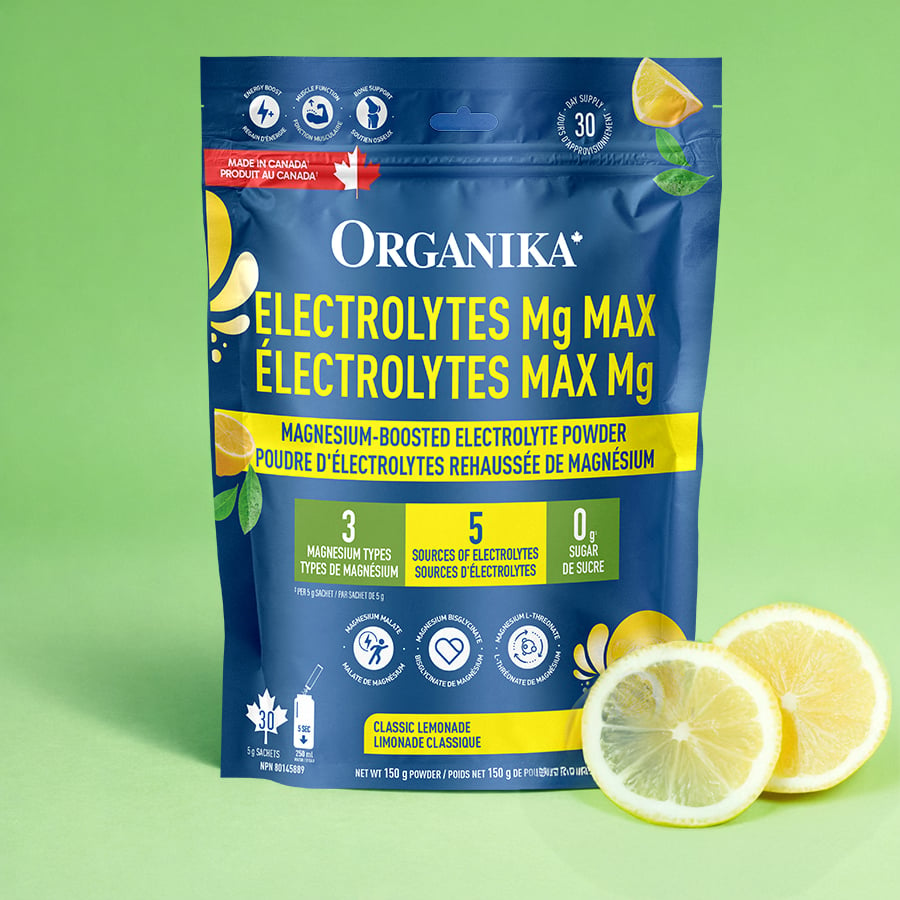
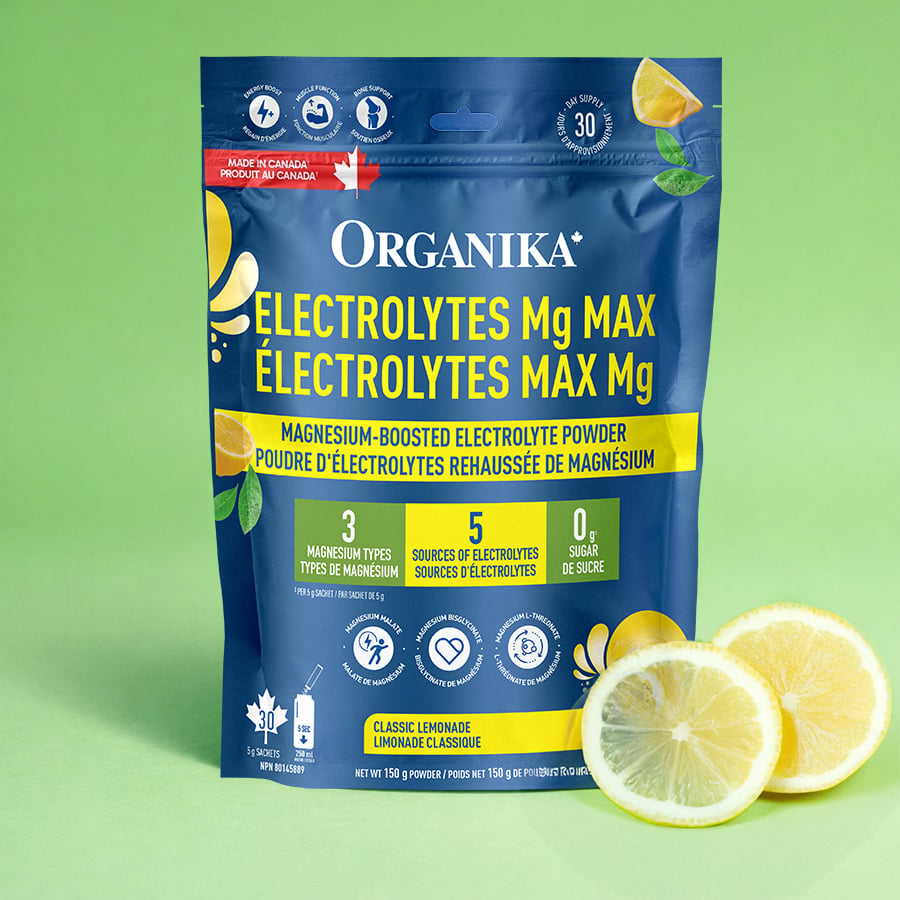
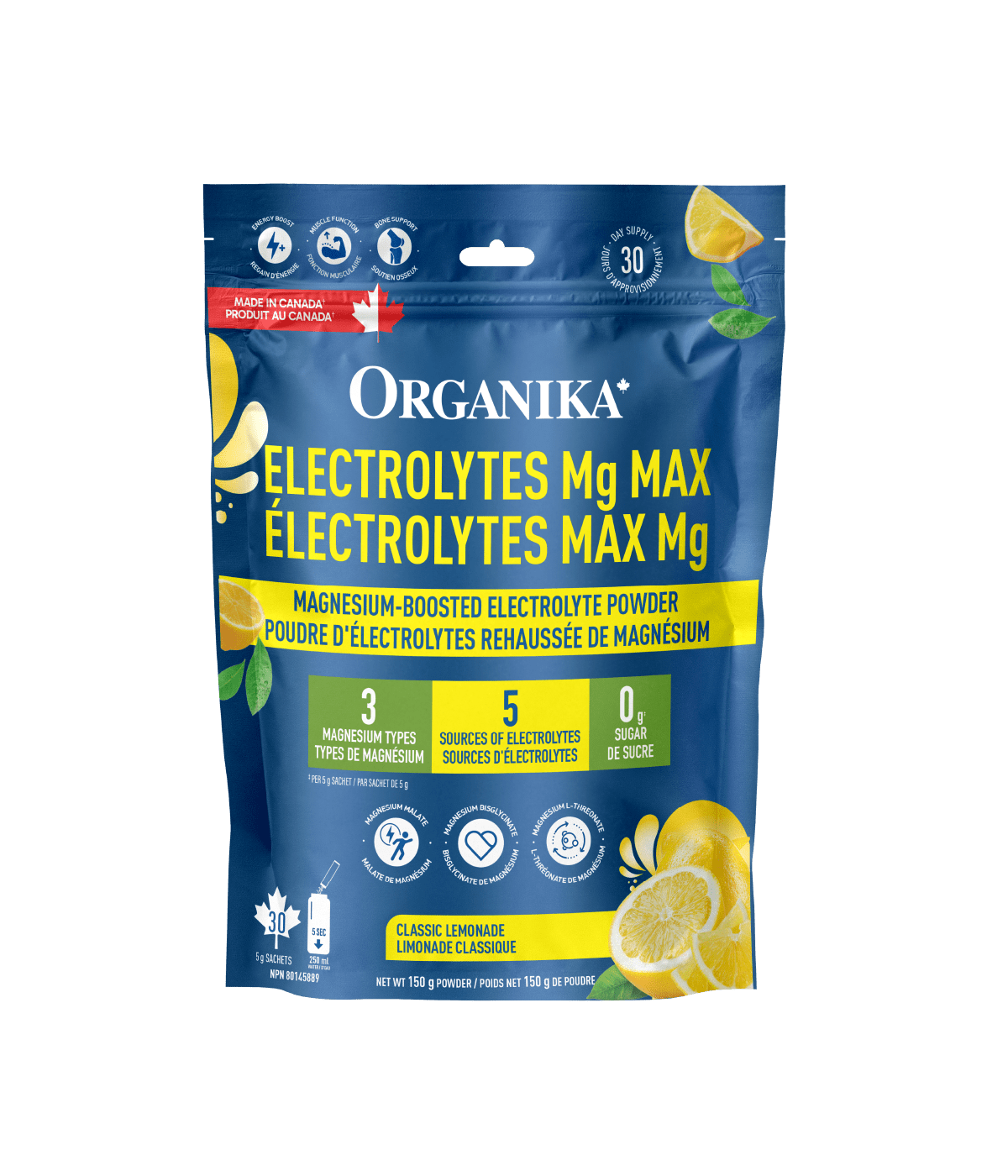
Electrolytes Mg MAX
Advanced hydration with targeted magnesium
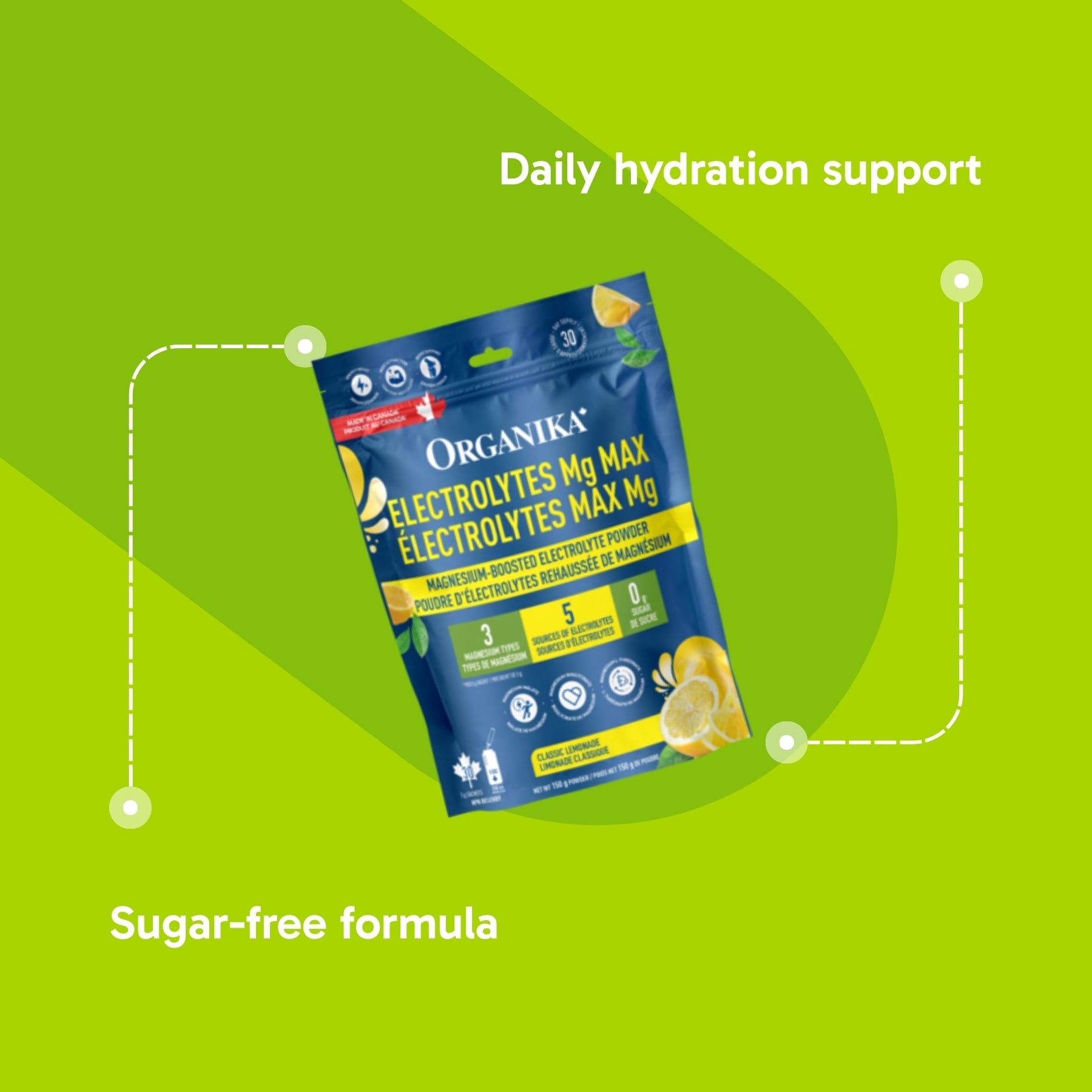
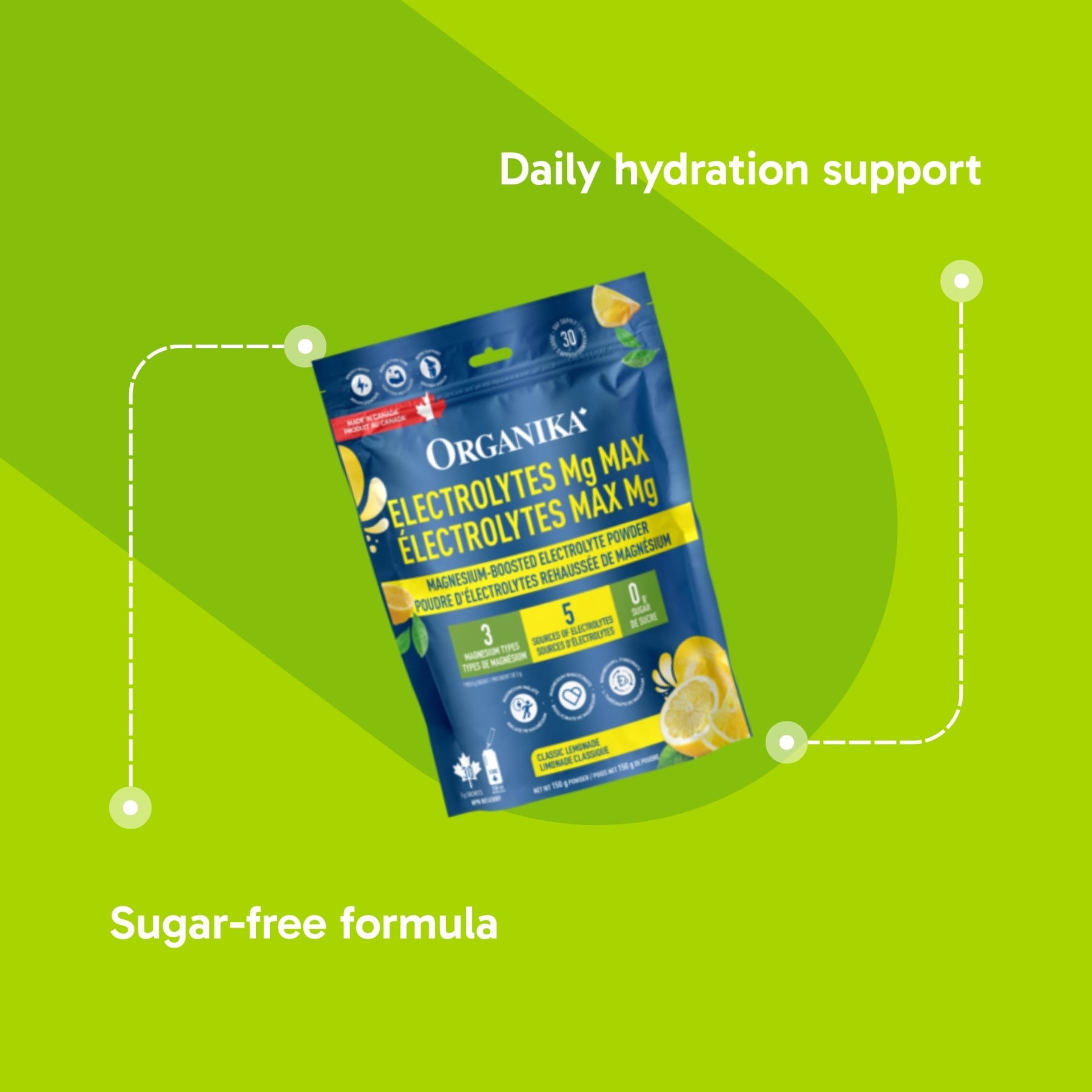
- Daily hydration support
- Sugar-free formula
- Magnesium for energy and recovery
- Supports muscles, bones, and immune function
Couldn't load pickup availability


Notify Me When Available
Enter your email and we'll let you know as soon as this product is back
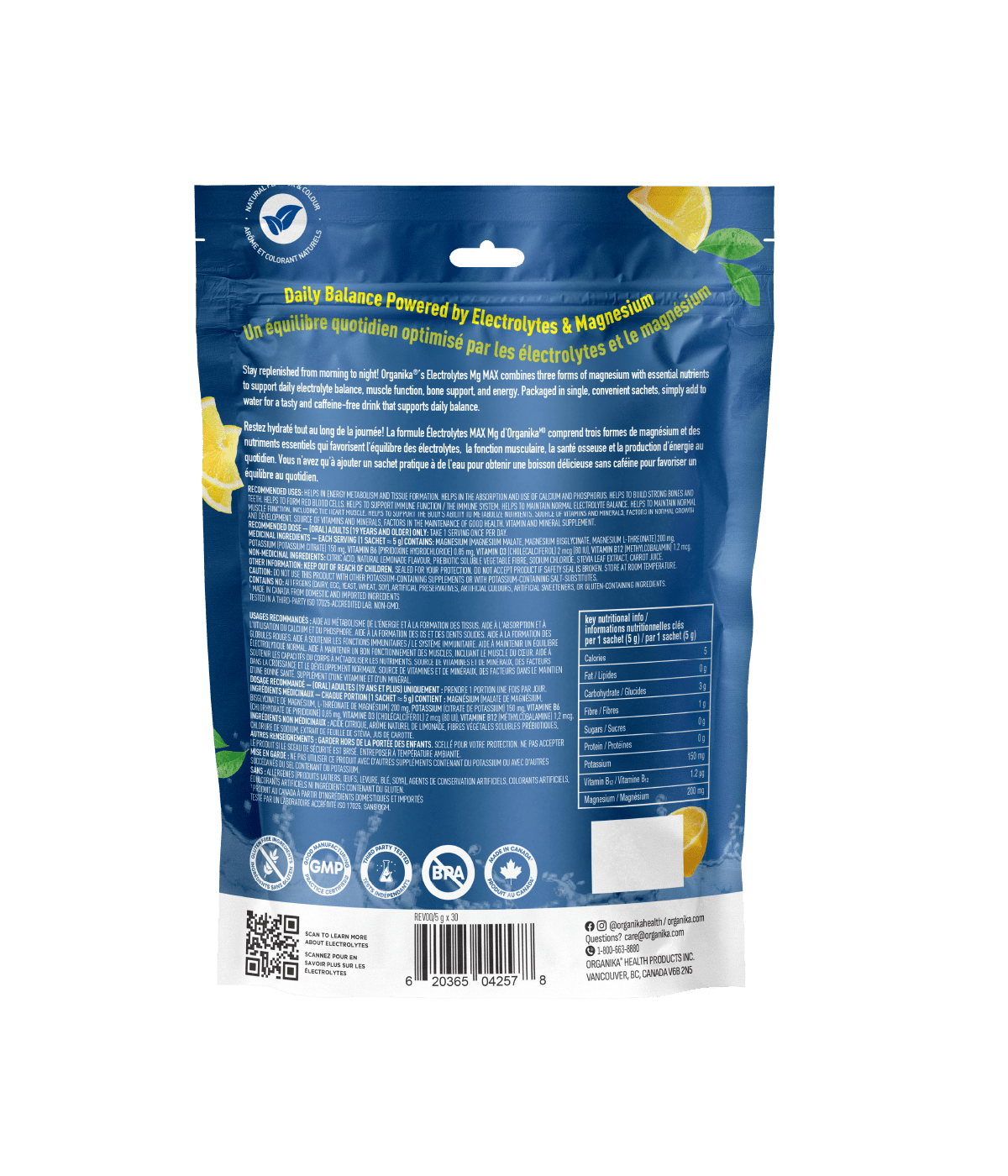
Supplement Facts


Ingredients & Nutrition



Medicinal - EACH SERVING (5 g) CONTAINS: Magnesium (magnesium malate, magnesium bisglycinate, magnesium l-threonate) 200 mg, Potassium (potassium citrate) 150 mg, Vitamin B6 (pyridoxine hydrochloride) 0.85 mg, Vitamin D3 (cholecalciferol) 2 mcg (80 IU), Vitamin B12 (methylcobalamin) 1.2 mcg
Non-medicinal: Stevia leaf extract, citric acid, soluble corn fibre, natural lemonade flavour, sodium chloride, carrot juice.
Recommended Use - Adults only: Take 1 serving once per day.
Cautions: Do not use this product with other potassium-containing supplements or with potassium-containing salt substitutes.

Is This Right for You?
Are you looking for a sugar-free electrolyte?
Do you want the added benefits of complementary magnesium support in your electrolytes?
Are you looking to support muscle and bone health?
Have you felt depleted after workouts and want something to help with that?
If you answered ''yes'' to any of the above, this product is right for you.

-
Magnesium for energy and recovery
-
Supports muscles, bones, and immune function
Ingredients & Nutrition
Gluten-Free
Caffeine-Free
No Preservatives
Non-GMO
No Artificial Sweeteners
No Artificial Colours or Flavours
A sugar-free electrolyte powder with five electrolytes and three forms of magnesium to support hydration, energy, recovery, muscle and bone health
_Green-v1774974368022.jpg?976x651)
_Green-v1774974373203.jpg?976x651)
Why we Made Electrolytes Mg MAX
-
Magnesium for energy and recovery
-
Supports muscles, bones, and immune function
Electrolytes Mg MAX is a sugar-free electrolyte powder designed to help you hydrate smarter, recover faster and stay supported with targeted magnesium. With 0 g of sugar, five sources of electrolytes, and three highly bioavailable forms of magnesium, it delivers what your body needs—without the excess sweetness found in many sports drinks.
Electrolytes help regulate fluid balance and support normal muscle function, making them essential after workouts, long days travel, or anytime you’ve been sweating.
But this formula goes further.
We’ve added three complementary forms of magnesium for well-rounded support:
- Magnesium Malate helps support natural cellular energy production for steady, sustained energy
- Magnesium Bisglycinate is known for its gentle absorption and digestive comfort—ideal for daily use
- Magnesium L-Threonate is included to support tissue formation, development, and maintenance of bones and muscle function your body relies on every day.
Together, they support hydration, muscle recovery, energy production, and bone health, all in one clean, sugar-free formula. Reach for this formula when your workout leaves you feeling depleted, if travel has disrupted your routine, you’re looking to maintain bone development and muscle function, or you need a daily electrolyte without any added sugar.
Ask Away
We’ve got the FAQs covered. But if you’re still stuck, we’re only a message away.
Get in TouchWhen is the best time of day to take this product?
It varies from person to person, you can take this after a workout since it contains electrolytes, or just drink it whenever you feel dehydrated
Can this supplement be taken with food or on an empty stomach?
There is no set requirement, you can take it whenever
Can I mix this product in hot water?
Ideally it would be best with cold water as hot water may damage the vitamins and mineral composition
Is this product suitable for daily use?
Yes it is, it can be take daily but we always suggest to check with your health care provider.
Is this product suitable for vegetarians or vegans?
No, this product contains vitamin D3 (cholecalciferol) which is derived from sheep wool
Can this product be taken alongside medications?
Do not use this product with other potassium-containing supplements or with potassium-containing salt-substitutes.
Why is this product not recommended for children?
This electrolyte supplement is suggested for adults. We can suggest our Kids Electrolytes
Can pregnant or breastfeeding individuals take this supplement?
Please consult with a healthcare professional/caretaker in regards to this.
How much Sodium is in each serving?
There is approx. 110 mg of Sodium per serving.
You'll Likely Also Love...

Electrolytes Extra Strength
Extra strength hydration support for high-intensity workouts or heavy sweating
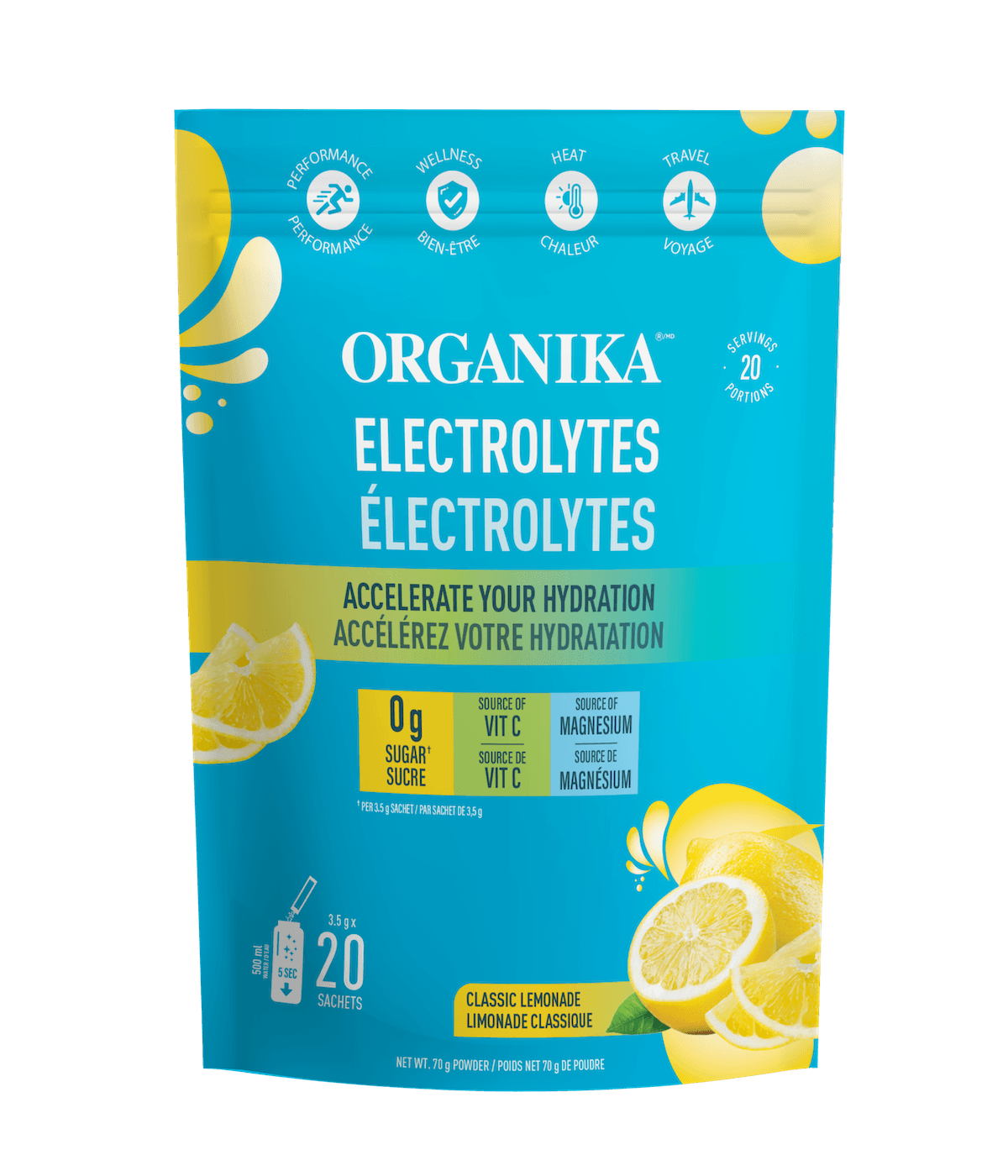
Electrolytes Sachets - Classic Lemonade
Delicious, everyday electrolyte support to help you hit your hydration goals—in to-go sachets
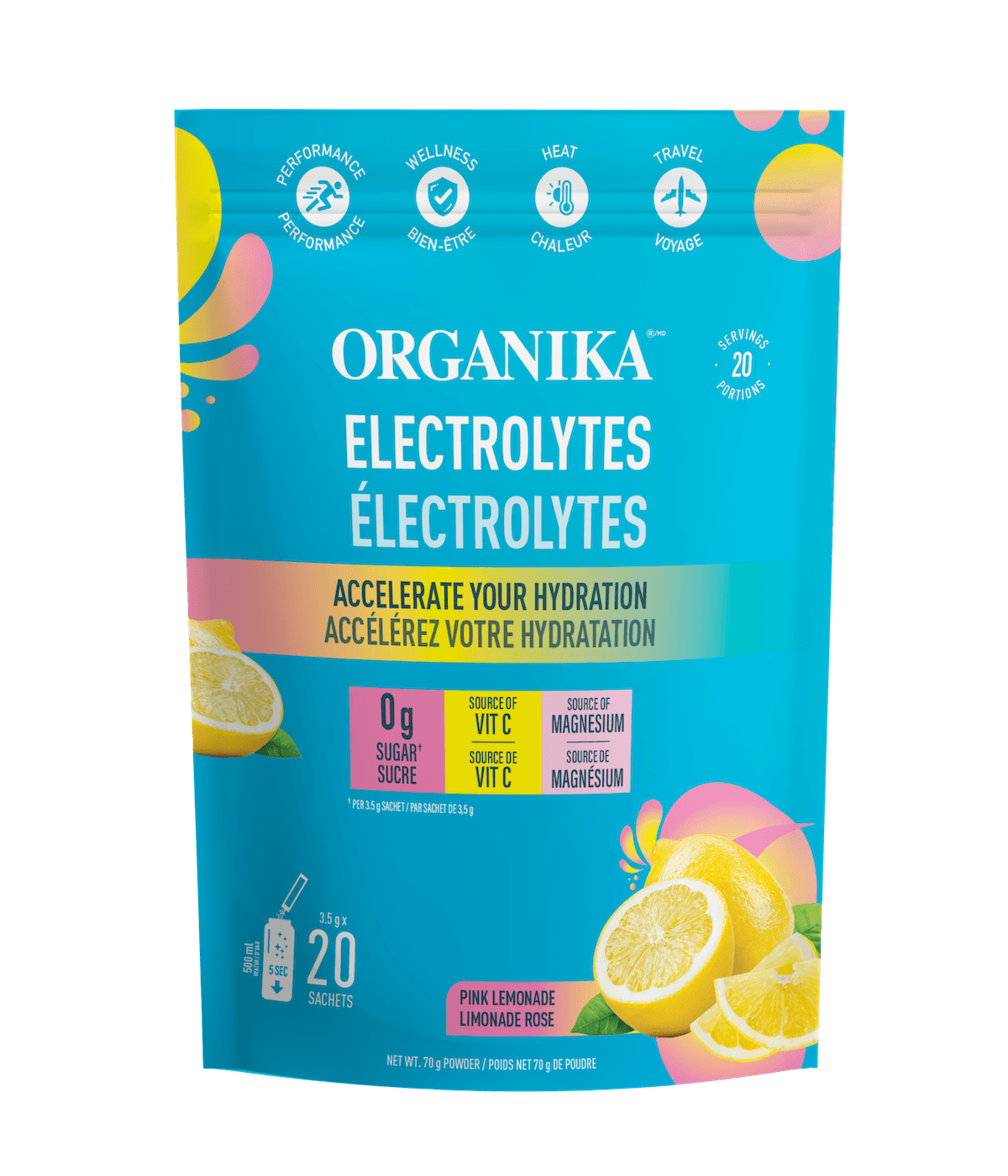
Electrolytes Sachets - Pink Lemonade
Delicious, everyday electrolyte support to help you hit your hydration goals—in to-go sachets
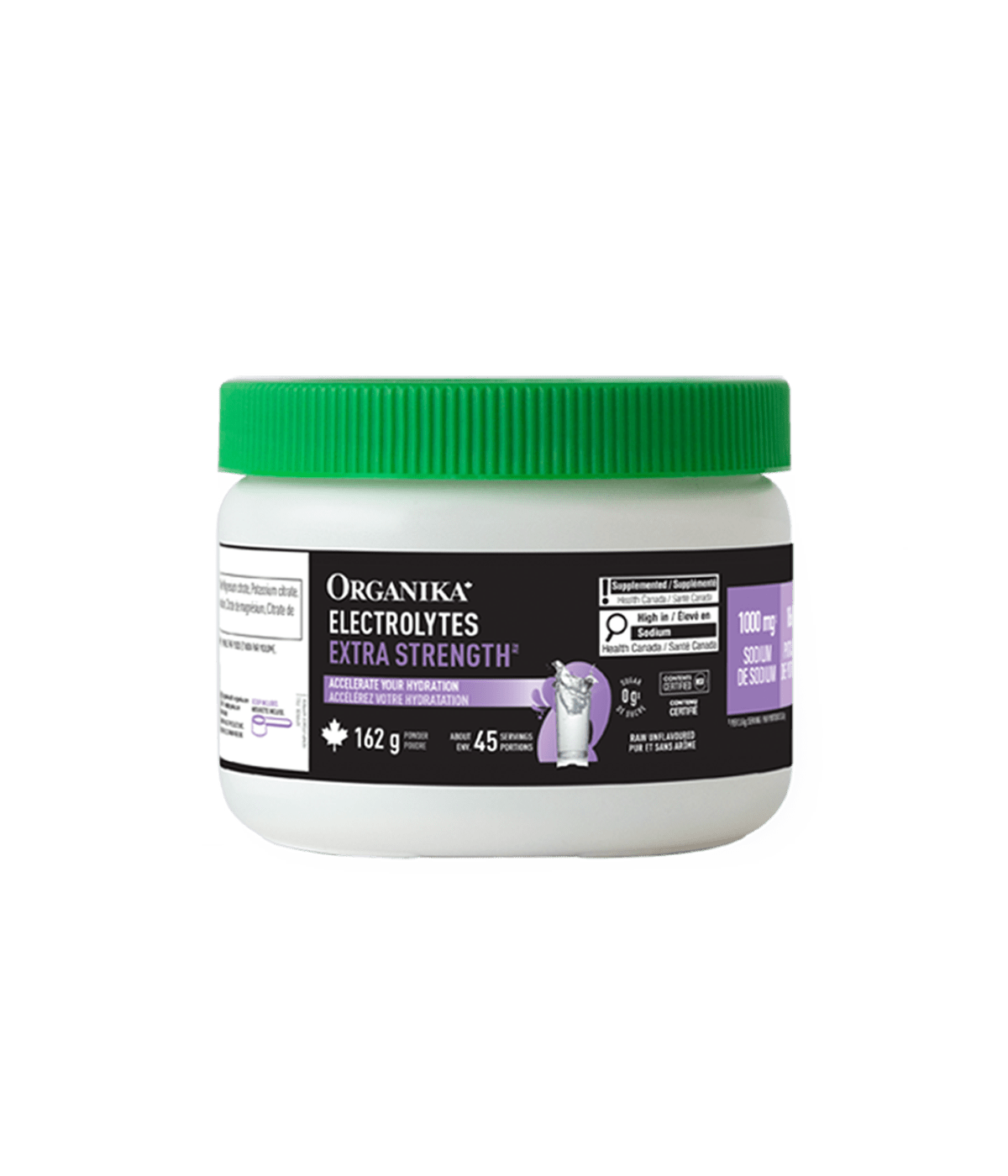
Electrolytes Extra Strength - Unflavoured
Unflavoured extra strength hydration support for high-intensity workouts or heavy sweating
Support Beyond Products
In our first post, we explored electrolytes and their essential role in hydration. Now, let’s take a closer look at what each electrolyte does for your body and how they support optimal performance during physical activity. Sodium: The Hydration Hero Sodium is the primary electrolyte lost through sweat, and it’s crucial for maintaining your body’s fluid balance. Low sodium can lead to muscle cramps, weakness, or even hyponatremia in extreme cases. For athletes, a daily sodium intake of 3500-7000 mg may be necessary, particularly in hot conditions, to stay hydrated and replace sweat losses (Shirreffs & Sawka, 2011). Replenishing sodium allows your body to retain necessary fluids, keeping you hydrated and ready for peak performance. Organika’s Electrolytes Extra Strength provides an increased level of sodium, along with potassium and magnesium so you can retain fluids and the ionic balance your body needs after high activity, illness, or sweating. Potassium: The Muscle Supporter Potassium works closely with sodium to help your nerves function and support muscle contractions. It’s essential for preventing cramps and fatigue, ensuring your muscles stay fueled throughout activity. Magnesium: The Energy Producer Magnesium plays a critical role in energy production and muscle relaxation, both essential for sustained physical performance. Research suggests that magnesium supplementation is safe and can be beneficial in sports drinks (Whang, 1998). It aids in muscle recovery, reducing the risk of cramps and supporting relaxation. Calcium: The Muscle Conductor Calcium isn’t just for bones—it’s also vital for muscle function. During exercise, calcium assists in muscle contraction and relaxation, promoting endurance. Low calcium levels can lead to muscle spasms or weakness, impacting performance. Research-Backed Hydration Tips Electrolytes are key to not only hydration but also extended performance. Personalized hydration strategies are essential, with recommendations of consuming 5-7 ml of fluid per kg of body weight four hours before exercise, followed by 200 ml every 20 minutes during activity (Tambalis, 2022). Energy drinks with carbohydrates, caffeine, and taurine, consumed 10-60 minutes before exercise, can also help improve focus, alertness, and performance (Tambalis, 2022). Electrolytes Energy by Organika is infused with all-natural caffeine from Yerba Mate for a clean boost of energy, creatine for increased muscle power, and essential electrolytes to keep you hydrated. In our next post, we’ll share practical tips for maintaining balanced electrolytes and effective hydration before, during, and after exercise. By understanding and using these strategies, you’ll be better equipped to support both hydration and performance through targeted electrolyte intake. References https://www.semanticscholar.org/paper/Electrolyte-%26-water-metabolism-in-sports-Whang/d8520dd1e083e7a3542a67b2a052ad39bff0ed25 https://elicit.com/notebook/d864d283-2324-44aa-8fd2-fa4eb69be5db#1806fbf9afd9c88525c19eaeb92bca7f https://www.semanticscholar.org/paper/THE-EFFECT-OF-ELECTROLYTES-AND-ENERGY-DRINKS-ON-%E2%80%93-A-Tambalis/df7612ddef86e8d0fc21f7454f3fb38735291fde https://www.semanticscholar.org/paper/Influence-of-Hydration-and-Electrolyte-on-Incidence-Jung-Bishop/97f2bf3fbdcd76917fb0fa382200c4a0946b2dec
read more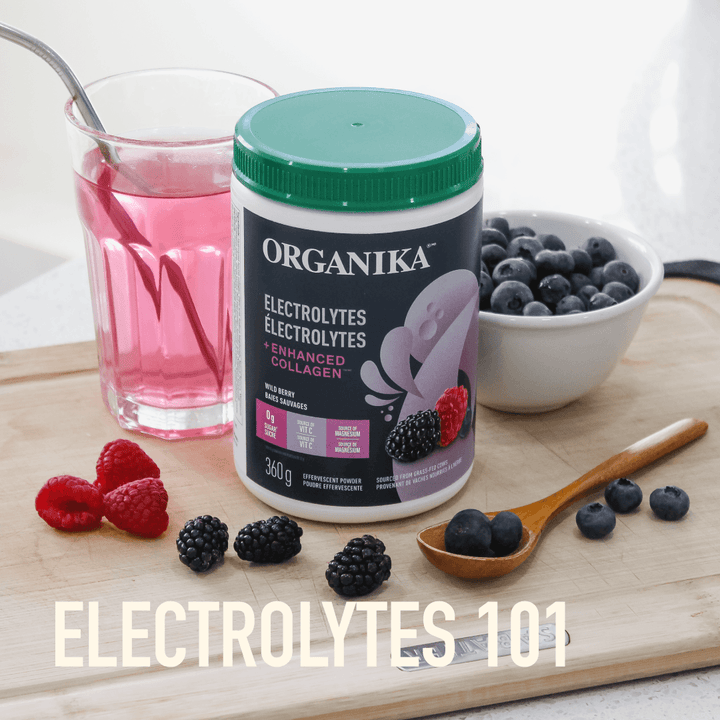
You may have heard of electrolytes in sports drinks, and even be aware of some of the natural options available out there. But what do electrolytes actually do and what should you look for in an electrolyte drink or electrolyte supplements? What do electrolytes do? Electrolytes are a group of minerals – including magnesium, sodium, and potassium – that help conduct electricity around the body. They are essential for basically every activity in your body: muscle contraction (like your heart), regulating pH balance, keeping you hydrated and controlling your nervous system function. Why are electrolytes important? Electrolytes are essential to our survival, yet we can easily lose electrolytes through urine and sweat. Overconsumption of diuretic drinks such as coffee, alcohol and caffeinated teas can also reduce our electrolyte levels in the body. This becomes especially problematic when we are sick, as we also lose electrolytes when we vomit or experience diarrhea. Symptoms of low electrolytes levels It can be more common to see extreme symptoms of low electrolyte levels in those who are athletes or practice a ketogenic diet (hint: the keto flu can be better managed with electrolyte supplementation). However, there are common symptoms that many of us experience, that may indicate dehydration or low electrolyte levels, including: Fatigue Headache Dizziness Nausea (with or without vomiting) Trembling Dry mouth and skin Muscle weakness Stiff and aching joints More severe symptoms of electrolyte deficiency include: Change in mental status, such as confusion, delirium, lethargy, hallucinations Poor skin elasticity Rapid heart rate Sunken eyes If you experience these symptoms, please seek medical attention immediately. When to take electrolytes In general, electrolytes can be helpful to keep up with your daily hydration goals, especially on those busy days where remembering to drink water can be a challenge. You can skip that third cup of coffee and reach for some electrolytes – you may even find it more energizing! Some other times you may want to consider taking electrolytes include: When you have been in the heat for an extended period (think summertime adventures!) If you drank a little too much alcohol one night If you are engaging in high-intensity exercise If you are following a ketogenic or low-carb diet, or regularly practice fasting If you are experiencing the flu or a severe bout of diarrhea If you have been feeling more muscle fatigue than usual with no changes to your daily water consumption How to replenish electrolytes First, start with food. Lots of vegetables and fruits can supply you with magnesium and potassium, as well as sea salt to support sodium production. But for many people, this isn’t enough. Supplementing with an electrolyte mix, like Electrolytes + Enhanced Collagen™, can provide you with these essential minerals. What is the best electrolyte drink? For years, we reached for electrolyte drinks packed with sugar – anyone else remember the days of choosing your favourite colour sugary sports drink for the soccer tournament? However, a few tips to ensure you pick the best electrolyte for your health goals include: Make sure it's sugar-free While glucose is important for many professional athletes, many average fitness folks can get away with consuming their carbs from whole-food sources pre- and post-workout. Look for a higher sodium content Many people shy away from sodium as we’ve been told it can lead to cardiovascular issues. However, studies show that low sodium intake can have the same effect. Electrolytes + Enhanced Collagen™ powder contains 440 mg of sodium per serving, which is known to support sore muscles. As previously mentioned, this is especially important for those following a low-carb or ketogenic diet, whether they exercise regularly or not. Check the magnesium content Magnesium is always beneficial to have in an electrolyte mix to help with post-workout recovery. Magnesium citrate can be ideal, especially if you deal with muscle cramping. Electrolytes + Enhanced Collagen™ powder contains 60 mg of magnesium per serving. No added colours or preservatives Look for natural colouring, especially ones that add to the nutritional value of the product, like red beet powder! Today, electrolyte drinks are savvier than ever, not only supporting your mineral needs, but taking a whole-body approach. Electrolytes + Enhanced Collagen™ combines nutrients like vitamin C, which is excellent to support tissue repair, plus 5 g of hydrolyzed grass-fed collagen per serving for additional joint support. In addition, you get all the benefits, without the less ideal ingredients like sugar, preservatives and artificial colours.
read more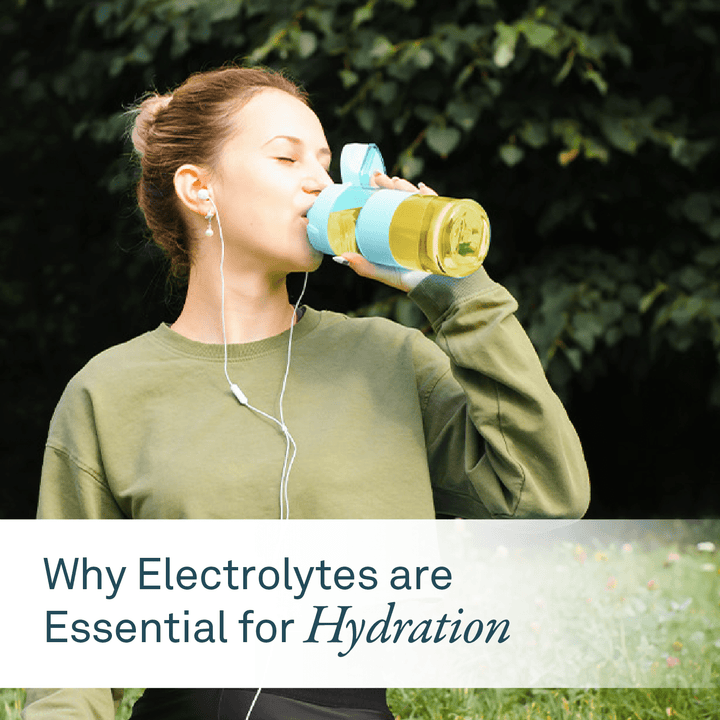
When you think of hydration, water is often top of mind. But water alone may not be enough—especially if you’re active, exercise regularly, or even just sleep hot! That’s where electrolytes come into play. Essential minerals like sodium, potassium, magnesium, and calcium are key for maintaining fluid balance, especially when we sweat. The Role of Electrolytes in Hydration Electrolytes ensure that water is efficiently absorbed into your cells, which is crucial for maintaining proper hydration. Daily activities, exercise, and even just breathing cause us to lose both fluids and electrolytes, leading to potential dehydration if not properly replenished. Research has shown that significant sweat losses during exercise can create fluid and electrolyte deficits, impacting performance and recovery if not adequately replaced (Shirreffs & Maughan, 2000; Maughan & Shirreffs, 1997). Fluid Loss During Sleep Overnight, we naturally lose fluids and electrolytes due to regular respiration. If you’re a hot sleeper, experience night sweats, or have conditions like obstructive sleep apnea, this fluid loss can increase significantly. Additionally, if you exercise close to bedtime without rehydrating or consume alcohol before bed, dehydration can worsen by morning. Replenishing fluids and electrolytes first thing in the morning can help reset hydration levels and support overall well-being. Caffeine-free electrolytes are a great coice any time of day, and Organika offers a variety of flavours to choose from – all of which are sugar-free. Sodium and Hydration: Key for Fluid Retention Sodium is particularly important for effective rehydration. Research indicates that rehydration drinks containing moderate to high levels of sodium (at least 50 mmol/L) are essential for promoting fluid retention and replacing lost electrolytes (Maughan & Shirreffs, 1997; Sharp, 2006). Sodium also reduces urinary water loss, enabling the body to recover fluid balance more quickly after activity. Moreover, athletes in hot conditions may need to consume 4-10 liters of water and 3500-7000 mg of sodium daily for adequate hydration (Shirreffs & Sawka, 2011). Organika offers a wide range of electrolytes with sodium content ranging from 30 mg to 1000 mg, so you can choose the option that best suits your needs. We also have unflavoured electrolytes available. Practical Hydration Tips Hydrating with electrolyte-containing beverages can be especially beneficial when you can’t eat right after intense exercise, close to bedtime, or in the morning to offset overnight fluid loss. Making hydration a priority can keep you feeling your best, whether you’re at work, working out, or simply getting ready for a new day. In our next post, we’ll explore each electrolyte’s role in the body and how it supports optimal hydration. Stay tuned! References https://www.semanticscholar.org/paper/Acute-and-chronic-effects-of-hydration-status-on-El-Sharkawy-Sahota/64e8276d9bf968cea103521a70d44703f8a85130 https://www.semanticscholar.org/paper/Effects-of-an-Electrolyte-Additive-on-Hydration-and-Cuddy-Ham/96b2b927e827369c486bc5644593d296cc0b00eb https://www.semanticscholar.org/paper/Recovery-from-prolonged-exercise%3A-restoration-of-Maughan-Shirreffs/c0a6ed25d0c7e2c80fa87ee9c4967355291409f1
read more