








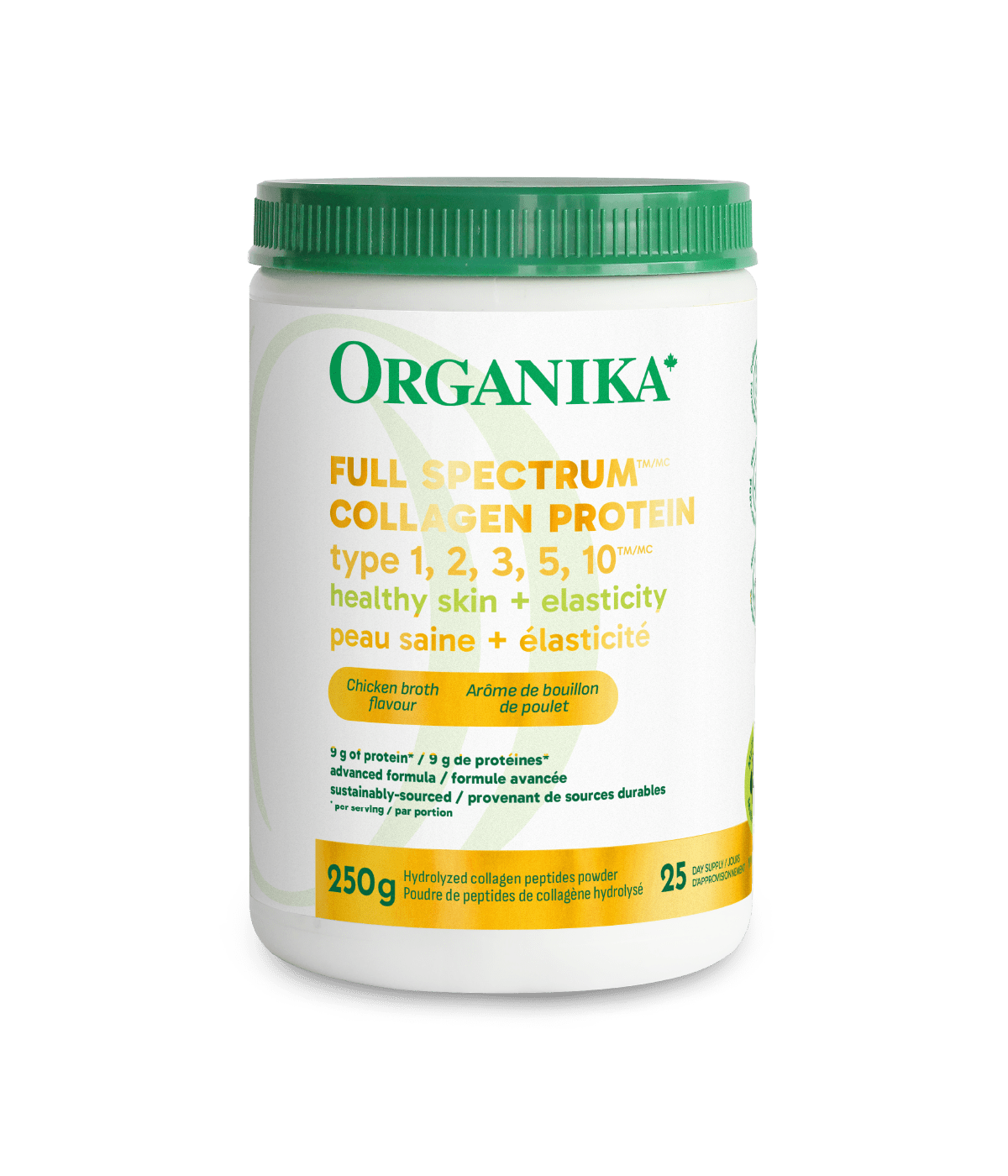
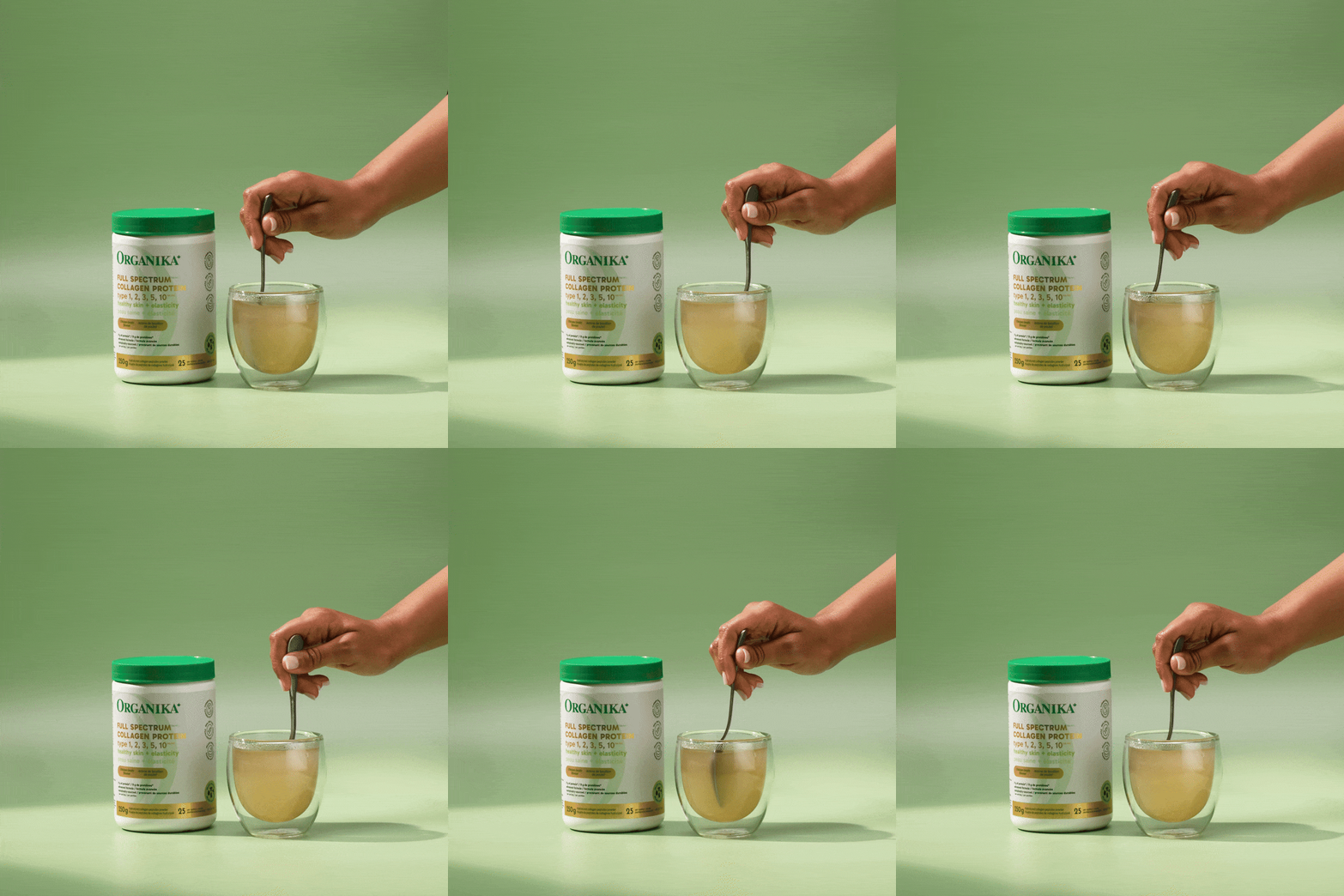
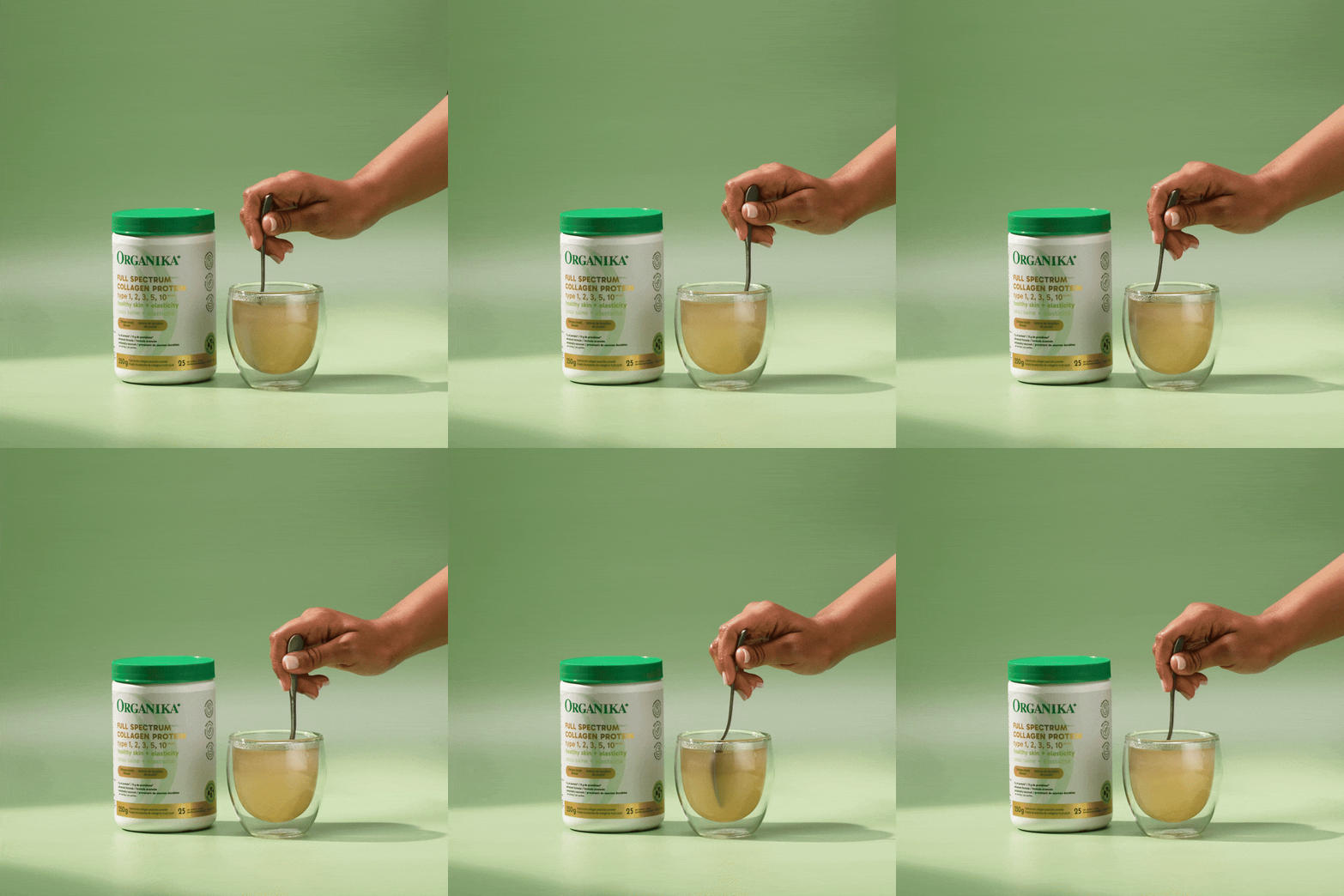
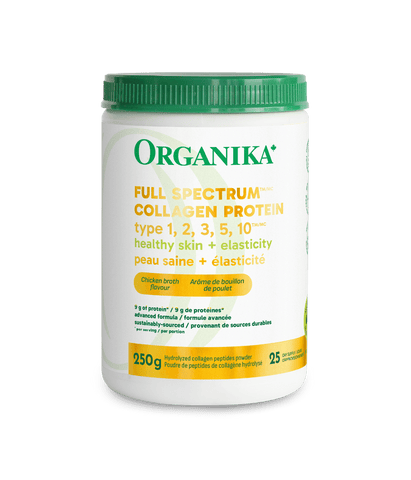
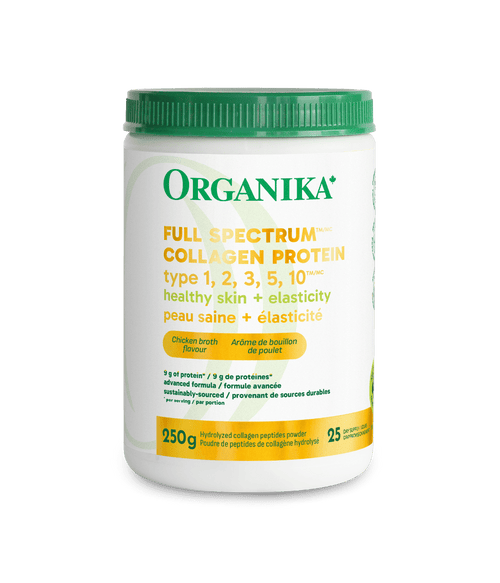
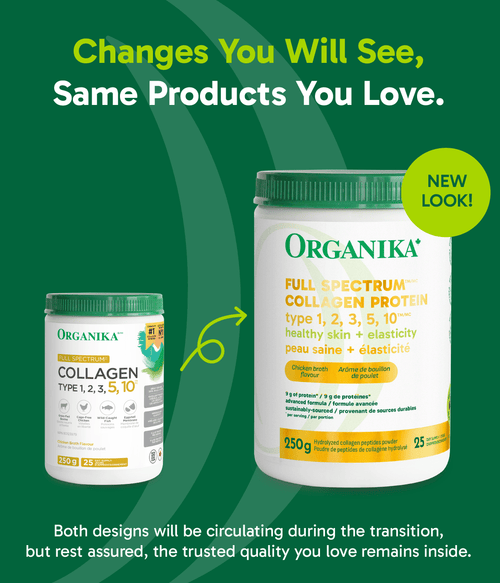
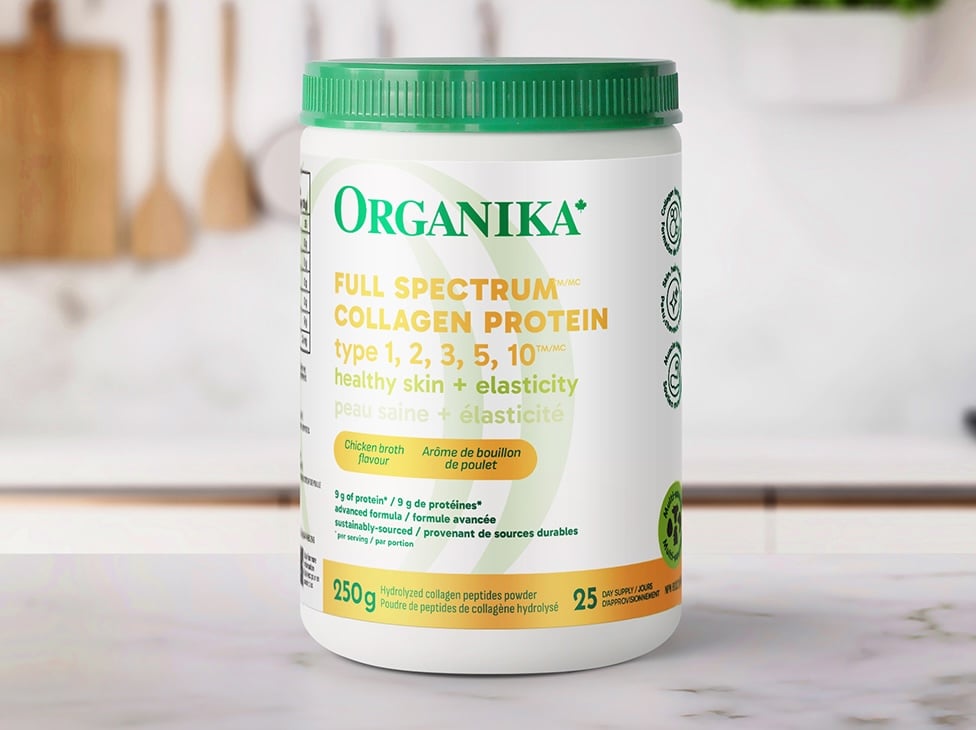
Full Spectrum Collagen 1, 2, 3, 5, 10
The five most common collagen varieties in one powerful blend
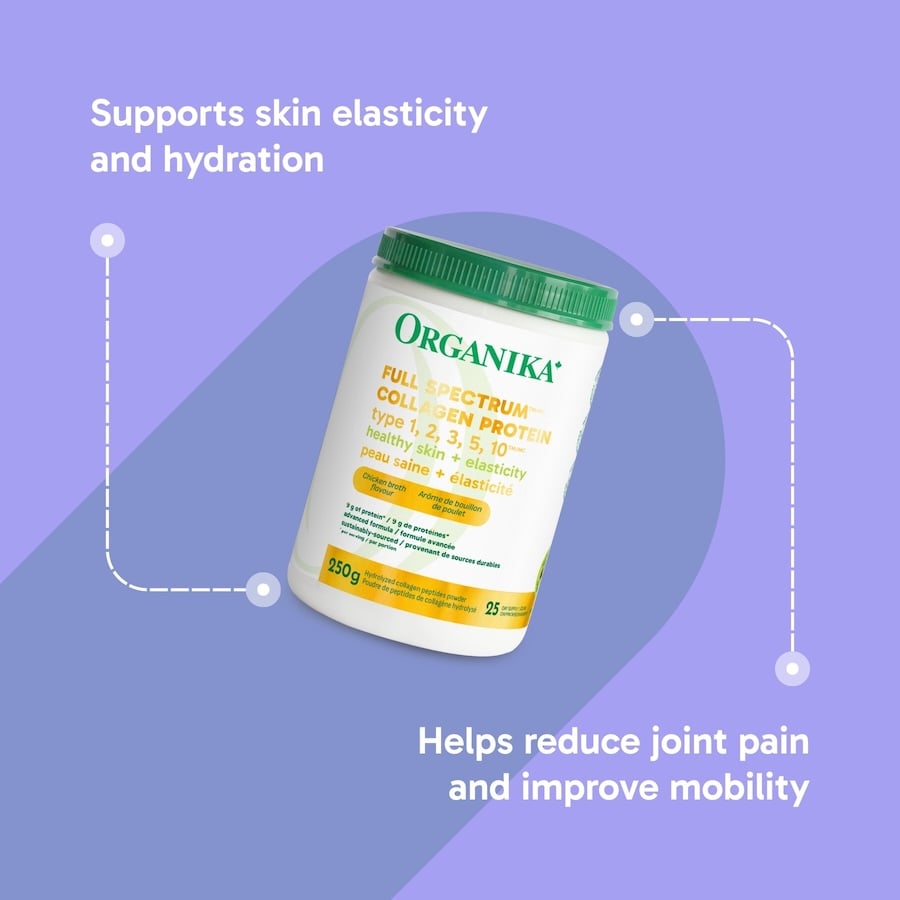
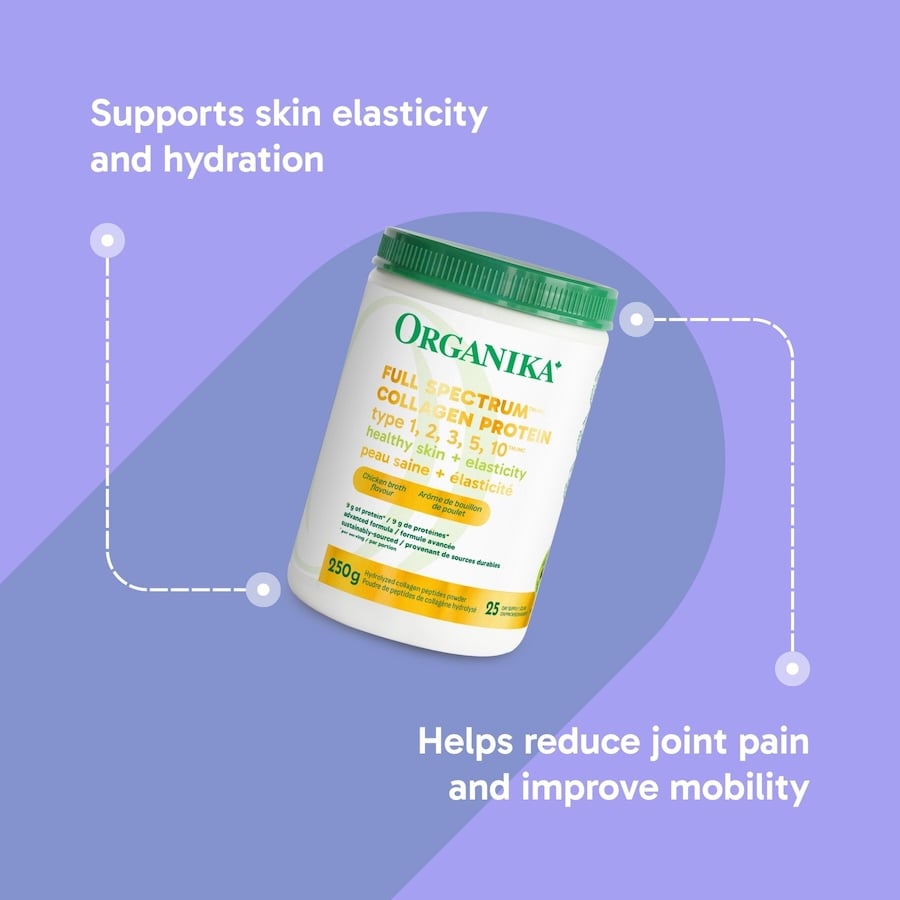
- Supports skin elasticity and hydration
- Helps reduce joint pain and improve mobility
- Delivers essential amino acids
- A diverse range of collagen types for comprehensive support
Couldn't load pickup availability


Notify Me When Available
Enter your email and we'll let you know as soon as this product is back
Supplement Facts
Ingredients & Nutrition




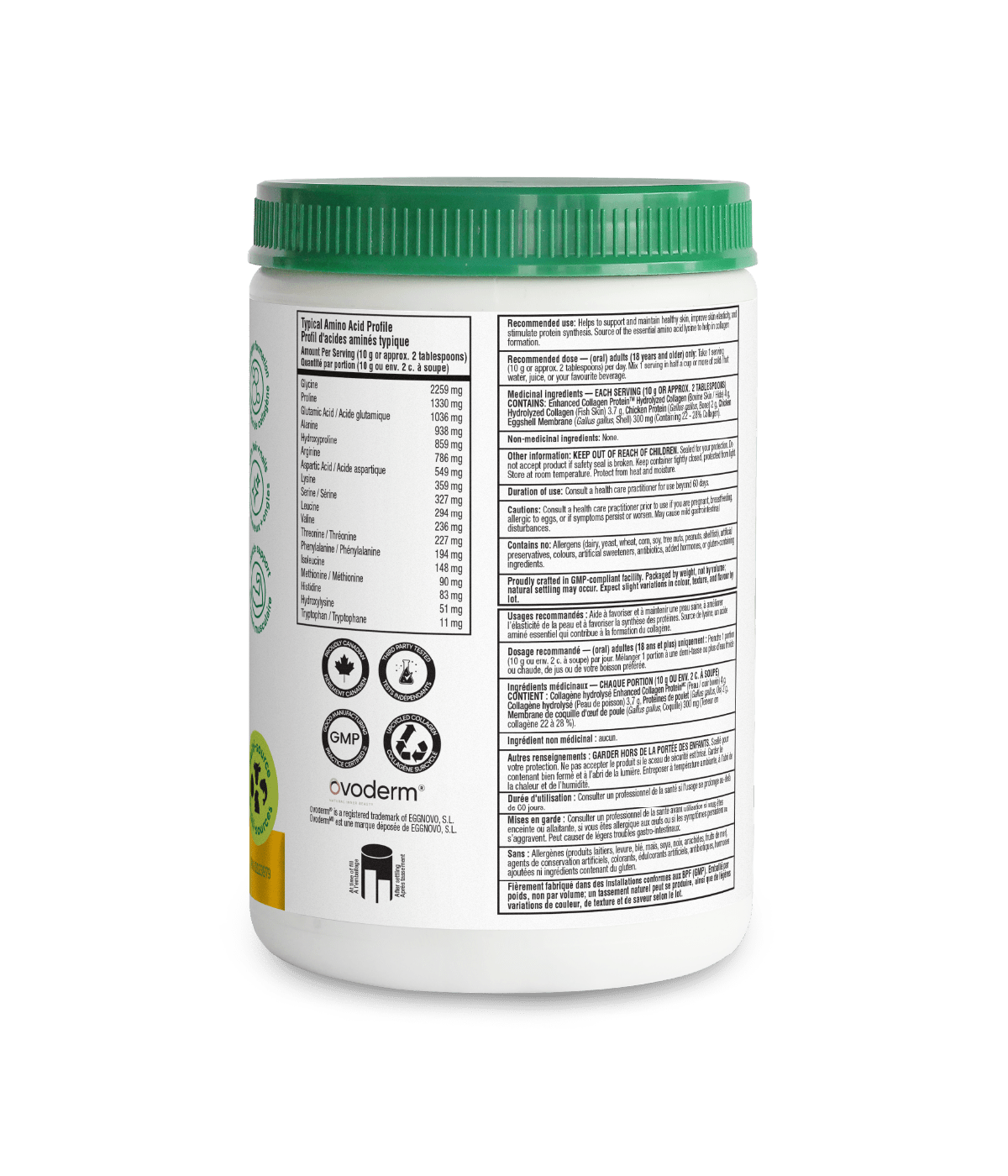
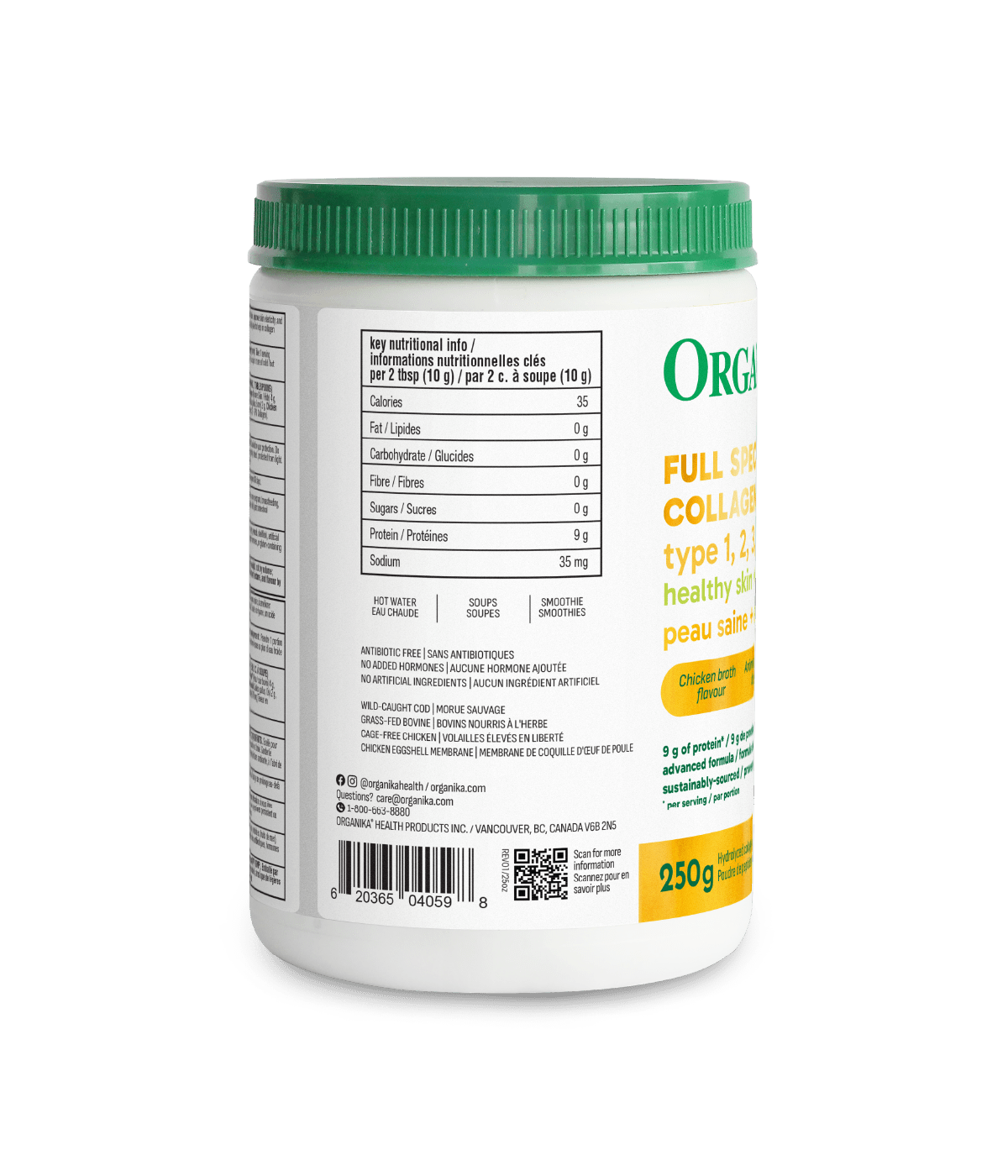
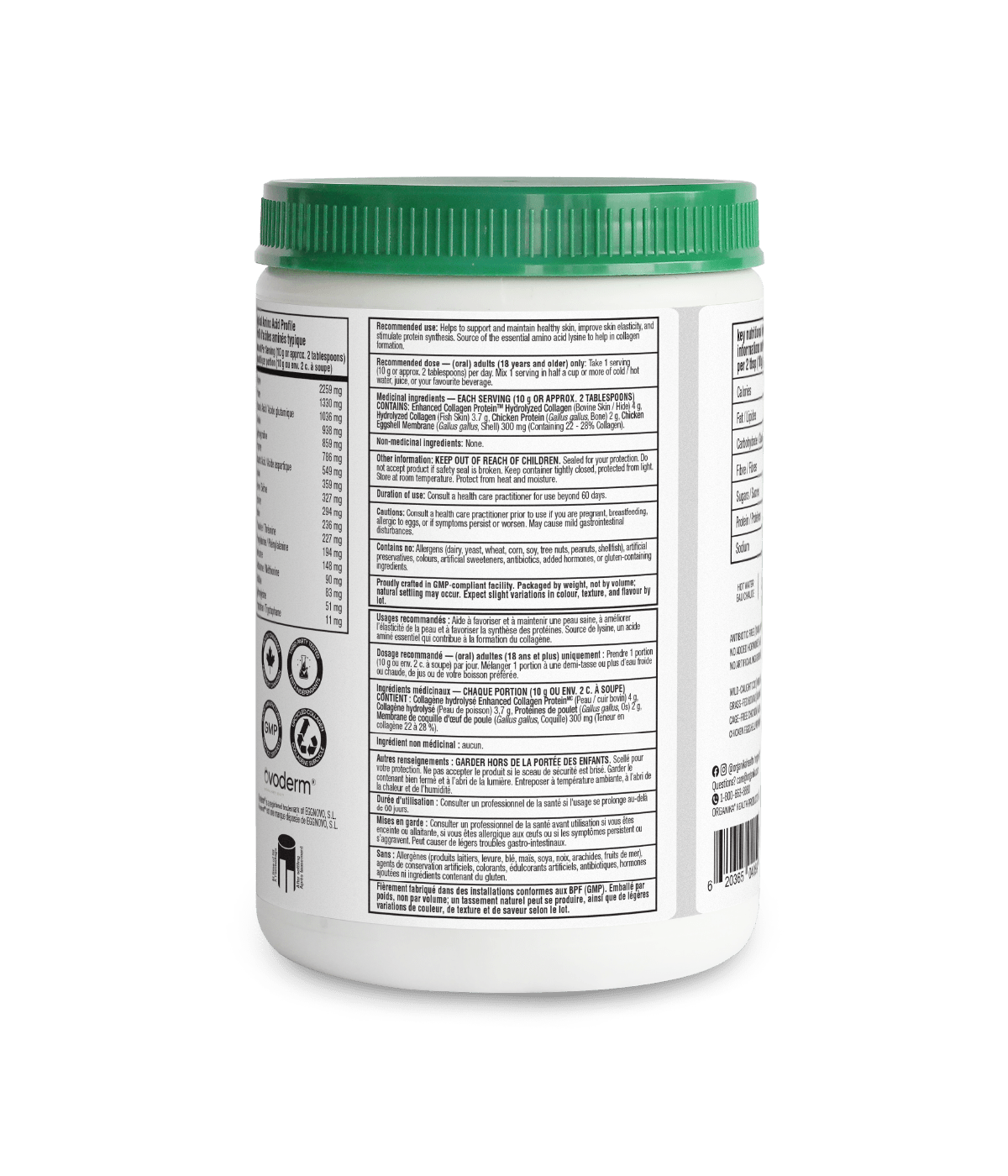
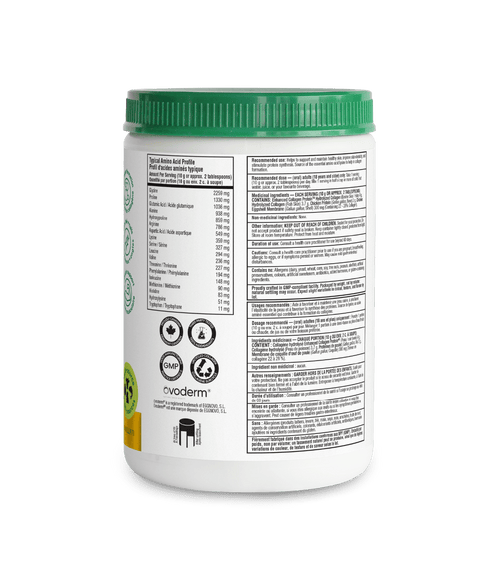
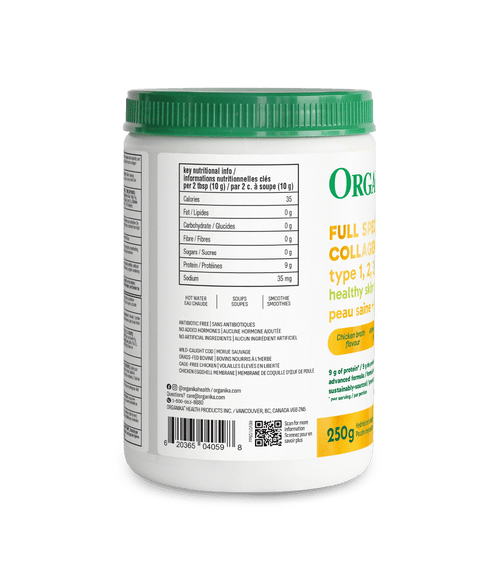
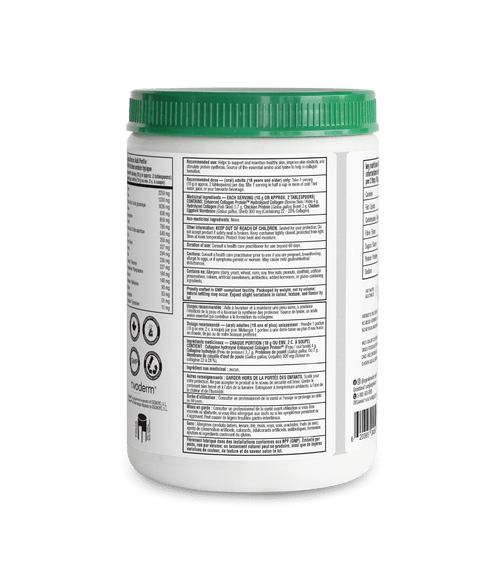
MEDICINAL INGREDIENTS: EACH SERVING (10 g OR APPROX. 2 TABLESPOONS) CONTAINS: Hydrolyzed Collagen (Bovine Skin / Hide) 4 g, Hydrolyzed Collagen (Fish Skin) 3.7 g, Chicken Protein (Gallus gallus, Bone) 2 g, Chicken Eggshell Membrane (Gallus gallus, Shell) 300 mg (Containing 22 - 28% Collagen).
RECOMMENDED DOSE ó (ORAL) ADULTS (18 YEARS AND OLDER) ONLY: Take 1 serving (10 g or approx. 2 tablespoons) per day. Mix 1 serving in half a cup or more of cold / hot water, juice or your favourite beverage. [1 serving = 10 g (approx. 2 tablespoons)]. Note: Because it has a subtle bone broth flavour, it's recommended to sip hot, or use as a soup base, savoury drink or in cooking.
Caution: Consult a health care practitioner prior to use if you are pregnant, breastfeeding, allergic to eggs or if symptoms persist or worsen. May cause mild gastrointestinal disturbances.
Is This Right for You?
Are you unsure what type of collagen to take and want the benefits of all of them?
Do you want to support your joints, bones or mobility as you stay active or age?
Are you looking for a simple way to improve the health of your skin, hair and nails?
Would you like to target multiple systems at once without juggling separate products?
If you answered "Yes" to any of the above, this product is right for you.

-
Delivers essential amino acids
-
A diverse range of collagen types for comprehensive support
Ingredients & Nutrition
Gluten-Free
Caffeine-Free
Keto Friendly
Non-GMO
No Artificial Sweeteners
No Artificial Colours or Flavours
Gluten-Free
Caffeine-Free
Keto Friendly
Non-GMO
No Artificial Sweeteners
No Artificial Colours or Flavours
Gluten-Free
Caffeine-Free
Keto Friendly
Non-GMO
No Artificial Sweeteners
No Artificial Colours or Flavours
A complete collagen blend that supports everything from skin and joint health to connective tissue strength and bone resilience
The Full Scoop
-
Delivers essential amino acids
-
A diverse range of collagen types for comprehensive support
Full Spectrum Collagen 1, 2, 3, 5, 10 is a well-rounded blend built for full-body support. Each scoop delivers a diverse mix of collagen types to help reduce joint pain, support skin health and reinforce the connective tissues to keep you moving with ease. This formula includes essential amino acids involved in protein synthesis, plus lysine to help your body form more collagen of its own. That means healthier hair, skin, nails, joints and bones.
No juggling multiple collagens to get everything you want. It also supports ligament strength, cartilage health and bone remineralization, making it a smart pick whether you're pushing your workouts or just want to move more comfortably. It's like we thought of everything.
Ask Away
We’ve got the FAQs covered. But if you’re still stuck, we’re only a message away.
Get in TouchWhat is the % of each type/source of collagen?
Hydrolyzed Bovine Collagen 40%
Hydrolyzed Marine Collagen 37%
Chicken Bone Broth Powder 20%
Eggshell Membrane Collagen 3%
Who needs/benefits from taking type 5 and 10 collagen?
Type 5 and 10 collagen derived from eggshell membrane are clinically proved to improve skin elasticity.
Do I need all collagen to get the benefits of collagen?
The human body can produce all types of collagen types if it is given proper nutrition, supported by healthy lifestyle and collagen-producing enzymes are still active.
Can I mix this in hot or cold food/beverages?
This product can be mixed in hot or cold food/beverages since all of ingredients are stable in heat.
What is the best way to store this product?
Store in a tightly sealed container in a cool dry place (for example: kitchen cupboard).
You'll Likely Also Love...
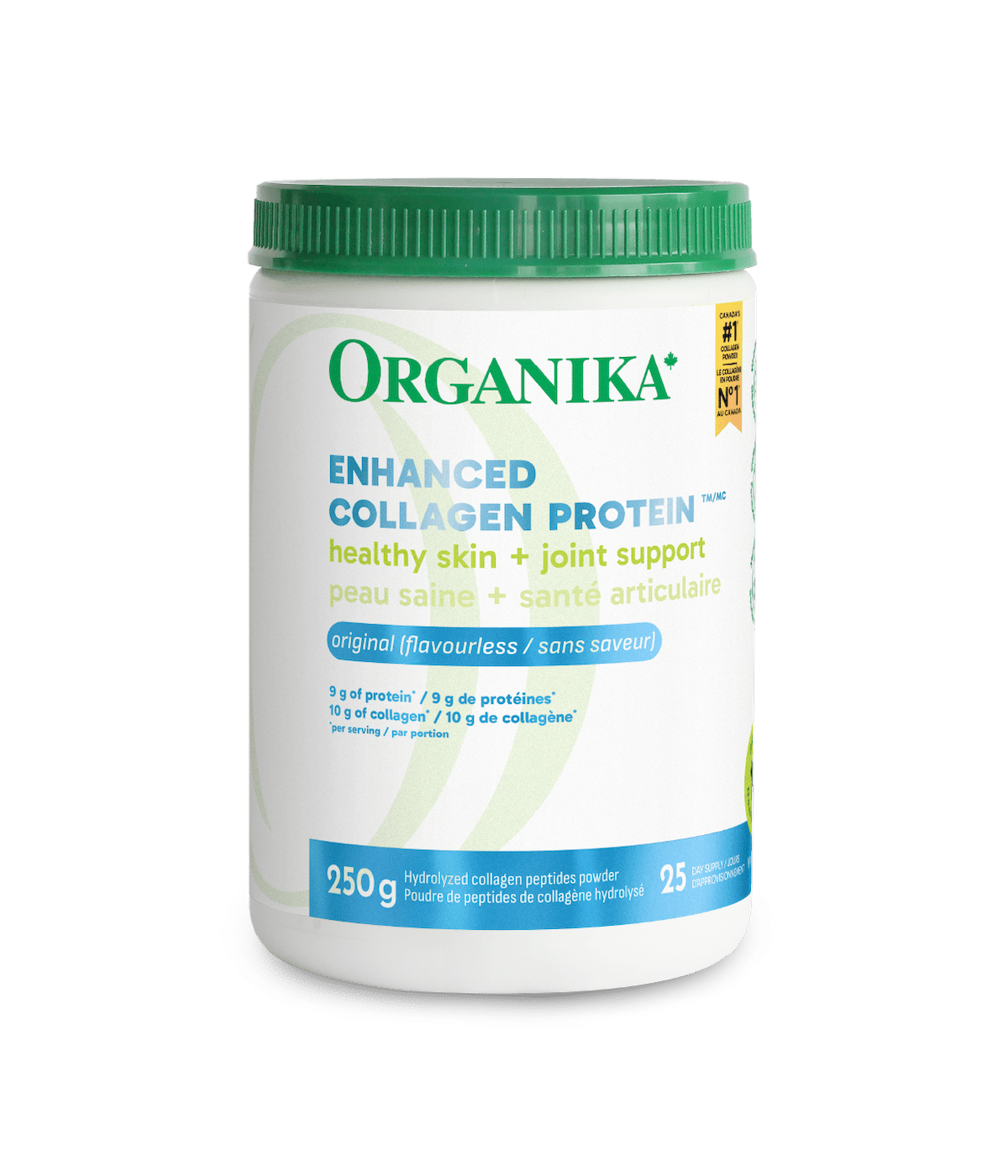
Enhanced Collagen Protein Original
Canada’s #1 Collagen Powder for healthier skin, hair, nails, joints and gut
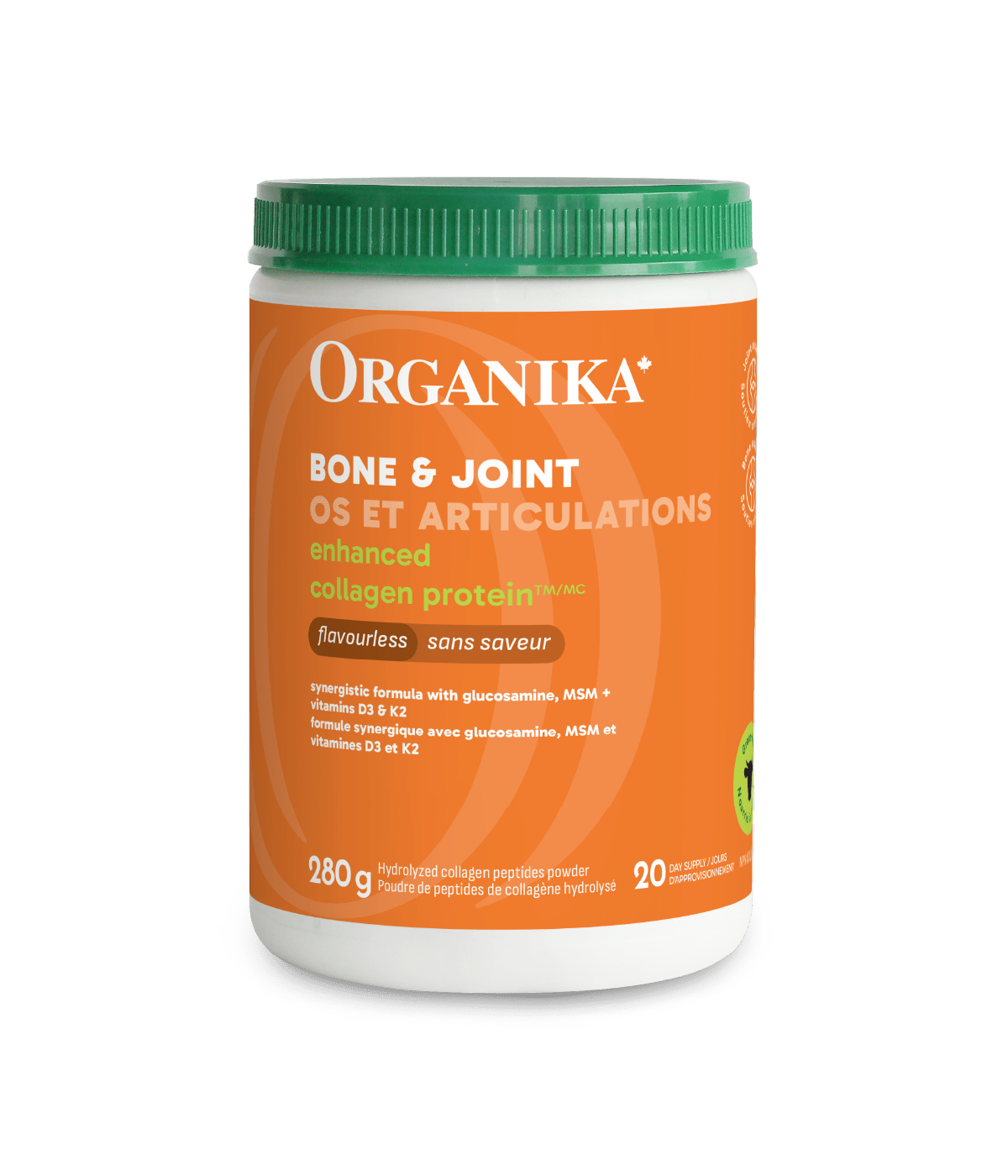
Enhanced Collagen Protein Bone & Joint
Ease pain, fight inflammation and protect your bones and joints
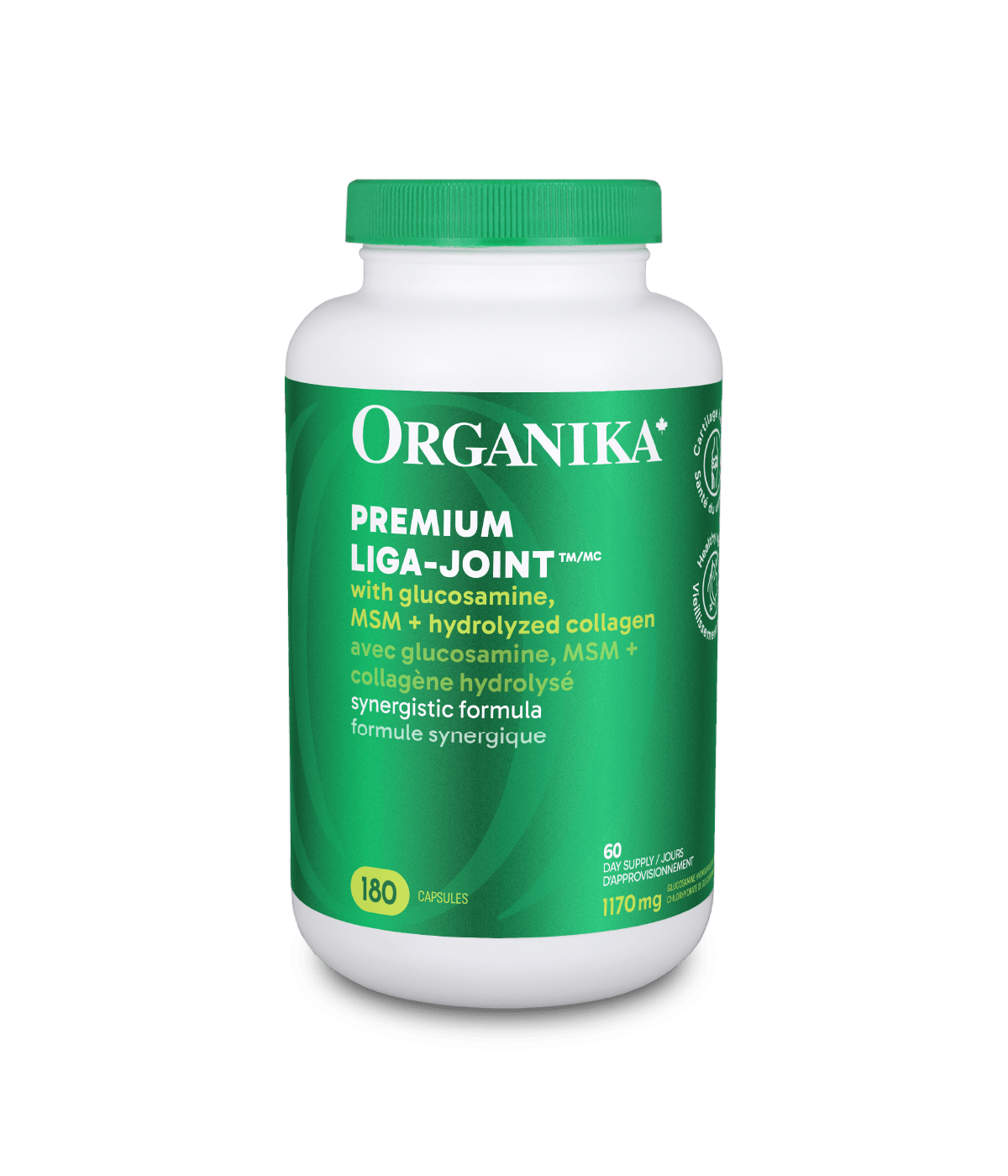
Liga-Joint Premium
Move with ease and maintain healthy joints
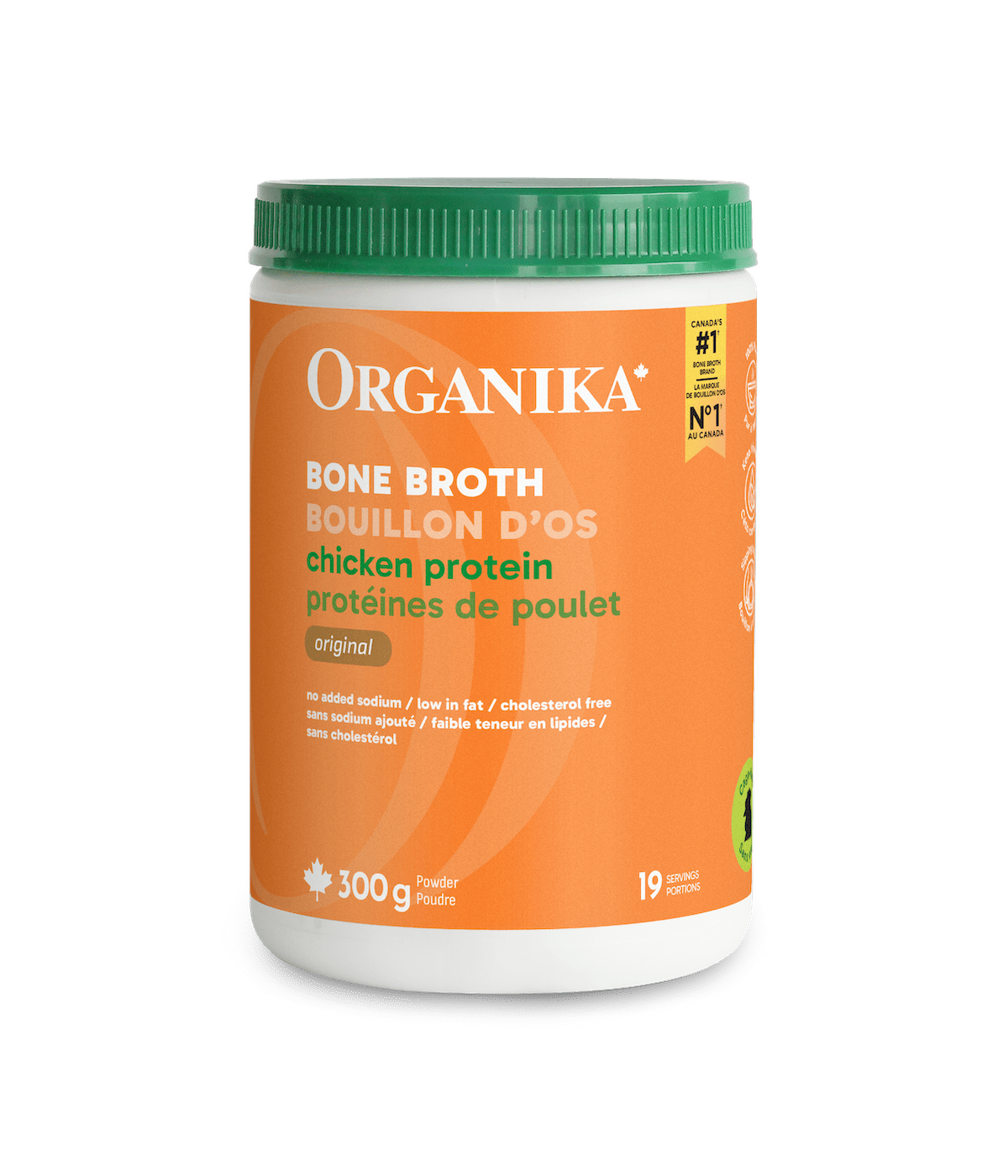
Chicken Bone Broth Protein Powder
All the chicken bone broth benefits, none of the stovetop hassle
Support Beyond Products

Understanding the difference between collagen and protein powder can help you make better choices for your wellness goals, whether that’s muscle growth, skin and joint support, or daily protein intake. Although both contain amino acids and count as proteins, they serve very different purposes in your diet and body. What Is Collagen? Collagen is the most abundant structural protein in the body, found in skin, bones, cartilage, tendons, hair, and nails. It provides strength, elasticity, and support to connective tissues. Unlike many protein powders (like whey or plant proteins), collagen: Is not a complete protein, it doesn’t contain all nine essential amino acids. Is rich in specific amino acids such as glycine, proline, and hydroxyproline, which help support tissues and structures throughout the body. Why take collagen powder? May support skin hydration and elasticity Helps maintain joint comfort and mobility Supports gut health Offers structural amino acids that can decline with age What Is Protein Powder? In contrast to collagen, most protein powders (including whey, plant-based, egg and casein) are designed to help you meet daily protein requirements and support functions like muscle maintenance, repair and growth. Protein powders differ based on their amino acid profile, digestibility, dietary preferences and goals. Scientific research indicates that both animal and plant proteins can support muscle mass and strength gains when total protein intake is adequate, although animal protein often shows a modest advantage in lean mass development due to higher essential amino acid availability (Santini, M, 2025). Protein powders are often used to support: Reaching daily protein goals Muscle recovery and strength gains Weight management and satiety Convenient nutrition when whole foods aren’t available Which One Should You Choose? When you’re choosing between collagen powder and a more traditional protein powder, it really comes down to what you’re trying to support in your life and body, not that one is “better” than the other for everyone. If your main goal is to meet daily protein needs, support muscle recovery after workouts, or build strength over time, a more complete protein powder (whether that’s whey or a thoughtfully blended plant-based option) tends to fit those needs more directly. These powders are formulated with all the essential amino acids your body looks for when it’s rebuilding and repairing tissues after movement or exercise. On the other hand, if you’re more focused on things like skin resilience, joint comfort, or connective tissue support, collagen protein can feel like a more tailored choice. Because it’s rich in specific amino acids that your body uses for structural proteins like collagen in skin and cartilage, many people find it helpful as a complement to their overall routine. Some individuals choose to use both. For example, a general protein powder after workouts to support muscle and strength goals, and collagen at other times to support skin, joint, or tissue health. There’s nothing stopping you from combining them, as long as you’re keeping an eye on your overall protein intake and how you feel. Everyone’s body and priorities are a little different, so it can be worth experimenting to find what feels best for you. Goal Recommended Muscle building and athletic performance Protein powder Skin, joints, hair, nails Collagen powder Balanced dietary protein Protein powder Targeted connective tissue support Collagen References Santini, M. H., Erwig Leitão, A., Mazzolani, B. C., Smaira, F. I., de Souza, M. S. C., Santamaria, A., Gualano, B., & Roschel, H. (2025). Similar effects between animal-based and plant-based protein blend as complementary dietary protein on muscle adaptations to resistance training: findings from a randomized clinical trial. Journal of the International Society of Sports Nutrition, 22(1), 2568047. https://doi.org/10.1080/15502783.2025.2568047
read more
There’s Different Types of Collagen? Collagen has become one of the most talked-about nutrients in the health, fitness, and beauty industries. Why? Because collagen is an essential protein. In fact, it is the most abundant protein in the human body, making up about 30% of total protein mass. Collagen is found in our bones, connective tissues such as joints, ligaments, and cartilage, muscles, hair, skin, nails, and even blood vessels. While collagen is important for many reasons, its primary role is providing strength and structure. Think of collagen as the glue that holds your body together. Collagen peptides help give skin its elasticity, shape, and joint structure. This helps explain why there are many different types of collagen, with over 16 identified so far. When it comes to collagen supplements, the most commonly discussed types are Type 1, Type 2, and Type 3 collagen. Collagen supplements are available in several forms, including hydrolyzed collagen (collagen peptides powder, collagen powder, collagen capsules, or liquid form), gelatin, and undenatured collagen. Among these, hydrolyzed collagen peptides are generally the easiest for the body to absorb and use. Type 1 Collagen Where is it found? Type 1 collagen is found in hair, skin, and nails and is the most abundant type of collagen in the body, making up around 90%. It is also present in bones, where it accounts for roughly 40% of the bone matrix, as well as in ligaments. Sources of Type 1 collagen include marine collagen and bovine collagen. What does it do? Type 1 collagen plays a major role in skin elasticity, strength, and anti-aging support. It contributes to the firmness and structure of the skin and may help reduce the appearance of wrinkles and loss of elasticity, including cellulite. Products with Type 1 Collagen Peptides If you’re looking to add more Type 1 collagen peptides to your routine, there are a few options depending on your preferences. All of our Enhanced Collagen products include Types 1 and 3 collagen, sourced from grass-fed bovine with no hormones or antibiotics—a solid everyday choice for broad collagen support. If you’d rather go the marine route, our Marine Collagen Powder is made from fish scales and contains Type 1 collagen only, while Liquid Marine Collagen with Biotin and Vitamin C offers the same marine collagen in a ready-to-take format with added beauty-supporting ingredients. For those who prefer capsules, Enhanced Collagen Capsules provide another Type 1–only option. You can also find Type 1 collagen in alternative formats like our effervescent tablets (made with marine collagen and vitamin C), or in nourishing, food-based options like Beef Bone Broth, which naturally contains Types 1 and 3 collagen. Type 2 Collagen Where is it found? Type 2 collagen is found in connective tissues such as joints, ligaments, and cartilage. Chicken is known to be particularly high in Type 2 collagen. What does it do? Type 2 collagen helps maintain the structure of cartilage and bones. As collagen naturally declines with age and environmental factors like UV exposure or smoking, connective tissues can weaken, which may contribute to joint discomfort and osteoarthritis. Products with Type 2 Collagen Peptides Two popular options include BioCell Collagen, which is derived from chicken cartilage (sternum) and naturally includes hyaluronic acid and chondroitin sulfate—compounds that work alongside collagen to support comfortable movement and joint function. For a more food-based approach, Chicken Bone Broth also contains Type 2 collagen, along with naturally occurring glycosaminoglycans (GAGs) that help support connective tissue. Type 3 Collagen Where is it found? Type 3 collagen is another abundant form found alongside Type 1 collagen fibers. It appears in reticular fibers throughout the body, including bones, muscles, organs, blood vessels, tendons, and connective tissues. What does it do? Type 3 collagen supports skin elasticity, circulation, healthy bone matrix, nail strength, and hair thickness. Together with Type 1 collagen, it plays a major role in skin structure and anti-aging benefits. Products with Type 3 Collagen Peptides Type 3 collagen is often found alongside Type 1 in many bovine-based collagen supplements. Our Enhanced Collagen Protein is made with grass-fed bovine collagen and provides hydrolyzed Type 1 and 3 collagen peptides, with no added hormones or antibiotics. You can also get Type 3 collagen through food-based options like Beef Bone Broth, which naturally contains collagen along with minerals and compounds such as hyaluronic acid, chondroitin, and glucosamine. What Types of Collagen Do You Need? Now that you understand the different types of collagen, you may be wondering which collagen supplement is right for you. Start by choosing hydrolyzed collagen peptides for optimal absorption. Select your collagen based on your health goals: a) For beauty, bone, and joint health, Types 1 and 3 are ideal.b) For joint and ligament support, Type 2 collagen from bone broth or cartilage-based sources may be helpful. Choose the format that fits your lifestyle, whether powder, capsules, or liquid. If you would like to supplement with all three types of collagen, that is perfectly acceptable. Collagen also provides 17 additional beneficial amino acids. Have more questions? Talk to our experts about product recommendations.
read more
Do I need to take collagen? Collagen is the most abundant protein in the body. It’s made naturally in the body. It’s also the protein that gets produced less as we age.In fact by the time we reach the age of 25, the amount of collagen our body produces starts to decline. Yikes!As a result, many are turning to supplementation. Do you need it? What is it good for? What Is Collagen? Collagen is naturally found in the body and is a protein with many functions. It’s the main component in your connective tissues, muscles, tendons, ligaments, joints and skin.Collagen can be thought of as the “glue” that helps hold the body together. It's responsible for keeping your skin firm and elastic, your joints strong and stable, and your digestive system healthy and working.It’s a hard-working protein that your body has a limited supply of.If you are thinking about taking collagen as a supplement, there are several benefits. 6 benefits to taking collagen 1. Supports Healthy Gut You may have heard that a healthy gut is the key to overall health. It’s true. Building a stronger intestinal lining, preventing its breakdown or weakening, and protecting it from unwanted bacteria is the goal. When the digestive tract is weakened, it can lead to pain and discomfort but also “leaky gut.” Leaky gut (where bacteria flow into the bloodstream from the gut) can cause fatigue, allergies, poor immunity, and more.Collagen can help. Loaded with the amino acid glutamine, it's been proven to be effective in preventing leaky gut and the subsequent chronic inflammation that can wreak havoc on the body.[1] 2. Improves Skin Quality Since collagen is the structure that helps with skin elasticity, it makes sense that as the body loses it, skin quality goes down. However, diet can help influence skin health. Diets high in sugar and processed carbohydrates cause our bodies to produce advanced glycated end products (AGEs), which reduce the density of collagen fibrils, leading to wrinkles and aging skin quality. Chronic sun exposure also further damages collagen fibers.To counteract that, consuming collagen peptides may help. Supplemental collagen has been shown to reduce the harmful UV-B induced skin damage to support superior skin quality.[2] Taking collagen supplements orally has been shown to increase skin elasticity, hydration and density of the skin.[3][4] Collagen supplementation is generally safe with no reported adverse events. [3] 3. Fights Joint Pain The building blocks of healthy joints come from your diet. These include key amino acids like proline, lysine, and glutamine, which support the natural production of collagen in the body. Recent studies show improvement in pain and physical function after supplementation with hydrolyzed collagen peptides.[5] Consuming enough quality protein and digestible collagen can really support the joints long-term. Chronic pain and arthritis are two of the most common reasons for patient visits to the doctor. The solutions often prescribed from those visits are ointments and drugs that help ease the pain, but do not address the root of the problem. The building blocks of healthy joints come from your diet. These include key amino acids like proline, lysine, and glutamine, which support the natural production of collagen in the body. Recent studies show improvement in pain and physical function after supplementation with hydrolyzed collagen (see Figure 1.0)[3]. Ensuring you eat enough quality protein or easily digestible supplemental collagen is fundamental to healthy joints in the long run. 4. Supports Weight Loss Collagen supports weight loss in a unique way. It’s not thermogenic or stimulant, like most weight loss supplements, but rather it impacts your satiety levels by naturally inhibiting the main hormone in the gut that triggers hunger [6]. What that means is that consuming collagen peptides can keep you from craving mid-afternoon sugar-laden snacks and unnecessary snacking. Adding collagen to your mid-morning coffee or mid-afternoon tea can be a great strategy to curb cravings and make it through to your next meal. 5. Improves Athletic Recovery If you’re active, training intensely, or always on-the-go, then your joints are likely suffering from some wear and tear. You will want to do some form of muscle recovery after high performance. It’s been found that taking collagen 1-hour before exercise or rehab activity increases the uptake of collagen into your joints, which accelerates recovery. [7] Unlike muscles, which can soak up nutrients for hours after activity, your joints suck up the surrounding water and nutrients within the hour after exercise, making the timing of your collagen intake crucial for supporting joints. Tip: Add a little vitamin C from lemon juice or a fruit snack to further increase absorption. 6. Supports Deep Sleep It seems more than ever; people are craving a restful sleep. Interestingly, studies have shown how collagen can help support the deep sleep your body longs for. Collagen contains the amino acid glycine. Glycine helps your body decompress and unwind, and is needed for quality sleep. Quality sleep helps to keep energy levels up, give your body strength to fight off viruses and infections, and thrive in your daily life. [8] I need to take collagen, how do I add it to my diet? The easiest and simplest way to consume collagen is through supplementation. In fact, that’s how many of the studies on collagen were done. For digestibility, hydrolyzed collagen peptides are a great solution.A high-quality collagen supplement, such as Organika’s Enhanced Collagen is ideal. Voted Canada’s #1 collagen powder, it’s made with bovine collagen and is beneficial for bones, joints, gut, hair, skin and nails.Check out the full Enhanced Collagen line up! There are many variations of collagen supplements, however, depending on what you prefer or your lifestyle, one may work better than another. You can get collagen in powder, capsule, and liquid form.You may enjoy adding collagen in powder form to your beverages or smoothies. You can even mix it into your yogurt or add it to baked goods.Maybe you prefer taking your collagen in liquid form, easily adding it to water or juice.Want to try collagen but you're vegetarian? We have a Vegetarian Collagen in easy to take capsules. The options are endless and the benefits are so worth diving into! Incorporate more collagen into your diet and feel the difference for yourself. References 1. Rao, R. Samak, G. Role of Glutamine in Protection of Intestinal Epithelial Tight Junctions/ J Eptihel Biol Pharmacol. 2012 Jan: 5(Suppl 1-M7):47-54. 2. Tanaka, M et al. Effects of Collagen Peptide Ingestion on UV-B-Induced Skin Damage. Biosci. Biotechnol. Biochem, 73 (4), 930–932, 2009. 3. Choi FD, Sung CT, Juhasz ML, Mesinkovsk NA. Oral Collagen Supplementation: A Systematic Review of Dermatological Applications. J Drugs Dermatol. 2019 Jan 1;18(1):9-16. 4. de Miranda RB, Weimer P, Rossi RC. Effects of hydrolyzed collagen supplementation on skin aging: a systematic review and meta-analysis. Int J Dermatol. 2021 Dec;60(12):1449-1461. 5. Bello A, Oesser S. Collagen hydrolysate for the treatment of osteoarthritis and other joint disorders: a review of the literature. CMRO. Vol 22, 2006 – Iss 11. 6. Halden G, et al. Evidence for a Role of the Gut Hormone PYY in the Regulation of Intestinal Fatty Acid-binding Protein Transcripts in Differentiated Subpopulations of Intestinal Epithelial Cell Hybrids. J Biol Chemistry. Vol. 272, 1997. No. 19, Issue of May 9, pp. 12591–12600. 7. Hagarty, P et al. The effect of growth factors on both collagen synthesis and tensile strength of engineered human ligaments. Biomaterials 2012. doi:10.1016/j.biomaterials.2012.05.045. 8. Yamadera, W et al. Glycine ingestion improves subjective sleep quality in human volunteers, correlating with polysomnographic changes. Sleep & Biological Rhythms. Vol 5, Iss 2, April 2007, pg 126–131. Check out Organika®'s collection of collagen products
read more