








-
Is this right for you?

-
-
-

-

-

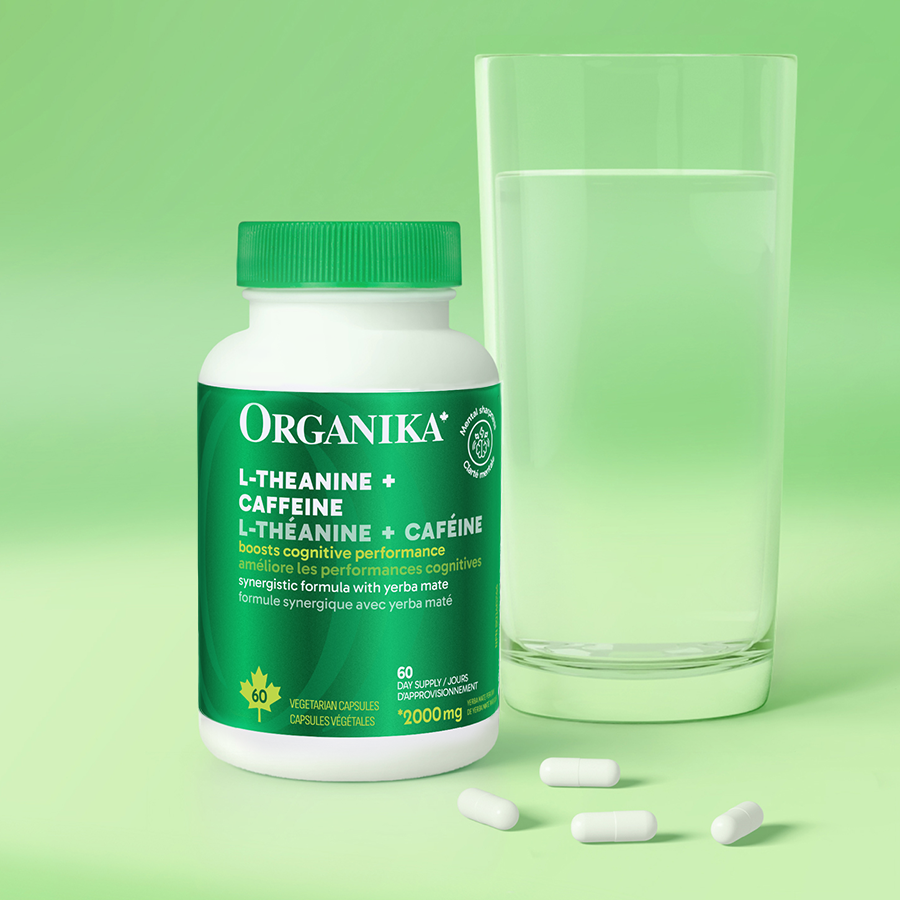
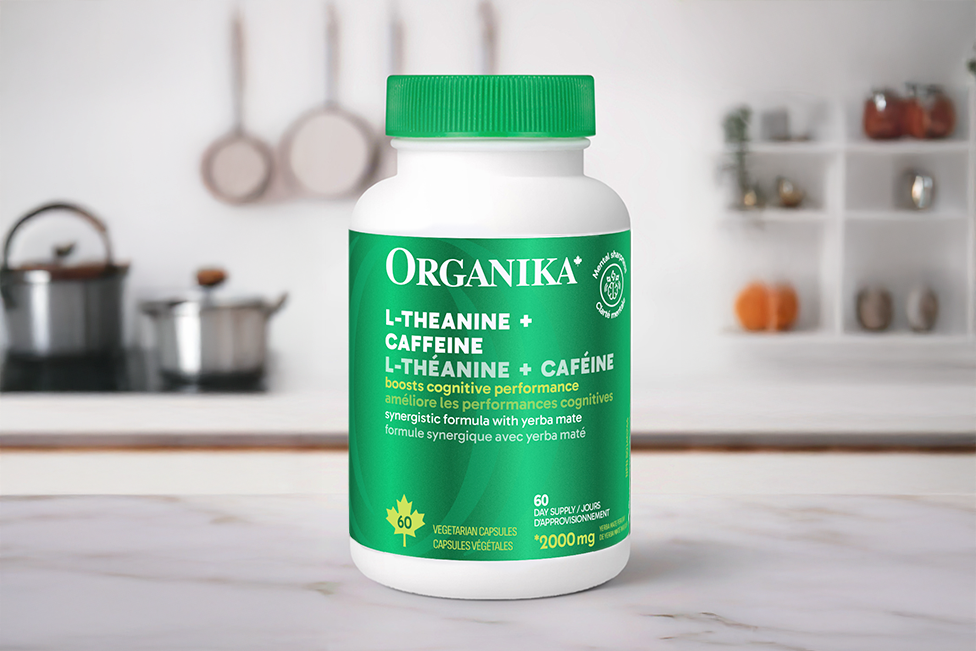
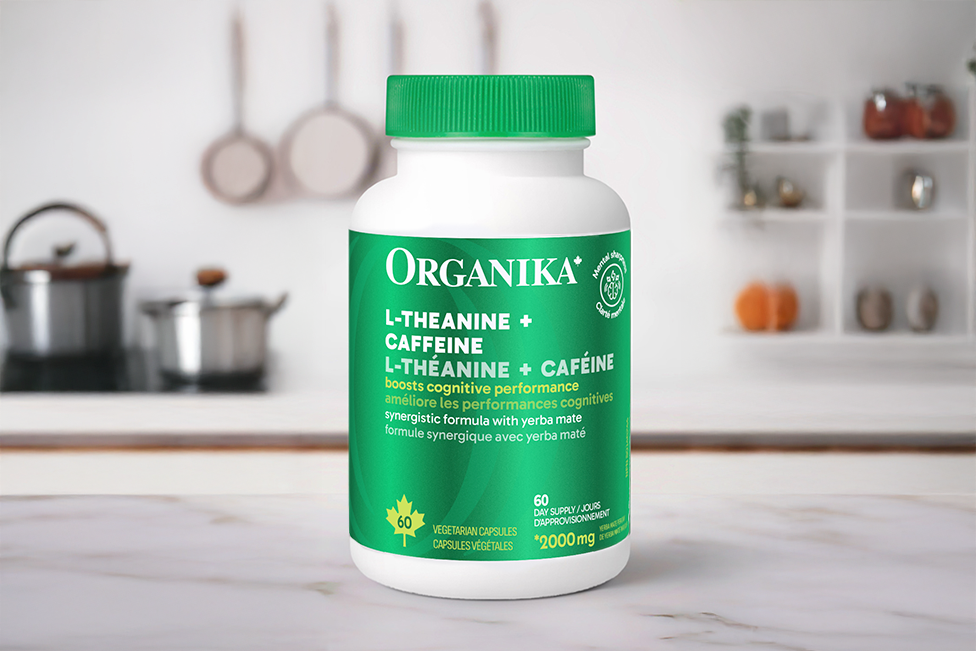
L-theanine + Caffeine
Focused energy without the jitters
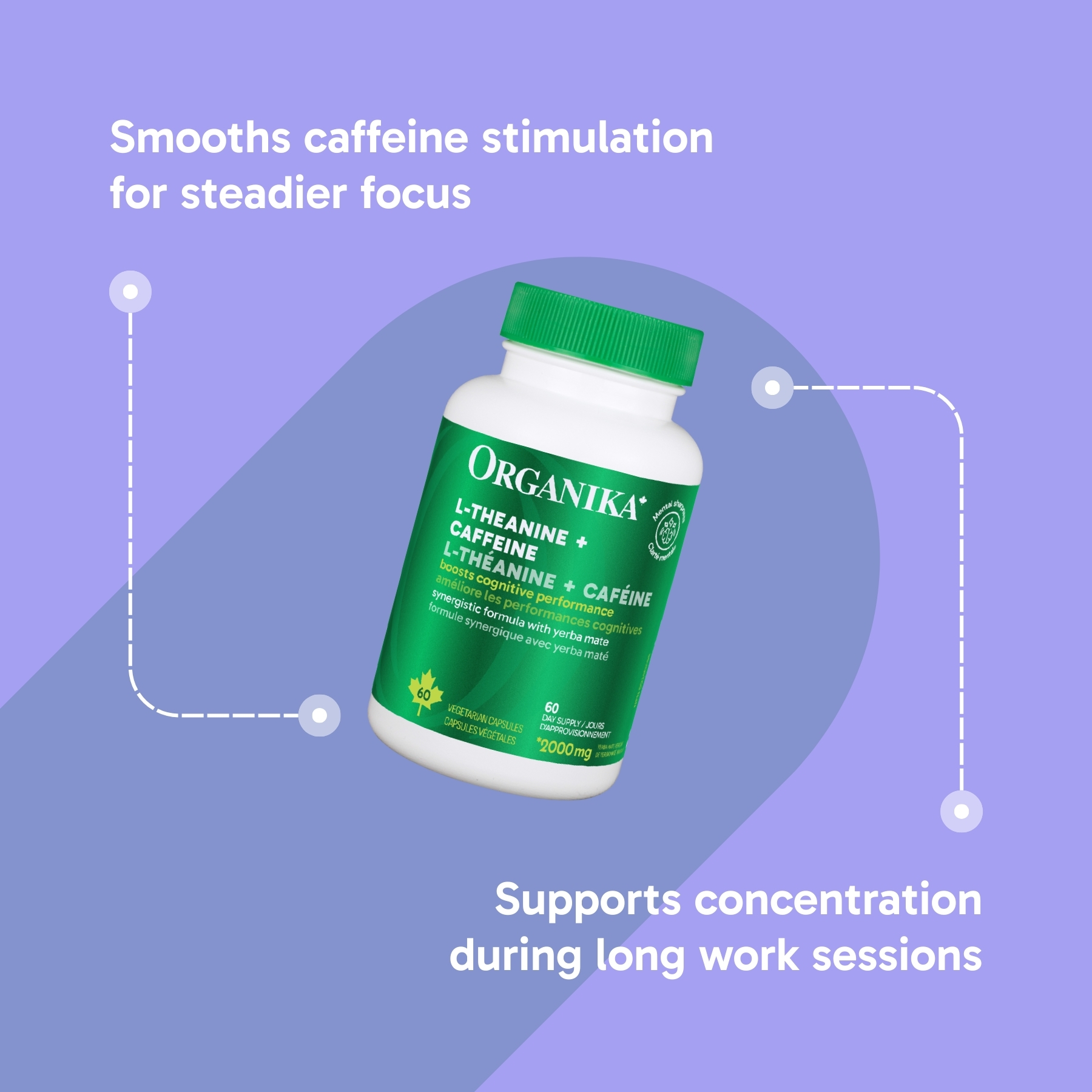
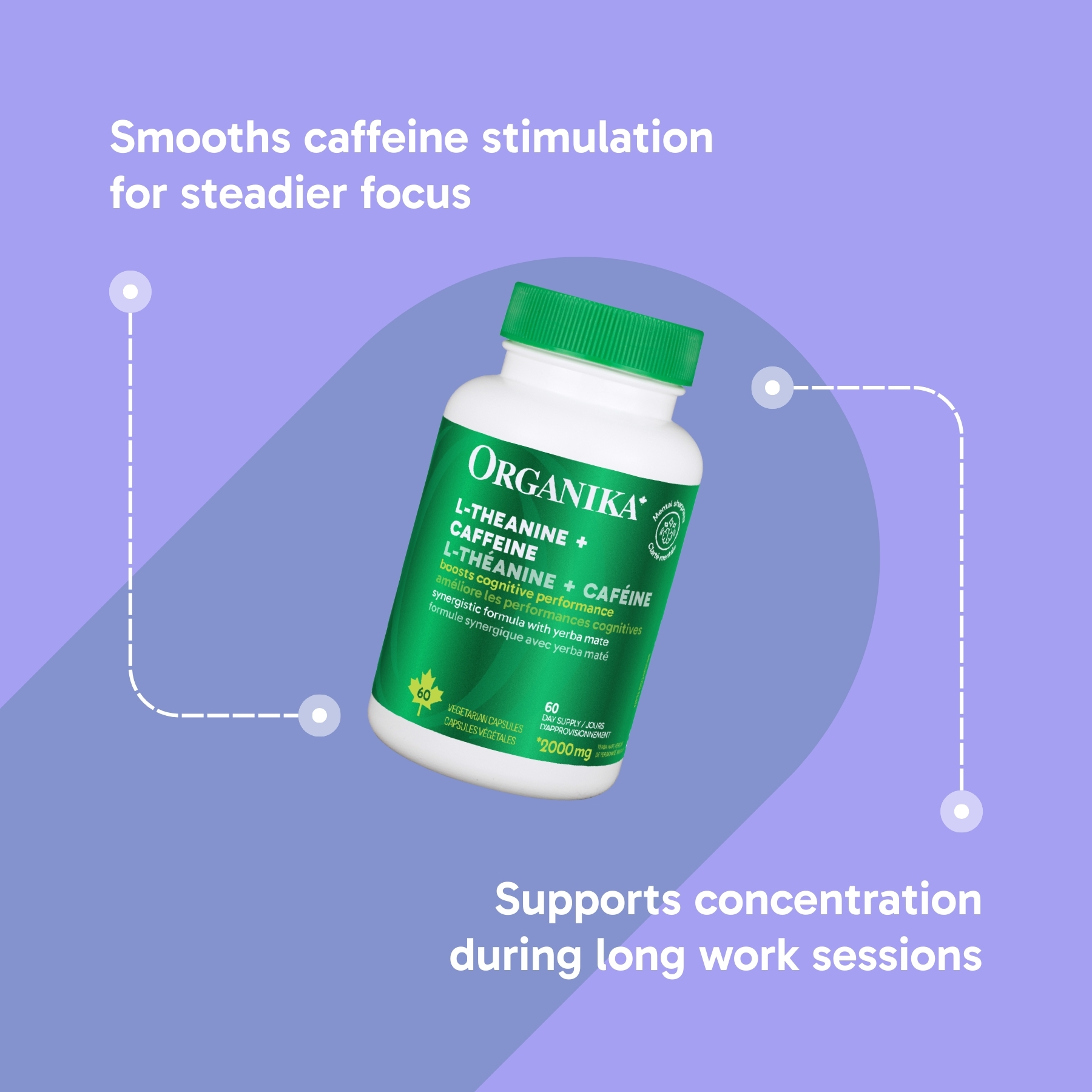
- Smooths caffeine stimulation for steadier focus
- Supports concentration during long work sessions
- Uses plant-based caffeine from yerba mate
- Simple vegetarian capsules, no sugar or artificial colors
Couldn't load pickup availability


Notify Me When Available
Enter your email and we'll let you know as soon as this product is back


Supplement Facts


Ingredients & Nutrition


Medicinal - EACH VEGETARIAN CAPSULE CONTAINS: L-Theanine 200 mg, Yerba Mate 4:1 Extract (Ilex paraguariensis, Leaf) 500 mg (Equivalent to 2 g of dried Yerba Mate leaf) (Standardized to contain 20% Caffeine).
* 2000 mg Quantity Crude Equivalent × 1 capsule = 2000 mg / day.
Non-medicinal: Dicalcium Phosphate Dihydrate, Microcrystalline Cellulose, Silica, Magnesium Stearate (Vegetable Source), Hypromellose (Vegetarian Capsule).
Recommended Use: Take 1 capsule, 1 time per day
Cautions: Ask a health care practitioner before use if you are pregnant or breastfeeding or if you have high blood pressure or glaucoma. Stop use and ask a health care practitioner if hypersensitivity / allergy occurs. When using this product diuretic effect may occur.
Is This Right for You?
Do you want caffeine without feeling wired or restless?
Do you need steady focus for work, study or long meetings?
Does coffee leave you sharp at first and drained later?
Do you prefer plant-based caffeine in capsule form?
If you answered ''yes'' to any of the above, this product is right for you.

-
Uses plant-based caffeine from yerba mate
-
Simple vegetarian capsules, no sugar or artificial colors
Ingredients & Nutrition
Gluten-Free
No Preservatives
Non-GMO
Vegan Friendly
No Artificial Sweeteners
No Artificial Colours or Flavours
A focused energy supplement that combines yerba mate caffeine with L-theanine to support calm, sustained concentration
Why we Made L-theanine + Caffeine
-
Uses plant-based caffeine from yerba mate
-
Simple vegetarian capsules, no sugar or artificial colors
This formula pairs caffeine with L-theanine to create a more controlled energy curve. While caffeine sharpens alertness, L-theanine helps take the edge off, so stimulation feels even instead of jittery. The caffeine comes from yerba mate, a plant source known for a clearer, more measured lift.
The result is focus that holds. You stay attentive through deep work, study blocks, and extended meetings without the spikes and crashes that coffee can bring. The best part is that each capsule delivers a consistent dose, making it easy to use day to day without guesswork.
Ask Away
We’ve got the FAQs covered. But if you’re still stuck, we’re only a message away.
Get in TouchWhen should I take this supplement for best results?
This supplement is best taken when you’re feeling low on energy or need help staying focused — whether that’s during a busy workday, a long study session or an afternoon slump. Everyone’s body is a little different, so how it feels may vary from person to person.
How much caffeine is in each capsule?
Each capsule contains 100 mg of caffeine, sourced naturally from yerba mate.
How long does the alertness or energy effect last?
There’s no set timeline. Some people feel steady focus for several hours, while others may notice a shorter or longer effect. Factors like caffeine sensitivity and overall routine can influence your experience.
Is this product suitable for someone sensitive to caffeine?
If you’re sensitive to caffeine, it’s a good idea to check with a healthcare practitioner before using this product. While L-theanine helps smooth out caffeine’s effects, individual tolerance still matters.
Can I take this if I’m pregnant or breastfeeding?
If you’re pregnant or breastfeeding, we recommend consulting a healthcare practitioner before use.
Does this product interact with medications or health conditions?
If you have high blood pressure or glaucoma — or are taking medications related to these conditions — speak with a healthcare professional before using this supplement.
Are there any side effects I should be aware of?
Some people may experience a mild diuretic effect. If you notice anything unusual or symptoms persist, stop use and consult a healthcare practitioner.
Can I take more than one capsule per day?
We recommend taking one capsule per day, as directed safety limits and in line with Health Canada guidelines.
How does L-theanine and Yerba Mate work together?
When combined, they create a “calm energy” effect:
- L-theanine reduces caffeine-related jitters from yerba mate
- Better attention and mental clarity than caffeine alone
- L-theanine dampens the stress response
- Fewer spikes and crashes
You'll Likely Also Love...
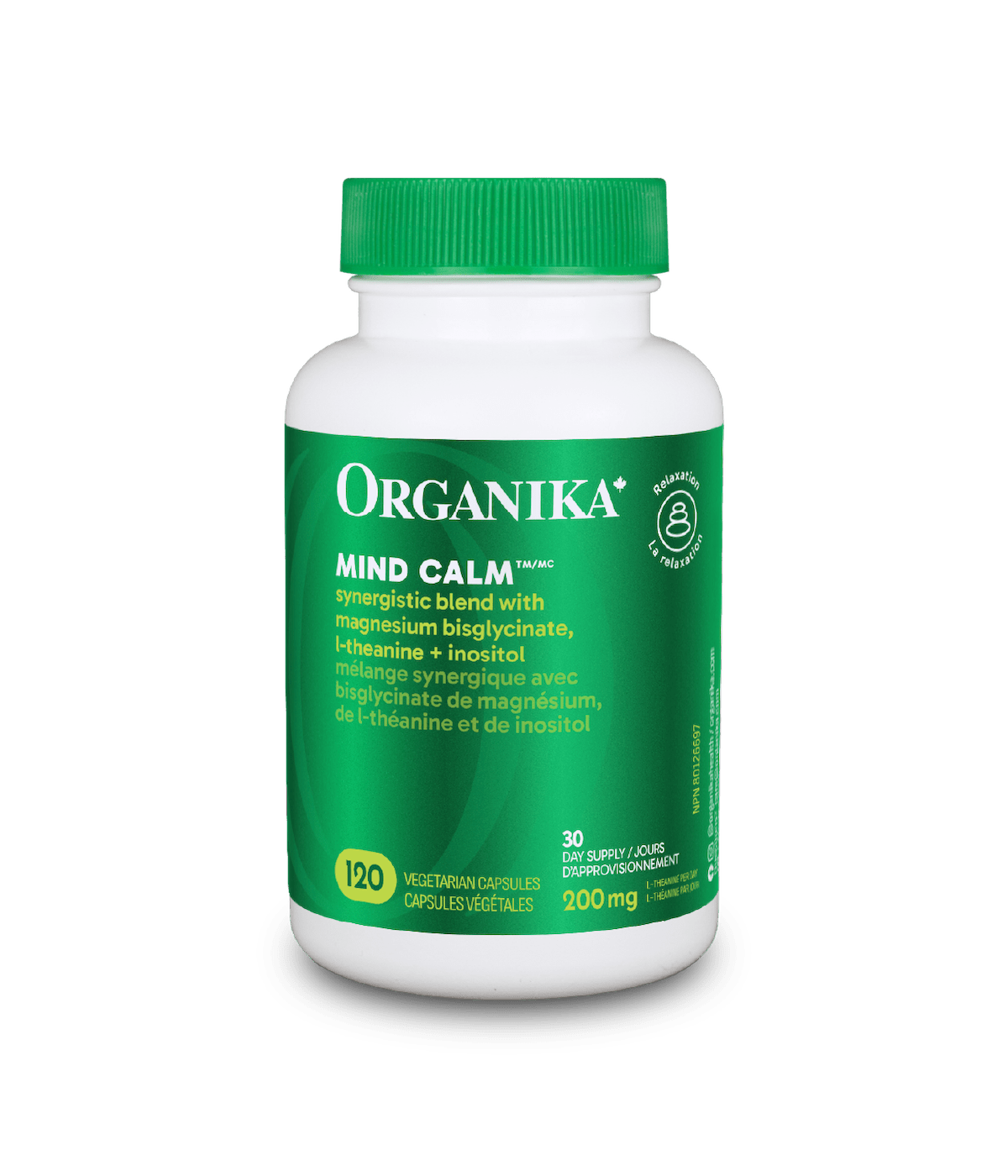
Mind Calm Capsules with Magnesium Bisglycinate & L-Theanine
Soothes the mind, reduces stress and enhances feelings of relaxation
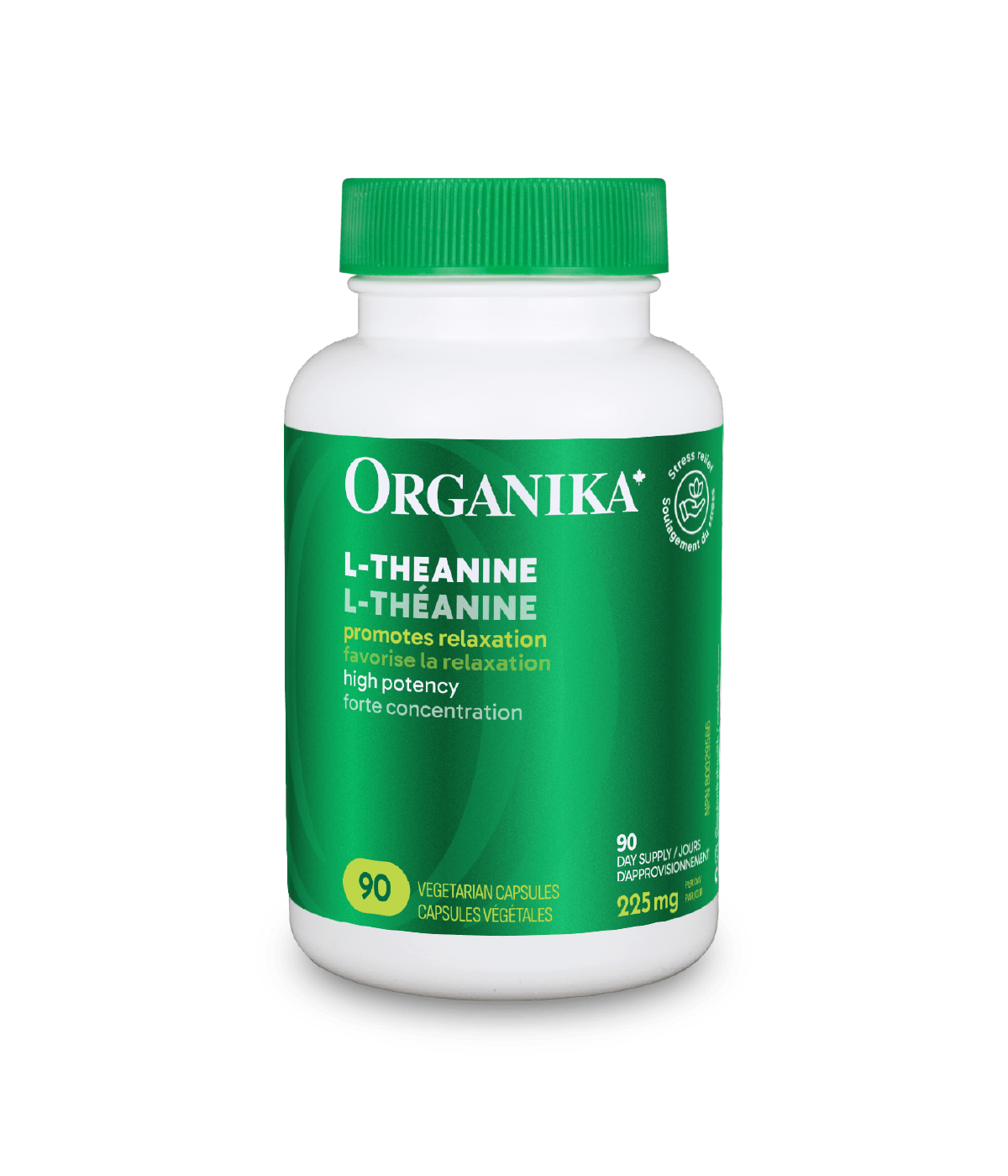
L-theanine Capsules
Feel relaxed and calm while maintaining focus
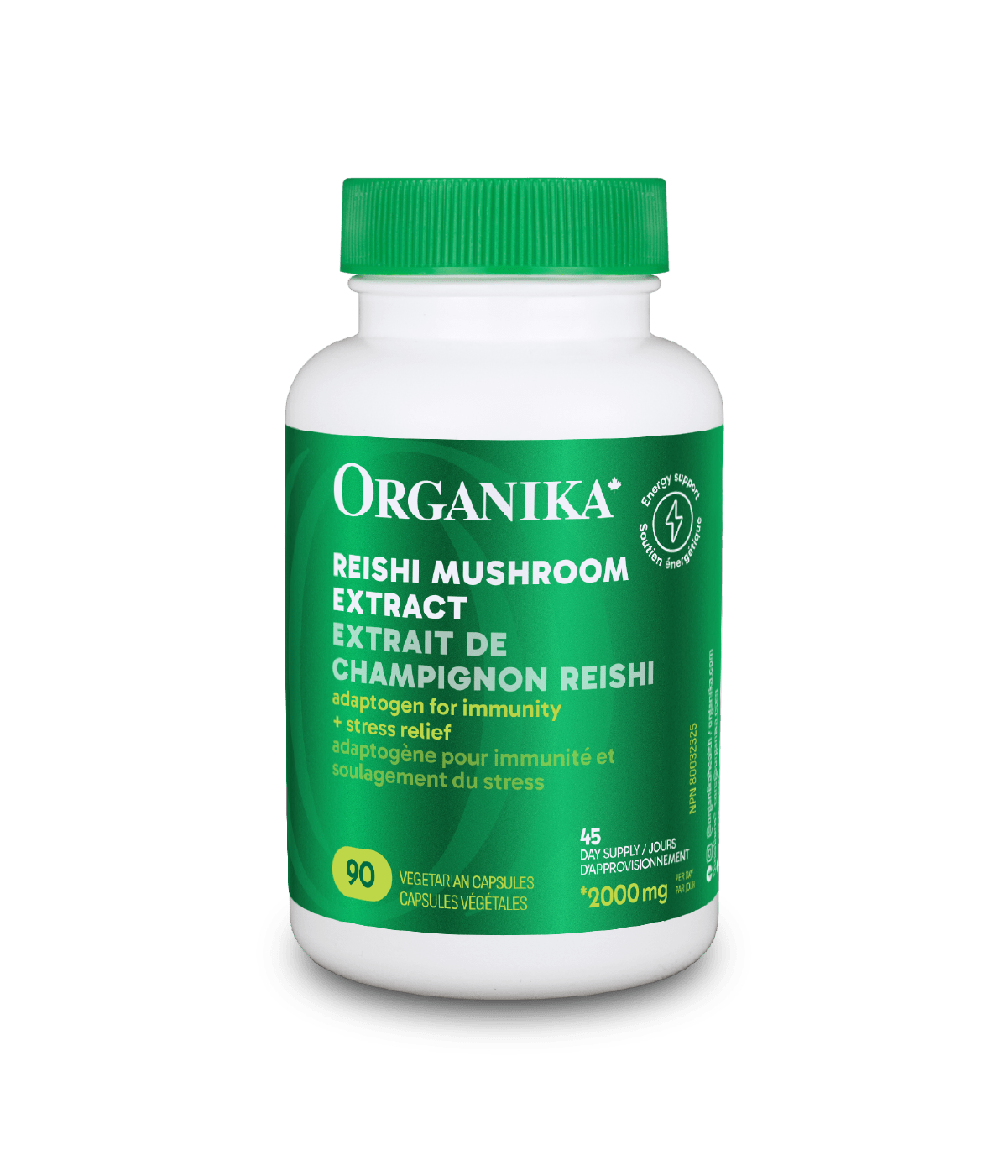
Reishi Mushroom Extract
Herbal remedy to increase resistance to mental & physical stress
Support Beyond Products
This last year was a whirlwind of emotions. The challenges we faced have impacted many aspects of our lives, thus playing a toll on our mental and physical health. As we navigate our way through 2021, we can reflect on the strengths Canadian have demonstrated so far. In order to keep our stamina in the new year, we have to prioritize our health. Our best bet is to stay positive, work together and keep our mental and physical health in top priority. The way we feel mentally, has a profound effect on how our body physically reacts to stress. A state of mind is easily influenced by external and internal factors. Some of these are in our control and some are not. Taking charge of what is in your control is a good way to start. Internal Work We have all heard it before, but I am going to echo it again: exercise, eat whole foods and meditate. All of these actions will have a profound and positive effect on your mental health. Daily exercise Exercise in particular, has an immediate positive boost to your mental health and well-being.1 Exercising releases endorphins that make you feel good both mentally and physically. If it has been a while since you have been active, start small with daily walks and challenge yourself to increase your activity level a little more each day. Consistency is key when it comes to creating healthy habits. Starting a mindful practice Mindful meditation is a great way to calm your mind and combat anxiety.2 Meditating daily only requires a short amount of your time and focus. Start in small increments like 5 minutes a day and work your way up gradually. This is a great practice to start your day or, implement mid-day when you might be feeling a little overwhelmed. If meditation isn’t your jam, try laying down in a dark room and taking deep breaths in through your nose and out your mouth, in a slow and controlled manner. Practicing deep breathing will calm down your nervous system and help reduces anxiety.3 Eating whole foods By eating whole foods and cutting out processed, sugary foods, you will better be able to cope with stress and anxiety. Processed and sugary foods lead to inflammation in the body, including the brain. When your body is inflamed, your response to stress will not be optimal and you may be at an increased risk for depression.4 Supplements for stress management Besides eating a well-balanced diet, consider supporting your body with vitamins, minerals and herbs which will aid in daily stress management. Below is a list of a few well researched supplements to help optimize your body’s ability to better cope with stress. Magnesium Magnesium is used in over 300 reactions around the body. It is especially essential in the stress response.5 Keeping magnesium levels optimal through supplementation, will help you cope with stress and relax your body and mind. Adaptogens Adaptogens are herbs that help you ‘adapt to stress’. Some well-known adaptogens include Holy Basil, Ashwagandha, Ginseng and Maca, just to name a few. Mushrooms Mushrooms such as Reishi, Cordyceps and Lions Mane, help support our body’s ability to cope with stress. Mushrooms support our overall immunity. This helps keep us strong both mentally and physically. External factors Our external environment has a major impact on our mood and behaviour. If you are feeling overwhelmed or anxious, it may be a good idea to tune out media for a while. It is good to stay informed and up to date, however, keep it at minimum by checking in briefly through trusted sources and then putting the news updates away for the day. Spend the extra time working on a project that will benefit your mental health such as yoga, learning a new skill like knitting or reading a soulful book. Another external factor to consider is community. Keep your community strong and be present to support one another during these trying times. Work on making these connections essential. Pick each other up when one is feeling down, look for red flags that may suggest someone is in need of support and offer help. Remember, everyone acts differently to stress and by helping others, it may help you feel better about yourself at the end of the day. Know your limits, boundaries and learn to ask for help when YOU need it. We are all in this together. Let’s continue to be understanding and kind to one another and do our best to prioritize ourselves. In order to take care of someone else, we must first take care of ourselves. References Fox KR. The influence of physical activity on mental well-being. Public health nutrition. 1999 Mar;2(3a):411-8. Hoge EA, Bui E, Marques L, Metcalf CA, Morris LK, Robinaugh DJ, Worthington JJ, Pollack MH, Simon NM. Randomized controlled trial of mindfulness meditation for generalized anxiety disorder: effects on anxiety and stress reactivity. The Journal of clinical psychiatry. 2013 Aug;74(8):786. Busch V, Magerl W, Kern U, Haas J, Hajak G, Eichhammer P. The effect of deep and slow breathing on pain perception, autonomic activity, and mood processing—an experimental study. Pain Medicine. 2012 Feb 1;13(2):215-28. Miller AH, Raison CL. The role of inflammation in depression: from evolutionary imperative to modern treatment target. Nature reviews immunology. 2016 Jan;16(1):22. Cuciureanu MD, Vink R. Magnesium and stress. University of Adelaide Press; 2011.
read more
Sleep isn't just downtime for your body and mind—it's a powerhouse of recovery, regeneration, and long-term health. Quality sleep affects nearly every system in the body, from brain function and hormone balance to immune support and emotional wellbeing. When we get quality sleep, we think more clearly, perform better, and handle stress more effectively. Fun Facts About Sleep: The average person spends about one-third of their life asleep. During deep sleep, your brain consolidates memories and your body repairs tissues. Lack of sleep for just one night can reduce cognitive performance as much as being legally drunk. Why It's Hard to Improve Sleep Many people face sleep challenges, including: Racing thoughts and anxiety Screen exposure before bed Nutritional deficiencies Irregular schedules or shift work Improving sleep can be hard because it often requires adjusting multiple aspects of our lifestyle. Breaking old habits like late-night scrolling or caffeine overload takes time and consistency. Tips to Building a Better Sleep Routine (and keeping it for 21 days so it sticks) Set a Sleep Schedule: Go to bed and wake up at the same time daily, even on weekends. Create a Wind-Down Ritual: Dim the lights, do gentle stretches, or read a calming book 30 minutes before bed. Power Down Devices: Avoid screens an hour before sleep to help melatonin production. Keep Your Room Cool and Dark: Optimize your sleep space for comfort. Use a Sleep Tracker: Measure your progress and make adjustments. Support Your Sleep Journey with Organika Complement your routine with Organika’s gentle, effective supplements built to help calm your mind and body: Ashwagandha: Helps your body adapt to stress and promotes relaxation Magnesium Bisglycinate: Supports muscle relaxation and reduces nighttime cramps L-Theanine: Encourages a calm, relaxed state Mind Calm: A unique blend of ingredients to ease tension and improve sleep quality Visit our curated Better Sleep Collection to find everything you need. Movement for Better Sleep Regular physical activity can improve sleep quality and reduce insomnia: Try yoga or tai chi in the evenings Light walks after dinner help digestion and cue your body to relax Avoid high-intensity workouts too close to bedtime Meal Ideas and Recipes Your diet plays a major role in sleep hygiene. Here are a few ideas: Dinner: Grilled salmon, quinoa, and steamed broccoli Snack: Banana with almond butter (natural source of magnesium) Drink: Chamomile or lemon balm tea before bed Better sleep is within reach—just 21 days away. Start now and feel the difference. References Lo, J. C., Ong, J. L., Leong, R. L., Gooley, J. J., & Chee, M. W. (2013). Cognitive performance, sleepiness, and mood in partially sleep-deprived adolescents: The need for sleep study. PLOS ONE, 8(8), e72832. https://doi.org/10.1371/journal.pone.0072832
read more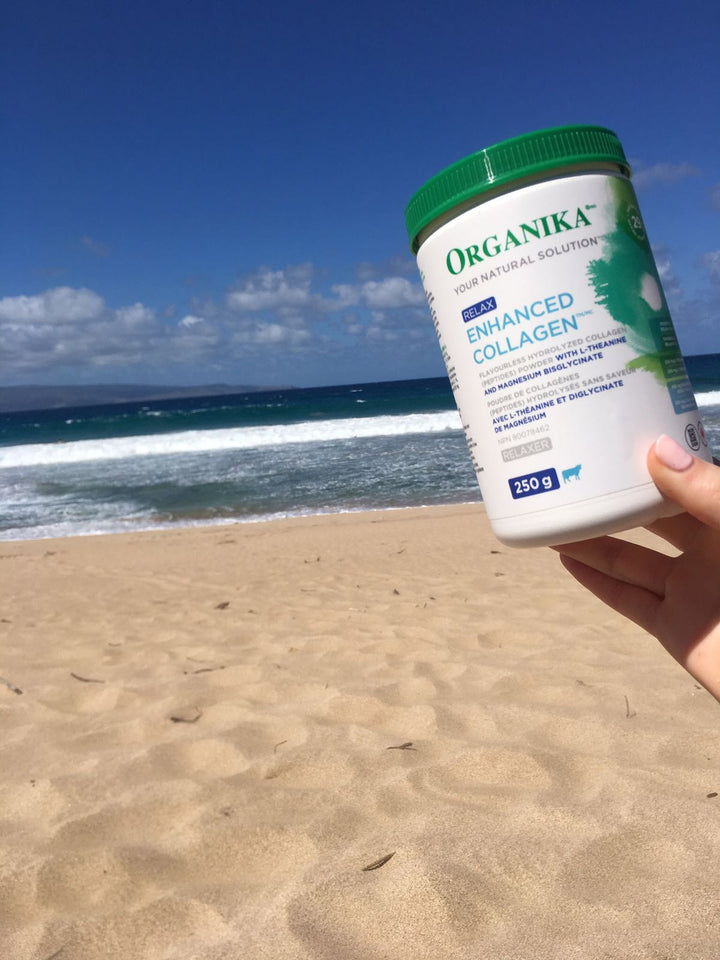
Learn how to manage stress with lifestyle tips and natural stress relief supplements Let’s face it; stress is impossible to avoid. But, that doesn’t mean that it should control your life. Sometimes all you need is a little time to relax, and some enthusiasm to say no to the things that get under your skin. And when that doesn’t work, there are stress relief supplements to help you ditch the pressure and rise to the occasion. Stress is your body’s response to demand and pressure, and with enough repetition, it can wreak havoc on your health. Learning to manage your stress efficiently is the key to that calm state of mind we’re all constantly after. What Kind of Stress are you Facing? Knowing what kind of stress you’re facing can help you realize why you feel the way you do. Figuring out the sources of your stress can help you manage it better. Acute Stress Acute stress is short-term stress. It can be exciting or motivating. Acute stress is the stress you feel when you’re at the top of a roller coaster, or when you have deadline looming, and shifts you into gear to get the job done. Acute stress isn’t a health concern since it’s short-lived, but it can become exhausting. If you’re stuck in acute stress mood for a few hours on end, you may notice that same project your felt motivated about, or that rollercoaster that seemed so exciting starts to become tiring. Finishing up or taking a break can you help regain some energy and relieve some stress. Episodic Stress Episodic stress is when you experience that acute stress frequently. That’s people who live chaotic lives, where stressful deadlines demand attention all the time, things are always late, or you have too many projects on the go. It’s also common in people who worry about everything. Chronic Stress Chronic stress comes from long-term exposure to stress. It can be downright debilitating and wear away at you day after day. Chronic stress is the type that you should be most concerned about when it comes to health. It impacts sleeping patterns, contributes to depression and can affect your ability to cope with tough situations. Chronic stress can be the result of traumatic experiences, dysfunctional family dynamics or chronic illness. The Consequences of Stress Stress can affect your physical and emotional health. Some of the common symptoms of stress include: Physical Symptoms Trouble sleeping Headaches Tense muscles Low energy Irregular heartbeat or chest pains Excessive sweating Emotional Symptoms Irritability Anger Depression Mental fatigue Poor concentration Low self-esteem How To Manage Your Stress Better Get your life back by learning how to manage your stress more effectively. That means taking time to relax, saying no to negative pressures, and putting your health first. 1.Exercise Exercise is excellent for helping to energize you and reduce overall tension. Aerobic exercise, in particular, has been proven to effectively relieve symptoms of stress, balance mood and improve sleep. Try going out for a bike ride, a jog, or get out and dance. The key is to get your heart pumping, and to do it regularly! 2. Meditation/Prayer Deep breathing and mindfulness practices such as prayer and meditation can help to produce feelings of relaxation. You can pray and meditate out in the peacefulness of nature, or plug in a guided prayer or meditation in the comforts of your own home. The important part is that you make sure you’re taking that time for yourself. 3. Laughter Doing things that you enjoy and spending time with people that make you laugh is so important! You've got to balance out those feelings of stress with feelings of happiness. Spend an evening with friends, or see comedy, and spend some time laughing. A Little Extra Help With Stress Relief Supplements Sometimes you need a little extra support to help manage the stress in your life. That’s where natural supplementation comes in. These three supplements are great for helping you deal with side effects of stress so that the calm can come back. 1. Enhanced Collagen Relax Enhanced Collagen Relax contains flavourless grass-fed hydrolyzed collagen, L-theanine, and Magnesium Bisglycinate. Collagen supports skin health, leaky gut and improves sleep. It also includes the amino acid Glycine, which is known for developing sleep and controlling stress levels. L-theanine helps relieve stress by inducing a relaxing effect without drowsiness, and may also possess immunologic attributes, whereas Magnesium Bisglycinate enhances sleep efficiency and relaxation of the nerves and muscles. It’s flavourless and used in either hot or cold liquids! 2. Reishi Mushroom Extract Reishi is a medicinal mushroom that has been used in Traditional Chinese Medicine for centuries. Today, it’s used in Herbal Medicine as an adaptogen. Reishi helps to increase energy and improve your resistance to stress in cases were stress has left you feeling mentally or physically fatigued. Try Reishi when you have a lot of projects coming up at work or are dealing with a long-term stressful situation. 3. Kava Kava Kava Kava root comes from a tall shrub that grows in the Pacific Islands. It is traditionally used in Herbal Medicine for its ability to make you feel calmer. It provides a sense of relaxation while relieving the burden of anxiety, restlessness, and nervousness. Kava Kava works fast which makes it an excellent option for those times when stress sneaks up on you or becomes too much to handle. Add it to a cup of herbal tea, or drink it with water to reap the benefits References: http://webprod.hc-sc.gc.ca/nhpid-bdipsn/atReq.do?atid=reishi http://www.livescience.com/16975-herbal-supplements-stress-reduction.htmlhttp://www.onemedical.com/blog/all-stress/stress-supplements/ http://www.cmha.ca/mental_health/stress/#.V4aAMFfw-CQ http://www.adaa.org/understanding-anxiety/related-illnesses/other-related-conditions/stress/physical-activity-reduces-st http://www.helpguide.org/articles/stress/stress-management.htm How do you like to relax?
read more