










.jpg?v=1767811760265)
.jpg?v=1767811772744)
-
Is this right for you?

-
-
-

-

-

-

-

-

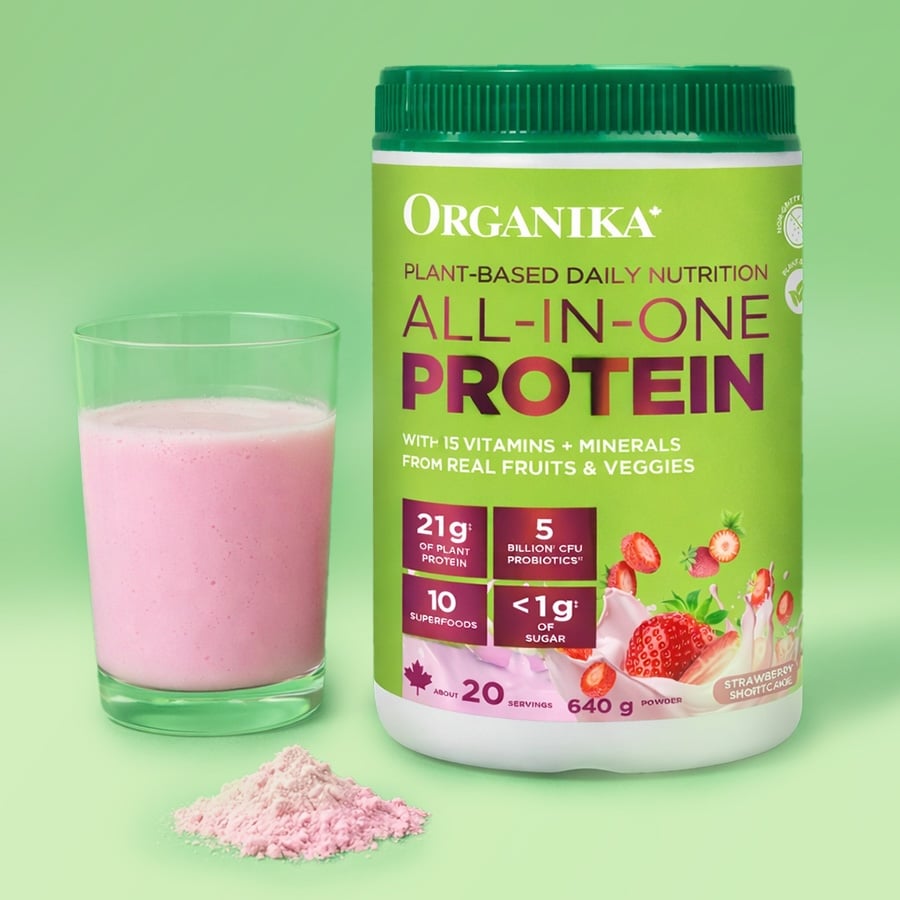
Plant-Based Daily Nutrition All-In-One Protein
21 g of complete protein without the dairy, in a silky smooth formula
- 21 g of complete plant protein
- Gut friendly formula
- 5 billion CFU probiotics and prebiotic fibre
- 15 essential vitamins and minerals
Couldn't load pickup availability


Notify Me When Available
Enter your email and we'll let you know as soon as this product is back


Supplement Facts


Ingredients & Nutrition




Non-medicinal: Pea Protein, Prebiotic Soluble Vegetable Fibre, Fruit and Vegetable Blend (Spinach, Broccoli, Carrot, Sweet Potato, Orange, Apple, Strawberry, Sunflower Seed, Shiitake Mushroom, Maitake Mushroom), Natural Flavour, Gum Blend (Guar Gum, Acacia Gum, Xanthan Gum), Stevia Extract, Bacterial Culture (Lactobacillus acidophilus LA85‡‡, Lactobacillus gasseri LG08‡‡, Bifidobacterium lactis BLa80‡‡, Lacticaseibacillus rhamnosus LRa05‡‡, Lactococcus lactis LLa61, Lacticaseibacillus casei LC89‡‡, Lacticaseibacillus paracasei LC86‡‡, Lactiplantibacillus plantarum LP90‡‡, Limosilactobacillus reuteri LR08, Levilactobacillus brevis LB01, Limosilactobacillus fermentum LF61‡‡, Bifidobacterium bifidum BBi32‡‡, Bifidobacterium breve BBr60‡‡, Bifidobacterium infantis BI45‡‡, Bifidobacterium longum BL21‡‡), Yeast Protein.
Strawberry Shortcake: also contains Natural Strawberry Shortcake Flavour, Carrot and Beetroot Concentrate (for colour), Citric Acid.
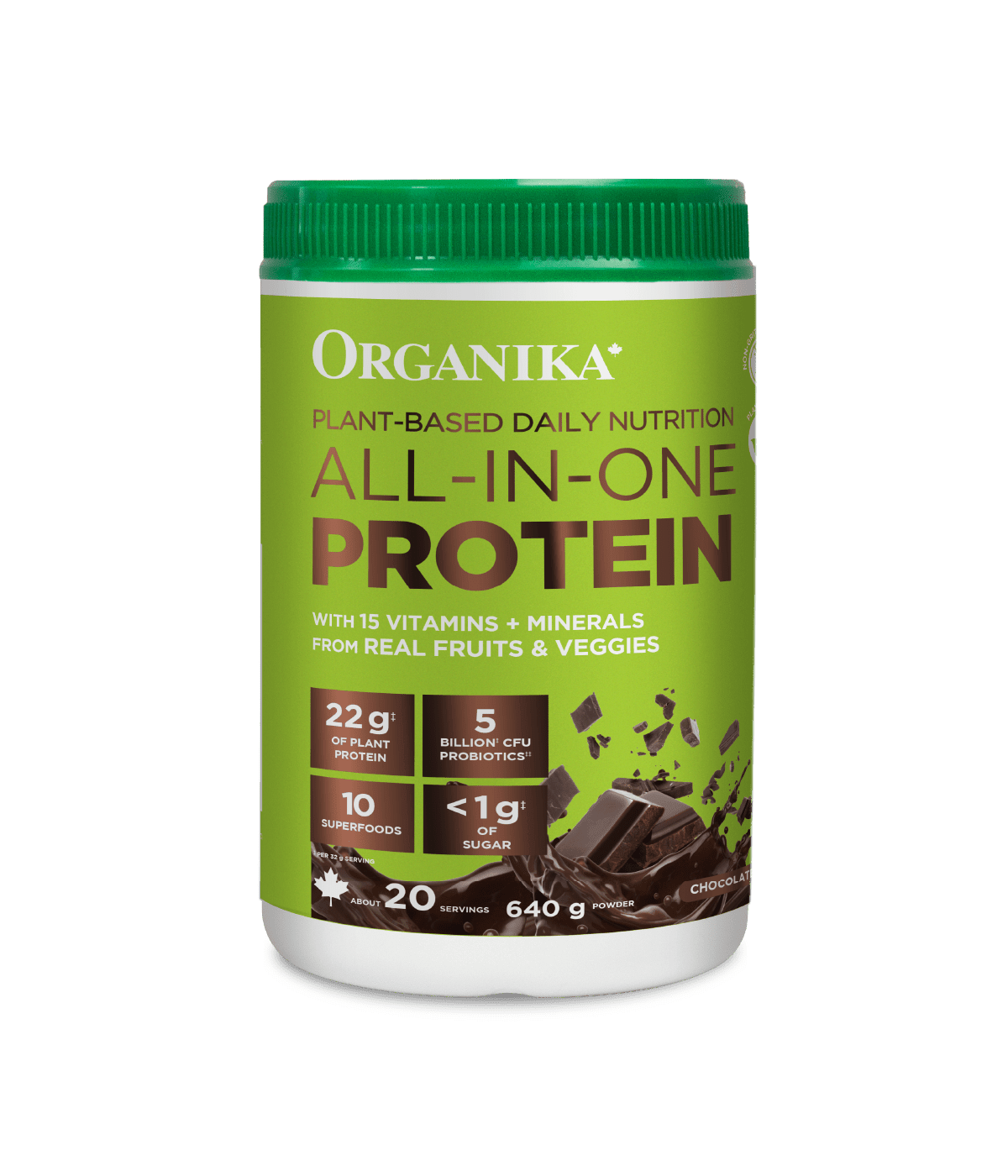
Chocolate: also contains Cocoa Powder, Natural Chocolate Milkshake Flavour.
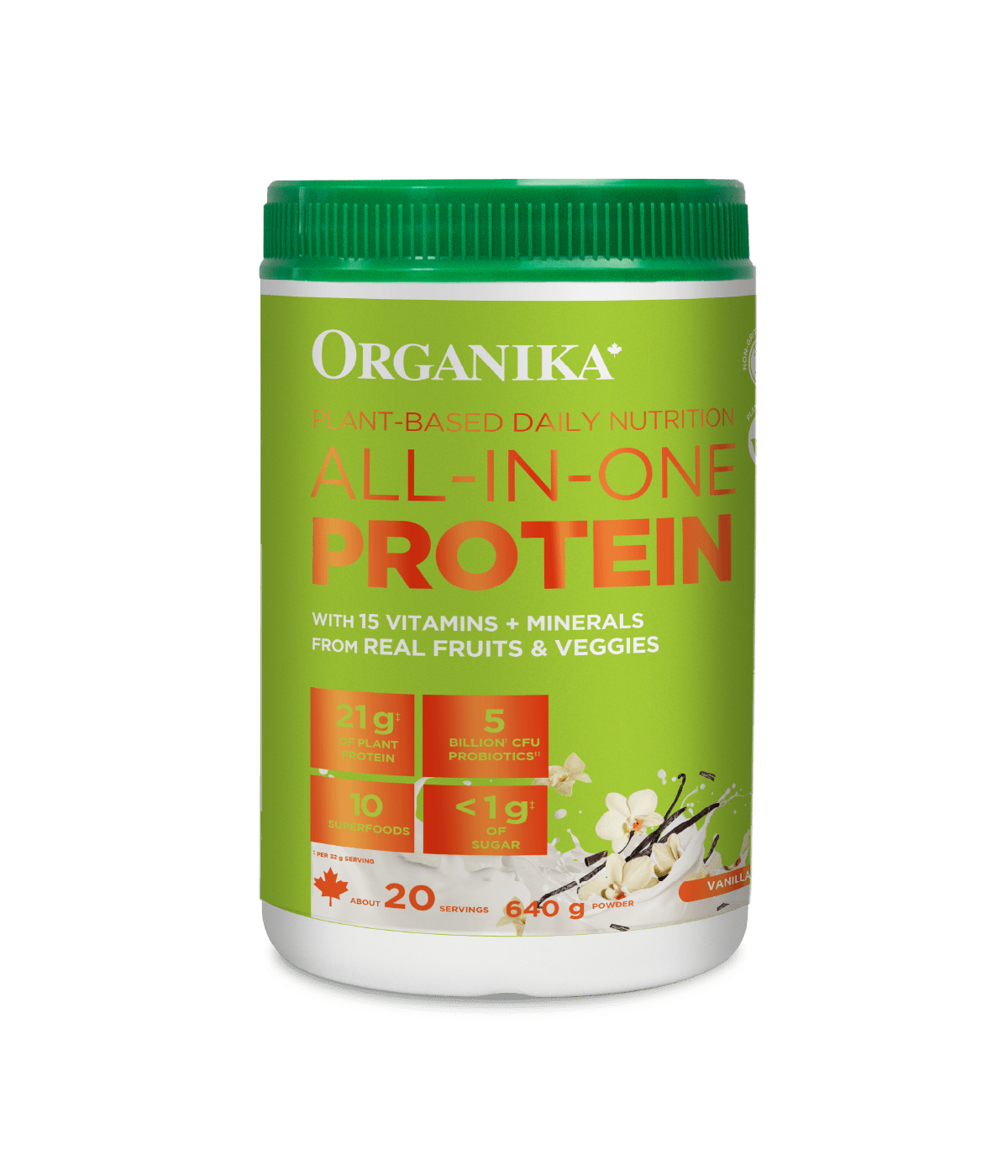
Vanilla: also contains Natural Vanilla Milkshake Flavour.
How to Use: Mix 1 serving (32 g or approx. 2 scoops) to 500 ml of non-dairy milk or your preferred plant-based beverage and enjoy anytime of day! Shake well before consuming.

Is This Right for You?
Are you looking for a tasty plant protein that's easy on the stomach?
Are you looking for a protein powder that also contains vitamins and minerals?
Do you want to cut down on sugar?
Are you still searching for a silky smooth formula?
If you answered "yes" to any of the above, this product is right for you.

-
5 billion CFU probiotics and prebiotic fibre
-
15 essential vitamins and minerals
Ingredients & Nutrition
Gluten-Free
Caffeine-Free
No Preservatives
Non-GMO
No Artificial Sweeteners
No Artificial Colours or Flavours
A smooth, gut friendly protein completely powered by plants, packing in plenty of vitamins, minerals, probiotics and prebiotic fibres
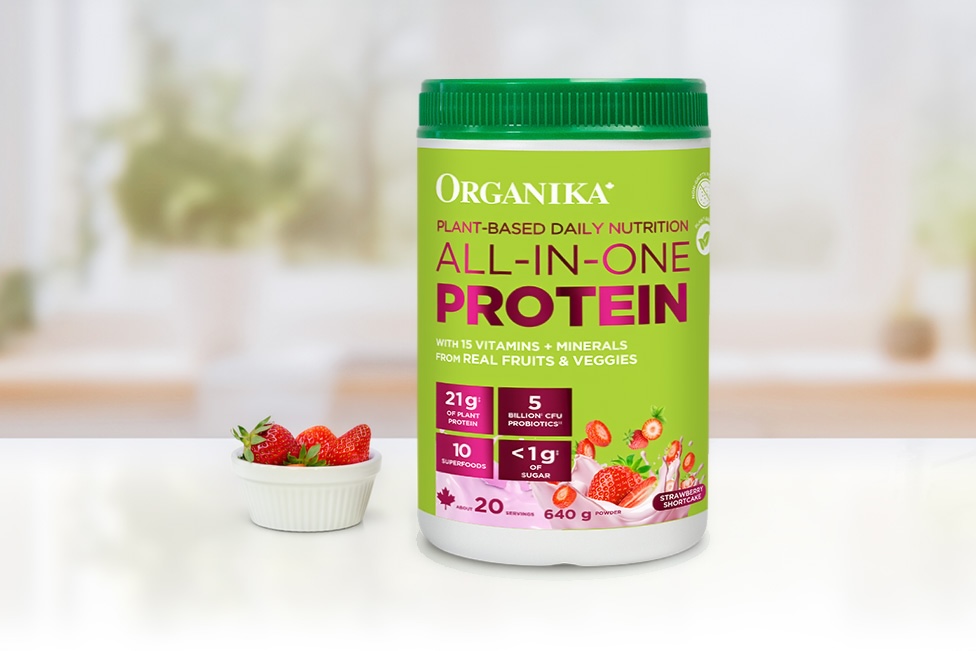
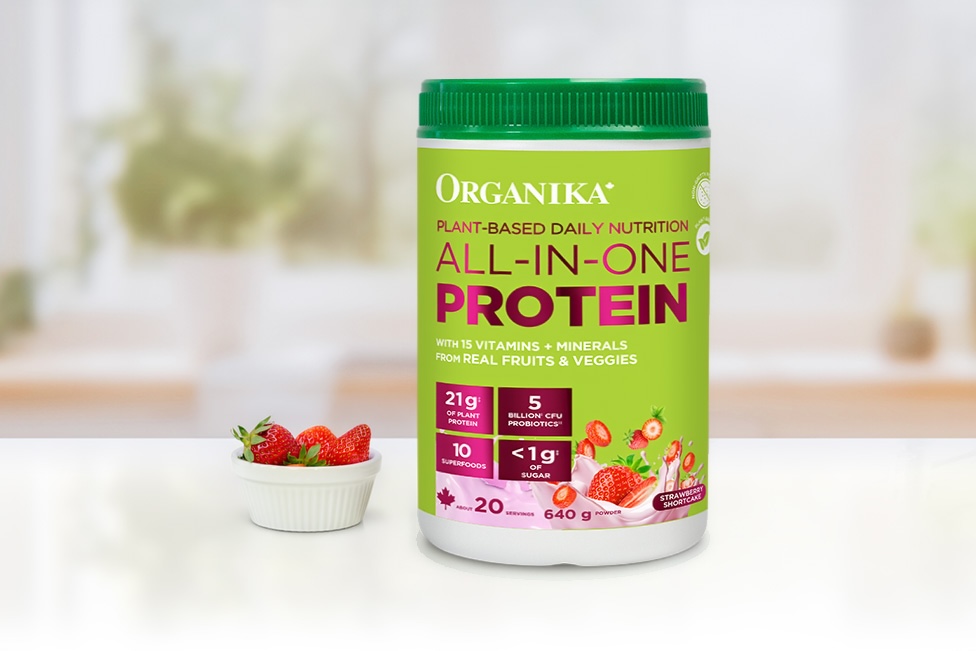
Why we Made Plant-Based Daily Nutrition All-In-One Protein
-
5 billion CFU probiotics and prebiotic fibre
-
15 essential vitamins and minerals
This is protein powered by plants and made completely without dairy. Formulated with 21 grams of complete plant protein per serving, our Plant-Based Daily Nutrition All-In-One Protein delivers full-spectrum amino acids from plants.
And we didn’t stop there. We made this plant protein with 15 essential vitamins and minerals, 5 billion CFU probiotics and prebiotic fibre to act as your daily ritual in disguise. As a result, this silky powder supports your energy and digestion on top of delivering your protein needs. The smooth texture blends easily without grit and the formula is specially made to be easy on the stomach. The best part? There’s less than one gram of sugar per serving. A plant-powered win.
Ask Away
We’ve got the FAQs covered. But if you’re still stuck, we’re only a message away.
Get in TouchIs the flavour derived from real fruit?
No, it comes from our natural flavours
How many probiotics are included per serving?
5B CFU/ serving
Can I use it for baking?
It is possible, however it is also worth noting that this product contains probiotics, which are heat sensitive.
Can this protein be used for a meal replacement?
No, this should not be used to replace a meal
You'll Likely Also Love...
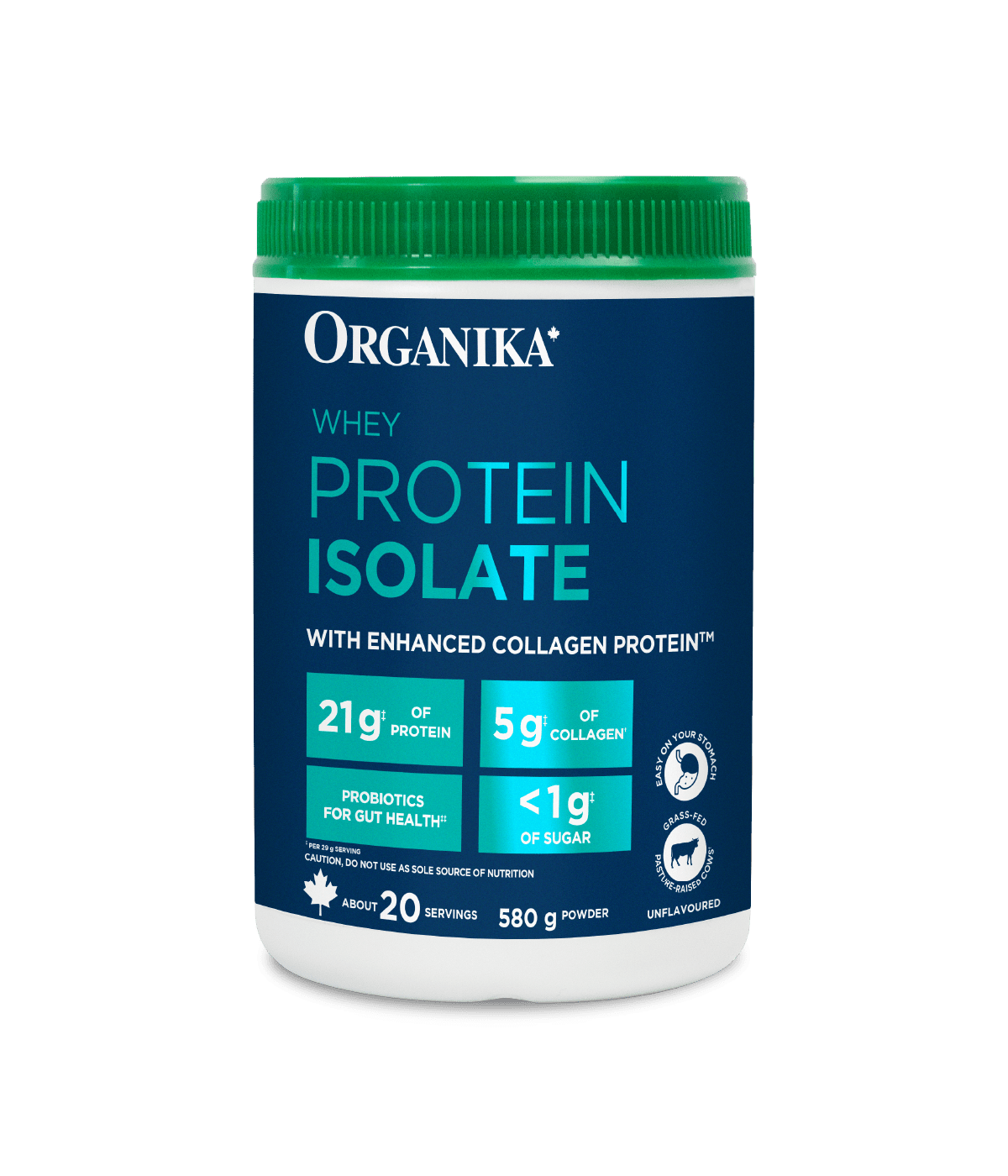
Whey Protein Isolate with Enhanced Collagen Protein
A creamy protein blend that supports athletic performance, recovery and overall health
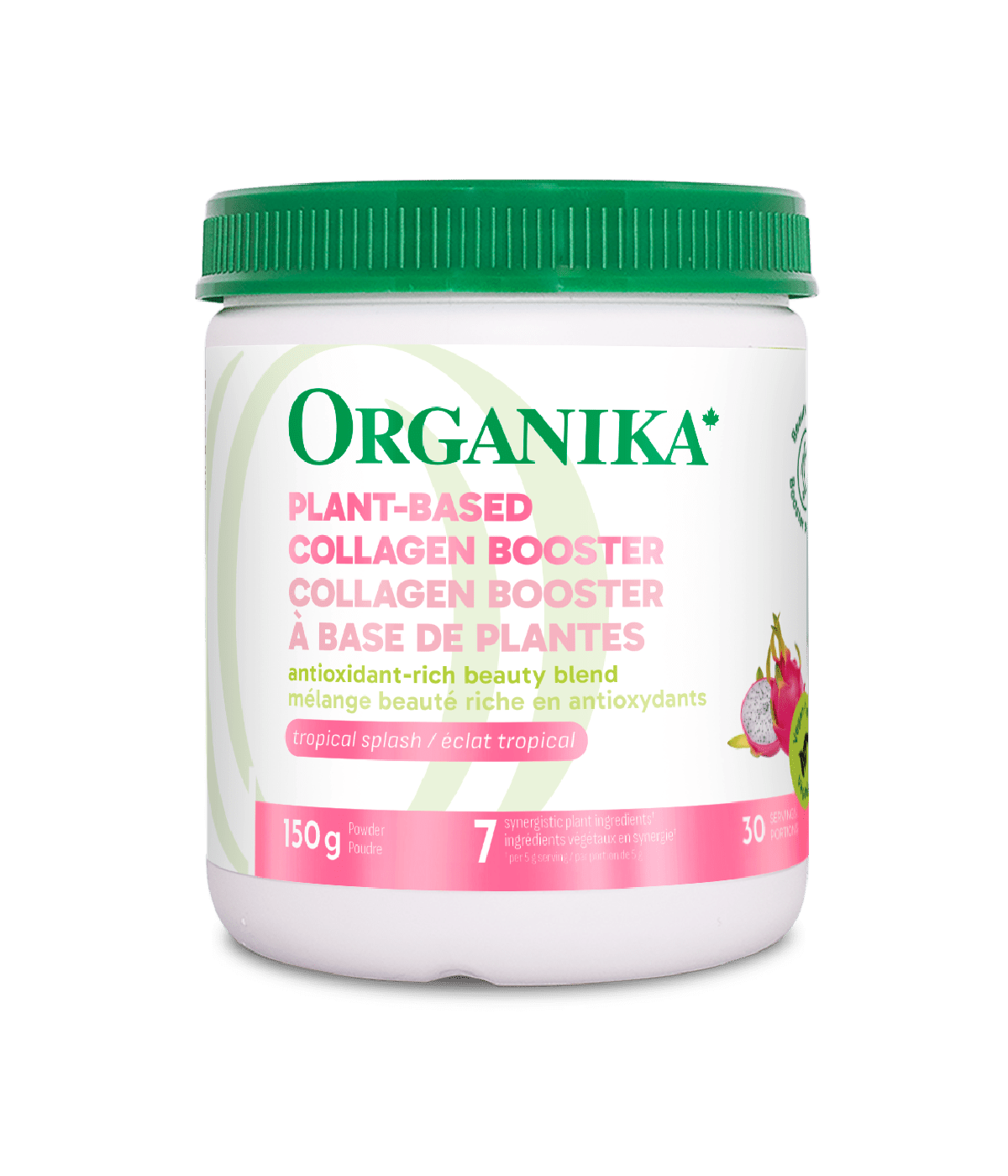
Plant-Based Collagen Booster
A breakthrough plant-powered collagen booster with ginseng and carrot peptides
Support Beyond Products
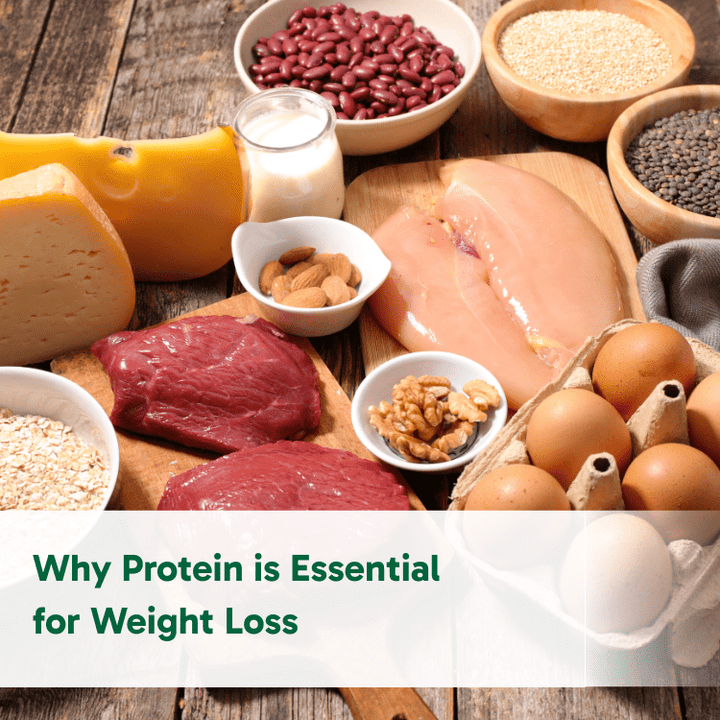
Protein plays a crucial role in weight loss by boosting metabolism, increasing satiety, and preserving lean muscle mass. Studies show that higher protein intake can enhance fat loss, improve body composition, and support long-term weight management. How Protein Aids Weight Loss Boosts Metabolism: Digesting protein burns more calories compared to fats and carbohydrates due to its higher thermic effect. Increases Fullness: Protein helps regulate hunger hormones, reducing cravings and overall calorie intake. Preserves Lean Muscle: During weight loss, protein prevents muscle loss, ensuring fat, not muscle, is burned. Improves Body Composition: Research suggests protein-rich diets lead to greater fat loss while improving cardiovascular health markers like LDL cholesterol and blood pressure. How Much Protein Do You Need? Experts recommend consuming 1.2–2.0 grams of protein per kilogram of body weight for optimal weight loss benefits. Sources like lean meats, fish, eggs, dairy, legumes, and protein supplements can help meet daily needs. Final Thoughts Incorporating more protein into your diet can accelerate weight loss and support overall health. Food alone may not get you to your daily protein requirement and Organika is here to help with many high protein drinks that can help fill in the nutritional gaps. Look to our Bone Broth Line that has 15 grams of protein per serving, our Enhanced Collagen Line with 9 grams of protein per serving, and our All Day Protein Hydrator 20 grams of protein per serving! Pairing a protein-rich diet with exercise and balanced nutrition ensures sustainable results. References https://doi.org/10.51126/revsalus.v6i1.641 https://doi.org/10.1146/annurev-nutr-080508-141056 https://doi.org/10.1080/07315724.2004.10719381
read more
Is there a vegan option for collagen supplementation? Is Collagen Vegan? Collagen is the most plentiful form of protein found in our bodies that acts as the “glue” that holds everything together. However, when it comes to collagen supplementation, it’s typically sourced from bovine (cows) or marine (fish), meaning collagen is not vegan. Can Collagen be Vegan? Since collagen is sourced from animals, such as cows and fish, it cannot be vegan. However, the good news is, for anyone following a vegan lifestyle, there are ways to naturally boost your collagen production without missing out on collagen’s benefits. Research has shown that several foods that contain the amino acids crucial to making collagen, which are: glycine, proline, and hydroxyproline... these can all help boost collagen production. These are found in plant-based foods such as legumes and soy. As well, both Vitamin C and Zinc are known to help boost collagen production, so eating foods high in these vitamins and minerals, such as nuts and seeds, fruits, leafy greens, and whole grains are beneficial as well. Other ways to help maximize your collagen production are to limit stress, wear SPF in the sun, and get adequate sleep. Seems simple enough, right? Maximize your Natural Collagen Production If you really want to maximize your natural collagen production, Organika’s Plant-Based Collagen Booster may be for you. It’s made with seven synergistic plant ingredients, providing antioxidants to maximize your natural collagen production and protect your existing collagen from breaking down. Some benefits of supplementing with our Plant-Based Collagen Booster: Promotes natural collagen production Provides antioxidants to inhibit collagen degradation Provides vitamin C for collagen support Source of amino acids glycine, proline, and hydroxyproline, the main building blocks of collagen in the human body Did you know? Our Plant-Based Collagen Booster is the first to use ginseng and carrot peptides, which mimic the role of traditional collagen peptides, and are scientifically proven to boost type 1 collagen production? With our Plant-Based Collagen Booster, you can maximize your body’s natural collagen production and glow from the inside out. Want to give our Plant-Based Collagen Booster a try? Check out this delicious Peanut Butter Banana Smoothie with Plant-Based Collagen Booster recipe. References: https://www.hsph.harvard.edu/nutritionsource/collagen/#:~:text=In%20food%2C%20collagen%20is%20naturally,production%20in%20our%20own%20bodies.
read more
If you’ve ever tried to eat more protein, you’ve probably hit a wall of mixed messages. Some people say you must chug a shake within thirty minutes of your workout, while others insist your body can’t “absorb” more than 20–30 grams of protein at a time. Meanwhile, official guidelines tell you one thing, fitness influencers tell you another, and somewhere in the middle,you just want to know what actually works for your life. Let’s clear the noise In this guide, we’ll walk through how much protein most people really need, when it makes sense to go above the minimum, and what science says about hot-topic myths like the post-workout “anabolic window” and the 20–30 gram “absorption limit.” Why protein needs are more personal than you think Protein is more than a “gym nutrient.” It’s involved in almost everything your body does: building and repairing tissues, making enzymes and hormones, carrying oxygen in your blood, supporting immune defences and helping maintain stable energy and mood. In Canada, national guidelines set the Recommended Dietary Allowance (RDA) for adults at 0.8 grams of protein per kilogram of body weight per day.That’s the amount designed to prevent outright deficiency – not necessarily the amount that’s optimal for muscle maintenance, healthy aging or athletic goals. Harvard University among other experts, emphasizes that the RDA is a minimum to “keep from getting sick,” not a target everyone should aim exactly for. Start with the baseline: simple math for everyday adults As a starting point, health organizations suggest that healthy adults can aim for around 0.8–1.0 g of protein per kilogram of body weight per day. Here’s how to calculate that: Take your weight in pounds and divide that number by 2.2 to get kilograms. Multiply that number by 0.8 for the minimum – and up to 1.0 if you’re a bit more active. For example: If you weigh 65 kg (about 143 lb), 0.8 g/kg works out to roughly 52 g of protein per day. At the upper end of this general range (1.0 g/kg), that same person would aim for about 65 g per day. For most generally healthy adults who are moderately active, 0.8–1.2 g/kg is a reasonable daily range, with the lower end preventing deficiency and the higher end offering extra support for muscle and metabolic health. When you may need more protein Your ideal protein target climbs (or dips) depending on your age, activity level, health status and life stage. Here’s what research suggests for key groups. 1. Active and strength-training adults If you regularly lift weights, do intense cardio or play demanding sports, your body turns over more protein and needs more to repair and adapt. The International Society of Sports Nutrition recommends that most exercising individuals do best with 1.4–2.0 g/kg per day, spread across the day. They also note that each meal or snack containing about 0.25 g/kg of high-quality protein (roughly 20–40 g for many adults) is enough to maximize muscle protein synthesis in most situations. 2. Adults over 60 As we age, our muscles become less responsive to smaller doses of protein – a phenomenon sometimes called “anabolic resistance.” Several expert groups now recommend 1.0–1.2 g/kg per day as a minimum for older adults, with higher ranges often suggested for those recovering from illness, injury or trying to preserve muscle during weight loss. One review proposes that older adults may benefit from at least 1.2 g/kg/day, with an emphasis on leucine-rich proteins (such as dairy, eggs, meat or leucine-fortified plant proteins) to support muscle health. 3. Pregnancy and breastfeeding Growing and feeding a baby increases protein needs as well. The American Heart Association and other authorities note that pregnant and lactating women require more than the standard RDA, with many guidelines suggesting around 1.1 g/kg/day or at least 60–75 g/day depending on body size. Because pregnancy and breastfeeding are highly individual, it’s especially important to check your personal target with your health-care provider or a dietitian. 4. When you’re trying to change body composition Higher protein diets can help reduce hunger, preserve muscle and support fat loss, particularly when combined with resistance training. Reviews suggest that for people actively trying to lose weight while maintaining muscle, intakes up to around 1.6 g/kg/day can be helpful, at least for limited periods, in otherwise healthy adults. At the same time, new research in older adults suggests that very high long-term intakes (around 1.8 g/kg/day or more in people over fifty-five) may be linked to a higher risk of cardiovascular events, especially when protein comes mostly from animal sources. This doesn’t mean “high protein is dangerous” for everyone, but it is a good reminder not to chase extreme numbers without medical guidance—particularly later in life or if you have heart or kidney issues. Myth #1: “You have to eat protein within 30–60 minutes after a workout” You’ve probably heard of the post-workout “anabolic window” – the idea that if you don’t get protein into your system within thirty to sixty minutes, you’ve “wasted” your training session. The evidence is more relaxed than that. A major review on nutrient timing found that muscle protein synthesis stays elevated for at least 24 hours after resistance exercise, and that total daily protein intake and distributing protein across meals are far more important than hitting a tiny thirty-minute window. So yes, it’s smart to anchor a meal or snack with protein after your workout, mostly because it’s convenient. But if your gym session ends, you chat with a friend, shower, commute home and then eat? You’re still in a great position to build and repair muscle, as long as the rest of your day hits your overall protein target. Myth #2: “You can only absorb 20–30 grams of protein per meal” This phrase sounds scientific, but it mixes up two different ideas: How much protein your gut can absorb (spoiler: almost all of what you eat), and How much protein from a single meal goes specifically toward building new muscle at that moment. Several studies suggest that muscle protein synthesis (MPS) reaches a near-maximal response when a meal contains roughly 20–35 g of high-quality protein for younger adults, and somewhat more for older adults. For example: After resistance exercise, 20 g of egg protein was enough to maximize MPS in young men, with extra protein mostly being oxidized for energy rather than further boosting muscle building. In both young and older adults, a meal providing around 30 g of beef protein significantly increased MPS, and tripling the serving size did not further enhance muscle building, even though the extra protein was still digested. More recent analyses suggest that the per-meal “sweet spot” is about 0.24 g/kg for younger adults and 0.4 g/kg per meal for older adults. What does this actually mean? If you’re 70 kg and in your twenties or thirties, a meal with about 17–25 g of protein hits that MPS “threshold.” If you’re 70 kg and older, a meal with around 28 g of protein better overcomes anabolic resistance. Crucially: Your body still absorbs and uses protein beyond 20–30 g – it simply diverts more of it toward other roles like enzyme production, immune support, energy and storage. So instead of stressing over 29 vs. 31 grams, focus on: Hitting your total protein target for the day. Making sure each meal includes a meaningful dose of protein (roughly 20–40 g for most adults). Adjusting upwards a little if you’re older, very active or recovering from illness. Where protein powders fit in Whole foods should always be your foundation. But life is busy, appetites change and some days you just need an easier way to close the gap. That’s where a well-formulated protein powder can help. For example, many people find it helpful to: Add a scoop of whey- or plant-based protein to a smoothie when mornings are rushed. Shake up a quick protein drink after a late workout when a full meal isn’t practical. Use a collagen-containing blend to support both protein intake and specific goals like skin, hair or joint support, as part of a balanced routine. Putting it all together If you remember just a few things from this guide, let it be these: Most adults should aim for somewhere between 0.8 and around 1.2 g of protein per kilogram of body weight per day, with higher ranges for athletes, older adults and certain life stages. You don’t have to chug a shake within thirty minutes of your workout. Total daily protein and getting meaningful amounts at each meal matter far more than a tiny “anabolic window.” You absolutely can digest more than 20–30 g of protein per meal. Muscle building from that specific meal may level off, but the rest still supports other essential functions. Spreading protein across breakfast, lunch, dinner and snacks is a simple, science-backed way to support strength, metabolism and healthy aging. From morning jogs to late-night study sessions, your body is working hard for you. Getting enough protein consistently, comfortably and in a way that fits your lifestyle, is one of the clearest ways you can work hard for it in return. CTA: Find your protein Sources American Heart Association. (2024, August 28). Protein: What’s enough? American Heart Association. https://www.heart.org/en/healthy-living/healthy-eating/eat-smart/nutrition-basics/protein-and-heart-health (www.heart.org) Aragon, A. A., & Schoenfeld, B. J. (2013). Nutrient timing revisited: is there a post-exercise anabolic window?. Journal of the International Society of Sports Nutrition, 10(1), 5. https://doi.org/10.1186/1550-2783-10-5 Bauer, J., Biolo, G., Cederholm, T., Cesari, M., Cruz-Jentoft, A. J., Morley, J. E., Phillips, S., Sieber, C., Stehle, P., Teta, D., Visvanathan, R., Volpi, E., & Boirie, Y. (2013). Evidence-based recommendations for optimal dietary protein intake in older people: A position paper from the PROT-AGE Study Group. Journal of the American Medical Directors Association, 14(8), 542–559. https://doi.org/10.1016/j.jamda.2013.05.021 Cheng Huang, Yuan Yu, Weihao Liang, Jiayong Li, Yilong Wang, Fangfei Wei, Tianyu Xu, Yu Ning, Zhe Zhen, Jia Liu, Wengen Zhu, Yugang Dong, Chen Liu, Peisen Huang. (2025). Associations between High Protein Intake and Cardiovascular Diseases by Age Groups: A Cohort Study, The Journal of nutrition, health and aging, 30(1). https://www.sciencedirect.com/science/article/pii/S1279770725002520 Cleveland Clinic. (2024, June 7). How much protein do you need? And how to get it. Cleveland Clinic – Health Essentials. https://health.clevelandclinic.org/how-much-protein-you-need (Cleveland Clinic) Daniel A Traylor, Stefan H M Gorissen, Stuart M Phillips. (2018). Perspective: Protein Requirements and Optimal Intakes in Aging: Are We Ready to Recommend More Than the Recommended Daily Allowance? Advances in Nutrition, 9(3). https://doi.org/10.1093/advances/nmy003 Dodd, K. (2020, February 14). Nutrition needs for older adults: Protein. Administration for Community Living, U.S. Department of Health and Human Services. https://acl.gov/sites/default/files/nutrition/Nutrition-Needs_Protein_FINAL-2.18.20_508.pdf (ACL Administration for Community Living) Harvard Health Publishing. (2015, June 18). How much protein do you need every day? Harvard Health Blog. https://www.health.harvard.edu/blog/how-much-protein-do-you-need-every-day-201506188096 (Harvard Health) Health Canada. (2025, November 19). Dietary reference intakes tables: Reference values for macronutrients. Government of Canada. https://www.canada.ca/en/health-canada/services/food-nutrition/healthy-eating/dietary-reference-intakes/tables/reference-values-macronutrients.html (Canada) HealthLink BC. (2025). Protein and your health (HealthLinkBC File #68o). Province of British Columbia. https://www.healthlinkbc.ca/healthlinkbc-files/protein-and-your-health (HealthLink BC) Jäger, R., Kerksick, C. M., Campbell, B. I., Cribb, P. J., Wells, S. D., Skwiat, T. M., Purpura, M., Ziegenfuss, T. N., Ferrando, A. A., Arent, S. M., Smith-Ryan, A. E., Stout, J. R., Arciero, P. J., Ormsbee, M. J., Taylor, L. W., Wilborn, C. D., Kalman, D. S., Kreider, R. B., Willoughby, D. S., … Antonio, J. (2017). International Society of Sports Nutrition position stand: Protein and exercise. Journal of the International Society of Sports Nutrition, 14, 20. https://doi.org/10.1186/s12970-017-0177-8 Kim, I. Y., Park, S., Jang, J., & Wolfe, R. R. (2020). Understanding Muscle Protein Dynamics: Technical Considerations for Advancing Sarcopenia Research. Annals of geriatric medicine and research, 24(3), 157–165. https://doi.org/10.4235/agmr.20.0041 Kim, I.-Y., Schutzler, S., Schrader, A., Spencer, H., Azhar, G., Wolfe, R. R., & Ferrando, A. A. (2015). The anabolic response to a meal containing different amounts of protein is not limited by the maximal stimulation of protein synthesis in healthy young adults. The American Journal of Physiology – Endocrinology and Metabolism, 308(1), E21–E28. https://doi.org/10.1152/ajpendo.00465.2013 Moore, D. R., Robinson, M. J., Fry, J. L., Tang, J. E., Glover, E. I., Wilkinson, S. B., Prior, T., Tarnopolsky, M. A., & Phillips, S. M. (2009). Ingested protein dose response of muscle and albumin protein synthesis after resistance exercise in young men. The American Journal of Clinical Nutrition, 89(1), 161–168. https://doi.org/10.3945/ajcn.2008.26401 Pasiakos, S.M., Cao, J.J., Margolis, L.M., Sauter, E.R., Whigham, L.D., McClung, J.P., Rood, J.C., Carbone, J.W., Combs, G.F., Jr. and Young, A.J. (2013), Effects of high-protein diets on fat-free mass and muscle protein synthesis following weight loss: a randomized controlled trial. The FASEB Journal, 27: 3837-3847. https://doi.org/10.1096/fj.13-230227 Symons, T. B., Sheffield-Moore, M., Wolfe, R. R., & Paddon-Jones, D. (2009). A moderate serving of high-quality protein maximally stimulates skeletal muscle protein synthesis in young and elderly subjects. Journal of the American Dietetic Association, 109(9), 1582–1586. https://doi.org/10.1016/j.jada.2009.06.369 Traylor, D. A., Gorissen, S. H. M., & Phillips, S. M. (2018). Perspective: Protein requirements and optimal intakes in aging: Are we ready to recommend more than the recommended daily allowance? Advances in Nutrition, 9(3), 171–182. https://doi.org/10.1093/advances/nmy003 (PubMed)
read more