







Can Collagen Powder Help with Joint Pain? A Science-Backed Look
Posted
Updated October 06, 2025

Posted
Updated October 06, 2025

Joint pain can be debilitating and affect people of all ages, whether it's due to osteoarthritis, aging, or high levels of physical activity. Recently, collagen powder has emerged as a popular supplement to support joint health. But does it actually work for alleviating joint pain? Let's dive into the science behind collagen and its potential benefits for joint health.
Collagen is the most abundant protein in the human body, responsible for maintaining the structural integrity of skin, bones, tendons, and joints. As we age, collagen production declines, contributing to joint discomfort, cartilage deterioration, and other age-related issues. This has led to interest in collagen supplements, especially hydrolyzed collagen powder, which is broken down into smaller peptides that are easier for the body to absorb.
Cartilage—the cushioning material in joints—is made up largely of collagen. Loss of cartilage can cause joint pain and stiffness, common symptoms in osteoarthritis. Supplementing with collagen has been proposed as a way to restore some of this lost cartilage, potentially reducing joint pain and improving mobility. Check out Organika’s Enhanced Collagen Bone & Joint supplement, which contains MSM, chondroitin, glucosamine, and vitamin D3, all designed to support joint health.

Several studies suggest that collagen supplementation may offer benefits for people experiencing joint pain, particularly related to osteoarthritis and sports injuries.
Osteoarthritis Relief: Research suggests that collagen supplements may help alleviate joint pain associated with osteoarthritis. A review of clinical studies concluded that oral collagen supplementation is reasonably effective for reducing pain in people with osteoarthritis, though more research is necessary to fully understand its efficacy (Woo et al., 2017).
Joint Pain in Athletes: Athletes who experience joint pain from repetitive strain or injury may also benefit from collagen. A 12-week trial found that athletes who took specific collagen peptides experienced a significant reduction in activity-related knee pain compared to those who took a placebo (Zdzieblik et al., 2017). Similarly, a study on athletes with activity-related joint pain showed that supplementing with collagen hydrolysate over 24 weeks improved measures of joint pain and discomfort (Clark et al., 2008).
Hydrolyzed Chicken Collagen: One randomized trial focused on healthy adults with joint discomfort found that hydrolyzed type II chicken collagen significantly reduced joint pain and improved joint function (Mohammed & He, 2021). The participants reported improved mobility and reduced stiffness, highlighting collagen's potential for supporting joint health even in people without diagnosed conditions like osteoarthritis.
Consuming Organika's collagen is simple, enjoy it with hot or cold beverages, you can even bake wit it. When you consume hydrolyzed collagen it is broken down into smaller peptides that the body can absorb. These peptides may accumulate in cartilage, stimulating your body’s own production of collagen and other components necessary for maintaining healthy joints. This process helps to:
Promote Cartilage Repair: Collagen supplements provide the building blocks necessary to support the repair of damaged cartilage, which may improve joint cushioning.
Reduce Inflammation: Collagen has been shown to reduce inflammation in the joints, which can lead to pain relief in conditions like osteoarthritis.
Improve Joint Lubrication: Some evidence suggests that collagen can help increase the amount of synovial fluid, which lubricates the joints, making movement smoother and less painful. Organika’s Enhanced Collagen Pure Beauty contains 120 mg of Hyaluronic Acid which is fantastic at providing moisture specifically to the synovial fluid in the joints, the eyes and the skin.
While collagen appears to be promising for osteoarthritis and sports-related joint pain, its effectiveness for rheumatoid arthritis remains controversial. Rheumatoid arthritis (RA) is an autoimmune condition where the body attacks its own joint tissue, and current research has not conclusively shown collagen supplementation to be beneficial for RA sufferers. According to Woo et al. (2017), the benefits of collagen for RA are still unclear and require further investigation.
There are different types of collagen, but type II collagen (found in Organika’s Chicken Bone Broth Protein Powder, Full Spectrum Collagen 1, 2, 3, 5, 10, and Biocell Collagen Capsules) is most commonly associated with joint health because it is found in cartilage. Many collagen supplements, especially those marketed for joint pain, contain hydrolyzed type II collagen derived from chicken or bovine sources. However, blends that include other types, such as types I and III, may provide additional benefits for skin, tendons, and ligaments.
Collagen powder is easy to incorporate into your routine—simply mix it into water, smoothies, or coffee. For joint health benefits, studies typically suggest taking 5 to 10 grams of collagen per day over a period of at least 8 to 12 weeks. Organika’s new Lemon Enhanced Collagen Protein is a quick and tasty way to get all the benefits, just add cold water, sip and enjoy.
Collagen is generally considered safe for most people, with minimal side effects reported. Some individuals may experience mild digestive symptoms like bloating, but these effects are rare. As always, it's a good idea to consult with a healthcare provider before starting any new supplement, especially if you have pre-existing health conditions.
Based on current research, collagen powder shows promise for reducing joint pain, particularly in cases of osteoarthritis and physical activity-related discomfort. Studies have demonstrated that collagen supplementation can improve cartilage health, reduce inflammation, and support overall joint function. While it may not be a magic bullet, collagen could be a valuable addition to your joint care routine.
For those struggling with joint pain, consistent use of collagen powder may help alleviate symptoms and promote better mobility over time. However, more research is needed, especially for conditions like rheumatoid arthritis, to fully understand collagen’s role in managing joint pain.
Clark, K. L., et al. (2008). 24-Week study on the use of collagen hydrolysate as a dietary supplement in athletes with activity-related joint pain. Current Medical Research and Opinion, 24(5), 1485-1496.
Woo, J., et al. (2017). Oral collagen supplementation for osteoarthritis: A systematic review. The Journal of Arthritis, 6(1), 1-9.
Zdzieblik, D., et al. (2017). Collagen peptide supplementation reduces activity-related joint pain in young adults. Journal of the International Society of Sports Nutrition, 14(30).
Mohammed, S., & He, J. (2021). Hydrolyzed chicken collagen type II improves joint discomfort in healthy adults: A randomized controlled trial. International Journal of Rheumatic Diseases, 24(3), 305-310.
Get expert-backed health tips, education, product news, and exclusive offers delivered to your inbox.
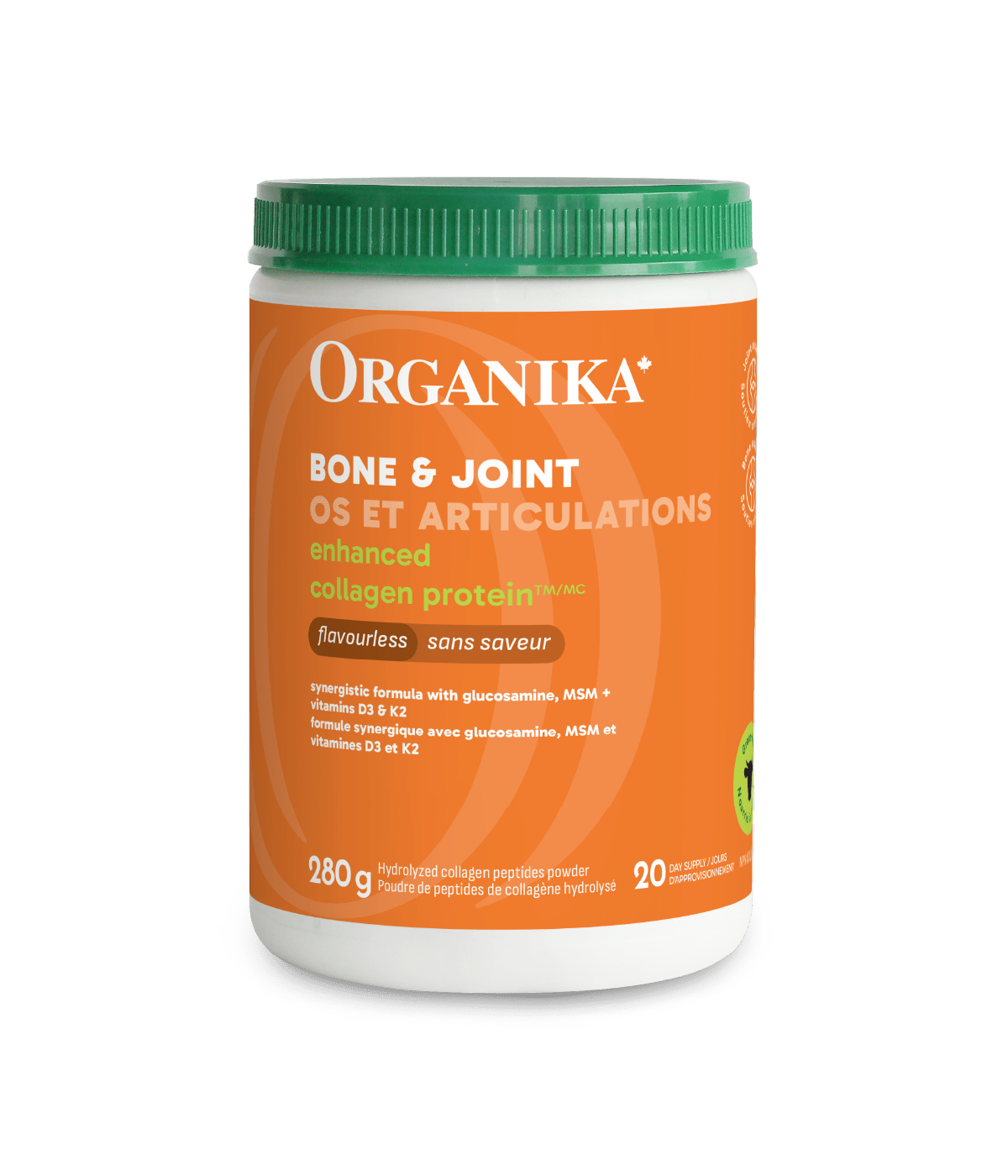
Ease pain, fight inflammation and protect your bones and joints
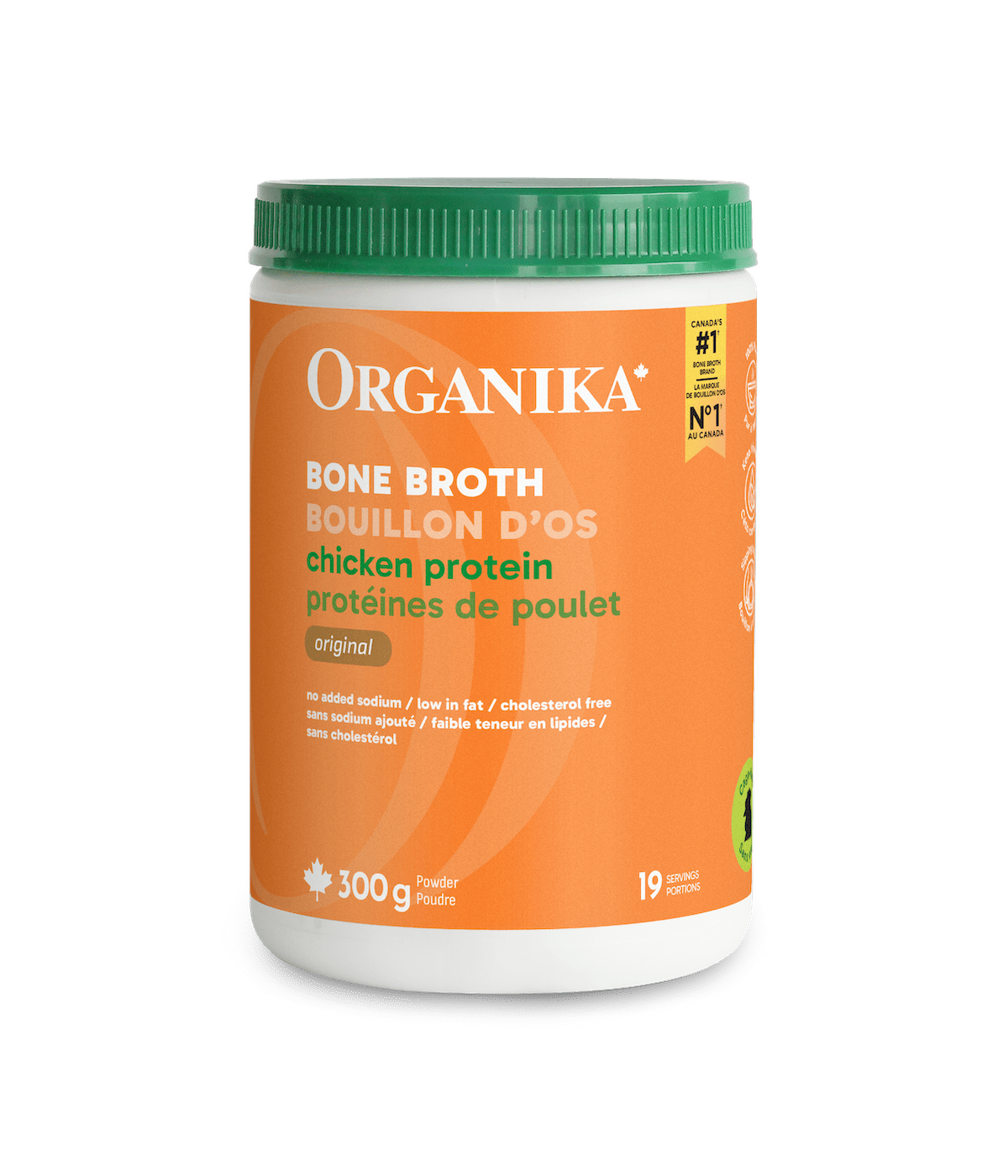
All the chicken bone broth benefits, none of the stovetop hassle
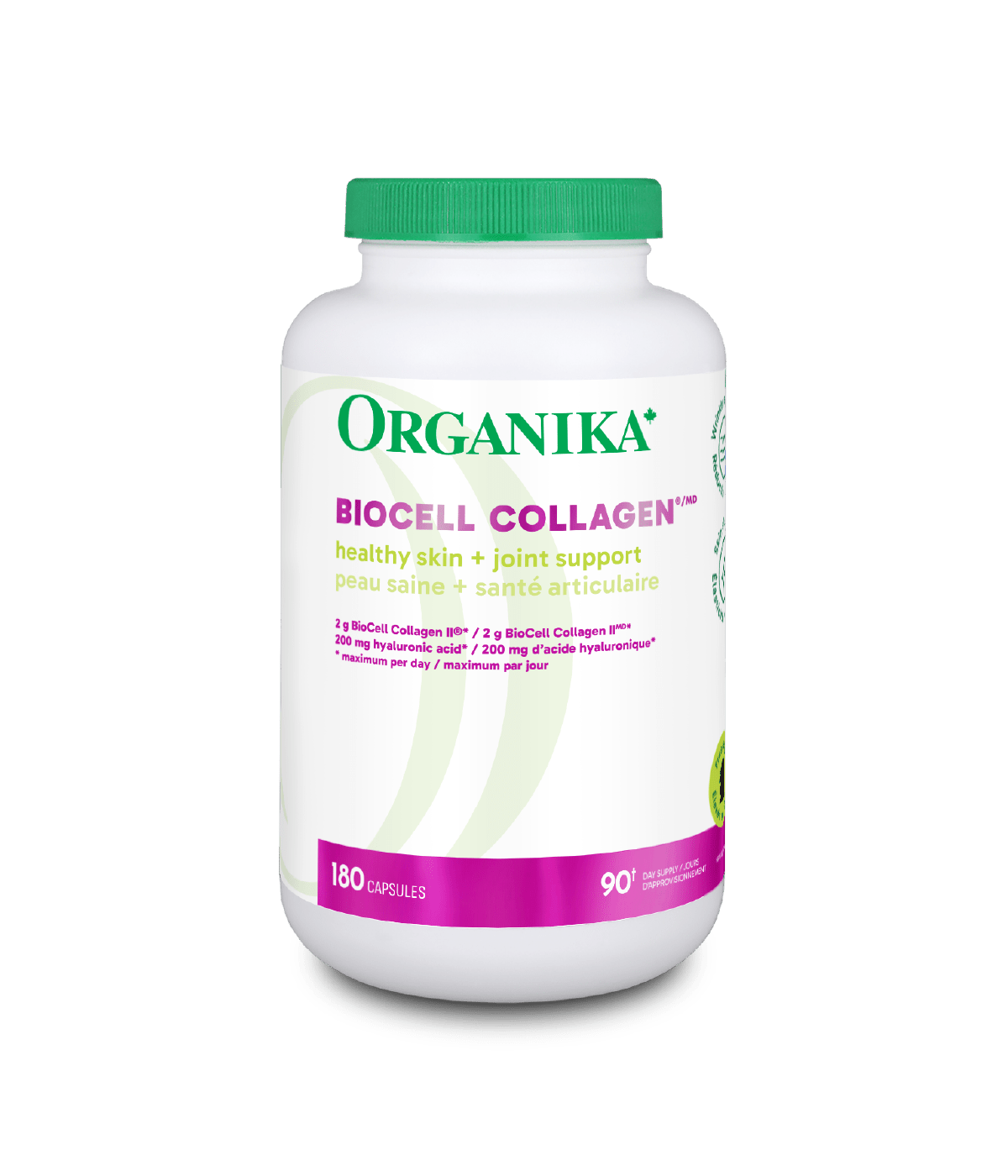
Reduce joint stiffness and increase skin elasticity in one easy capsule

Today, interest in dietary collagen is growing at a rapid rate, and for good reason. I started taking collagen three years ago, and some pretty remarkable things have happened. The benefits of a collagen-rich diet are incredible, ranging from better weight control, improved digestion, clearer skin, reduced inflammation, and improved immune function.1 In my practice, collagen has become a game changer for injury recovery. I recommend it daily to patients dealing with ligament, tendon, cartilage, or joint problems.2 It works that well. Collagen based products provide a unique blend of amino acids that are critical for everyone, regardless of age. If you don’t get enough collagen in your diet you can experience an increase in injuries, digestive issues, and other symptoms associated with aging (decreased bone mineral density, wrinkles, and arthritis).3 Is collagen good for men? Absolutely - Collagen is a protein your body produces naturally and is a major component of skin, bone, and connective tissue.2 Let’s examine why this is not only a safe, but critical supplement to consider. 5 Surprising Benefits of Collagen for men 1. Bulletproof bones and joints The cartilage and space between your joints acts like a cushion to absorb shock and force. But aging, arthritis, sports injuries, and collagen deficiency can compromise this cushioning effect.2 The breakdown of this system can lead to pain and debility. The good news is that collagen has a protective effect on cartilage and provides pain relief.3 It is highly effective for those that live an active life and push their bodies to the limit. For the last three years collagen has been a staple in my post workout shake. As a result, I feel better now at age 35 than I did at 27. 2. Helps you grow strong and thick hair Your hair, skin, and nails are made up primarily of the protein keratin.4 Increasing your collagen intake provides your body with the raw materials needed to build keratin leading to stronger hair and nails. Other nutrients to consider for hair loss are Vitamin A, Vitamin D, zinc, selenium, iron, and thyroid hormone levels.5 Along with collagen, these micronutrients are key to growing thick, strong hair. 3. Boosts muscle recovery If you love working out, building muscle, and want to improve your recovery time between sessions - collagen can help.6 Muscles, tendons, ligaments, and cartilage are all stressed during workouts. Since collagen makes up 30% of the proteins in our body, we can directly supports our recovery and repair process by making sure we get lots of it in our diet and through supplementation.7 4. Promotes gut health Collagen is essential to heal and seal your gut.8 The lining of our intestines acts like a screen door that filters out large particles and absorbs small molecules like simple sugars, amino acids, and fats. If the intestinal lining is compromised or leaky, you open yourself up to a wide array of health concerns and digestive distress. When undigested food and toxins creep in, it leads to inflammation, immune system dysregulation, sleep problems, and chronic digestive complaints. Collagen provides your intestinal cells with the amino acids glycine and proline which are essential in rebuilding the lining of your digestive tract.8 Glycine also helps reduce inflammation which is common in those that suffer from Irritable Bowel Syndrome. 5. Improves heart health Collagen provides structural support to the cardiovascular and circulatory system. Without sufficient collagen, the vessels that carry blood around your body become weak and fragile.9 Collagen supplementation has been shown to lead to a significant reduction in arterial stiffness.10 Collagen powder and peptides for men When choosing the right collagen product there are a few things to keep in mind. Look for free range and antibiotic free animals as the collagen source. Check for third party certifications that indicate proper quality and purity. Avoid products that blend in other ingredients with collagen such as probiotics or fiber because we don’t have enough data to see how they interact. On the label, look for either collagen hydrolysate, hydrolyzed collagen, or collagen peptides - this indicates the collagen has been broken down into small enough particles that are easily absorbed. Collagen supplements for men Restore and rebuild collagen with Organika’s Enhanced Collagen flavourless hydrolyzed collagen powder. Peptides are short chain amino acids naturally derived from collagen protein. These natural peptides are highly bio-available, digestible and soluble. Sourced from grass-fed cows, Enhanced Collagen is rBGH & BSE-free (no antibiotics or hormones), with no artificial sweeteners or GMO ingredients. Amino acids glycine, lysine & proline revitalize, firm and smooth skin. Shop Enhanced Collagen References https://www.ncbi.nlm.nih.gov/pmc/articles/PMC7271718/ https://pubmed.ncbi.nlm.nih.gov/18416885/ http://www.scielo.br/pdf/rbgg/v19n1/1809-9823-rbgg-19-01-00153.pdf https://pubmed.ncbi.nlm.nih.gov/23949208/ https://pubmed.ncbi.nlm.nih.gov/30547302/ https://www.ncbi.nlm.nih.gov/pmc/articles/PMC3177172/ https://www.ncbi.nlm.nih.gov/pmc/articles/PMC3003457/ https://pubmed.ncbi.nlm.nih.gov/28174772/ https://www.ncbi.nlm.nih.gov/pmc/articles/PMC5429168/ https://www.ncbi.nlm.nih.gov/books/NBK21582/ Axe, J. The Collagen Diet. 2019.
read more
Do Collagen Supplements Support Weight Management and Fitness Goals? Collagen has exploded on the wellness scene, and not just as a beauty trend. From supporting healthy skin elasticity to strengthening joints, muscles, and the gut lining, collagen plays a role in many of the body’s essential functions. But as collagen powder and collagen supplements become more popular, a common question keeps coming up: Can collagen support weight management or fitness goals? The short answer: collagen isn’t a fat burner, but it may support weight management in several important ways, especially when paired with a balanced diet and an active lifestyle. Let’s break down how collagen works in the body and why it’s often included in routines focused on health, movement, and overall wellness. Why collagen matters more than you think Collagen is the most abundant protein in the human body, making up about 30% of total body protein. It’s found in the skin, joints, muscles, bones, connective tissues, and digestive tract. There are many types of collagen, but most collagen supplements contain hydrolyzed collagen peptides powder, which allows the body to absorb and use it more efficiently. Common sources include: • Grass-fed collagen powder (bovine-based)• Marine collagen (fish-based) Both provide amino acids that support tissue repair, mobility, digestion, and structural strength. How collagen may support weight management Supporting fullness and steady energy As a source of protein and amino acids, collagen may help increase satiety, the feeling of fullness after eating. When you feel fuller for longer and blood sugar levels stay more stable, it often becomes easier to: • Reduce unnecessary snacking• Manage portions• Curb sugar cravings Many people incorporate protein-rich collagen powders like Enhanced Collagen Protein Original into smoothies or coffee as a simple way to boost daily protein intake while supporting joints and skin: Helping maintain muscle and metabolism While collagen isn’t a complete protein on its own, it can still support muscle repair and recovery when paired with resistance training. Maintaining muscle mass is important for metabolism, the more muscle you have, the more calories your body burns at rest. Over time, this can play a helpful role in body composition and long-term weight management. Supporting joint comfort for movement Joint discomfort is one of the biggest barriers to staying active. Collagen for joints helps support healthy connective tissue in tendons, ligaments, and cartilage. For people dealing with stiffness, overuse, or osteoarthritis, collagen supplementation may help improve comfort and mobility. Better joint support often means: • More consistent workouts• Easier daily movement• Less exercise avoidance due to pain Which naturally supports an active lifestyle. Promoting gut health Collagen also plays a role in strengthening the lining of the digestive tract. A healthy gut supports: • Efficient digestion• Better nutrient absorption• Balanced bacteria levels When digestion works well, the body is better equipped to regulate hunger, energy, and immune function, all factors that influence overall wellness and weight balance. Taking collagen a step further Some collagen blends include functional ingredients designed to support metabolism and energy. For example, Enhanced Collagen Boost combines hydrolyzed collagen peptides with ingredients like MCT oil to help promote fullness and support active weight management routines. These types of formulas are often used by people looking to support both protein intake and metabolic health in one simple step. Collagen and hydration for active days Staying hydrated is essential for workout performance, recovery, and energy levels. Collagen combined with electrolytes, like Organika’s Electrolytes + Enhanced Collagen blends, can help support hydration while delivering collagen’s benefits for joints and connective tissue. This can be especially helpful during workouts, warm weather, or busy days with lots of movement. Collagen vs whey protein Many people wonder whether collagen supplements can replace traditional protein powders like whey. Both have different strengths: Whey protein is a complete protein ideal for muscle building.Collagen supplements support joints, skin, gut health, and connective tissue. For many active individuals, using both together provides a more well-rounded approach to fitness and recovery. How much collagen should you take per day? A common collagen dosage per day falls between: 10–20 grams daily This amount is often used in studies supporting joint health, skin benefits, muscle recovery, and gut support. Always follow product directions or consult a healthcare professional for personalized advice. The bottom line Collagen supplements aren’t a quick fix for weight loss, but they can support key areas that influence fitness and healthy body composition, including: • Fullness and appetite control• Muscle maintenance• Joint mobility• Gut health When combined with movement, balanced nutrition, and consistent habits, collagen powder can be a valuable part of a healthy lifestyle. From collagen for joints and skin to overall structural support, collagen supplements offer benefits that go far beyond the scale.
read more
Understanding the difference between collagen and protein powder can help you make better choices for your wellness goals, whether that’s muscle growth, skin and joint support, or daily protein intake. Although both contain amino acids and count as proteins, they serve very different purposes in your diet and body. What Is Collagen? Collagen is the most abundant structural protein in the body, found in skin, bones, cartilage, tendons, hair, and nails. It provides strength, elasticity, and support to connective tissues. Unlike many protein powders (like whey or plant proteins), collagen: Is not a complete protein, it doesn’t contain all nine essential amino acids. Is rich in specific amino acids such as glycine, proline, and hydroxyproline, which help support tissues and structures throughout the body. Why take collagen powder? May support skin hydration and elasticity Helps maintain joint comfort and mobility Supports gut health Offers structural amino acids that can decline with age What Is Protein Powder? In contrast to collagen, most protein powders (including whey, plant-based, egg and casein) are designed to help you meet daily protein requirements and support functions like muscle maintenance, repair and growth. Protein powders differ based on their amino acid profile, digestibility, dietary preferences and goals. Scientific research indicates that both animal and plant proteins can support muscle mass and strength gains when total protein intake is adequate, although animal protein often shows a modest advantage in lean mass development due to higher essential amino acid availability (Santini, M, 2025). Protein powders are often used to support: Reaching daily protein goals Muscle recovery and strength gains Weight management and satiety Convenient nutrition when whole foods aren’t available Which One Should You Choose? When you’re choosing between collagen powder and a more traditional protein powder, it really comes down to what you’re trying to support in your life and body, not that one is “better” than the other for everyone. If your main goal is to meet daily protein needs, support muscle recovery after workouts, or build strength over time, a more complete protein powder (whether that’s whey or a thoughtfully blended plant-based option) tends to fit those needs more directly. These powders are formulated with all the essential amino acids your body looks for when it’s rebuilding and repairing tissues after movement or exercise. On the other hand, if you’re more focused on things like skin resilience, joint comfort, or connective tissue support, collagen protein can feel like a more tailored choice. Because it’s rich in specific amino acids that your body uses for structural proteins like collagen in skin and cartilage, many people find it helpful as a complement to their overall routine. Some individuals choose to use both. For example, a general protein powder after workouts to support muscle and strength goals, and collagen at other times to support skin, joint, or tissue health. There’s nothing stopping you from combining them, as long as you’re keeping an eye on your overall protein intake and how you feel. Everyone’s body and priorities are a little different, so it can be worth experimenting to find what feels best for you. Goal Recommended Muscle building and athletic performance Protein powder Skin, joints, hair, nails Collagen powder Balanced dietary protein Protein powder Targeted connective tissue support Collagen References Santini, M. H., Erwig Leitão, A., Mazzolani, B. C., Smaira, F. I., de Souza, M. S. C., Santamaria, A., Gualano, B., & Roschel, H. (2025). Similar effects between animal-based and plant-based protein blend as complementary dietary protein on muscle adaptations to resistance training: findings from a randomized clinical trial. Journal of the International Society of Sports Nutrition, 22(1), 2568047. https://doi.org/10.1080/15502783.2025.2568047
read more