



Why Women Need to Be Intentional About Consuming Enough Protein
Posted
Updated December 10, 2025

Posted
Updated December 10, 2025
Learn why women need enough protein daily. Support muscle, hormones, weight, skin, and bone health while boosting energy, mood, and overall wellness.
Whether you're navigating the demands of an active lifestyle, balancing the nutritional needs of a growing family alongside your own, experiencing hormonal transitions, or focused on maintaining strength and independence with age, understanding how protein supports your unique needs can be transformative. Here's why prioritizing protein is essential to daily vitality. Preserves Muscle Mass and Strength Throughout Life
Muscle health matters at every age, but women face unique challenges when it comes to maintaining muscle mass. Starting around age 30, adults naturally begin losing muscle mass at a rate of 3-8% per decade, with this decline accelerating significantly after age 65. For women, hormonal changes during perimenopause and menopause can intensify this muscle loss, making adequate protein intake even more critical.
Protein serves as the fundamental building block for muscle tissue. When we consume protein-rich foods, the body breaks them down into molecular components that rebuild and repair muscle fibers known as amino acids. . This process of muscle protein synthesis happens continuously, but research shows that older adults, particularly postmenopausal women, experience "anabolic resistance" which is a reduced ability to build muscle in response to protein intake. This means that women need more protein as they age, not less.
Studies indicate that women should aim for 1.2 g/kg body weight per day—significantly more than the standard 0.8 g/kg recommendation — to effectively preserve muscle mass and enhance strength, particularly after age 50. For a woman weighing 70 kg (154 lbs.), this translates to approximately 84 grams of protein daily. Research shows this higher intake leads to notable improvements in muscle composition, reduced fat accumulation, and better overall physical function.
Active women in their 20s and 30s also benefit from adequate protein intake, particularly when engaging in regular exercise. Protein supports muscle recovery and adaptation to training, helping maintain lean muscle mass that supports metabolism and functional strength for decades to come.
Hormones orchestrate virtually every aspect of female health, from menstrual cycles and fertility to mood regulation and metabolism. Hormones are made from proteins that rely on amino acids for their production and function. Without adequate protein intake, the body lacks the building blocks needed to maintain hormonal balance.
Protein plays a particularly vital role during perimenopause and menopause, when hormonal fluctuations can trigger a cascade of physical and emotional changes. It can help build muscles more effectively and mitigate some menopausal symptoms. The decline in estrogen during menopause affects muscle protein synthesis, making this strategic protein timing especially important.
Beyond structural hormones, amino acids serve as precursors to neurotransmitters that regulate mood and emotional well-being. Tryptophan, an amino acid that contributes to maintenance of muscles, enzymes and neurotransmitters, converts to serotonin (influencing feelings of well-being and happiness), while tyrosine, one of the 20 standard amino acids cells use to synthetize proteins, becomes dopamine (critical for motivation and learning). Adequate protein intake helps stabilize blood sugar levels, preventing the dramatic fluctuations that can trigger mood swings, anxiety, and difficulty concentrating.
Intriguingly, research has found that higher vegetable protein intake may actually support reproductive longevity. A large study of over 85,000 women found that those consuming the highest amounts of vegetable protein had a 16% lower risk of early menopause (before age 45) compared to those with the lowest intake, suggesting that plant-based proteins may help prolong female reproductive function.
For women navigating weight management, protein offers distinct advantages. Its remarkable satiating effect helps promote feelings of fullness for extended periods, naturally reducing overall calorie intake without the constant struggle of hunger.
The science behind this is compelling: protein increases appetite-suppressing hormones more effectively than carbohydrates or fats and requires more energy to digest — a phenomenon called the thermic effect of food. This means the body actually burns more calories processing protein compared to other macronutrients, providing a modest but meaningful metabolic advantage.
During perimenopause and menopause, many women experience frustrating weight gain, particularly around the abdomen. Emerging research suggests this may be partly due to the body's increased appetite for protein during hormonal transitions. When protein needs aren't met, women may unconsciously overconsume other forms of energy (carbohydrates and fats) to compensate. Studies suggest that increasing the proportion of protein in the diet by around 3% of daily energy intake, whilst slightly reducing overall energy intake by 5-10%, may help prevent or lessen perimenopausal weight gain.
While calcium and vitamin D rightfully receive attention for bone health, protein's critical role is often overlooked. Our bones are made up of a significant amount of protein—about 30%. Structural protein provides the framework upon which minerals are deposited, creating the strength and resilience that bones need to withstand daily stresses.
For women, bone health becomes increasingly critical after menopause, when declining estrogen levels accelerate bone loss. Women can lose up to 20% of bone mass during the perimenopausal transition and the few years following menopause, dramatically increasing the risk of osteoporosis and fractures. This makes adequate protein intake essential for preserving bone density.
Research consistently demonstrates that higher protein intake is associated with better bone mineral density, slower rates of bone loss, and reduced fracture risk in postmenopausal women. Studies show that protein intake above 0.8 g/kg body weight daily, combined with calcium intake of at least 800 mg/day, can reduce hip fracture risk by up to 85%. Conversely, this protective effect may be reversed with insufficient calcium, highlighting the importance of balanced nutrition.
Supports Maternal Health During Pregnancy and Breastfeeding During pregnancy, protein needs increase progressively, with the most significant increases occurring in the second and third trimesters. Current recommendations suggest a minimum of 75 grams daily during pregnancy (compared to 46 grams for non-pregnant women), with some research showing that even that may be too low. This additional protein supports the development of fetal tissues, the expansion of maternal blood volume, growth of breast and uterine tissue and preparation for lactation.
Meeting protein needs during pregnancy is crucial for maternal health too. Insufficient protein increases the risk of developing anemia, poor maternal weight gain, complications during delivery, and adverse pregnancy outcomes including preterm birth and low birth weight.
During lactation, the story becomes even more compelling. The current dietary recommendation suggests 1.05 g/kg body weight daily for breastfeeding women. However, groundbreaking research has revealed that exclusively breastfeeding women actually need 1.7-1.9 g/kg daily—substantially higher than current guidelines. For a 70 kg woman, this means approximately 119-133 grams of protein daily, compared to the currently recommended 74 grams.
This higher protein requirement makes sense when we consider the demands of lactation: women must maintain their own muscle mass whilst providing all the nutrients an infant needs through breast milk. Adequate protein supports tissue repair after childbirth, helps maintain energy levels during the demanding postpartum period, and ensures optimal milk composition for infant growth and development.
Visible markers of health and vitality like radiant skin, strong nails , and lustrous hair, all depend fundamentally on adequate protein intake. These tissues are primarily composed of structural proteins including collagen, keratin, and elastin. Collagen provides skin with its firmness and resilience, keratin forms the structure of hair and nails, and elastin allows skin to stretch and return to its original shape.
As women age, natural collagen production declines, contributing to visible signs of ageing like wrinkles, thinning skin, and brittle nails. Many women also notice hair loss or thinning during menopause. Collagen supplementation may help by providing essential amino acids that build keratin, the hair's primary protein, whilst also supporting healthy hair follicles and helping prevent age-related thinning.
Maintaining adequate protein intake —and specifically ensuring sufficient amino acids needed for collagen synthesis, —helps preserve the structural integrity of these tissues. High-quality protein sources provide the building blocks necessary to maintain healthy, vibrant skin, hair, and nails throughout all stages of life.
Protein requirements for women aren't one-size-fits-all and can vary based on age, activity level, life stage, and health status. While the baseline recommendation of 0.8 g/kg body weight daily prevents deficiency, emerging research suggests this may not be optimal for many women, particularly as they age or during periods of increased physiological demand.
For most adult women: Many nutrition experts now recommend 1.0-1.2 g/kg body weight daily to better support muscle maintenance, metabolic health, and overall well-being. For a 65 kg (143 lb.) woman, this translates to 65-78 grams of protein daily.
For active women: Those engaging in regular exercise, particularly strength training or endurance activities, benefit from 1.2-1.7 g/kg daily to support muscle recovery, adaptation, and performance.
For women over 50: To combat anabolic resistance and preserve muscle mass, 1.2-1.5 g/kg daily is recommended, with some research suggesting needs may be even higher for those with sarcopenia or recovering from illness.
During pregnancy: A minimum of 60 grams daily, with many experts recommending at least 75-100 grams for optimal maternal and fetal health.
During breastfeeding: Current research suggests 1.7-1.9 g/kg daily for exclusively breastfeeding women, significantly higher than older recommendations.
Beyond total daily intake, research increasingly emphasizes the importance of distributing protein throughout the day rather than consuming most of it at one meal. To maximize muscle protein synthesis aim to include 25-30 grams of high-quality protein at each main meal.
For women in perimenopause and menopause, there's growing evidence that consuming 30-50 grams of protein at breakfast or the first meal of the day may be particularly effective for building muscle. This strategic timing works with the body's changing hormonal environment to support muscle protein synthesis more effectively.
The quality of protein matters just as much as quantity. Focus on nutrient-dense sources that provide not just protein, but also vitamins, minerals, and other beneficial compounds that support overall health.
Whilst red meat can be part of a balanced diet, research consistently shows it should be consumed in moderation. Studies link higher consumption of red meat—especially processed varieties—to increased risks of cardiovascular disease, type 2 diabetes, and certain cancers. The evidence is clear: replacing some red meat with plant-based proteins, fish, or poultry reduces these health risks whilst still meeting protein needs.
Meeting daily protein targets doesn't require complicated meal planning. Here are some straightforward strategies:
Start the day with protein-rich options like eggs, Greek yogurt, or a protein smoothie to stabilize blood sugar and energy levels
Include a palm-sized portion of protein at each main meal—roughly 25-30 grams per serving
Keep convenient protein-rich snacks available: nuts, cheese, Greek yogurt, or hard-boiled eggs
Add protein to familiar foods: stir Greek yogurt into porridge, add beans to salads and soups, include nuts in grain dishes
Plan meals intentionally to ensure a balance of protein, healthy fats, and carbohydrates throughout the day
For busy mothers preparing family meals, batch-cook protein sources like grilled chicken, boiled eggs, or cooked legumes to have ready throughout the week
Incorporating adequate, high-quality protein into your diet can lead to significant health benefits throughout a woman's life. The key is to consume enough protein throughout the day from diverse, nutrient-dense sources that align with individual needs and preferences.
When getting adequate protein intake becomes complicated, protein powders and supplements can help bridge the gap. They offer a convenient way to meet daily protein goals alongside whole food sources, particularly during demanding life stages like breastfeeding or whilst managing the increased needs of perimenopause and menopause.
Frontiers in Nutrition. (2025). "Role of protein intake in maintaining muscle mass composition among elderly females suffering from sarcopenia." https://www.frontiersin.org/journals/nutrition/articles/10.3389/fnut.2025.1547325/full
Harvard Health Publishing. (2024). "Muscle loss and protein needs in older adults." https://www.health.harvard.edu/staying-healthy/muscle-loss-and-protein-needs-in-older-adults
Cleveland Clinic. (2025). "How Much Protein You Need." https://health.clevelandclinic.org/how-much-protein-you-need
National Institutes of Health. "Dietary protein recommendations and the prevention of sarcopenia." https://pmc.ncbi.nlm.nih.gov/articles/PMC2760315/
Harvard T.H. Chan School of Public Health. "Protein." https://nutritionsource.hsph.harvard.edu/what-should-you-eat/protein/
Current Developments in Nutrition. (2020). "Protein Requirements of Healthy Lactating Women Are Higher Than the Current Recommendations." https://pmc.ncbi.nlm.nih.gov/articles/PMC7257931/
UCSF Health. (2024). "Eating Right Before and During Pregnancy." https://www.ucsfhealth.org/education/eating-right-before-and-during-pregnancy
American Pregnancy Association. (2024). "Pregnancy Nutrition." https://americanpregnancy.org/healthy-pregnancy/pregnancy-health-wellness/pregnancy-nutrition/
PMC. (2016). "Nutrition Recommendations in Pregnancy and Lactation." https://pmc.ncbi.nlm.nih.gov/articles/PMC5104202/
University of Sydney. (2022). "Prioritising protein during perimenopause may ward off weight gain." https://www.sydney.edu.au/news-opinion/news/2022/10/13/prioritising-protein-during-perimenopause-may-ward-off-weight-gain.html
Elektra Health. (2023). "Protein During Menopause: How Much Do We Really Need?" https://www.elektrahealth.com/blog/protein-during-menopause/
MDPI Nutrients. (2024). "The Impact of Protein in Post-Menopausal Women on Muscle Mass and Strength." https://www.mdpi.com/2673-9488/4/3/16
Bonafide. (2025). "Protein for Menopause." https://hellobonafide.com/blogs/news/why-protein-is-essential-during-menopause
PMC. (2018). "Dietary Protein Intake and Early Menopause in the Nurses' Health Study II." https://pmc.ncbi.nlm.nih.gov/articles/PMC5860152/
PMC. (2014). "Dietary protein is beneficial to bone health under conditions of adequate calcium intake." https://pmc.ncbi.nlm.nih.gov/articles/PMC4180248/
International Osteoporosis Foundation. (2025). "Protein and other nutrients." https://www.osteoporosis.foundation/health-professionals/prevention/nutrition/protein-and-other-nutrients
Nature Scientific Reports. (2025). "Association between dietary protein intake and bone mineral density." https://www.nature.com/articles/s41598-025-93642-w
WebMD. "The Benefits of Protein." https://www.webmd.com/diet/benefits-protein
Learn why women need enough protein daily. Support muscle, hormones, weight, skin, and bone health while boosting energy, mood, and overall wellness.
Get expert-backed health tips, education, product news, and exclusive offers delivered to your inbox.
Canada’s #1 Collagen Powder for healthier skin, hair, nails, joints and gut
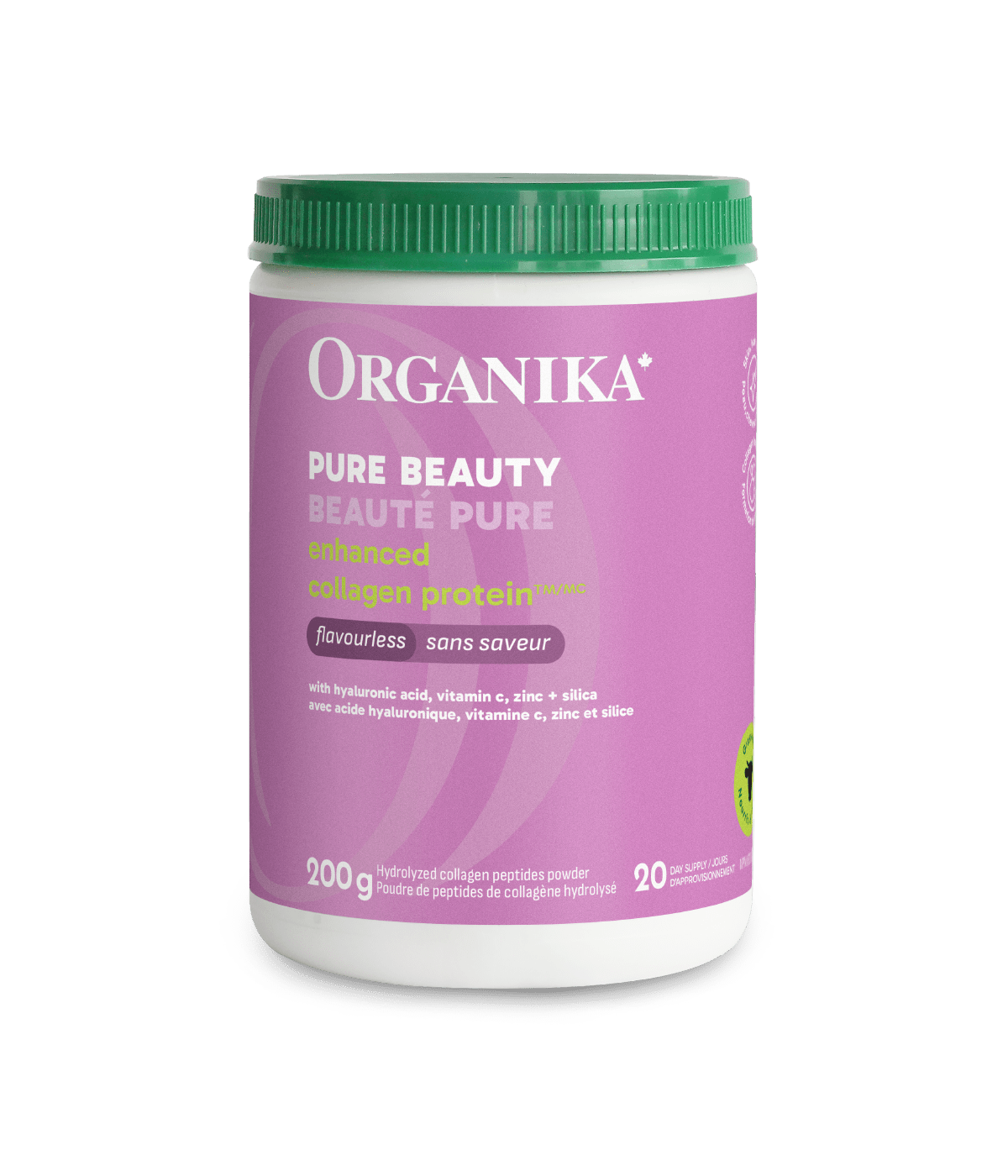
A collagen blend with added beauty benefits for healthier skin, hair and nails
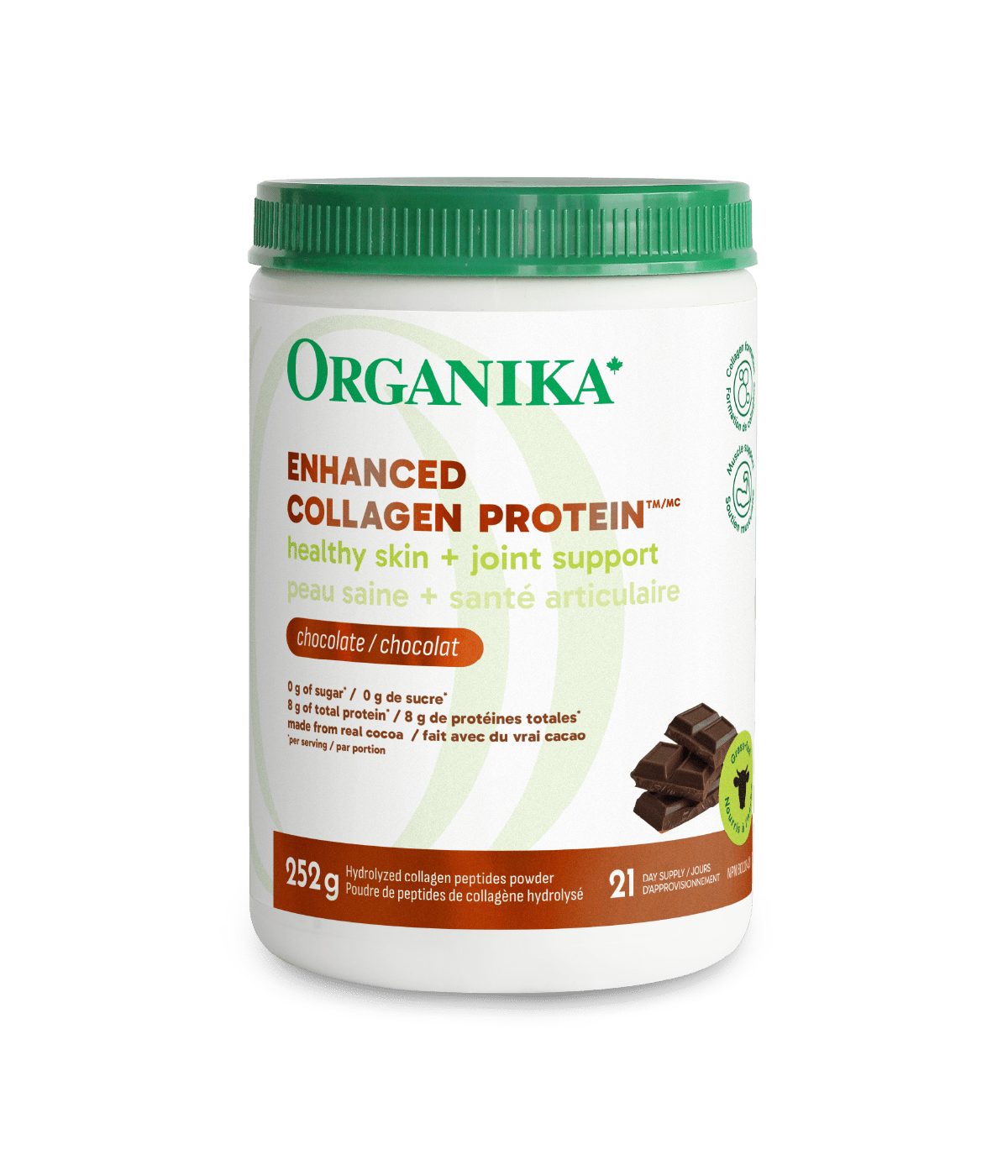
Healthier skin, hair, nails, joints & gut in a chocolatey drink with 0 g sugar
Understanding the difference between collagen and protein powder can help you make better choices for your wellness goals, whether that’s muscle growth, skin and joint support, or daily protein intake. Although both contain amino acids and count as proteins, they serve very different purposes in your diet and body. What Is Collagen? Collagen is the most abundant structural protein in the body, found in skin, bones, cartilage, tendons, hair, and nails. It provides strength, elasticity, and support to connective tissues. Unlike many protein powders (like whey or plant proteins), collagen: Is not a complete protein, it doesn’t contain all nine essential amino acids. Is rich in specific amino acids such as glycine, proline, and hydroxyproline, which help support tissues and structures throughout the body. Why take collagen powder? May support skin hydration and elasticity Helps maintain joint comfort and mobility Supports gut health Offers structural amino acids that can decline with age What Is Protein Powder? In contrast to collagen, most protein powders (including whey, plant-based, egg and casein) are designed to help you meet daily protein requirements and support functions like muscle maintenance, repair and growth. Protein powders differ based on their amino acid profile, digestibility, dietary preferences and goals. Scientific research indicates that both animal and plant proteins can support muscle mass and strength gains when total protein intake is adequate, although animal protein often shows a modest advantage in lean mass development due to higher essential amino acid availability (Santini, M, 2025). Protein powders are often used to support: Reaching daily protein goals Muscle recovery and strength gains Weight management and satiety Convenient nutrition when whole foods aren’t available Which One Should You Choose? When you’re choosing between collagen powder and a more traditional protein powder, it really comes down to what you’re trying to support in your life and body, not that one is “better” than the other for everyone. If your main goal is to meet daily protein needs, support muscle recovery after workouts, or build strength over time, a more complete protein powder (whether that’s whey or a thoughtfully blended plant-based option) tends to fit those needs more directly. These powders are formulated with all the essential amino acids your body looks for when it’s rebuilding and repairing tissues after movement or exercise. On the other hand, if you’re more focused on things like skin resilience, joint comfort, or connective tissue support, collagen protein can feel like a more tailored choice. Because it’s rich in specific amino acids that your body uses for structural proteins like collagen in skin and cartilage, many people find it helpful as a complement to their overall routine. Some individuals choose to use both. For example, a general protein powder after workouts to support muscle and strength goals, and collagen at other times to support skin, joint, or tissue health. There’s nothing stopping you from combining them, as long as you’re keeping an eye on your overall protein intake and how you feel. Everyone’s body and priorities are a little different, so it can be worth experimenting to find what feels best for you. Goal Recommended Muscle building and athletic performance Protein powder Skin, joints, hair, nails Collagen powder Balanced dietary protein Protein powder Targeted connective tissue support Collagen References Santini, M. H., Erwig Leitão, A., Mazzolani, B. C., Smaira, F. I., de Souza, M. S. C., Santamaria, A., Gualano, B., & Roschel, H. (2025). Similar effects between animal-based and plant-based protein blend as complementary dietary protein on muscle adaptations to resistance training: findings from a randomized clinical trial. Journal of the International Society of Sports Nutrition, 22(1), 2568047. https://doi.org/10.1080/15502783.2025.2568047
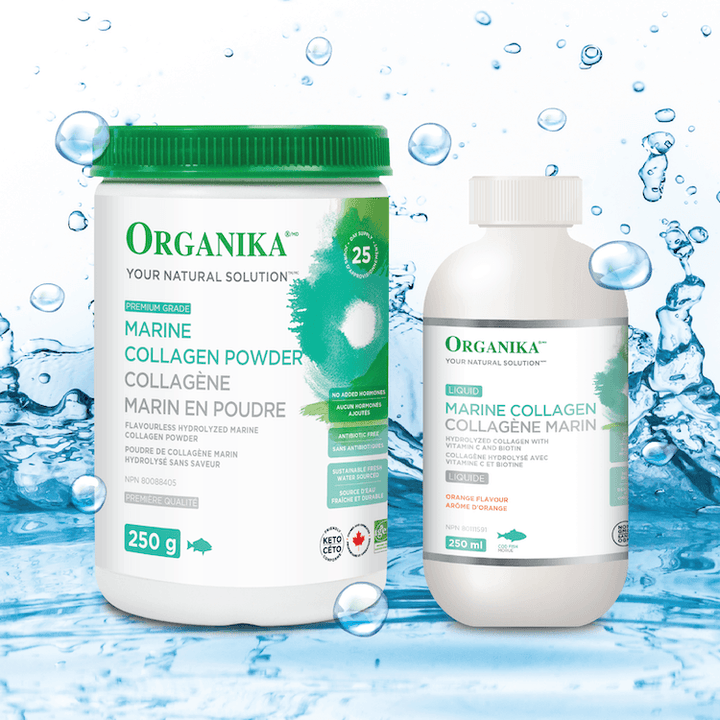
read moreBy now, you’ve probably heard all about the benefits of collagen and why collagen supplements have become so popular for supporting skin, joints, hair, gut health, and overall wellness. Great! But one question comes up again and again: is collagen powder better than liquid collagen?Which form is absorbed best, and which one delivers the most benefits? Let’s break it down. A Look at the Most Popular Forms of Collagen Supplements Collagen Powder Collagen powder is the most common and widely used form of collagen supplements. In fact, collagen exists in powder form before being dissolved into liquids. Most collagen powders are made from hydrolyzed collagen peptides, which means the large collagen proteins are broken down into smaller peptides for easier digestion and absorption. TIP: Always look for hydrolyzed collagen peptides powder when choosing a collagen supplement. If you’re not sure where to start, an unflavoured option that blends easily (like Enhanced Collagen Original) can be a simple, no-fuss pick for everyday use. The majority of scientific studies on collagen benefits have used collagen powder, which is why it is considered the most researched and well-supported format. How to use: Mix into water, coffee, smoothies, soups, baked goods, or foods of choice. Best for: Anyone who enjoys customizing how they take their collagen. Liquid Collagen Liquid collagen supplements are essentially collagen powder that has already been dissolved into a drink, often with added natural flavours or functional ingredients. Because of this, liquid collagen typically contains less collagen per serving compared to collagen powder. To reach the same collagen dosage, you may need to consume a larger volume of liquid—though for many people, the tradeoff is that it’s quick, easy, and requires zero prep. If you like the ready-to-take format but still want something that feels purposeful, a liquid option like Liquid Enhanced Collagen or Liquid Marine Collagen can be a convenient way to keep collagen support consistent, especially on busy days. Traditionally, most liquid options were made from marine collagen, but there are now both marine and bovine-based liquid collagen supplements available. How to use: Drink as directed, either as a full serving or by tablespoon depending on the product. Best for: Those who prefer convenience and ready-to-drink collagen. Collagen Capsules Collagen capsules simply contain powdered collagen, meaning they offer the same benefits as collagen powder—just in a convenient pill format. If you like the simplicity of a grab-and-go routine, something like BioCell Collagen Capsules can be an easy option to keep on hand for consistent daily support. How to use: Take as directed with water. Best for: People who prefer capsules over mixing powders into drinks or food. Your Collagen Questions Answered Which form is better absorbed, powder or liquid? All high-quality collagen supplements should be hydrolyzed, meaning the proteins are broken down for easy digestion and absorption. Since liquid collagen is just powdered collagen dissolved in liquid, both powder and liquid collagen are equally absorbable. The improved absorption comes from the hydrolyzation process, not from whether the collagen is taken in powder or liquid form. Are there added ingredients in one form versus another? Liquid collagen often includes added ingredients such as natural flavours or complementary nutrients. There are also collagen blends in powder form that combine collagen with other supplements for convenience. These blended formulas simply provide additional functional support alongside collagen. Which collagen format is most effective? Research shows that collagen supplements are effective, and most studies use collagen powder. Some liquid-only collagen brands claim higher bioavailability, but there is currently no scientific evidence showing that liquid collagen is absorbed better than powder. Again, it is the hydrolyzed collagen peptides that improve absorption, regardless of format. How much collagen do I get from powder versus liquid? Collagen powder typically contains significantly more collagen per serving than liquid collagen. For example: • 1 tablespoon of collagen powder may provide around 5 grams of collagen• 1 tablespoon of liquid collagen may provide around 1.5 grams of collagen This means you would need to consume much more liquid collagen to match the collagen intake of powder. With collagen powder, most people use 1 to 2 scoops per day. With liquid collagen, you may need multiple servings throughout the day to reach similar collagen levels. What Do the Experts Say? Many naturopaths and nutrition professionals agree that while liquid supplements in general may be absorbed slightly faster, collagen is not a quick-fix supplement like cold medicine. Because collagen works over time and is more potent in powder form, collagen powder is often preferred for long-term use. Nutritionists also point out that since both powder and liquid collagen come from the same hydrolyzed collagen source, both are bioavailable and absorbed well in the gut. Ultimately, both formats work in the same way. What Really Matters The best form of collagen is the one that fits your lifestyle. Collagen powder offers higher collagen content per serving and versatility, while liquid collagen provides convenience. More important than the format is: • The quality of the collagen• Whether it is hydrolyzed• The source of the collagen (marine or bovine) Choosing a high-quality collagen supplement will have a far greater impact than choosing between powder, liquid, or capsules. Learn more about collagen types here. REFERENCES: https://pubmed.ncbi.nlm.nih.gov/33742704/ de Miranda RB, Weimer P, Rossi RC. Effects of hydrolyzed collagen supplementation on skin aging: a systematic review and meta-analysis. Int J Dermatol. 2021 Dec;60(12):1449-1461. https://pubmed.ncbi.nlm.nih.gov/31411379/ Jhawar N, Wang JV, Saedi N. Oral collagen supplementation for skin aging: A fad or the future? J Cosmet Dermatol. 2020 Apr;19(4):910-912.
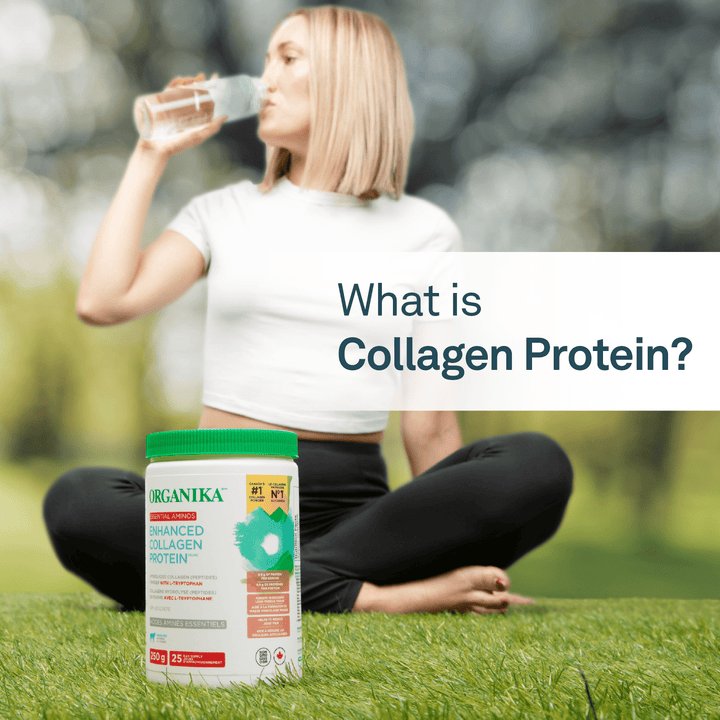
read moreCollagen 101: What is Collagen Protein? You’ve probably heard all the buzz surrounding collagen, yet may still be asking yourself: what IS collagen really? You’re not alone, and we’re here to make it easy for you to understand. Collagen is the most plentiful form of protein in your body, and acts like the “glue” that holds it all together. That’s right, our bodies naturally produce collagen. Collagen contributes to elasticity, strength, and tone throughout the body. Unfortunately, as we age, our collagen production starts to decline. Collagen production declines even faster due to excess sun exposure, smoking, excess alcohol, and lack of sleep and exercise. But fear not, that’s where collagen supplementation comes to play. What are the benefits of collagen? Collagen Protein has many benefits, ranging from supporting your hair, skin and nails, to gut health and bone and joint support. Hair, Skin and Nail Health: Collagen helps increase the elasticity and moisture of your skin, while also reducing UVB damage and signs of photoaging. You can forgive yourself for many years of not wearing sunscreen outside. Bone and Joint Health: Collagen helps maintain healthy cartilage in the joints, improving function and reducing symptoms of joint pain associated with osteoarthritis. Gut Health: Collagen provides your body with the amino acid, L-Glutamine, which is essential in supporting your gut lining. Collagen Protein vs. Protein Powder: Is there a difference? Although Collagen Protein and Protein Powder are sometimes used interchangeably, they are different. The main difference involves their amino acid breakdown. Let’s go back to science class, shall we? Amino acids are the building blocks of proteins. They are required for many critical roles in your body, such as building proteins, hormone function, and neurotransmitters. Amino acids are categorized between essential and non-essential amino acids. This is where collagen gets involved. There's a total of 20 amino acids, 9 of which are essential. This means, our bodies cannot produce them on our own and need to be consumed through either diet or supplementation. Some easy ways to consume these 9 essential amino acids through diet include meat, eggs, poultry, edamame, or tofu. What about collagen? Collagen protein only contains 8 out of the 9 essential amino acids, considering it to be an “incomplete protein”. Protein Powders are typically formulated with all 9 essential amino acids, considering them to be a “complete protein”. While our Enhanced Collagen Original only has 8 of the 9 essential amino acids, our Essential Aminos Enhanced Collagen Protein has all 9 essential amino acids, which is a “complete protein”. Whether you choose to consume Enhanced Collagen Original or Essential Aminos Enhanced Collagen Protein depends on what your goals are. You will still reap the benefits collagen has to offer, but Essential Aminos Enhanced Collagen Protein is particularly beneficial if you are focused on your protein consumption, or the growth of lean muscle mass. Is collagen right for you? Whatever your goals are, we have collagen that’s right for you. It’s simple, just choose the one that fits your lifestyle. If you’re looking to start off with the basics, try our award-winning, Enhanced Collagen Original (psssst, it’s Canada’s #1 selling Collagen Powder). OR Are you looking to combine your collagen with other supplements? Choose from a variety of our multi-benefit blends like Enhanced Collagen Pure Beauty, Enhanced Collagen Bone and Joint, or Metaboost Fat Metabolizing Complex Powder. Are you pescatarian or vegetarian? We have options for you too. Do you want to have ALL sources of collagen in one? We have you covered. Do you want to make taking collagen fun? Choose from a variety of our flavoured options, from lemon to chocolate. The bottom line – collagen supplementation is particularly beneficial as you age, to support your hair, skin, nails, bones, joints, and gut health. Whatever your goals are, we have a collagen for you. References https://www.hsph.harvard.edu/nutritionsource/collagen/#:~:text=Collagen%20is%20the%20most%20abundant,muscles%2C%20tendons%2C%20and%20cartilage. https://www.healthline.com/nutrition/essential-amino-acids
read moreFollow @organikahealth for your daily dose of feel-good. #LiveOrganikally