







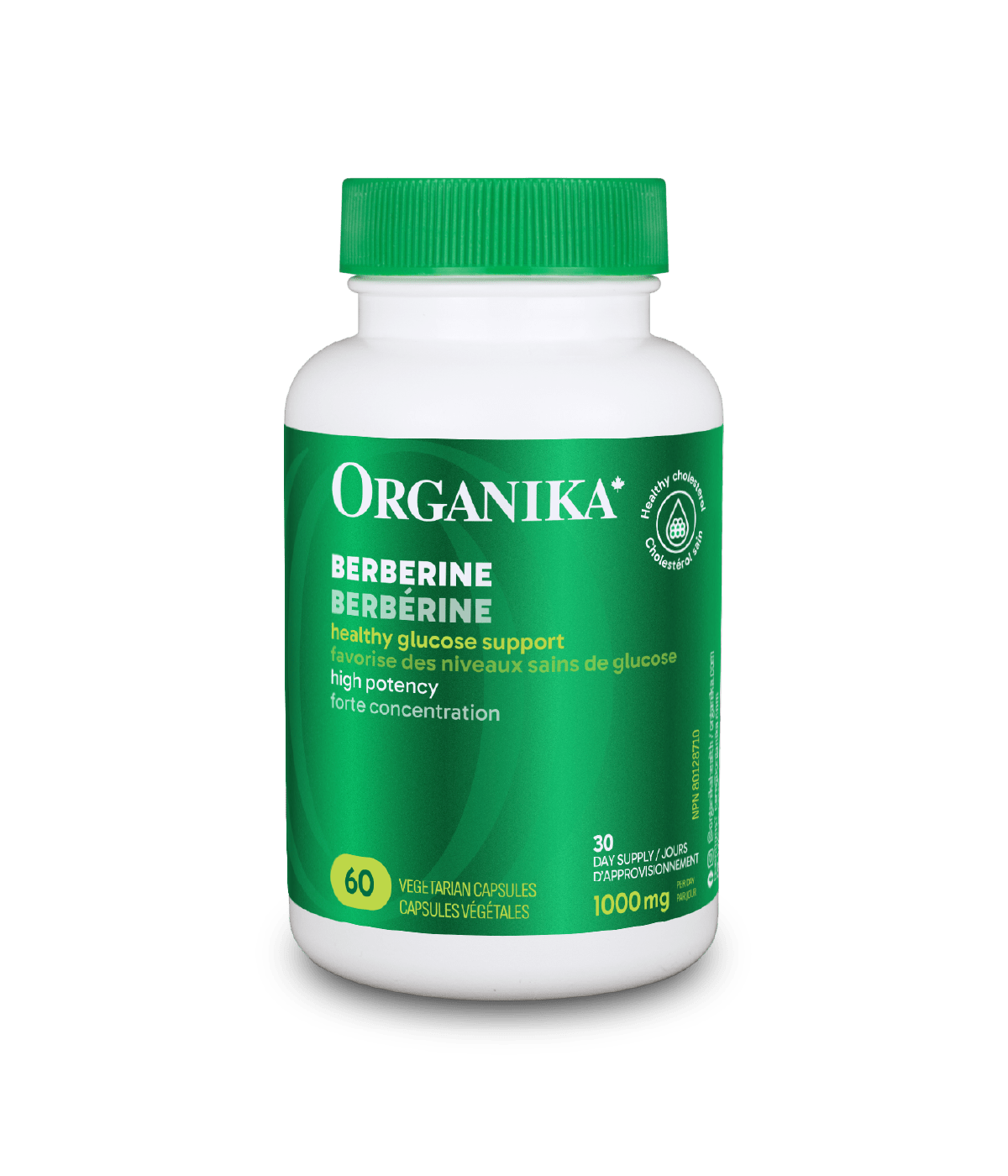
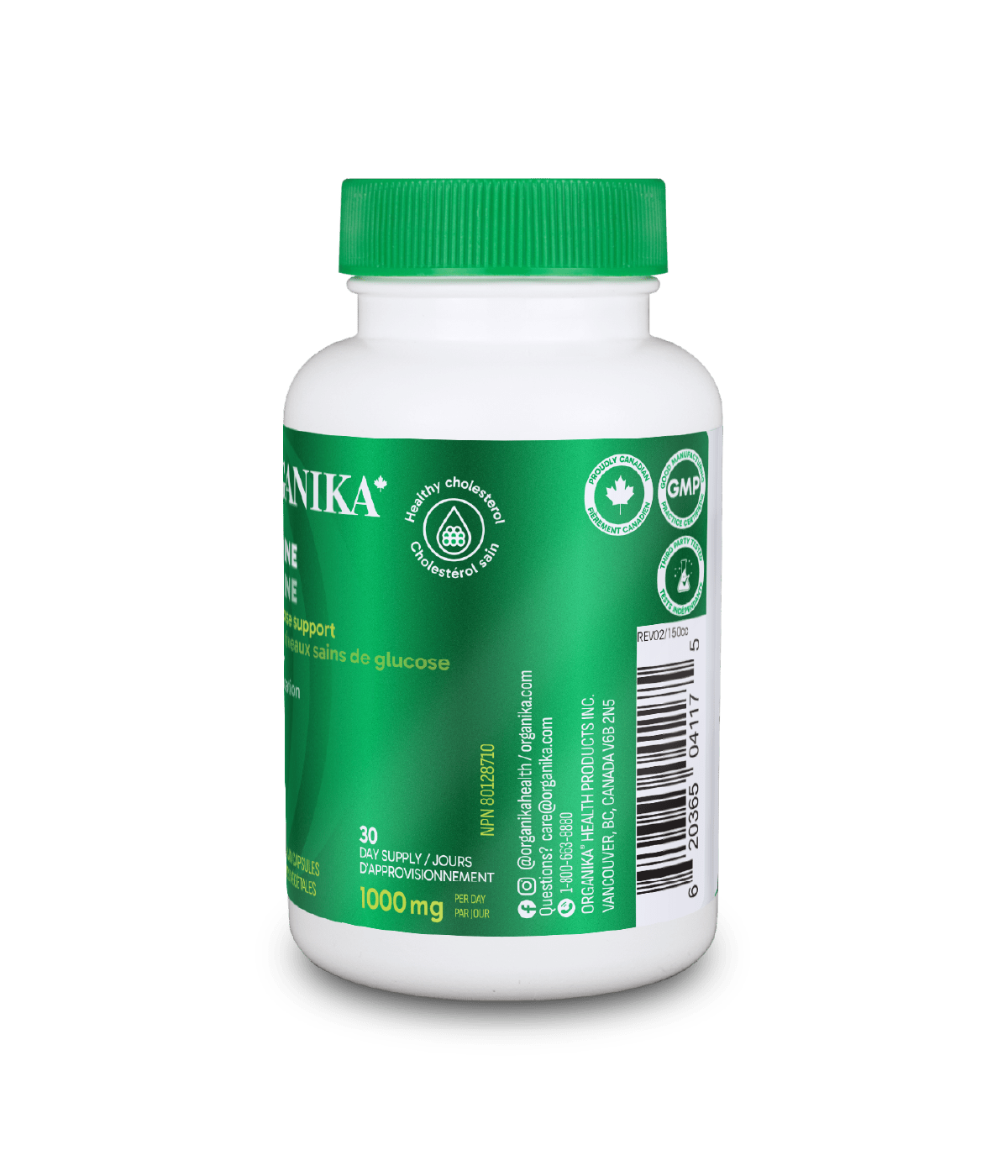
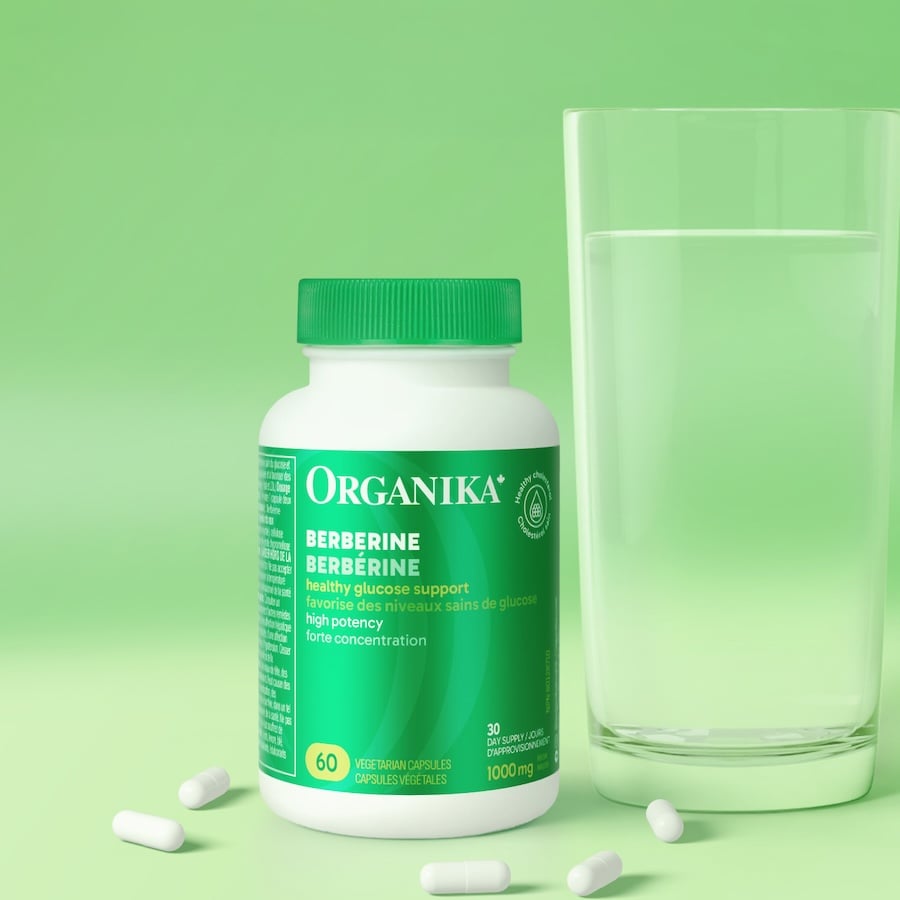
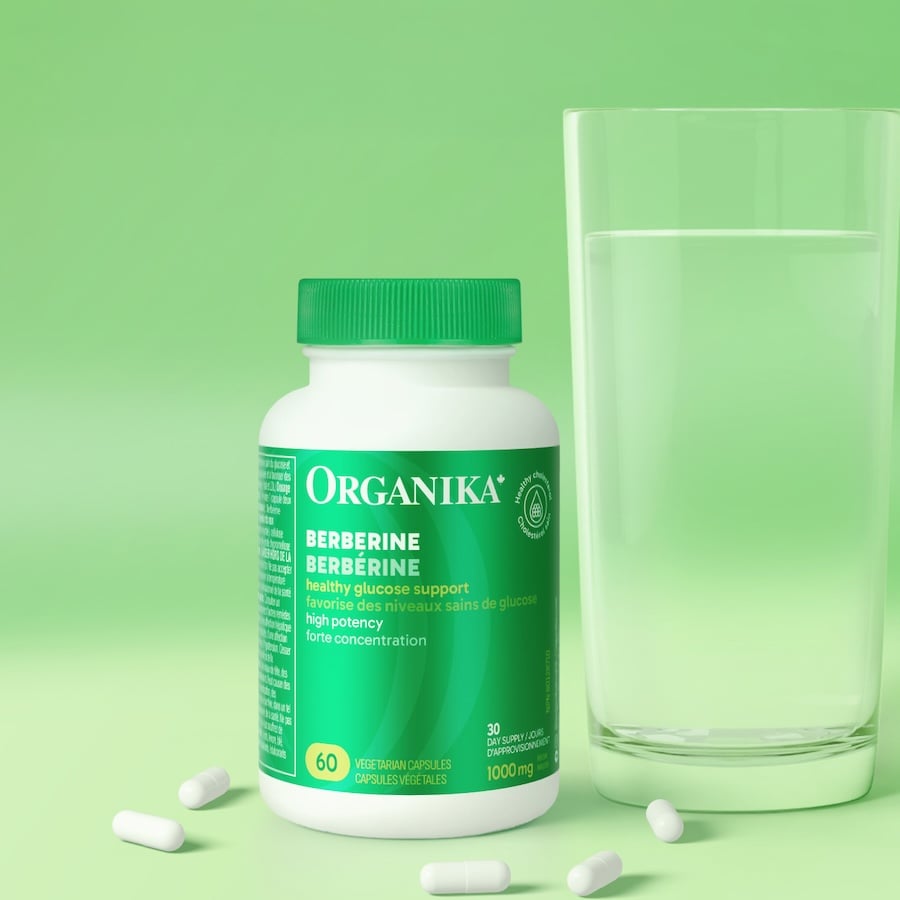
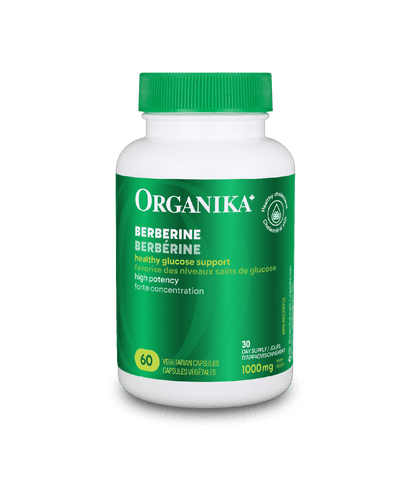
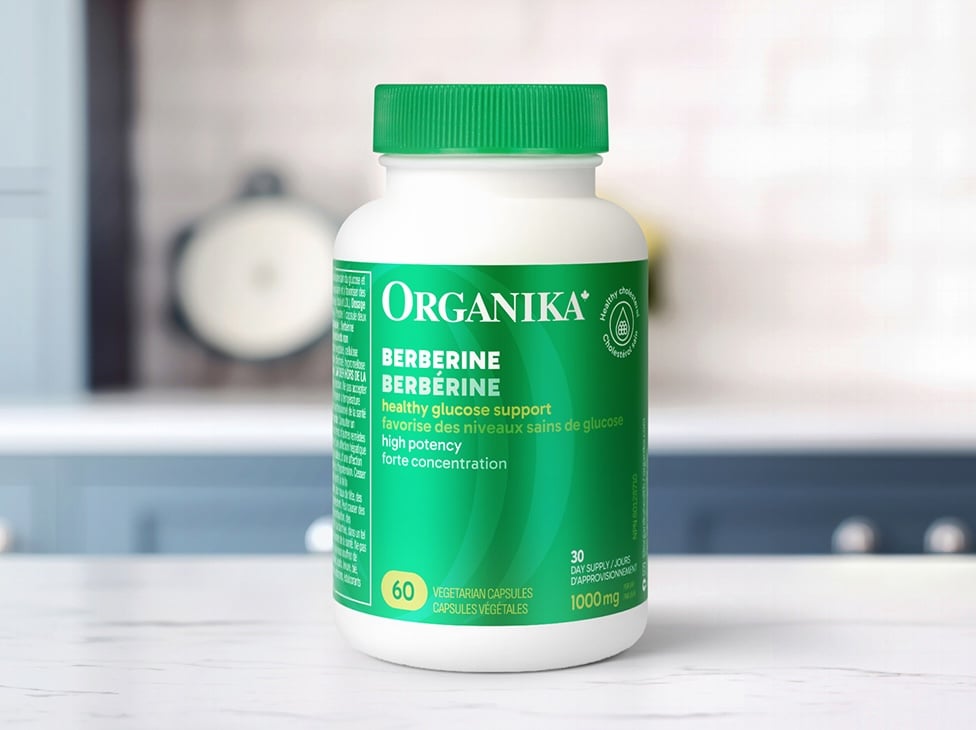
Berberine
Plant-powered support for metabolism and cholesterol that's rooted in tradition and proven by science
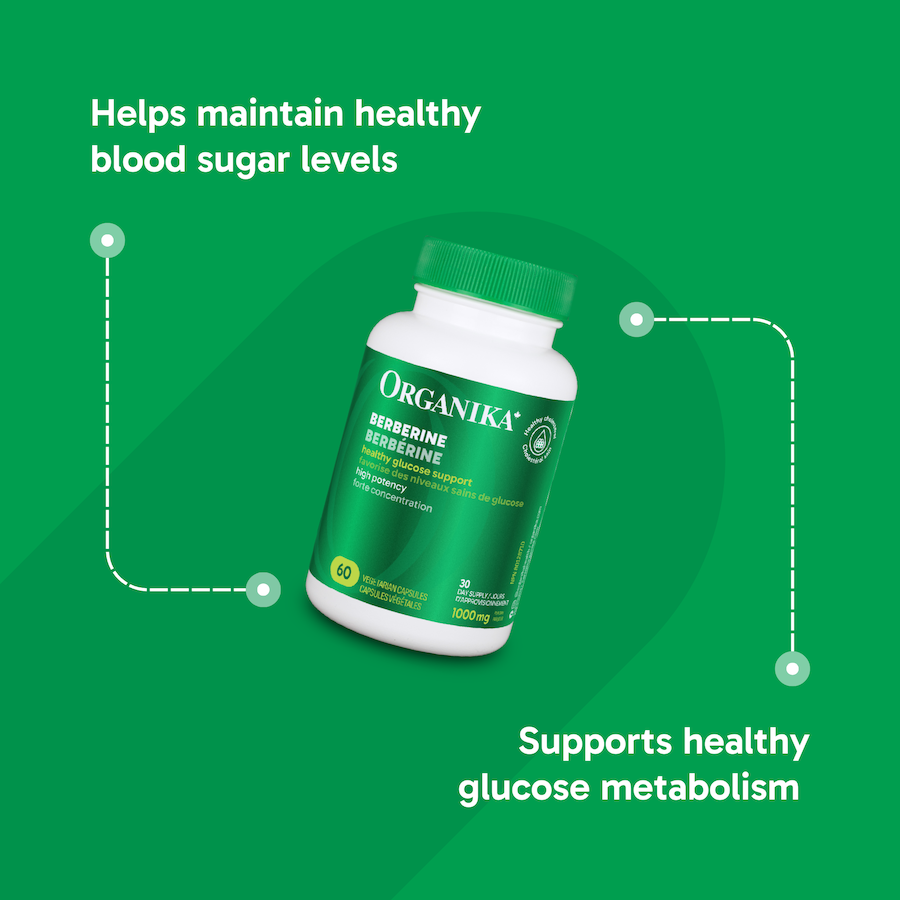
- Helps maintain healthy blood sugar levels
- Supports healthy glucose metabolism
- Supports cardiovascular health, including cholesterol and blood pressure
- Aids in healthy fat and lipid metabolism
Couldn't load pickup availability


Notify Me When Available
Enter your email and we'll let you know as soon as this product is back
Supplement Facts
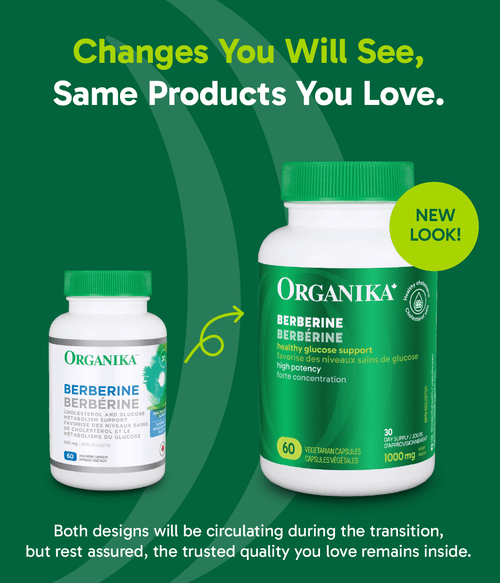
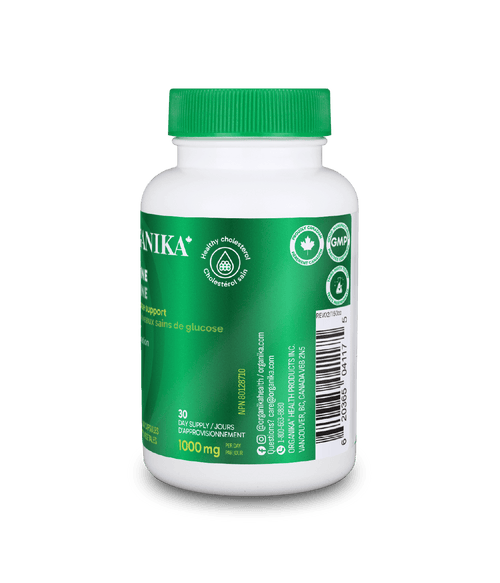
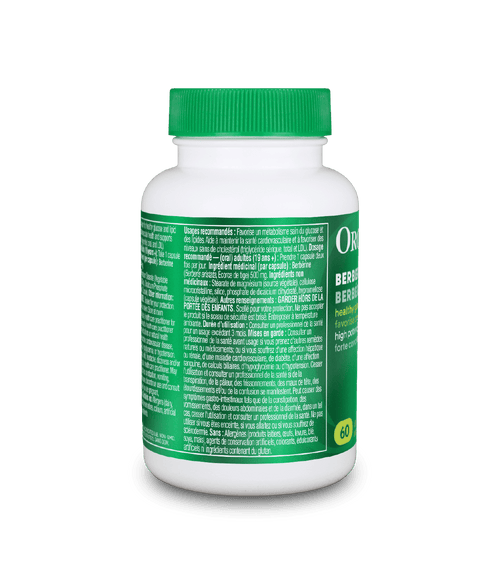
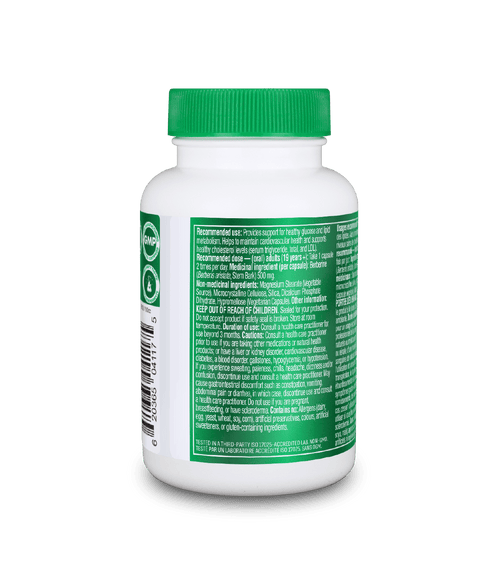
Ingredients & Nutrition




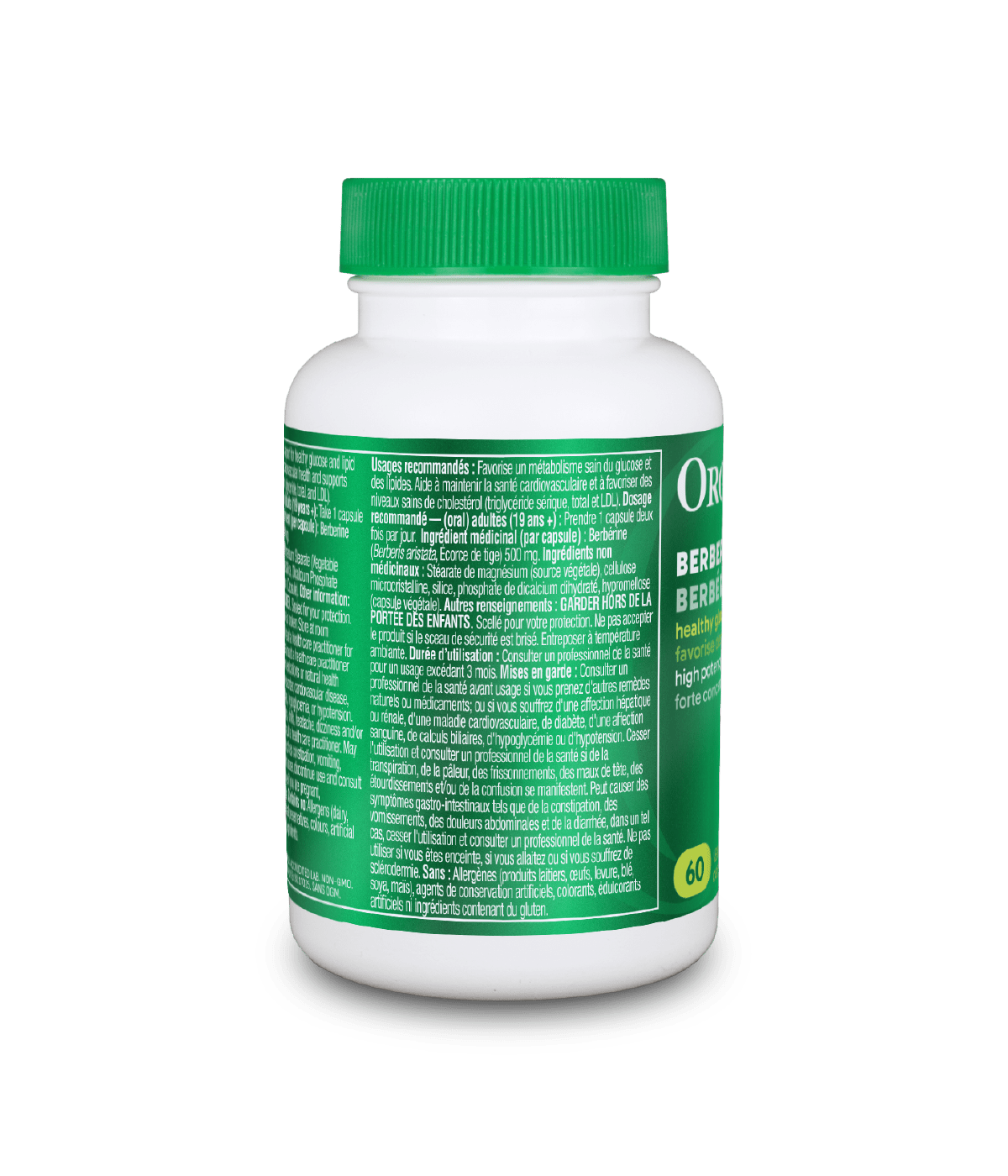
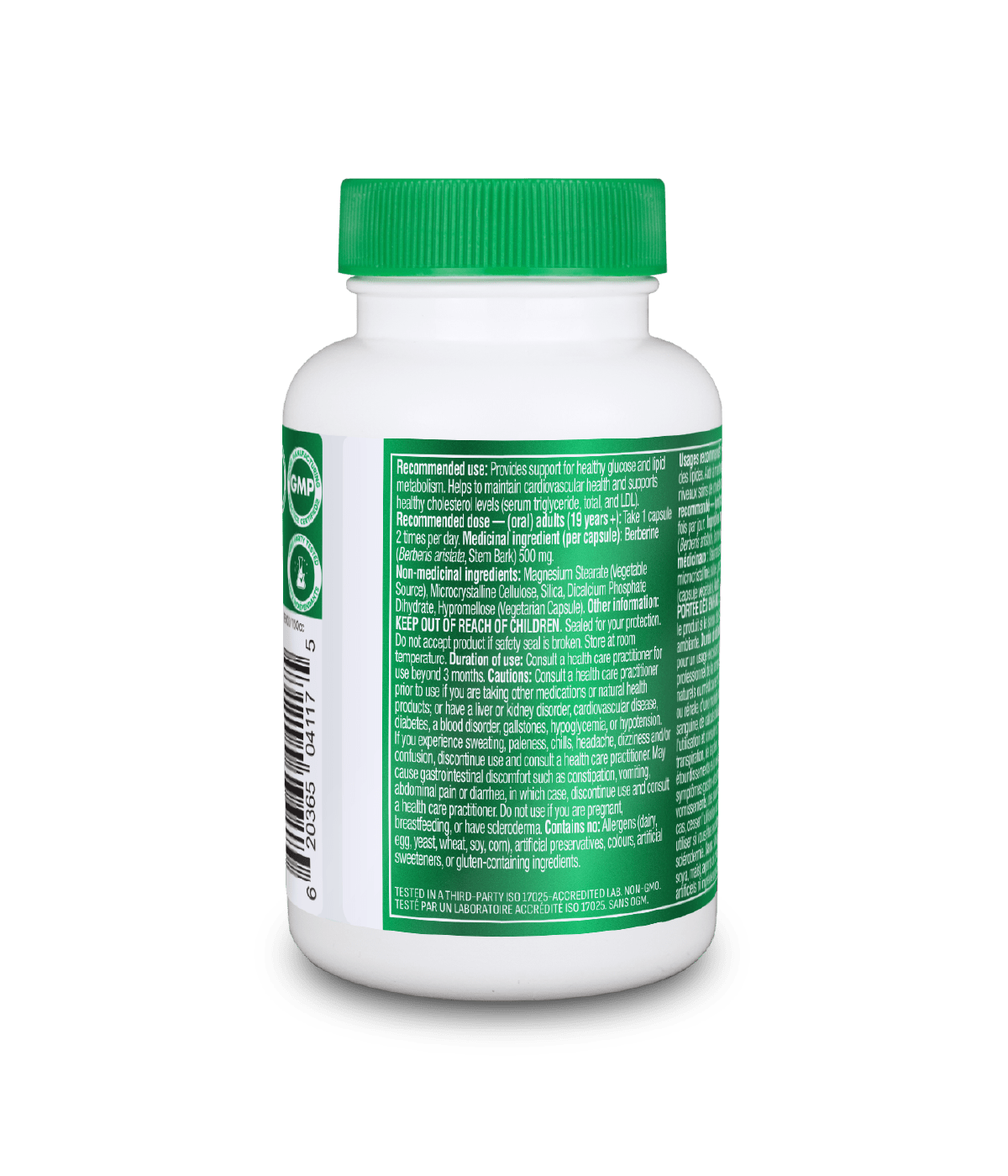
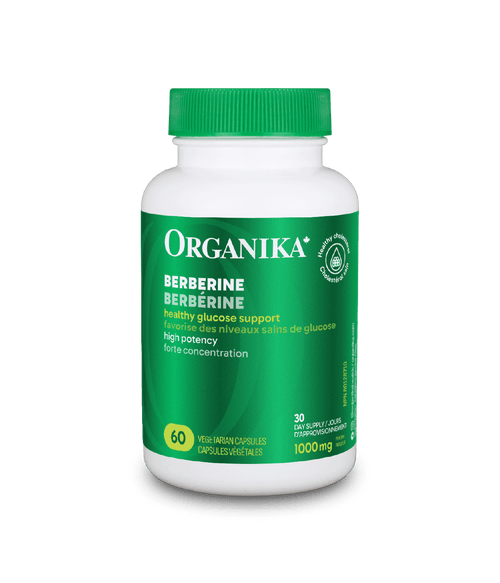
MEDICINAL INGREDIENTS: Berberine (Berberis aristata, Stem Bark) 500 mg.
NON-MEDICINAL INGREDIENTS: Magnesium Stearate (Vegetable Source), Microcrystalline Cellulose, Silica, Hypromellose (Vegetarian Capsule).
How to Use: Take 1 capsule 2 times per day.
Cautions: Consult a health care practitioner prior to use if you are taking other medications or natural health products; or have a liver or kidney disorder, cardiovascular disease, diabetes, a blood disorder, gallstones, hypoglycemia, or hypotension. If you experience sweating, paleness, chills, headache, dizziness and/or confusion, discontinue use and consult a health care practitioner. May cause gastrointestinal discomfort such as constipation, vomiting, abdominal pain or diarrhea, in which case, discontinue use and consult a health care practitioner. Do not use if you are pregnant, breastfeeding, or have scleroderma.
Is This Right for You?
Do you want natural support for healthy blood sugar or cholesterol levels?
Are you looking to improve metabolic function without stimulants?
Have you been told you need to manage triglycerides, LDL, or blood pressure?
Do you want to reduce chronic inflammation and support long-term cardiovascular health?
If you answered ''yes'' to any of the above, this product is right for you.

-
Supports cardiovascular health, including cholesterol and blood pressure
-
Aids in healthy fat and lipid metabolism
Ingredients & Nutrition
Gluten-Free
Keto Friendly
No Preservatives
Vegan Friendly
No Artificial Sweeteners
No Artificial Colours or Flavours
Gluten-Free
Keto Friendly
No Preservatives
Vegan Friendly
No Artificial Sweeteners
No Artificial Colours or Flavours
Gluten-Free
Keto Friendly
No Preservatives
Vegan Friendly
No Artificial Sweeteners
No Artificial Colours or Flavours
Supports healthy blood sugar, cholesterol and fat metabolism while maintaining cardiovascular health and metabolic balance
The Full Scoop
-
Supports cardiovascular health, including cholesterol and blood pressure
-
Aids in healthy fat and lipid metabolism
Berberine has been used in traditional medicine for centuries and modern science is catching up. This golden-hued plant compound is a powerful antioxidant that supports your metabolic and cardiovascular systems, healthy blood sugar and cholesterol levels and encourages better fat metabolism to promote overall heart health.
And its benefits go even deeper. Because it's anti-inflammatory, it helps your body defend against free radicals and ease chronic inflammation. Berberine brings the best of nature and research together in one powerful supplement so you can feel more balanced day-to-day and support your heart and metabolic health for the long run.
Ask Away
We’ve got the FAQs covered. But if you’re still stuck, we’re only a message away.
Get in TouchHow does berberine support healthy glucose and lipid metabolism?
It works by decreasing insulin resistance, increasing glycolysis, and reducing sugar production in the liver.
How long can I use this product?
3 months; anything beyond that, consult with health care providers.
Are there any potential side effects of taking berberine?
May cause gastrointestinal discomfort such as constipation, vomiting, abdominal pain or diarrhea, in which case, discontinue use and consult a health care practitioner.
Can I take this product if I am taking other medications or natural health products?
Typically it is safe to do so but it is best to consult with a health care practitioner.
Is this product safe for pregnant or breastfeeding women?
It is best to consult with a health care practitioner.
Should I take Berberine with or without food?
Can be taken with or without food.
You'll Likely Also Love...
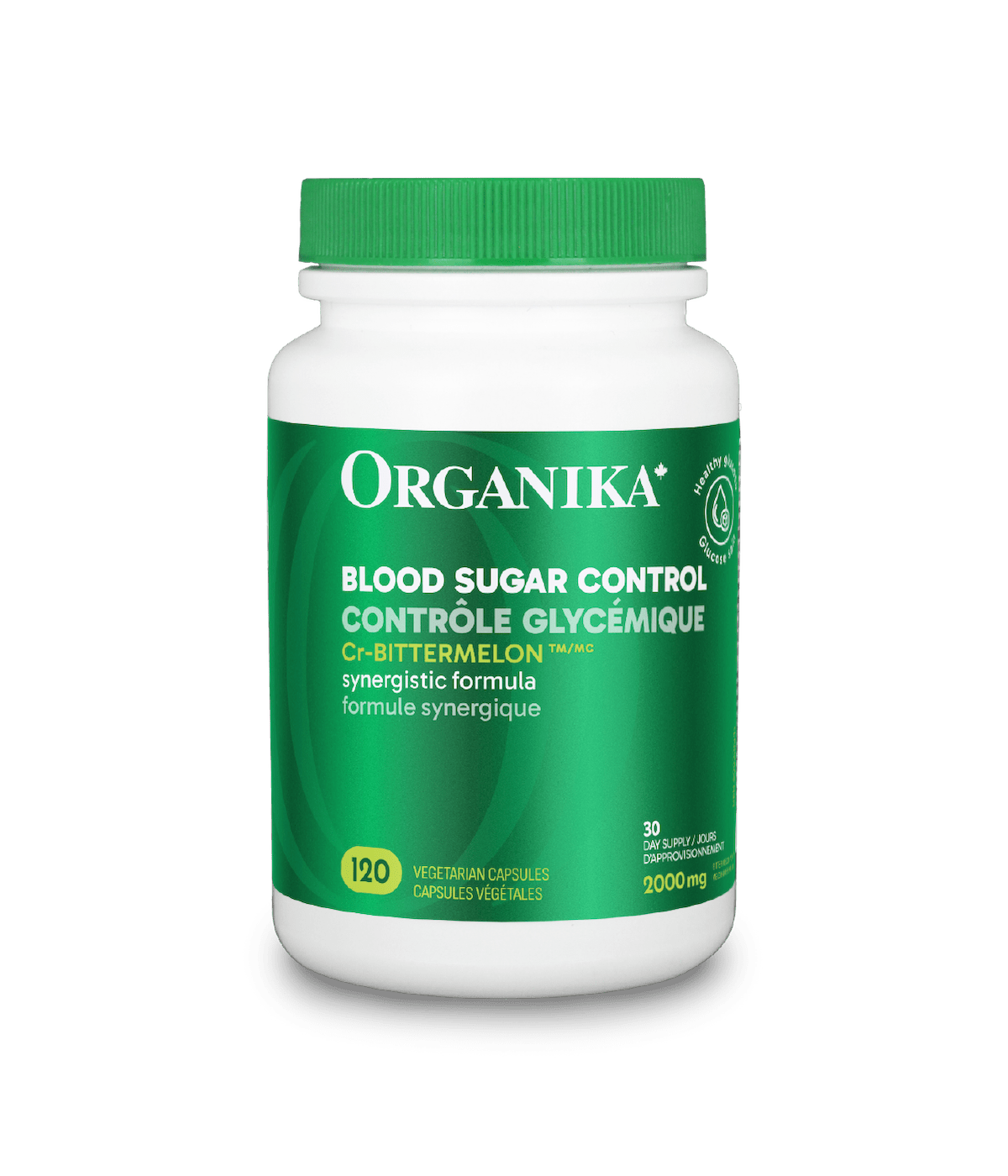
Bitter Melon for Blood Sugar Control
Plant-based support for blood sugar balance and digestive health
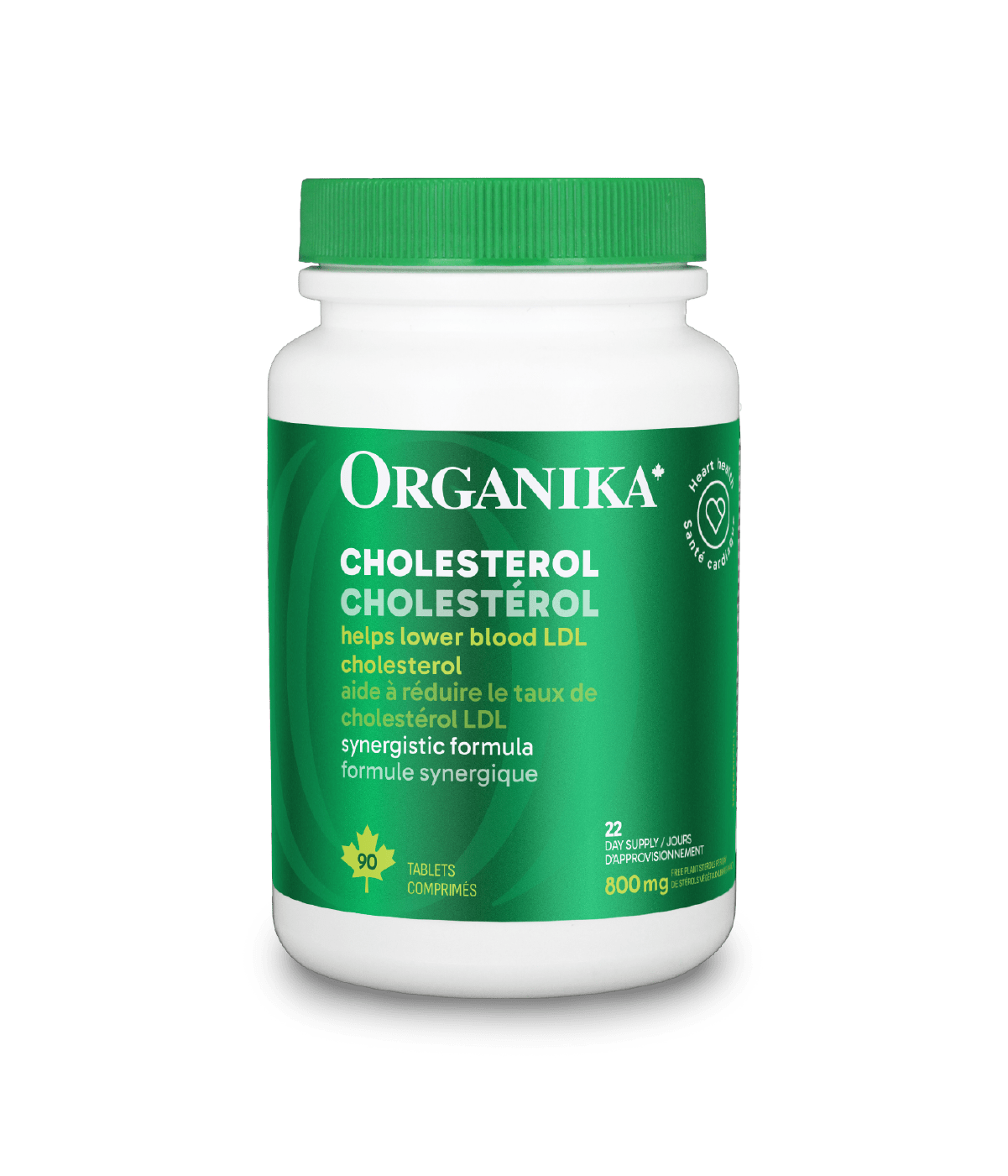
Cholesterol
Four natural ingredients with one goal: healthier cholesterol
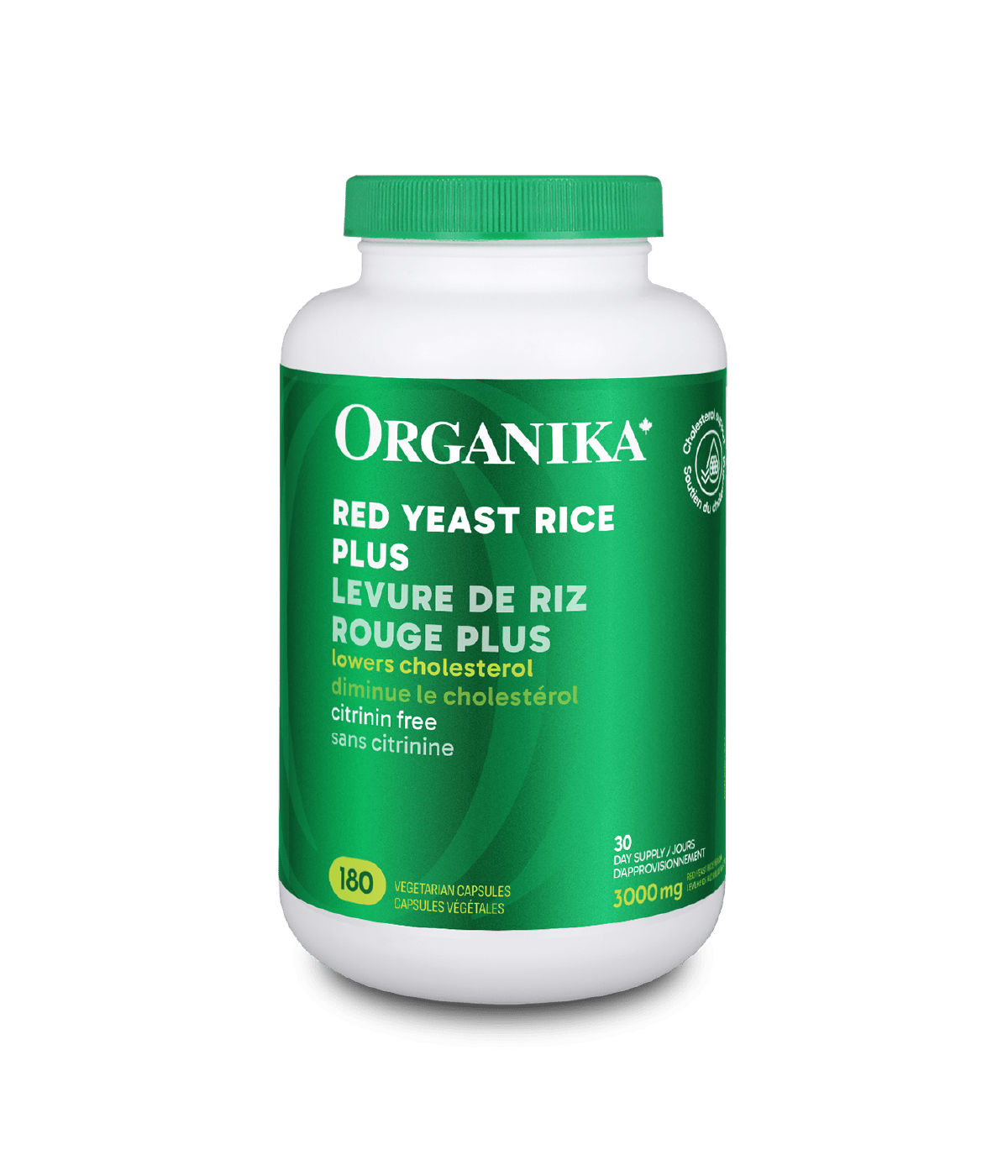
Red Yeast Rice
Lower your cholesterol with centuries-honoured ingredients
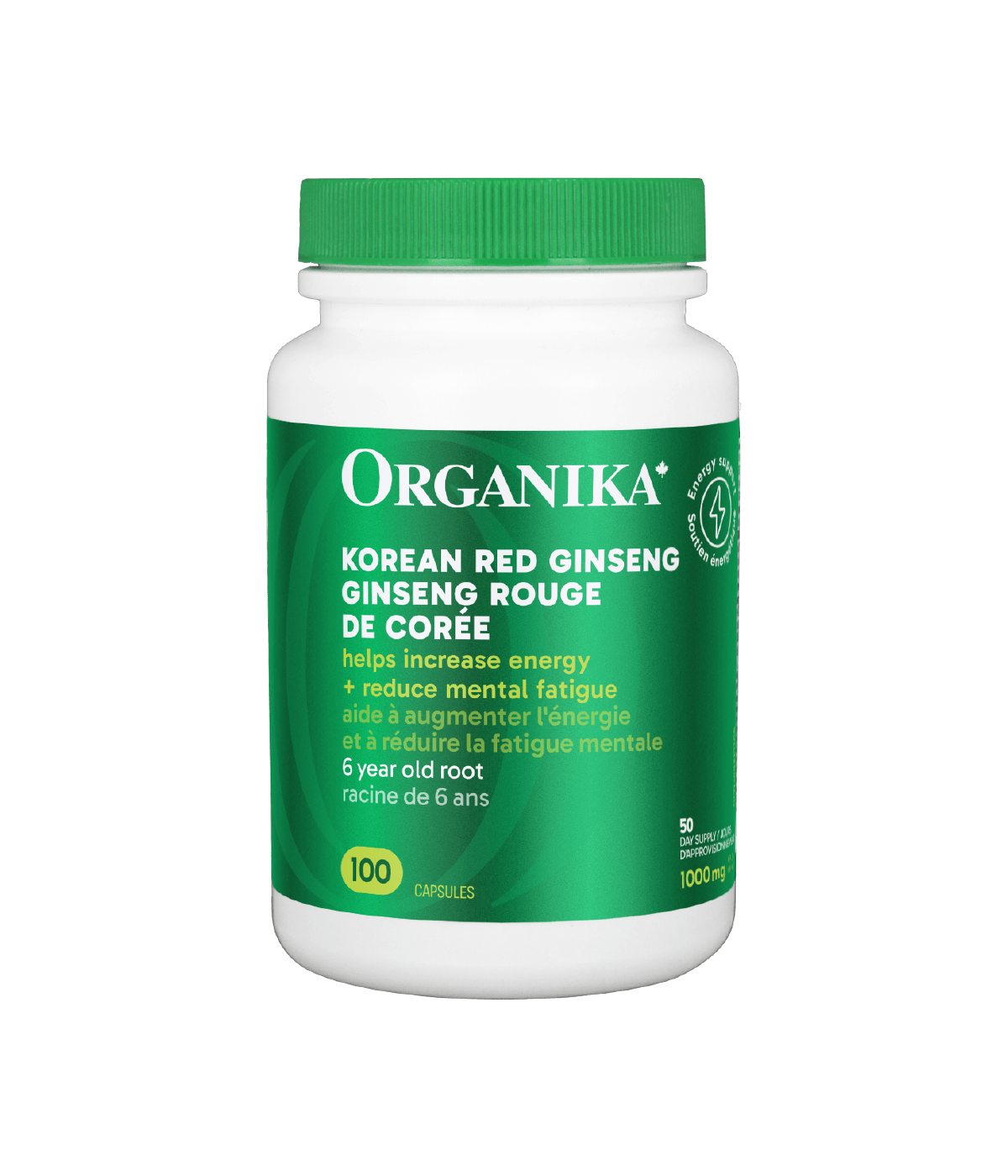
Korean Red Ginseng
Your natural boost to support mental focus and reduce mental fatigue
Support Beyond Products

February is Heart Month. As you go about your day, you probably don’t think much about the organ that makes it all possible: your heart. It's your hardest working muscle and it pumps for you all day long, but still, there are a lot of habits in western society that put your heart health at risk. So take care of your heart. Show it some TLC. Small changes can make a difference for your overall heart health. February was chosen by the Heart and Stroke Foundation back in 1956 to be Heart Month in order "to put heart health on the public agenda, to empower researchers to turn the tide on heart disease, and to educate Canadians about their hearts."^2 In recognition of Heart and Stroke's efforts to raise awareness and spread the knowledge of heart health, here are some tips to help you maintain your heart health: Incorporate healthy fats into your diet It is difficult to drastically change your eating habits, but making small changes to gradually improve your heart health could make a difference. Start eating more healthy fats, these include essential fatty acids (omega-3 and omega-6) from foods like nuts and seeds or fish. You can also take an Omega 3 supplement, like Krill oil. Practice stress management Meditation and exercise can help combat stress. Try light stretching exercises like yoga, prayer, deep breathing, or art therapy. Check your family history Go for regular checkups. Monitor your blood pressure so that your checkups go smoothly. Keep your BP below 120.80 mm HG. Organika's Cholesterol Caps can help by reducing the reducing oxidative damage to blood cells, blood vessels and other circulatory organs. Get a good night’s sleep Aim to get 6-8 hours of sleep per night. Good sleep habits can play an important role in maintaining healthy blood pressure levels.^3 Whether you move more, eat better, or sleep more, making just one small change at a time could help your heart maintain its strength and longevity over time. Once you get going, you'll find it pays off. Find out more about these other heart health related products: Coenzyme Q10 Red Yeast Rice Plus References 1, 2 http://heartmonth.heartandstroke.ca/site/c.jhLOKYPDLqF/b.8330671/k.B026/Learn_more_about_Heart_Month.htm 3 http://www.heartandstroke.on.ca/site/c.pvI3IeNWJwE/b.5482901/k.C0B7/Insomnia_could_up_blood_pressure_Foundation_research_finds.htm
read more
The blue-green superfood has so many benefits for your skin and health. In 1974, the World Health Organization declared a type of algae as the “best food for the future” to combat malnutrition. Can you guess what it is? Spirulina. Spirulina is a powerhouse that has a wealth of health benefits - it supports your body’s natural detoxification pathways, aids in red blood cell production, is packed with antioxidants with anti-inflammatory benefits, and is an excellent source of iron and protein. Why I use spirulina Personally, I’m a big fan. You’ll find spirulina in my list of go-to smoothie ingredients along with nutrient-packed foods. Why? Packed with iron and protein Spirulina is highly concentrated in bioavailable iron and is one of the densest plant-based proteins in the world that contain all nine essential amino acids. One tablespoon (2g) of spirulina contains 4g of protein and 2mg of iron. Per gram, that is quite packed. This is a personal priority, since my monthly menstrual cycle, vigorous exercise and plant-centric diet put me at a higher risk for iron and protein deficiency. Spirulina is a convenient and tasty way to aid in red blood cell production and support muscle repair post-exercise. And when I recommend spirulina on top of a balanced diet to my clients, I can rest assured they’re receiving excellent nutritional benefits with just one small tweak. So much nutritional value for such a small yet mighty addition. Spirulina packs in antioxidants with anti-inflammatory benefits Phycocyanin is the main active compound in spirulina. Fun fact - it gives spirulina its blue green colour. Beyond that, it’s an incredibly potent antioxidant with anti-inflammatory properties. Phycocyanin reduces oxidative stress in your cells, by blocking out molecules that promote inflammation. Spirulina also has high amounts of naturally occurring chlorophyll Chlorophyll can help support the body’s natural detoxification pathways, namely through the liver. In fact, studies have linked chlorophyll to reduced incidence of liver cancer, and spirulina to improvements in fatty liver disease. Spirulina helps build a strong immunity Think of our immune system as an orchestra - it’s a complex network of systems, with each organ playing a specific role. They come together to produce a beautiful, strong symphony - the result is a strong body resistant to viruses and bacteria. Protein, iron, and antioxidants - these three nutrients in spirulina are powerhouses that work together to maintain a strong immunity. Furthermore, studies have found that the phycocyanins in spirulina help boost production of white blood cells and antibodies that help to fight viruses in your body. Spirulina helps reduce risk for chronic disease For those suffering from environmental allergies - good news: spirulina is shown in clinical studies to reduce symptoms of allergic rhinitis. For heart health, clinical studies have shown that 1-8g of spirulina daily can help reduce blood pressure. Another review found spirulina supplementation may help reduce fasting blood sugar levels in people with Type 2 diabetes. How to use spirulina You can take spirulina in tablet or powder form - whichever you prefer. If you like powder, Organika has a new super tasty option for you - they have taken the #1 Spirulina brand and fortified it with the power of B12, an essential vitamin needed for healthy blood cells and metabolism. Taste fruity tropical flavours while your cells rejuvenate and your whole health improves. Here’s some ways you can enjoy it: Add it to smoothies, mix into oatmeal, congee or porridge Prefer a hot beverage? Add it to your lattes or mix into teas. Salad dressings and green pasta sauces Mix it into homemade energy balls Enjoy! References: Cingi C, Conk-Dalay M, Cakli H, Bal C. The effects of spirulina on allergic rhinitis. Eur Arch Otorhinolaryngol. 2008 Oct;265(10):1219-23. doi: 10.1007/s00405-008-0642-8. Epub 2008 Mar 15. PMID: 18343939. Ferreira-Hermosillo A, Torres-Duran PV, Juarez-Oropeza MA. Hepatoprotective effects of Spirulina maxima in patients with non-alcoholic fatty liver disease: a case series. J Med Case Rep. 2010 Apr 7;4:103. doi: 10.1186/1752-1947-4-103. PMID: 20370930; PMCID: PMC2861069. Finamore A, Palmery M, Bensehaila S, Peluso I. Antioxidant, Immunomodulating, and Microbial-Modulating Activities of the Sustainable and Ecofriendly Spirulina. Oxid Med Cell Longev. 2017;2017:3247528. doi: 10.1155/2017/3247528. Epub 2017 Jan 15. PMID: 28182098; PMCID: PMC5274660. Fooddata Central Search Results. FoodData Central. (n.d.). https://fdc.nal.usda.gov/fdc-app.html#/food-details/170495/nutrients García JL, de Vicente M, Galán B. Microalgae, old sustainable food and fashion nutraceuticals. Microb Biotechnol. 2017 Sep;10(5):1017-1024. doi: 10.1111/1751-7915.12800. Epub 2017 Aug 15. PMID: 28809450; PMCID: PMC5609256. Grover P, Bhatnagar A, Kumari N, Narayan Bhatt A, Kumar Nishad D, Purkayastha J. C-Phycocyanin-a novel protein from Spirulina platensis- In vivo toxicity, antioxidant and immunomodulatory studies. Saudi J Biol Sci. 2021 Mar;28(3):1853-1859. doi: 10.1016/j.sjbs.2020.12.037. Epub 2020 Dec 30. PMID: 33732072; PMCID: PMC7938138. Hatami E, Ghalishourani SS, Najafgholizadeh A, Pourmasoumi M, Hadi A, Clark CCT, Assaroudi M, Salehi-Sahlabadi A, Joukar F, Mansour-Ghanaei F. The effect of spirulina on type 2 diabetes: a systematic review and meta-analysis. J Diabetes Metab Disord. 2021 Mar 2;20(1):883-892. doi: 10.1007/s40200-021-00760-z. PMID: 34178867; PMCID: PMC8212345. Machowiec P, Ręka G, Maksymowicz M, Piecewicz-Szczęsna H, Smoleń A. Effect of Spirulina Supplementation on Systolic and Diastolic Blood Pressure: Systematic Review and Meta-Analysis of Randomized Controlled Trials. Nutrients. 2021 Aug 31;13(9):3054. doi: 10.3390/nu13093054. PMID: 34578932; PMCID: PMC8468496. Mazokopakis EE, Papadomanolaki MG, Fousteris AA, Kotsiris DA, Lampadakis IM, Ganotakis ES. The hepatoprotective and hypolipidemic effects of Spirulina (Arthrospira platensis) supplementation in a Cretan population with non-alcoholic fatty liver disease: a prospective pilot study. Ann Gastroenterol. 2014;27(4):387-394. PMID: 25331487; PMCID: PMC4188938. Naeini F, Zarezadeh M, Mohiti S, Tutunchi H, Ebrahimi Mamaghani M, Ostadrahimi A. Spirulina supplementation as an adjuvant therapy in enhancement of antioxidant capacity: A systematic review and meta-analysis of controlled clinical trials. Int J Clin Pract. 2021 Oct;75(10):e14618. doi: 10.1111/ijcp.14618. Epub 2021 Aug 4. PMID: 34235823. Nourollahian M, Rasoulian B, Gafari A, Anoushiravani M, Jabari F, Bakhshaee M. Clinical comparison of the efficacy of spirulina platensis and cetirizine for treatment of allergic rhinitis. Acta Otorhinolaryngol Ital. 2020 Jun;40(3):224-229. doi: 10.14639/0392-100X-N0139. PMID: 32773785; PMCID: PMC7416373. Sayin I, Cingi C, Oghan F, Baykal B, Ulusoy S. Complementary therapies in allergic rhinitis. ISRN Allergy. 2013 Nov 13;2013:938751. doi: 10.1155/2013/938751. PMID: 24324897; PMCID: PMC3845706.
read more
Do Collagen Supplements Support Weight Management and Fitness Goals? Collagen has exploded on the wellness scene, and not just as a beauty trend. From supporting healthy skin elasticity to strengthening joints, muscles, and the gut lining, collagen plays a role in many of the body’s essential functions. But as collagen powder and collagen supplements become more popular, a common question keeps coming up: Can collagen support weight management or fitness goals? The short answer: collagen isn’t a fat burner, but it may support weight management in several important ways, especially when paired with a balanced diet and an active lifestyle. Let’s break down how collagen works in the body and why it’s often included in routines focused on health, movement, and overall wellness. Why collagen matters more than you think Collagen is the most abundant protein in the human body, making up about 30% of total body protein. It’s found in the skin, joints, muscles, bones, connective tissues, and digestive tract. There are many types of collagen, but most collagen supplements contain hydrolyzed collagen peptides powder, which allows the body to absorb and use it more efficiently. Common sources include: • Grass-fed collagen powder (bovine-based)• Marine collagen (fish-based) Both provide amino acids that support tissue repair, mobility, digestion, and structural strength. How collagen may support weight management Supporting fullness and steady energy As a source of protein and amino acids, collagen may help increase satiety, the feeling of fullness after eating. When you feel fuller for longer and blood sugar levels stay more stable, it often becomes easier to: • Reduce unnecessary snacking• Manage portions• Curb sugar cravings Many people incorporate protein-rich collagen powders like Enhanced Collagen Protein Original into smoothies or coffee as a simple way to boost daily protein intake while supporting joints and skin: Helping maintain muscle and metabolism While collagen isn’t a complete protein on its own, it can still support muscle repair and recovery when paired with resistance training. Maintaining muscle mass is important for metabolism, the more muscle you have, the more calories your body burns at rest. Over time, this can play a helpful role in body composition and long-term weight management. Supporting joint comfort for movement Joint discomfort is one of the biggest barriers to staying active. Collagen for joints helps support healthy connective tissue in tendons, ligaments, and cartilage. For people dealing with stiffness, overuse, or osteoarthritis, collagen supplementation may help improve comfort and mobility. Better joint support often means: • More consistent workouts• Easier daily movement• Less exercise avoidance due to pain Which naturally supports an active lifestyle. Promoting gut health Collagen also plays a role in strengthening the lining of the digestive tract. A healthy gut supports: • Efficient digestion• Better nutrient absorption• Balanced bacteria levels When digestion works well, the body is better equipped to regulate hunger, energy, and immune function, all factors that influence overall wellness and weight balance. Taking collagen a step further Some collagen blends include functional ingredients designed to support metabolism and energy. For example, Enhanced Collagen Boost combines hydrolyzed collagen peptides with ingredients like MCT oil to help promote fullness and support active weight management routines. These types of formulas are often used by people looking to support both protein intake and metabolic health in one simple step. Collagen and hydration for active days Staying hydrated is essential for workout performance, recovery, and energy levels. Collagen combined with electrolytes, like Organika’s Electrolytes + Enhanced Collagen blends, can help support hydration while delivering collagen’s benefits for joints and connective tissue. This can be especially helpful during workouts, warm weather, or busy days with lots of movement. Collagen vs whey protein Many people wonder whether collagen supplements can replace traditional protein powders like whey. Both have different strengths: Whey protein is a complete protein ideal for muscle building.Collagen supplements support joints, skin, gut health, and connective tissue. For many active individuals, using both together provides a more well-rounded approach to fitness and recovery. How much collagen should you take per day? A common collagen dosage per day falls between: 10–20 grams daily This amount is often used in studies supporting joint health, skin benefits, muscle recovery, and gut support. Always follow product directions or consult a healthcare professional for personalized advice. The bottom line Collagen supplements aren’t a quick fix for weight loss, but they can support key areas that influence fitness and healthy body composition, including: • Fullness and appetite control• Muscle maintenance• Joint mobility• Gut health When combined with movement, balanced nutrition, and consistent habits, collagen powder can be a valuable part of a healthy lifestyle. From collagen for joints and skin to overall structural support, collagen supplements offer benefits that go far beyond the scale.
read more