










.jpg?v=1760549689634)
.jpg?v=1760549701696)
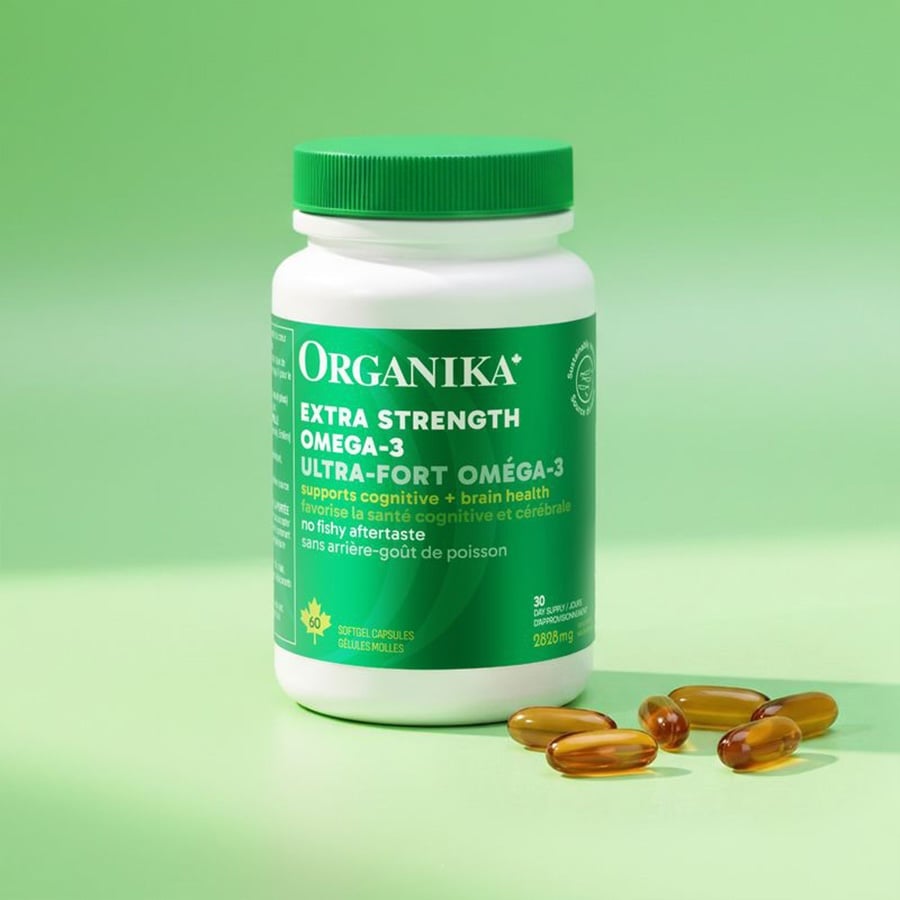
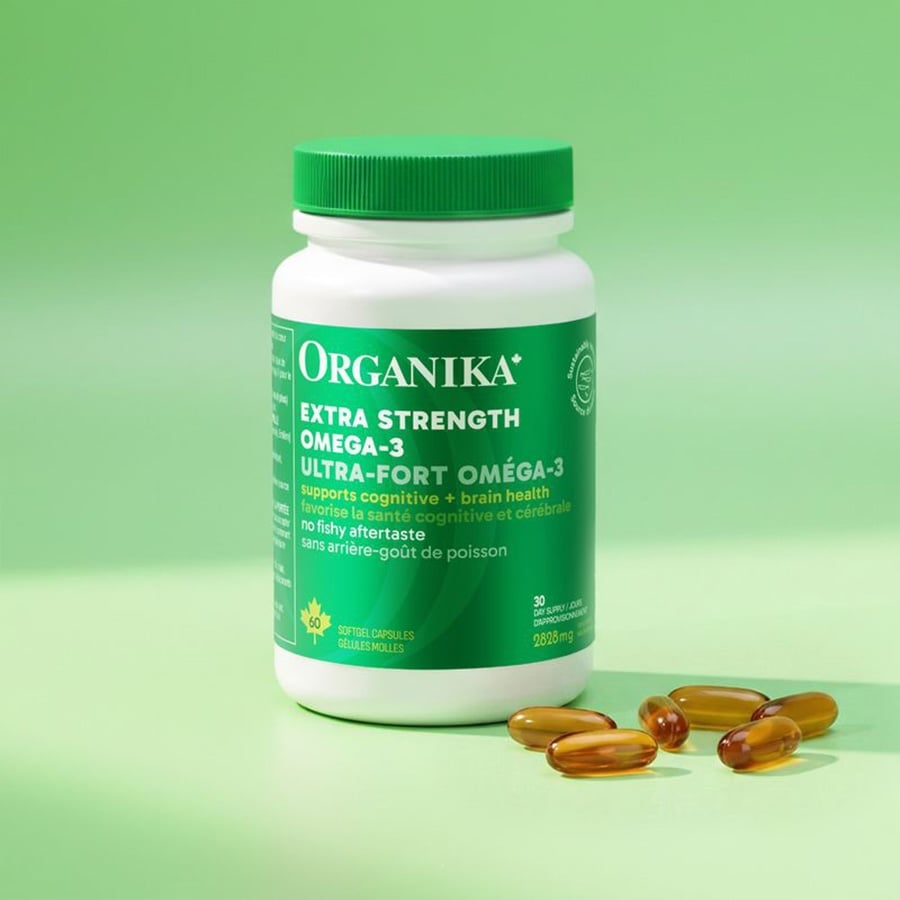
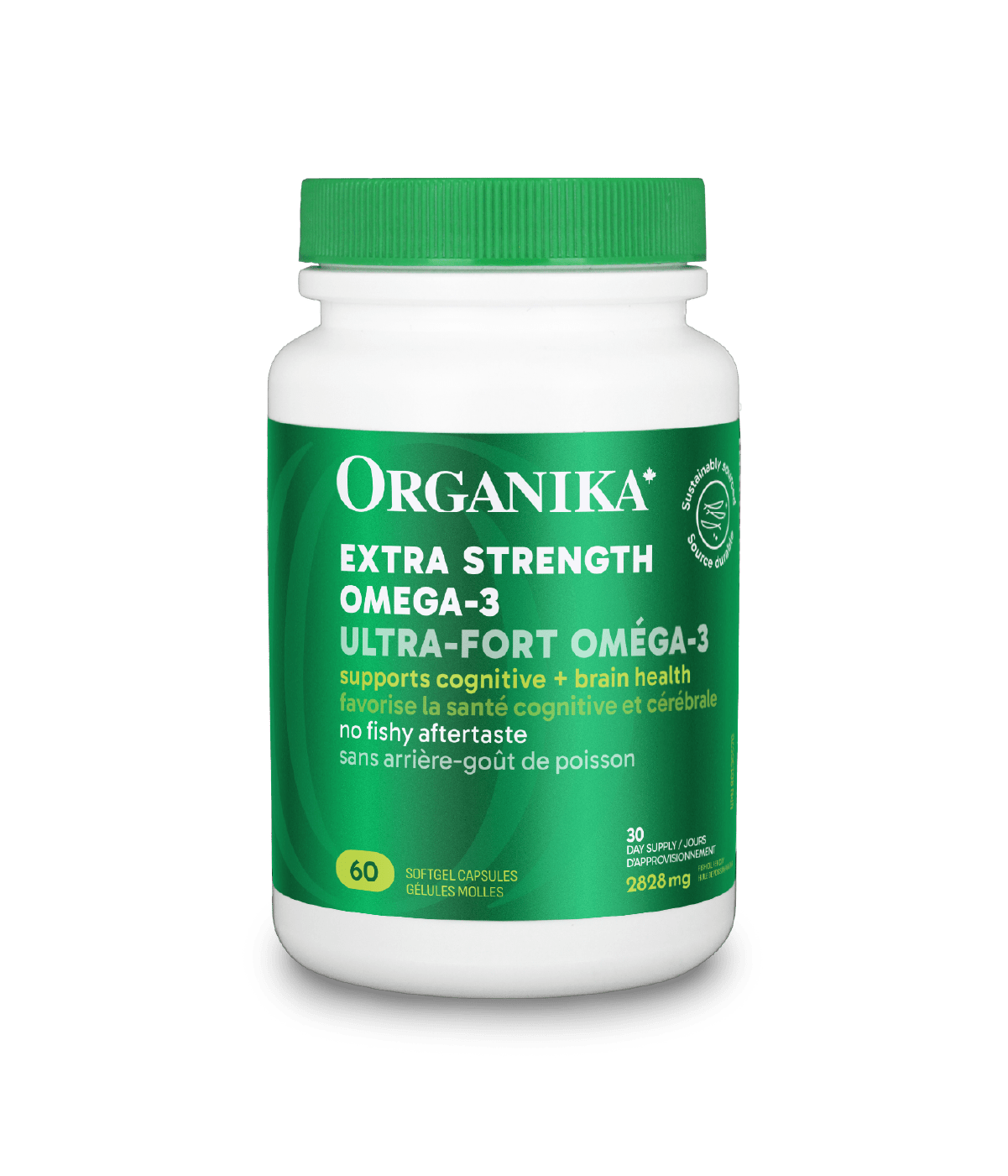
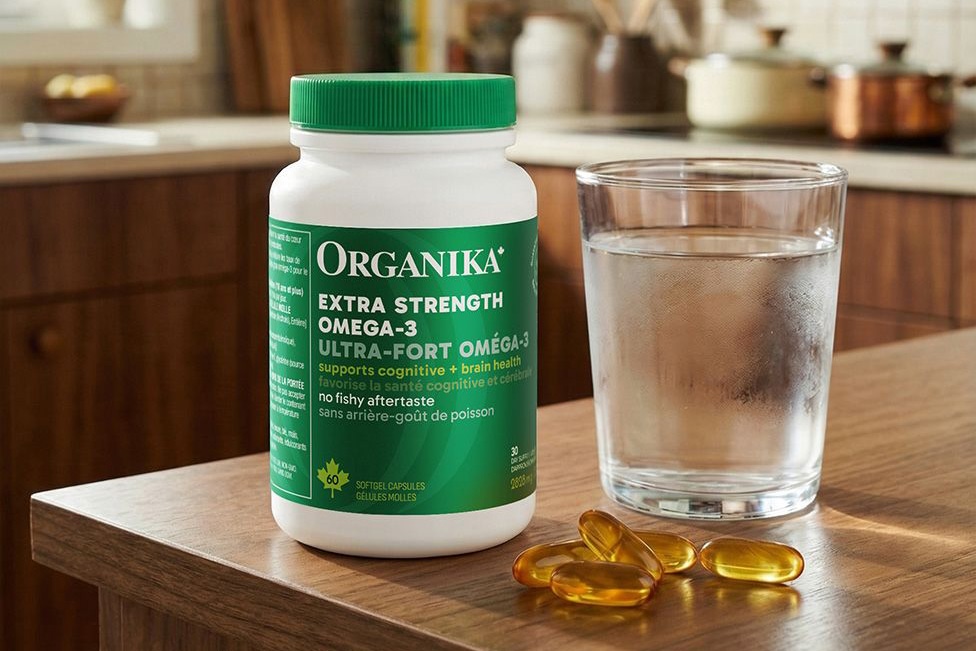
Extra Strength Omega-3
A high potency Omega 3 that delivers essential fats your body can't produce on its own
- Supports brain health and cognitive function
- Promotes mood balance
- Zero fishy aftertaste
- Sustainably sourced
Couldn't load pickup availability


Buy in Bundle & Save


Notify Me When Available
Enter your email and we'll let you know as soon as this product is back
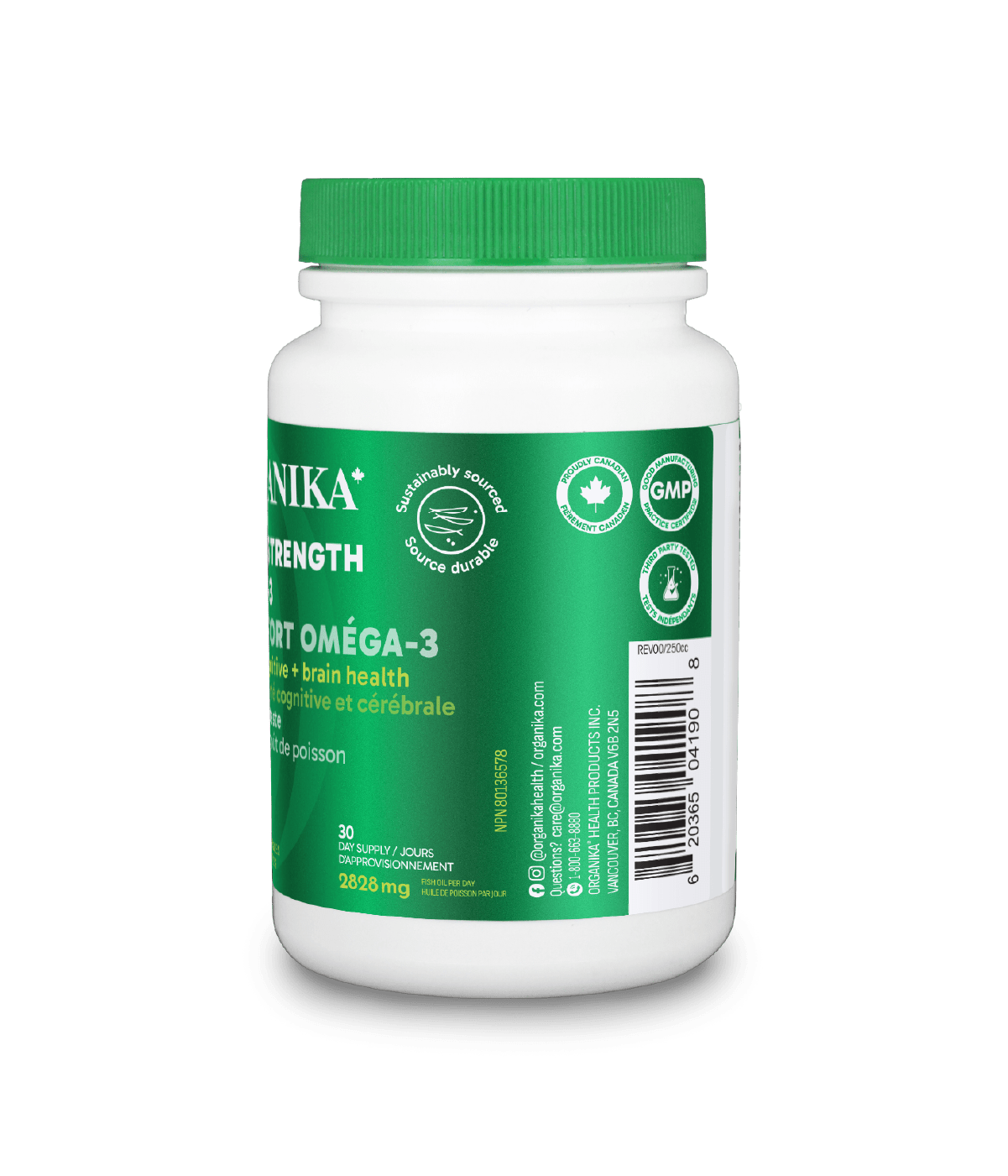
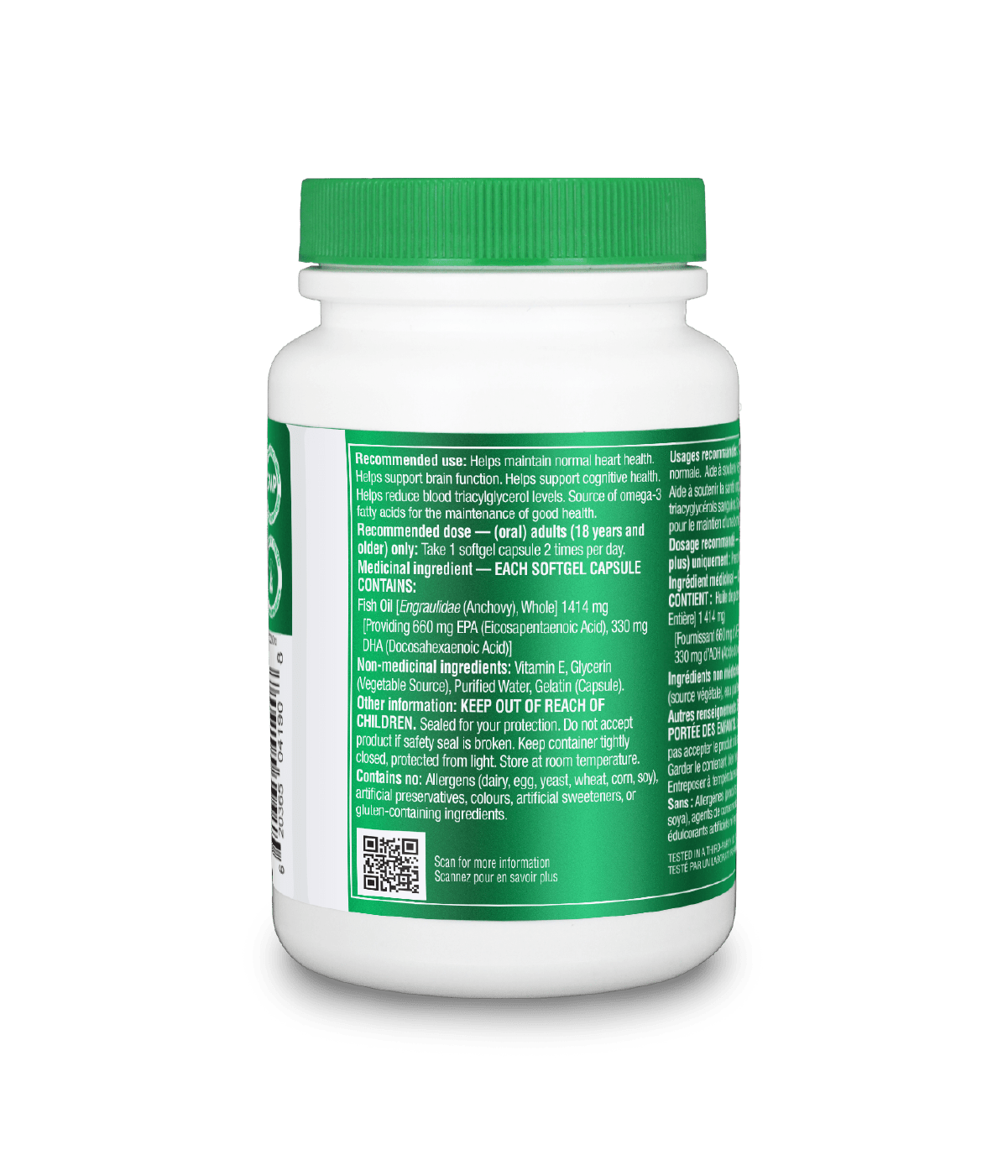
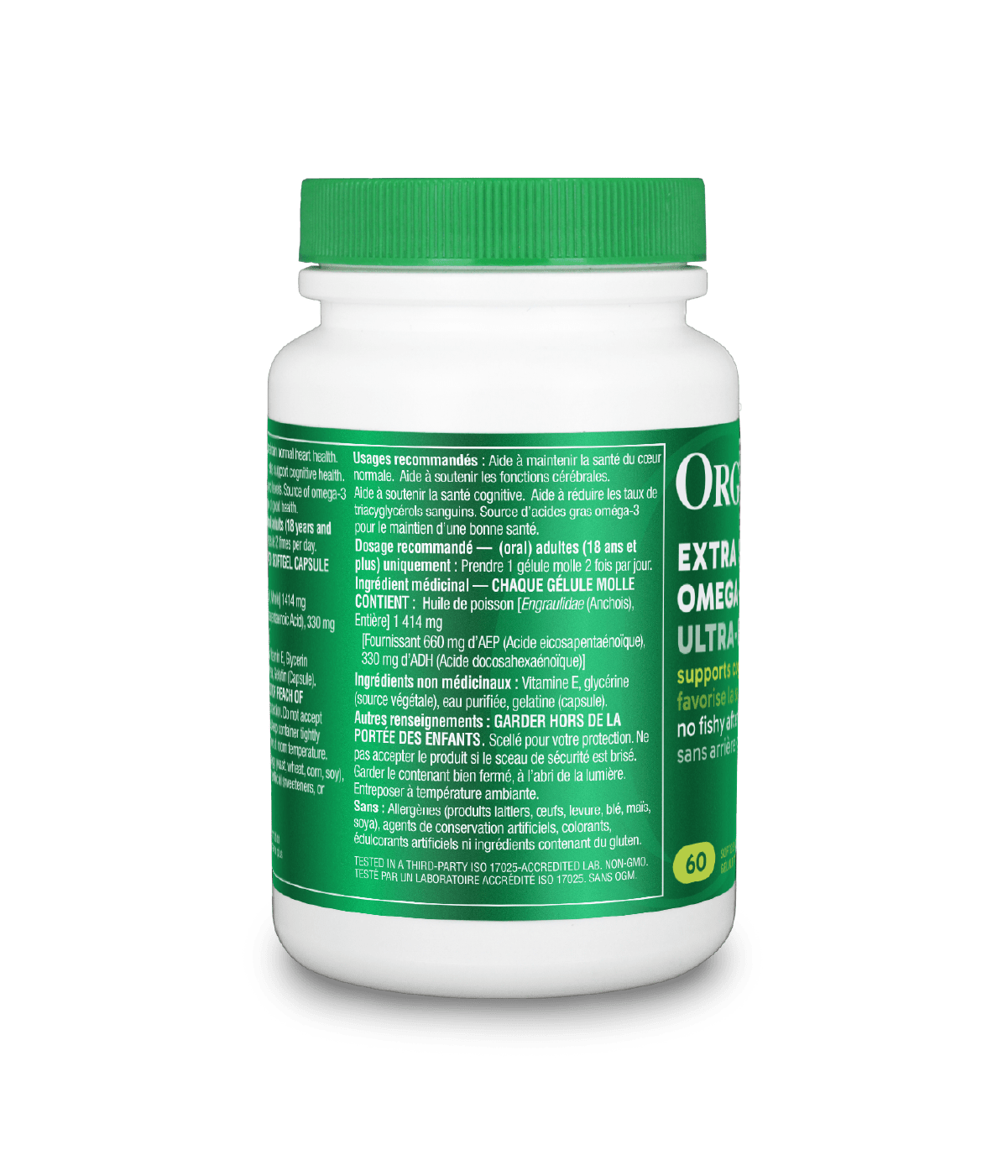
Supplement Facts


Ingredients & Nutrition




MEDICINAL - EACH SOFTGEL CAPSULE CONTAINS: Fish Oil [Engraulidae (Anchovy), Whole] 1414 mg [Providing 660 mg EPA (Eicosapentaenoic Acid), 330 mg DHA (Docosahexaenoic Acid)]"
NON MEDICINAL: Vitamin E, Glycerin (Vegetable Source), Purified Water, Gelatin (Capsule).
Recommended dose — (oral) adults (18 years and older) only: Take 1 softgel capsule 2 times per day.
Is This Right for You?
Looking for a single supplement that supports heart, brain, joint and eye health?
Do you need a high-potency Omega 3 that doesn't leave you with a fishy aftertaste?
Do you prefer to ingest capsules over liquids?
If you answered “yes” to any of the above, this product is right for you.
.png?v=1759254764200)
-
Zero fishy aftertaste
-
Sustainably sourced
Ingredients & Nutrition
Gluten-Free
Caffeine-Free
No Preservatives
Non-GMO
No Artificial Sweeteners
No Artificial Colours or Flavours
Gluten-Free
Caffeine-Free
No Preservatives
Non-GMO
No Artificial Sweeteners
No Artificial Colours or Flavours
Gluten-Free
Caffeine-Free
No Preservatives
Non-GMO
No Artificial Sweeteners
No Artificial Colours or Flavours
Rich in essential fats like DHA to support your heart, joint and eye health alongside brain and cognitive function
The Full Scoop
-
Zero fishy aftertaste
-
Sustainably sourced
Sustainably sourced for purity and formulated to have zero fishy aftertaste, this specially formulated Omega 3 blend delivers high DHA potency to support cognitive function, mood balance and brain health. This capsule version is enriched with Vitamin E to keep it fresh.
Ask Away
We’ve got the FAQs covered. But if you’re still stuck, we’re only a message away.
Get in TouchWhat type of fish is used in this supplement?
Anchovy (Engraulidae, Whole).
Is this fish oil sustainably sourced?
Yes, it is sustainably sourced.
Can I take more than one serving per day?
Yes, you can take 1–2 softgel capsules per day as directed for this product.
Can I take this supplement if I have a seafood allergy?
It’s important to exercise caution, as omega-3 capsules are derived from fish oil and may trigger an allergic reaction.
Is this Omega-3 supplement tested for heavy metals and contaminants?
Yes, it is tested for heavy metals and contaminants.
What is the source of the gelatin in the capsule?
The gelatin is sourced from bovine.
Is this product tested for purity and potency?
Yes, it is tested for both purity and potency.
How should I store this fish oil supplement?
Store it at room temperature, keep the container tightly closed, and protect it from light.
Can I take this supplement if I am pregnant or breastfeeding?
Yes, it is generally safe and beneficial during pregnancy.
Can children take this Omega-3 supplement?
This supplement is not recommended for children, as the dosage may not be suitable.
Can I take this with other supplements or medications?
Yes, it is safe to take this with other supplements or medications.
How much Vitamin E and what form of Vitamin E is in each capsule?
Each capsule contains 14 mg of Vitamin E in the form of D-alpha-tocopheryl acetate.
You'll Likely Also Love...
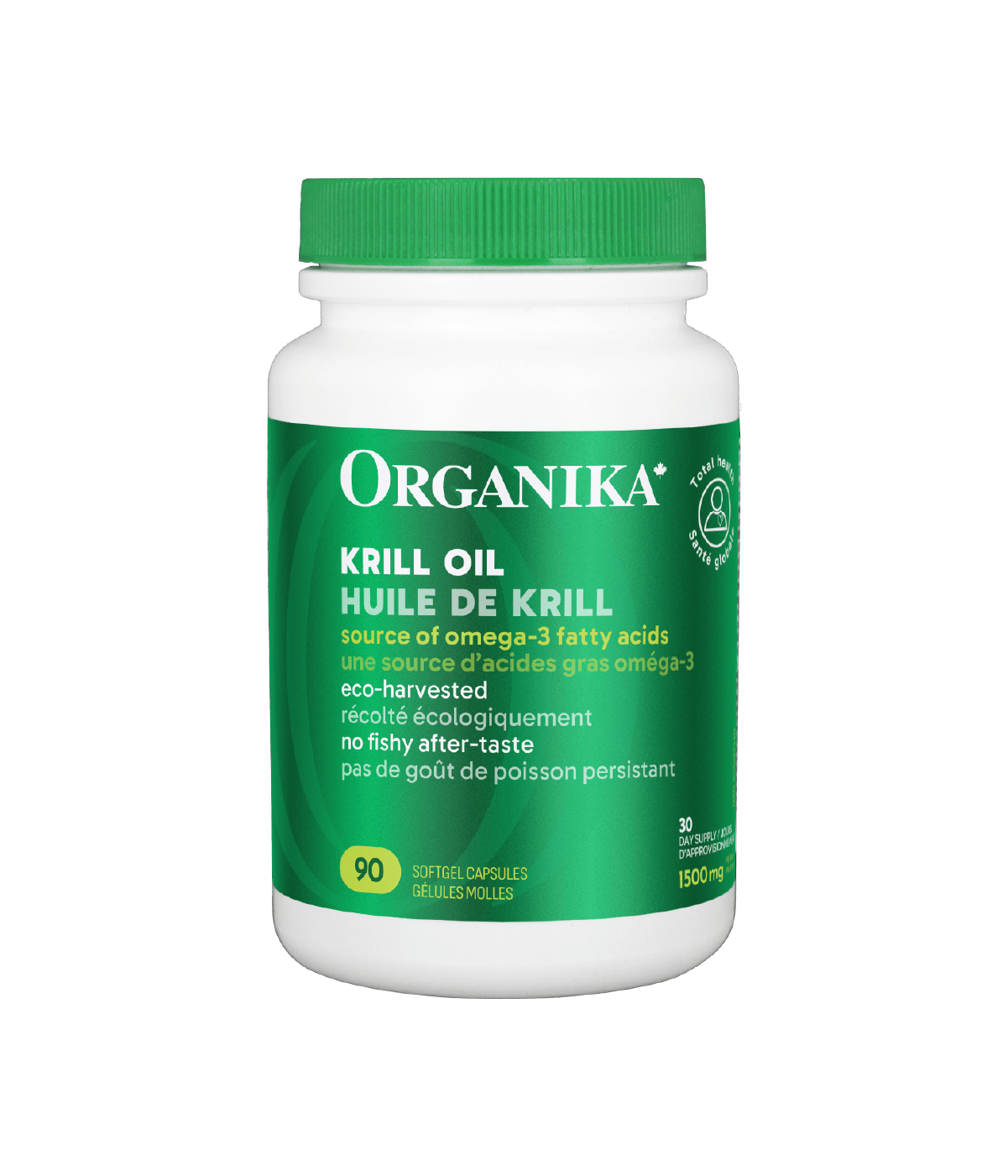
Krill Oil
Sustainably sourced and expertly crafted Omega-3 power
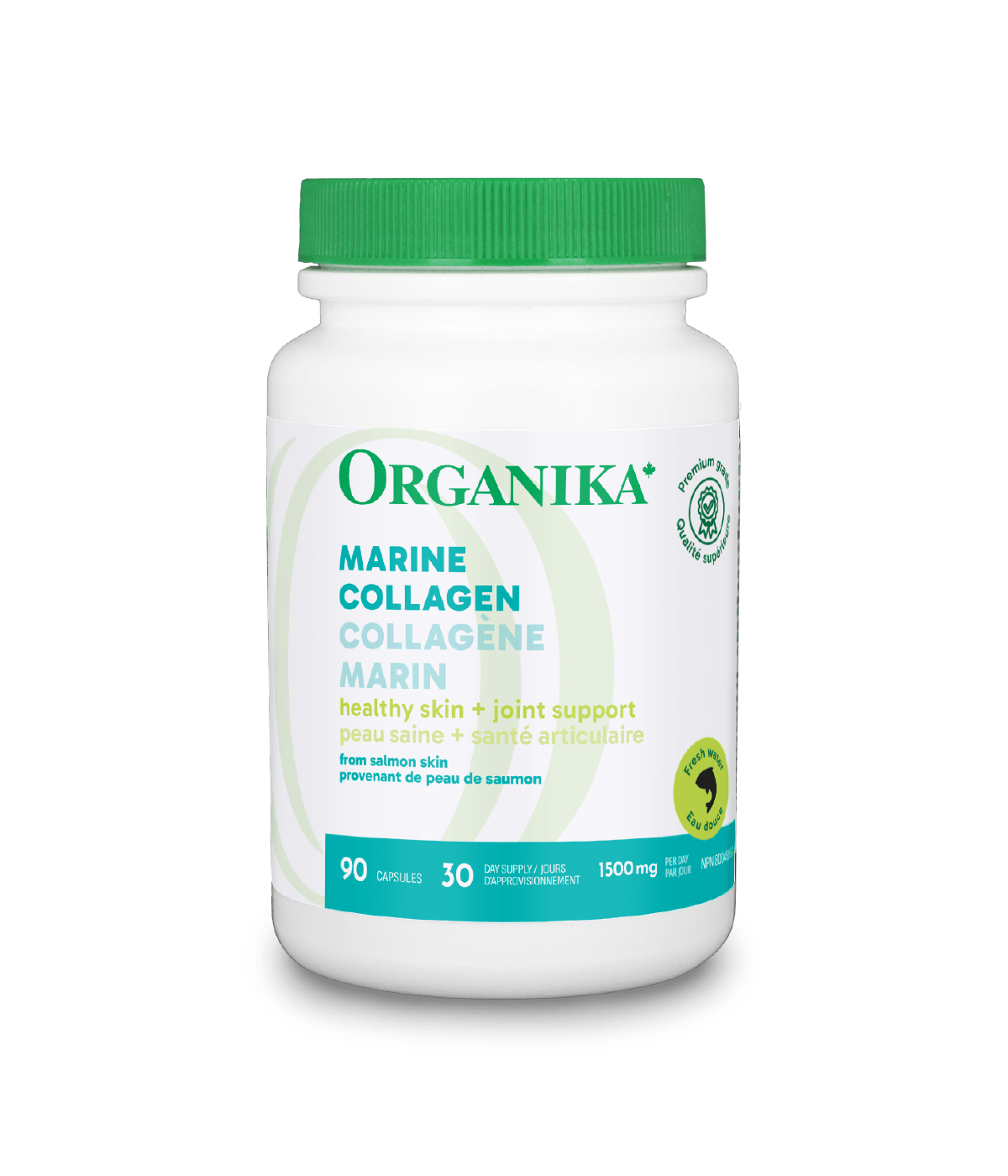
Marine Collagen Capsules
An ocean-based alternative to bovine collagen especially key for healthy skin, hair and nails—in capsule form
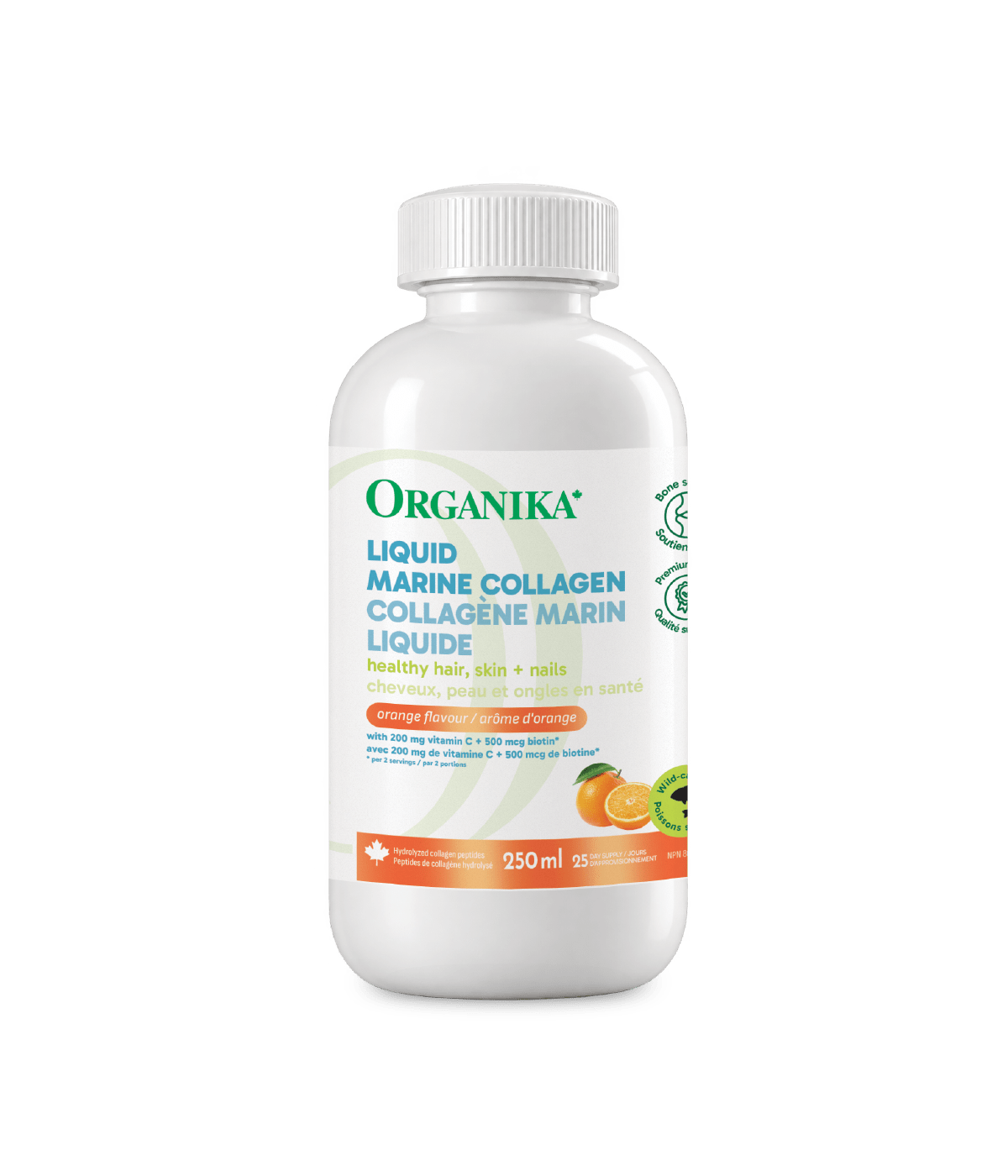
Liquid Marine Collagen
A liquid alternative to bovine collagen with wild-caught ingredients that smooth skin and strengthen nails
Support Beyond Products

How often do we think about the health of our brain? Do we have the potential to think more clearly and improve our memory? What can we do to help prevent age related diseases such as Alzheimer’s and Dementia? There is so much we can do to keep our brain healthy and being ‘mindful’ now will help us out in our later stages of life. There are many avenues in which you can help support your overall cognition: Exercise your brain Yes, you can exercise your brain! When you do this, you challenge it to make new connections and strengthen old connections. There are some simple activities you can do to exercise your brain and keep it sharp and healthy. Reading, doing word puzzles and crosswords are great exercises for your brain. You can also try using your non dominant hand to write with or perform everyday tasks, such as moving your mouse on your computer. These are simple yet effective exercises for your thinker! If exercised consistently, it can have a profound effect on the health of your brain. Supplementation When it comes to the health of our brain, Lion's mane is great for cognitive support. Lion's mane is known is a nootropic, which is a substance that may help improve memory, enhance creativity and basically support overall brain functioning. Mushrooms, especially Lion's Mane, are great for whole body support, but when it comes to supporting your brain, this mushroom is the king of cognition! Eating right, exercising and getting good quality sleep are some of the most important things you can do for your brain health. Eating right Too much sugar in the diet can have harmful and lasting effects on the brain over time. We are now seeing a rise in what experts call type 3 diabetes. This is a condition like type 2 diabetes, but the brain is the organ that is resistant to insulin. Having type 3 diabetes is thought to lead to diseases such as Alzheimer’s. Long story short, too much sugar can cause a lack of clarity, fatigue and early progression of age-related brain disease. Complement a healthy diet with exercise Exercise brings fresh blood flow to the brain and with that, vitamins and minerals. Exercise also helps control blood pressure which is key in preventing stroke. Sleep Good sleep quality is possibly the MOST important avenue to help protect your brain and keep it healthy. Your body repairs during sleep, especially your brain! There is so much evidence emerging on the importance of a good night sleep and the effects it has on the brain. Extra late nights may be worth ‘rethinking’ and enhancing the quality of your sleep should be priority. When thinking of your overall health goals, don’t forget to include your brain in your health regime. Always talk to your Naturopathic Doctor or healthcare provider before making any major changes in your daily regime, such as strenuous exercise or supplementation.
read more
Do Collagen Supplements Support Weight Management and Fitness Goals? Collagen has exploded on the wellness scene, and not just as a beauty trend. From supporting healthy skin elasticity to strengthening joints, muscles, and the gut lining, collagen plays a role in many of the body’s essential functions. But as collagen powder and collagen supplements become more popular, a common question keeps coming up: Can collagen support weight management or fitness goals? The short answer: collagen isn’t a fat burner, but it may support weight management in several important ways, especially when paired with a balanced diet and an active lifestyle. Let’s break down how collagen works in the body and why it’s often included in routines focused on health, movement, and overall wellness. Why collagen matters more than you think Collagen is the most abundant protein in the human body, making up about 30% of total body protein. It’s found in the skin, joints, muscles, bones, connective tissues, and digestive tract. There are many types of collagen, but most collagen supplements contain hydrolyzed collagen peptides powder, which allows the body to absorb and use it more efficiently. Common sources include: • Grass-fed collagen powder (bovine-based)• Marine collagen (fish-based) Both provide amino acids that support tissue repair, mobility, digestion, and structural strength. How collagen may support weight management Supporting fullness and steady energy As a source of protein and amino acids, collagen may help increase satiety, the feeling of fullness after eating. When you feel fuller for longer and blood sugar levels stay more stable, it often becomes easier to: • Reduce unnecessary snacking• Manage portions• Curb sugar cravings Many people incorporate protein-rich collagen powders like Enhanced Collagen Protein Original into smoothies or coffee as a simple way to boost daily protein intake while supporting joints and skin: Helping maintain muscle and metabolism While collagen isn’t a complete protein on its own, it can still support muscle repair and recovery when paired with resistance training. Maintaining muscle mass is important for metabolism, the more muscle you have, the more calories your body burns at rest. Over time, this can play a helpful role in body composition and long-term weight management. Supporting joint comfort for movement Joint discomfort is one of the biggest barriers to staying active. Collagen for joints helps support healthy connective tissue in tendons, ligaments, and cartilage. For people dealing with stiffness, overuse, or osteoarthritis, collagen supplementation may help improve comfort and mobility. Better joint support often means: • More consistent workouts• Easier daily movement• Less exercise avoidance due to pain Which naturally supports an active lifestyle. Promoting gut health Collagen also plays a role in strengthening the lining of the digestive tract. A healthy gut supports: • Efficient digestion• Better nutrient absorption• Balanced bacteria levels When digestion works well, the body is better equipped to regulate hunger, energy, and immune function, all factors that influence overall wellness and weight balance. Taking collagen a step further Some collagen blends include functional ingredients designed to support metabolism and energy. For example, Enhanced Collagen Boost combines hydrolyzed collagen peptides with ingredients like MCT oil to help promote fullness and support active weight management routines. These types of formulas are often used by people looking to support both protein intake and metabolic health in one simple step. Collagen and hydration for active days Staying hydrated is essential for workout performance, recovery, and energy levels. Collagen combined with electrolytes, like Organika’s Electrolytes + Enhanced Collagen blends, can help support hydration while delivering collagen’s benefits for joints and connective tissue. This can be especially helpful during workouts, warm weather, or busy days with lots of movement. Collagen vs whey protein Many people wonder whether collagen supplements can replace traditional protein powders like whey. Both have different strengths: Whey protein is a complete protein ideal for muscle building.Collagen supplements support joints, skin, gut health, and connective tissue. For many active individuals, using both together provides a more well-rounded approach to fitness and recovery. How much collagen should you take per day? A common collagen dosage per day falls between: 10–20 grams daily This amount is often used in studies supporting joint health, skin benefits, muscle recovery, and gut support. Always follow product directions or consult a healthcare professional for personalized advice. The bottom line Collagen supplements aren’t a quick fix for weight loss, but they can support key areas that influence fitness and healthy body composition, including: • Fullness and appetite control• Muscle maintenance• Joint mobility• Gut health When combined with movement, balanced nutrition, and consistent habits, collagen powder can be a valuable part of a healthy lifestyle. From collagen for joints and skin to overall structural support, collagen supplements offer benefits that go far beyond the scale.
read more
If you’ve ever tried to eat more protein, you’ve probably hit a wall of mixed messages. Some people say you must chug a shake within thirty minutes of your workout, while others insist your body can’t “absorb” more than 20–30 grams of protein at a time. Meanwhile, official guidelines tell you one thing, fitness influencers tell you another, and somewhere in the middle,you just want to know what actually works for your life. Let’s clear the noise In this guide, we’ll walk through how much protein most people really need, when it makes sense to go above the minimum, and what science says about hot-topic myths like the post-workout “anabolic window” and the 20–30 gram “absorption limit.” Why protein needs are more personal than you think Protein is more than a “gym nutrient.” It’s involved in almost everything your body does: building and repairing tissues, making enzymes and hormones, carrying oxygen in your blood, supporting immune defences and helping maintain stable energy and mood. In Canada, national guidelines set the Recommended Dietary Allowance (RDA) for adults at 0.8 grams of protein per kilogram of body weight per day.That’s the amount designed to prevent outright deficiency – not necessarily the amount that’s optimal for muscle maintenance, healthy aging or athletic goals. Harvard University among other experts, emphasizes that the RDA is a minimum to “keep from getting sick,” not a target everyone should aim exactly for. Start with the baseline: simple math for everyday adults As a starting point, health organizations suggest that healthy adults can aim for around 0.8–1.0 g of protein per kilogram of body weight per day. Here’s how to calculate that: Take your weight in pounds and divide that number by 2.2 to get kilograms. Multiply that number by 0.8 for the minimum – and up to 1.0 if you’re a bit more active. For example: If you weigh 65 kg (about 143 lb), 0.8 g/kg works out to roughly 52 g of protein per day. At the upper end of this general range (1.0 g/kg), that same person would aim for about 65 g per day. For most generally healthy adults who are moderately active, 0.8–1.2 g/kg is a reasonable daily range, with the lower end preventing deficiency and the higher end offering extra support for muscle and metabolic health. When you may need more protein Your ideal protein target climbs (or dips) depending on your age, activity level, health status and life stage. Here’s what research suggests for key groups. 1. Active and strength-training adults If you regularly lift weights, do intense cardio or play demanding sports, your body turns over more protein and needs more to repair and adapt. The International Society of Sports Nutrition recommends that most exercising individuals do best with 1.4–2.0 g/kg per day, spread across the day. They also note that each meal or snack containing about 0.25 g/kg of high-quality protein (roughly 20–40 g for many adults) is enough to maximize muscle protein synthesis in most situations. 2. Adults over 60 As we age, our muscles become less responsive to smaller doses of protein – a phenomenon sometimes called “anabolic resistance.” Several expert groups now recommend 1.0–1.2 g/kg per day as a minimum for older adults, with higher ranges often suggested for those recovering from illness, injury or trying to preserve muscle during weight loss. One review proposes that older adults may benefit from at least 1.2 g/kg/day, with an emphasis on leucine-rich proteins (such as dairy, eggs, meat or leucine-fortified plant proteins) to support muscle health. 3. Pregnancy and breastfeeding Growing and feeding a baby increases protein needs as well. The American Heart Association and other authorities note that pregnant and lactating women require more than the standard RDA, with many guidelines suggesting around 1.1 g/kg/day or at least 60–75 g/day depending on body size. Because pregnancy and breastfeeding are highly individual, it’s especially important to check your personal target with your health-care provider or a dietitian. 4. When you’re trying to change body composition Higher protein diets can help reduce hunger, preserve muscle and support fat loss, particularly when combined with resistance training. Reviews suggest that for people actively trying to lose weight while maintaining muscle, intakes up to around 1.6 g/kg/day can be helpful, at least for limited periods, in otherwise healthy adults. At the same time, new research in older adults suggests that very high long-term intakes (around 1.8 g/kg/day or more in people over fifty-five) may be linked to a higher risk of cardiovascular events, especially when protein comes mostly from animal sources. This doesn’t mean “high protein is dangerous” for everyone, but it is a good reminder not to chase extreme numbers without medical guidance—particularly later in life or if you have heart or kidney issues. Myth #1: “You have to eat protein within 30–60 minutes after a workout” You’ve probably heard of the post-workout “anabolic window” – the idea that if you don’t get protein into your system within thirty to sixty minutes, you’ve “wasted” your training session. The evidence is more relaxed than that. A major review on nutrient timing found that muscle protein synthesis stays elevated for at least 24 hours after resistance exercise, and that total daily protein intake and distributing protein across meals are far more important than hitting a tiny thirty-minute window. So yes, it’s smart to anchor a meal or snack with protein after your workout, mostly because it’s convenient. But if your gym session ends, you chat with a friend, shower, commute home and then eat? You’re still in a great position to build and repair muscle, as long as the rest of your day hits your overall protein target. Myth #2: “You can only absorb 20–30 grams of protein per meal” This phrase sounds scientific, but it mixes up two different ideas: How much protein your gut can absorb (spoiler: almost all of what you eat), and How much protein from a single meal goes specifically toward building new muscle at that moment. Several studies suggest that muscle protein synthesis (MPS) reaches a near-maximal response when a meal contains roughly 20–35 g of high-quality protein for younger adults, and somewhat more for older adults. For example: After resistance exercise, 20 g of egg protein was enough to maximize MPS in young men, with extra protein mostly being oxidized for energy rather than further boosting muscle building. In both young and older adults, a meal providing around 30 g of beef protein significantly increased MPS, and tripling the serving size did not further enhance muscle building, even though the extra protein was still digested. More recent analyses suggest that the per-meal “sweet spot” is about 0.24 g/kg for younger adults and 0.4 g/kg per meal for older adults. What does this actually mean? If you’re 70 kg and in your twenties or thirties, a meal with about 17–25 g of protein hits that MPS “threshold.” If you’re 70 kg and older, a meal with around 28 g of protein better overcomes anabolic resistance. Crucially: Your body still absorbs and uses protein beyond 20–30 g – it simply diverts more of it toward other roles like enzyme production, immune support, energy and storage. So instead of stressing over 29 vs. 31 grams, focus on: Hitting your total protein target for the day. Making sure each meal includes a meaningful dose of protein (roughly 20–40 g for most adults). Adjusting upwards a little if you’re older, very active or recovering from illness. Where protein powders fit in Whole foods should always be your foundation. But life is busy, appetites change and some days you just need an easier way to close the gap. That’s where a well-formulated protein powder can help. For example, many people find it helpful to: Add a scoop of whey- or plant-based protein to a smoothie when mornings are rushed. Shake up a quick protein drink after a late workout when a full meal isn’t practical. Use a collagen-containing blend to support both protein intake and specific goals like skin, hair or joint support, as part of a balanced routine. Putting it all together If you remember just a few things from this guide, let it be these: Most adults should aim for somewhere between 0.8 and around 1.2 g of protein per kilogram of body weight per day, with higher ranges for athletes, older adults and certain life stages. You don’t have to chug a shake within thirty minutes of your workout. Total daily protein and getting meaningful amounts at each meal matter far more than a tiny “anabolic window.” You absolutely can digest more than 20–30 g of protein per meal. Muscle building from that specific meal may level off, but the rest still supports other essential functions. Spreading protein across breakfast, lunch, dinner and snacks is a simple, science-backed way to support strength, metabolism and healthy aging. From morning jogs to late-night study sessions, your body is working hard for you. Getting enough protein consistently, comfortably and in a way that fits your lifestyle, is one of the clearest ways you can work hard for it in return. CTA: Find your protein Sources American Heart Association. (2024, August 28). Protein: What’s enough? American Heart Association. https://www.heart.org/en/healthy-living/healthy-eating/eat-smart/nutrition-basics/protein-and-heart-health (www.heart.org) Aragon, A. A., & Schoenfeld, B. J. (2013). Nutrient timing revisited: is there a post-exercise anabolic window?. Journal of the International Society of Sports Nutrition, 10(1), 5. https://doi.org/10.1186/1550-2783-10-5 Bauer, J., Biolo, G., Cederholm, T., Cesari, M., Cruz-Jentoft, A. J., Morley, J. E., Phillips, S., Sieber, C., Stehle, P., Teta, D., Visvanathan, R., Volpi, E., & Boirie, Y. (2013). Evidence-based recommendations for optimal dietary protein intake in older people: A position paper from the PROT-AGE Study Group. Journal of the American Medical Directors Association, 14(8), 542–559. https://doi.org/10.1016/j.jamda.2013.05.021 Cheng Huang, Yuan Yu, Weihao Liang, Jiayong Li, Yilong Wang, Fangfei Wei, Tianyu Xu, Yu Ning, Zhe Zhen, Jia Liu, Wengen Zhu, Yugang Dong, Chen Liu, Peisen Huang. (2025). Associations between High Protein Intake and Cardiovascular Diseases by Age Groups: A Cohort Study, The Journal of nutrition, health and aging, 30(1). https://www.sciencedirect.com/science/article/pii/S1279770725002520 Cleveland Clinic. (2024, June 7). How much protein do you need? And how to get it. Cleveland Clinic – Health Essentials. https://health.clevelandclinic.org/how-much-protein-you-need (Cleveland Clinic) Daniel A Traylor, Stefan H M Gorissen, Stuart M Phillips. (2018). Perspective: Protein Requirements and Optimal Intakes in Aging: Are We Ready to Recommend More Than the Recommended Daily Allowance? Advances in Nutrition, 9(3). https://doi.org/10.1093/advances/nmy003 Dodd, K. (2020, February 14). Nutrition needs for older adults: Protein. Administration for Community Living, U.S. Department of Health and Human Services. https://acl.gov/sites/default/files/nutrition/Nutrition-Needs_Protein_FINAL-2.18.20_508.pdf (ACL Administration for Community Living) Harvard Health Publishing. (2015, June 18). How much protein do you need every day? Harvard Health Blog. https://www.health.harvard.edu/blog/how-much-protein-do-you-need-every-day-201506188096 (Harvard Health) Health Canada. (2025, November 19). Dietary reference intakes tables: Reference values for macronutrients. Government of Canada. https://www.canada.ca/en/health-canada/services/food-nutrition/healthy-eating/dietary-reference-intakes/tables/reference-values-macronutrients.html (Canada) HealthLink BC. (2025). Protein and your health (HealthLinkBC File #68o). Province of British Columbia. https://www.healthlinkbc.ca/healthlinkbc-files/protein-and-your-health (HealthLink BC) Jäger, R., Kerksick, C. M., Campbell, B. I., Cribb, P. J., Wells, S. D., Skwiat, T. M., Purpura, M., Ziegenfuss, T. N., Ferrando, A. A., Arent, S. M., Smith-Ryan, A. E., Stout, J. R., Arciero, P. J., Ormsbee, M. J., Taylor, L. W., Wilborn, C. D., Kalman, D. S., Kreider, R. B., Willoughby, D. S., … Antonio, J. (2017). International Society of Sports Nutrition position stand: Protein and exercise. Journal of the International Society of Sports Nutrition, 14, 20. https://doi.org/10.1186/s12970-017-0177-8 Kim, I. Y., Park, S., Jang, J., & Wolfe, R. R. (2020). Understanding Muscle Protein Dynamics: Technical Considerations for Advancing Sarcopenia Research. Annals of geriatric medicine and research, 24(3), 157–165. https://doi.org/10.4235/agmr.20.0041 Kim, I.-Y., Schutzler, S., Schrader, A., Spencer, H., Azhar, G., Wolfe, R. R., & Ferrando, A. A. (2015). The anabolic response to a meal containing different amounts of protein is not limited by the maximal stimulation of protein synthesis in healthy young adults. The American Journal of Physiology – Endocrinology and Metabolism, 308(1), E21–E28. https://doi.org/10.1152/ajpendo.00465.2013 Moore, D. R., Robinson, M. J., Fry, J. L., Tang, J. E., Glover, E. I., Wilkinson, S. B., Prior, T., Tarnopolsky, M. A., & Phillips, S. M. (2009). Ingested protein dose response of muscle and albumin protein synthesis after resistance exercise in young men. The American Journal of Clinical Nutrition, 89(1), 161–168. https://doi.org/10.3945/ajcn.2008.26401 Pasiakos, S.M., Cao, J.J., Margolis, L.M., Sauter, E.R., Whigham, L.D., McClung, J.P., Rood, J.C., Carbone, J.W., Combs, G.F., Jr. and Young, A.J. (2013), Effects of high-protein diets on fat-free mass and muscle protein synthesis following weight loss: a randomized controlled trial. The FASEB Journal, 27: 3837-3847. https://doi.org/10.1096/fj.13-230227 Symons, T. B., Sheffield-Moore, M., Wolfe, R. R., & Paddon-Jones, D. (2009). A moderate serving of high-quality protein maximally stimulates skeletal muscle protein synthesis in young and elderly subjects. Journal of the American Dietetic Association, 109(9), 1582–1586. https://doi.org/10.1016/j.jada.2009.06.369 Traylor, D. A., Gorissen, S. H. M., & Phillips, S. M. (2018). Perspective: Protein requirements and optimal intakes in aging: Are we ready to recommend more than the recommended daily allowance? Advances in Nutrition, 9(3), 171–182. https://doi.org/10.1093/advances/nmy003 (PubMed)
read more