










.jpg?v=1760549689634)
.jpg?v=1760549701696)
-
Is this right for you?

-
-
-

-

-

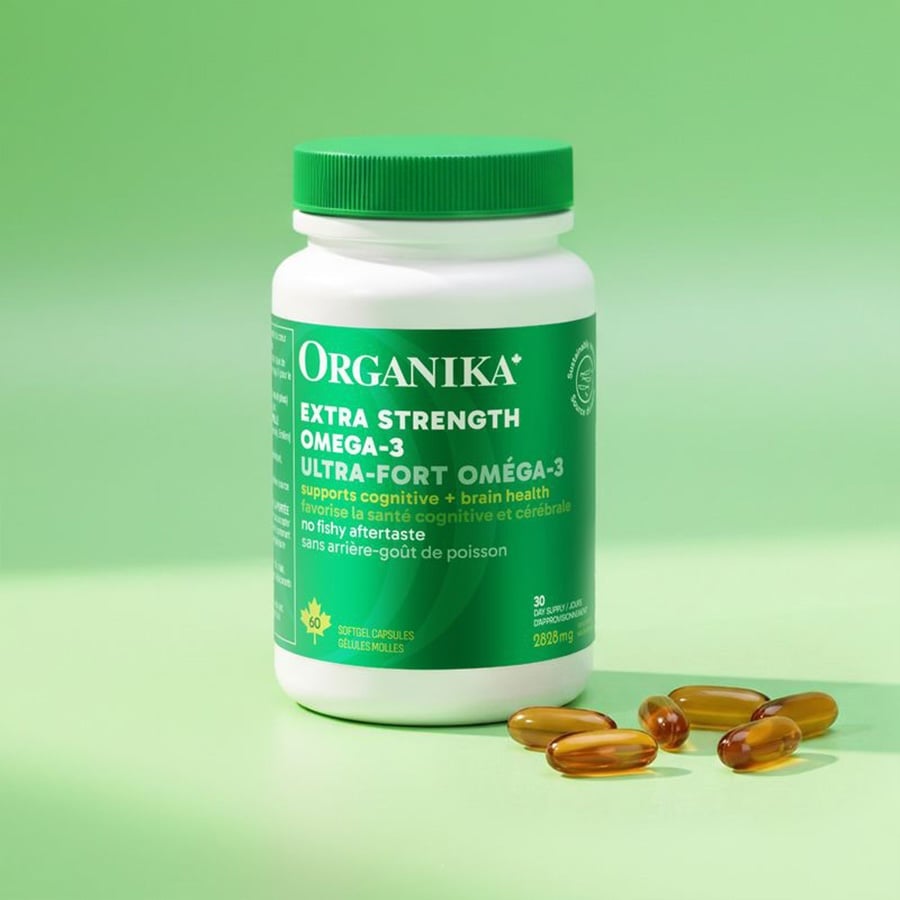
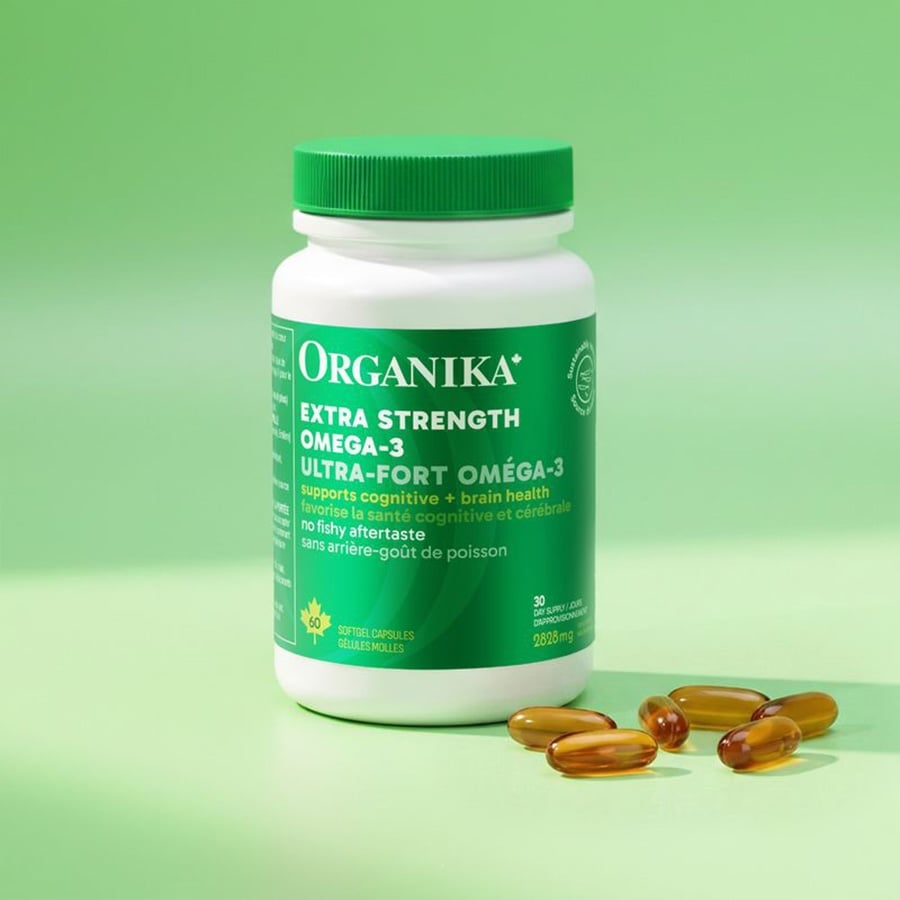
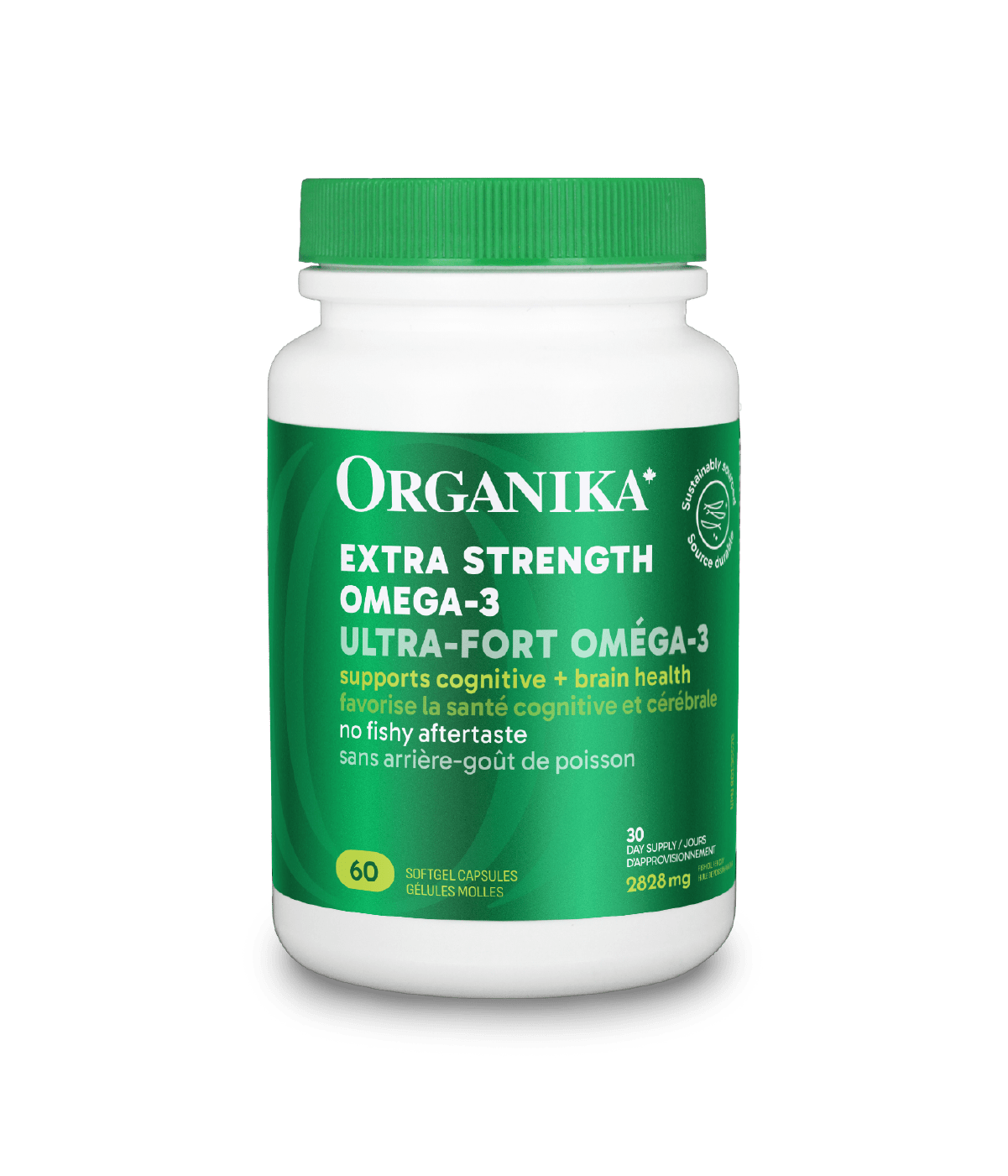
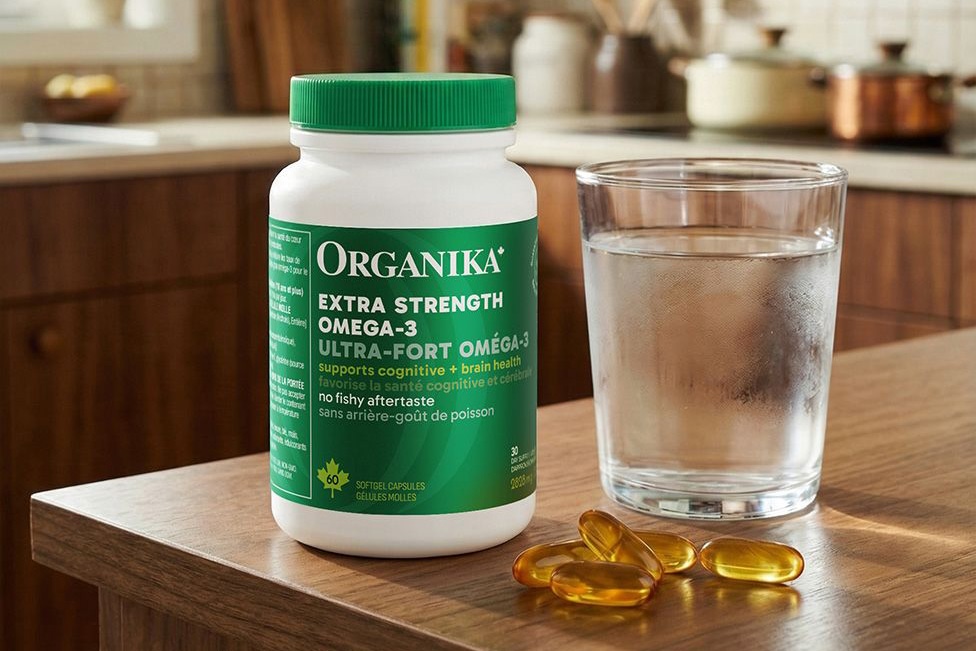
Extra Strength Omega-3
A high potency Omega 3 that delivers essential fats your body can't produce on its own
- Supports brain health and cognitive function
- Promotes mood balance
- Zero fishy aftertaste
- Sustainably sourced
Impossible de charger la disponibilité du service de retrait


Acheter en lot et économiser


Notify Me When Available
Enter your email and we'll let you know as soon as this product is back
Faits sur le supplément


Ingredients & Nutrition




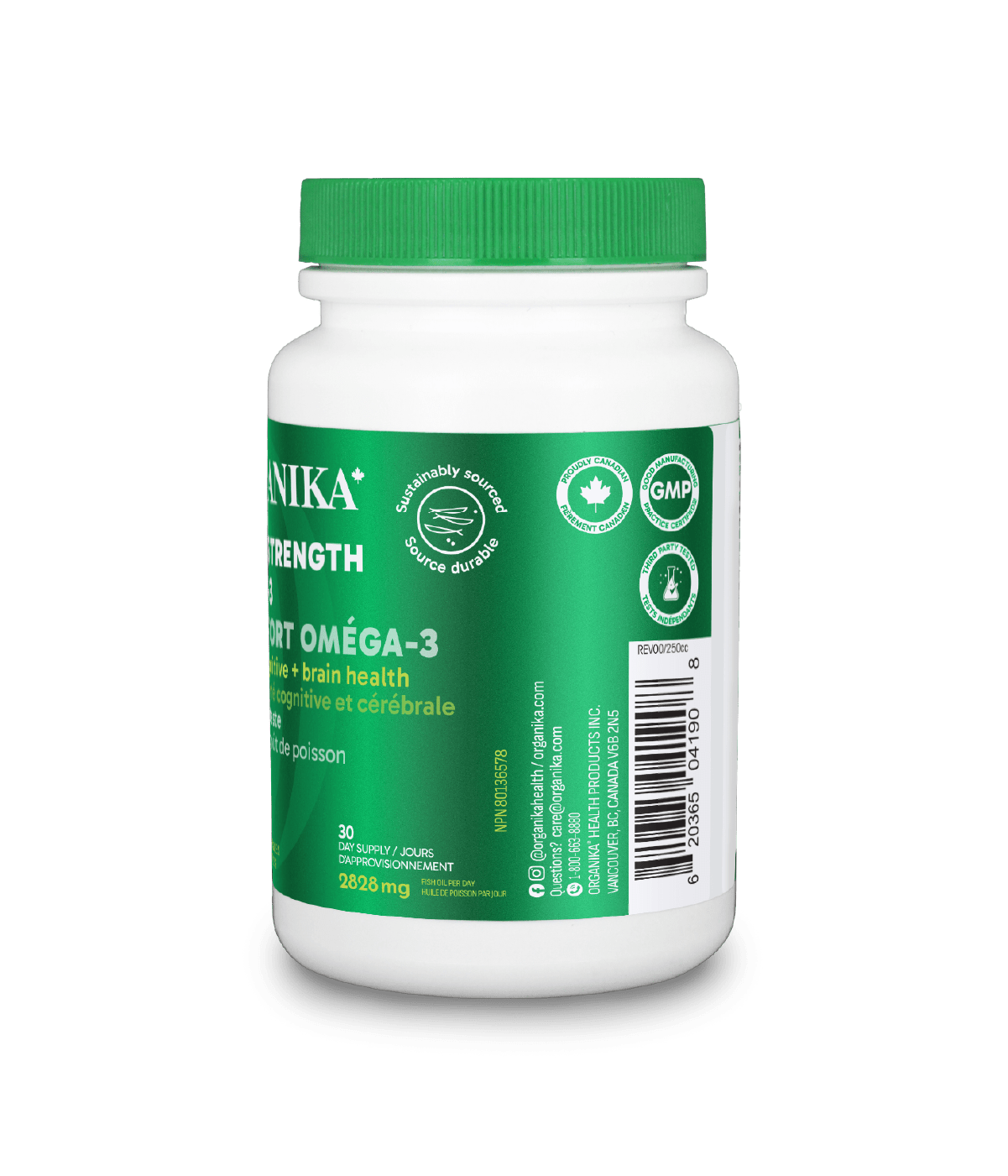
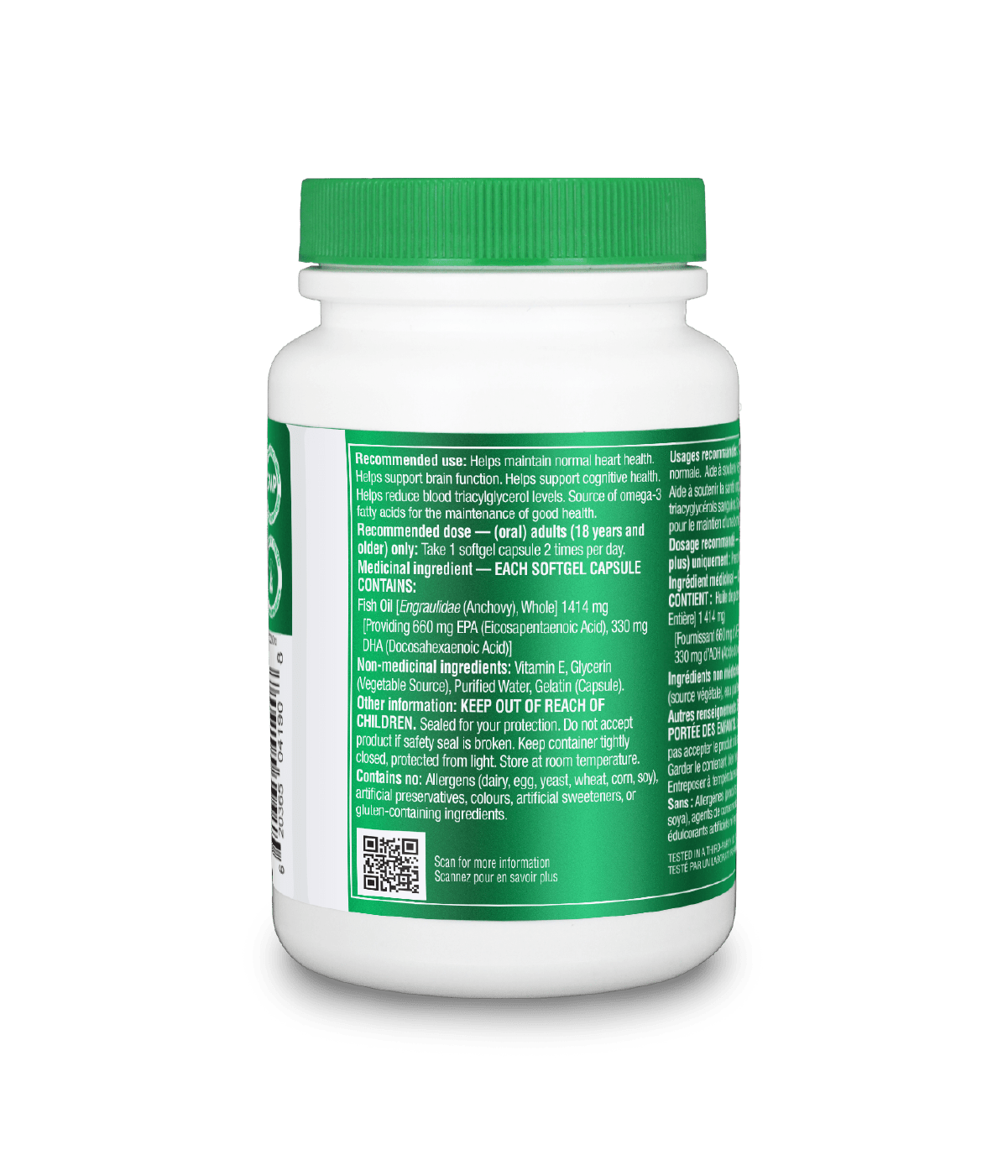
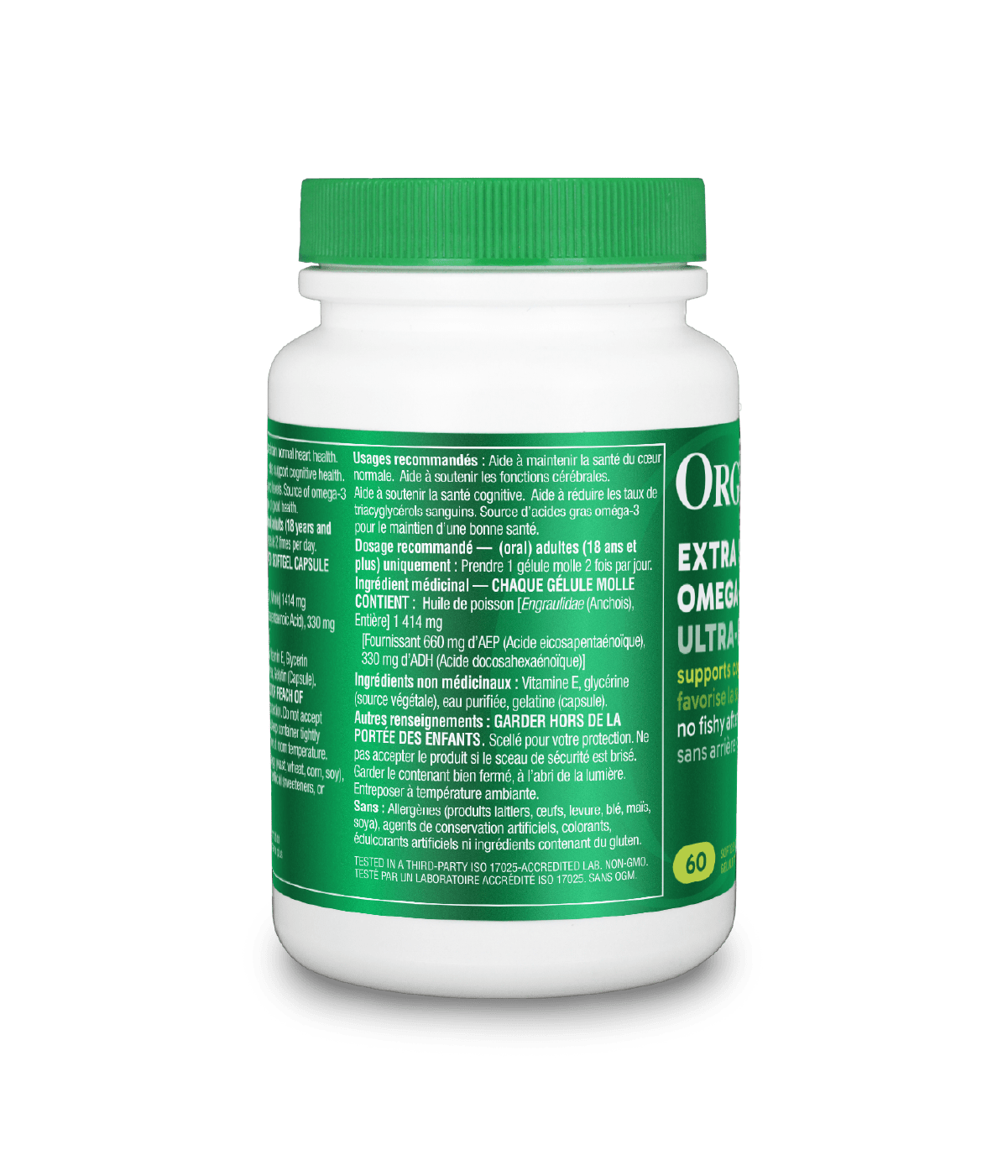
MEDICINAL - EACH SOFTGEL CAPSULE CONTAINS: Fish Oil [Engraulidae (Anchovy), Whole] 1414 mg [Providing 660 mg EPA (Eicosapentaenoic Acid), 330 mg DHA (Docosahexaenoic Acid)]"
NON MEDICINAL: Vitamin E, Glycerin (Vegetable Source), Purified Water, Gelatin (Capsule).
Recommended dose — (oral) adults (18 years and older) only: Take 1 softgel capsule 2 times per day.
Is This Right for You?
Looking for a single supplement that supports heart, brain, joint and eye health?
Do you need a high-potency Omega 3 that doesn't leave you with a fishy aftertaste?
Do you prefer to ingest capsules over liquids?
If you answered “yes” to any of the above, this product is right for you.
.png?v=1759254764200)
-
Zero fishy aftertaste
-
Sustainably sourced
Ingredients & Nutrition
Gluten-Free
Caffeine-Free
No Preservatives
Non-GMO
No Artificial Sweeteners
No Artificial Colours or Flavours
Rich in essential fats like DHA to support your heart, joint and eye health alongside brain and cognitive function
The Full Scoop
-
Zero fishy aftertaste
-
Sustainably sourced
Sustainably sourced for purity and formulated to have zero fishy aftertaste, this specially formulated Omega 3 blend delivers high DHA potency to support cognitive function, mood balance and brain health. This capsule version is enriched with Vitamin E to keep it fresh.
Demande de renseignements
Nous avons répondu aux questions les plus fréquentes. Mais si vous n'y arrivez toujours pas, nous sommes à votre disposition pour vous envoyer un message.
Prendre contactWhat type of fish is used in this supplement?
Anchovy (Engraulidae, Whole).
Is this fish oil sustainably sourced?
Yes, it is sustainably sourced.
Can I take more than one serving per day?
Yes, you can take 1–2 softgel capsules per day as directed for this product.
Can I take this supplement if I have a seafood allergy?
It’s important to exercise caution, as omega-3 capsules are derived from fish oil and may trigger an allergic reaction.
Is this Omega-3 supplement tested for heavy metals and contaminants?
Yes, it is tested for heavy metals and contaminants.
What is the source of the gelatin in the capsule?
The gelatin is sourced from bovine.
Is this product tested for purity and potency?
Yes, it is tested for both purity and potency.
How should I store this fish oil supplement?
Store it at room temperature, keep the container tightly closed, and protect it from light.
Can I take this supplement if I am pregnant or breastfeeding?
Yes, it is generally safe and beneficial during pregnancy.
Can children take this Omega-3 supplement?
This supplement is not recommended for children, as the dosage may not be suitable.
Can I take this with other supplements or medications?
Yes, it is safe to take this with other supplements or medications.
How much Vitamin E and what form of Vitamin E is in each capsule?
Each capsule contains 14 mg of Vitamin E in the form of D-alpha-tocopheryl acetate.
Vous aimerez probablement aussi...
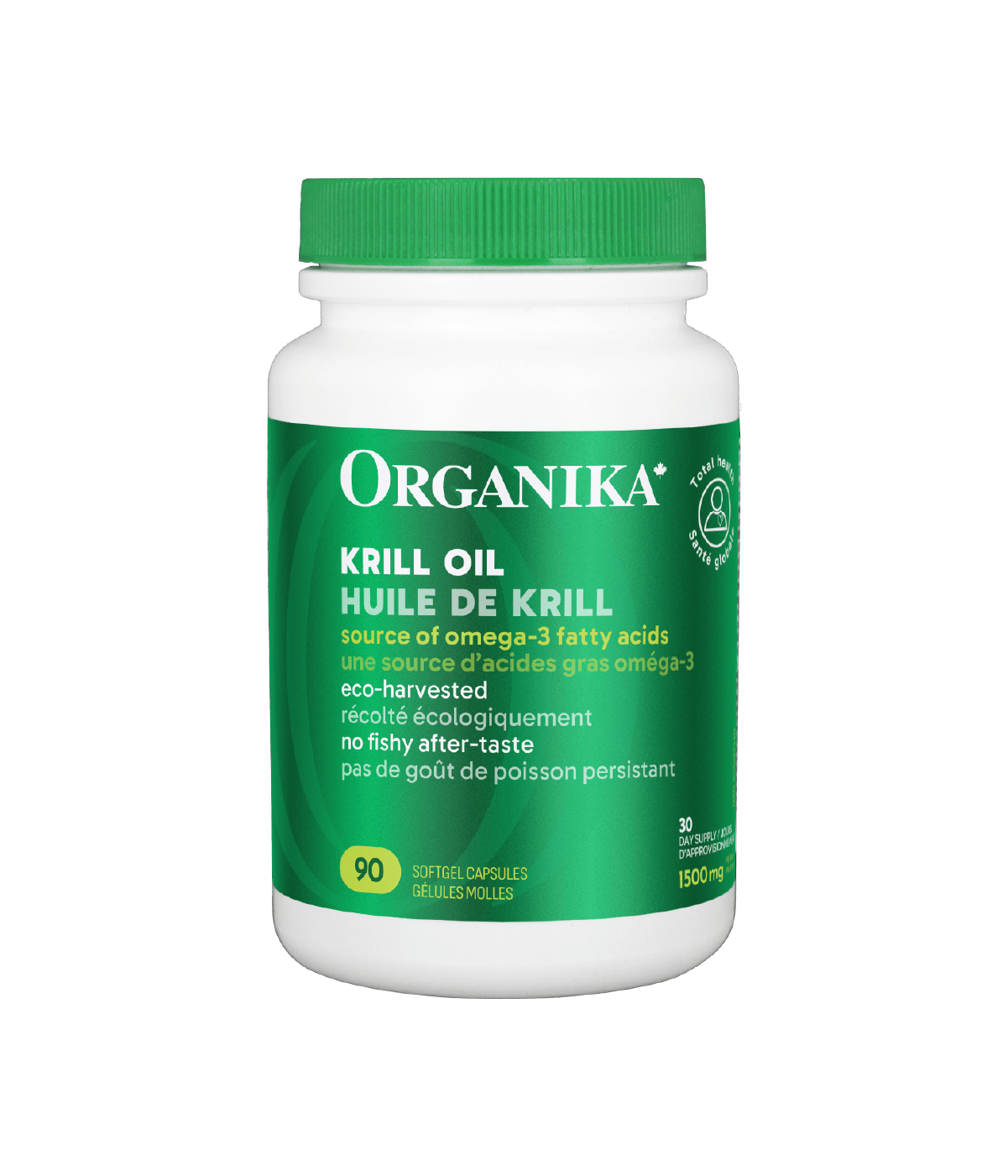
Huile de krill
Une source durable d'oméga-3 fabriquée avec soin
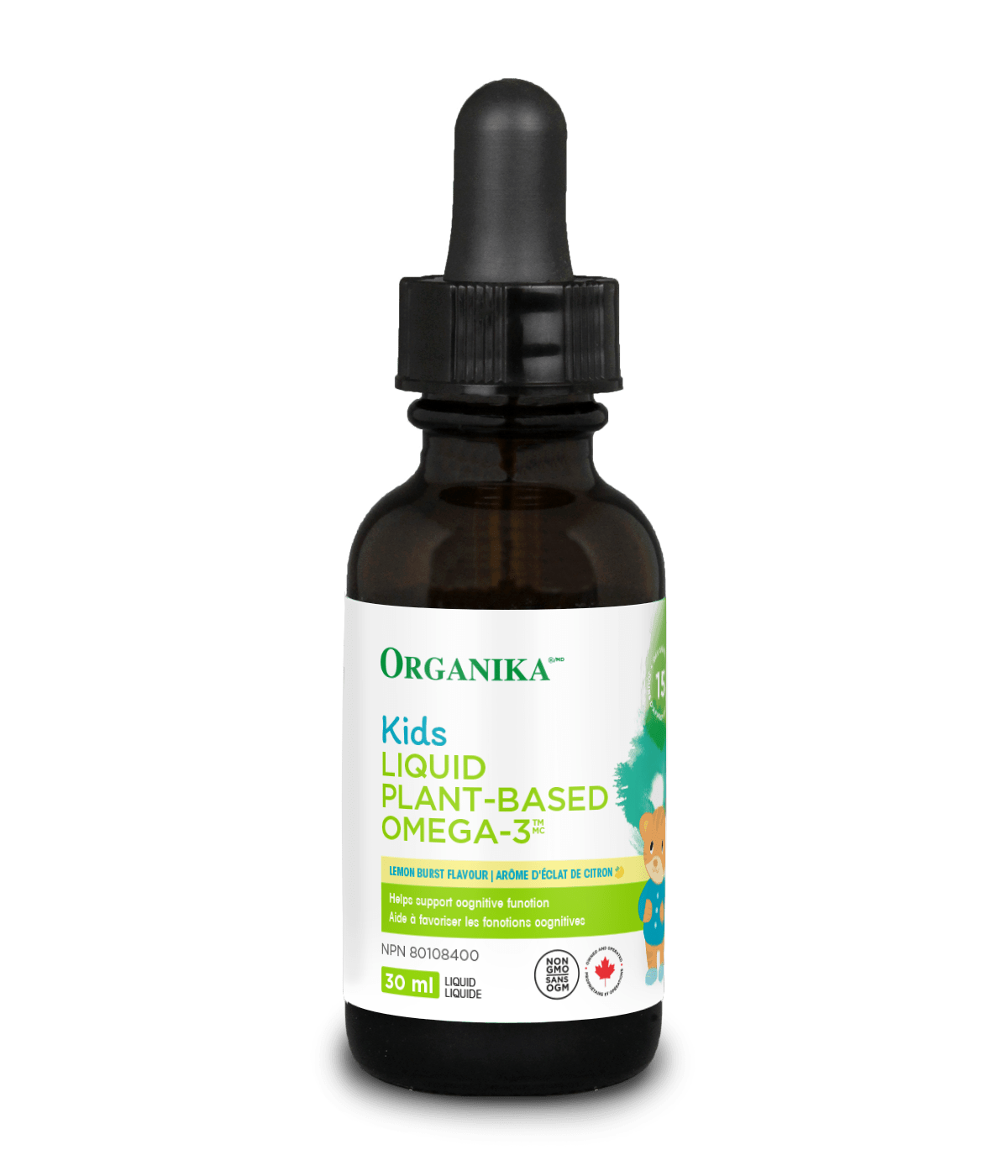
Oméga-3 liquide à base de plantes pour enfants
Les oméga-3 pour le développement de la santé cognitive pendant les premières années de croissance
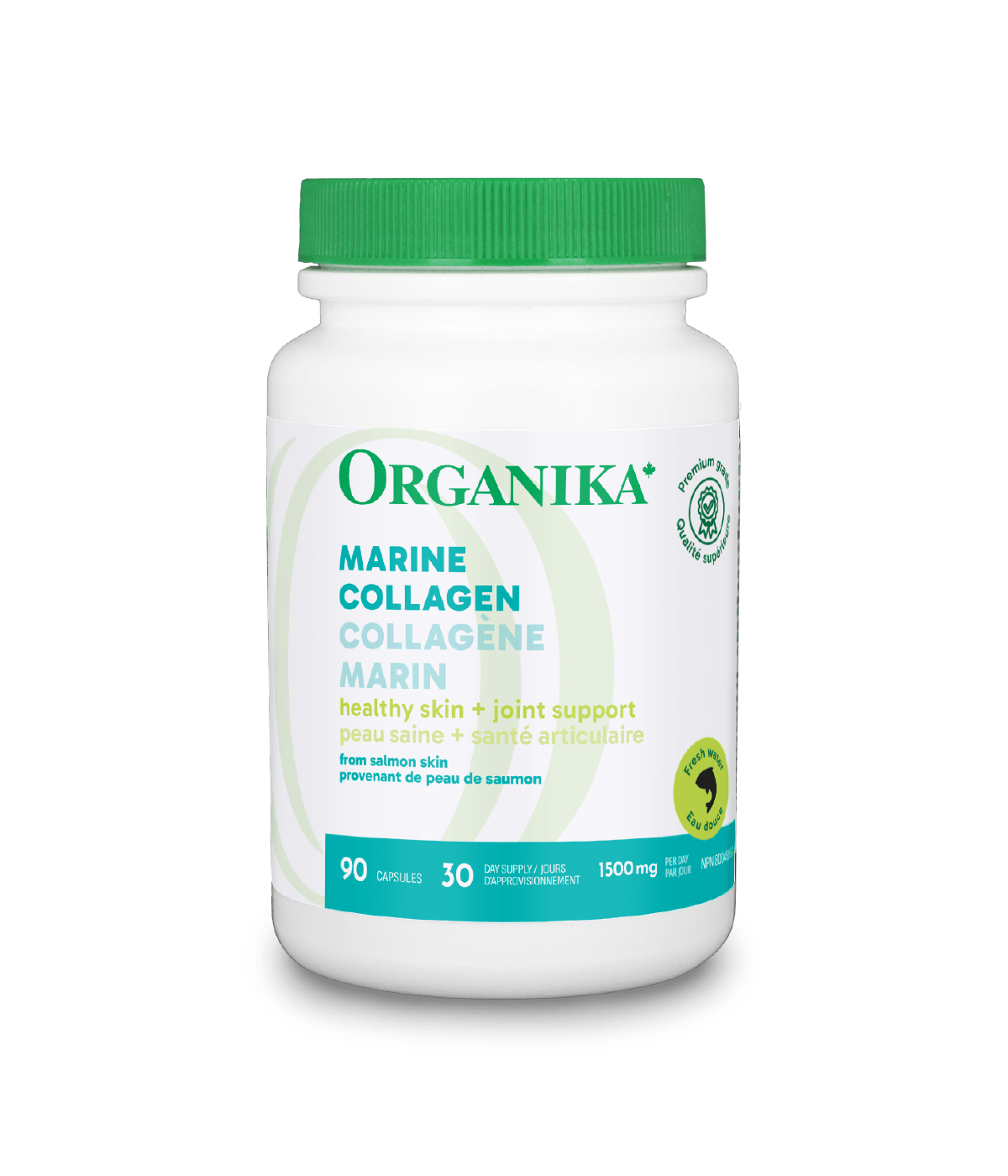
Capsules de collagène marin
Une alternative d'origine océanique au collagène bovin, particulièrement essentielle pour une peau, des cheveux et des ongles sains, sous forme de capsule
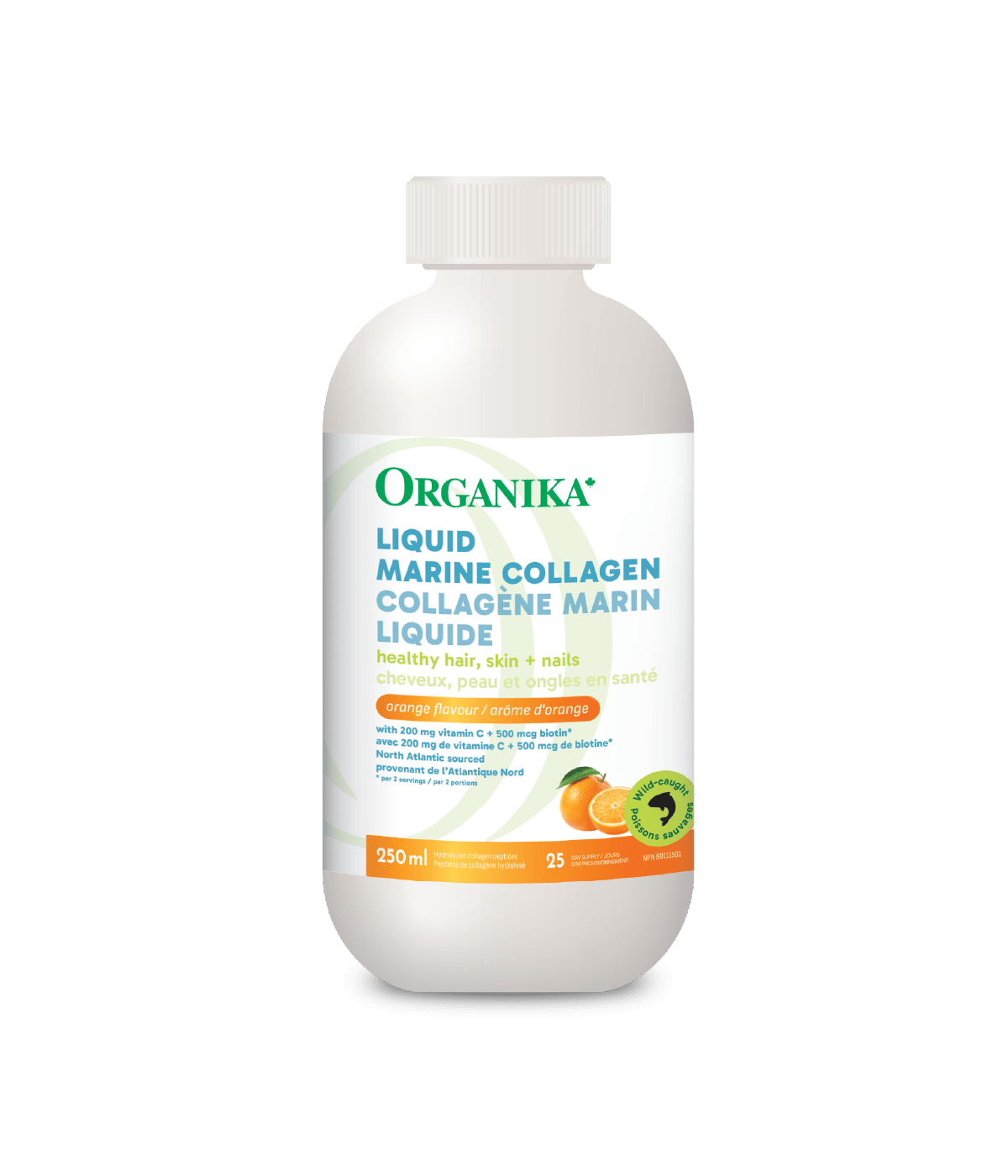
Collagène marin liquide
Une alternative liquide au collagène bovin avec des ingrédients sauvages qui lissent la peau et renforcent les ongles.
Soutien au-delà des produits

À quelle fréquence pensons-nous à la santé de notre cerveau ? Avons-nous le potentiel de penser plus clairement et d'améliorer notre mémoire ? Que pouvons-nous faire pour prévenir les maladies liées à l'âge, comme la maladie d'Alzheimer et la démence ? Il y a tant de choses à faire pour préserver la santé de notre cerveau, et être attentif dès maintenant nous sera bénéfique plus tard dans la vie. Il existe de nombreuses façons de soutenir votre cognition globale : Exercez votre cerveau Oui, vous pouvez exercer votre cerveau ! En faisant cela, vous le stimulez à créer de nouvelles connexions et à renforcer les anciennes. Voici quelques activités simples pour exercer votre cerveau et le maintenir vif et en bonne santé. Lire, faire des mots croisés et des grilles de mots sont d'excellents exercices pour votre cerveau. Vous pouvez aussi essayer d'utiliser votre main non dominante pour écrire ou effectuer des tâches quotidiennes, comme déplacer la souris sur votre ordinateur. Ce sont des exercices simples mais efficaces pour votre cerveau ! Un exercice régulier peut avoir un effet profond sur la santé de votre cerveau. Supplémentation Pour la santé cérébrale, la crinière de lion est excellente pour le soutien cognitif. Connue comme un nootrope, elle peut contribuer à améliorer la mémoire, la créativité et, plus généralement, le fonctionnement cérébral global. Les champignons, et en particulier la crinière de lion, sont excellents pour le bien-être de l'organisme, mais pour le soutien cérébral, ce champignon est le roi de la cognition ! Bien manger, faire de l’exercice et avoir un sommeil de qualité sont quelques-unes des choses les plus importantes que vous puissiez faire pour la santé de votre cerveau. Bien manger Une alimentation trop riche en sucre peut avoir des effets néfastes et durables sur le cerveau. On observe actuellement une augmentation de ce que les experts appellent le diabète de type 3. Il s'agit d'une maladie similaire au diabète de type 2, mais le cerveau est l'organe résistant à l'insuline. On pense que le diabète de type 3 peut entraîner des maladies comme la maladie d'Alzheimer. En résumé, un excès de sucre peut entraîner un manque de clarté d'esprit, de la fatigue et une progression précoce des maladies cérébrales liées à l'âge. Complétez une alimentation saine avec de l'exercice L'exercice physique apporte un nouvel apport sanguin au cerveau, et donc des vitamines et des minéraux. Il contribue également à contrôler la tension artérielle, essentielle à la prévention des accidents vasculaires cérébraux. Dormir Un sommeil de qualité est probablement le moyen le plus important de protéger votre cerveau et de le maintenir en bonne santé. Votre corps se régénère pendant le sommeil, et surtout votre cerveau ! De nombreuses études démontrent l'importance d'une bonne nuit de sommeil et ses effets sur le cerveau. Il est peut-être judicieux de repenser les nuits tardives et d'améliorer la qualité de votre sommeil. Lorsque vous réfléchissez à vos objectifs de santé globale, n'oubliez pas d'inclure votre cerveau dans votre programme de bien-être. Parlez toujours à votre naturopathe ou à votre professionnel de la santé avant d’apporter des changements majeurs à votre régime quotidien, comme des exercices intenses ou une supplémentation.
read more
Les suppléments de collagène favorisent-ils la gestion du poids ou d’autres objectifs de remise en forme ? Le collagène a connu un essor fulgurant dans le monde de la santé, et ce pour une bonne raison. Il contribue à améliorer l'élasticité et l'intégrité de notre peau, soutient nos articulations et nos muscles, et contribue à renforcer la paroi intestinale. Mais qu'en est-il de la perte de poids ? Un complément de collagène peut-il contribuer à atteindre les objectifs de perte de poids, et si oui, comment ? Le collagène est la protéine la plus abondante du corps humain , représentant environ 30 % des protéines totales de l'organisme. Présent dans tous nos tissus et organes, il est essentiel à de nombreux processus physiologiques. Décomposons comment le collagène peut favoriser la perte de poids… Source d'acides aminés Source de protéines et d'acides aminés, le collagène peut favoriser la perte de poids car il favorise la sensation de satiété. Lorsque nous nous sentons rassasiés et que notre glycémie est stable, nous avons tendance à manger moins et à avoir moins envie de sucre. Bien qu'il ne s'agisse pas d'une protéine complète, elle contribue au développement et au maintien de la masse musculaire, favorisés par un entraînement en résistance. Plus on a de muscles, plus on brûle de calories au repos. La protéine de collagène enrichie en acides aminés essentiels d'Organika est un excellent ajout à votre routine, surtout si la perte de poids fait partie de vos objectifs, car avec les 9 acides aminés essentiels, cette poudre de collagène EST une protéine complète. Soutien conjoint La capacité du collagène à renforcer et à soutenir les articulations est un autre facteur qui pourrait favoriser la perte de poids. Les personnes souffrant de douleurs articulaires, notamment d'arthrose, savent à quel point elles peuvent limiter leur capacité à faire de l'exercice. Le collagène étant essentiel à la santé du tissu conjonctif des articulations, des tendons et des ligaments, une supplémentation peut contribuer à réduire la douleur et permettre ainsi une activité physique accrue. Essayez le collagène amélioré pour les os et les articulations pour des suppléments et un soutien supplémentaires pour soulager les articulations et les muscles douloureux et renforcer davantage la densité osseuse. Santé intestinale Maintenir une paroi intestinale solide est essentiel à la digestion, à l'absorption et à l'utilisation des nutriments par notre corps. Le collagène contribue à la formation de tissus conjonctifs sains dans tout le tube digestif. Il contribue également à un bon équilibre bactérien. En soutenant l'intestin, le collagène contribue à la digestion, au fonctionnement du système immunitaire et à la perte de poids. Pour des bienfaits supplémentaires pour la santé intestinale, essayez le collagène à spectre complet 1, 2, 3, 5, 10 – un collagène multi-sources qui comprend également du bouillon de poulet pour des protéines supplémentaires et des bienfaits pour la santé intestinale. Au-delà de la perte de poids Le collagène peut agir au-delà de la perte de poids, car il contribue à atténuer les effets secondaires indésirables de la perte de poids, comme le relâchement cutané. En renforçant le derme, le collagène peut contribuer à réduire l'apparence de la cellulite et du relâchement cutané. Des études ont montré qu'une supplémentation en peptides de collagène hydrolysés contribue à raffermir la peau, améliorant ainsi son intégrité et sa texture. Vous cherchez à brûler les graisses ? Si vous souhaitez perdre du poids et brûler des graisses, allons plus loin. Bien que le collagène contribue aux bienfaits mentionnés ci-dessus, vous pouvez y ajouter d'autres nutriments favorisant la perte de poids. Organika a fait le travail pour vous avec Metaboost Fat Metabolizing Complex. Cette poudre de collagène offre la même protéine de collagène enrichie issue de peptides de collagène bovin hydrolysés nourris à l'herbe, ainsi que d'autres ingrédients naturels comme la L-carnitine et le garcinia pour stimuler votre métabolisme. Cette poudre vous aide à rester rassasié longtemps, à brûler les graisses et à gérer votre poids. Comme vous pouvez le constater, les bienfaits du collagène sont multiples. Outre toutes les raisons pour lesquelles nous apprécions le collagène pour notre mode de vie sain, nous pouvons désormais ajouter à cette liste la perte de poids.
read more
If you’ve ever tried to eat more protein, you’ve probably hit a wall of mixed messages. Some people say you must chug a shake within thirty minutes of your workout, while others insist your body can’t “absorb” more than 20–30 grams of protein at a time. Meanwhile, official guidelines tell you one thing, fitness influencers tell you another, and somewhere in the middle,you just want to know what actually works for your life. Let’s clear the noise In this guide, we’ll walk through how much protein most people really need, when it makes sense to go above the minimum, and what science says about hot-topic myths like the post-workout “anabolic window” and the 20–30 gram “absorption limit.” Why protein needs are more personal than you think Protein is more than a “gym nutrient.” It’s involved in almost everything your body does: building and repairing tissues, making enzymes and hormones, carrying oxygen in your blood, supporting immune defences and helping maintain stable energy and mood. In Canada, national guidelines set the Recommended Dietary Allowance (RDA) for adults at 0.8 grams of protein per kilogram of body weight per day.That’s the amount designed to prevent outright deficiency – not necessarily the amount that’s optimal for muscle maintenance, healthy aging or athletic goals. Harvard University among other experts, emphasizes that the RDA is a minimum to “keep from getting sick,” not a target everyone should aim exactly for. Start with the baseline: simple math for everyday adults As a starting point, health organizations suggest that healthy adults can aim for around 0.8–1.0 g of protein per kilogram of body weight per day. Here’s how to calculate that: Take your weight in pounds and divide that number by 2.2 to get kilograms. Multiply that number by 0.8 for the minimum – and up to 1.0 if you’re a bit more active. For example: If you weigh 65 kg (about 143 lb), 0.8 g/kg works out to roughly 52 g of protein per day. At the upper end of this general range (1.0 g/kg), that same person would aim for about 65 g per day. For most generally healthy adults who are moderately active, 0.8–1.2 g/kg is a reasonable daily range, with the lower end preventing deficiency and the higher end offering extra support for muscle and metabolic health. When you may need more protein Your ideal protein target climbs (or dips) depending on your age, activity level, health status and life stage. Here’s what research suggests for key groups. 1. Active and strength-training adults If you regularly lift weights, do intense cardio or play demanding sports, your body turns over more protein and needs more to repair and adapt. The International Society of Sports Nutrition recommends that most exercising individuals do best with 1.4–2.0 g/kg per day, spread across the day. They also note that each meal or snack containing about 0.25 g/kg of high-quality protein (roughly 20–40 g for many adults) is enough to maximize muscle protein synthesis in most situations. 2. Adults over 60 As we age, our muscles become less responsive to smaller doses of protein – a phenomenon sometimes called “anabolic resistance.” Several expert groups now recommend 1.0–1.2 g/kg per day as a minimum for older adults, with higher ranges often suggested for those recovering from illness, injury or trying to preserve muscle during weight loss. One review proposes that older adults may benefit from at least 1.2 g/kg/day, with an emphasis on leucine-rich proteins (such as dairy, eggs, meat or leucine-fortified plant proteins) to support muscle health. 3. Pregnancy and breastfeeding Growing and feeding a baby increases protein needs as well. The American Heart Association and other authorities note that pregnant and lactating women require more than the standard RDA, with many guidelines suggesting around 1.1 g/kg/day or at least 60–75 g/day depending on body size. Because pregnancy and breastfeeding are highly individual, it’s especially important to check your personal target with your health-care provider or a dietitian. 4. When you’re trying to change body composition Higher protein diets can help reduce hunger, preserve muscle and support fat loss, particularly when combined with resistance training. Reviews suggest that for people actively trying to lose weight while maintaining muscle, intakes up to around 1.6 g/kg/day can be helpful, at least for limited periods, in otherwise healthy adults. At the same time, new research in older adults suggests that very high long-term intakes (around 1.8 g/kg/day or more in people over fifty-five) may be linked to a higher risk of cardiovascular events, especially when protein comes mostly from animal sources. This doesn’t mean “high protein is dangerous” for everyone, but it is a good reminder not to chase extreme numbers without medical guidance—particularly later in life or if you have heart or kidney issues. Myth #1: “You have to eat protein within 30–60 minutes after a workout” You’ve probably heard of the post-workout “anabolic window” – the idea that if you don’t get protein into your system within thirty to sixty minutes, you’ve “wasted” your training session. The evidence is more relaxed than that. A major review on nutrient timing found that muscle protein synthesis stays elevated for at least 24 hours after resistance exercise, and that total daily protein intake and distributing protein across meals are far more important than hitting a tiny thirty-minute window. So yes, it’s smart to anchor a meal or snack with protein after your workout, mostly because it’s convenient. But if your gym session ends, you chat with a friend, shower, commute home and then eat? You’re still in a great position to build and repair muscle, as long as the rest of your day hits your overall protein target. Myth #2: “You can only absorb 20–30 grams of protein per meal” This phrase sounds scientific, but it mixes up two different ideas: How much protein your gut can absorb (spoiler: almost all of what you eat), and How much protein from a single meal goes specifically toward building new muscle at that moment. Several studies suggest that muscle protein synthesis (MPS) reaches a near-maximal response when a meal contains roughly 20–35 g of high-quality protein for younger adults, and somewhat more for older adults. For example: After resistance exercise, 20 g of egg protein was enough to maximize MPS in young men, with extra protein mostly being oxidized for energy rather than further boosting muscle building. In both young and older adults, a meal providing around 30 g of beef protein significantly increased MPS, and tripling the serving size did not further enhance muscle building, even though the extra protein was still digested. More recent analyses suggest that the per-meal “sweet spot” is about 0.24 g/kg for younger adults and 0.4 g/kg per meal for older adults. What does this actually mean? If you’re 70 kg and in your twenties or thirties, a meal with about 17–25 g of protein hits that MPS “threshold.” If you’re 70 kg and older, a meal with around 28 g of protein better overcomes anabolic resistance. Crucially: Your body still absorbs and uses protein beyond 20–30 g – it simply diverts more of it toward other roles like enzyme production, immune support, energy and storage. So instead of stressing over 29 vs. 31 grams, focus on: Hitting your total protein target for the day. Making sure each meal includes a meaningful dose of protein (roughly 20–40 g for most adults). Adjusting upwards a little if you’re older, very active or recovering from illness. Where protein powders fit in Whole foods should always be your foundation. But life is busy, appetites change and some days you just need an easier way to close the gap. That’s where a well-formulated protein powder can help. For example, many people find it helpful to: Add a scoop of whey- or plant-based protein to a smoothie when mornings are rushed. Shake up a quick protein drink after a late workout when a full meal isn’t practical. Use a collagen-containing blend to support both protein intake and specific goals like skin, hair or joint support, as part of a balanced routine. Putting it all together If you remember just a few things from this guide, let it be these: Most adults should aim for somewhere between 0.8 and around 1.2 g of protein per kilogram of body weight per day, with higher ranges for athletes, older adults and certain life stages. You don’t have to chug a shake within thirty minutes of your workout. Total daily protein and getting meaningful amounts at each meal matter far more than a tiny “anabolic window.” You absolutely can digest more than 20–30 g of protein per meal. Muscle building from that specific meal may level off, but the rest still supports other essential functions. Spreading protein across breakfast, lunch, dinner and snacks is a simple, science-backed way to support strength, metabolism and healthy aging. From morning jogs to late-night study sessions, your body is working hard for you. Getting enough protein consistently, comfortably and in a way that fits your lifestyle, is one of the clearest ways you can work hard for it in return. CTA: Find your protein Sources American Heart Association. (2024, August 28). Protein: What’s enough? American Heart Association. https://www.heart.org/en/healthy-living/healthy-eating/eat-smart/nutrition-basics/protein-and-heart-health (www.heart.org) Aragon, A. A., & Schoenfeld, B. J. (2013). Nutrient timing revisited: is there a post-exercise anabolic window?. Journal of the International Society of Sports Nutrition, 10(1), 5. https://doi.org/10.1186/1550-2783-10-5 Bauer, J., Biolo, G., Cederholm, T., Cesari, M., Cruz-Jentoft, A. J., Morley, J. E., Phillips, S., Sieber, C., Stehle, P., Teta, D., Visvanathan, R., Volpi, E., & Boirie, Y. (2013). Evidence-based recommendations for optimal dietary protein intake in older people: A position paper from the PROT-AGE Study Group. Journal of the American Medical Directors Association, 14(8), 542–559. https://doi.org/10.1016/j.jamda.2013.05.021 Cheng Huang, Yuan Yu, Weihao Liang, Jiayong Li, Yilong Wang, Fangfei Wei, Tianyu Xu, Yu Ning, Zhe Zhen, Jia Liu, Wengen Zhu, Yugang Dong, Chen Liu, Peisen Huang. (2025). Associations between High Protein Intake and Cardiovascular Diseases by Age Groups: A Cohort Study, The Journal of nutrition, health and aging, 30(1). https://www.sciencedirect.com/science/article/pii/S1279770725002520 Cleveland Clinic. (2024, June 7). How much protein do you need? And how to get it. Cleveland Clinic – Health Essentials. https://health.clevelandclinic.org/how-much-protein-you-need (Cleveland Clinic) Daniel A Traylor, Stefan H M Gorissen, Stuart M Phillips. (2018). Perspective: Protein Requirements and Optimal Intakes in Aging: Are We Ready to Recommend More Than the Recommended Daily Allowance? Advances in Nutrition, 9(3). https://doi.org/10.1093/advances/nmy003 Dodd, K. (2020, February 14). Nutrition needs for older adults: Protein. Administration for Community Living, U.S. Department of Health and Human Services. https://acl.gov/sites/default/files/nutrition/Nutrition-Needs_Protein_FINAL-2.18.20_508.pdf (ACL Administration for Community Living) Harvard Health Publishing. (2015, June 18). How much protein do you need every day? Harvard Health Blog. https://www.health.harvard.edu/blog/how-much-protein-do-you-need-every-day-201506188096 (Harvard Health) Health Canada. (2025, November 19). Dietary reference intakes tables: Reference values for macronutrients. Government of Canada. https://www.canada.ca/en/health-canada/services/food-nutrition/healthy-eating/dietary-reference-intakes/tables/reference-values-macronutrients.html (Canada) HealthLink BC. (2025). Protein and your health (HealthLinkBC File #68o). Province of British Columbia. https://www.healthlinkbc.ca/healthlinkbc-files/protein-and-your-health (HealthLink BC) Jäger, R., Kerksick, C. M., Campbell, B. I., Cribb, P. J., Wells, S. D., Skwiat, T. M., Purpura, M., Ziegenfuss, T. N., Ferrando, A. A., Arent, S. M., Smith-Ryan, A. E., Stout, J. R., Arciero, P. J., Ormsbee, M. J., Taylor, L. W., Wilborn, C. D., Kalman, D. S., Kreider, R. B., Willoughby, D. S., … Antonio, J. (2017). International Society of Sports Nutrition position stand: Protein and exercise. Journal of the International Society of Sports Nutrition, 14, 20. https://doi.org/10.1186/s12970-017-0177-8 Kim, I. Y., Park, S., Jang, J., & Wolfe, R. R. (2020). Understanding Muscle Protein Dynamics: Technical Considerations for Advancing Sarcopenia Research. Annals of geriatric medicine and research, 24(3), 157–165. https://doi.org/10.4235/agmr.20.0041 Kim, I.-Y., Schutzler, S., Schrader, A., Spencer, H., Azhar, G., Wolfe, R. R., & Ferrando, A. A. (2015). The anabolic response to a meal containing different amounts of protein is not limited by the maximal stimulation of protein synthesis in healthy young adults. The American Journal of Physiology – Endocrinology and Metabolism, 308(1), E21–E28. https://doi.org/10.1152/ajpendo.00465.2013 Moore, D. R., Robinson, M. J., Fry, J. L., Tang, J. E., Glover, E. I., Wilkinson, S. B., Prior, T., Tarnopolsky, M. A., & Phillips, S. M. (2009). Ingested protein dose response of muscle and albumin protein synthesis after resistance exercise in young men. The American Journal of Clinical Nutrition, 89(1), 161–168. https://doi.org/10.3945/ajcn.2008.26401 Pasiakos, S.M., Cao, J.J., Margolis, L.M., Sauter, E.R., Whigham, L.D., McClung, J.P., Rood, J.C., Carbone, J.W., Combs, G.F., Jr. and Young, A.J. (2013), Effects of high-protein diets on fat-free mass and muscle protein synthesis following weight loss: a randomized controlled trial. The FASEB Journal, 27: 3837-3847. https://doi.org/10.1096/fj.13-230227 Symons, T. B., Sheffield-Moore, M., Wolfe, R. R., & Paddon-Jones, D. (2009). A moderate serving of high-quality protein maximally stimulates skeletal muscle protein synthesis in young and elderly subjects. Journal of the American Dietetic Association, 109(9), 1582–1586. https://doi.org/10.1016/j.jada.2009.06.369 Traylor, D. A., Gorissen, S. H. M., & Phillips, S. M. (2018). Perspective: Protein requirements and optimal intakes in aging: Are we ready to recommend more than the recommended daily allowance? Advances in Nutrition, 9(3), 171–182. https://doi.org/10.1093/advances/nmy003 (PubMed)
read more