










.png?v=1787600177169)
.png?v=1787600187052)
-
Is this right for you?

-
-
-

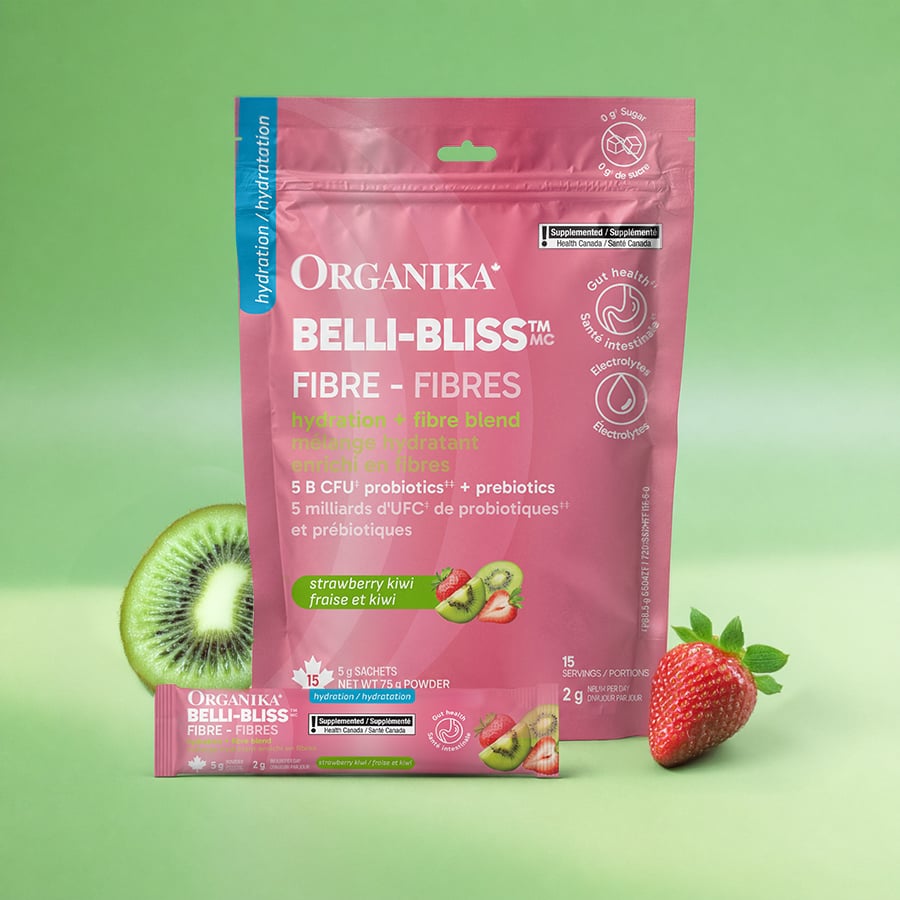
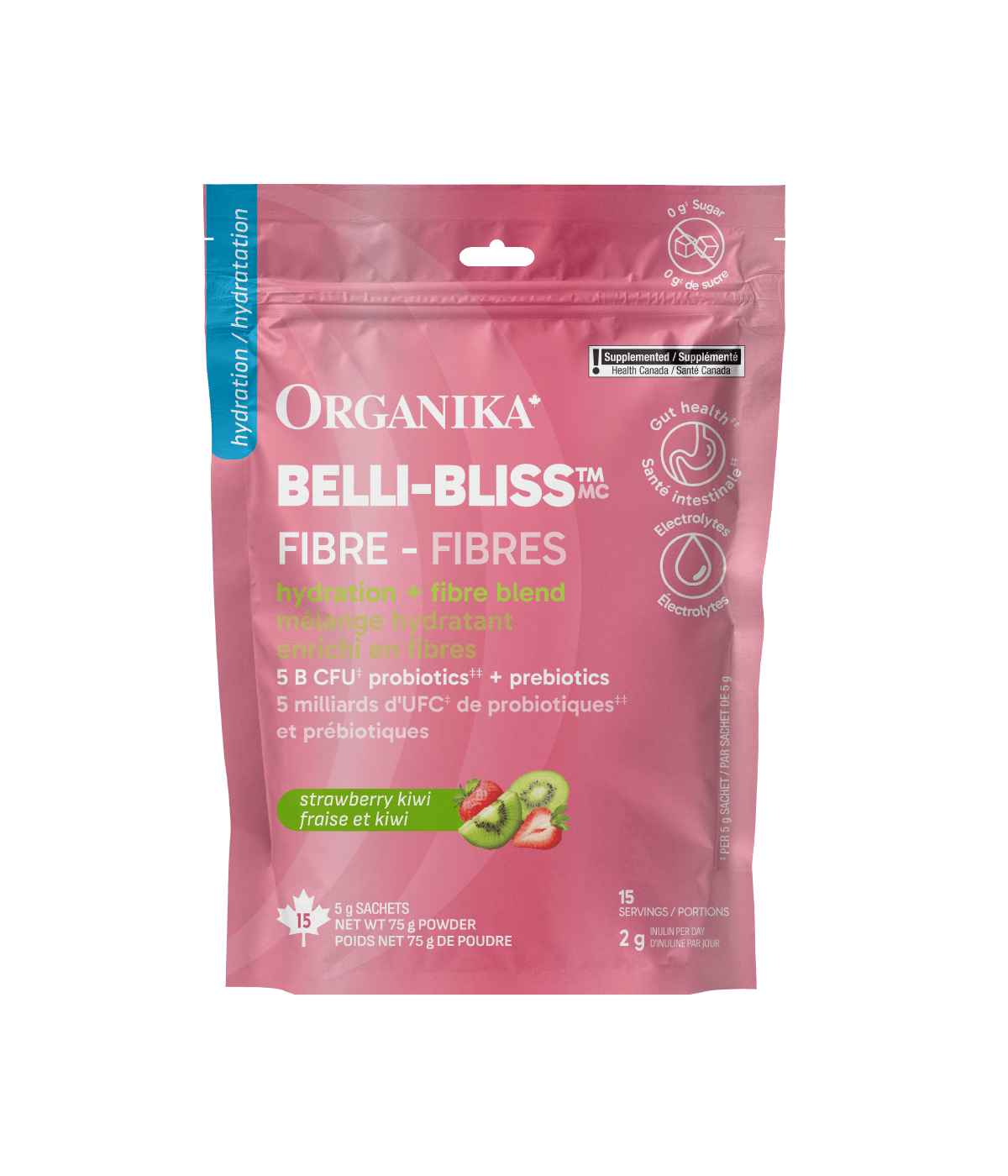
Belli-Bliss™ Fibre Hydration
Better fibre, better hydration, better days
- Supports digestive health across the entire gut
- Nourishes beneficial gut bacteria with 5 billion CFU probiotics per serving.
- Supports hydration with 5 essential electrolytes
- Convenient, on-the-go sachet for daily fibre support.
Couldn't load pickup availability


Notify Me When Available
Enter your email and we'll let you know as soon as this product is back
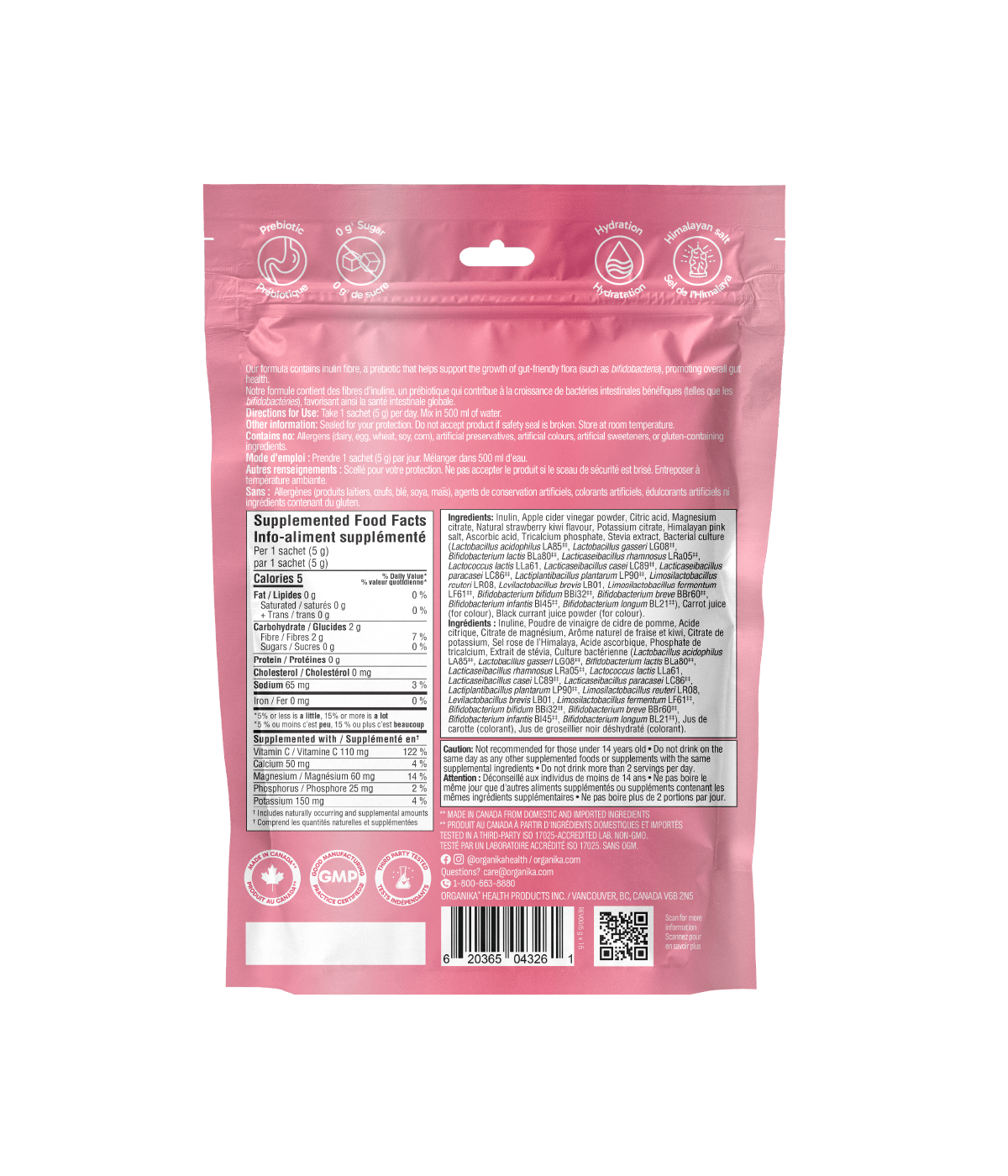
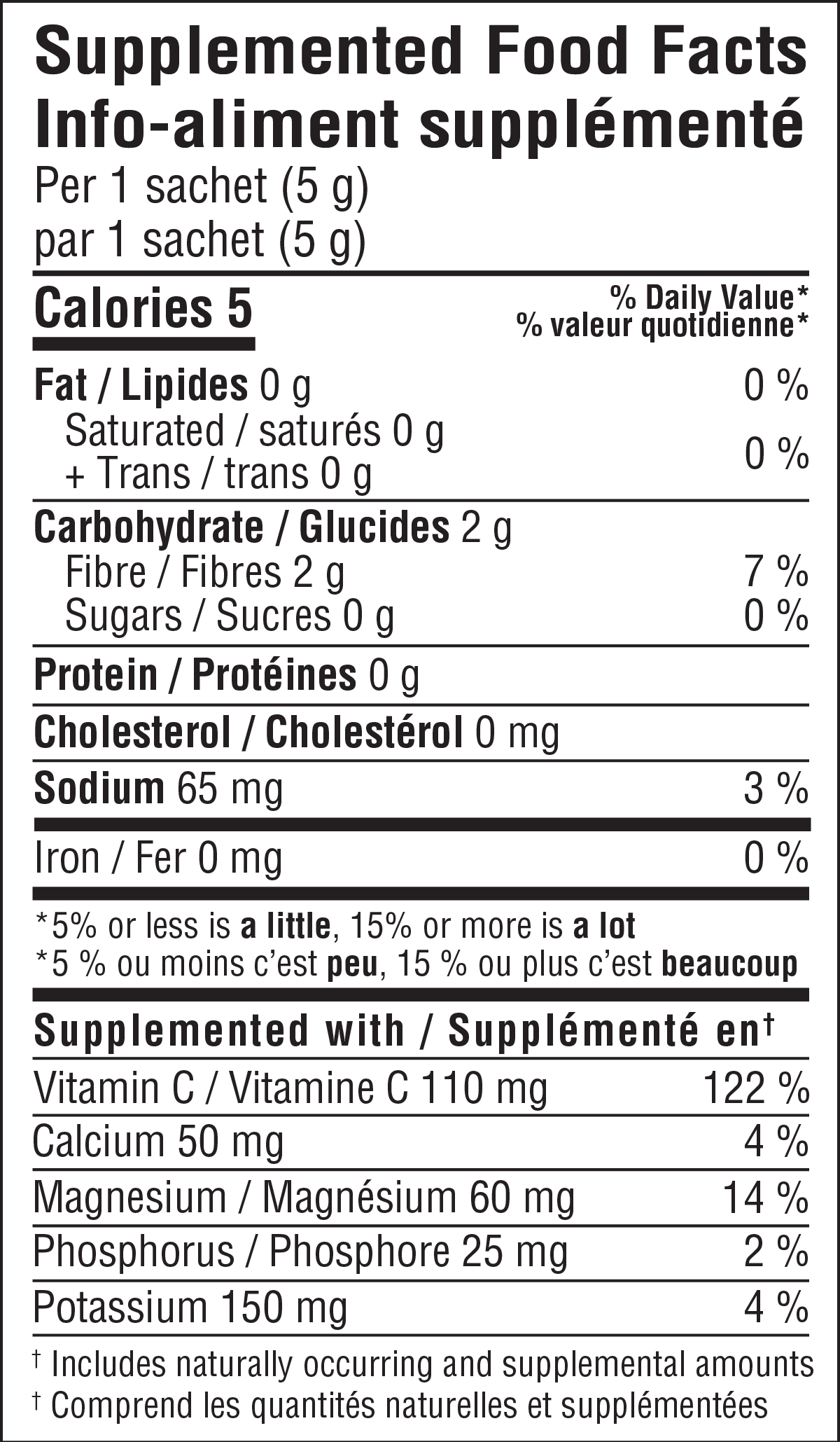
Supplement Facts


Ingredients & Nutrition




Ingredients: Inulin, Apple cider vinegar powder, Citric acid, Magnesium citrate, Natural strawberry kiwi flavour, Potassium citrate, Himalayan pink salt, Ascorbic acid, Tricalcium phosphate, Stevia extract, Bacterial culture (Lactobacillus acidophilus LA85‡‡, Lactobacillus gasseri LG08‡‡, Bifidobacterium lactis BLa80‡‡, Lacticaseibacillus rhamnosus LRa05‡‡, Lactococcus lactis LLa61, Lacticaseibacillus casei LC89‡‡, Lacticaseibacillus paracasei LC86‡‡, Lactiplantibacillus plantarum LP90‡‡, Limosilactobacillus reuteri LR08, Levilactobacillus brevis LB01, Limosilactobacillus fermentum LF61‡‡, Bifidobacterium bifidum BBi32‡‡, Bifidobacterium breve BBr60‡‡, Bifidobacterium infantis BI45‡‡, Bifidobacterium longum BL21‡‡), Carrot juice (for colour), Black currant juice powder (for colour).
Directions of Use: Take 1 sachet per day. Mix 5g sachet with 500 ml of water.
Cautions:
- Not recommended for those under 14 years old
- Do not drink on the same day as any other supplemented foods or supplements with the same supplemental ingredients
- Do not drink more than 2 servings per day.
Is This Right for You?
Are you looking for a convenient, on-the-go sachet for daily fibre support?
Do you need a fibre product that includes probiotics for gut support?
Looking for more hydration support with essential electrolytes?
Searching for a refreshing strawberry kiwi flavoured fibre powder?
If you answered ''yes'' to any of the above, this product is right for you.

-
Nourishes beneficial gut bacteria with 5 billion CFU probiotics per serving
-
Supports hydration with 5 essential electrolytes
Ingredients & Nutrition
Gluten-Free
No Preservatives
Non-GMO
No Artificial Sweeteners
No Artificial Colours or Flavours
2 g of fibre, 5 billion CFU probiotics per serving, 5 essential electrolytes per serving to support full-gut digestive health and promote daily hydration
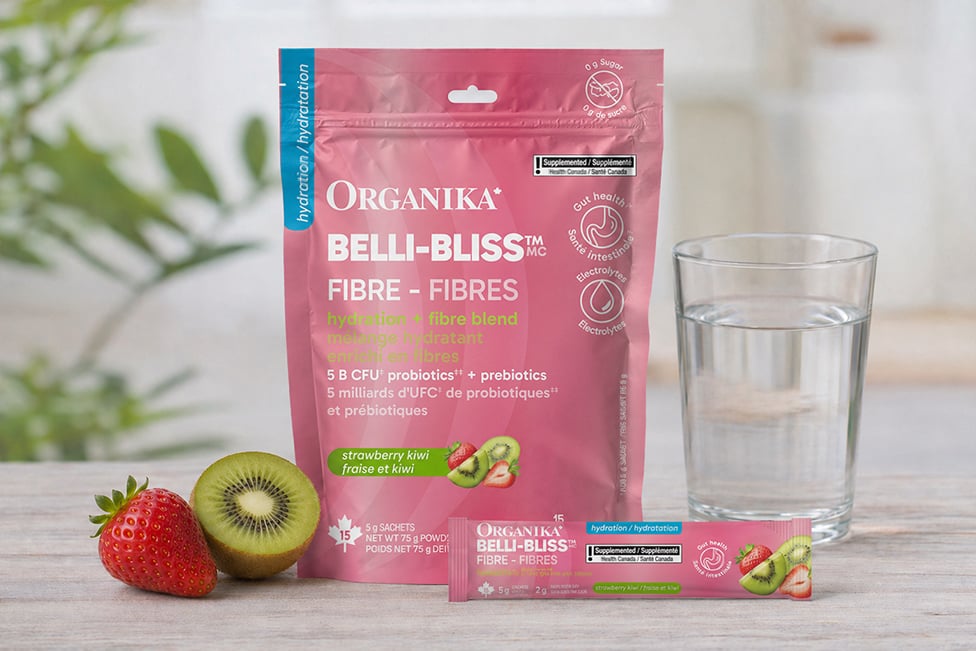
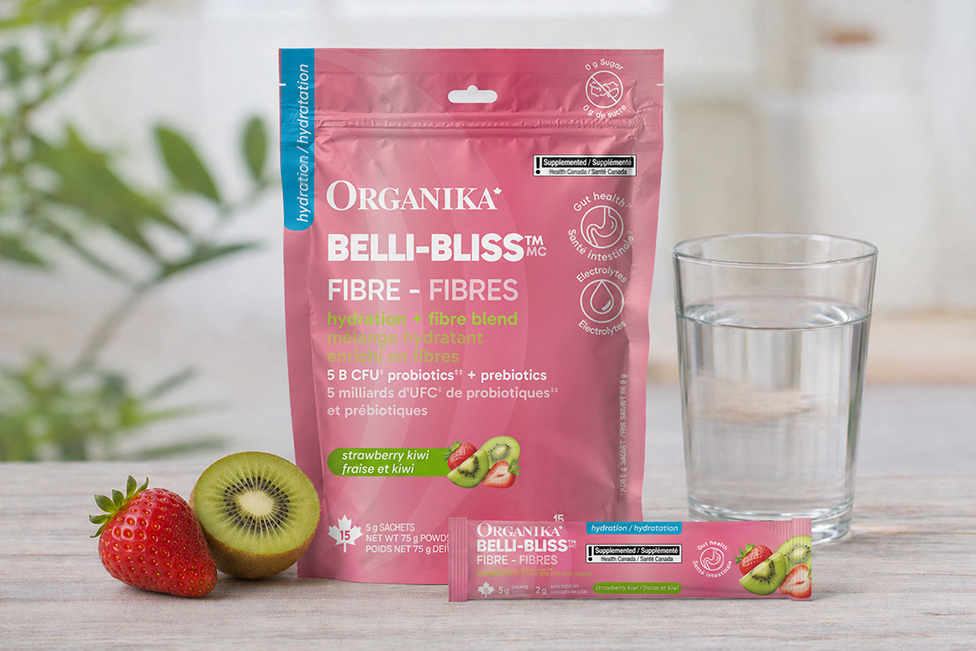
Why we Made Belli-Bliss™ Fibre Hydration
-
Nourishes beneficial gut bacteria with 5 billion CFU probiotics per serving
-
Supports hydration with 5 essential electrolytes
Crafted from a proven foundation, this formula builds on our Belli-Bliss™ Complete Fibre, delivering 2 g of fibre per serving from a blend designed to support digestive health across the gut. Enhanced with 5 billion CFU of probiotics per serving, it goes further by helping nourish beneficial gut bacteria, reinforcing a well-functioning digestive system rather than just adding bulk.
What makes it distinct is the added hydration. With five essential electrolytes, it moves beyond traditional fibre formats, offering a lighter more refreshing experience that integrates easily into your daily routine. The result is a fibre solution that supports digestion while also helping maintain hydration.
Ask Away
We’ve got the FAQs covered. But if you’re still stuck, we’re only a message away.
Get in TouchHow does the inulin fibre support digestive health?
Inulin is a type of soluble fibre that acts as a prebiotic, meaning it helps feed the beneficial bacteria in your gut. Supporting these bacteria can help promote a healthier, more balanced digestive system.
What makes this product a prebiotic and probiotic combination?
This formula primarily provides fibre, but when prebiotics are paired with probiotics (beneficial bacteria), they work together as a synbiotic. In simple terms, the fibre helps nourish the probiotics so they can thrive and do their job in your gut.
How many probiotic strains are included in each sachet?
Each sachet contains 15 probiotic strains to help support gut health and microbial diversity.
When is the best time of day to take this sachet?
There’s no strict timing, you can take it any time of day. Many people find it easiest to take with a meal as part of their daily routine.
Can I take more than one sachet per day?
It is recommended to take one sachet per day, since the fiber amount is already at a high dose per serving. Taking more may have potential issues such as bloating. Do not drink more than 2 servings per day.
Do I need to take this with food?
It is up to one’s preference.
Can this be mixed with less than 500 mL of water?
The ideal amount is 500 ml water, however if you use less, you may find the product to be sweeter than expected
Is this product safe to take every day long term?
Yes, this product is designed for daily, long-term use and provides a significant portion of your daily fibre needs.
What does apple cider vinegar powder add to the formula?
Apple cider vinegar (ACV) powder adds a functional boost and may help support digestion, while also complementing the overall formula.
Can I take this alongside other probiotic or fibre supplements?
You can, but it’s important to be mindful of your total fibre intake. Since this product already provides 7% daily value per serving, adding more may lead to digestive discomfort.
You'll Likely Also Love...
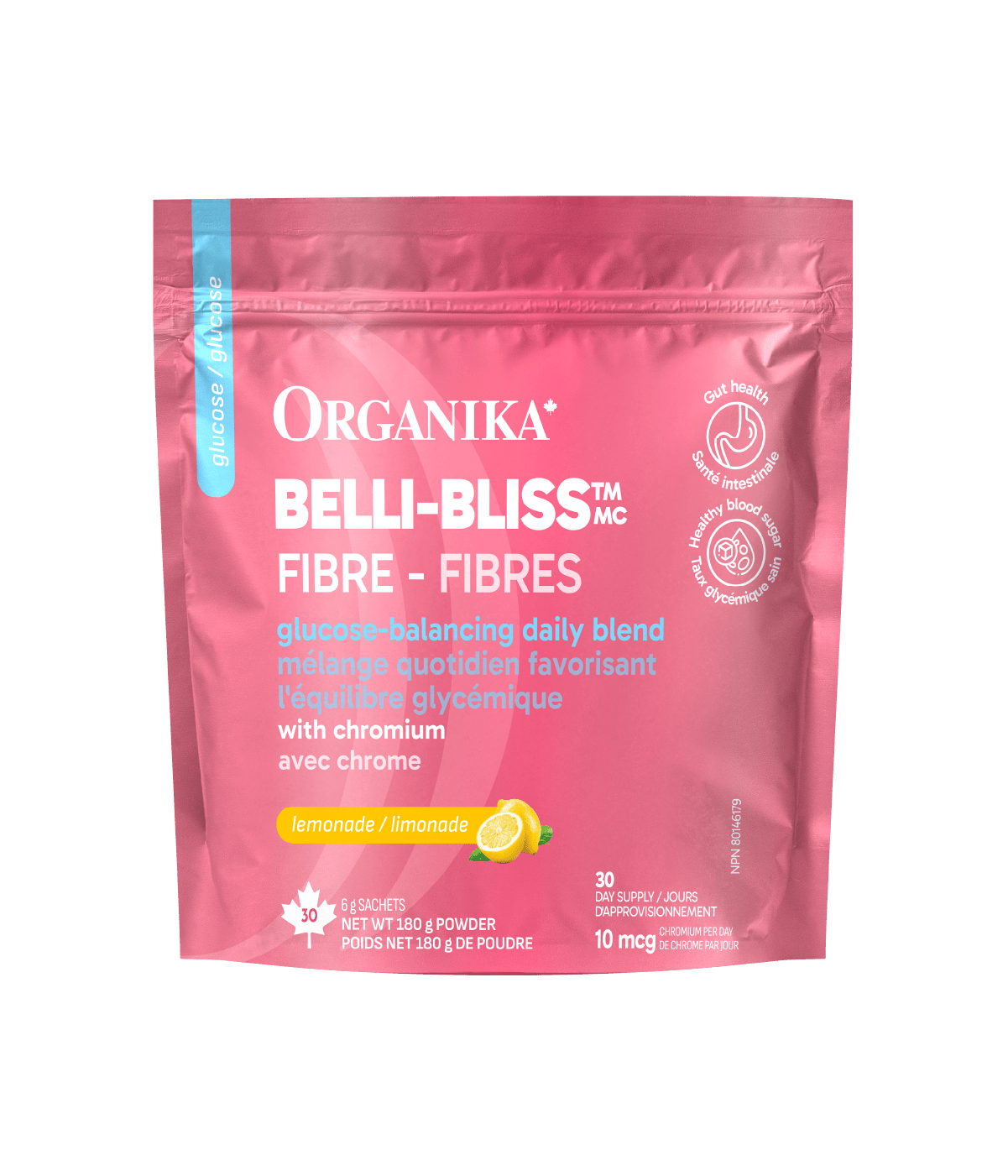
Belli-Bliss™ Glucose Fibre
Targeted support for gut and glucose health
Support Beyond Products

Fibre, sometimes affectionately referred to as roughage, sounds like it is not the most exciting topic in nutrition, but if only you knew how much it can benefit you! What is fibre? Fibre is molecularly a carbohydrate that your body does not fully break down in the digestive tract. It can be grouped into 2 categories: Soluble and insoluble. Examples of foods that contain soluble fibre are things like fruit, oats, barley, and legumes. Examples of foods that contain insoluble fibre are vegetables, wheat, and most grains. What are the benefits of fibre? HEALTHY ELIMINATION Insoluble fibre and some soluble fibre has the capacity to hold water and help make stools bulkier and softer, helping with constipation. Dietary fibre in general can help speed up the transit time of intestinal contents in those with initially slow transit time, and can slow transit time in people with initially rapid initial transit time. Thus, it can also help with those with chronic diarrhea. Soluble fibre combines with liquid so it is like a gel, and this slows your stomach emptying and can help decrease over eating and help with weight loss or maintaining a healthy weight. SUPPORTS DETOXIFICATION Fibre helps binds toxins in your guts and then carries them out to eliminate them. As it supports regularity of your bowel movements, it is supporting one of your body’s detoxification processes. DECREASES UNHEALTHY CHOLESTEROL LEVELS Soluble fibres may lower cholesterol levels by increasing bile acid which help breakdown and excrete excess cholesterol. FEEDS GUT BACTERIA The benefits of supporting healthy gut bacteria are vast, from supporting digestion, immunity, and even mental health. Your healthy gut flora, both quantity, and varieties, thrive when you have a high fiber diet, which is rich in food that your probiotics feed on, called prebiotics. This form of fiber is what you can find in Organika’s Mylks series. DIABETES Both types of fibre delay glucose absorption from the small intestine, and so it is useful for preventing and treating diabetes. Both type 1 and type 2 diabetes can benefit from a diet high in fibre, even possibly reducing or discontinuing anti-diabetes medication as a result of improved blood sugar control. How much fibre do you need? It is preferable in most cases to obtain fibre from diet, so increasing whole foods (i.e. the whole rice grain, not ground up or as rice pasta for example) and lots of fruits and vegetables is a great start. When it comes to supplementing fibre with certain preparations it depends on what type you are using and the condition it is being used for. Some points to keep in mind It is important to consider that not all fibre intake will benefit everyone in every circumstance. It is important to listen to your body, and if you are finding that higher fibre is irritating, it could be due to a gut “imbalance” which will need to be addressed and corrected first before making fibre a priority. Everyone is different.
read more
When people ask, what is fibre, they’re usually thinking about digestion or constipation. But fibre does much more than help with regularity. It also plays a role in gut health, fullness, cholesterol, and blood sugar. What is fibre? Fibre is a type of carbohydrate found in plant foods, but unlike other carbohydrates, your body does not fully digest it. Instead of being broken down into sugar and absorbed, fibre moves through the digestive tract and supports different functions along the way. You’ll find dietary fibre in foods like fruits, vegetables, legumes, nuts, seeds, oats, barley and whole grains. In Canada, fibre is recognized as an important part of a healthy diet because it may support bowel regularity, help lower blood cholesterol and help you feel full longer (Health Canada, 2025). Why is fibre important? If you’ve ever wondered why fibre is important or what it does, the answer is that it works in several ways at once. One of it’s best-known jobs is supporting digestive health. It can add bulk to stool, help stool move through the intestines and support healthy bowel movements, which is why fibre is often discussed for regularity and constipation (MedlinePlus, 2024). But the benefits of it go beyond that. Certain fibres can help slow digestion, support steadier blood sugar responses after meals and help with satiety, which is why fibre also comes up in conversations about appetite control, weight loss, and healthy eating habits. To understand how fibre works, it helps to think about its effect in the following three: absorption, glycemia and cholesterol. Fiber alters how nutrients are absorbed. The viscous gel formed by soluble fiber slows gastric emptying and the enzymatic digestion of carbohydrates, thereby blunting post-meal glucose and insulin spikes (Daley and Shreenath, 2026). Additionally, gel-forming fibers bind bile acids in the small intestine; when these bile acids are excreted, the liver must use more cholesterol to make new bile, lowering blood LDL cholesterol (the “bile acid binding” effect). Insoluble fiber has a subtler effect on blood sugar by diluting intestinal contents and speeding transit, but it similarly contributes to overall glycemic control. Together, these actions mean that high-fiber diets improve glucose regulation and lipid profiles, reducing risks of diabetes and heart disease. Soluble and insoluble fibre: What's the difference? One of the most common questions people ask is the difference between both types of fibre. Both matter and offer important health benefits, but they behave differently in the body. They are classified according to water solubility. Soluble Fibre Soluble fibres (e.g. pectin, gums, inulin, β-glucans) dissolve in water and form a gel during digestion. This can help slow digestion and is one reason it's associated with cholesterol and blood sugar support and feeling fuller for longer. Soluble fibre is found in foods such as oats, barley, beans, lentils, peas, nuts, seeds, apples and some other fruits and vegetables. Psyllium, a common fibre derived from the seeds of Plantago ovata, is popular to treat constipation. Its powder form can be mixed into water or juice for convenience. Because it slows digestion, it can leave you feeling fuller for longer. However, hydration is key to preventing intestinal blockage. Insoluble fibre Insoluble fibers (e.g. cellulose, lignin, some hemicelluloses) remain intact, that means they do not dissolve in water. Instead, it helps add bulk and move material through the digestive tract. That is why insoluble fibre is commonly linked with regularity and fibre for constipation. Good sources include wheat bran, whole grains, vegetables, legumes, nuts, seeds, brown rice, quinoa and fruits with edible skins (The Nutrition Source, 2012). How much fibre per day? If you’re asking how much fibre per day you should aim for, Health Canada states that adult women need about 25 grams of fibre per day and adult men need about 38 grams per day (Canada, 2025). Most Canadians are only getting about half that much, which helps explain why the topic of how to get more fibre matters so much. If your goal is to improve your intake, one of the best places to start is with high fibre foods. Good food sources of fibre include: Fruits Raspberries (1 cup = 8g of fibre) Banana (1 = 3g of fibre) Pear (1 = 5.5g of fibre) Apple ( 1 = 3g of fibre) Vegetables Broccoli (1 cup chopped = 5g of fibre) Green peas (1 cup boiled = 9g of fibre) Brussel sprouts (1 cup = 4.5g of fibre) Potato (1 medium size = 4g of fibre) Grains Spaghetti whole-wheat (1 cup = 6g of fibre) Barley, pearles, cooked (1 cup = 6g of fibre) Quinoa (1 cup = 5g of fibre) Oatmeal (1 cup = 4g of fibre) Brown rice (1 cup = 3.5g of fibre) Legumes, nuts and seeds Lentils (1cup = 15.5g of fibre) Black beans (1 cup = 15g of fibre) Chia seeds (1 ounce = 10g of fibre) Almonds (1 ounce = 3g of fibre) The easiest way to add fibre to the diet is through simple daily habits: having oats for breakfast, adding beans or lentils to soups or salads, including fruit and vegetables more often as snacks and swapping in more whole-grain options where possible. So, what is fibre? It is a simple but important part of everyday wellness, supporting digestion, satiety, cholesterol, blood sugar, and the gut microbiome. Starting with high-fibre foods, building gradually, and staying hydrated can go a long way. And if you are looking for an easy way to complement those habits, Organika’s Belli-Bliss fibre line is worth keeping in mind as part of a balanced routine. References Canada, H. (2025). Fibre - Canada.ca. Canada.ca. https://www.canada.ca/en/health-canada/services/nutrients/fibre.html Daley, S. F., & Shreenath, A. P. (2025, December). The Role of Dietary Fiber in Health Promotion and Disease Prevention: A Practical Guide for Clinicians. Nih.gov; StatPearls Publishing. https://www.ncbi.nlm.nih.gov/books/NBK559033/#:~:text=nutrient%20absorption%2C%20and%20gastrointestinal%20health,bile%20acids%2C%20modestly%20lowering%20LDL Fiber: MedlinePlus Medical Encyclopedia. (2024). MedlinePlus. https://medlineplus.gov/ency/article/002470.htm Fu, J., Zheng, Y., Gao, Y., & Xu, W. (2022). Dietary Fiber Intake and Gut Microbiota in Human Health. Microorganisms, 10(12), 2507. https://doi.org/10.3390/microorganisms10122507 Health Canada. (2025). Fibre - Canada.ca. Canada.ca. https://www.canada.ca/en/health-canada/services/nutrients/fibre.html Soluble vs. insoluble fiber: MedlinePlus Medical Encyclopedia. (2024). Medlineplus.gov. https://medlineplus.gov/ency/article/002136.htm The Nutrition Source. (2012, September 18). Fiber - The Nutrition Source - Harvard Chan School. https://nutritionsource.hsph.harvard.edu/carbohydrates/fiber/
read more
Staying hydrated is about more than just drinking water—especially if you lead an active lifestyle, work in a hot environment, or find yourself feeling sluggish throughout the day. Electrolyte powders offer a smarter, more complete way to replenish what your body loses through sweat, stress, and daily function. But why are electrolytes so important? When should you take them? And how do you use them effectively? Let’s dive in. What Are Electrolytes? Electrolytes are essential minerals—like sodium, potassium, magnesium, calcium, and chloride—that help regulate: Fluid balance Muscle contractions Nerve signals Blood pressure pH levels in the body Without enough of them, your body can’t perform at its best. And during physical activity, hot weather, illness, or even just a busy lifestyle, you lose electrolytes through sweat and urine. Why Electrolytes Matter for Hydration Water alone isn’t always enough. In fact, drinking too much plain water without replenishing electrolytes can dilute the minerals in your system—a condition known as hyponatremia. Electrolyte powders help maintain your body’s hydration and mineral balance, ensuring that the water you drink is absorbed and used effectively. They can help you: Improve energy and endurance Prevent muscle cramps and fatigue Support mental clarity Recover faster post-exercise Stay alert and well-hydrated all day A study published in the Central African Journal of Medicine found that supplementation with oral electrolyte solutions significantly improved hydration levels in individuals suffering from dehydration, particularly in high-stress or heat-prone environments (Manangazira et al., 2001). When to Take Electrolytes Timing is key! Here are the best times to take electrolyte powder: Before a workout – to prime your body for performance During intense activity or heat – to maintain hydration and stamina After exercise – to speed up recovery and replace lost minerals When you’re feeling tired or foggy – for a mental and physical refresh During travel or sickness – to support fluid balance and immunity You can also include electrolytes in your daily routine if you don’t drink enough water or are prone to fatigue, headaches, or dry skin. Organika’s electrolytes are great for everyday! How to Take Electrolytes Taking electrolyte powder is simple and effective: Mix 1 scoop with 500–750 mL of water (about 2–3 cups), based on your taste preferences. Use cold water for a more refreshing experience - especially post-workout or on a hot day. Shake or stir well until fully dissolved. Shaker bottles make it easy on the go. Drink steadily throughout the day or around times of physical stress or heat. Customize it! Add to smoothies, wellness shots, or even homemade popsicles for a functional twist. Pro Tip: For general wellness, 1 serving per day is often enough. During high-exertion periods, you can safely increase to 2 servings—always listen to your body. Hydration That Tastes as Good as It Works Organika’s Electrolyte line includes natural, sugar-free powders in delicious flavours like Fruit Punch, Lemon-Lime, and Unflavoured for easy everyday use. You get the ideal balance of sodium, potassium, calcium, and magnesium—plus clean ingredients and zero fillers. Available in both Extra Strength Electrolytes and All Day Protein Hydrator options with added protein and collagen for performance and recovery. Whether you're heading into a workout or just want to feel more energized during the day, electrolytes are a smart, science-backed way to support your hydration goals. Stay Fueled, Stay Hydrated Your body needs more than water. It needs minerals that work with water to keep your system functioning at its best. Make electrolytes a part of your wellness routine—your energy, focus, and performance will thank you. Explore Organika’s full Stay Hydrated Collection to find the right hydration support for your goals. References Manangazira, P., Tshimanga, M., Gombe, N., & Takundwa, L. (2001). Use of oral rehydration salts and oral electrolyte solutions in the treatment of dehydration. Central African Journal of Medicine, 47(9), 234–238. https://doi.org/10.4314/cajm.v47i9.8620
read more