









-
Is this right for you?

-
-
-

-

-

-

-

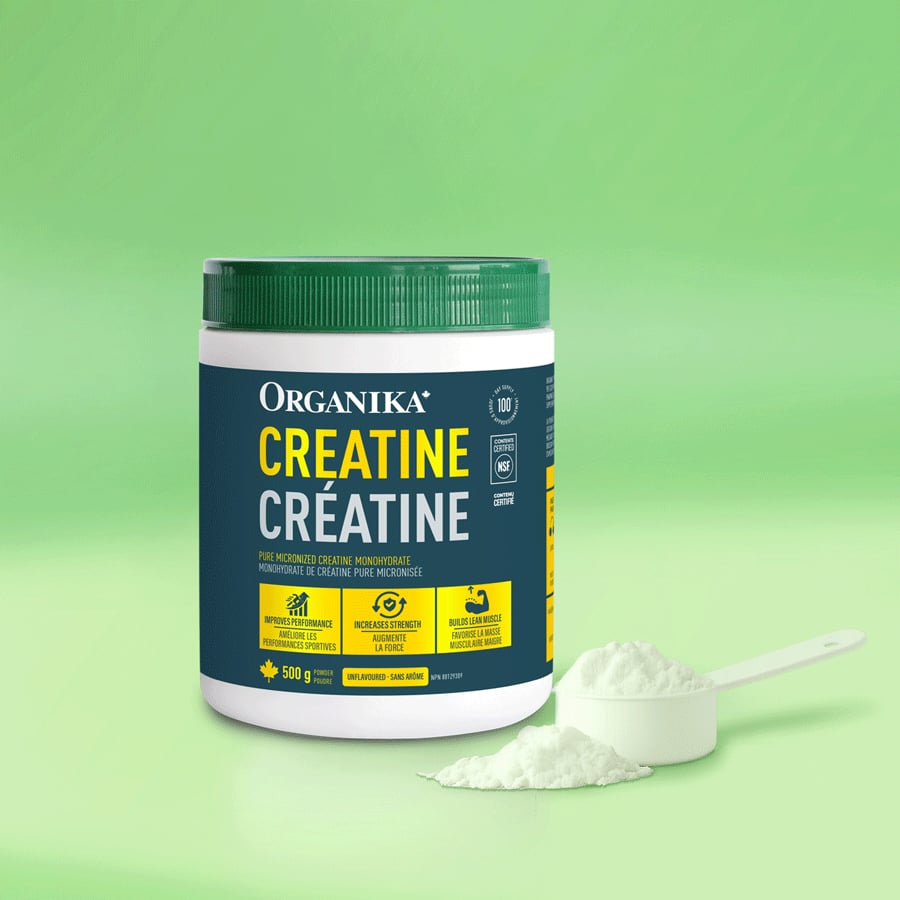
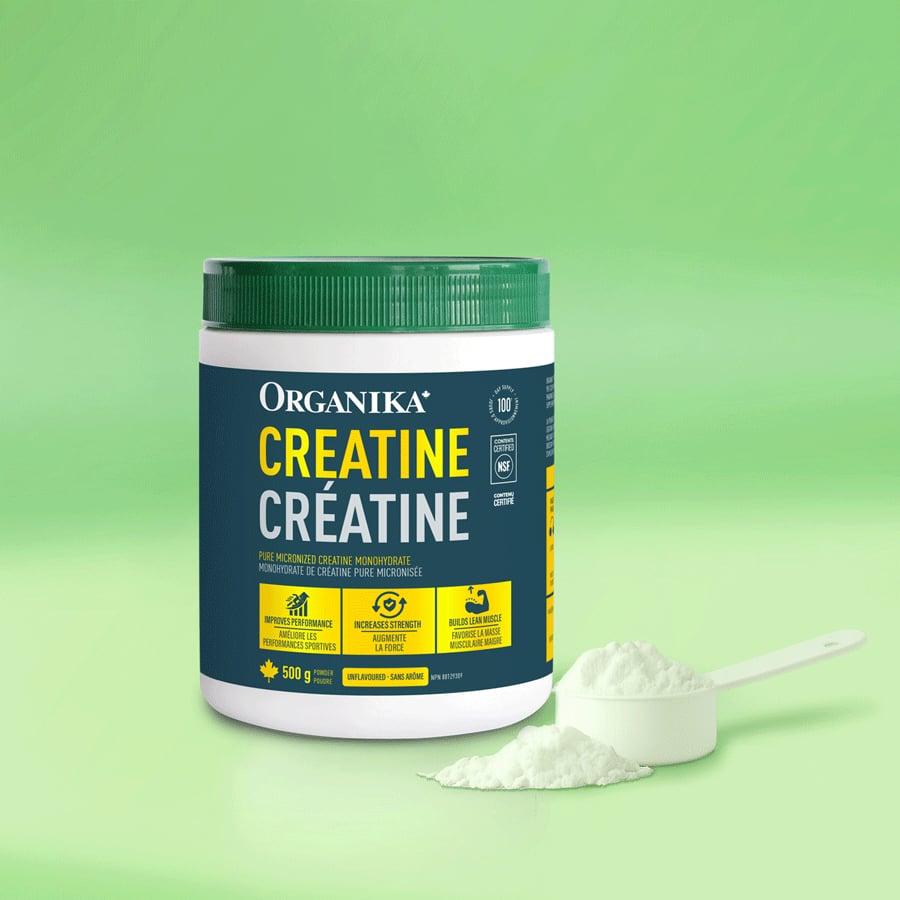
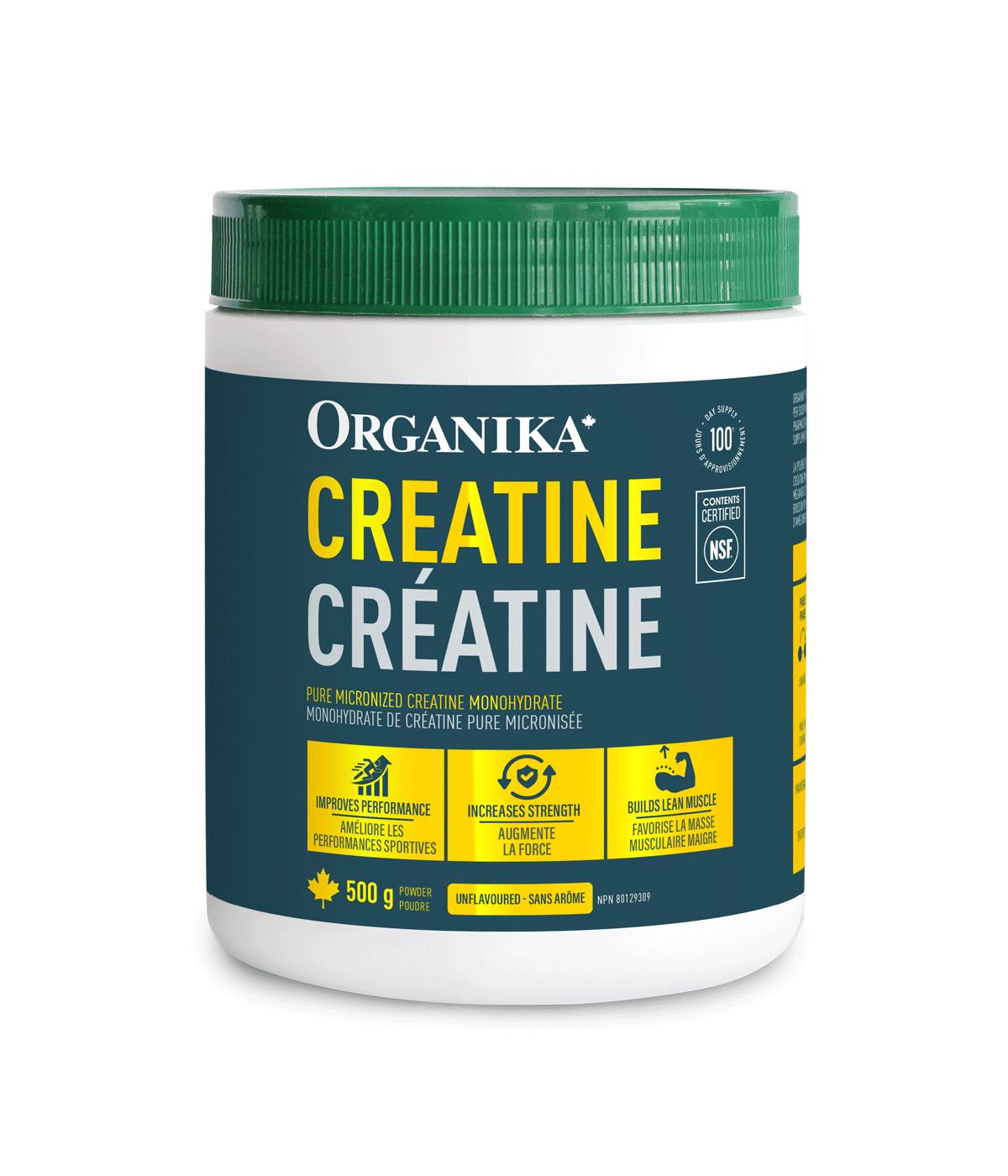
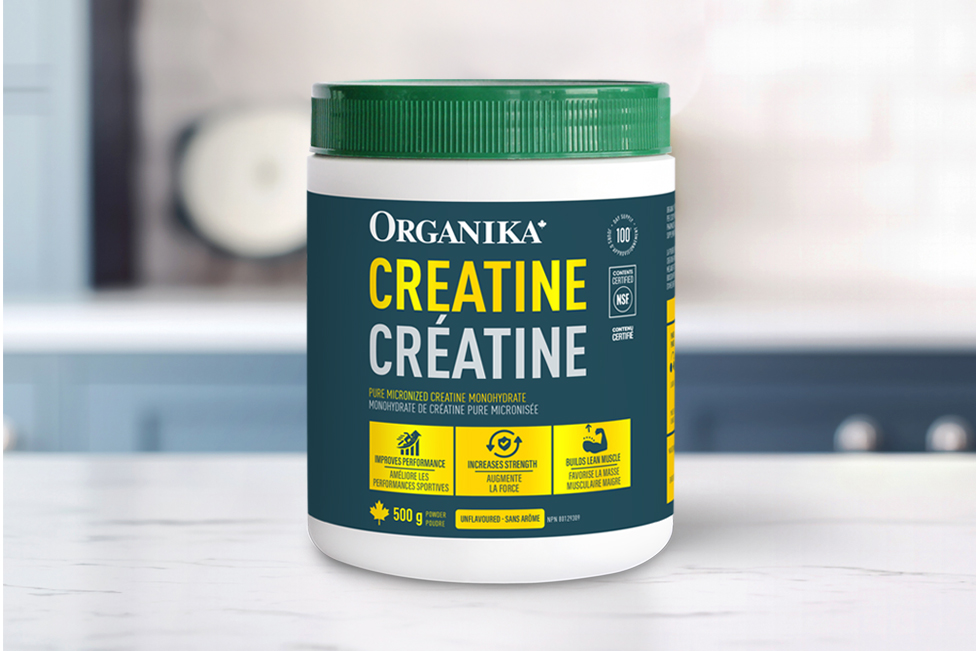
Creatine Powder
Pure creatine to train hard, recover fast and repeat
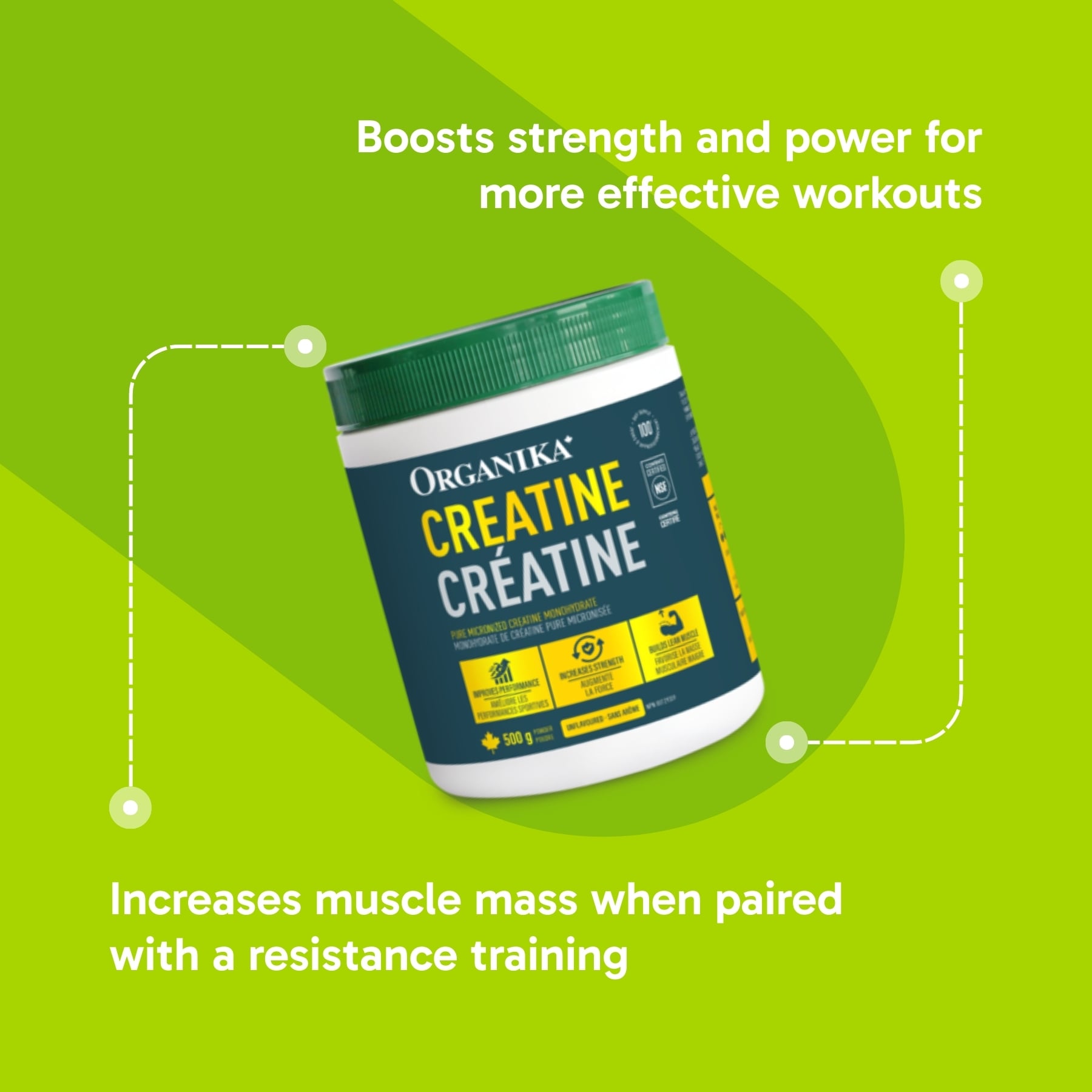
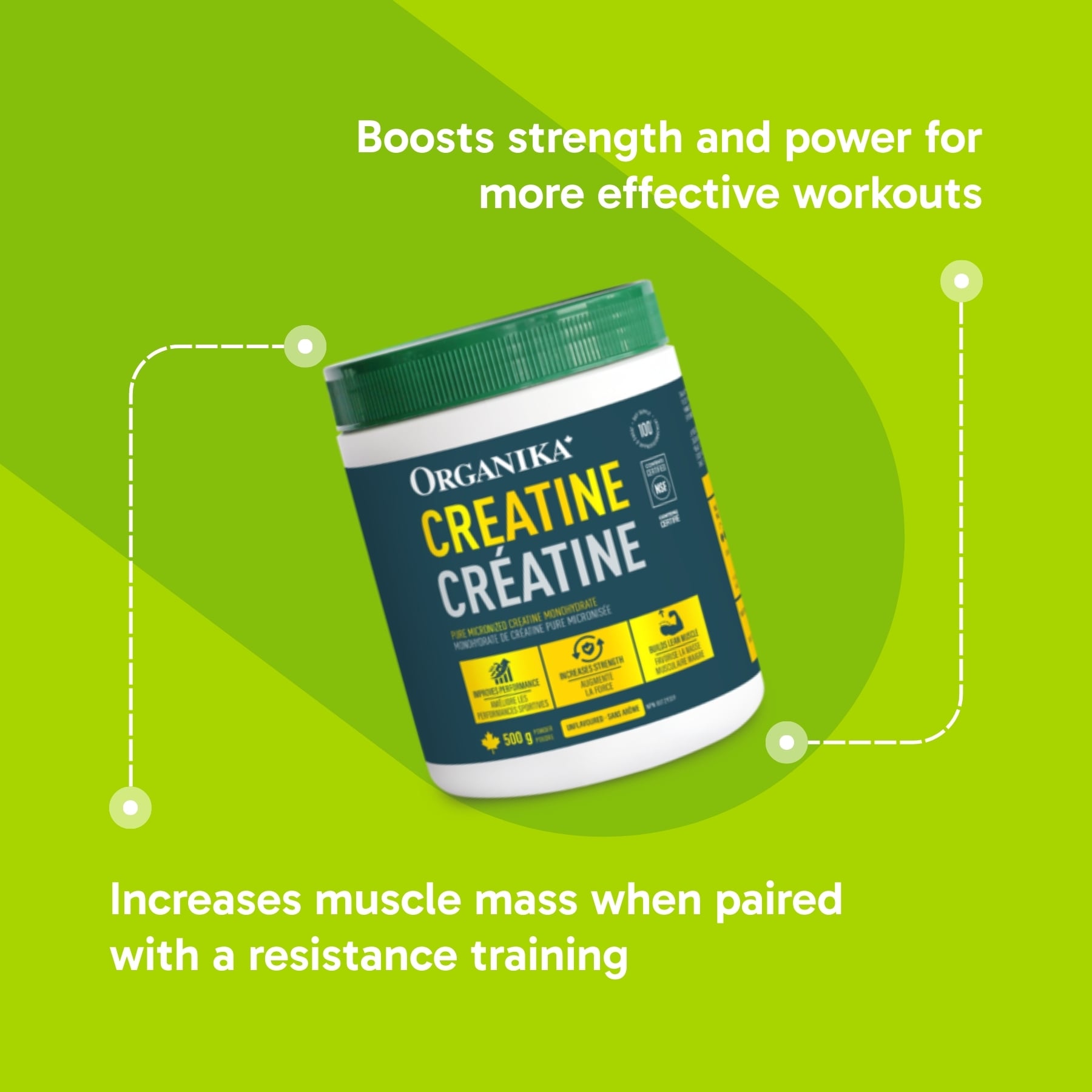
- Boosts strength and power for more effective workouts
- Increases muscle mass when paired with a resistance training regimen
- Improved athletic performance
- Helps reduce muscle cell damage and inflammation
Couldn't load pickup availability


Buy in Bundle & Save

Probiotic + Prebiotic Powder + Vitamins D3 + K2 + Creatine Powder + Magnesium Bisglycinate + Extra Strength Omega-3

Advance B-Complex + Creatine Powder + Magnesium Bisglycinate + Ashwagandha + Electrolyes Variety Pack


Notify Me When Available
Enter your email and we'll let you know as soon as this product is back
Supplement Facts


Ingredients & Nutrition




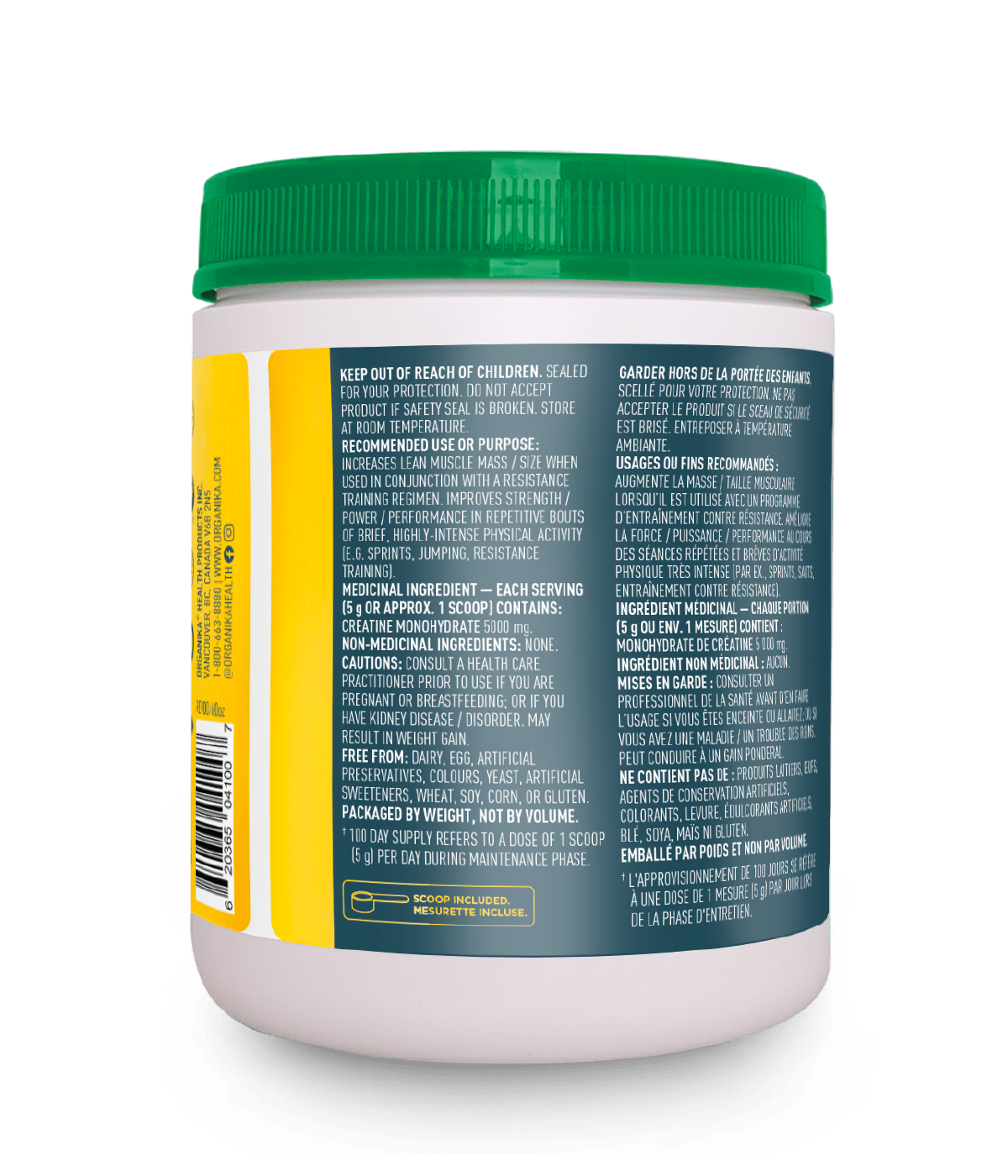
MEDICINAL INGREDIENTS: Creatine Monohydrate 5000 mg
NON-MEDICINAL INGREDIENTS:
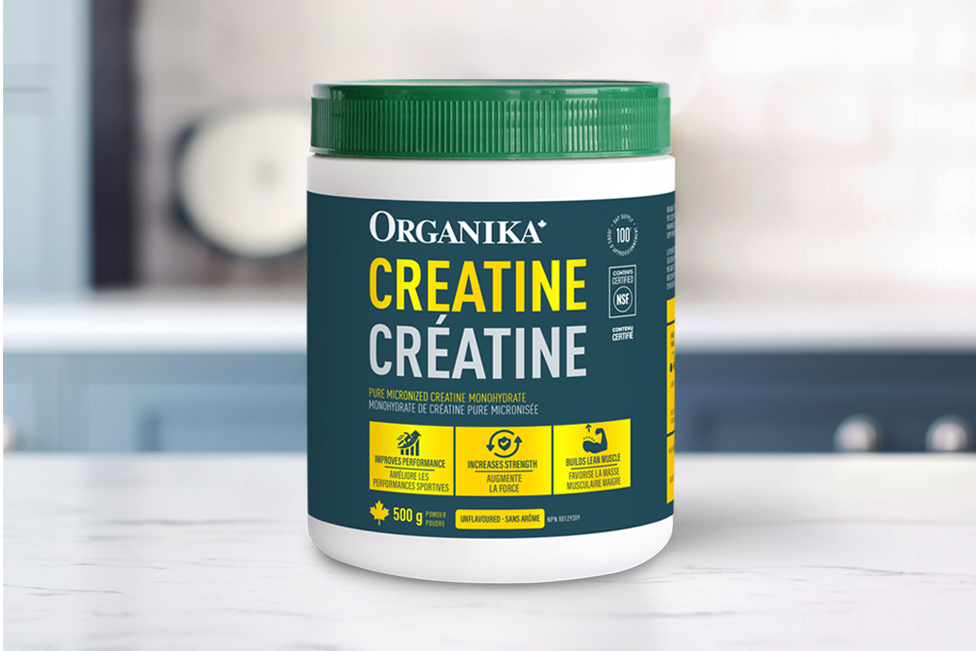
Unflavoured: none
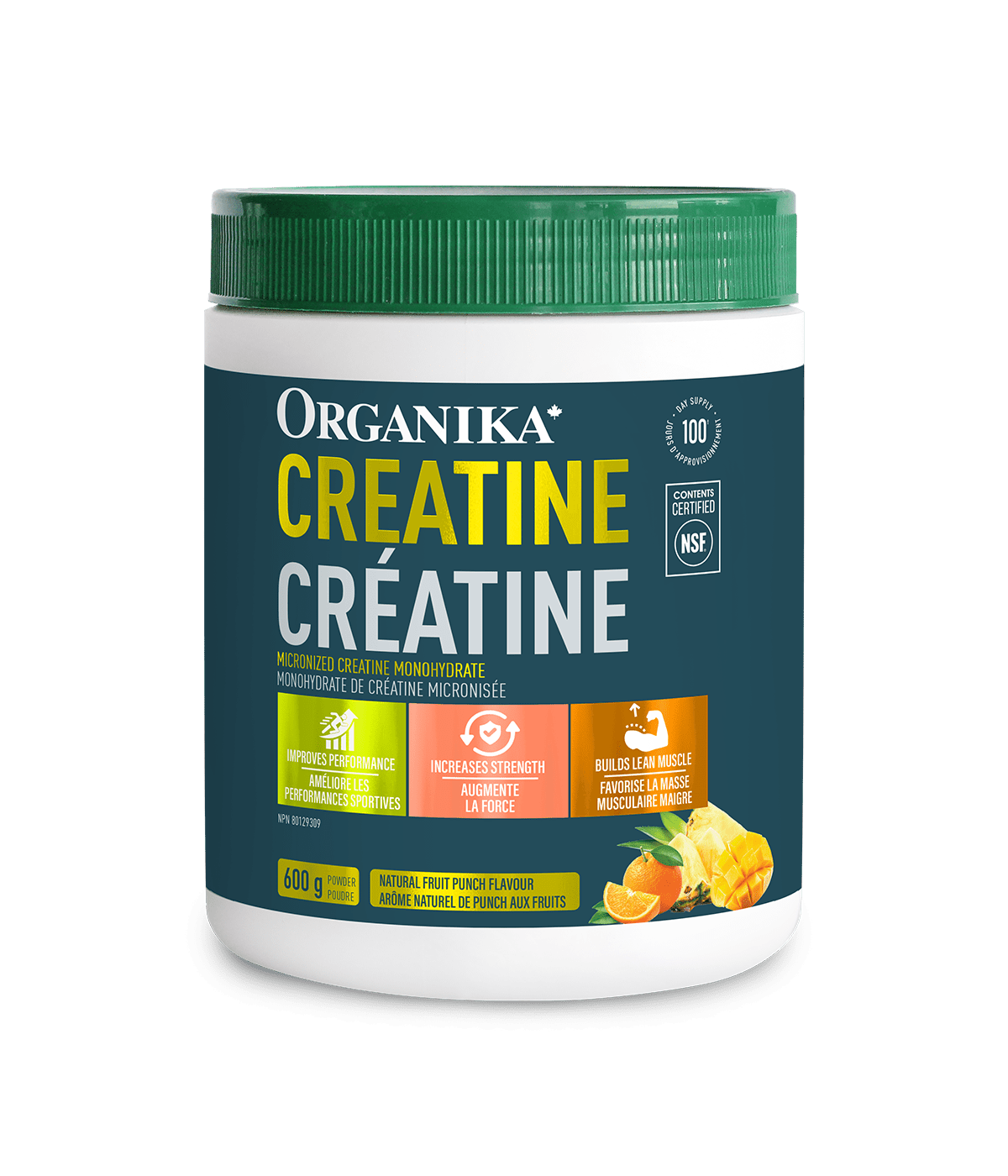
Fruit Punch: Stevia leaf extract, Citric acid, Natural fruit punch flavour, Sodium chloride
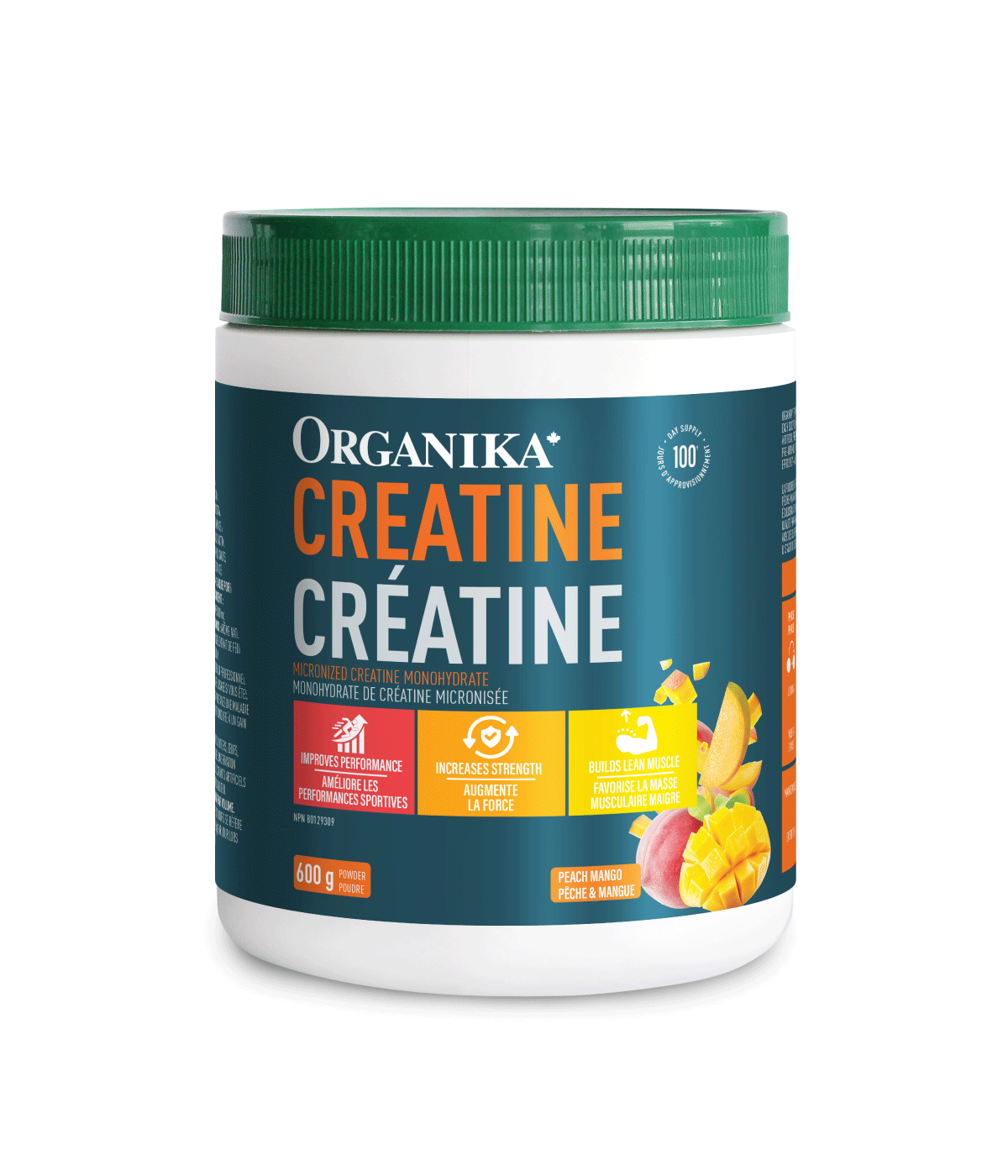
Peach Mango: Natural Peach Mango Flavour, Citric Acid, Stevia Leaf Extract, Sodium Chloride
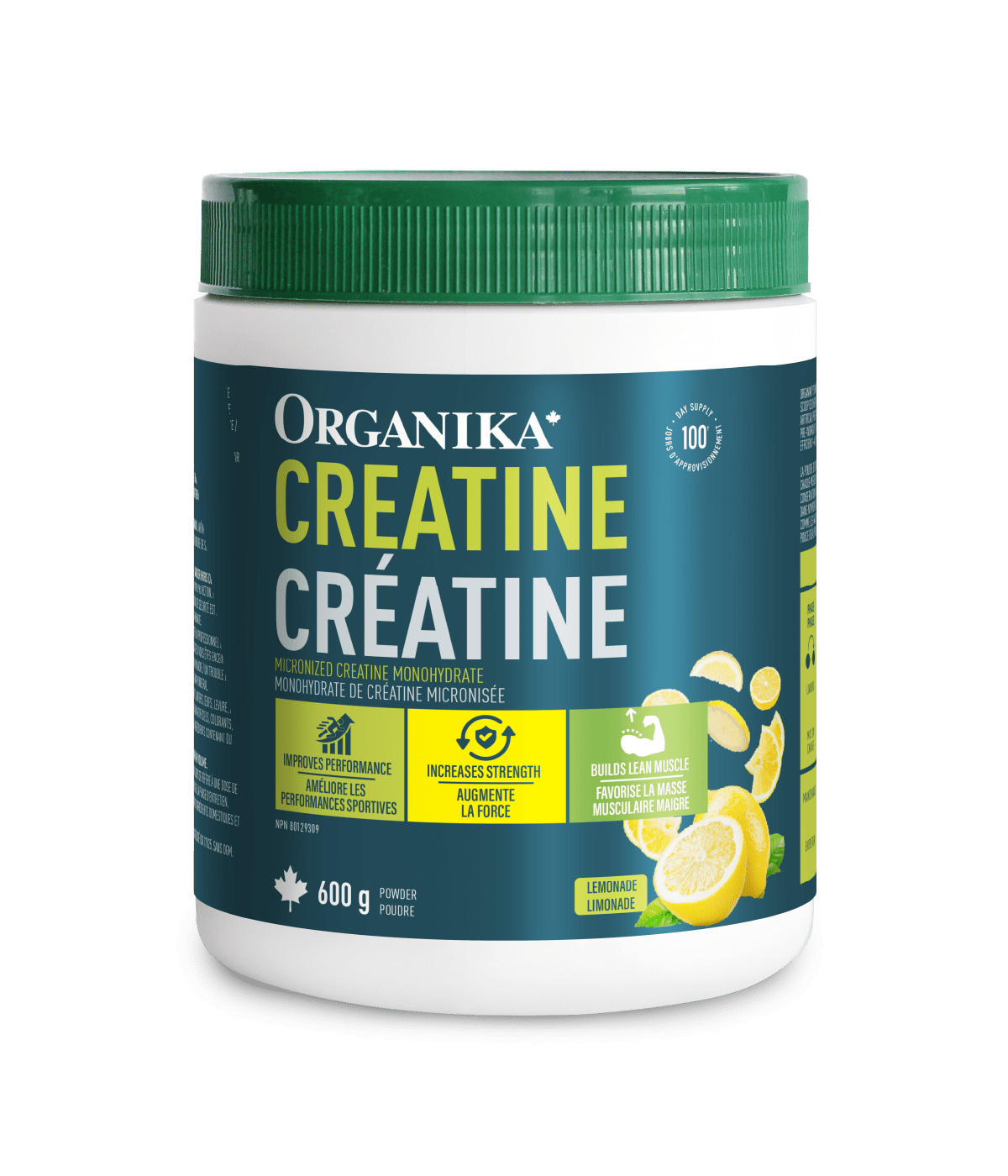
Lemonade: Stevia leaf extract, Citric acid, Natural lemonade flavour, Sodium chloride
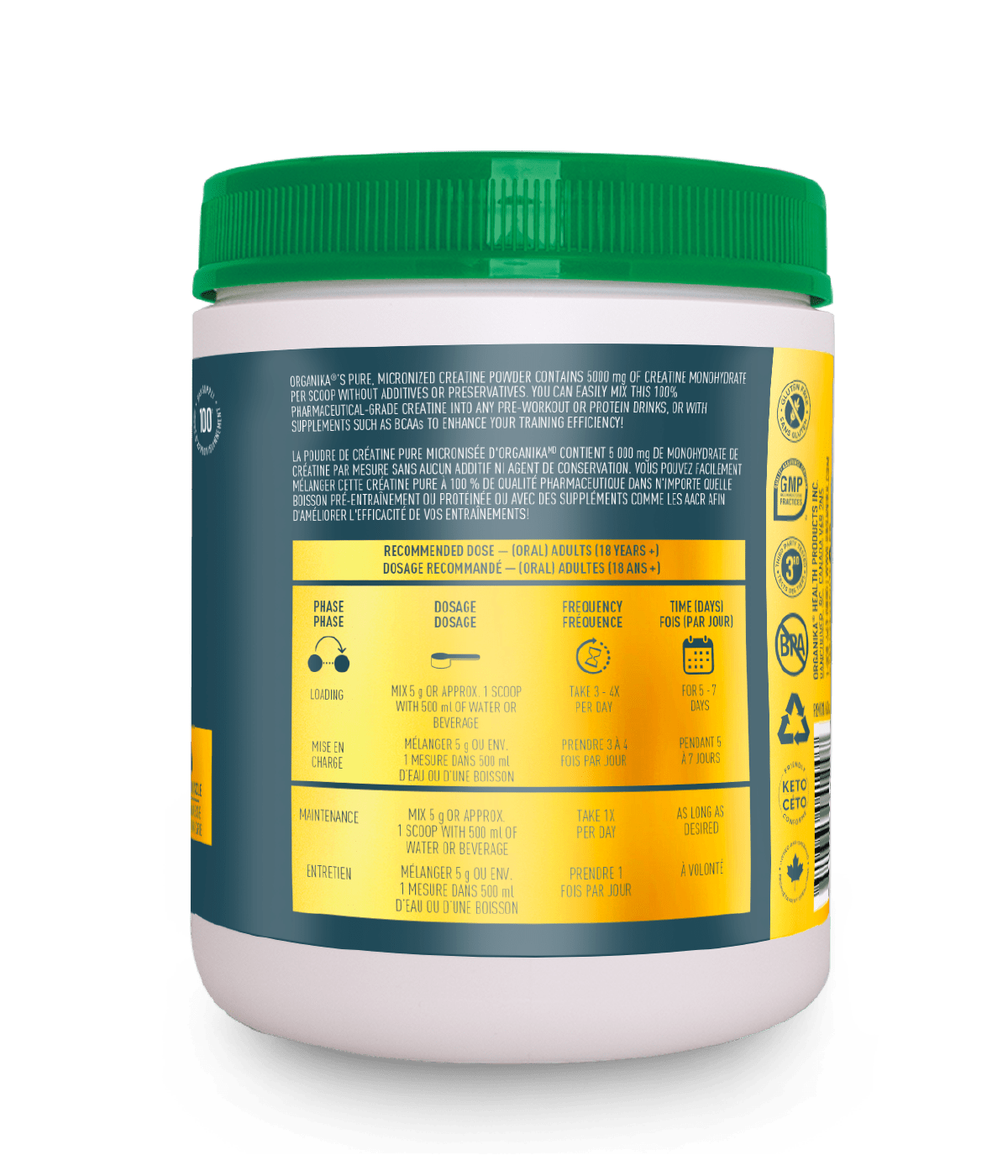
How to Use:
Loading Phase: Take 1 serving (5 g or approx. 1 scoop for Unflavoured; 6 g for flavoured variants) 3 - 4 times per day for 5 - 7 days. Add to 500 ml of water or beverage and stir well. Follow with a maintenance phase.
Maintenance Phase: Take 1 serving (5 g or approx. 1 scoop for Unflavoured; 6 g for flavoured variants) per day. Add to 500 ml of water or beverage and stir well.
Cautions: Ask a health care practitioner before use if you have a kidney disorder or if you are pregnant or breastfeeding. When using this product you may gain weight.
Is This Right for You?
Do you train hard regularly?
Are you looking for clean, tested performance support with zero fillers?
Do you want to increase muscle mass and strength?
Is faster recovery between sessions a priority for you?
If you answered ''yes'' to any of the above, this product is right for you.

-
Improved athletic performance
-
Helps reduce muscle cell damage and inflammation
Ingredients & Nutrition
Gluten-Free
Keto Friendly
No Preservatives
Vegan Friendly
No Artificial Sweeteners
No Artificial Colours or Flavours
For anyone looking to train harder, recover faster and build real muscle, this pure creatine monohydrate powder delivers proven support
The Full Scoop
-
Improved athletic performance
-
Helps reduce muscle cell damage and inflammation
Pure support to boost strength, endurance and recovery
Creatine Monohydrate Powder is a simple, well-researched supplement that supports muscle strength, power output and recovery. Each daily serving of our Creatine Powder gives you 5,000 mg of pharmaceutical-grade creatine monohydrate, a dose commonly used in clinical studies on performance and lean muscle support.
This product is for you if you lift weights and want to get more out of your sets. It's also for you if you do short, intense training like sprinting, hockey, soccer or HIIT and you want better repeat effort. And if you're getting back into training after time off, creatine helps you build consistency by supporting training quality and recovery.
Here's the science in plain language: Your muscles store creatine as phosphocreatine. During hard, fast efforts, phosphocreatine helps recycle ATP, your body's quick-access energy source. More stored creatine means you can produce energy faster during short bursts, which often looks like one or two extra reps, slightly heavier loads or better output across repeated sprints. Over time, that added training volume supports strength gains and helps build lean muscle.
Creatine also draws water into muscle cells, which can increase muscle cell hydration. Our Creatine Monohydrate powder mixes easily into water, juice or protein shakes. It's third-party tested so you know what you're taking is pure and accurate.
Our Creatine Powder recently earned independent certification from NSF, a global public health organization and as a result has been tested and certified to meet rigorous standards for quality, safety and label claims.
Ask Away
We’ve got the FAQs covered. But if you’re still stuck, we’re only a message away.
Get in TouchAre there any non-medicinal ingredients in this product?
None.
Are there any potential side effects?
When using this product you may gain weight.
How should I take this creatine supplement?
Take it like any other supplement, the daily serving once per day.
Why can't I take this supplement if I have kidney disease?
Kidneys will have a hard time filtering out creatine which is a waste product found in the blood.
Will this supplement cause weight gain?
Creatine doesn’t cause fat gain. It may cause a small, temporary increase in water within your muscles, which can make them look and feel fuller — not bloated or puffy. This is a normal sign that your muscles are properly hydrated and ready for better performance.
Can I take this supplement with other products?
Yes, but consult with your nutritionist or health care provider.
How does creatine monohydrate improve performance?
Replenishes ATP stores, allowing you to sustain high intensity efforts for longer periods.
Is this supplement safe for long-term use?
Yes.
What does ''Pure Micronized'' mean?
Pure micronized creatine is finely milled, high-quality creatine with no extra ingredients, designed for better mixing and absorption.
Can I mix Creatine in hot water?
Yes, creatine can be mixed into hot liquids. It’s heat stable and may dissolve more easily in warm water.
What does NSF Certified mean?
NSF Certified means the product has been independently verified by a trusted third party to meet strict standards for quality, safety, and label accuracy. This includes confirming that what’s on the label is what’s in the product, that it’s made under Good Manufacturing Practices (GMPs), and that it’s regularly tested to ensure ongoing compliance.
Why did you choose NSF certification for these products?
We chose NSF certification to provide an extra level of trust and transparency for products where quality assurance is especially important. NSF is widely recognized by regulators, healthcare professionals, and retailers as a gold standard for independent verification.
You'll Likely Also Love...
Support Beyond Products

Why Creatine Is Good for You: Unlocking Its Benefits Creatine is widely known for its ability to enhance athletic performance, but it offers much more than just a boost in the gym. This naturally occurring compound, found in foods like meat and fish, is crucial for energy production, muscle health, and even cognitive function. Whether you're an athlete or simply looking to improve your overall well-being, here’s why creatine is worth considering. 1. Enhanced Muscle Strength and Power Creatine's most well-known benefit is its ability to increase muscle strength, endurance, and power. It does this by boosting the phosphocreatine stores in muscles, which help regenerate ATP, the body's primary energy source. This increase in available energy translates to improved performance during high-intensity activities like weightlifting, sprinting, and HIIT workouts. Over time, this leads to greater muscle mass, strength, and overall physical performance. Research also suggests creatine can reduce muscle soreness and inflammation, promoting faster recovery between workouts. Organika’s creatine monohydrate has 5 g per serving, which has been shown to significantly increase muscle mass when paired with a resistance training regimen. 2. Cognitive Benefits and Neuroprotection Recent studies have expanded creatine’s reputation beyond physical performance, showing that it can positively impact brain health. Creatine enhances energy metabolism in the brain, which may improve cognitive performance, particularly under stress or during tasks that require short-term memory and quick thinking. Creatine has also shown potential in treating neurodegenerative diseases like Parkinson’s and Alzheimer’s, as well as mental health conditions such as depression. Its neuroprotective effects and ability to improve cognitive function make creatine beneficial for aging populations and those at risk for cognitive decline. Getting out and moving as we age is great to pair with Organika’s Creatine. 3. Recovery, Cellular Health, and Disease Prevention Creatine supports faster recovery not only by reducing muscle damage, but also by aiding in cellular health during metabolic stress. According to research, creatine may help alleviate injury and even disease severity, with potential applications in treating osteoarthritis, diabetes, and various neurodegenerative disorders (Kreider & Stout, 2021). Its antioxidant properties and ability to reduce oxidative stress are key to its neuroprotective and health-boosting benefits. In older adults, creatine supplementation has been linked to preserving muscle mass and improving metabolic function, which helps combat age-related health issues like sarcopenia. 4. Safe and Effective for Long-Term Use Perhaps one of creatine's most appealing aspects is its safety profile. Studies have shown that both short-term and long-term creatine supplementation, even up to 30 g/day for five years, is safe and well-tolerated across various age groups and health conditions (Kreider et al., 2017). This makes creatine an excellent option for individuals looking to maintain physical and cognitive health over the long term. Moreover, it offers therapeutic benefits for conditions related to aging, making it a versatile supplement for promoting overall health and longevity. In conclusion, creatine offers far-reaching benefits that go beyond muscle building and exercise performance. From supporting cognitive function to aiding in recovery and preventing age-related diseases, creatine is a powerful supplement that promotes overall health and well-being. Organika’s Creatine is made from high-quality, pure creatine monohydrate without fillers or additives so whether you’re an athlete or simply want to stay active and sharp as you age, creatine could be the supplement that helps you achieve your goals. References: https://www.semanticscholar.org/paper/Creatine-Supplements%3A-What-the-Research-Says-about-Dahal-Dahal/709faf8499666e4f58aaf520ff795d84363f69a4
read more
Creatine has rapidly become a staple in health and wellness routines, transitioning from a niche gym supplement to a mainstream must-have. Here’s why creatine is gaining widespread popularity: 1. Backed by Science Decades of research confirm creatine’s effectiveness in enhancing muscle strength, power, and recovery. Emerging studies also highlight its potential cognitive benefits, such as improved brain health and protection against neurological decline. Recent research also shows that creatine supplementation enhances post-exercise recovery, prevents injuries, and provides neuroprotection (Kreider et al., 2017). It plays a critical role in cellular metabolism during stressed states and may help manage chronic diseases (Kreider & Stout, 2021). 2. Benefits Beyond Fitness Creatine is no longer just for athletes. It supports energy production, helps combat fatigue, and preserves muscle mass, making it valuable for aging populations and everyday wellness enthusiasts. Studies have shown its promise in preventing or delaying age-related neurodegenerative diseases like Parkinson's, Huntington's, and Alzheimer's (Smith et al., 2014). Additionally, creatine may improve cancer immunotherapy outcomes by supporting antitumor T cell immunity (Di Biase et al., 2019). 3. Holistic Wellness Appeal As people focus on overall well-being, creatine’s versatility—supporting physical and mental health—has made it a sought-after addition to health routines. Its antioxidant properties and ability to reduce mental fatigue further solidify its appeal (Smith et al., 2014). 4. Widespread Accessibility Available in various forms, including vegan-friendly options, creatine is now more accessible and appealing to a broader audience. Try our Creatine that gives you 5 grams per serving and 100 gram supply. 5. Social Media Influence Social platforms have demystified creatine, with influencers and experts sharing its benefits, building trust among a diverse audience. 6. Affordable and Safe Creatine offers proven benefits at a low cost, with decades of research confirming its safety for long-term use in healthy individuals. Studies collectively suggest it is well-tolerated and beneficial for various health conditions throughout the lifespan. Is Creatine Right for You? Whether you’re boosting athletic performance or enhancing energy and cognition, creatine could be a valuable addition to your routine. Consult a healthcare provider to ensure it aligns with your health goals. With its extensive benefits and growing popularity, creatine’s rise is more than a trend—it’s here to stay. References https://www.semanticscholar.org/paper/International-Society-of-Sports-Nutrition-position-Kreider-Kalman/06e5bc2c0dc4412d8eec64ce934a8eef2b5800f2 https://www.semanticscholar.org/paper/Creatine-in-Health-and-Disease-Kreider-Stout/8533d87570b0270506b648d326c4b0ffec2c0787 https://www.semanticscholar.org/paper/Creatine-uptake-regulates-CD8-T-cell-antitumor-Biase-Ma/0e88390fbe355aefcc32476eae37286e65a17d18 https://www.semanticscholar.org/paper/A-review-of-creatine-supplementation-in-age-related-Smith-Agharkar/eb3f0c2f972f3463a4c24af00ecbc9c9f140f55d
read more
Will Creatine Make You Gain Weight? Here's What You Need to Know. Yes, creatine can cause weight gain, but it's not the kind of gain you might fear—it’s mainly water and muscle, not fat. When you first start taking creatine, your muscles retain more water, leading to a quick increase of 1 to 3 pounds. This water retention helps hydrate your muscles, making them look fuller and improving exercise performance. In the long term, creatine helps build muscle mass when combined with resistance training. By providing more energy to your muscles, it allows you to lift heavier and perform more reps, which leads to increased muscle growth over time. Organika’s Creatine is a 100 day serving at 5 grams per day, a great way to try creatine for over three months and gain some muscle mass. This type of weight gain is lean muscle, which is a plus for most people looking to improve strength and fitness. Unlike some misconceptions, Organika’s Creatine does not cause fat gain. It's calorie-free, and any weight gain comes from muscle or water, both of which support better physical performance. Studies confirm that creatine supplementation boosts muscle growth and enhances training, making it a safe and effective way to increase muscle mass and strength. In short, creatine may lead to slight weight gain, but it's from water retention and muscle, not fat—making it a great tool for those looking to improve their fitness. References https://www.semanticscholar.org/paper/American-College-of-Sports-Medicine-roundtable.-The-Terjung-Clarkson/2e9779d281010106afc32ec7e4429302eead30ca
read more