








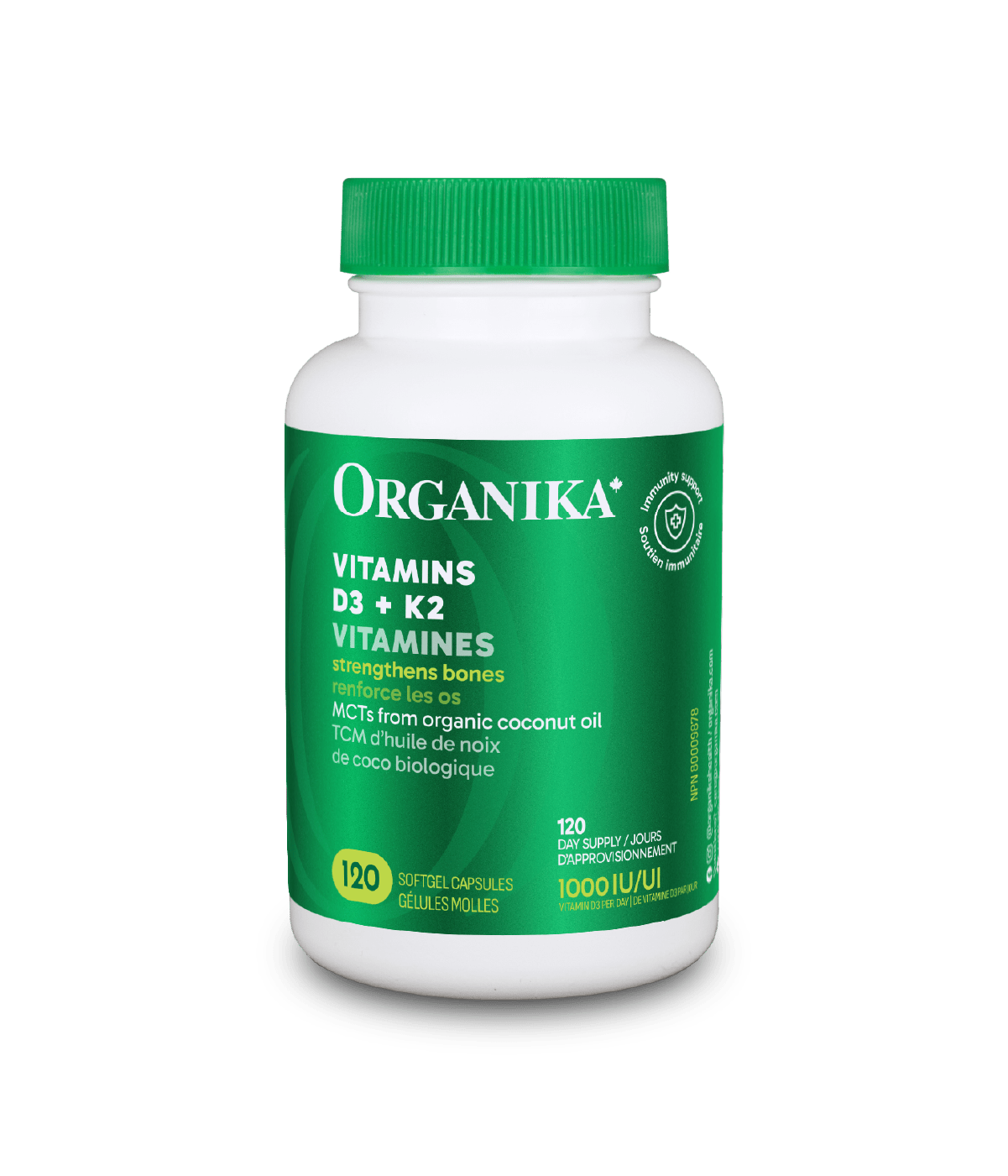
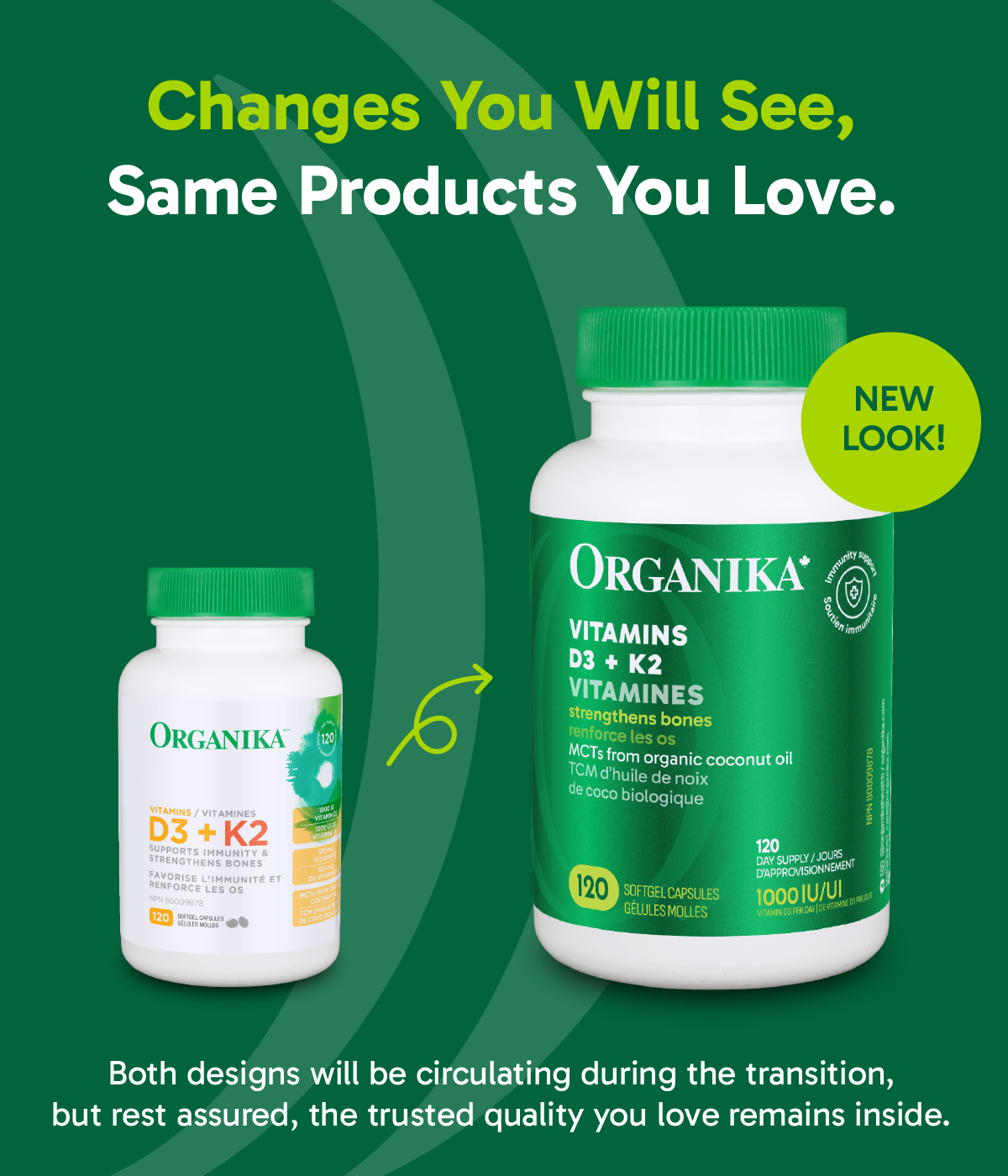
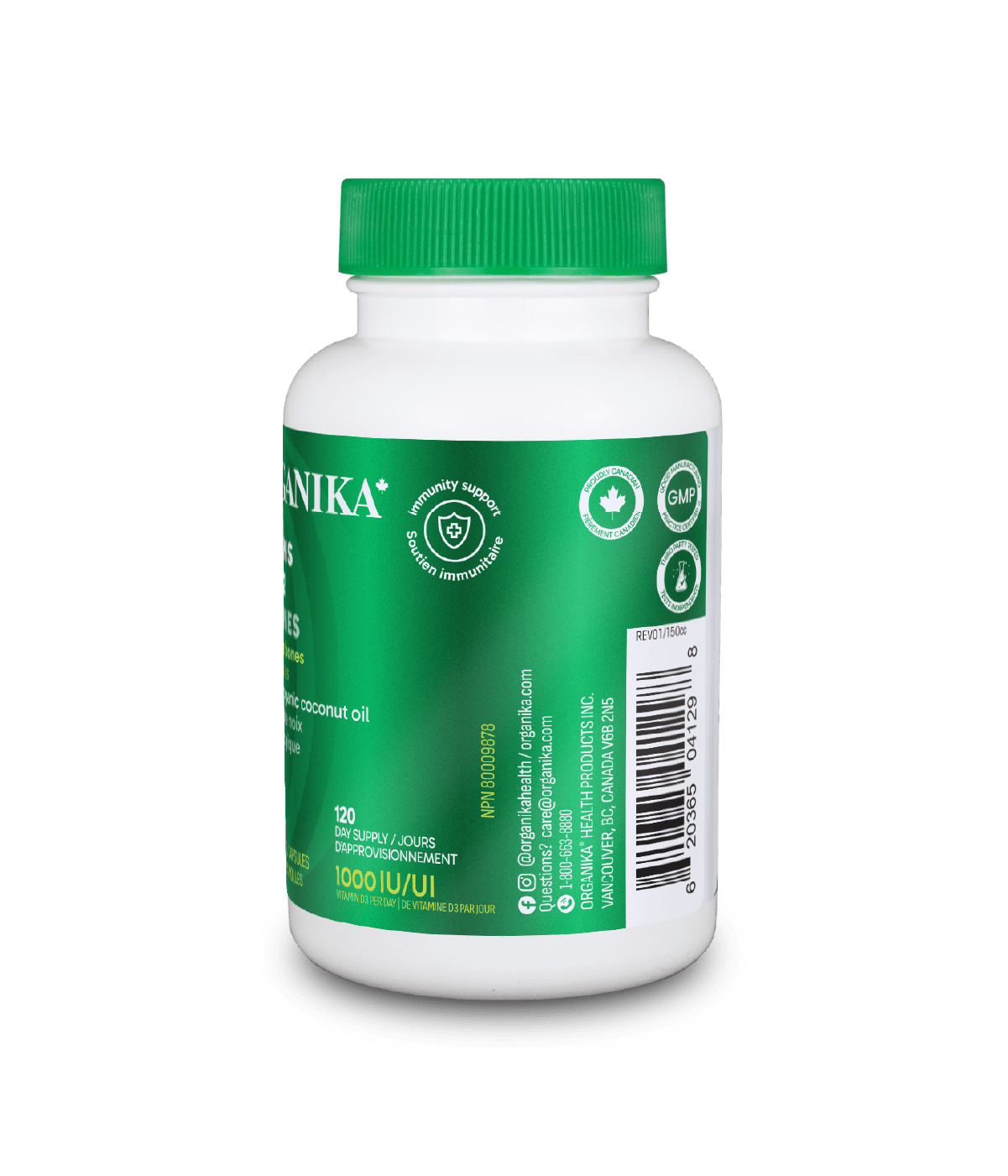
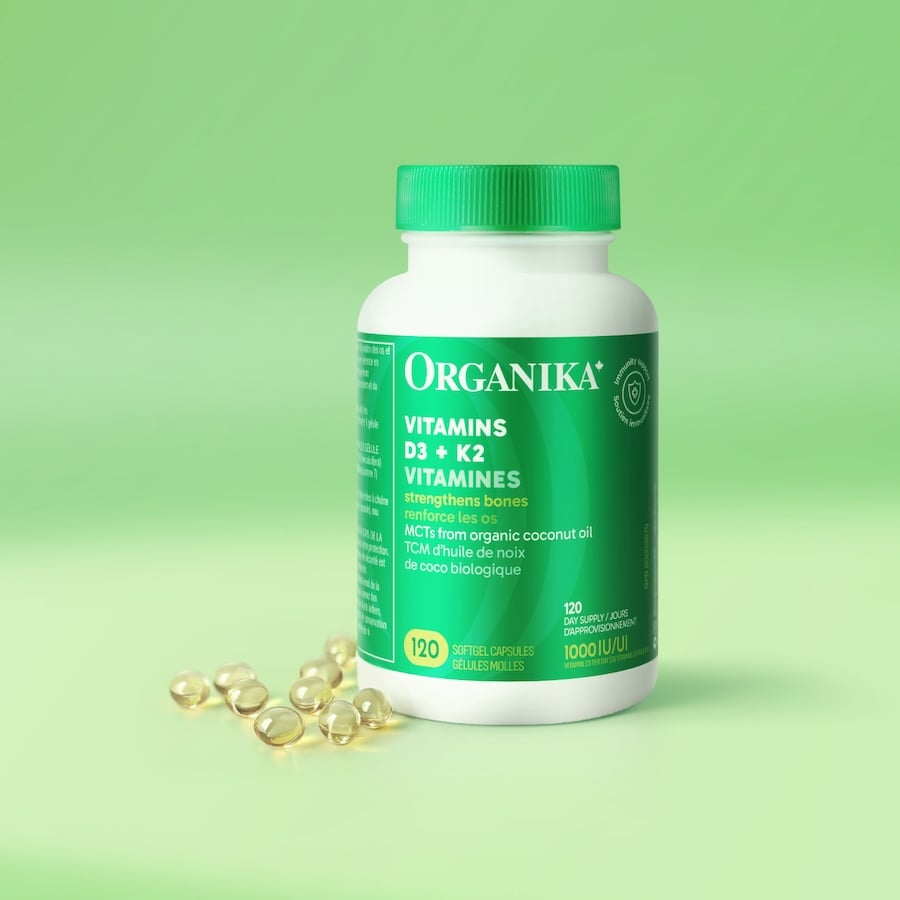
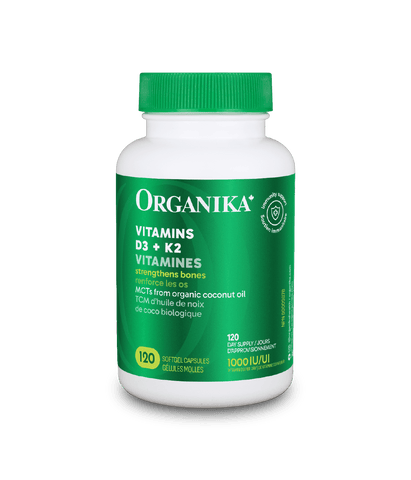
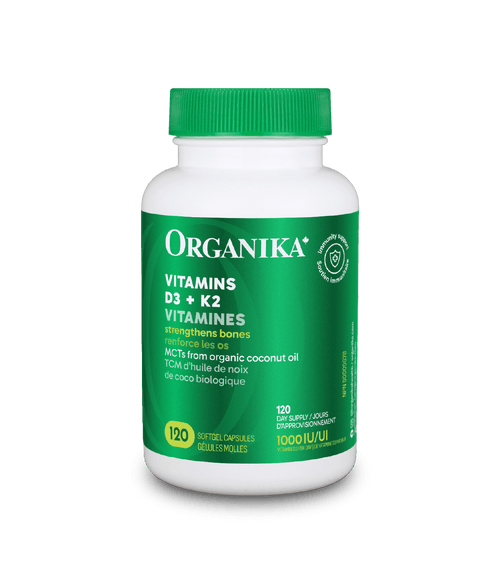
Vitamins D3 + K2
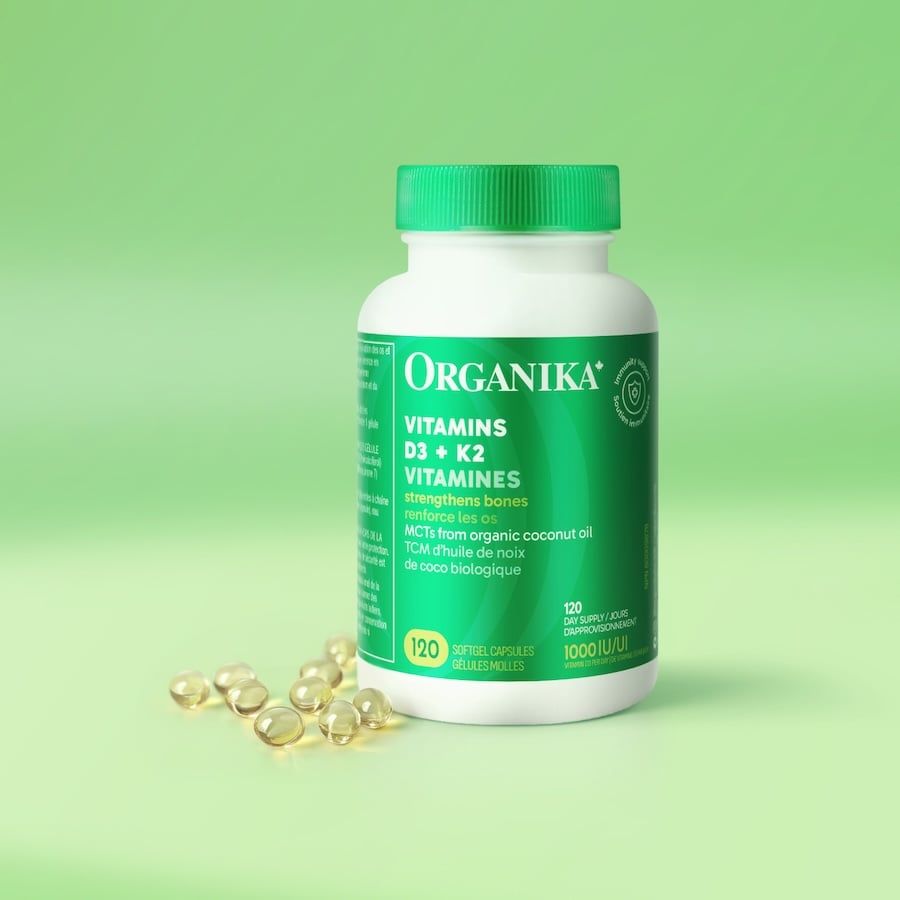
The vitamin combination that does double duty for your bone and heart health.
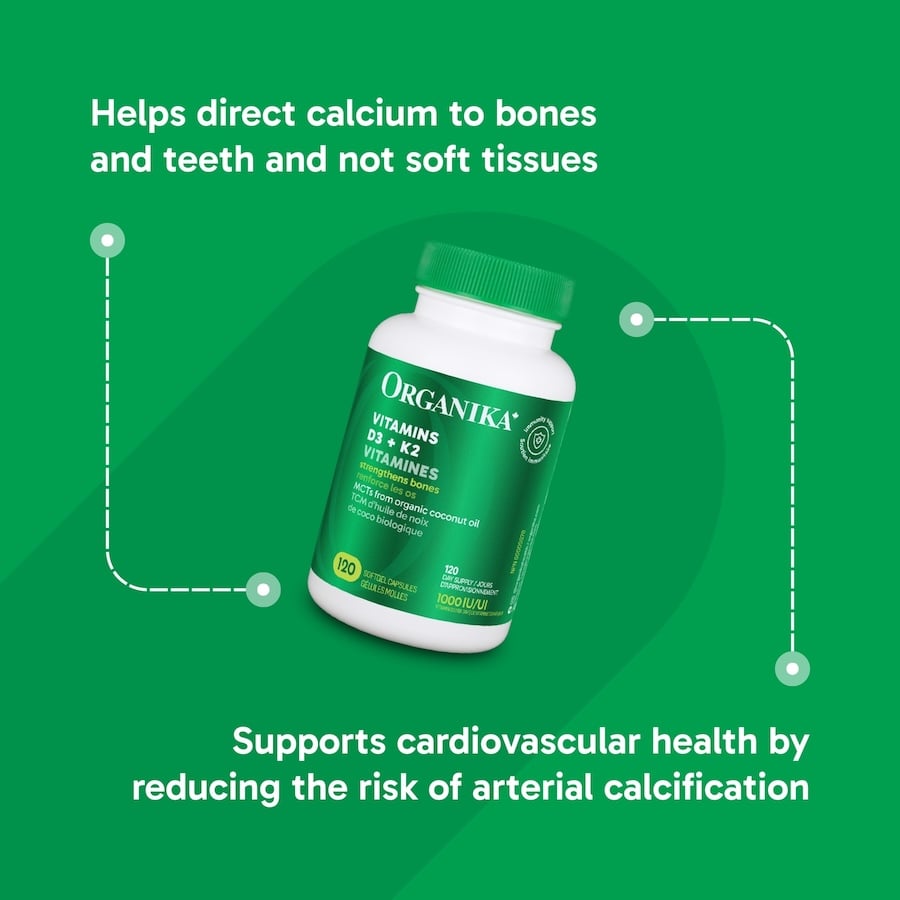
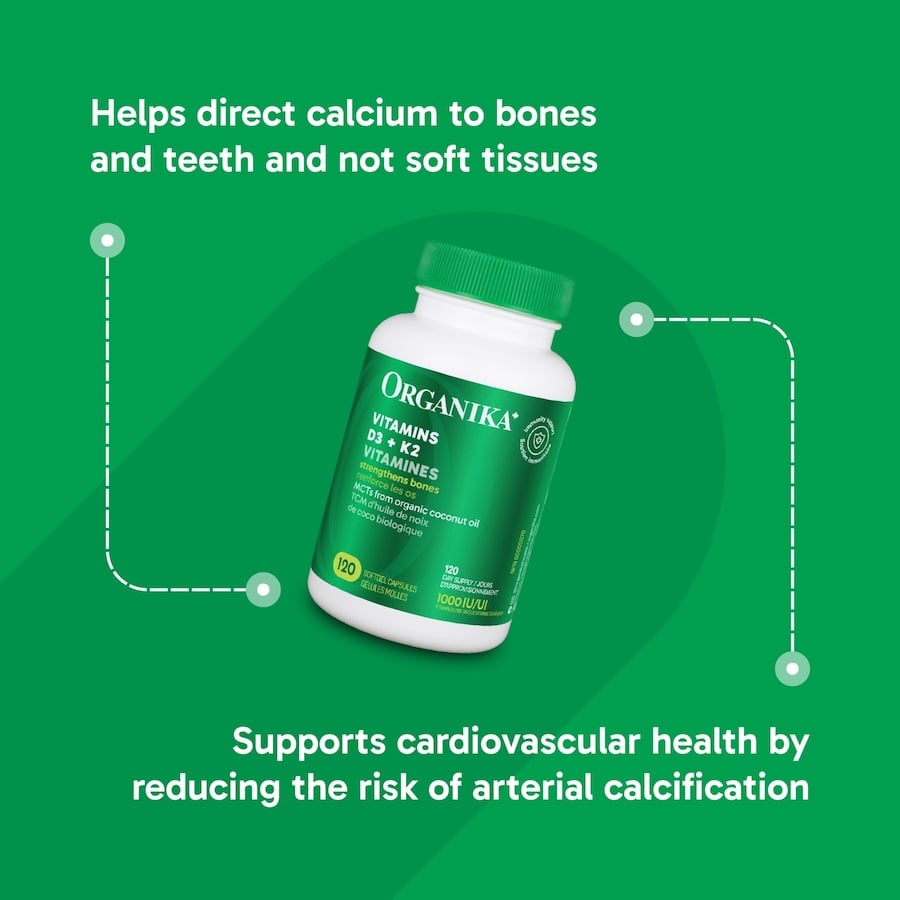
- Helps direct calcium to bones and teeth and not soft tissues
- Supports cardiovascular health by reducing the risk of arterial calcification
- Supports the immune system
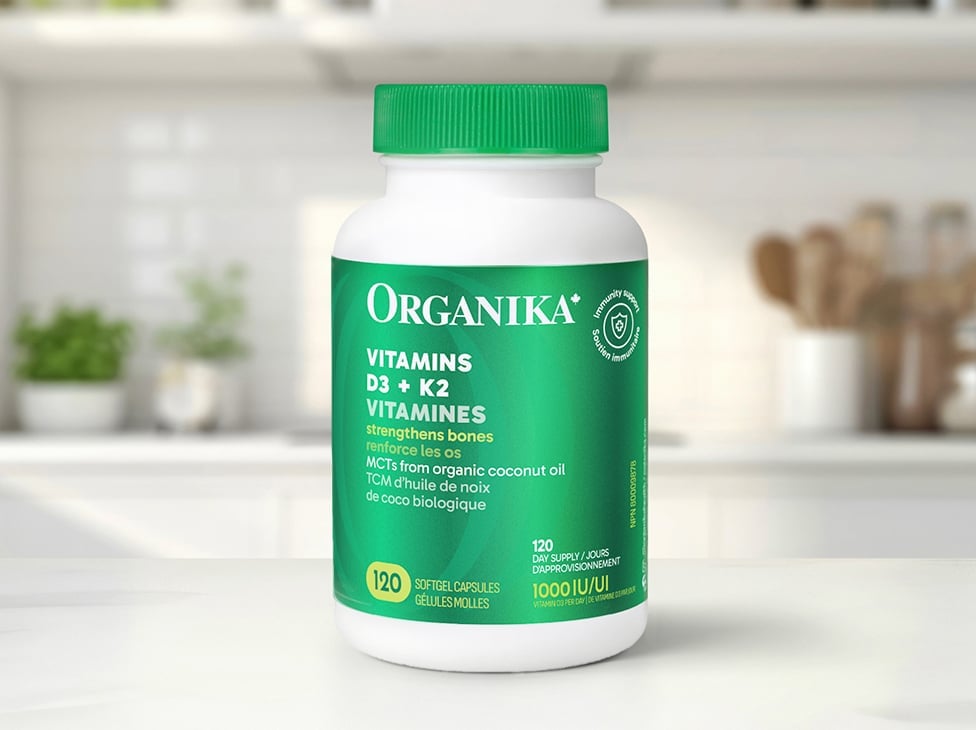
- 1,000 IU Vitamin D3 and 120 mcg Vitamin K2
Couldn't load pickup availability


Buy in Bundle & Save


Notify Me When Available
Enter your email and we'll let you know as soon as this product is back
Supplement Facts
Ingredients & Nutrition






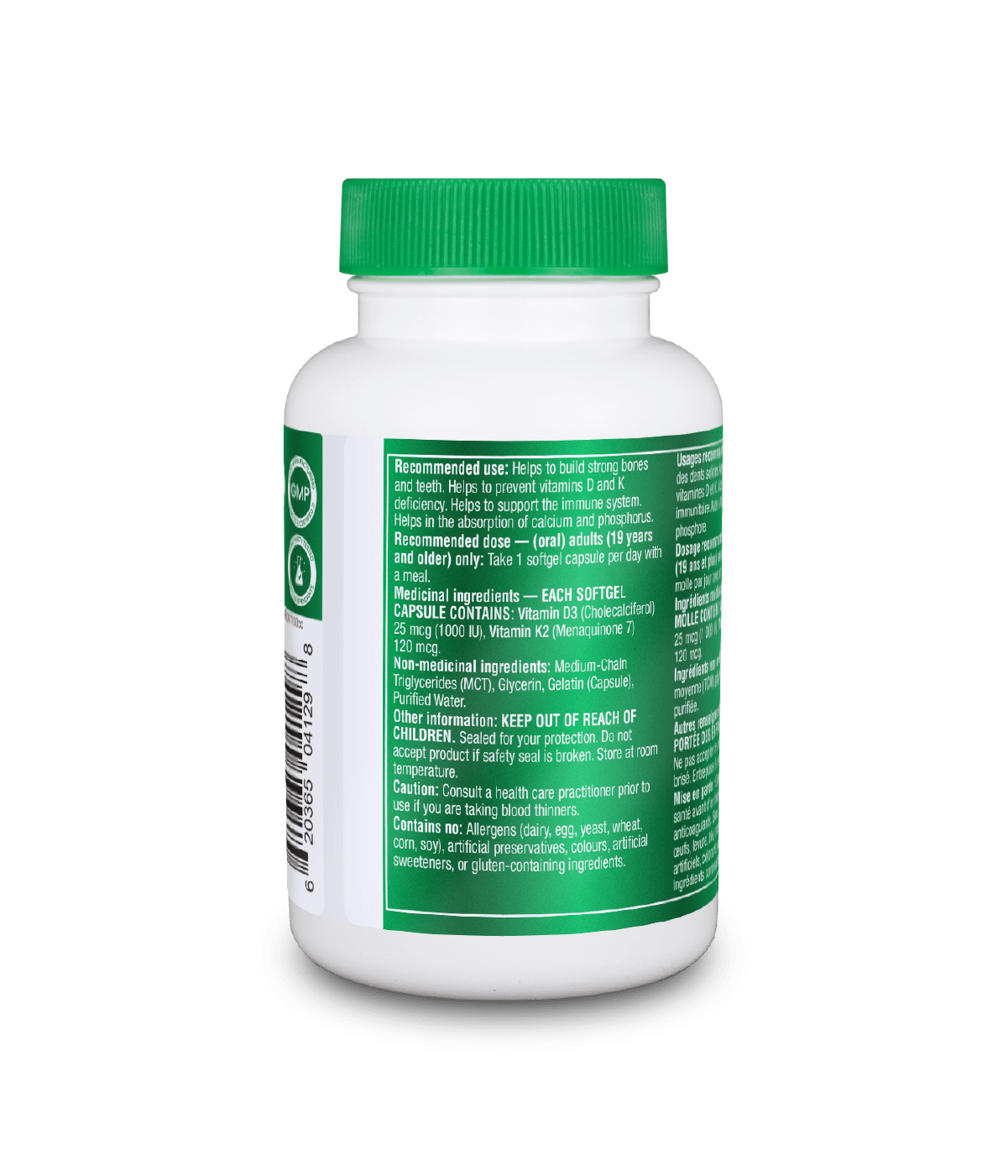
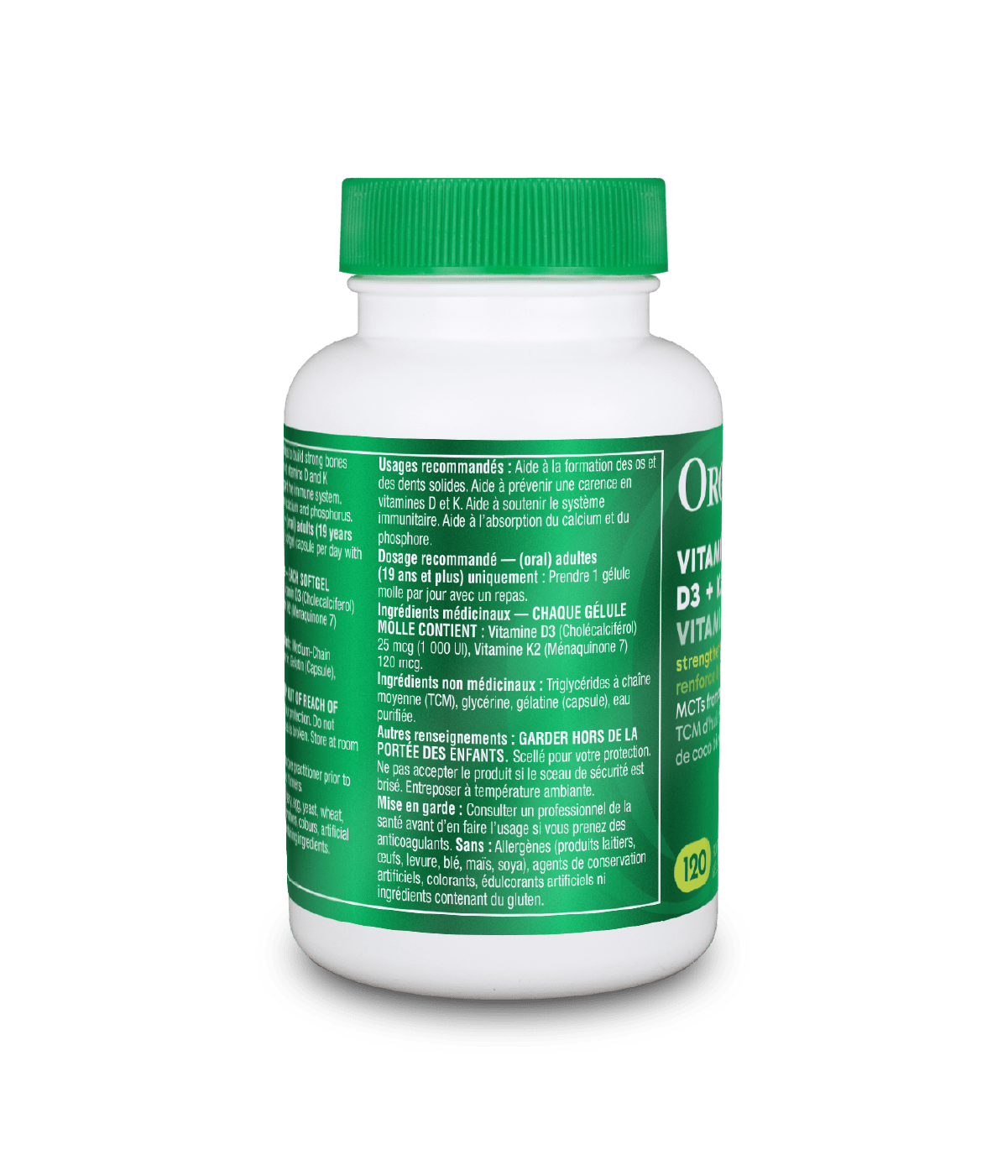
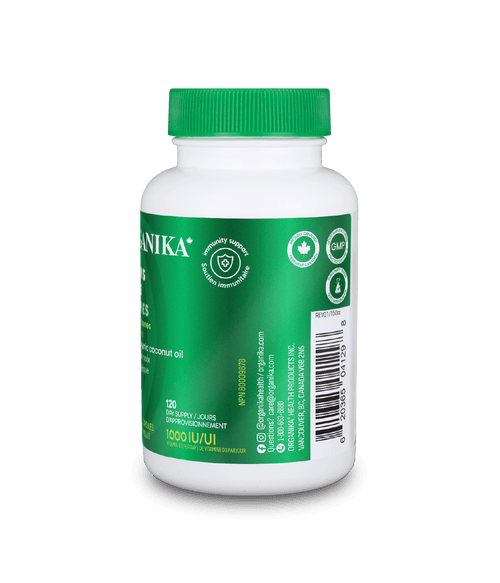
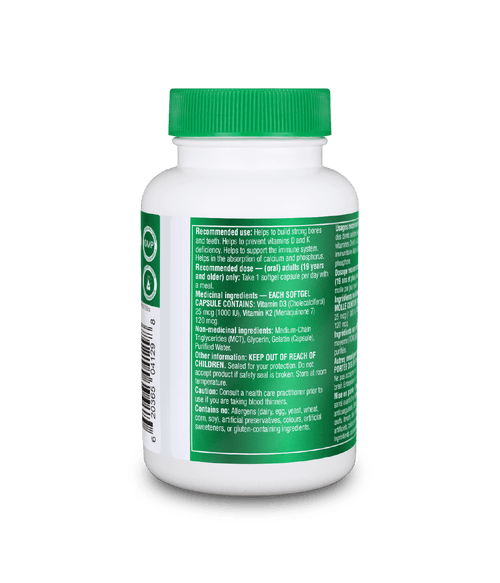
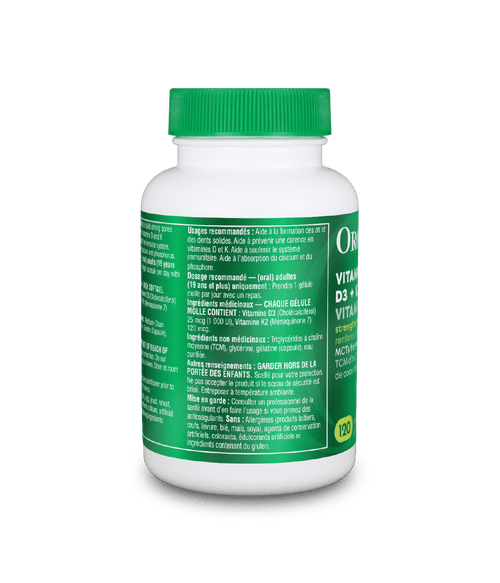
MEDICINAL INGREDIENTS: Vitamin D3 (Cholecalciferol) 25 mcg (1000 IU), Vitamin K2 (Menaquinone 7) 120 mcg.
NON-MEDICINAL INGREDIENTS: Medium-Chain Triglycerides, Glycerin, Gelatin (Capsule), Purified Water.
How to Use: Take 1 softgel capsule per day with a meal.
Is This Right for You?
What if your bone supplement could also support your heart?
Wondering how to make the most of your calcium?
Are your vitamins doing double duty for bone and heart health?

-
Supports the immune system
-
1,000 IU Vitamin D3 and 120 mcg Vitamin K2
Ingredients & Nutrition
Gluten-Free
Soy-Free
Egg-Free
Dairy-Free
No Artificial Sweeteners
No Artificial Colours or Flavours
Gluten-Free
Soy-Free
Egg-Free
Dairy-Free
No Artificial Sweeteners
No Artificial Colours or Flavours
Gluten-Free
Soy-Free
Egg-Free
Dairy-Free
No Artificial Sweeteners
No Artificial Colours or Flavours
Calcium belongs in your bones, not in your arteries. And, while vitamin D3 helps your body absorb calcium, vitamin K2 helps make sure it stays that way.
The Full Scoop
-
Supports the immune system
-
1,000 IU Vitamin D3 and 120 mcg Vitamin K2
This daily softgel pairs two powerhouse nutrients - Vitamin D3 and K2 ó for targeted support of calcium metabolism and cardiovascular function. While D3 helps your body absorb calcium, K2 acts as a sort of GPS for your calcium. It guides it to your bones and teeth, not your arteries, where it could be potentially harmful. The result? A well-rounded formula that helps keep your structure strong and your circulation clear.
With 1000 IU of D3 and 120 mcg of K2 in every softgel, it's an easy way to help prevent deficiency, support immune health and maintain long-term bone vitality.
Ask Away
We’ve got the FAQs covered. But if you’re still stuck, we’re only a message away.
Get in TouchWhat are the benefits of taking Vitamin D3 and K2 together?
Bone Health: Vitamin D3 helps with calcium absorption, while Vitamin K2 directs calcium to the bones and teeth, preventing it from depositing in the arteries.
Cardiovascular Health: This combination helps reduce the risk of arterial calcification, promoting heart health.
Immune Function: Both vitamins support a healthy immune system
Who should consider taking this D3 and K2 supplement?
Those with Vitamin D Deficiency: People with limited sun exposure or dietary intake of Vitamin D
Older Adults: To support bone density and cardiovascular health
Individuals with Osteoporosis or Osteopenia: To improve bone strength
Why would this product be a problem while on blood thinners?
Vitamin K2 plays a crucial role in blood clotting. If youíre on blood thinners like warfarin, taking Vitamin K2 can interfere with the medicationís effectiveness, potentially leading to clotting issues.
What is the source of Vitamin D3 in this product? What is the source of the K2?
D3 is from Lanolin (Sheepís wool) and K2 is derived from fermented foods.
Are there any side effects associated with taking Vitamin D3 and K2?
Common side effects are rare but can include upset stomach (mild gastrointestinal issues) and allergic reactions, rare but possible.
Can this product be taken on an empty stomach, or should it be taken with food?
Yes, itís best to take this supplement with food, particularly a meal containing healthy fats, to enhance absorption.
You'll Likely Also Love...
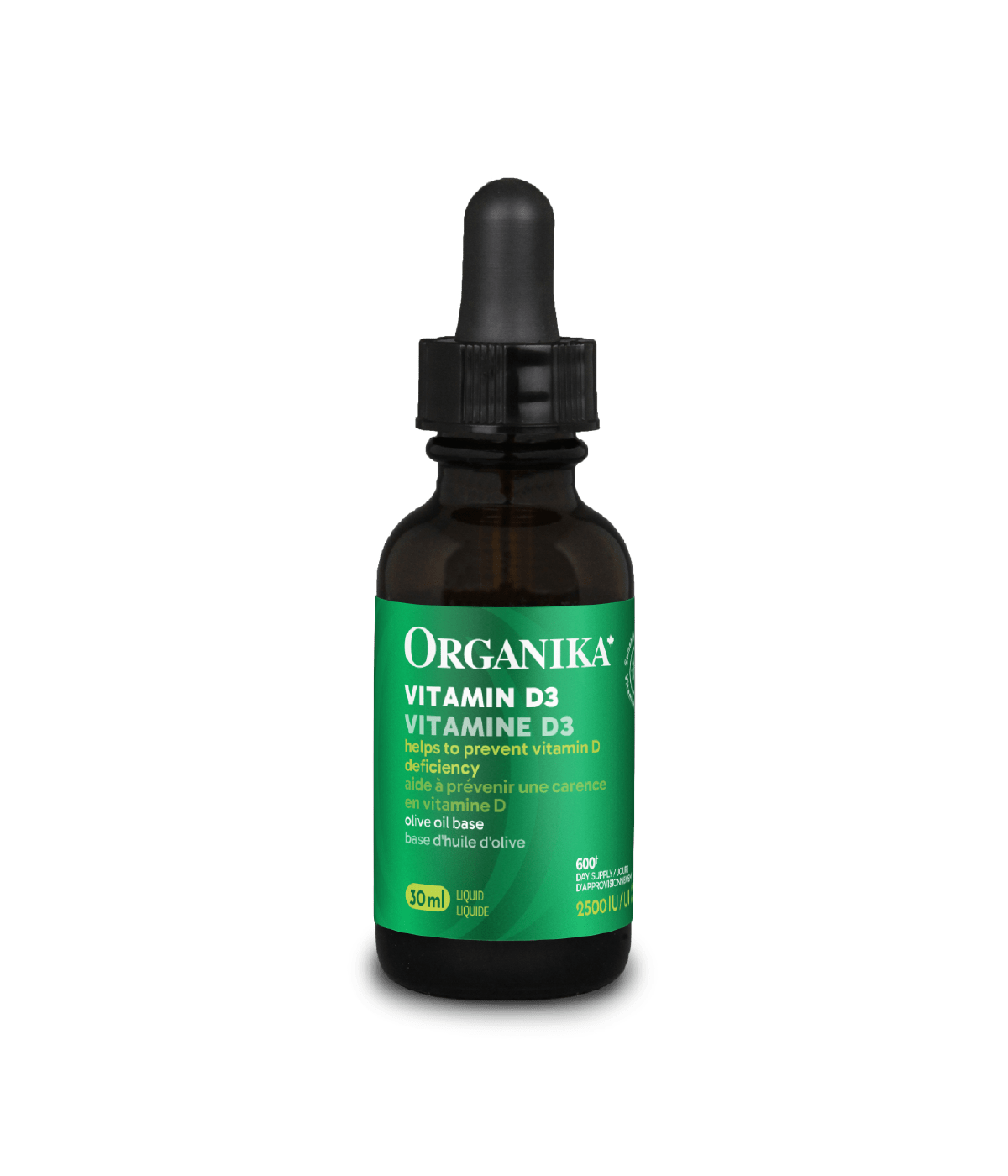
Vitamin D3
The sunshine vitamin in an olive oil base you'll love
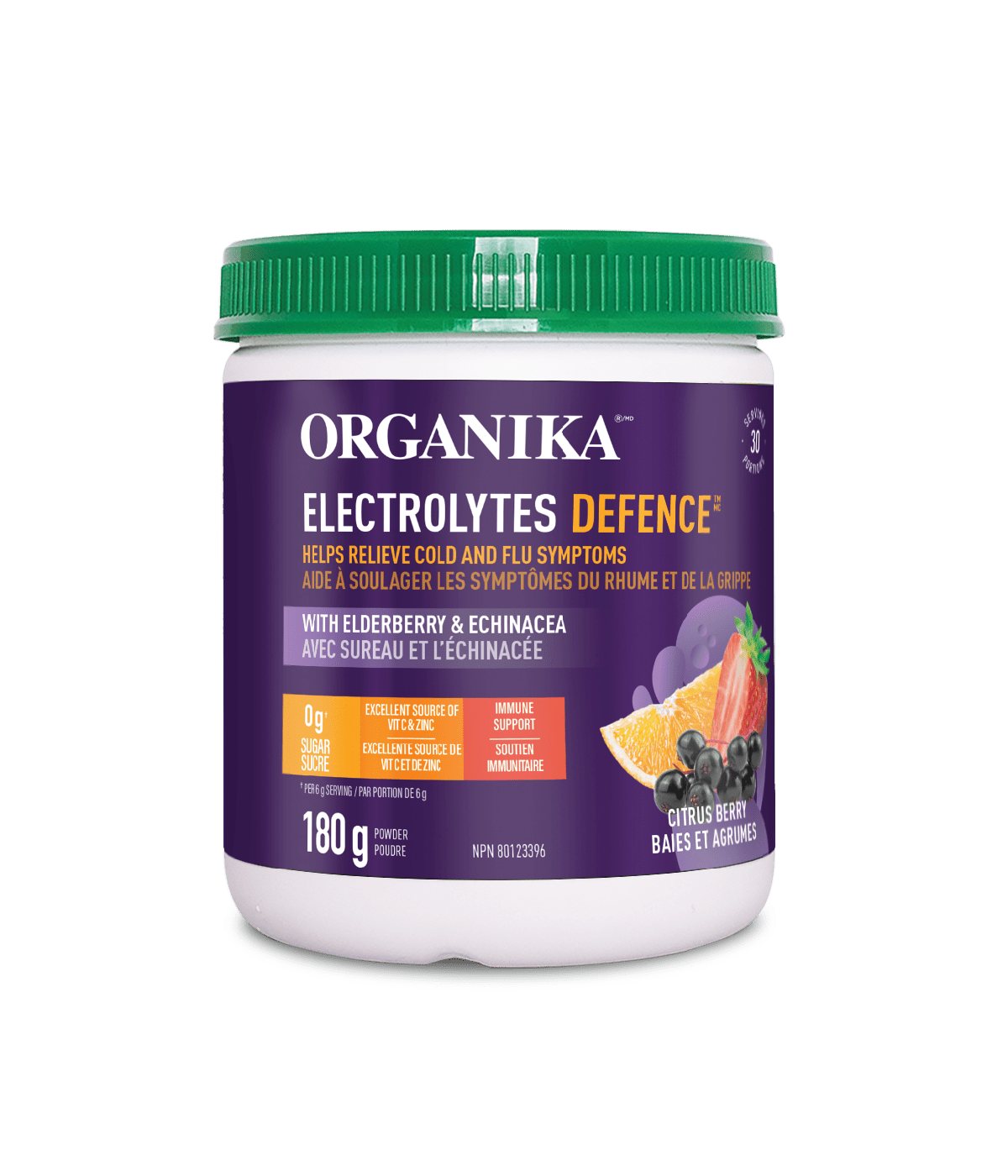
Electrolytes Defence with Elderberry & Echinacea
Electrolytes formulated specifically for immune support and fighting infections
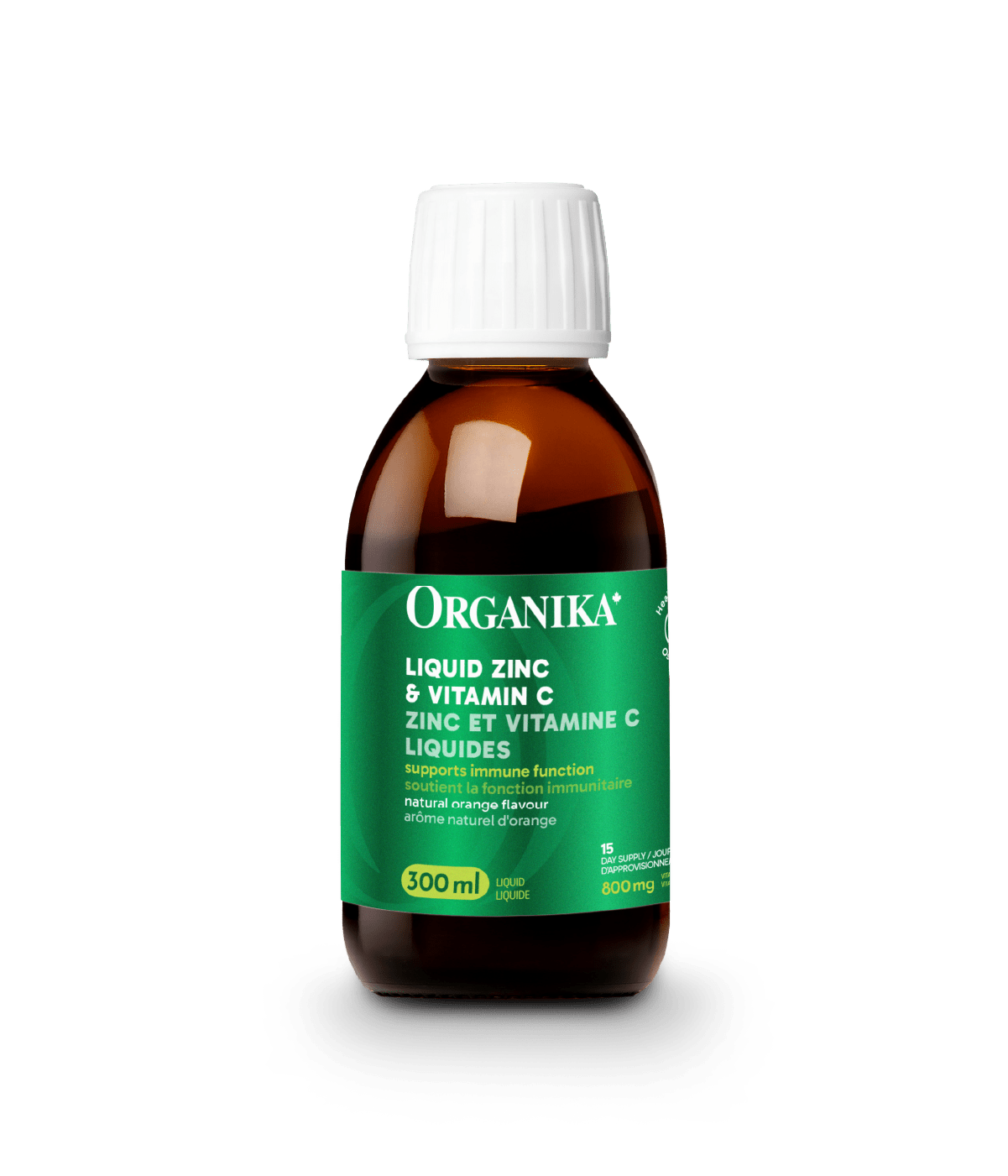
Liquid Zinc & Vitamin C
The fast-absorbing duo immune systems love
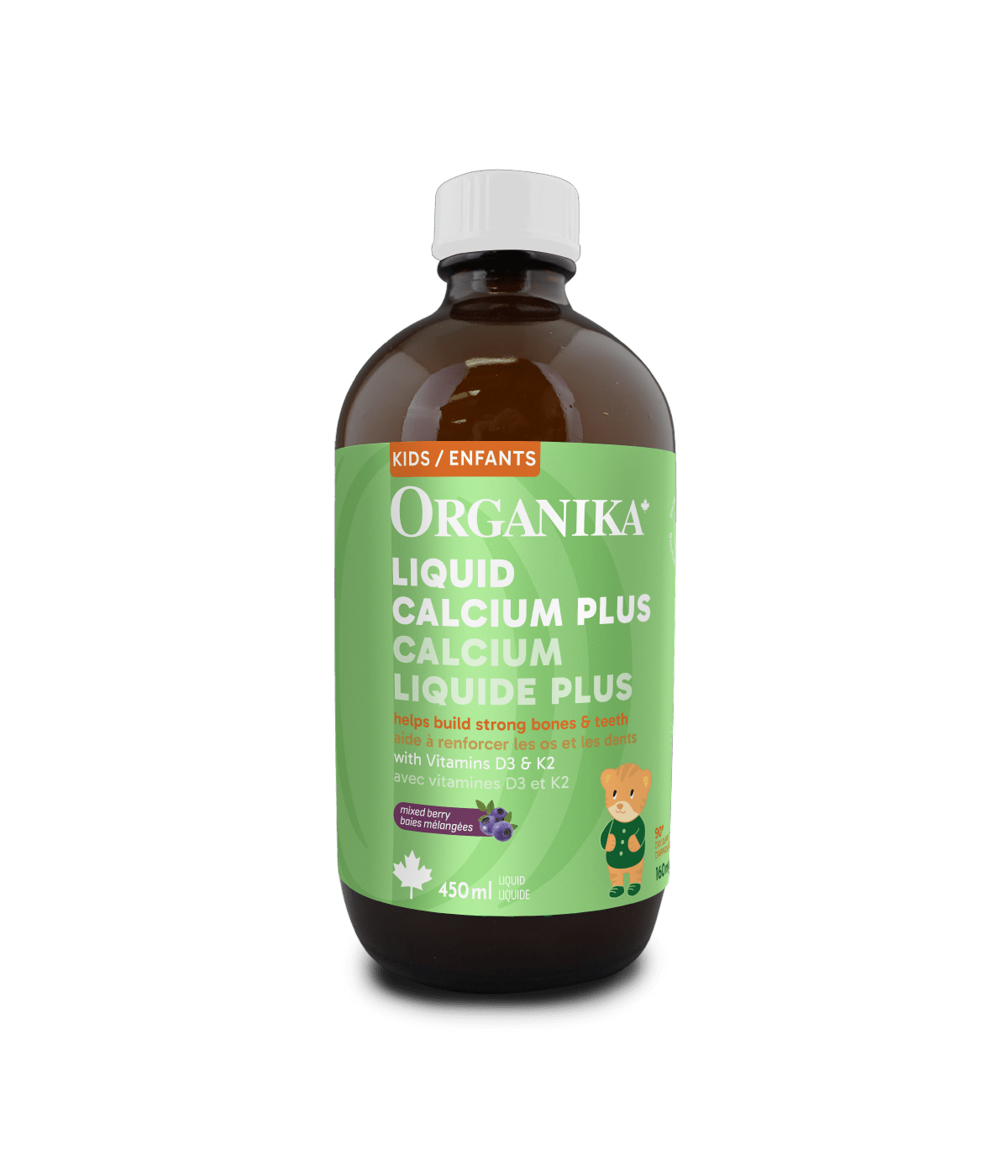
Kids Liquid Calcium Plus with Vitamins D3 & K2
An easy to take liquid for healthy development in kids
Support Beyond Products

How both essential functions go hand in hand Staying well hydrated is a key factor in maintaining a healthy immune system. Your immune system depends on specific nutrients being transported in your blood stream, an important part of the body that is made up of 90% water. Hydration also helps with sending signals and biochemical reactions to and from your immune system. Reminder: Hydration = water + electrolytes (specific salts involved in the reactions we just talked about). Electrolytes and immunity Ever notice when you are sick, people may recommend electrolytes in your water? That’s because a deficiency in these nutrients compromises your immune health (amongst other things). It will help if you think about your immune system as a fighter jet, eliminating any invaders or intruders (the invaders being threats such as viruses, germs, and unwanted pathogens). Your immune system can fight off enemies from invading your body by using T-cells and antibodies as defence (its weapons if you will). To run properly, you need to maintain your fighter jet and fuel it to ensure it doesn’t run out of gas at a critical moment. Just the same, your immune system requires specific nutrients to run properly. These nutrients include electrolytes; specifically, sodium, magnesium, and potassium. Note: electrolytes have many purposes in the body, but for the purpose of this article, we are focusing on immunity. Sodium It’s been studied that sodium has been linked to having an anti-microbial effect and can fight infections. While you don’t want to consume a diet high in sodium which can have auto-immune and blood pressure effects, there is a required amount your body needs daily. In fact, there needs to be a balance of sodium and water in your body. Adding sodium into your water thorough a replenishing electrolyte beverage daily should be enough to meet your sodium needs. Potassium Potassium balances out the sodium and together they regulate immunity response. Specifically, potassium works in the membrane of the cells to turn it on and transmit signals between cells (think of it as communication) and direct activity of the immune system. Magnesium Magnesium does so much for your body in general, but for the immune system it’s essential to keep it strong. Your body needs magnesium to make its T-cells which fight viruses and kill them. Studies have shown that decreased magnesium levels are linked with the decline of these important “killer” T-cells and other cells crucial in the immune system. If you really want to boost immunity... You want to stay efficiently hydrated always and get water plus your key electrolytes daily. Doing so will ensure your immune system is ready to go when you need it. In addition to immunity, you may know there are other supplements that are catered to support cold and flu symptoms or prevent them all together. Get maximum hydration AND immunity support in ONE SHOT Electrolytes Defence™ with Elderberry & Echinacea contains essential nutrients that keep you optimally hydrated and provide powerful immunity support – all with 0 g of sugar! Accelerate your hydration, fight off infections and help with cold and flu symptom relief with this all-in-one immunity blend containing electrolytes (sodium, potassium, and magnesium), elderberry, echinacea and zinc. Elderberry is high in antioxidants and has antiviral benefits. Researchers reported after a 2011 study, that elderberry prevented the growth of certain types of strep bacteria and influenza viruses. Echinacea is loaded with plant compounds functioning as antioxidants. Numerous studies have found that echinacea may help your immune system combat infections and viruses. Zinc supports the growth and normal function of immune cells, helping to defend against infection. This article has been fact-checked
read more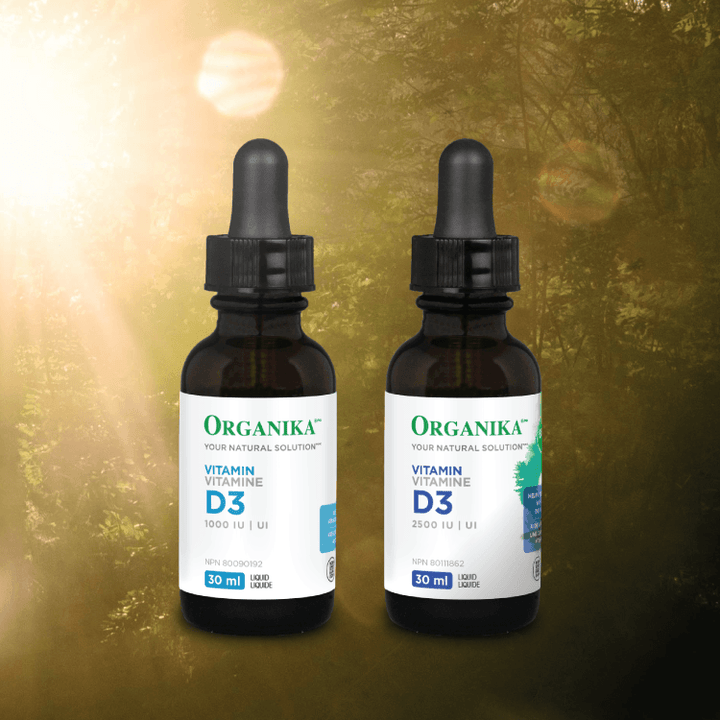
In the last decade or more, vitamin D deficiency is becoming more prevalent among Canadians. As more people avoid the sun for fear of premature aging and other health concerns, we find we are covering up our skin more than ever, whether it be with clothing that blocks the sun or by applying layers of sunscreen every day. 70 – 90 % of North Americans do not get enough vitamin D daily, and this includes sunshine, food sources and supplements. We must test our vitamin D levels annually because if we are not getting it naturally, from the sun, we must supplement to keep healthy. The big question is what is vitamin D – the sunshine vitamin and are you getting enough? Shop Vitamin D3 Vitamin D is a nutrient that the body needs in small amounts to stay healthy. Vitamin D combines with calcium and phosphorus to make strong bones and teeth. It is found naturally in foods such as oysters, liver, egg yolks, red meat, and oily fish. Like all fat-soluble vitamins, vitamin D is best absorbed with fats. Skin exposed to sunshine can also make vitamin D and it is the best source. 10-20 minutes per day between 10 am – 2 pm is the best way to safely absorb the sunshine. With under 20 minutes a day, skin won’t burn, and your body will naturally absorb the sunshine and you can manufacture vitamin D in the body. “We each have vitamin D receptor cells that, through a chain of reactions starting with conversion of cholesterol in the skin, produce vitamin D3 when they're exposed to ultraviolet B (UVB) from the sun,” Some experts recommend avoiding the sun by seeking shade between 10am – 4pm or by wearing UV protective clothing and using sunscreen that is 30 SPF or higher. The problem with this is that it causes our absorption to go down. If we are not getting those 10-20 minutes of healthy sun exposure to naturally produce vitamin D in the body, it affects our health. In the summer our biggest surface area, the back and chest, can safely absorb the sun for under 20 minutes daily. Because we have phobias that the sun is aging us prematurely and causing other health concerns like cancer, we are lathering sunscreen on and affecting our natural absorption of vitamin D. Studies show that safe amounts of sun exposure help us to manufacture vitamin D naturally and it helps to prevent cancer. For longer periods in the sun, be sure to apply natural and chemical free sunscreens that will provide protection and keep you from burning. What is surprising is that research done in northern California, which has more sunnier days than we do, found that the normal adult is deficient and 70-80% of the adults tested were deficient. We cannot know for sure where we are at without getting tested. In Canada, the normal range for vitamin D is between 75-250. The ideal range you want to be between is 125-175. You should be able to go into a lab and get your blood tested and get your results online the next day. Getting tested is important because it’s not just about exposure. It has to do with how you process it in your skin, liver, and kidneys. Recently, Health Canada increased the maximum amount of vitamin D supplements sold over the counter to 2,5000 IU for adults “As of February 24, 2021, Health Canada increased the maximum amount for vitamin D supplements sold over-the-counter to 2,500 IU per dose for adults. The previous maximum was set at 1,000 IU per adult dose” Health Canada increases non-prescription limit for Vitamin D. Genuine Wellness. When supplementing with vitamin D, the best form of vitamin D is D3. Vitamin D2 is a synthetic form of vitamin D, and it is not absorbed well in the body. Vitamin D3 is naturally sourced from sheep lanolin. Wondering how much vitamin D should be given to children? The minimum is 400IU every day up until age one. Because vitamin D is a storing vitamin, you could give it daily or a few times a week at larger doses. Until we have the test to see where we are at, we stick with the recommended dose for children. For those of us living in Canada, because of our geographic location, the rays of the sun are too weak in the winter to generate the reaction that leads to the creation of vitamin D and supplementing with food and D3 supplement drops is a great way to keep your levels optimum to stay healthy. Shop Vitamin D3
read more
Do Collagen Supplements Support Weight Management and Fitness Goals? Collagen has exploded on the wellness scene, and not just as a beauty trend. From supporting healthy skin elasticity to strengthening joints, muscles, and the gut lining, collagen plays a role in many of the body’s essential functions. But as collagen powder and collagen supplements become more popular, a common question keeps coming up: Can collagen support weight management or fitness goals? The short answer: collagen isn’t a fat burner, but it may support weight management in several important ways, especially when paired with a balanced diet and an active lifestyle. Let’s break down how collagen works in the body and why it’s often included in routines focused on health, movement, and overall wellness. Why collagen matters more than you think Collagen is the most abundant protein in the human body, making up about 30% of total body protein. It’s found in the skin, joints, muscles, bones, connective tissues, and digestive tract. There are many types of collagen, but most collagen supplements contain hydrolyzed collagen peptides powder, which allows the body to absorb and use it more efficiently. Common sources include: • Grass-fed collagen powder (bovine-based)• Marine collagen (fish-based) Both provide amino acids that support tissue repair, mobility, digestion, and structural strength. How collagen may support weight management Supporting fullness and steady energy As a source of protein and amino acids, collagen may help increase satiety, the feeling of fullness after eating. When you feel fuller for longer and blood sugar levels stay more stable, it often becomes easier to: • Reduce unnecessary snacking• Manage portions• Curb sugar cravings Many people incorporate protein-rich collagen powders like Enhanced Collagen Protein Original into smoothies or coffee as a simple way to boost daily protein intake while supporting joints and skin: Helping maintain muscle and metabolism While collagen isn’t a complete protein on its own, it can still support muscle repair and recovery when paired with resistance training. Maintaining muscle mass is important for metabolism, the more muscle you have, the more calories your body burns at rest. Over time, this can play a helpful role in body composition and long-term weight management. Supporting joint comfort for movement Joint discomfort is one of the biggest barriers to staying active. Collagen for joints helps support healthy connective tissue in tendons, ligaments, and cartilage. For people dealing with stiffness, overuse, or osteoarthritis, collagen supplementation may help improve comfort and mobility. Better joint support often means: • More consistent workouts• Easier daily movement• Less exercise avoidance due to pain Which naturally supports an active lifestyle. Promoting gut health Collagen also plays a role in strengthening the lining of the digestive tract. A healthy gut supports: • Efficient digestion• Better nutrient absorption• Balanced bacteria levels When digestion works well, the body is better equipped to regulate hunger, energy, and immune function, all factors that influence overall wellness and weight balance. Taking collagen a step further Some collagen blends include functional ingredients designed to support metabolism and energy. For example, Enhanced Collagen Boost combines hydrolyzed collagen peptides with ingredients like MCT oil to help promote fullness and support active weight management routines. These types of formulas are often used by people looking to support both protein intake and metabolic health in one simple step. Collagen and hydration for active days Staying hydrated is essential for workout performance, recovery, and energy levels. Collagen combined with electrolytes, like Organika’s Electrolytes + Enhanced Collagen blends, can help support hydration while delivering collagen’s benefits for joints and connective tissue. This can be especially helpful during workouts, warm weather, or busy days with lots of movement. Collagen vs whey protein Many people wonder whether collagen supplements can replace traditional protein powders like whey. Both have different strengths: Whey protein is a complete protein ideal for muscle building.Collagen supplements support joints, skin, gut health, and connective tissue. For many active individuals, using both together provides a more well-rounded approach to fitness and recovery. How much collagen should you take per day? A common collagen dosage per day falls between: 10–20 grams daily This amount is often used in studies supporting joint health, skin benefits, muscle recovery, and gut support. Always follow product directions or consult a healthcare professional for personalized advice. The bottom line Collagen supplements aren’t a quick fix for weight loss, but they can support key areas that influence fitness and healthy body composition, including: • Fullness and appetite control• Muscle maintenance• Joint mobility• Gut health When combined with movement, balanced nutrition, and consistent habits, collagen powder can be a valuable part of a healthy lifestyle. From collagen for joints and skin to overall structural support, collagen supplements offer benefits that go far beyond the scale.
read more