










.jpg?v=1761831564208)
.jpg?v=1761831578491)
-
Is this right for you?

-
-
-

-

-

-

-

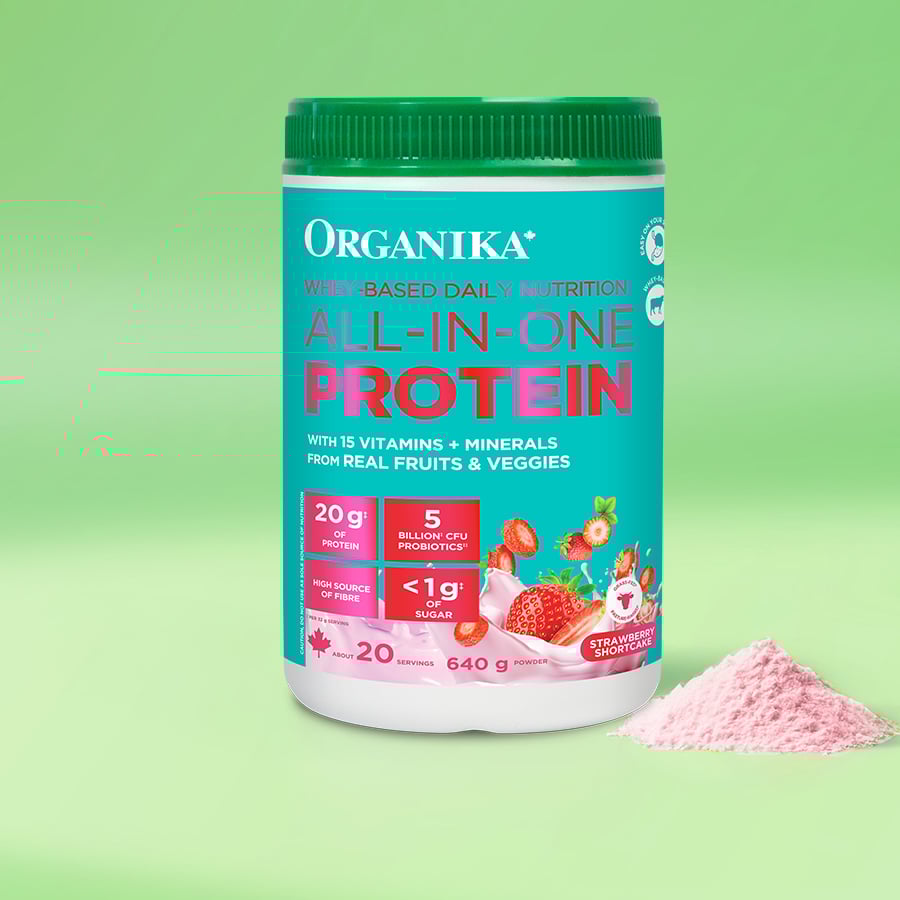
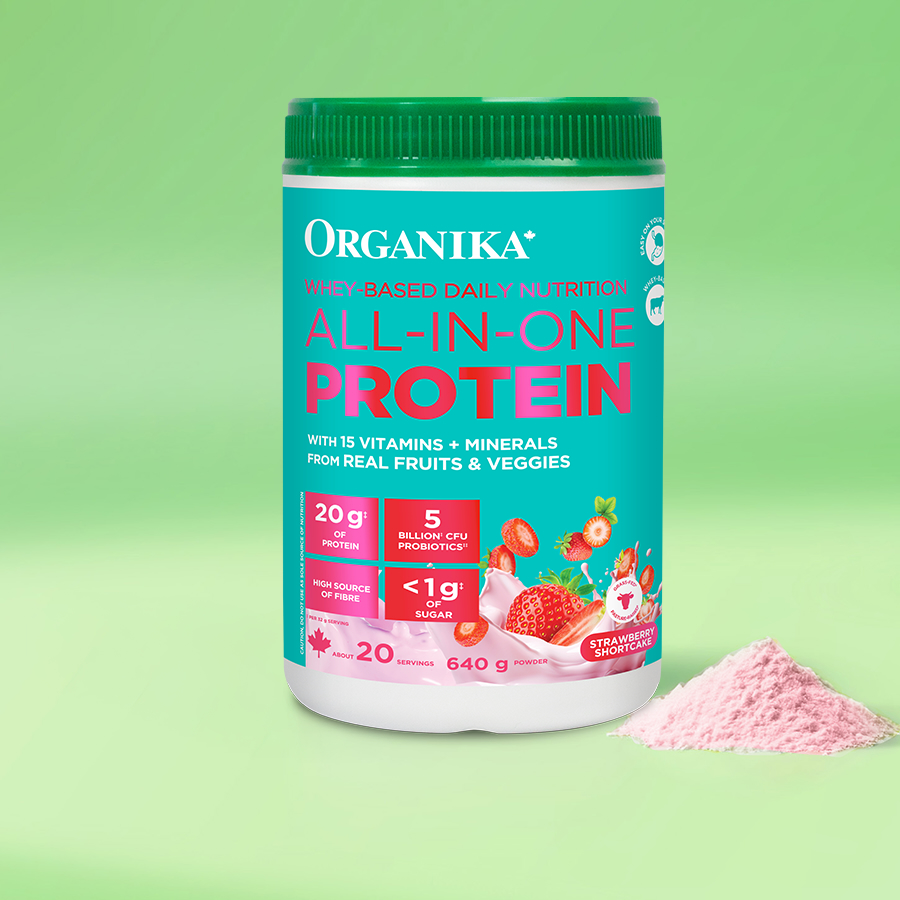
Whey-Based Daily Nutrition All-In-One Protein
An all-in-one protein blend that supports daily nutrition, muscle recovery and overall health
- 15 essential vitamins + minerals from real fruits and veggies per serving
- 20 g of protein per serving
- High source of fibre and digestive enzymes
- Powder form easily mixes into your favourite drink
Couldn't load pickup availability


Notify Me When Available
Enter your email and we'll let you know as soon as this product is back


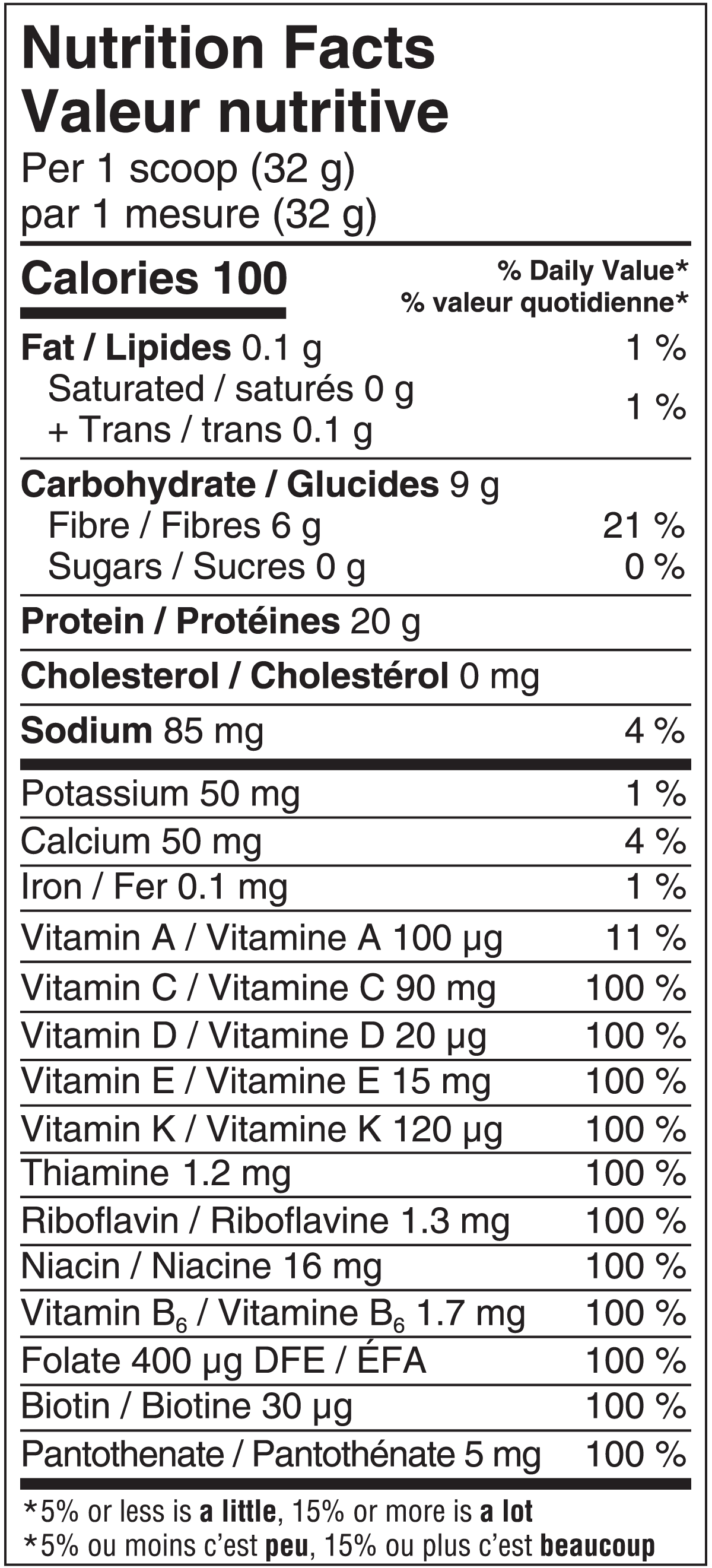
Supplement Facts


Ingredients & Nutrition






MEDICINAL: Whey Protein Isolate, Enhanced Collagen Protein™ Hydrolyzed Bovine Collagen (peptides), Prebiotic Soluble Vegetable Fibre, Fruit and Vegetable Blend (Spinach, Broccoli, Carrot, Sweet Potato, Orange, Apple, Strawberry, Sunflower Seed, Shiitake Mushroom, Maitake Mushroom), Gum Blend (Guar Gum, Acacia Gum, Xanthan Gum), Stevia Extract, Bacterial Culture (Lactobacillus acidophilus LA85‡‡, Lactobacillus gasseri LG08‡‡, Bifidobacterium lactis BLa80‡‡, Lacticaseibacillus rhamnosus LRa05‡‡, Lactococcus lactis LLa61, Lacticaseibacillus casei LC89‡‡, Lacticaseibacillus paracasei LC86‡‡, Lactiplantibacillus plantarum LP90‡‡, Limosilactobacillus reuteri LR08, Levilactobacillus brevis LB01, Limosilactobacillus fermentum LF61‡‡, Bifidobacterium bifidum BBi32‡‡, Bifidobacterium breve BBr60‡‡, Bifidobacterium infantis BI45‡‡, Bifidobacterium longum BL21‡‡), Protease, Lactase, Sunflower Lecithin.
Strawberry Shortcake: also contains Natural Strawberry Shortcake Flavour, Carrot and Beetroot Concentrate (for colour), Pepper and Carrot Concentrate (for colour).
Chocolate: also contains Cocoa Powder, Natural Dark Chocolate Flavour.
Vanilla: also contains Natural Vanilla Flavour.
Contains: Milk.
How to Use: Mix 1 serving (32 g or approx. 1 scoop) to 500 ml of cold milk and enjoy!
Is This Right for You?
Are you looking for an easy way to support your muscle strength and recovery
Do you want to boost your gut health and digestion?
Are you looking to maintain steady energy without a sugar crash?
Are you looking to level up you protein and fibre intake?
If you answered “yes” to any of the above, this product is right for you.
.png?v=1760553416185)
-
High source of fibre and digestive enzymes
-
Powder form easily mixes into your favourite drink
Ingredients & Nutrition
Gluten-Free
Soy-Free
Egg-Free
No Preservatives
Non-GMO
No Artificial Colours or Flavours
Contains 20 g of protein, essential vitamins and minerals, probiotics, fibre and digestive enzymes to help support your nutrition and muscle health
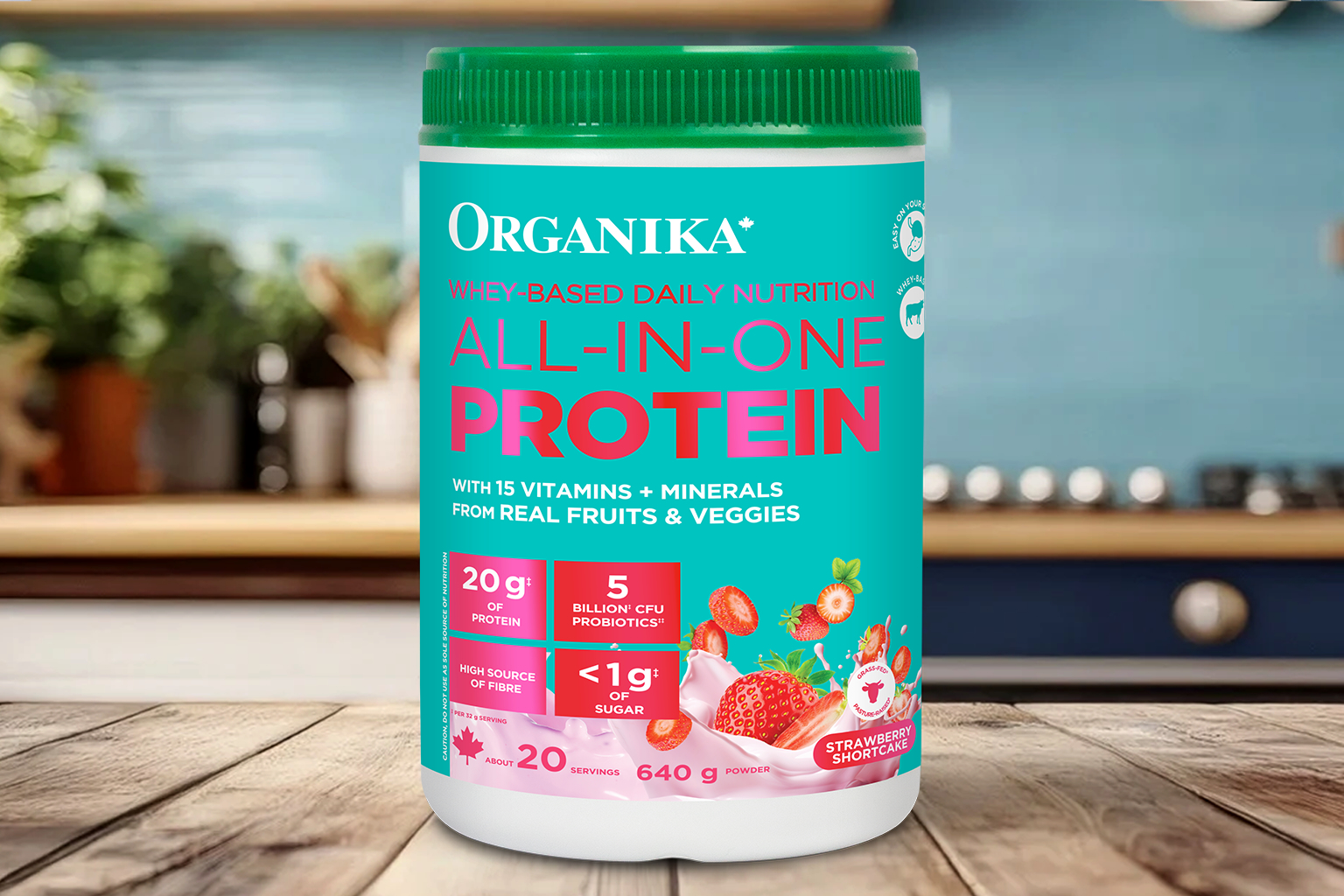
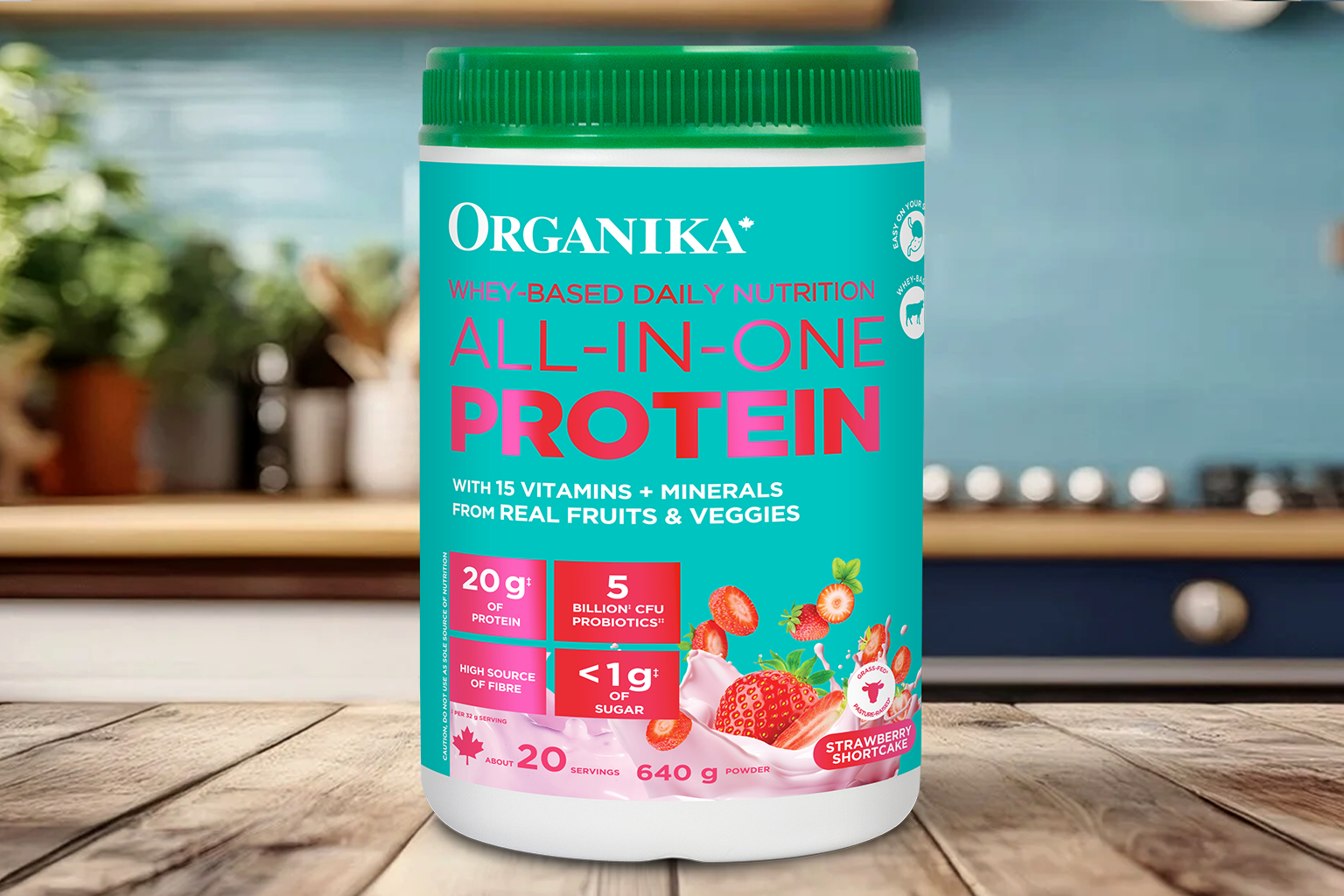
Why we Made Whey-Based Daily Nutrition All-In-One Protein
-
High source of fibre and digestive enzymes
-
Powder form easily mixes into your favourite drink
For post-workout recovery, busy mornings and daily boosts, our Whey-Based Daily Nutrition All-In-One Protein is clean, complete and crafted for everyone. This all-in-one whey protein makes feeding your muscles easy. With 20 grams of high-quality whey protein with a complete amino acid profile, it helps you stay strong, recover well and keep your energy steady throughout the day.
Each serving includes 15 essential vitamins and minerals from real fruits and veggies that support your daily wellness. 5 billion CFU probiotics and digestive enzymes keep your gut happy while fibre helps you feel satisfied. And, with less than 1 gram of sugar, you get plenty of benefits without the crash. The best part? It's not only delicious but easy to blend.
Ask Away
We’ve got the FAQs covered. But if you’re still stuck, we’re only a message away.
Get in TouchWhat makes this protein “all-in-one” nutrition?
The product has a variety of ingredients, Whey Protein, Collagen, Probiotics, Prebiotics, Digestive Enzymes, A fruit and vegetable blend (contributes to 12 vitamins!).
What types of protein are included?
The protein source is mainly coming from Whey and Collagen.
Can I use this with cold or hot liquids?
It is best mixed with cold liquids, ideally with milk or milk alternatives for optimal results.
Does it contain any common allergens?
Yes. This product is not recommended for individuals with a dairy allergy, as whey contains milk.
What is the source of collagen in this product?
The collagen is sourced from grass-fed bovine.
How many probiotic strains are included?
There are 15 probiotic strains.
Can I take this if I’m lactose-intolerant?
It is not recommended, as this product contains milk from whey.
Can I mix this with water or other liquids instead of milk?
Yes, it can also be mixed with water or other liquids.
Can this protein be used in baking or smoothies?
Because this product has probiotics, they may not survive in hot temperatures, we suggest to add to cold or room temperature food and beverages.
You'll Likely Also Love...
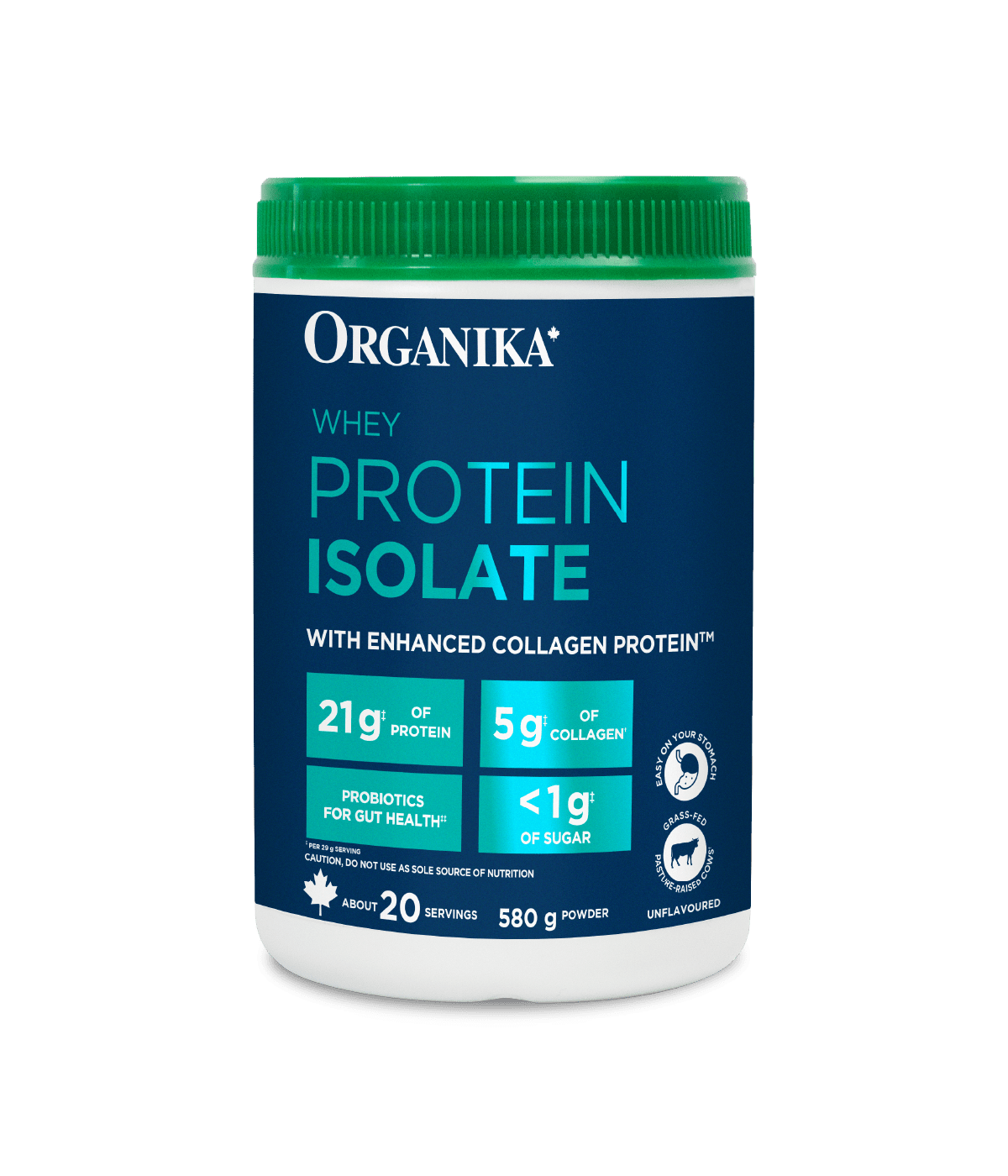
Whey Protein Isolate with Enhanced Collagen Protein
A creamy protein blend that supports athletic performance, recovery and overall health
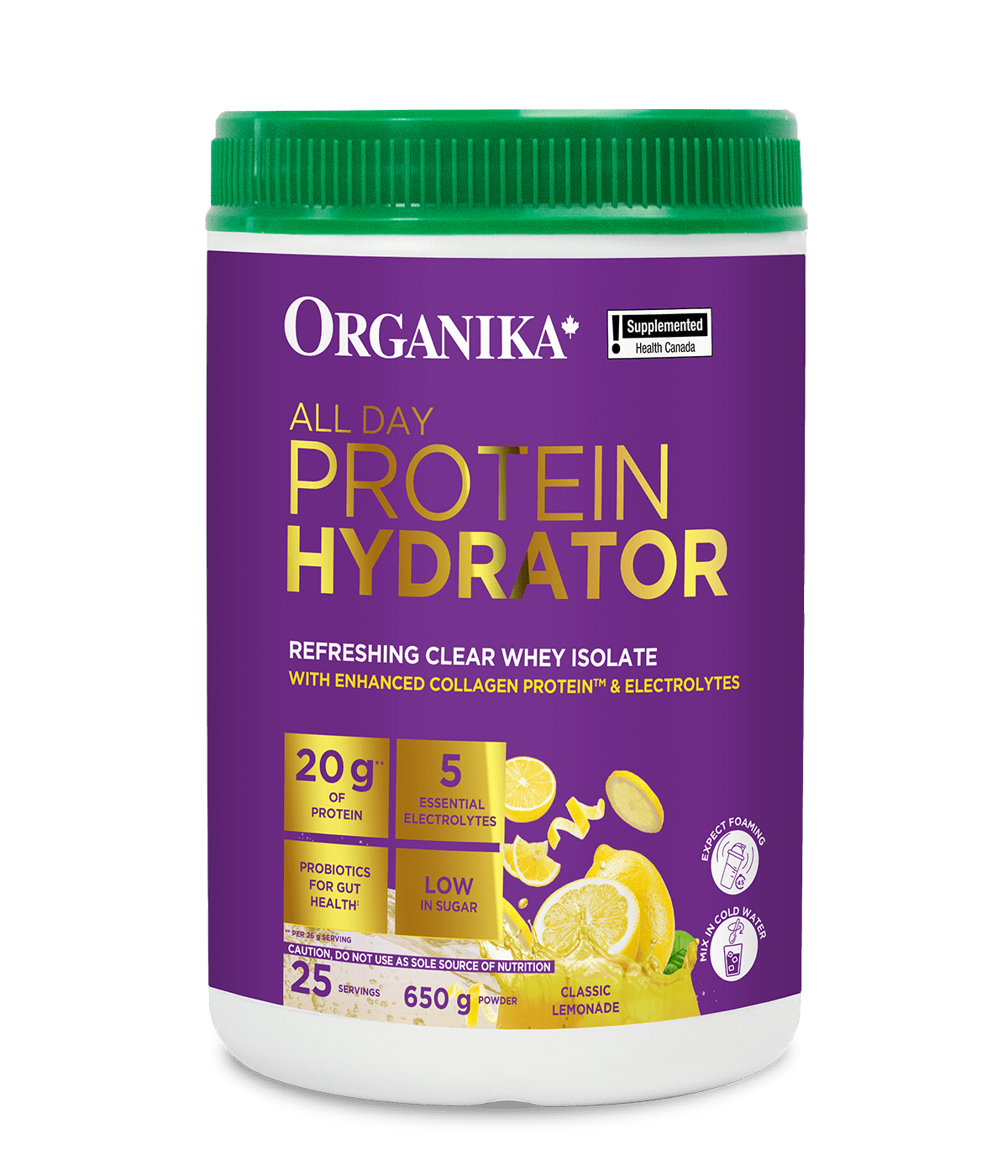
All Day Protein Hydrator
A light, clear, refreshing protein drink that also delivers top-notch electrolyte hydration
Support Beyond Products
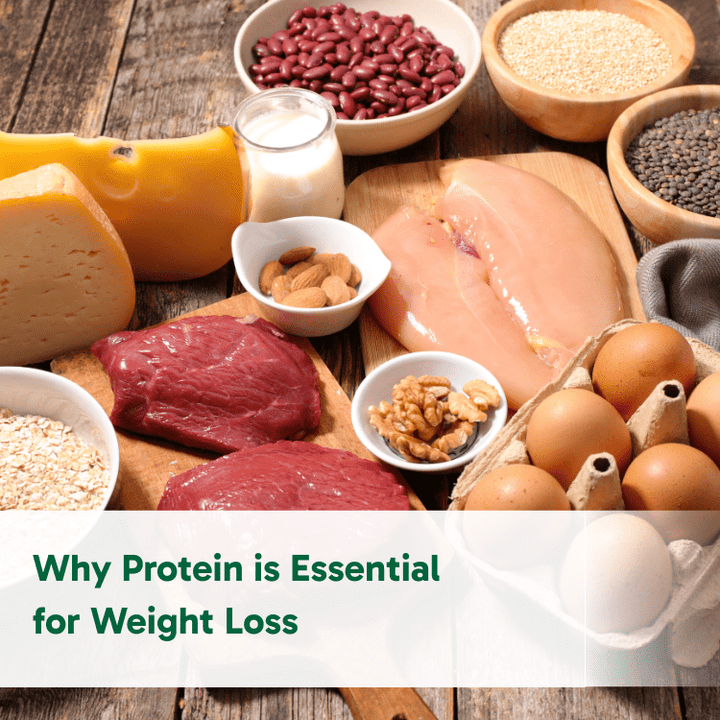
Protein plays a crucial role in weight loss by boosting metabolism, increasing satiety, and preserving lean muscle mass. Studies show that higher protein intake can enhance fat loss, improve body composition, and support long-term weight management. How Protein Aids Weight Loss Boosts Metabolism: Digesting protein burns more calories compared to fats and carbohydrates due to its higher thermic effect. Increases Fullness: Protein helps regulate hunger hormones, reducing cravings and overall calorie intake. Preserves Lean Muscle: During weight loss, protein prevents muscle loss, ensuring fat, not muscle, is burned. Improves Body Composition: Research suggests protein-rich diets lead to greater fat loss while improving cardiovascular health markers like LDL cholesterol and blood pressure. How Much Protein Do You Need? Experts recommend consuming 1.2–2.0 grams of protein per kilogram of body weight for optimal weight loss benefits. Sources like lean meats, fish, eggs, dairy, legumes, and protein supplements can help meet daily needs. Final Thoughts Incorporating more protein into your diet can accelerate weight loss and support overall health. Food alone may not get you to your daily protein requirement and Organika is here to help with many high protein drinks that can help fill in the nutritional gaps. Look to our Bone Broth Line that has 15 grams of protein per serving, our Enhanced Collagen Line with 9 grams of protein per serving, and our All Day Protein Hydrator 20 grams of protein per serving! Pairing a protein-rich diet with exercise and balanced nutrition ensures sustainable results. References https://doi.org/10.51126/revsalus.v6i1.641 https://doi.org/10.1146/annurev-nutr-080508-141056 https://doi.org/10.1080/07315724.2004.10719381
read more
Understanding the difference between collagen and protein powder can help you make better choices for your wellness goals, whether that’s muscle growth, skin and joint support, or daily protein intake. Although both contain amino acids and count as proteins, they serve very different purposes in your diet and body. What Is Collagen? Collagen is the most abundant structural protein in the body, found in skin, bones, cartilage, tendons, hair, and nails. It provides strength, elasticity, and support to connective tissues. Unlike many protein powders (like whey or plant proteins), collagen: Is not a complete protein, it doesn’t contain all nine essential amino acids. Is rich in specific amino acids such as glycine, proline, and hydroxyproline, which help support tissues and structures throughout the body. Why take collagen powder? May support skin hydration and elasticity Helps maintain joint comfort and mobility Supports gut health Offers structural amino acids that can decline with age What Is Protein Powder? In contrast to collagen, most protein powders (including whey, plant-based, egg and casein) are designed to help you meet daily protein requirements and support functions like muscle maintenance, repair and growth. Protein powders differ based on their amino acid profile, digestibility, dietary preferences and goals. Scientific research indicates that both animal and plant proteins can support muscle mass and strength gains when total protein intake is adequate, although animal protein often shows a modest advantage in lean mass development due to higher essential amino acid availability (Santini, M, 2025). Protein powders are often used to support: Reaching daily protein goals Muscle recovery and strength gains Weight management and satiety Convenient nutrition when whole foods aren’t available Which One Should You Choose? When you’re choosing between collagen powder and a more traditional protein powder, it really comes down to what you’re trying to support in your life and body, not that one is “better” than the other for everyone. If your main goal is to meet daily protein needs, support muscle recovery after workouts, or build strength over time, a more complete protein powder (whether that’s whey or a thoughtfully blended plant-based option) tends to fit those needs more directly. These powders are formulated with all the essential amino acids your body looks for when it’s rebuilding and repairing tissues after movement or exercise. On the other hand, if you’re more focused on things like skin resilience, joint comfort, or connective tissue support, collagen protein can feel like a more tailored choice. Because it’s rich in specific amino acids that your body uses for structural proteins like collagen in skin and cartilage, many people find it helpful as a complement to their overall routine. Some individuals choose to use both. For example, a general protein powder after workouts to support muscle and strength goals, and collagen at other times to support skin, joint, or tissue health. There’s nothing stopping you from combining them, as long as you’re keeping an eye on your overall protein intake and how you feel. Everyone’s body and priorities are a little different, so it can be worth experimenting to find what feels best for you. Goal Recommended Muscle building and athletic performance Protein powder Skin, joints, hair, nails Collagen powder Balanced dietary protein Protein powder Targeted connective tissue support Collagen References Santini, M. H., Erwig Leitão, A., Mazzolani, B. C., Smaira, F. I., de Souza, M. S. C., Santamaria, A., Gualano, B., & Roschel, H. (2025). Similar effects between animal-based and plant-based protein blend as complementary dietary protein on muscle adaptations to resistance training: findings from a randomized clinical trial. Journal of the International Society of Sports Nutrition, 22(1), 2568047. https://doi.org/10.1080/15502783.2025.2568047
read more